

Sanitary pads: The history and where it has come down to
A quick thread...
A quick thread...
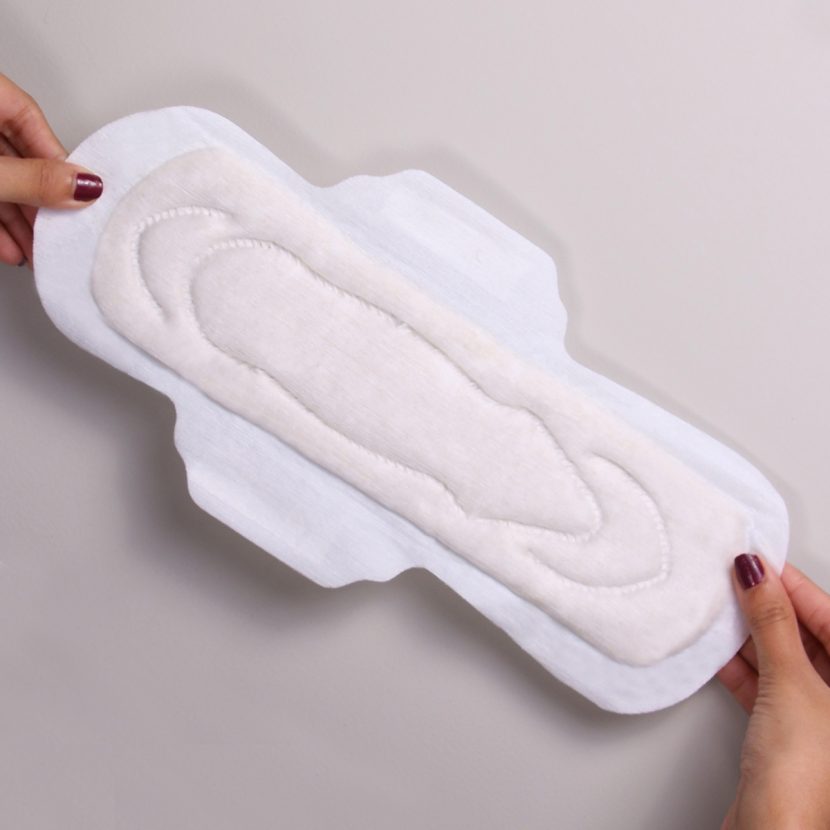
Sanitary pads or napkins have been used by women for hundreds of years, although they have evolved significantly over time.
Early historical records suggest that women in ancient Egypt used papyrus to create pads, while women in ancient Greece fashioned pads out of wool.
In the Middle Ages, women used rags, moss and even animal skins to manage their menstrual bleed.
In the Middle Ages, women used rags, moss and even animal skins to manage their menstrual bleed.
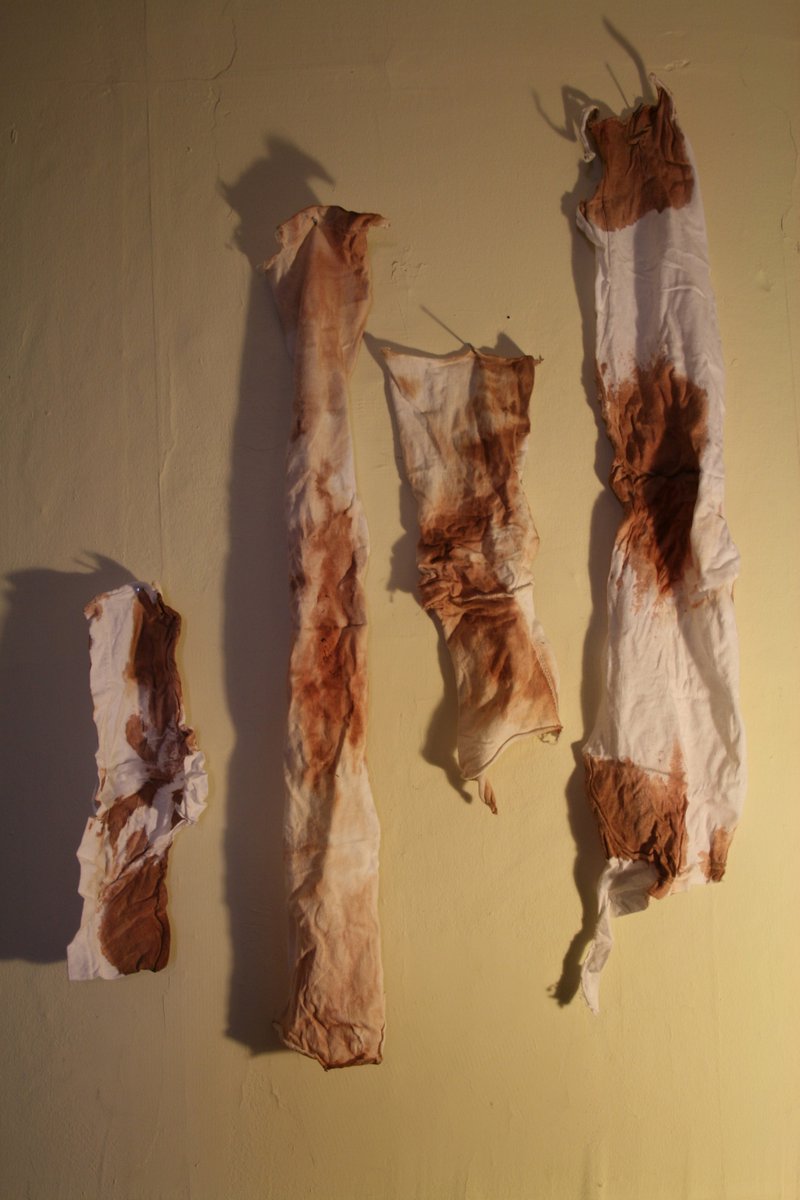
It wasn’t until the late 19th century that commercially produced sanitary napkins became available.
In 1888, Johnson & Johnson began selling their first sanitary pads, called Lister’s Towels. These were made of cotton and held in place with a belt.
In 1888, Johnson & Johnson began selling their first sanitary pads, called Lister’s Towels. These were made of cotton and held in place with a belt.
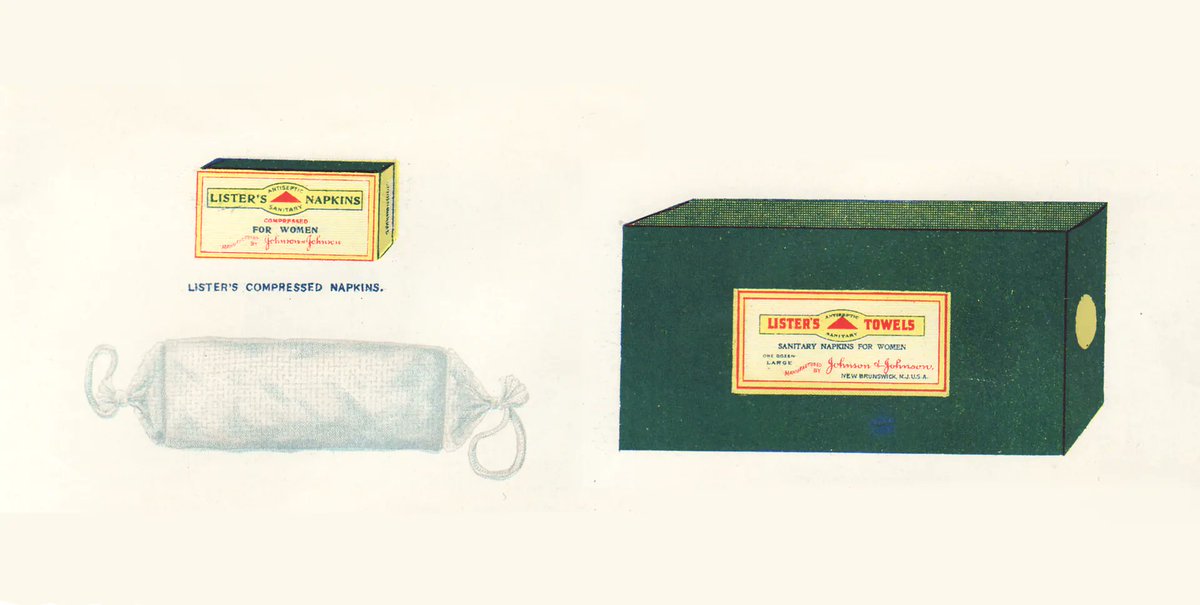
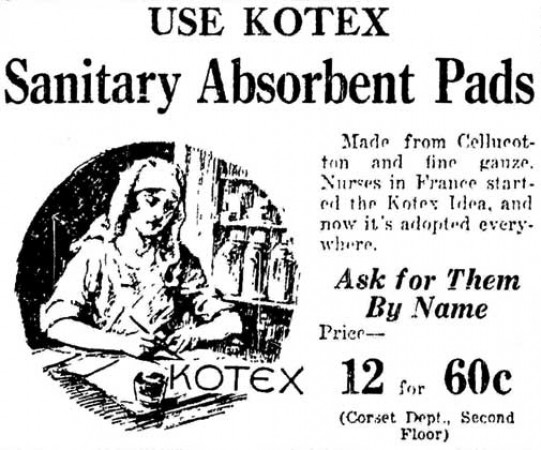
In the early 1900s, disposable pads made of wood pulp and cotton were introduced, marketed as “sanitary towels” or “feminine hygiene napkins.”
However, these were not widely used due to the social stigma surrounding menstruation.
However, these were not widely used due to the social stigma surrounding menstruation.
It wasn’t until after World War II that disposable pads became more mainstream and widely accepted, as technology improved and advertising campaigns helped to break down the stigmas.
In the 1970s, reusable cloth pads gained popularity, but disposable pads remained the most popular option.
Today, sanitary pads come in various sizes, shapes, and materials, and are widely available in most parts of the world.
There are also eco-friendly options available, such as reusable cloth pads and menstrual cups.
There are also eco-friendly options available, such as reusable cloth pads and menstrual cups.
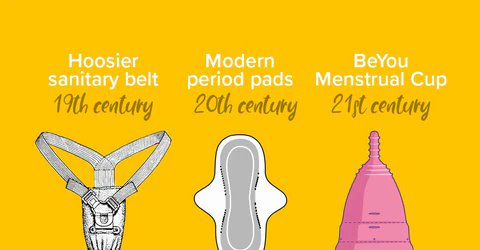
Overall, the history of sanitary pads reflects changing attitudes towards menstruation and the ongoing evolution of menstrual product technology.
Today, you will also see vending machines for sanitary pads across the world, so as to eradicate the stigma on menstruation.
Today, you will also see vending machines for sanitary pads across the world, so as to eradicate the stigma on menstruation.
Did you learn something new from this thread?
If yes, follow @TheWriterWoman_ and RT the first tweet to share it with others.
If yes, follow @TheWriterWoman_ and RT the first tweet to share it with others.
Loading suggestions...