

DNA confirms Aboriginal culture one of Earth’s oldest, they are from Africa.
The first Aboriginal genome sequence confirms Australia’s native people left Africa 75,000 years ago. Aboriginals are descendants of the first people to leave Africa up to 75,000 years ago,
The first Aboriginal genome sequence confirms Australia’s native people left Africa 75,000 years ago. Aboriginals are descendants of the first people to leave Africa up to 75,000 years ago,
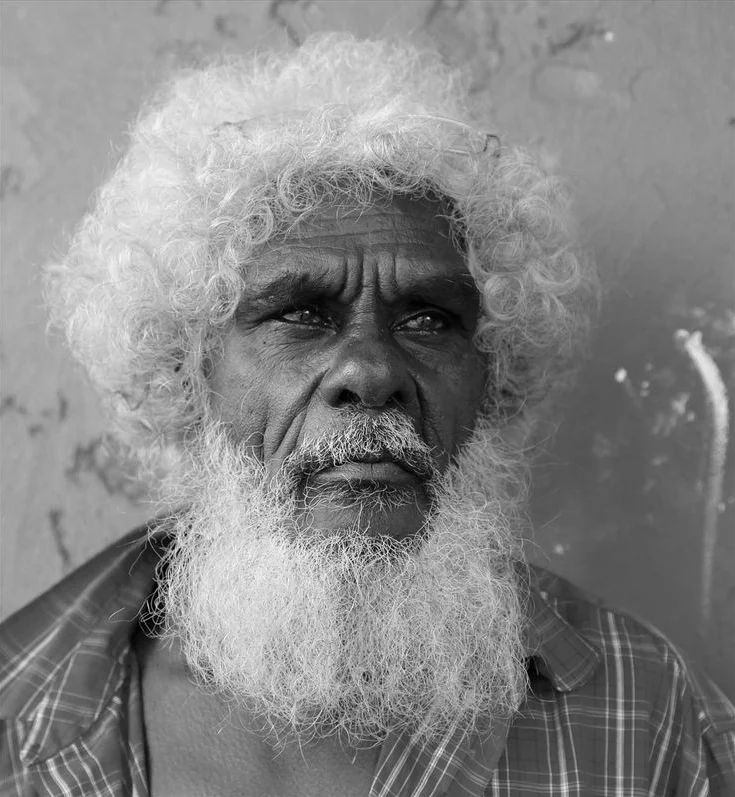
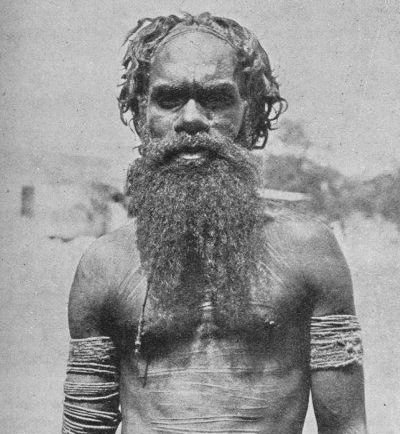
a genetic study has found, confirming they may have the oldest continuous culture on the planet. Professor Eske Willerslev of the University of Copenhagen, who led the study, says Aboriginal Australians were the first modern humans to traverse unknown territory in Asia and
Australia. “It was a truly amazing journey that must have demanded exceptional survival skills and bravery,” he says. A century-old lock of hair, given by a West Australian indigenous man to an anthropologist, has led to the discovery that ancestors of Aboriginal Australians
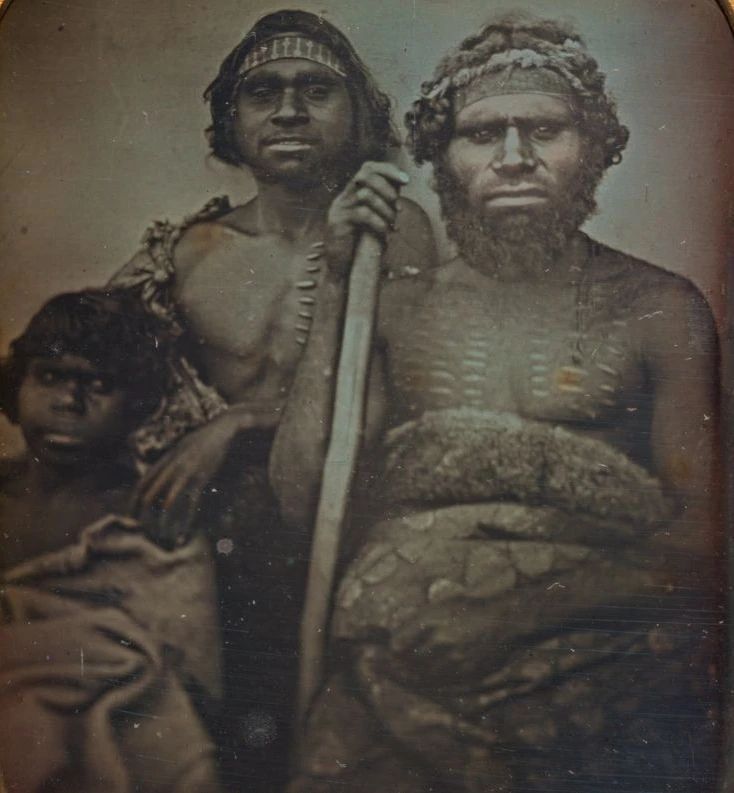
reached Asia at least 24,000 years before another wave of migration that populated Europe and Asia.
Experts from the University of Western Australia (UWA) and Murdoch University were part of an international team that analysed DNA from the hair, and found no hereditary material
Experts from the University of Western Australia (UWA) and Murdoch University were part of an international team that analysed DNA from the hair, and found no hereditary material
from European immigrants to Australia. This made the man’s DNA a perfect candidate for looking at the history of Aboriginal migration. Aboriginal Australians first to cross Asia Studying his DNA, the researchers found that the ancestors of Australian Aboriginals had split from
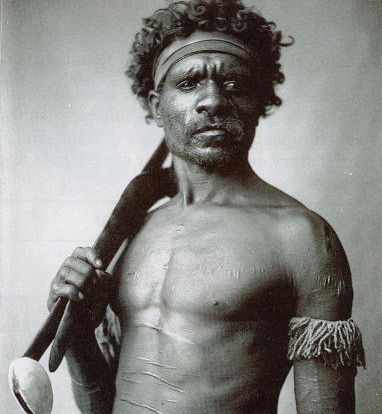
the first modern human populations to leave Africa, 64,000 to 75,000 years ago. Dr Joe Dortch, a scientist at UWA, says the discovery turns on its head the existing theory that Aboriginals arrived here less than 50,000 years ago. The findings are detailed in the journal Science
“[The discovery] strongly supports the idea that Aborigines were [part of] an early and separate wave of human expansion out of Africa, before the subsequent wave that established Europeans and Asians,” says Professor Alan Cooper,
![“[The discovery] strongly supports the idea that Aborigines were [part of] an early and separate wav...](https://pbs.twimg.com/media/FwCgAJ1XgAQnKeH.jpg)
director of the Australian Centre for Ancient DNA at the University of Adelaide. “However, while this is a major step forward, the key unresolved question remains the unique story of Aboriginal history within Australia.”
“This new DNA study powerfully confirms that Aboriginal Australians are one of the oldest living populations in the world, certainly the oldest outside of Africa,” agrees evolutionary biologist Professor Darren Curnoe of UNSW.
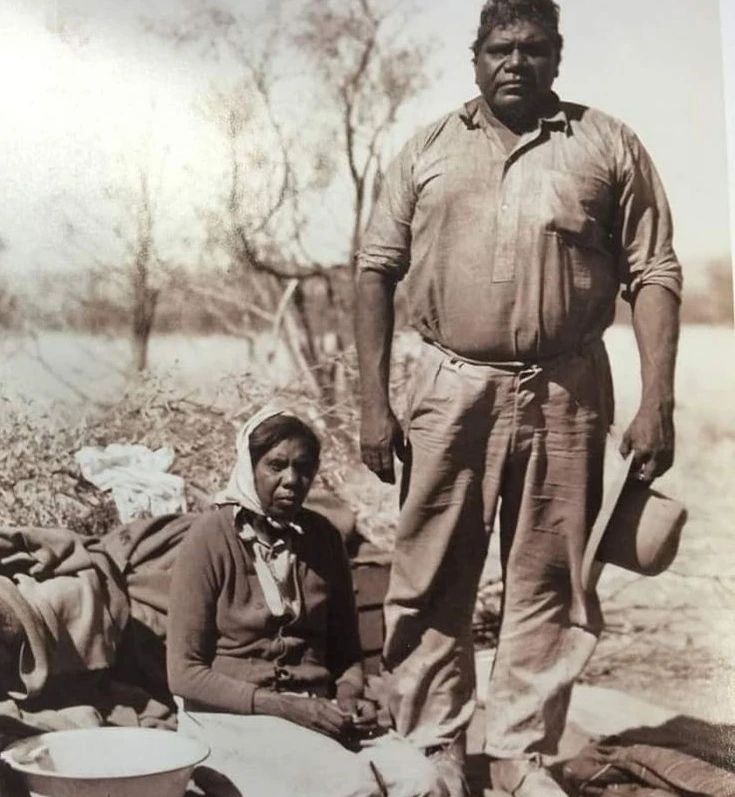
“Australians are truly one of the world’s great human populations and a very ancient one at that, with deep connections to the Australian continent and broader Asian region. About this now there can be no dispute.” Oldest living population in the world. In another study,

in the American Journal of Human Genetics, researchers found that when these ancestors of Aboriginals crossed through Asia, they may have interbred with Siberian people known as the Denisovans. For that study, DNA was extracted from a finger bone excavated in the freezing
temperatures of Siberia to analyze the migration of people to tropical parts of Asia and Australia more than 40,000 years ago. Examining DNA from the finger, researchers from the Harvard Medical School in the US and the Max Planck Institute for Evolutionary Anthropology in
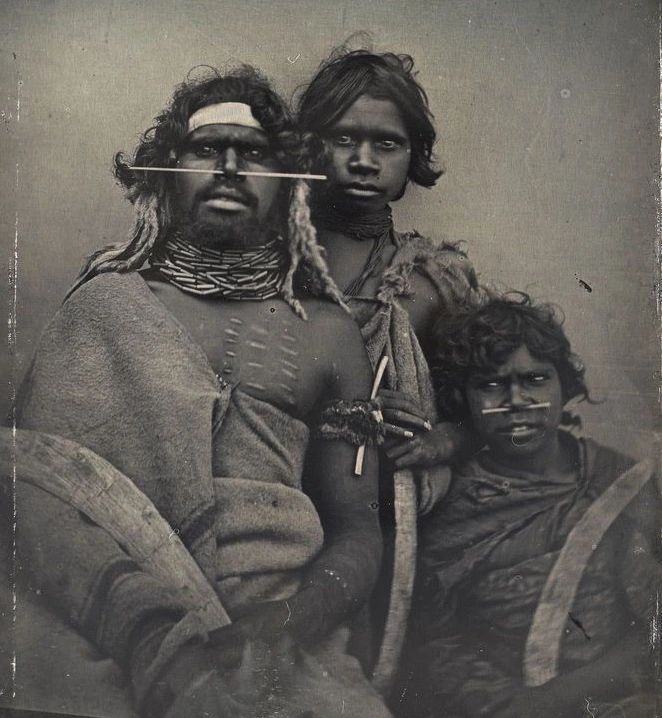
Germany concluded that the Denisovans – a primitive group of humans descended from Neanderthals – migrated from Siberia to tropical parts of Asia. They contributed DNA to Aborigines along with present-day New Guineans and an indigenous tribe in the Philippines known as Mamanwa.
Aboriginal people had Siberian ancestors. To make the link between the Denisovans and indigenous Australians, the study looked at two Aboriginal populations, one of which was from the Northern Territory. The researchers concluded that Denisovans interbred with modern humans
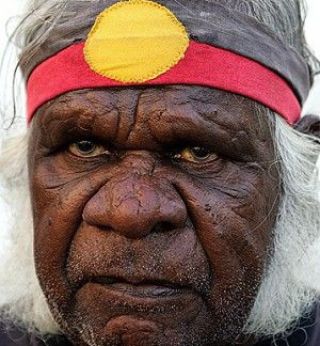
in South-East Asia 44,000 years ago, before Australia separated from Papua New Guinea. “This paper helped fill in some empty pieces in the evolutionary puzzle that began after early humans left Africa and reinforces the view that humans have intermixed throughout history,”
say the scientists behind the research in a summary of the findings. “The study also confirms controversial claims that the ancestors of all living Eurasians interbred with the Neandertals, while past Asians/Oceanians also mated with the mysterious ancient humans from
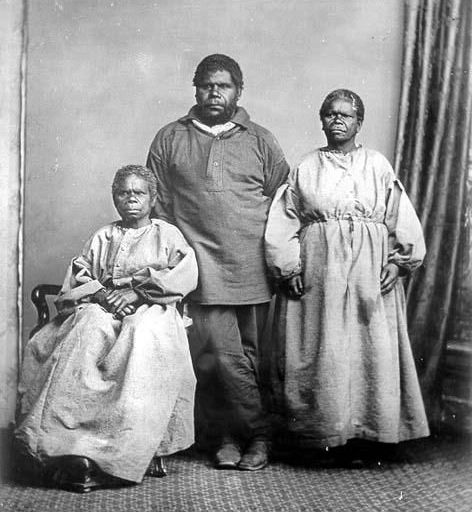
Denisova cave[s] in Siberia,” comments Darren from UNSW. “This is clear and independent validation of DNA work on both these extinct humans [the Neanderthals and the Denisovans],
confirming today’s other big announcement about their deep connections to Australians and other indigenous people in our region.”
Loading suggestions...