

Pablo Picasso produced 147,800 pieces of art…
-13,500 paintings
-100,000 prints and engravings
-300 sculptures and ceramics
-and 34,000 illustrations
Impressive.
But, why is his art so weird looking?
-13,500 paintings
-100,000 prints and engravings
-300 sculptures and ceramics
-and 34,000 illustrations
Impressive.
But, why is his art so weird looking?
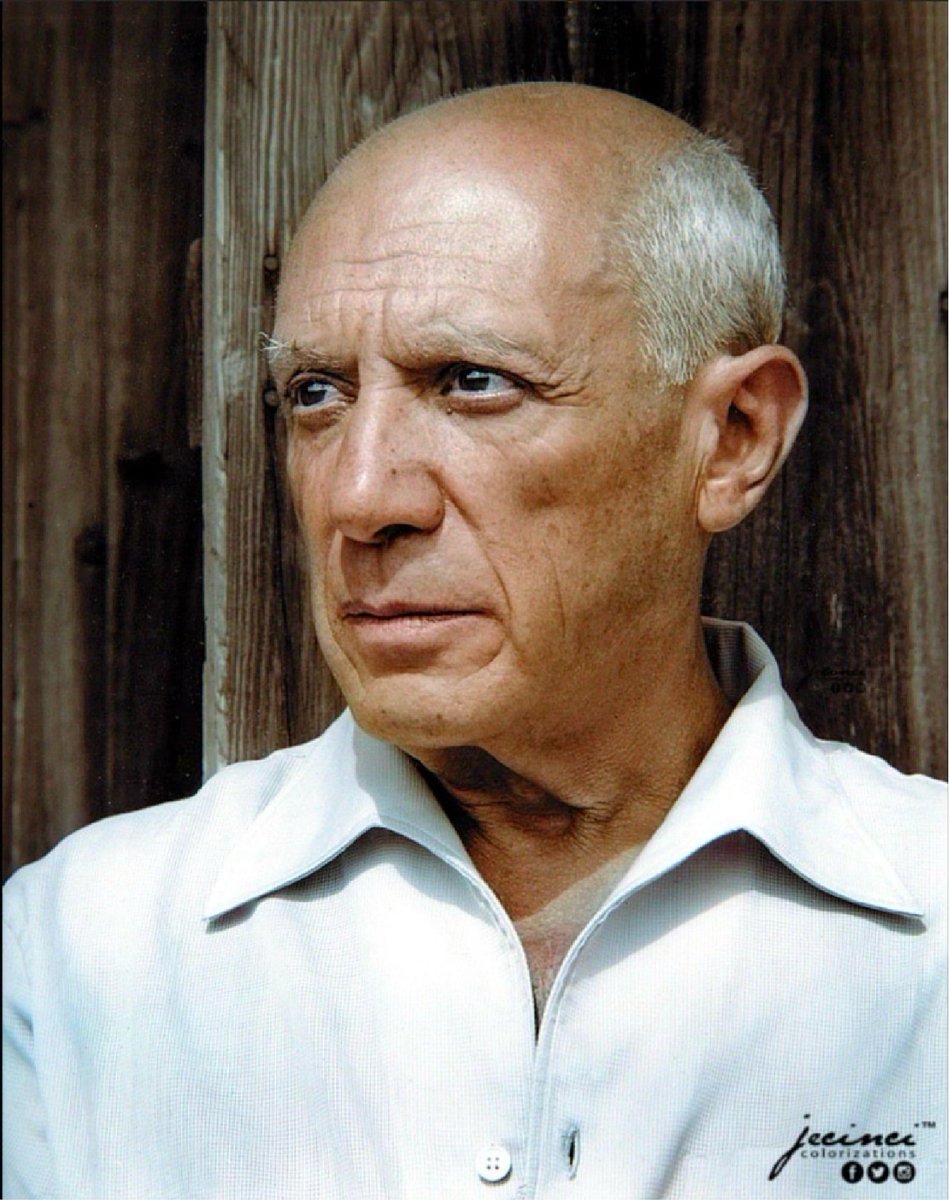
Like many artistic geniuses, Picasso was the son of a fairly talented artist in his father José Ruiz Blasco.
His father had been a professor of drawing.
Picasso’s talent glimmered early and at the age of 10, he was learning under his father in A Coruña, Spain.
His father had been a professor of drawing.
Picasso’s talent glimmered early and at the age of 10, he was learning under his father in A Coruña, Spain.
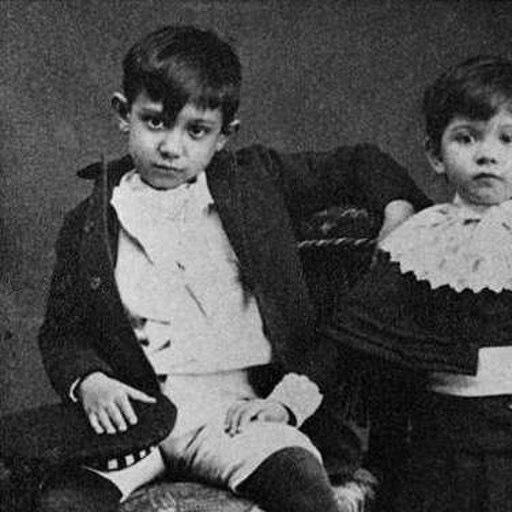
His father gave up on his own personal aspirations and shifted his focus to aiding his son in becoming a Great Artist.
Picasso’s skills improved rapidly.
Picasso’s skills improved rapidly.
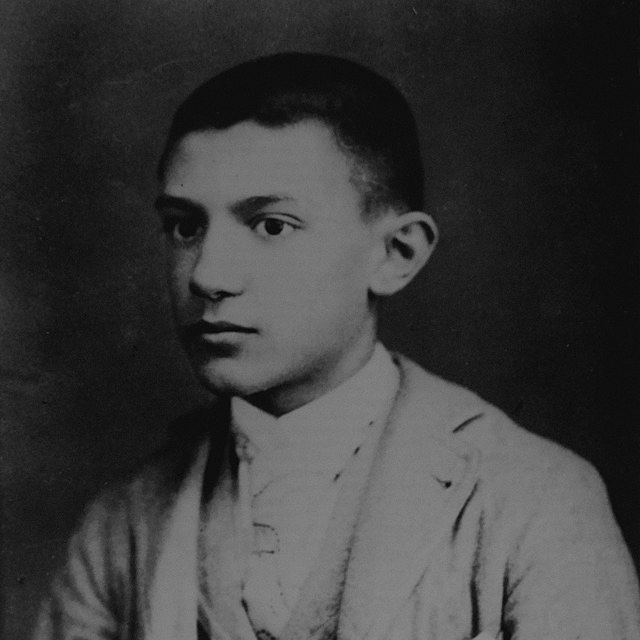
As a teenager Picasso and his family moved to Barcelona.
In this artistic city, Picasso’s work really began to pick up steam.
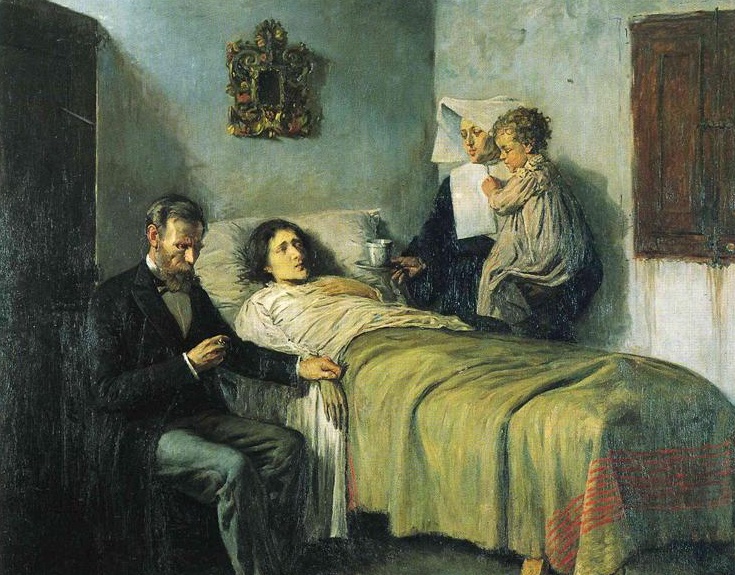
Specifically, his work: "Science and Charity" was given high praise in 1896.
In this artistic city, Picasso’s work really began to pick up steam.
Specifically, his work: "Science and Charity" was given high praise in 1896.
Picasso’s mother also had a large influence on him.
She would say things like:
“When you grow up, if you are a soldier, you will become general. If you are a priest, you will become Pope.”
She would say things like:
“When you grow up, if you are a soldier, you will become general. If you are a priest, you will become Pope.”
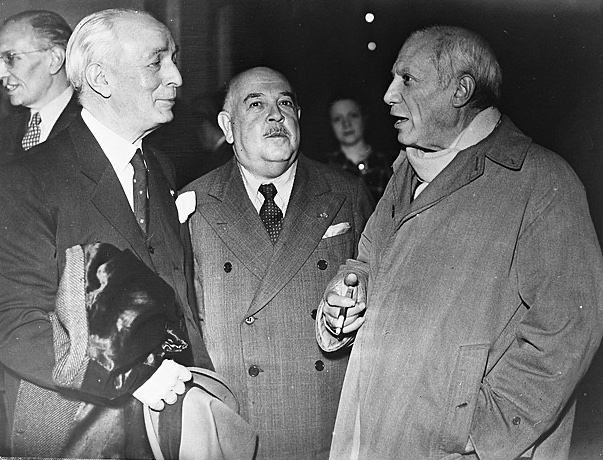
A doting mother and a diligent father is a hard combo to beat…
Unfortunately, tragedy would strike the family.
Picasso’s younger sister, Conchita, became ill with diphtheria.
Picasso attempted to make a pact with God to give up painting if he would let Conchita live.
Unfortunately, tragedy would strike the family.
Picasso’s younger sister, Conchita, became ill with diphtheria.
Picasso attempted to make a pact with God to give up painting if he would let Conchita live.
Conchita did not survive.
According to biographer Jason Richardson, this event left a lasting and profound sense of guilt in Picasso’s psyche.
According to biographer Jason Richardson, this event left a lasting and profound sense of guilt in Picasso’s psyche.
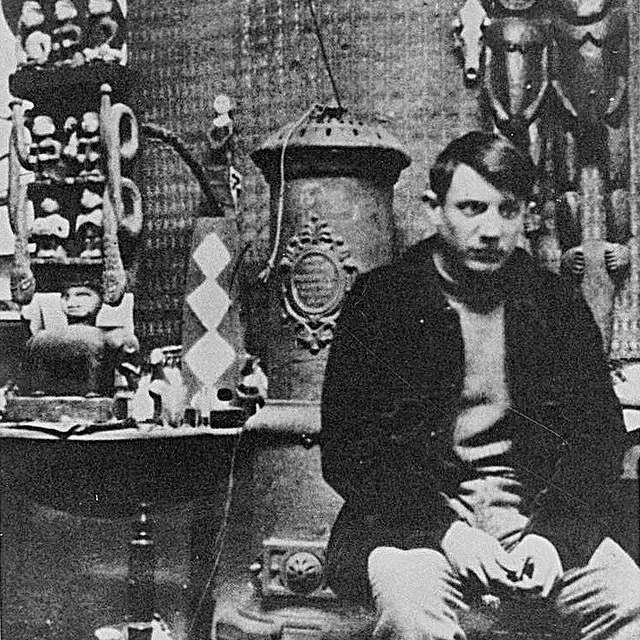
Eventually, in 1897, Picasso left for Madrid to study at the Royal Academy of San Fernando.
He hated the school and thought it was boring though.
Young Picasso would spend most of his time in the museums admiring the “Greats.”
He hated the school and thought it was boring though.
Young Picasso would spend most of his time in the museums admiring the “Greats.”
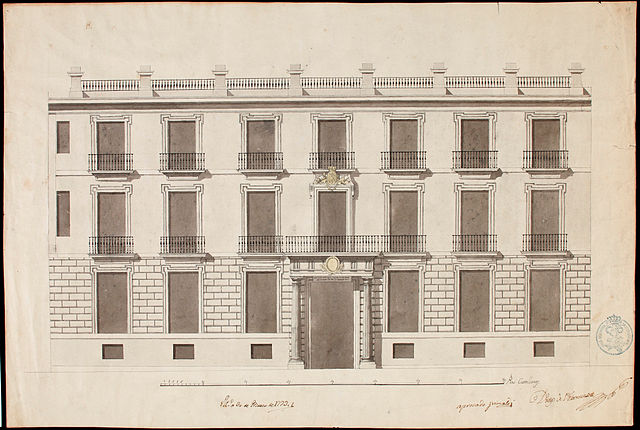
Because of his poor attendance while at the Royal Academy, his allowance was cut by his father.
After spending a miserable winter in Madrid where he was penniless, cold, and ill, he decided to travel to his friend, Manuel Pallares’ home village.
After spending a miserable winter in Madrid where he was penniless, cold, and ill, he decided to travel to his friend, Manuel Pallares’ home village.
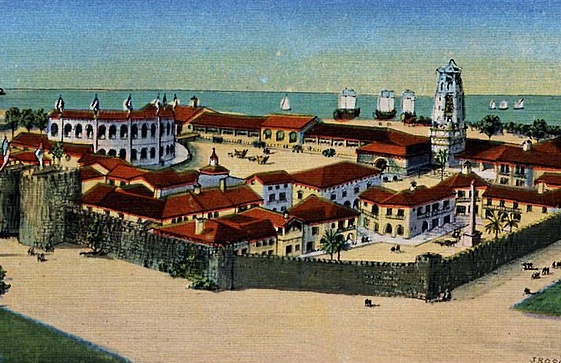
He would later say:
“Everything I know, I learnt in Pallares’ village.”
He connected to Nature and focused on painting landscapes, and local people and also developed various skills like harvesting grapes, butchering animals, and shearing sheep.
“Everything I know, I learnt in Pallares’ village.”
He connected to Nature and focused on painting landscapes, and local people and also developed various skills like harvesting grapes, butchering animals, and shearing sheep.
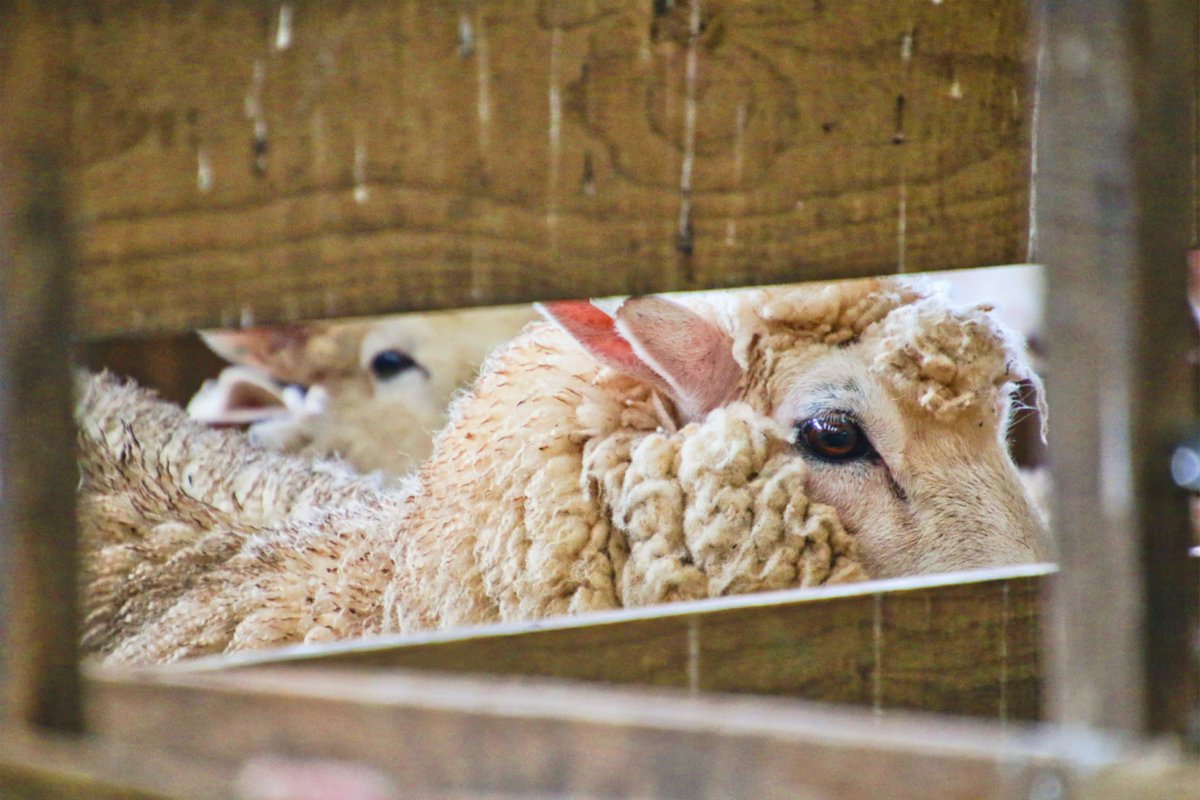
After his time spent in the small village, he had regained his health and moved back to Barcelona.
In Barcelona, he joined a club, which was housed in the tavern: Els Quatre Gats.
In Barcelona, he joined a club, which was housed in the tavern: Els Quatre Gats.
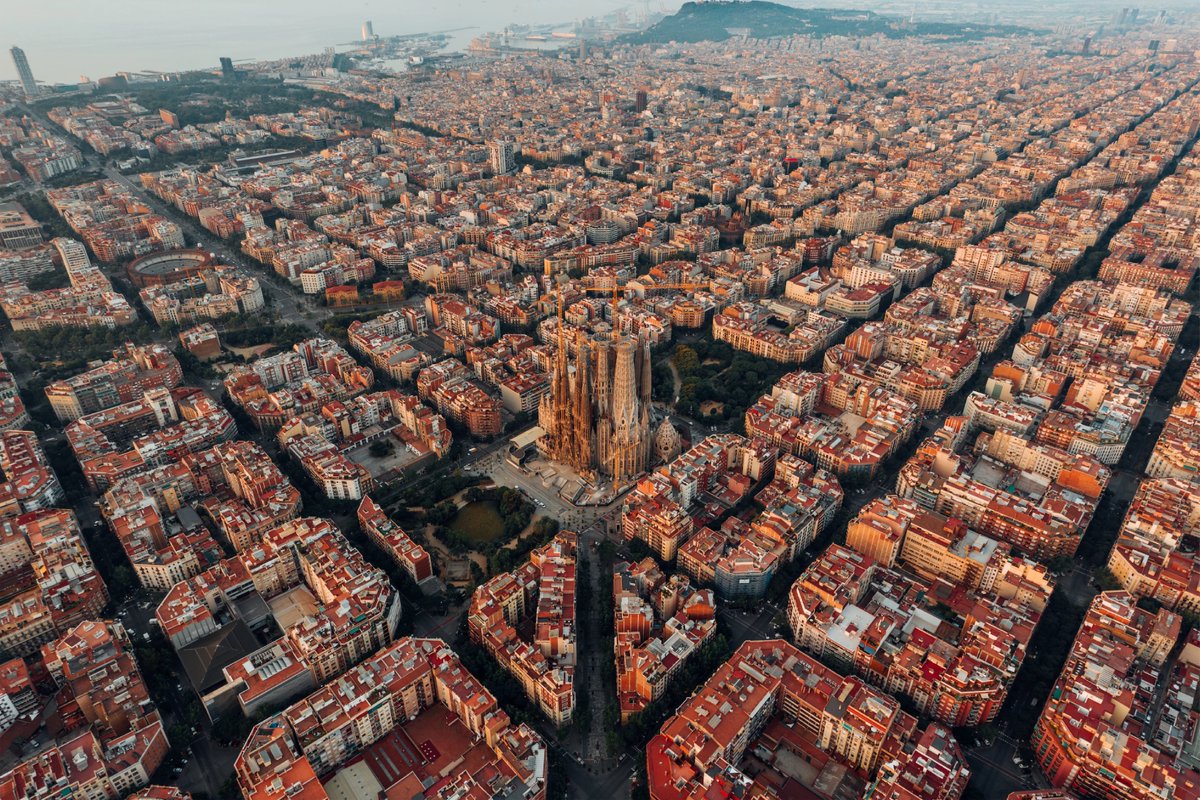
There he met other well-known artists such as the painter Carles Casagemas and poet Jaime Sabartes.
As Picasso’s popularity was increasing he and his friend Casagemas moved to Paris, where the real action was taking place.
As Picasso’s popularity was increasing he and his friend Casagemas moved to Paris, where the real action was taking place.
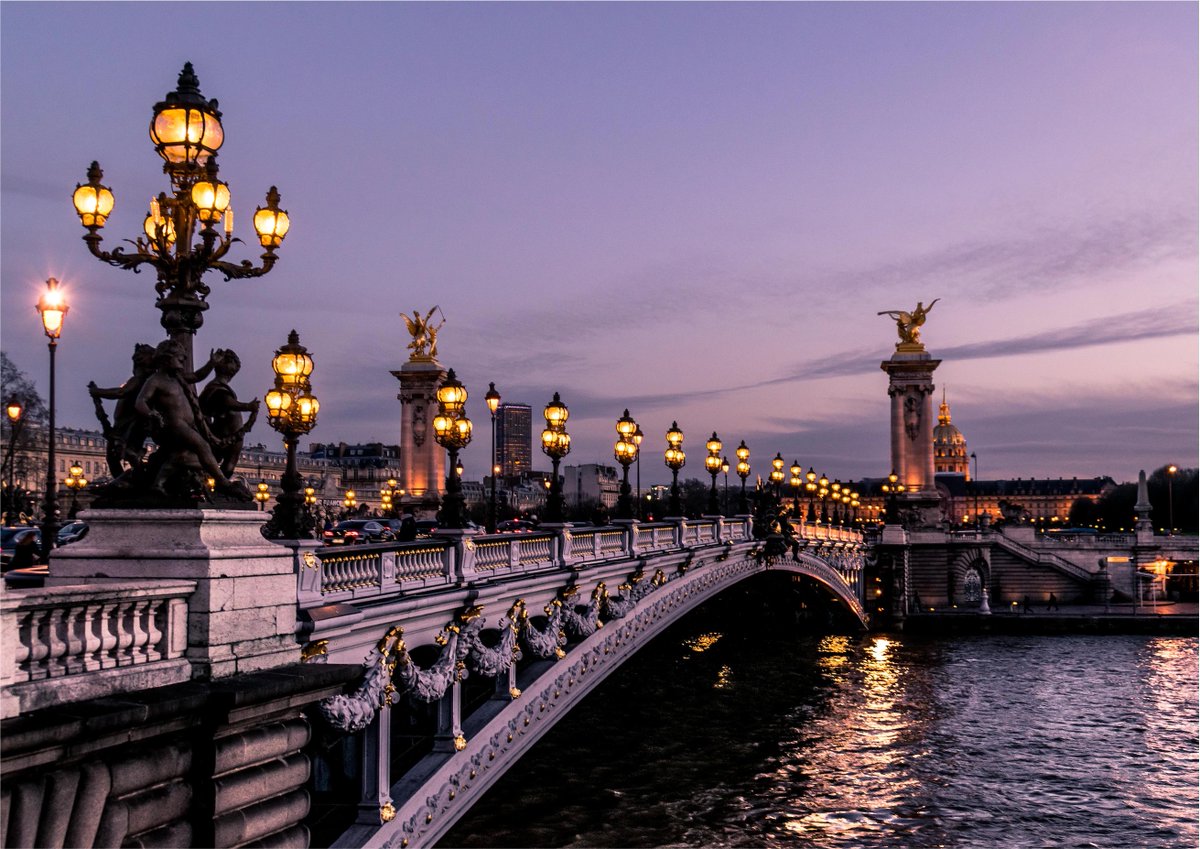
Although Picasso lived life fully in Paris, he did end up returning to Barcelona.
It was in Barcelona that Picasso would be struck with some horrific news.
It was in Barcelona that Picasso would be struck with some horrific news.
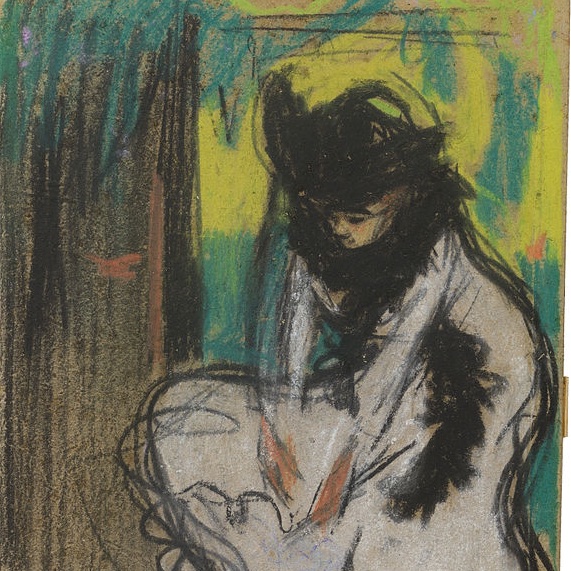
Casagemas turned out to be unwell in the mind.
After a rejection from a woman, Casagemas sought her out and shot at her, but after missing, turned the gun on himself.
His death was drawn by Picasso:
After a rejection from a woman, Casagemas sought her out and shot at her, but after missing, turned the gun on himself.
His death was drawn by Picasso:
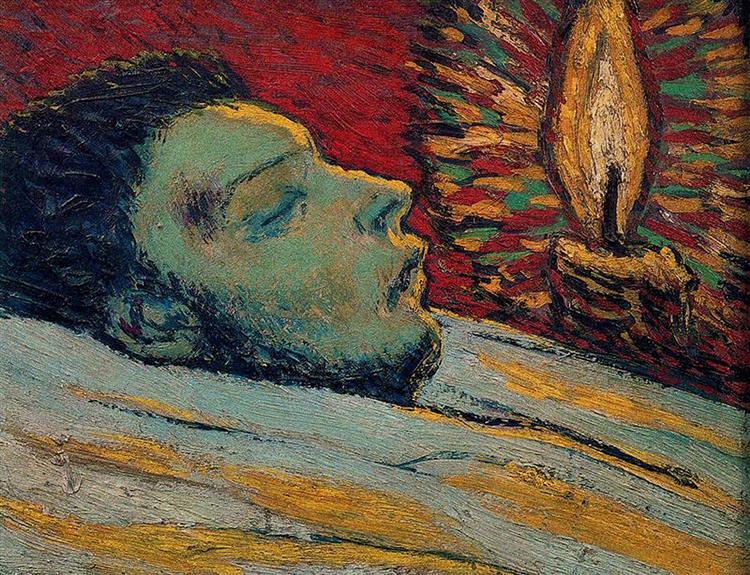
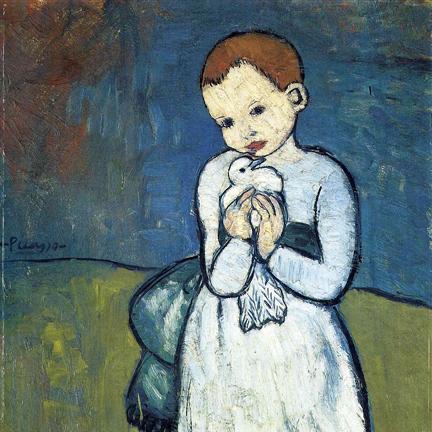
This event took a toll on Picasso and he entered his Blue Period.
During these next few years, he painted largely in the color of blue.
This work had a strong sense of sadness, despair, and depression.
During these next few years, he painted largely in the color of blue.
This work had a strong sense of sadness, despair, and depression.
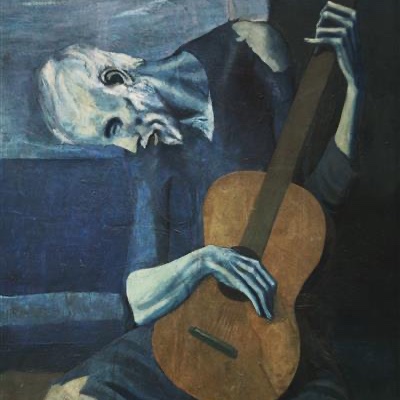
It was during this period that Picasso’s unique artistic style took shape.
While traveling between Barcelona and Paris, meeting and visiting with all sorts of people, Picasso began shifting his artistic focus to subjective and spiritual experiences rather than reality.
While traveling between Barcelona and Paris, meeting and visiting with all sorts of people, Picasso began shifting his artistic focus to subjective and spiritual experiences rather than reality.
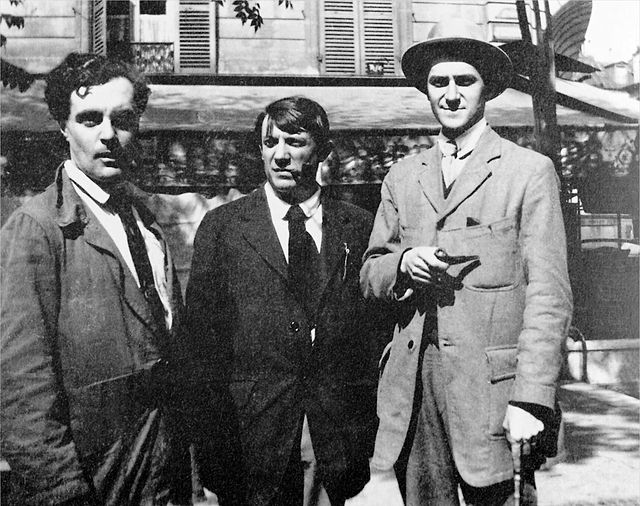
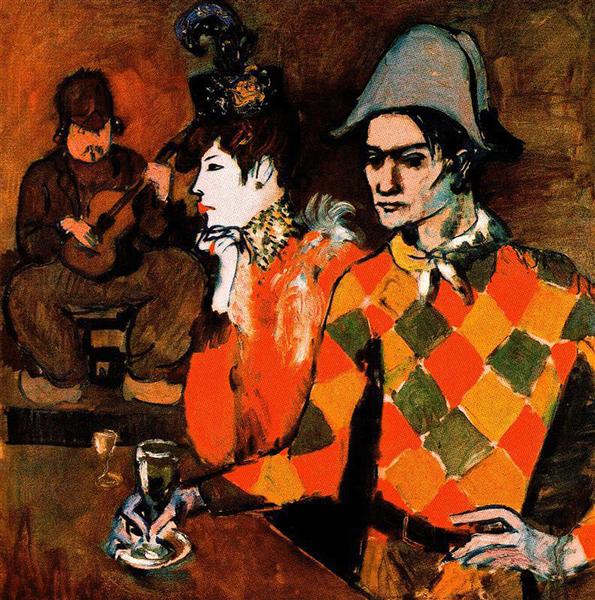
After settling in Paris in 1904, Picasso entered his Rose Period.
It was during this period that he adopted a warm palette, ditching the blues and exchanging them for orange, red, and pink.
It was during this period that he adopted a warm palette, ditching the blues and exchanging them for orange, red, and pink.
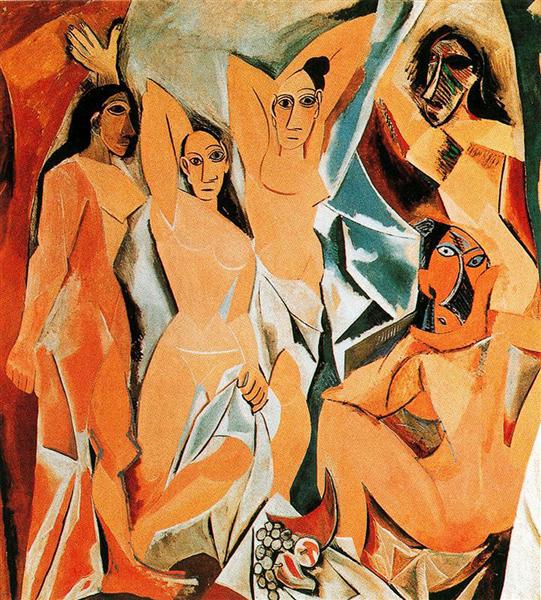
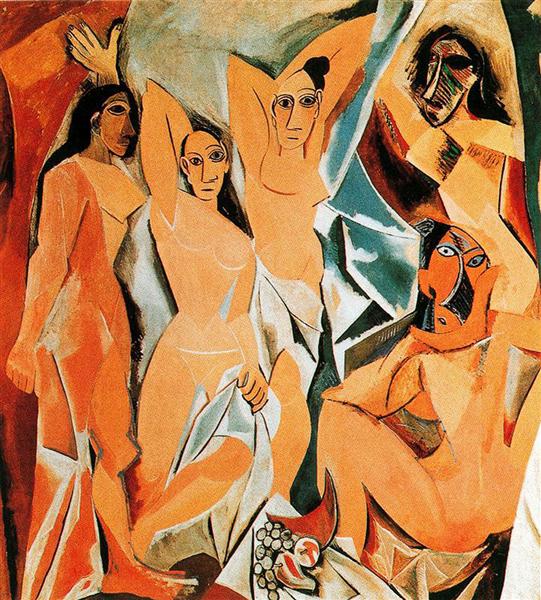
Works such as the "Les Demoiselles d’Avignon" were created during the Rose Period.
The controversial nature of the artwork stems from Picasso's use of aggressive actions towards the female form and the mask-like depiction of faces, which draws inspiration from African art.
The controversial nature of the artwork stems from Picasso's use of aggressive actions towards the female form and the mask-like depiction of faces, which draws inspiration from African art.
And then from 1909-1912, Picasso, with the influence of a friend named Georges Braque, Cubism was developed.
So, what exactly is going on with this seemingly ugly art?
So, what exactly is going on with this seemingly ugly art?
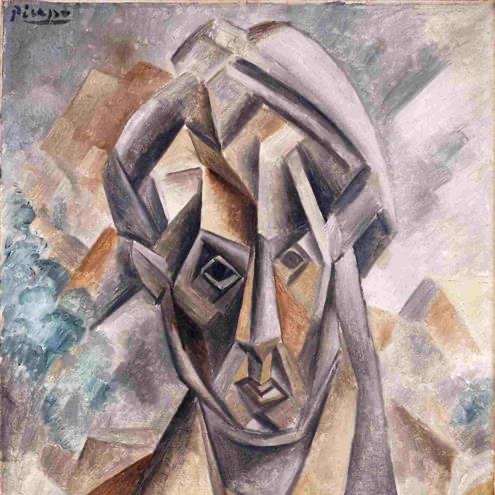
Critics and viewers frequently misunderstood early Cubist paintings, as they were often perceived as mere works of geometric art.
However, the painters themselves held the belief that they were introducing a novel form of reality, one that deviated from the traditions of the...
However, the painters themselves held the belief that they were introducing a novel form of reality, one that deviated from the traditions of the...
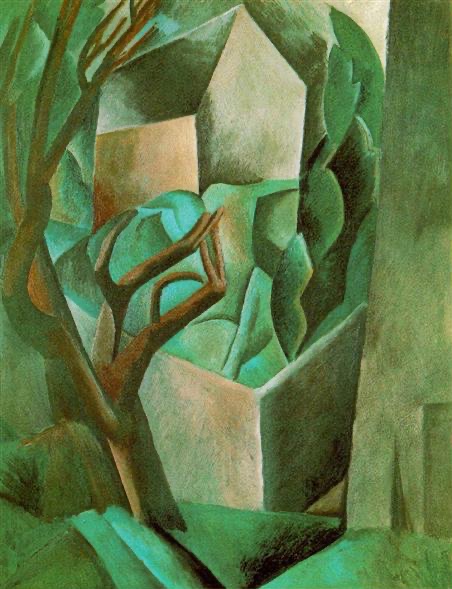
Renaissance era, particularly in terms of perspective.
With Cubism, Picasso would portray multiple perspectives of an object within a single canvas, allowing for the conveyance of a greater amount of information compared to the limitations of a single illusionistic viewpoint.
With Cubism, Picasso would portray multiple perspectives of an object within a single canvas, allowing for the conveyance of a greater amount of information compared to the limitations of a single illusionistic viewpoint.
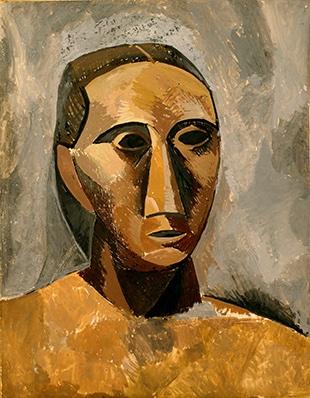
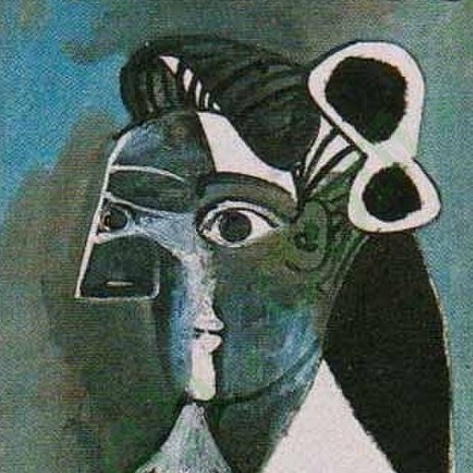
Over the years, this idea would evolve into surrealism.
This basically just takes the ideas of cubism and furthers them: seeking to release the creative potential of the unconscious mind.
This basically just takes the ideas of cubism and furthers them: seeking to release the creative potential of the unconscious mind.
We will continue with Picasso’s story later.
We certainly should not emulate everything he did, as he was a disturbed character, specifically with his treatment of women - sadistic behavior…
But, there is an important thing to take away from this first half of his life.
We certainly should not emulate everything he did, as he was a disturbed character, specifically with his treatment of women - sadistic behavior…
But, there is an important thing to take away from this first half of his life.
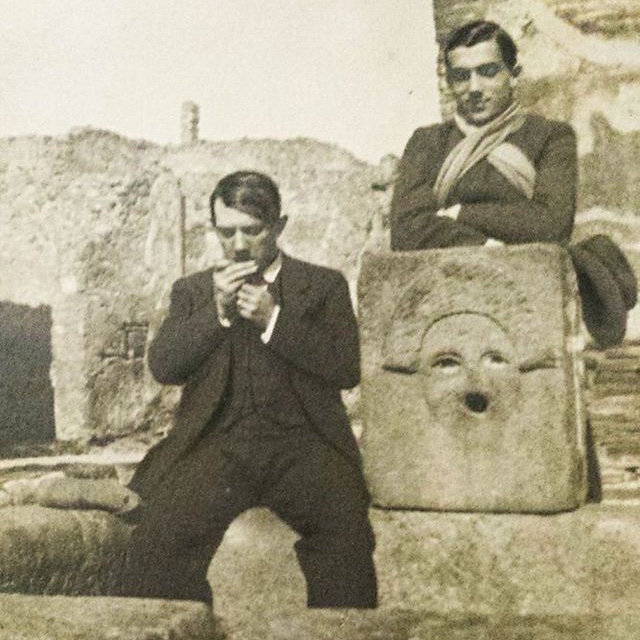
It’s hard to beat moving to a different physical location - at least when it comes to an individual’s growth.
You can read books, talk to people, and learn new skills in one place, but it just doesn’t compare to actually spending time in a new physical city, town, or country.
You can read books, talk to people, and learn new skills in one place, but it just doesn’t compare to actually spending time in a new physical city, town, or country.
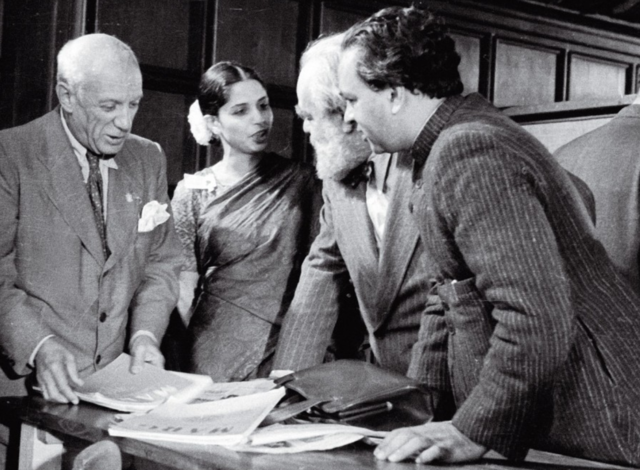
Experiencing a new place and all it offers, from people to the architecture, really accelerates growth in ways you could never imagine.
This is a pattern that you will find pops up the more biographies you read too.
This is a pattern that you will find pops up the more biographies you read too.
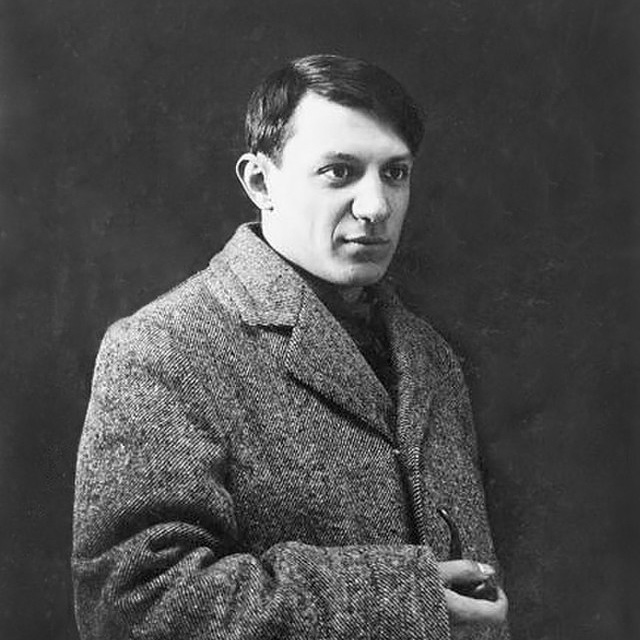
Each time Picasso moved, whether it be to Madrid, Barcelona, Paris, or a small village, he took giant leaps in his development as an artist.
Do you think he would have had the success that he did if he had stayed in his hometown all his life?
Do you think he would have had the success that he did if he had stayed in his hometown all his life?
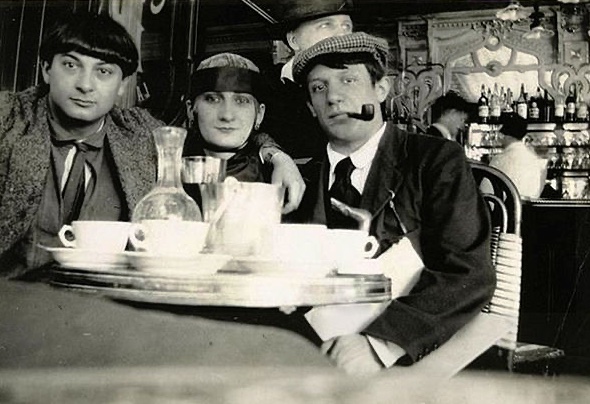
USEFUL KNOWLEDGE:
-Move.
Just travel to a new place. Live there for a while. Nothing can compare to the growth you will gain individually by living in a different physical location. It served Picasso quite well. Another great example is Alexander von Humboldt, a 19th-century scientist. He was living a dreary life in Germany examining mines, but when he moved to France, specifically Paris, everything blossomed. He soon ended up on a ship to South America where he spent years exploring the continent and helping us understand that Nature was a web of life, something that had not been previously considered.
First colorized image credit: @jecinci with permission
NOTE: I can appreciate Picasso’s art, but frankly I am not a huge fan - what do you think of his work?
-Move.
Just travel to a new place. Live there for a while. Nothing can compare to the growth you will gain individually by living in a different physical location. It served Picasso quite well. Another great example is Alexander von Humboldt, a 19th-century scientist. He was living a dreary life in Germany examining mines, but when he moved to France, specifically Paris, everything blossomed. He soon ended up on a ship to South America where he spent years exploring the continent and helping us understand that Nature was a web of life, something that had not been previously considered.
First colorized image credit: @jecinci with permission
NOTE: I can appreciate Picasso’s art, but frankly I am not a huge fan - what do you think of his work?

Loading suggestions...