

PHYS002: Bomb design/Super-basic thermodynamics
In this short thread, we're going to take a step back from nuclear weapon design to look at conventional bombs. You'll appreciate the engineering challenges facing designers and how they optimize the devices.
Let's go!
In this short thread, we're going to take a step back from nuclear weapon design to look at conventional bombs. You'll appreciate the engineering challenges facing designers and how they optimize the devices.
Let's go!

In the previous installment (PHYS001), we learnt all about nuclear reactions and the energy produced by them.
We also spoke briefly about one chemical reaction and energies associated with it.
...But we never discussed what energy *is*. [vsauce music]
We also spoke briefly about one chemical reaction and energies associated with it.
...But we never discussed what energy *is*. [vsauce music]
Energy is essentially an abstraction of transference of state between entities in our world, and we have a particle to denote this transference, the photon. In Poincare's framework, we call energy a convention:
The process exists, but underlying phenomenon is up to modeling!
The process exists, but underlying phenomenon is up to modeling!

In everyday life, you know roughly what energy is: You eat food, you get energy, you can move around. You might even gain some weight if you're not careful. And if you exercise you might even lose some!
In the particle realm, it's really no different.
But we know some rules!
In the particle realm, it's really no different.
But we know some rules!

As we learnt before, energy and mass are kind of equivalent (though, "hadron" count etc. has to be maintained -- let's not touch that for now).
In our reactions we had to balance the energy of both sides to find out the total energy released.
This is: Conservation of energy/mass.
In our reactions we had to balance the energy of both sides to find out the total energy released.
This is: Conservation of energy/mass.

But there's one other conservation rule we have to take care of, the conservation of momentum!
What is momentum? Well, simply put it's the "weight of your motion", specifically, the mass of a particle multiplied by it's velocity (speed v).
Try it at home:
youtu.be
What is momentum? Well, simply put it's the "weight of your motion", specifically, the mass of a particle multiplied by it's velocity (speed v).
Try it at home:
youtu.be
And momentum, i.e. velocity of a particle, is associated with a kinetic energy!
That's right. Not only can energy be used to transition the state of electrons around the electron cloud, it can also change the velocity of a particle...
Well, as long as momentum is also conserved!
That's right. Not only can energy be used to transition the state of electrons around the electron cloud, it can also change the velocity of a particle...
Well, as long as momentum is also conserved!
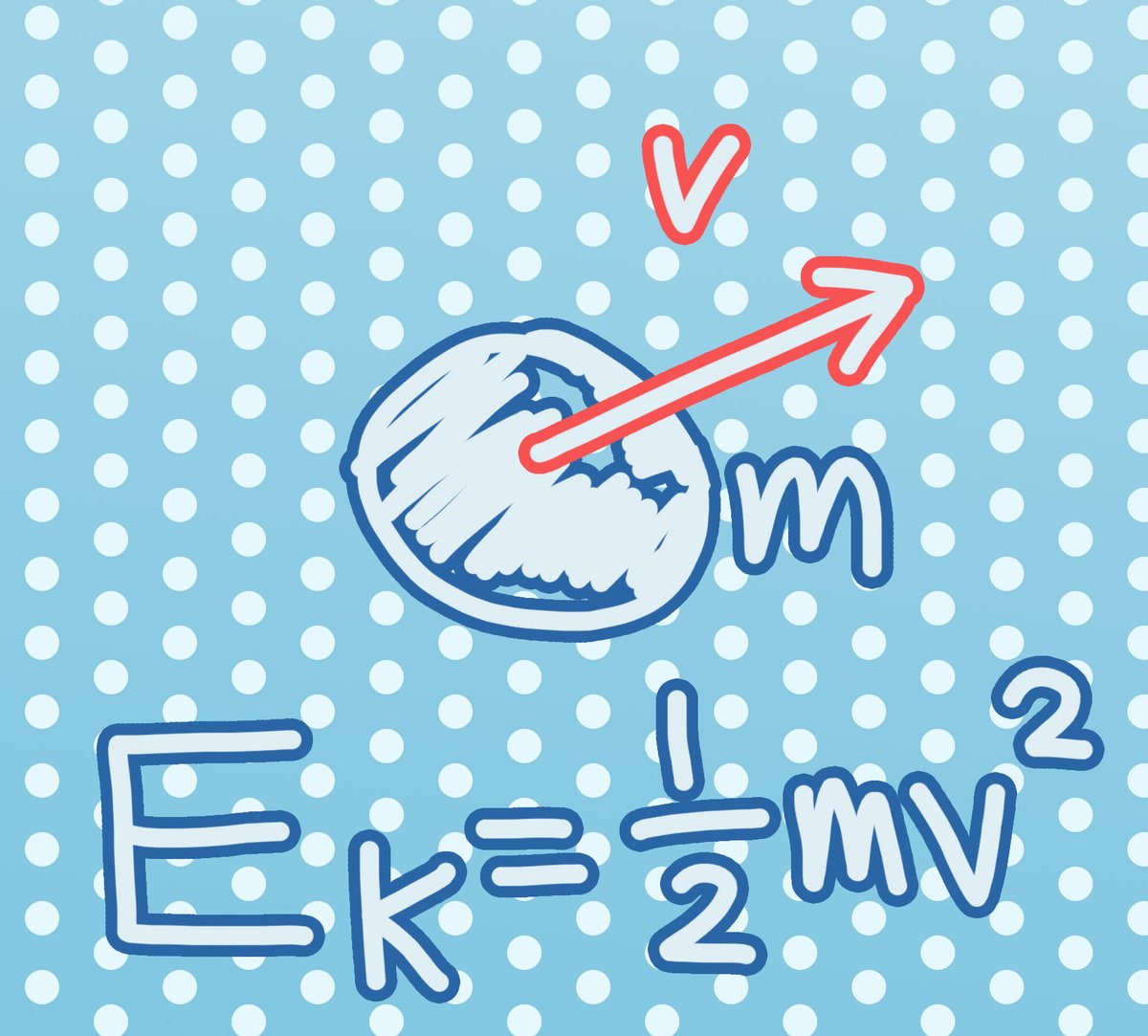
Here's a very instructive example. When a stationary bomb detonates, it breaks up and flies out in *all* direction.
It has to! Were the bomb to move in a single direction, momentum would not be conserved.
But why does it have to move at all? Can't it just sit there and heat up?
It has to! Were the bomb to move in a single direction, momentum would not be conserved.
But why does it have to move at all? Can't it just sit there and heat up?
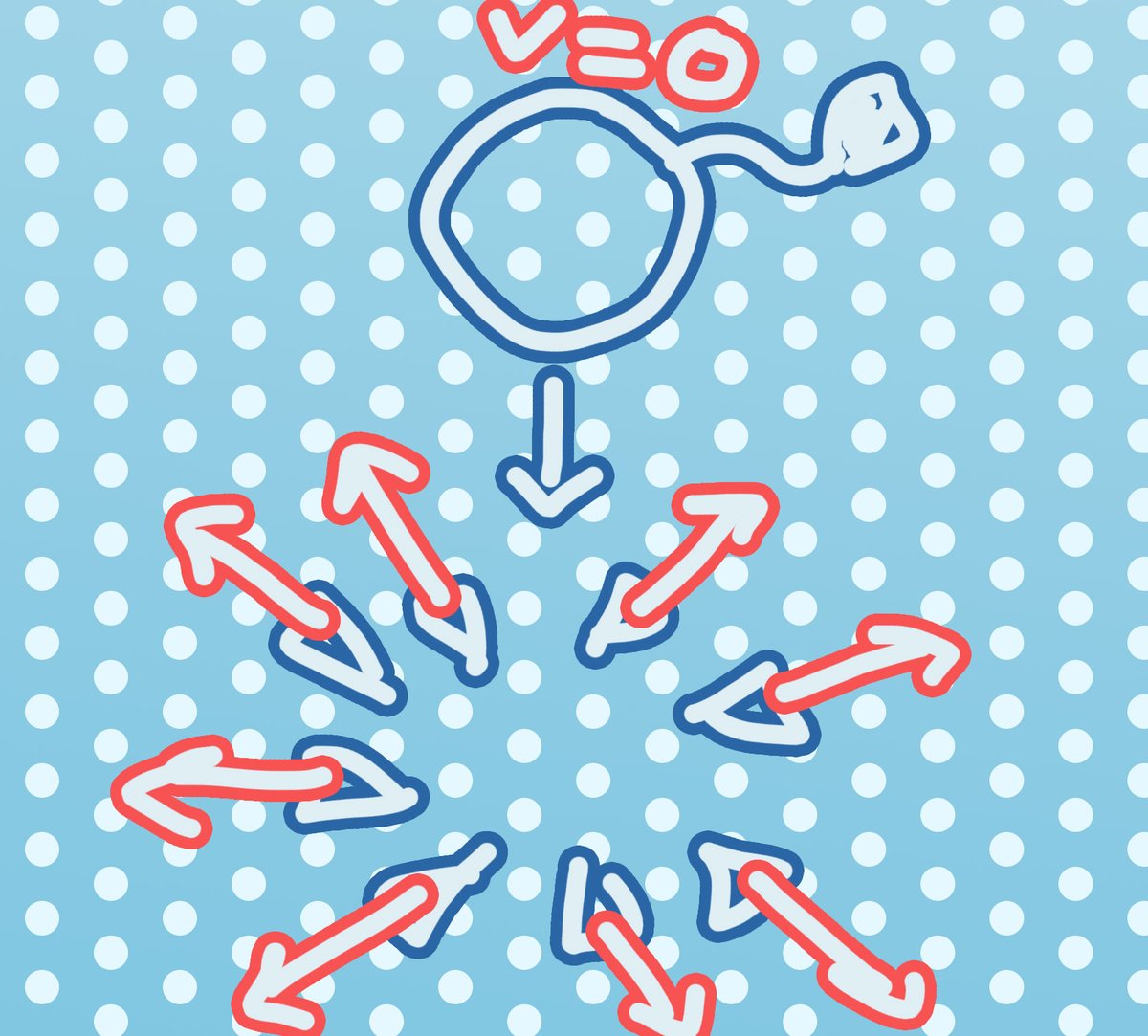
At a very slow time scale, when the chain-reaction begins, indeed there is a rapid release of energy -- but other biproducts, namely gases. Often, oxygen.
As the reaction proceeds there is a build up of gases and the pressure increases...
This is where we enter thermodynamics!
As the reaction proceeds there is a build up of gases and the pressure increases...
This is where we enter thermodynamics!
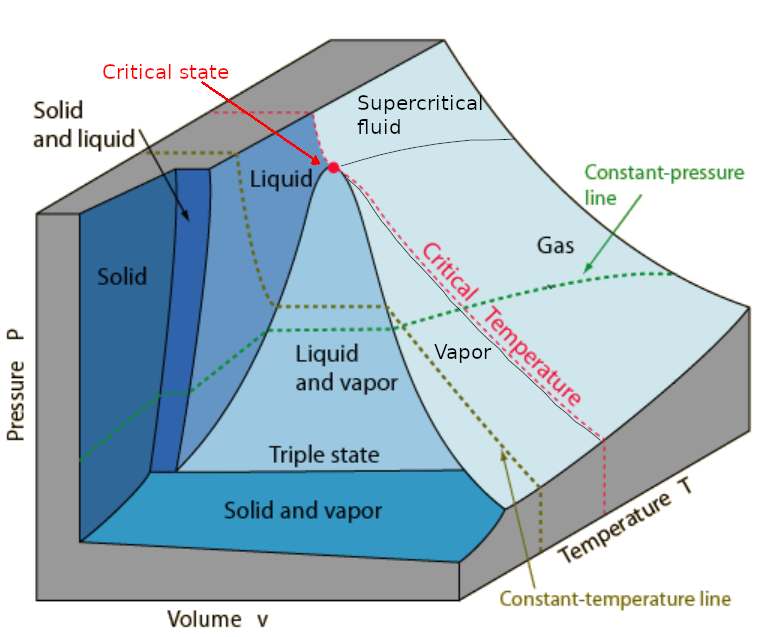
You see, dealing with individual particles is kind of impossible. Even a gram of flour contains more particles inside than you can practically simulate (let alone track) on a computer in a lifetime.
We need some new abstractions:
Volume.
Pressure.
Temperature.
We need some new abstractions:
Volume.
Pressure.
Temperature.
Volume is somewhat self-explanatory, but note that it can change dynamically and quite dramatically in some cases.
One easy way to understand pressure is the force a gas applies in a container. Think of what you feel when you crank a bicycle pump!
One easy way to understand pressure is the force a gas applies in a container. Think of what you feel when you crank a bicycle pump!
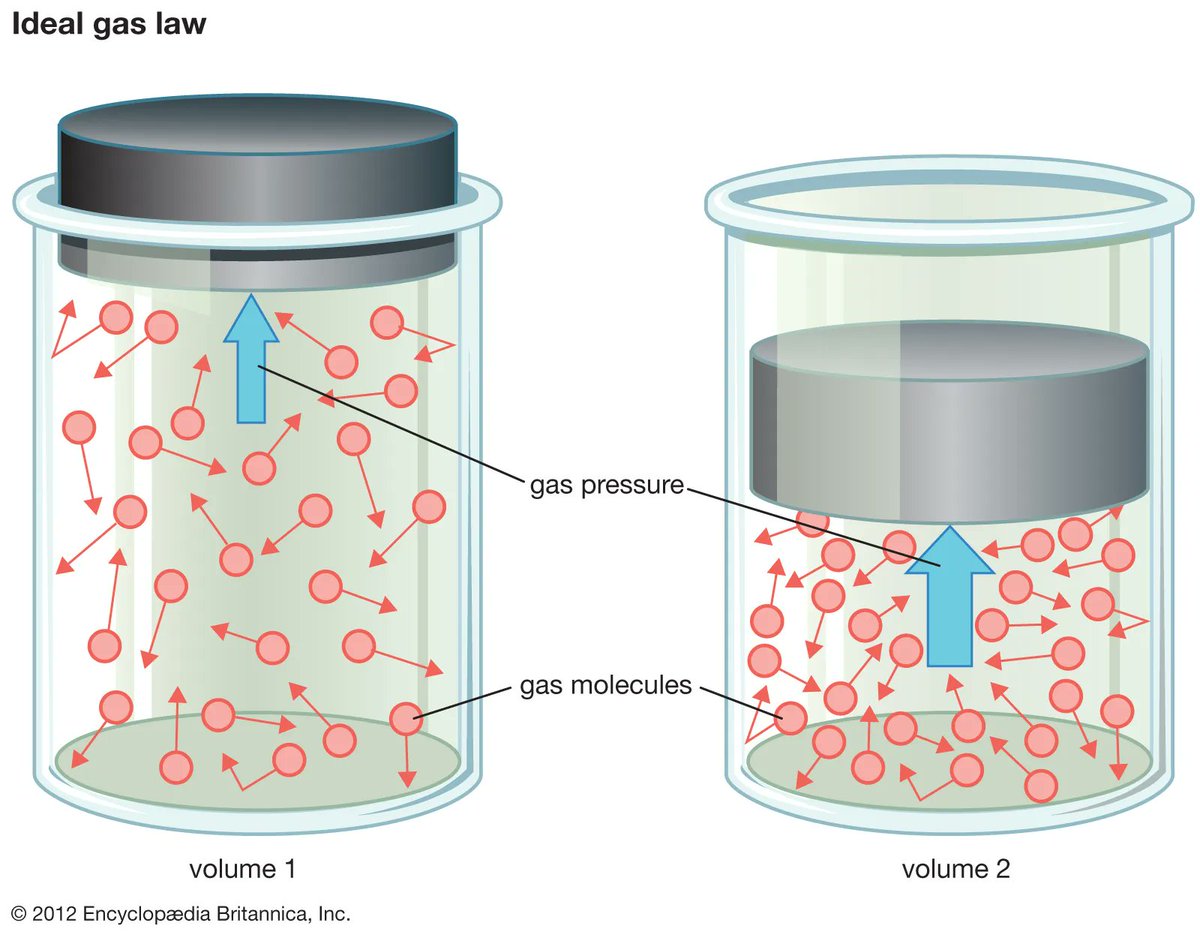
The more particles of a gas in a given volume the more the pressure.
But there's also the temperature to consider!
The temperature is the average kinetic energy in a state. Most of this would be in things like vibrational/rotational/excitement but contained energy. Complicated...
But there's also the temperature to consider!
The temperature is the average kinetic energy in a state. Most of this would be in things like vibrational/rotational/excitement but contained energy. Complicated...
But for our purpose for now (until we enter plasmas), we just need to understand: Temperature = stored energy.
The more energy a gas absorbs (example from an on-going chain reaction), the more the temperature builds up. This means a force will build up as well!
The more energy a gas absorbs (example from an on-going chain reaction), the more the temperature builds up. This means a force will build up as well!
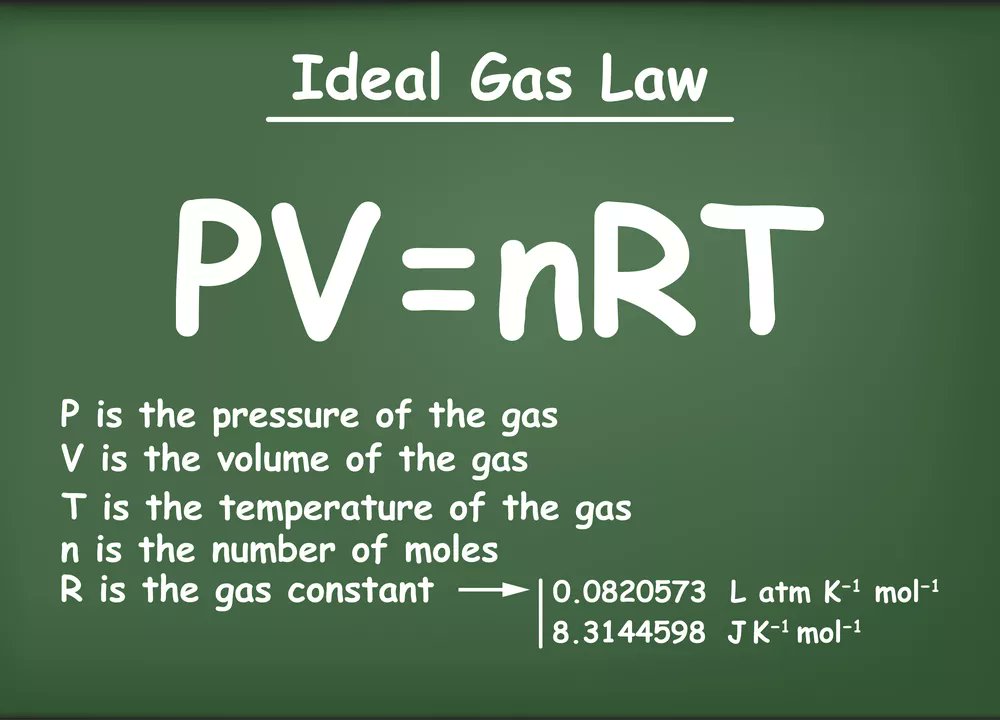
Consider a silly block of classic explosives which had a silly burning soot land on it, starting a chain reaction.
The explosive begins to detonate, generating internal gasses. The still solid parts of the explosives begin to experience immense forces!
Very quickly... they break!
The explosive begins to detonate, generating internal gasses. The still solid parts of the explosives begin to experience immense forces!
Very quickly... they break!

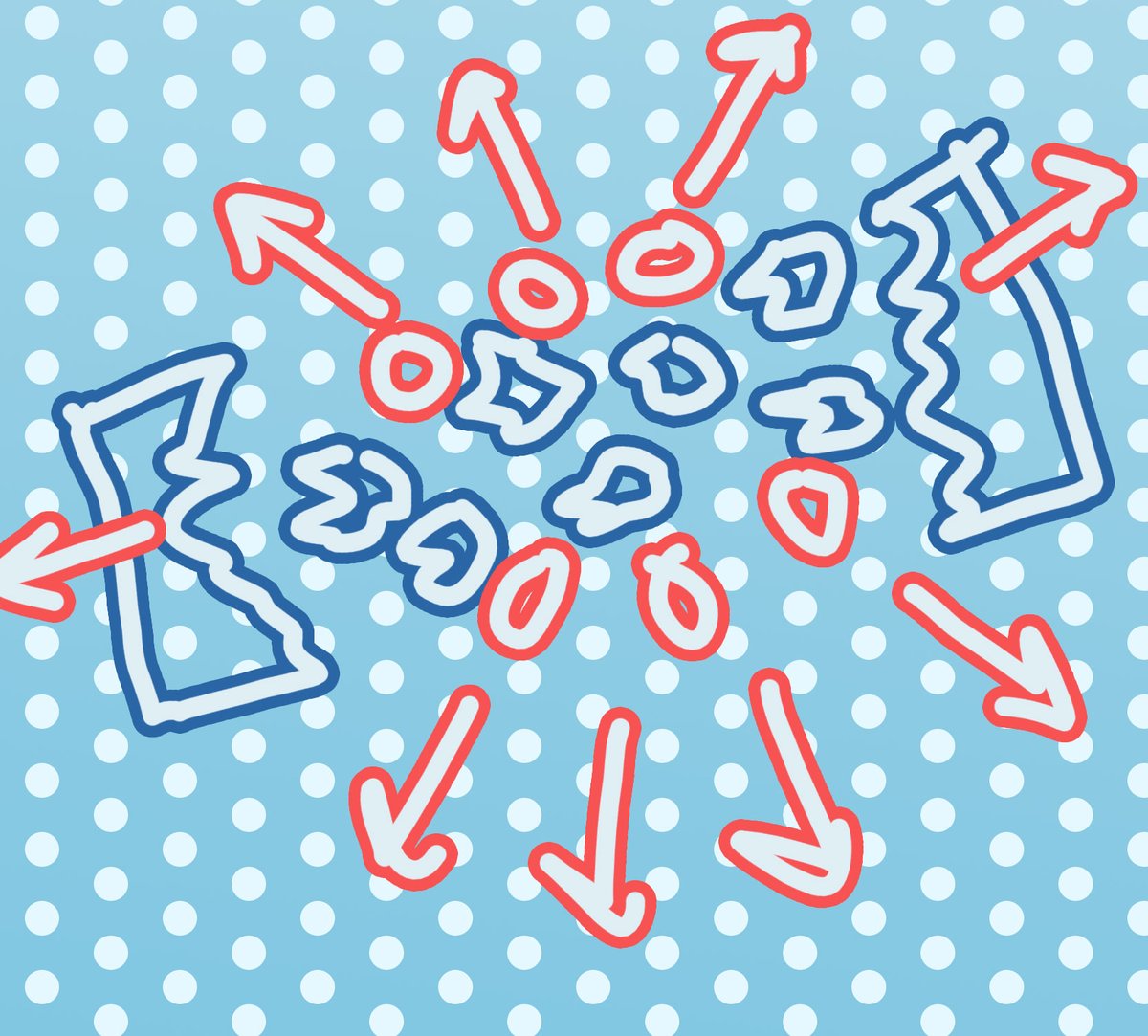
In this case we have an incomplete explosion.
We allowed the volume of the primitive explosive device to change to the point where it broke apart, and not all the material contributed to the chain reaction, or it diffused over an ineffective area.
This is a basic blast device.
We allowed the volume of the primitive explosive device to change to the point where it broke apart, and not all the material contributed to the chain reaction, or it diffused over an ineffective area.
This is a basic blast device.
Can we make this relic more useful? Of course we can. We can hold the damn material together for long by using a strong material casing, such as steel. This would delay fragmentation until everything explodes.
We can then use a fuse to set the fire up from a distance...
We can then use a fuse to set the fire up from a distance...

We can also make it safer. We wouldn't want random soot to detonate it right? That's why bomb engineers distinguish the primary material from a secondary "primer", higher sensitivity material that can initiate detonation.
Here's an ancient example from the Ming Dynasty.
Here's an ancient example from the Ming Dynasty.
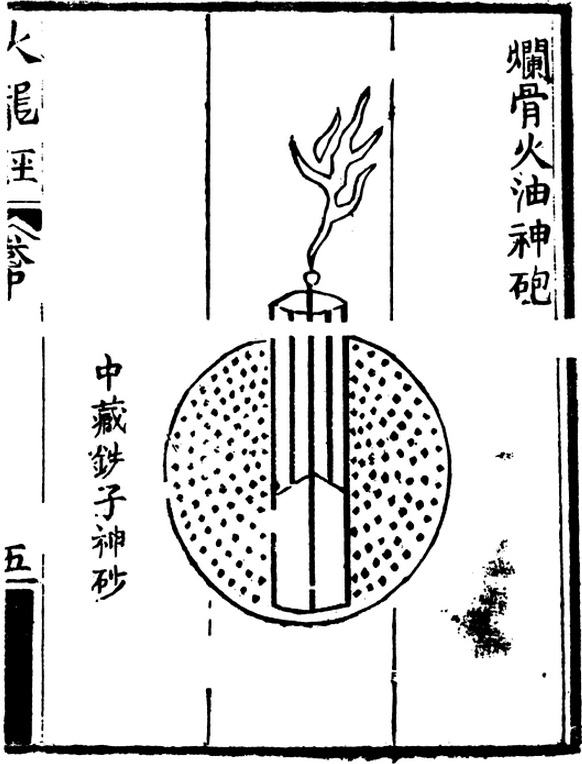
Just to finish up this example: You really don't want to be lighting fires just before using an explosive charge in modern wars. You want things to be timed based on events.
Thus military engineers use a FUZE, not a fuse, basically an electronic/mechanical detonator.
Thus military engineers use a FUZE, not a fuse, basically an electronic/mechanical detonator.
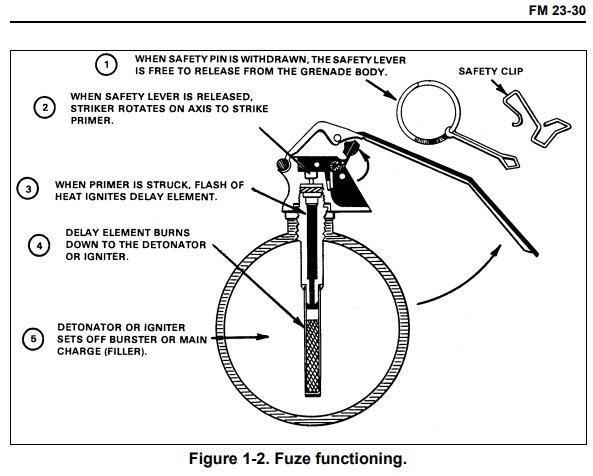
Thus we have all the ingredients for a modern blast or fragmentation bomb!
We have an explosive source that generates both heat and gas, and a casing which allows the reaction to complete before blowing apart. Very often this casing is used as the primary lethality effect object.
We have an explosive source that generates both heat and gas, and a casing which allows the reaction to complete before blowing apart. Very often this casing is used as the primary lethality effect object.
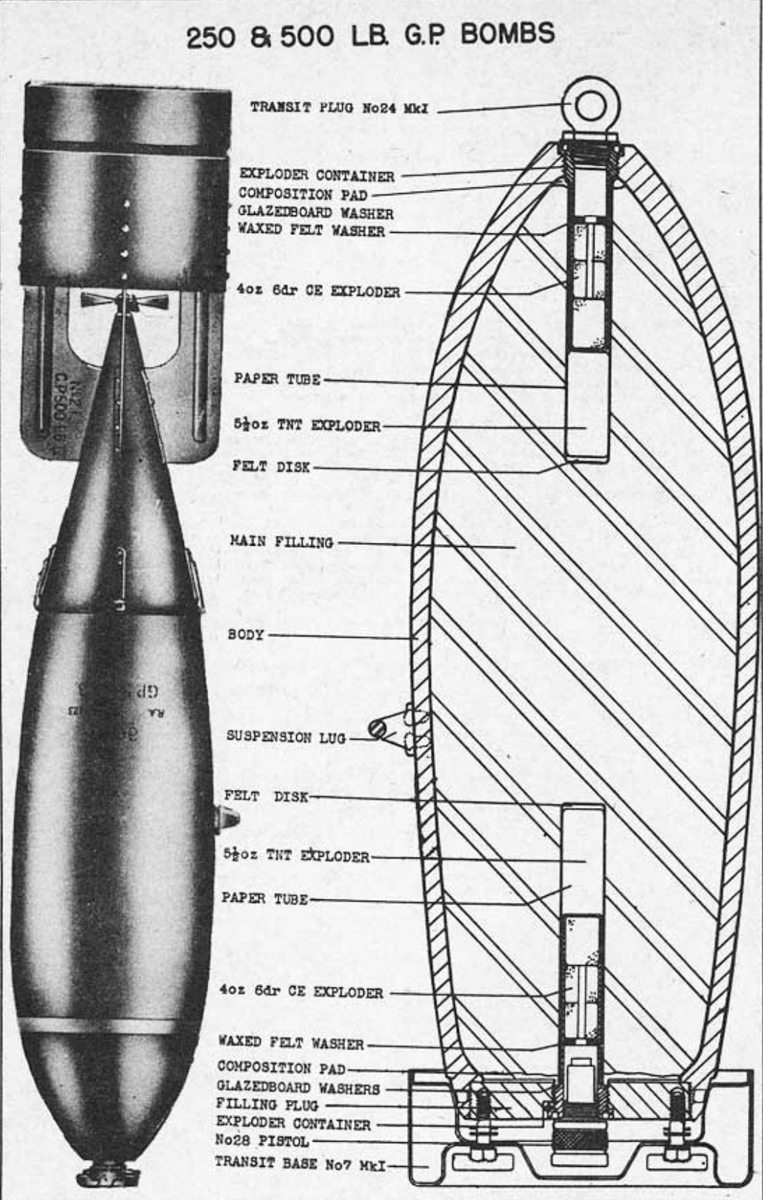
Let's summarize how this device works:
A primer detonates with a large energy, that creates a chain-reaction wave (shockwave), that flows throughout a main filling, which then reacts to completion producing hot gases that blow apart the bomb's casing, flying in all directions.
A primer detonates with a large energy, that creates a chain-reaction wave (shockwave), that flows throughout a main filling, which then reacts to completion producing hot gases that blow apart the bomb's casing, flying in all directions.
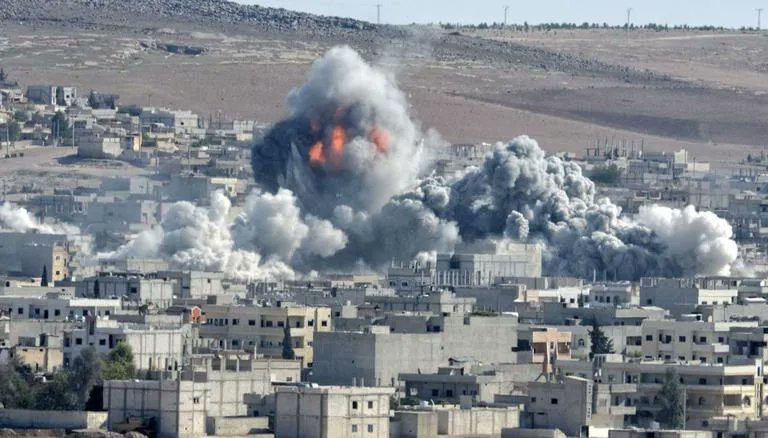
Aside: Notice the white smoke that fills the space during an explosive event. This is the gas we spoke of before exploding out in all directions! It's a very hot gas and creates a shockwave that can kill you instantly if you're in the kill zone, and damages everything.

It's important to note that there are different kinds of explosives devices, each suited for a different mission, which we will cover quickly for completion.
There's a shaped charge, which is what you see in the video above:
There's a shaped charge, which is what you see in the video above:
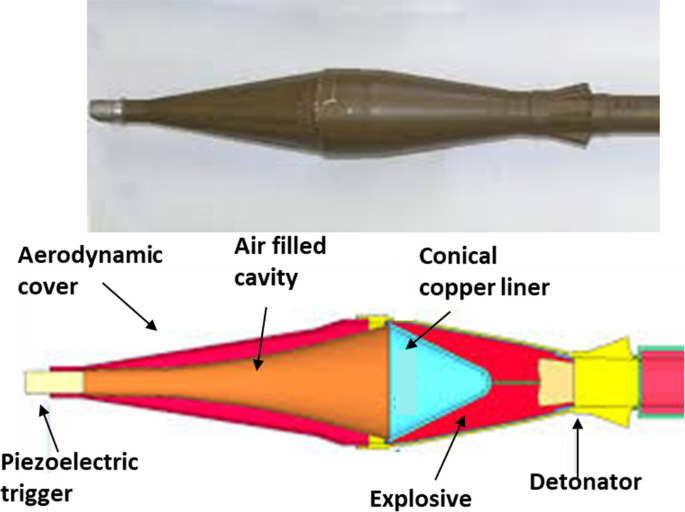
A shaped charge, introduces an asymmetry to drive metal to high speeds and temperature, taking at most half of that momentum and using it to blast through some thick armor from the sheer speed and temperature of the penetrator.
youtube.com
youtube.com
It's important to discuss the fuzing as well, these have gotten very advanced over the years. It is sad that the impact fuze won the US WWII, not the nuclear bomb. I do agree.
Having this circuit survive the extreme accelerations involved isn't simple!
youtu.be
Having this circuit survive the extreme accelerations involved isn't simple!
youtu.be
Thanks to advances in technology, it became possible to create a new kind of "thermobaric bomb", that uses a delicate primer+timed fuze, and tertiary igniter to first spread fuel around an area and then detonate it all at once to create a deadly shockwave.
youtu.be
youtu.be
Now how far can we scale these bombs up? What's the largest conventional bomb (other than the FOAB which is in its own special category, but still rather "small" at a maximum of 40 ton equivalent TNT).
That designation would go to the M.O.P!
youtube.com
That designation would go to the M.O.P!
youtube.com
The warhead on the M.O.P contains a 2,400kg explosive, but the bomb itself is 14,000kg.
What gives?
Well you see, in its specific mission, the casing has to be extremely strong. In fact, there is a practical limit with conventional bombs due to the size of the required casing!
What gives?
Well you see, in its specific mission, the casing has to be extremely strong. In fact, there is a practical limit with conventional bombs due to the size of the required casing!
Too large a casing and you start to attenuate the explosive shockwave. Naturally, you simply cannot begin to approach the explosive power of a nuclear bomb just by making a single giant bomb.
But what about... many smaller bombs detonated together?
Enter operation sailor hat.
But what about... many smaller bombs detonated together?
Enter operation sailor hat.
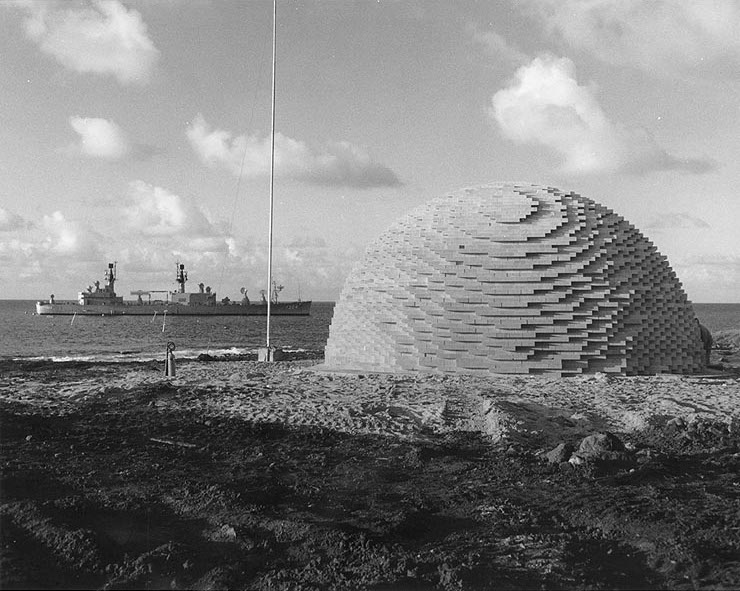
In this test, the US military stacked 500 short-ton explosive charges of TNT in a hemisphere and used some precision electronics to have them detonate all at the same time, faster than what a conventional shockwave would do.
Here's what happened:
youtube.com
Here's what happened:
youtube.com
As you can see, the half kilo ton explosion created a massive shockwave, very similar to that you would see with a low yield nuclear bomb. You see the "mushroom cloud" as well, and most importantly the SYMMETRY of the explosion!
There's a few things you don't see however, and we'll get to that later. But the key point I want you to take from this is the difficulty in producing this symmetric explosion and the deliberation required.
You see, miss the timing, the structure wouldn't explode in unison...
You see, miss the timing, the structure wouldn't explode in unison...
Configure the shape incorrectly? The shockwave will not be symmetric and will begin to cancel itself out, attenuating the explosion in the center or making it directional.
Notice also, a total lack of "stringers"!
youtu.be
Notice also, a total lack of "stringers"!
youtu.be
These stringers are a key tell in an unorganised/non-deliberate depot explosion. They can be caused be a variety of reasons, simply hot fragments and unexploded pieces of ordnances is one reason.
Also note that a shockwave is visible thanks only to water vapor in this case.
Also note that a shockwave is visible thanks only to water vapor in this case.
Well that's all for PHYS002, sorry about having to break it into two due to twitter limitations but I hope you go a lot out of it and took some notes.
Because things are going to get very serious with PHYS003! Until next time, stay cool!
Because things are going to get very serious with PHYS003! Until next time, stay cool!

I should say in some cases, it uses chemistry (such as this)
Said that the proximity fuze*
Loading suggestions...