

There is a large scale, organized attack against DY Chandrachud on social media, presenting him as an internal enemy, a foreign agent, and a threat to democracy.
We examined Twitter activity to seek out the drivers of this attack, and the narratives these help build.
We examined Twitter activity to seek out the drivers of this attack, and the narratives these help build.
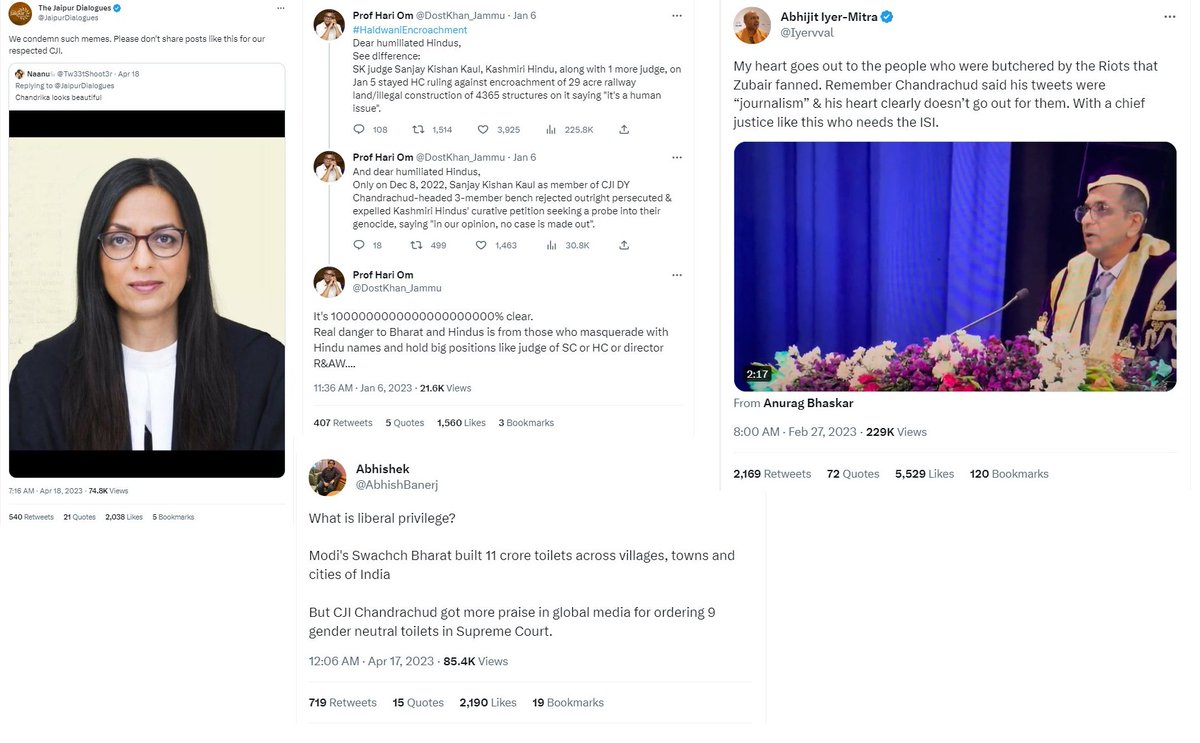
Chandrachud (and the collegium) are presented as a danger to democracy.
This reminds followers that even if opposition is neutered, there are challenges to the nation to fear.
This notion of the CJI as part of a liberal/globalist perpetual threat is an important trope,
This reminds followers that even if opposition is neutered, there are challenges to the nation to fear.
This notion of the CJI as part of a liberal/globalist perpetual threat is an important trope,

While CJI’s judgments and positions are presented as an immediate threat leading into 2024 which his tenure extends to, the attacks are more aimed at unseen enemies.
Threat is most effective when it is also cultural alongside political.
Threat is most effective when it is also cultural alongside political.
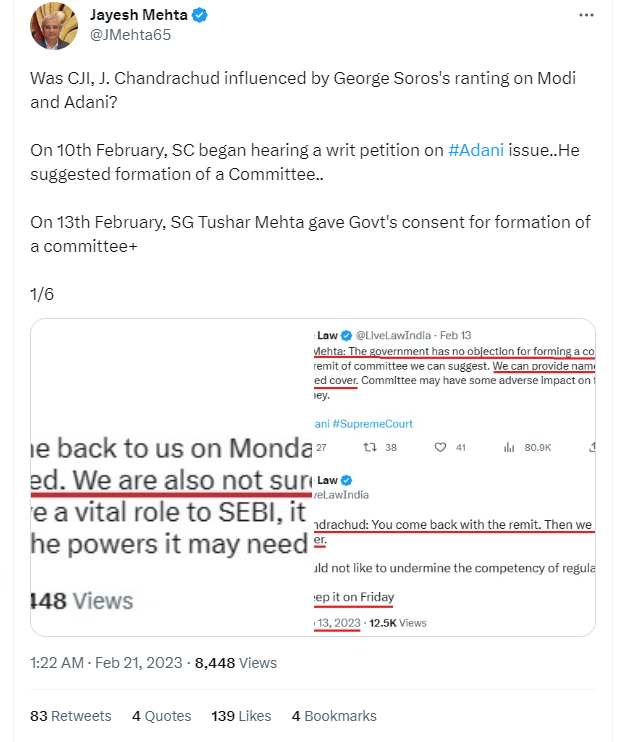

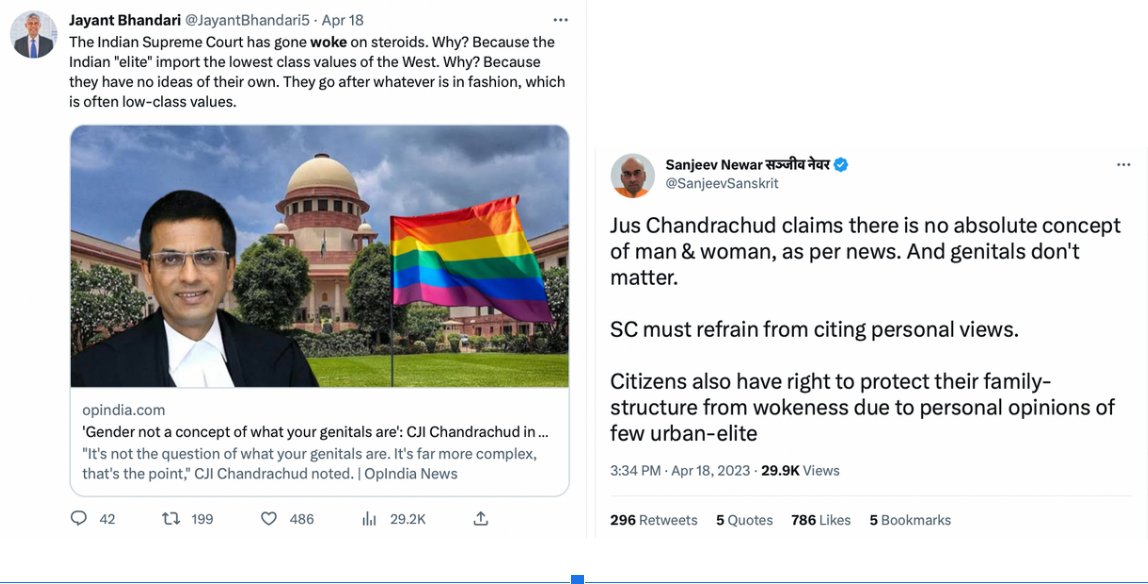
The most common attacks against Chandrachud include some variant of the term “woke” referring to his liberal stances.
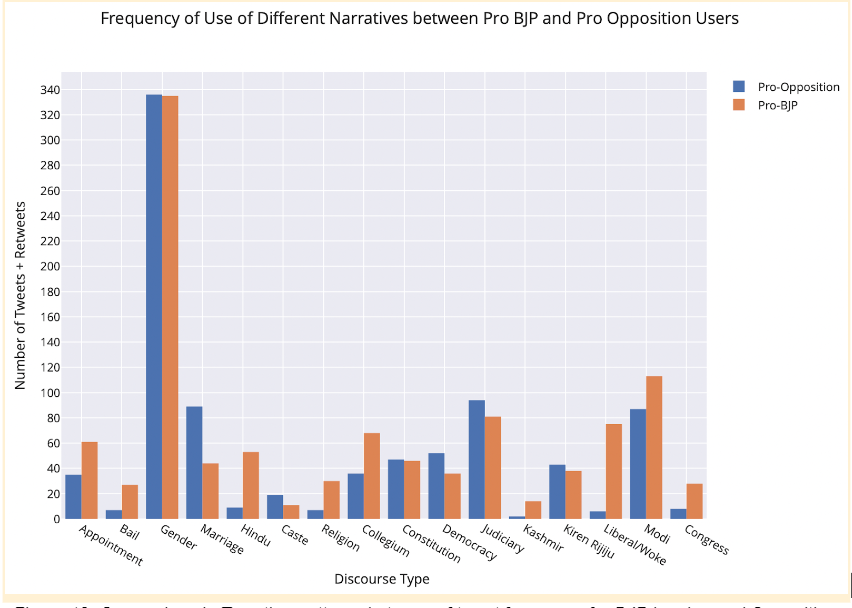
Issues on which he gets most attacked (and supported) are on gender/marriage issues, the collegium/judiciary.
The most appealing topics are typically cultural.
Issues on which he gets most attacked (and supported) are on gender/marriage issues, the collegium/judiciary.
The most appealing topics are typically cultural.
It isn’t unusual for CJIs to be attacked online. Bobde was attacked for recidivist statements on women, Gogoi for presiding over his own sexual harassment case.
The attacks on Chandrachud predate his elevation to CJI, there was an effort to discredit and block his elevation.
The attacks on Chandrachud predate his elevation to CJI, there was an effort to discredit and block his elevation.
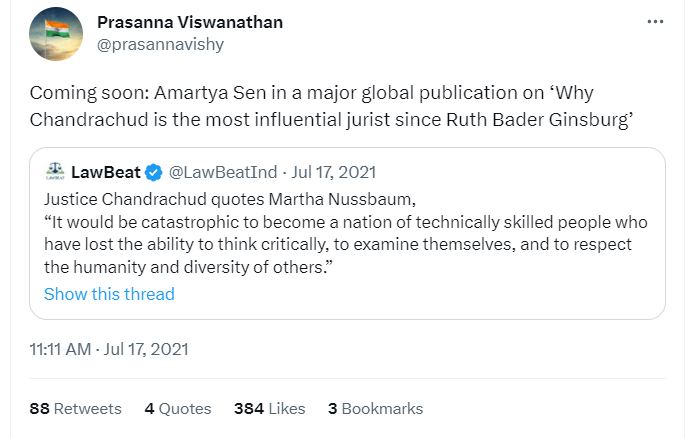
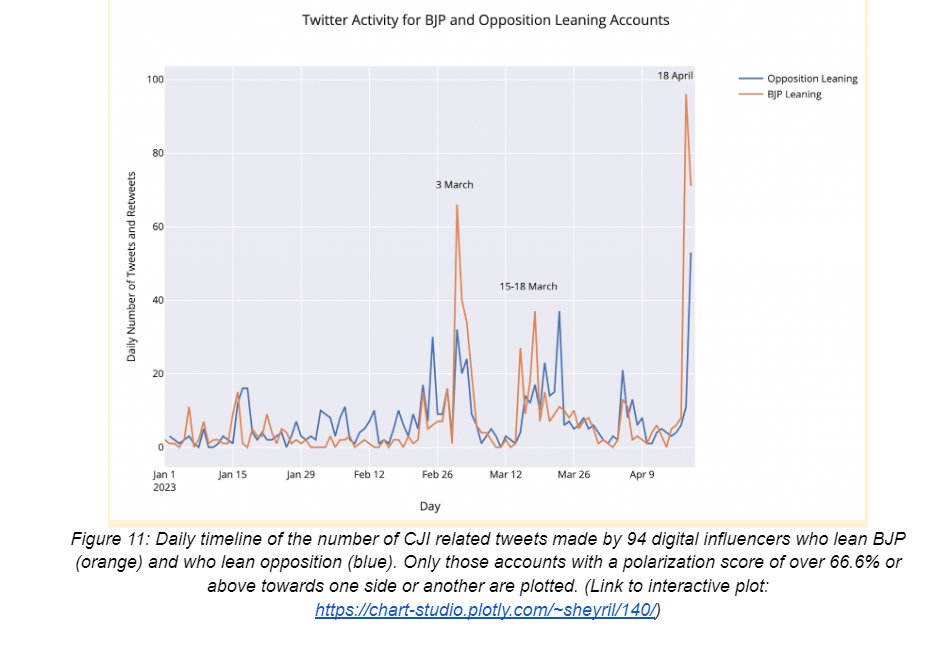
Here's a timeline of attacks on the CJI, we see several peaks, typically around key developments in court.
Marked in green are dates when there is higher likelihood of astroturfing, ie keeping a topic alive despite poor engagement
Interactive graph:
plotly.com
Marked in green are dates when there is higher likelihood of astroturfing, ie keeping a topic alive despite poor engagement
Interactive graph:
plotly.com
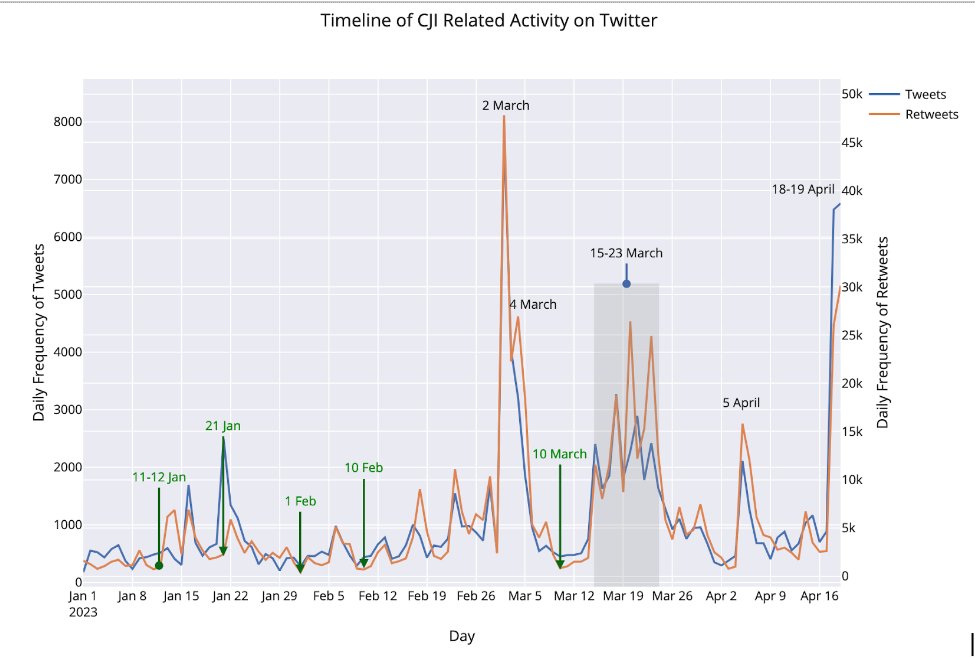
Both the BJP and Opposition parties are generally courteous when messaging about the CJI, and even criticisms are carefully worded.
Modi himself only engages positively, and most BJP politicians' engagement on the CJI are engagements or congratulations to Modi's messages.
Modi himself only engages positively, and most BJP politicians' engagement on the CJI are engagements or congratulations to Modi's messages.
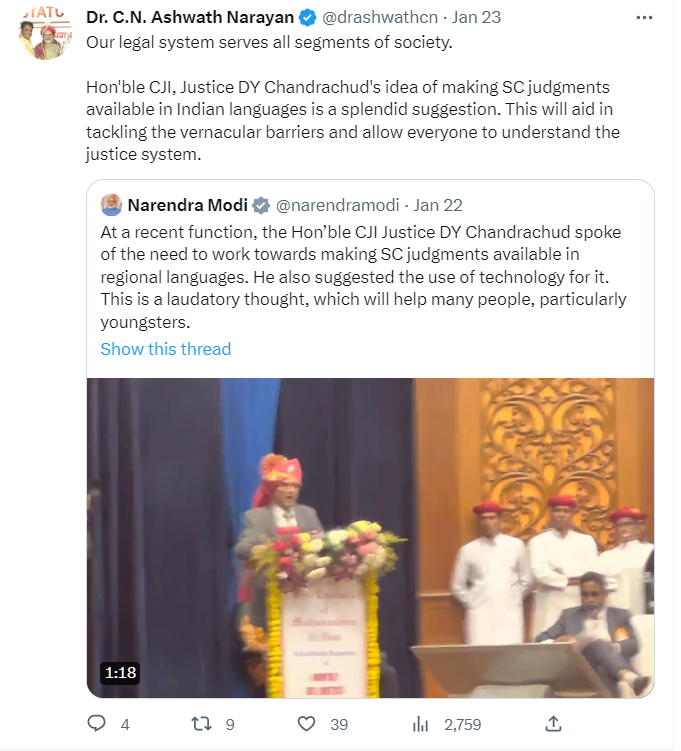
The closest to a direct confrontation from a BJP politician in recent times comes from Kapil Mishra.
Opposition politicians on the other hand routinely use Chandrachud as something of a "teacher to complain to"
Opposition politicians on the other hand routinely use Chandrachud as something of a "teacher to complain to"
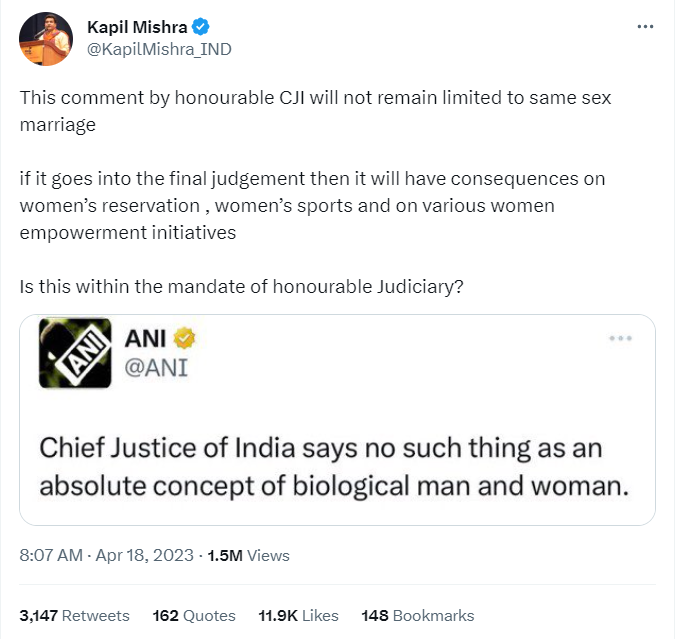
Unlike in other trolling situations in which politicians & mainstream media play active parts, here, the aggressive action comes from influencers.
This shows how influencers are key in negative messaging where moral grounds are weak, since they appear to be acting on their own.
This shows how influencers are key in negative messaging where moral grounds are weak, since they appear to be acting on their own.
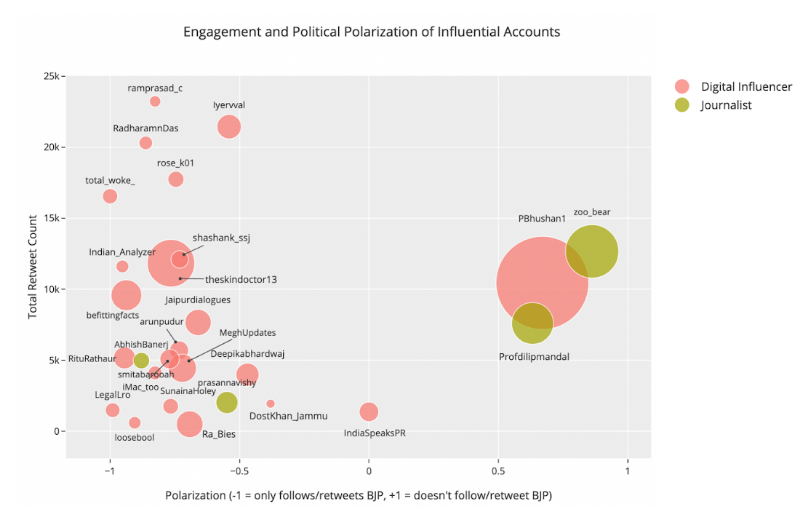
The most effective in trending CJI narratives is @ramprasad_c, who takes a directly insulting tone, whereas #2 @Iyervval does this through snark.
Iskcon rep @RadharamnDas is among the top 3, raising questions about the role of unaffiliated religious groups in public discourse.
Iskcon rep @RadharamnDas is among the top 3, raising questions about the role of unaffiliated religious groups in public discourse.
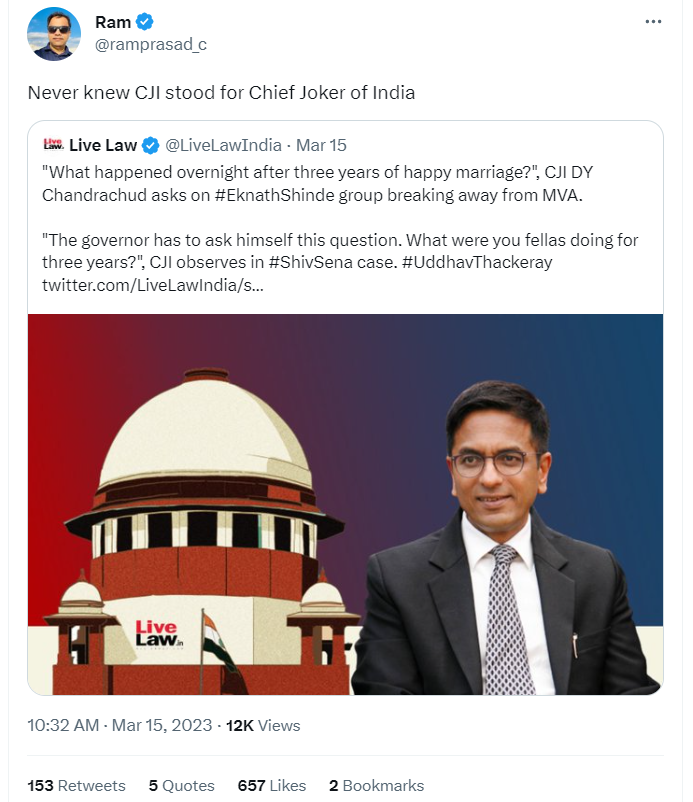
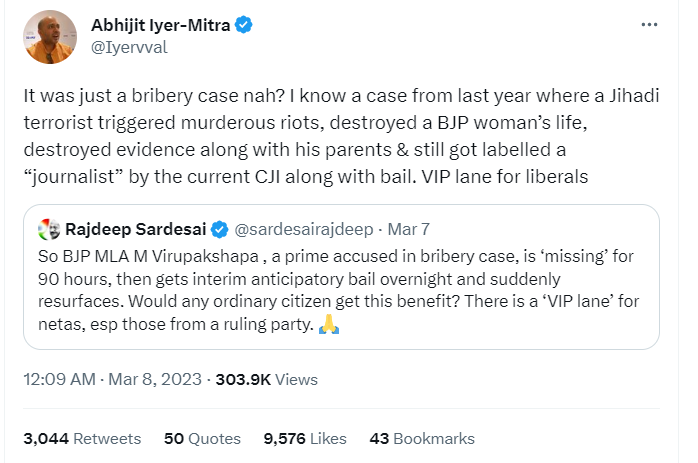
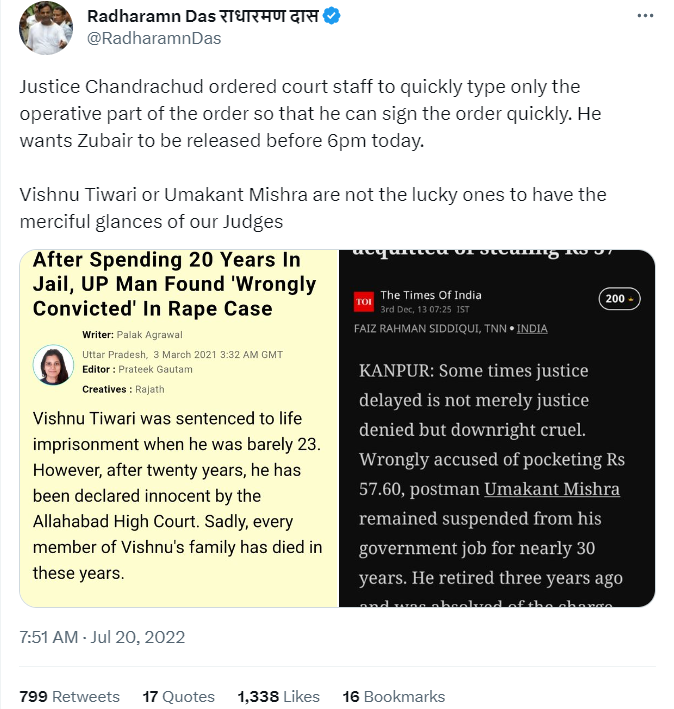
Such invocation also encourages attack, pular in invoking the CJI, typically in the same way as oppositon politicians - as an alt source of moral authority.
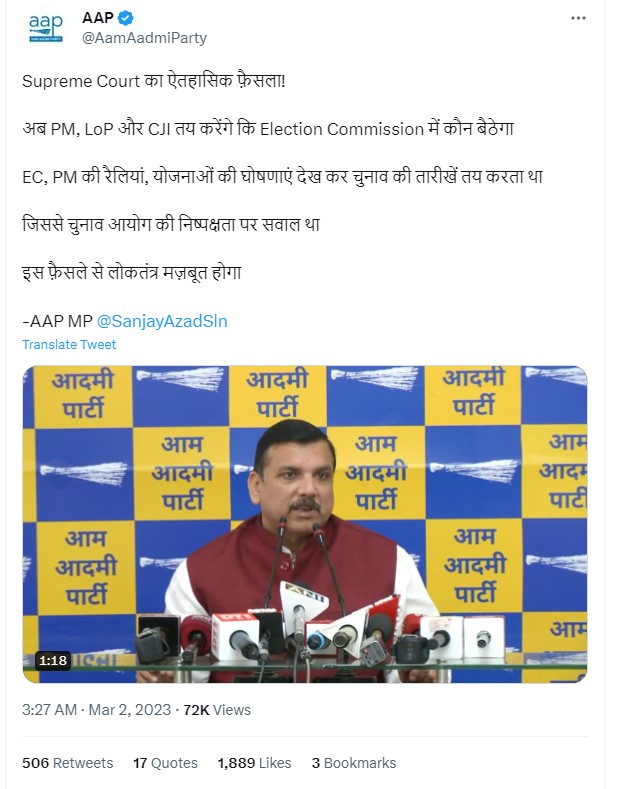
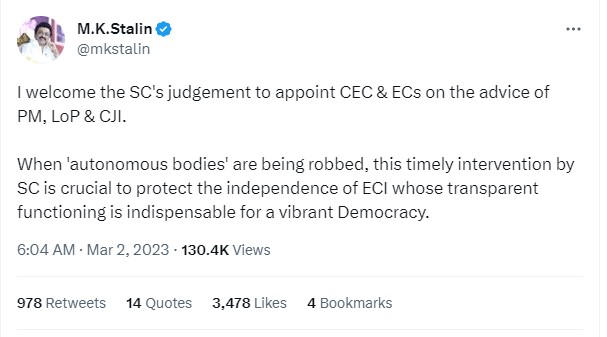
A key set of attacks happened around the ruling on involving the opposition and the CJI in the selection of the Chief Election Commissioner.
This was largely welcomed by the opposition, and seen as an attack on democratic process and overreach by the SC by pro-BJP handles.
This was largely welcomed by the opposition, and seen as an attack on democratic process and overreach by the SC by pro-BJP handles.
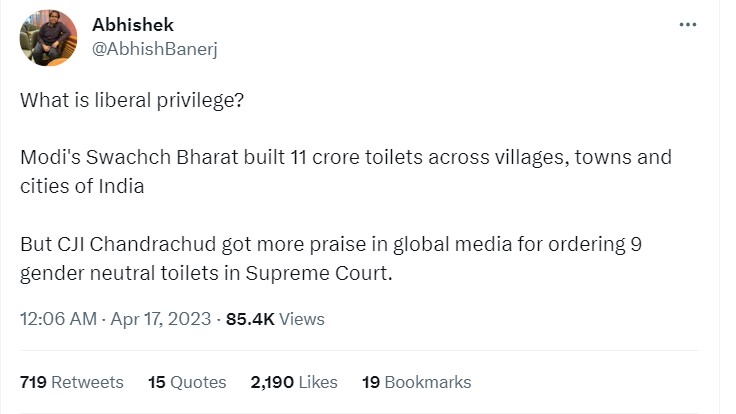
Another peak takes place following the CJIs comments on intolerance, with blowback from pro-BJP digital influencers.
He has been trolled in 2021 over similar comments.
He has been trolled in 2021 over similar comments.
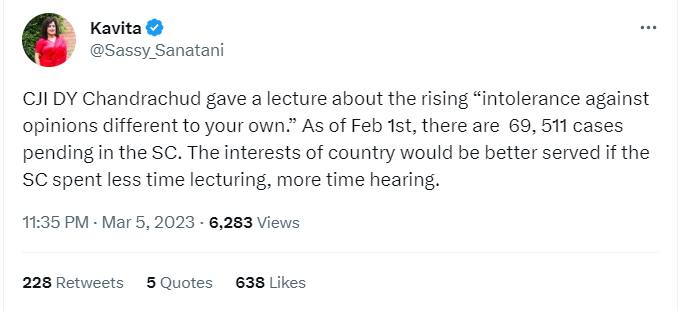
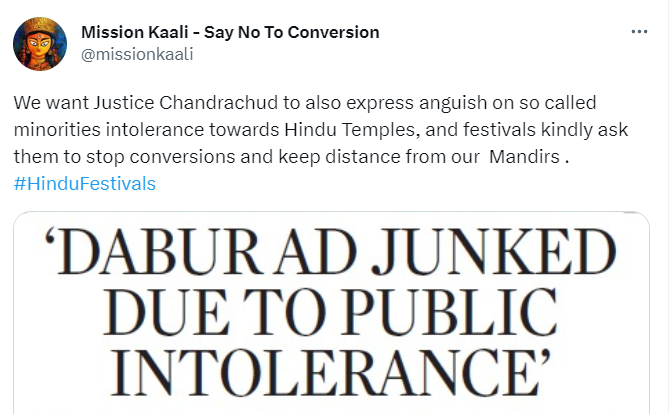
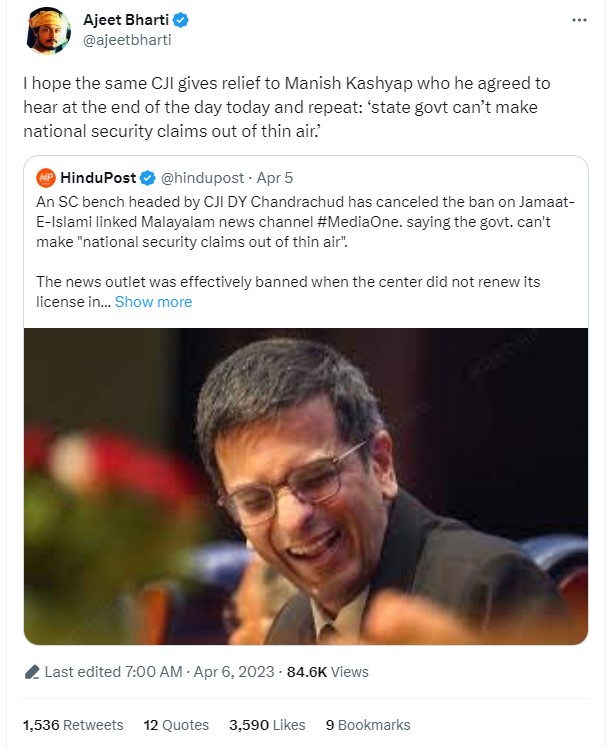
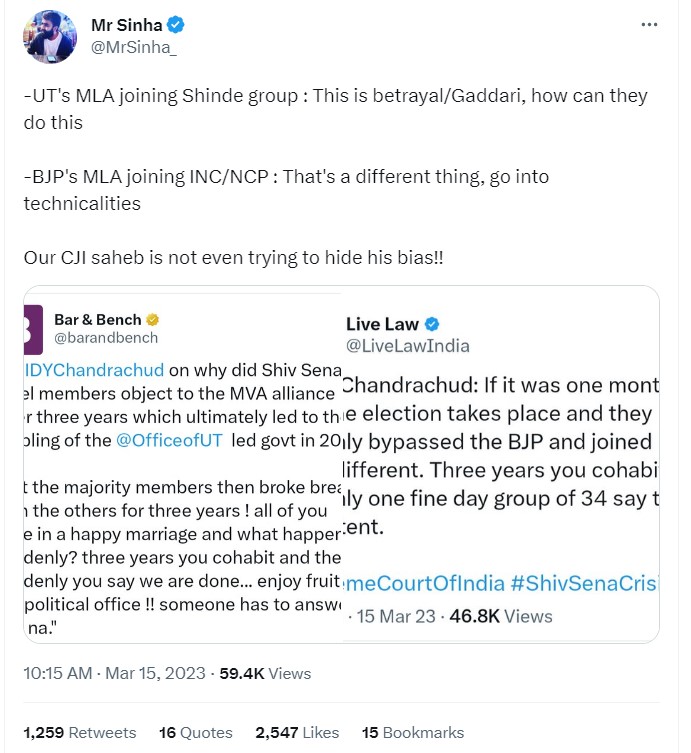
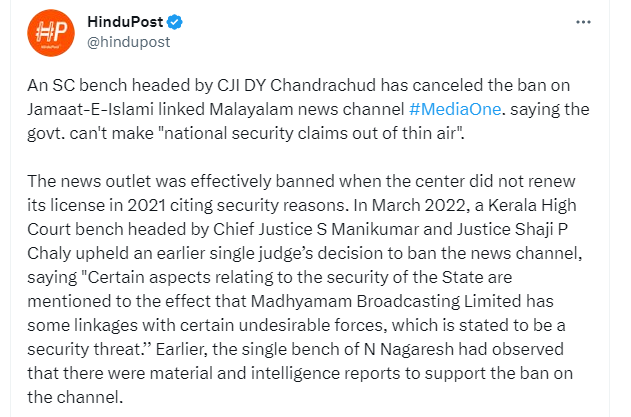
There are peaks related to the Shiv Sena case, MediaOne ban revocation, refusal to take sealed submissions - all hailed by opposition.
That the chief justice is systematically trolled over a bail judgment underlines the ability to quickly and effectively manufacture outrage.
That the chief justice is systematically trolled over a bail judgment underlines the ability to quickly and effectively manufacture outrage.
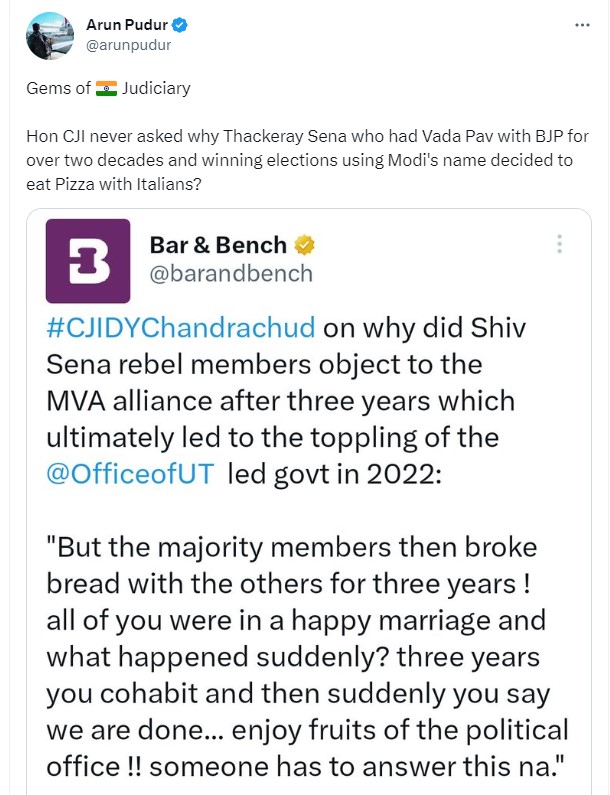
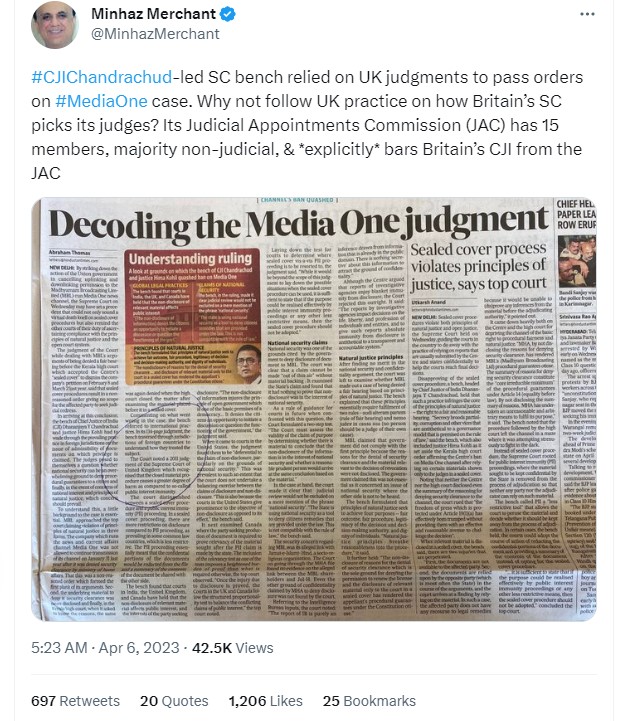
All sides talk about the CJI’s positions on gender & marriage. This galvanizes anti-CJI folks partly as he has been trolled in the past by Men's Rights Activists for judgments
This also highlights how social media groups otherwise pariah can be mainstreamed when causes intersect
This also highlights how social media groups otherwise pariah can be mainstreamed when causes intersect
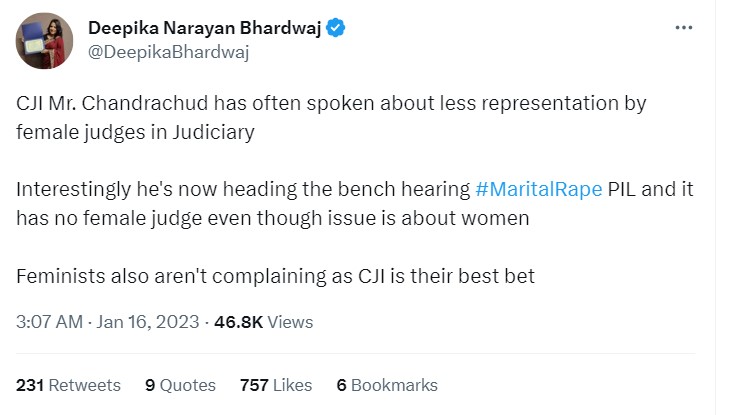
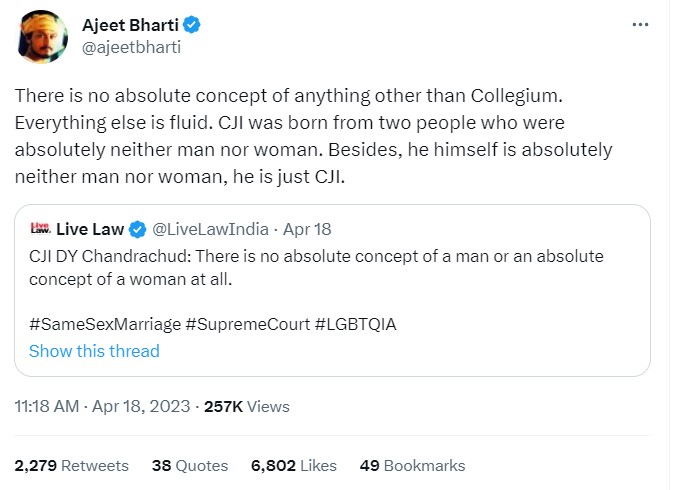
When we consider politically polarizing topics, we see that pro-BJP side gets the most engagement from its followers when it attacks the CJI on issues of gender and religion.
While the collegium may be the site of the battle, what gets followers engaged is culture.
While the collegium may be the site of the battle, what gets followers engaged is culture.
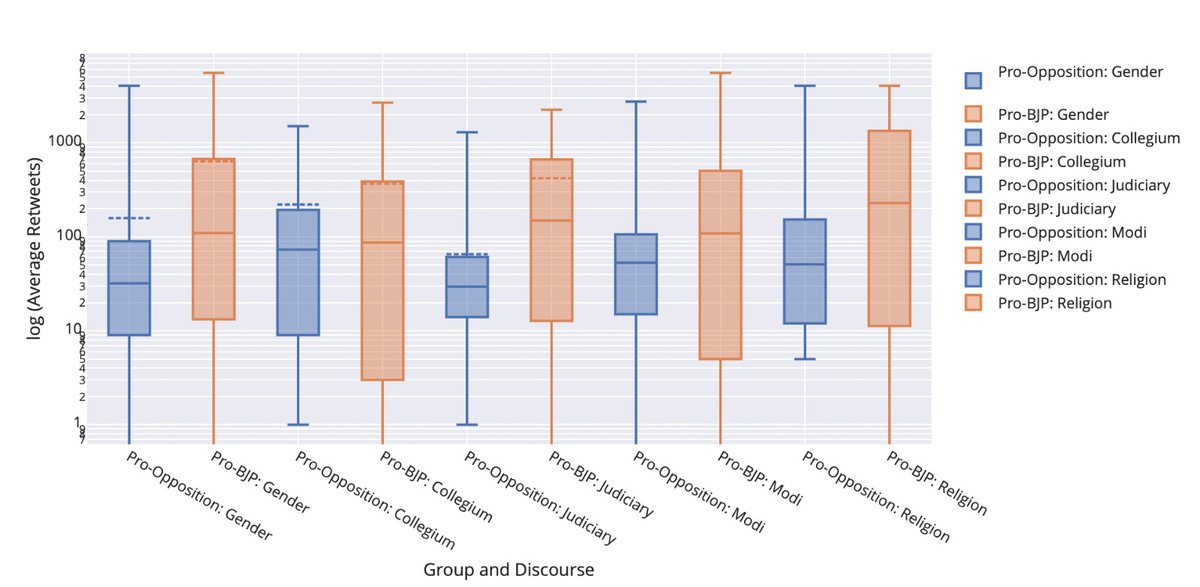
These tweetstorms are posted within a day or two after any major news around the SC. So even if opposition leaders start cheering the CJI for a judgment, eventually the digital influencers have much stronger ability to dominate the discourse.
In summary, the two key narratives, with sub-narratives are used to attack the CJI:
He is woke and anti-Hindu, and separated from the reality of India
He is anti-democracy, and is actively working against the Modi government
He is woke and anti-Hindu, and separated from the reality of India
He is anti-democracy, and is actively working against the Modi government
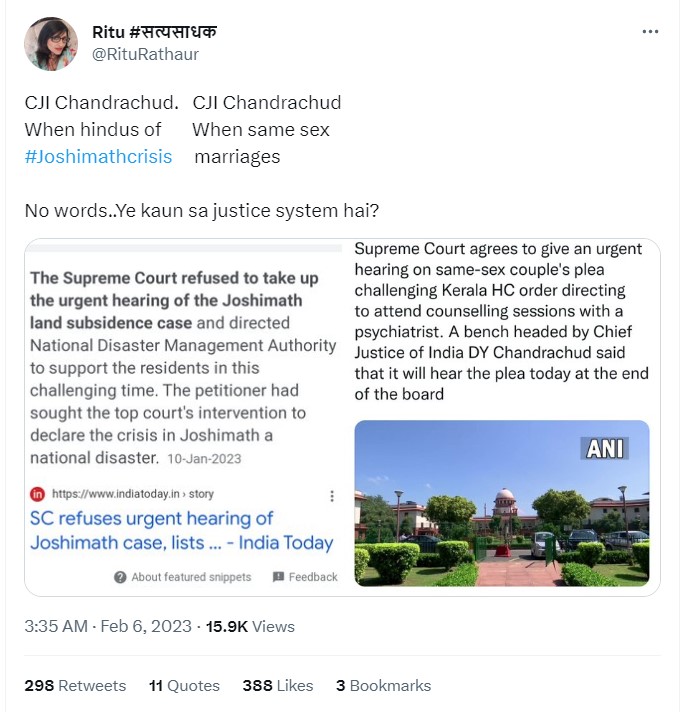
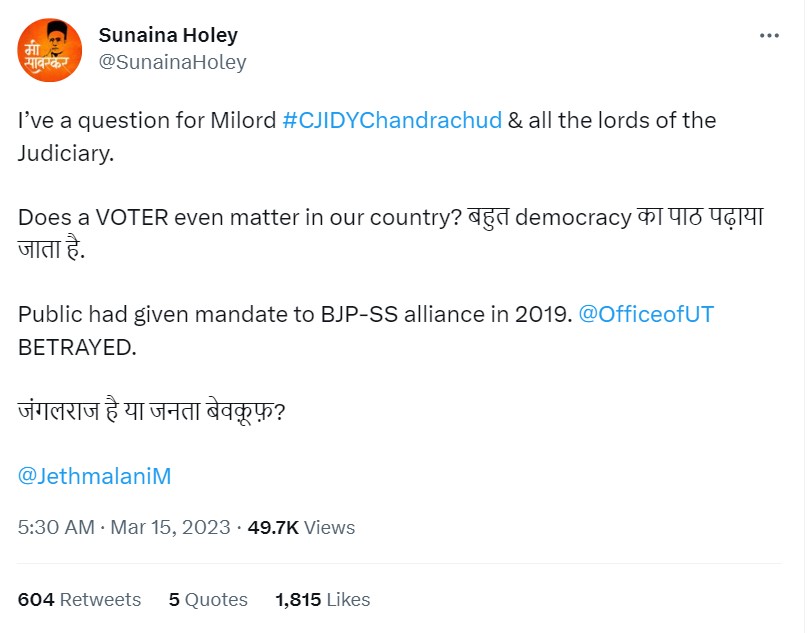
While in general, those opposed to the BJP tend to be in the CJI's corner, on the Hindu questions, this is not always the case. For instance, on caste, the CJI gets called out by prominent caste activists.
Pro-BJP accounts invoking caste typically also have a Muslim angle.
Pro-BJP accounts invoking caste typically also have a Muslim angle.
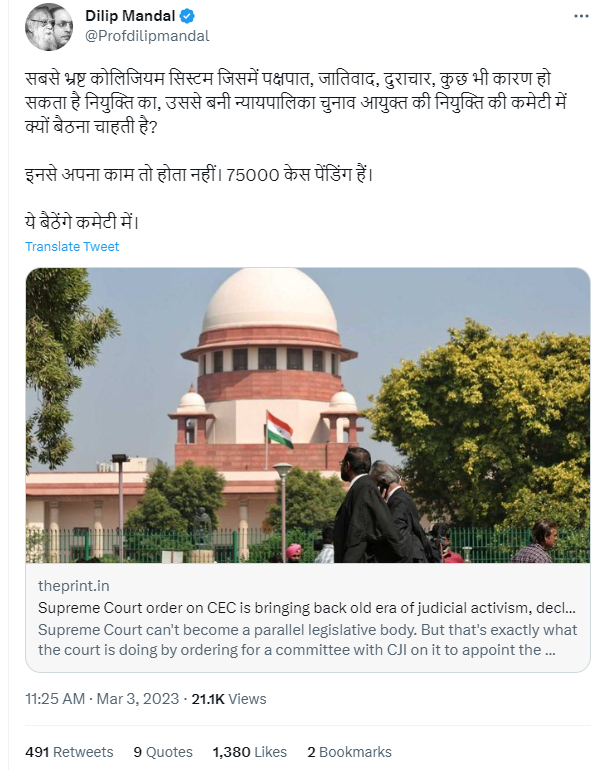
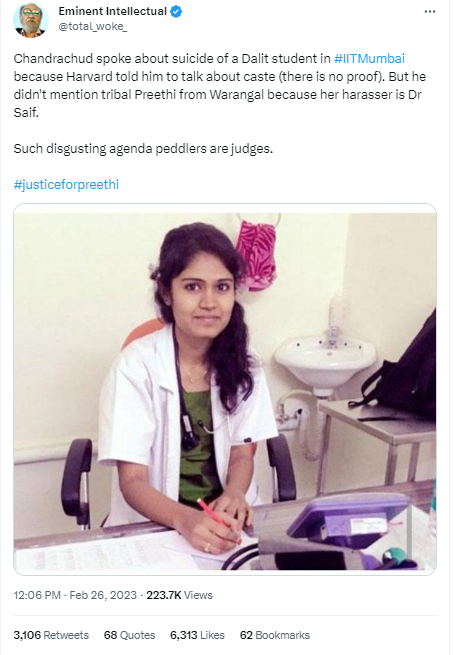
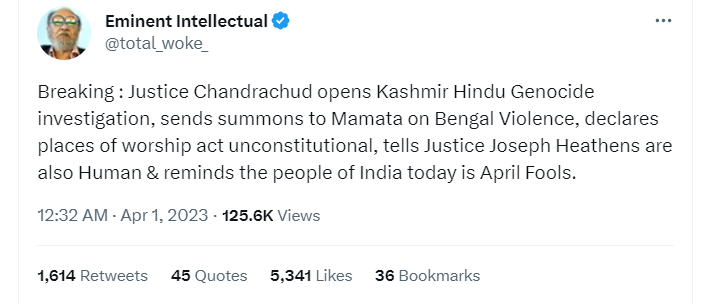
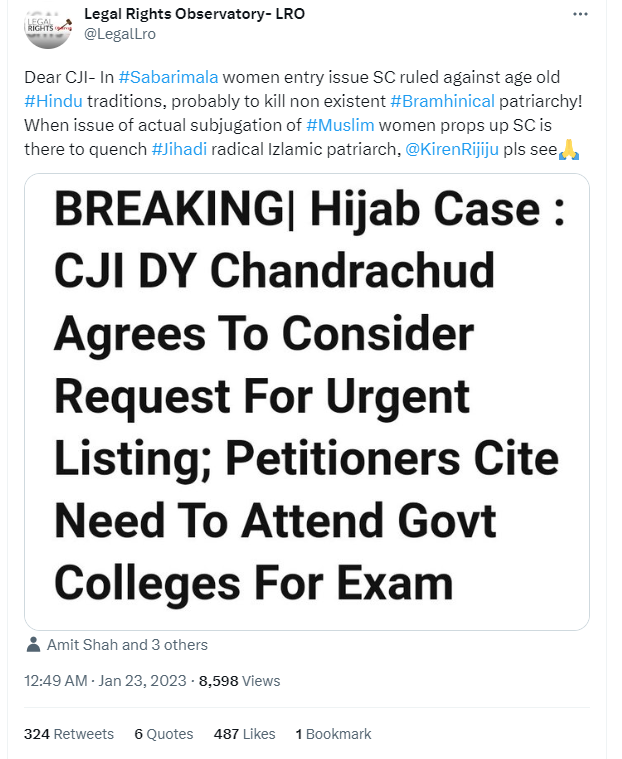
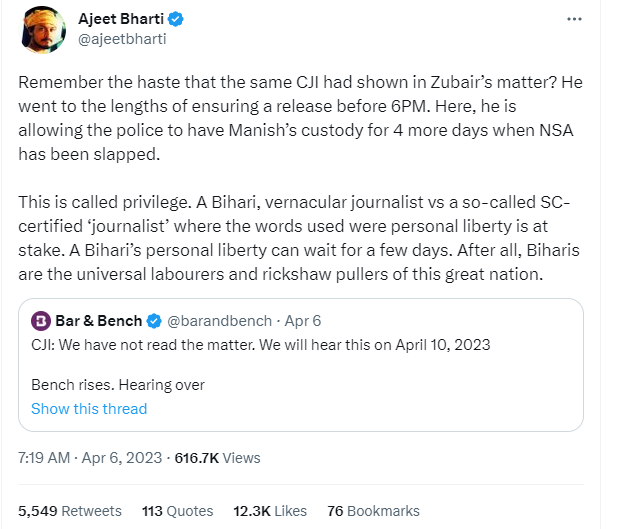
On tweets claiming CJI is anti-Hindu, we see two broad styles of attack. The first is the use whataboutery.
These present unrelated incidents or sarcasm to insinuate the CJI doesn’t care about Hindus.
These present unrelated incidents or sarcasm to insinuate the CJI doesn’t care about Hindus.
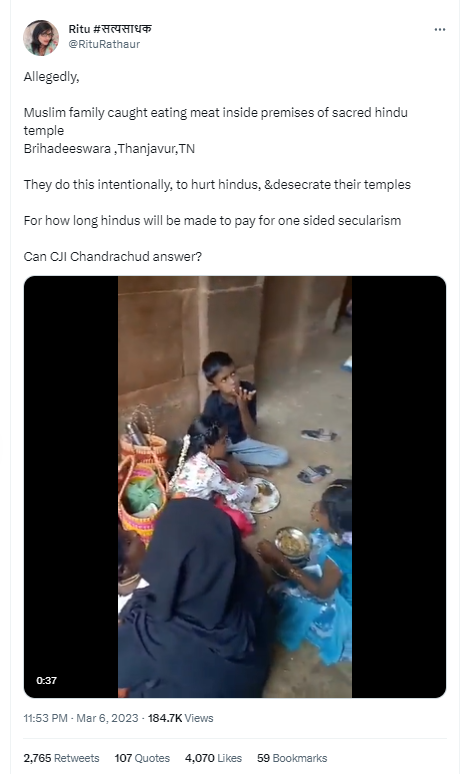
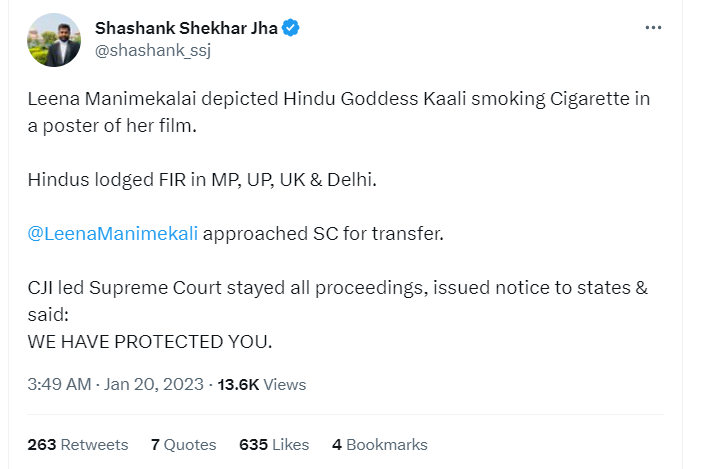
The second approach is to go after specific judgments in which there are either Muslim accused persons, or religion-specific judgments.
On the separation from the reality of India, the notion of a “woke” and foreign/liberal-values oriented CJI is repeatedly invoked.
This word "woke" is almost exclusively used in tweets as a slur by pro-BJP digital influencers.
This word "woke" is almost exclusively used in tweets as a slur by pro-BJP digital influencers.
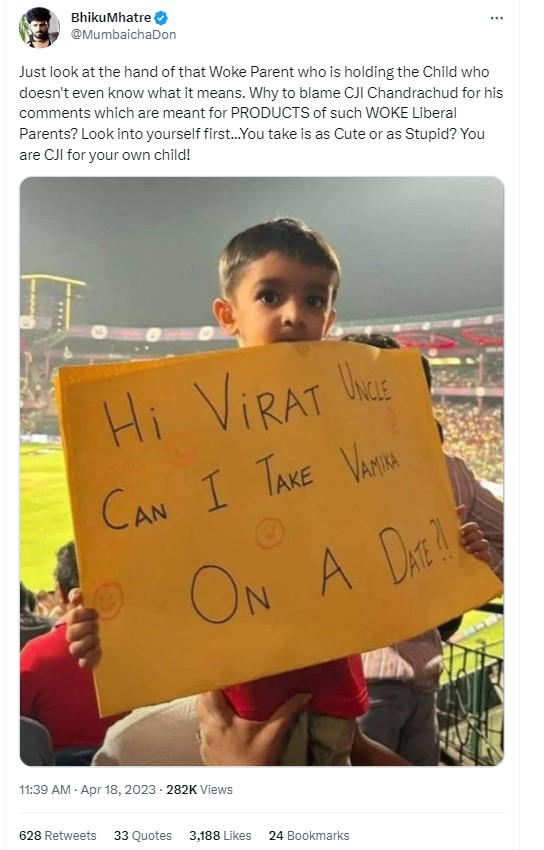
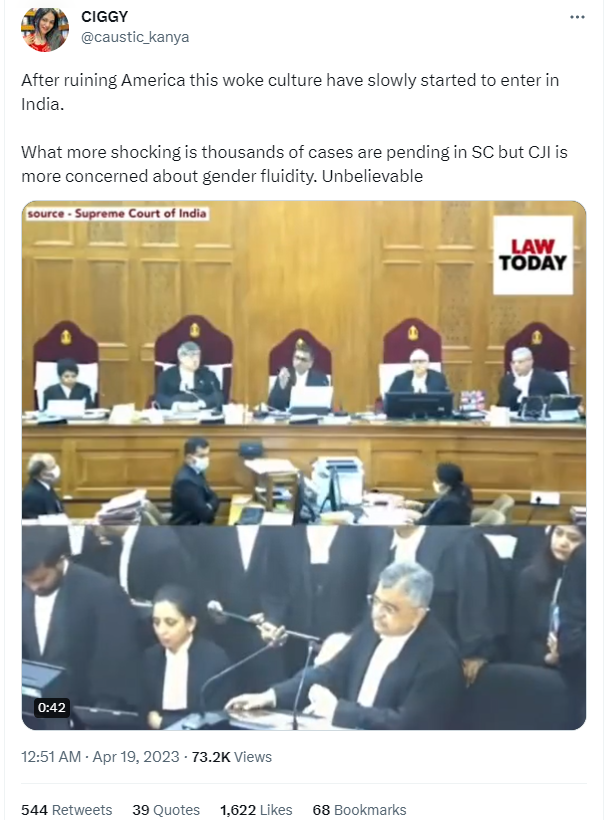
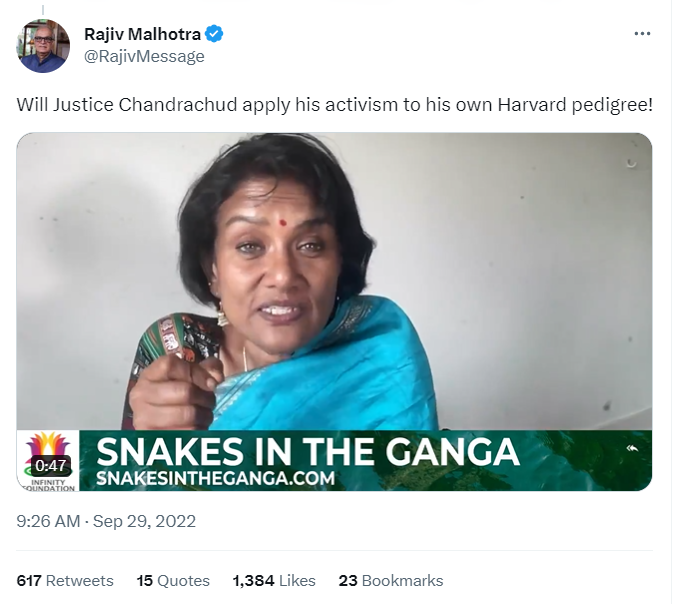
First, there is a claim that Chandrachud is driven by globalist interests, indoctrinated by liberal thought, institutions like Harvard, globalists like Soros, and that in turn, he is a puppetmaster in Indian politics.
Ergo, he is at once a puppet and a puppetmaster.
Ergo, he is at once a puppet and a puppetmaster.
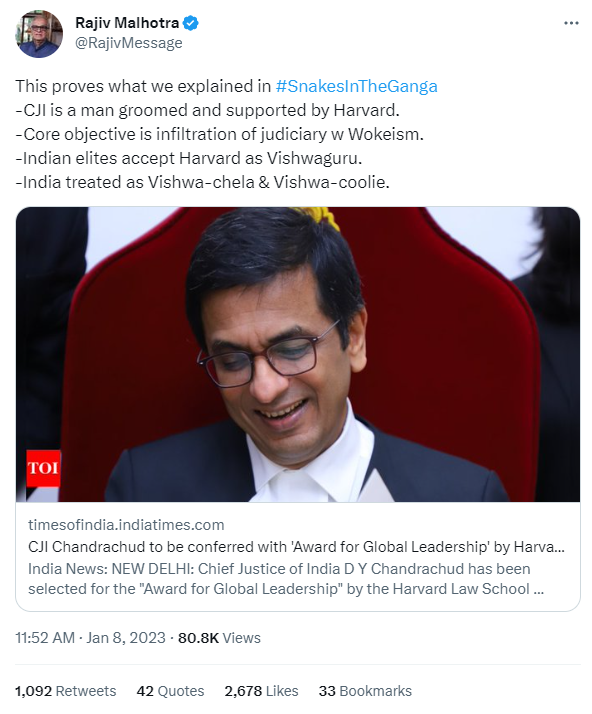
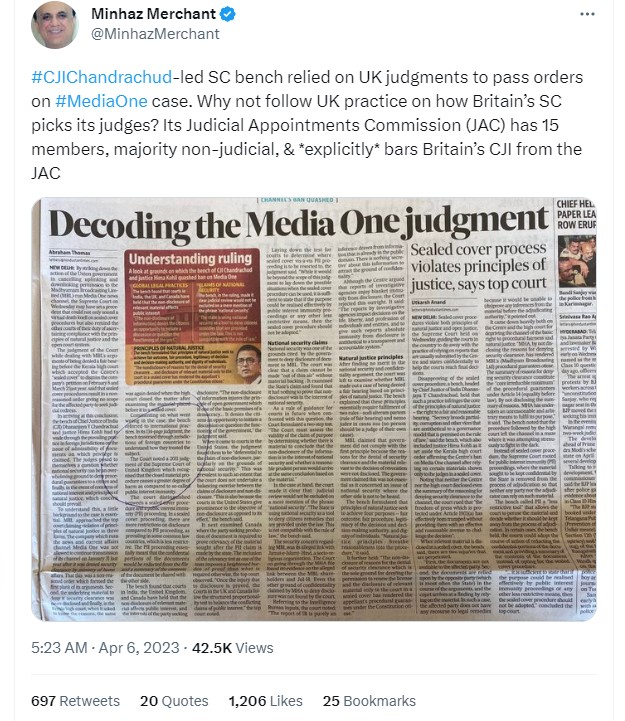
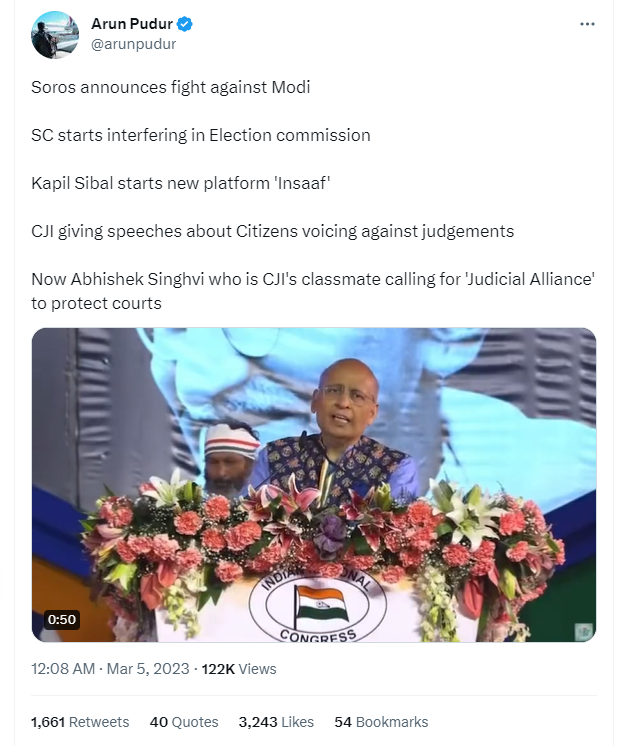
As with Soros, the broader narrative is to undermine any individuals associated with Chandrachud as necessarily flawed. This approach attacks his juridical, intellectual, and appointment legacy.
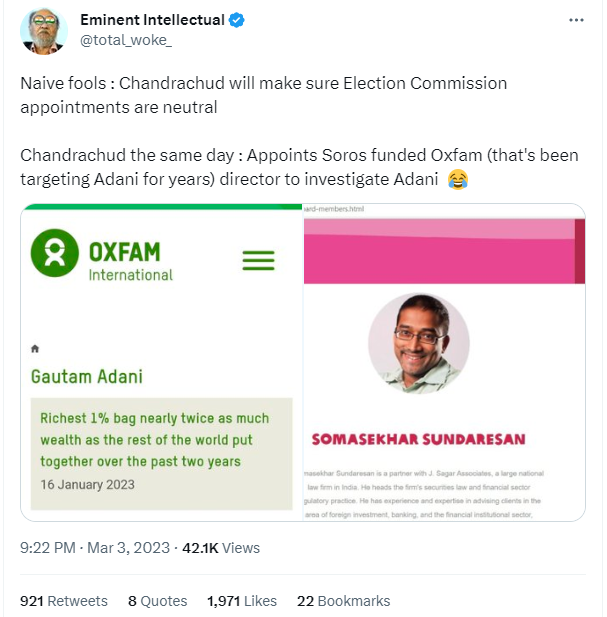
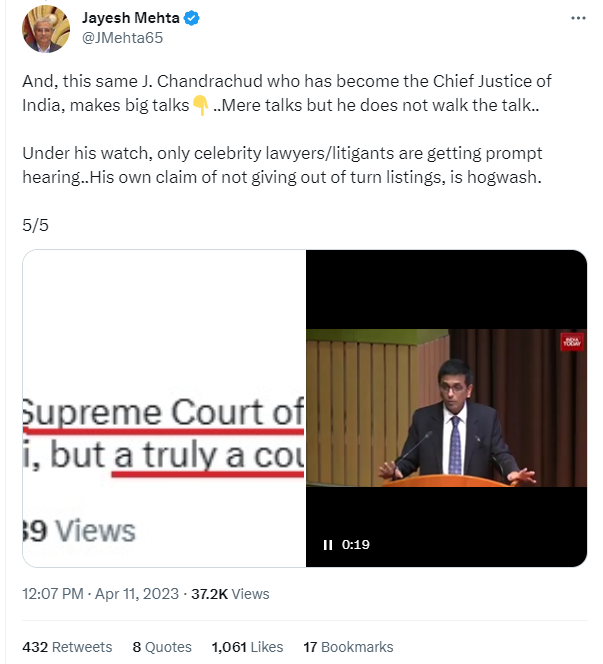
The second line of "Globalist" attacks is to undermine his positions, especially on gender, and present them as disconnected from mainstream Indian reality.
Again related to elitism, is the notion of nepotism. On this, while the CJI is unique in that his father was also a chief justice, there is ample work on nepotism and network-driven progression in the Indian context.
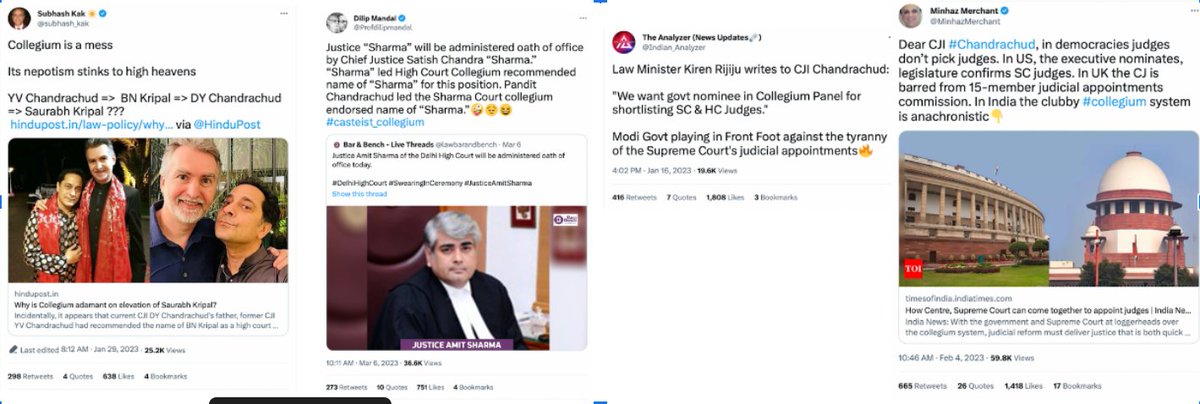
The narrative behind these claims is that Chandrachud, is unelected, and a law unto himself. Not just the CJI, but the institution of the Supreme Court itself as seen as something that needs to be reined in.
The opposition arguably feeds into some of the negative narratives by repeatedly invoking the CJI as a source of normative authority with a deeper moral compass, or by using a judgment by the CJI as an affirmation of constitutional intent.
This appears increasingly that the opposition sees more hope in appealing to the CJI than trying to create change through either the legislative process or through activism. A case in point is the INC trying to appeal to the CJI on Adani.
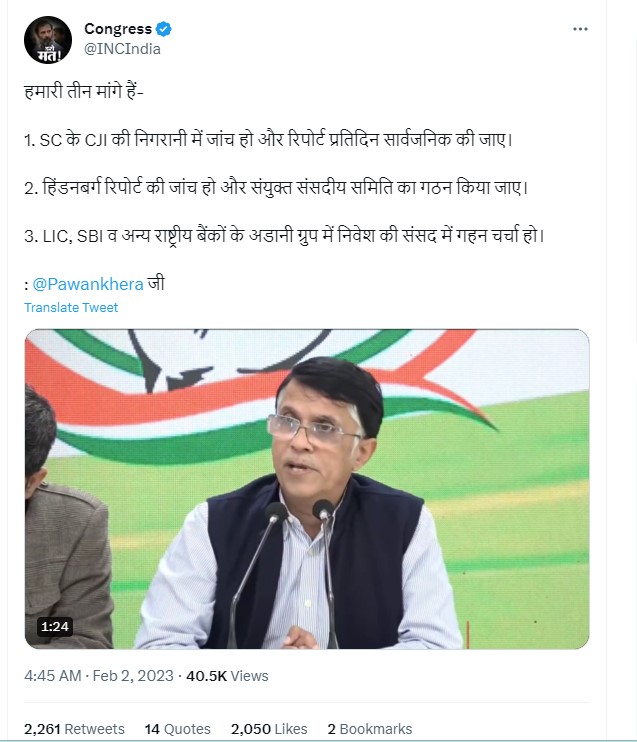
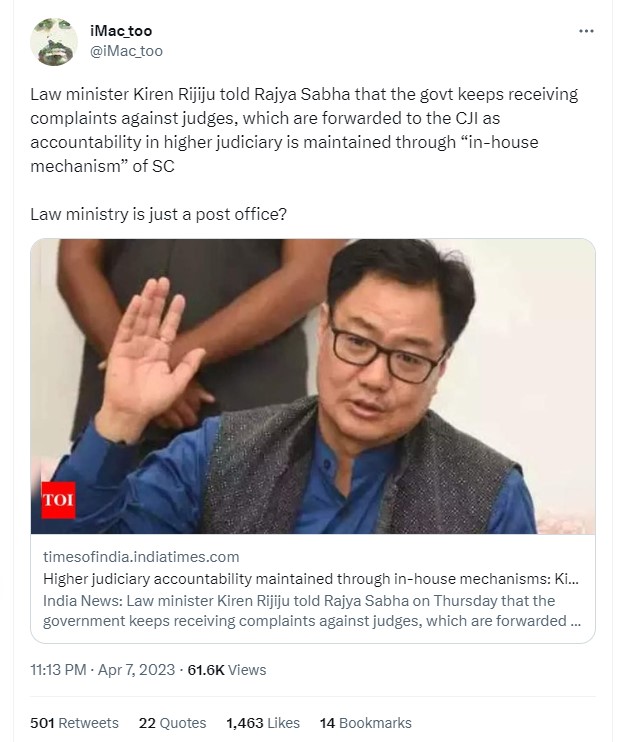
All of these highlight the tense relationship between the executive and the judiciary.
The demotion of @KirenRijiju , seen as an attempt to underplay the tensions seems like scapegoating, since someone at a higher pay grade likely controls the digital influencers.
The demotion of @KirenRijiju , seen as an attempt to underplay the tensions seems like scapegoating, since someone at a higher pay grade likely controls the digital influencers.
This is work by @sheyrilagarwal, with inputs from @tanishka_s
A link to the full report and the methodology and data is here:
joyojeet.people.si.umich.edu
A link to the full report and the methodology and data is here:
joyojeet.people.si.umich.edu

Loading suggestions...