
#MyGreatNairobi Short Stories
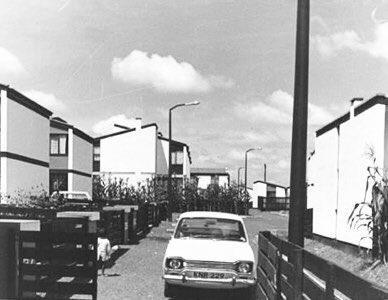
1/16 Buruburu Estate was a project financed in the early 1970s by Housing Finance - then called Housing Finance Company of Kenya (HFCK) in partnership with Commonwealth Development Corporation (CDC). Prince Charles visited Buruburu in 1987 as a representative of CDC.
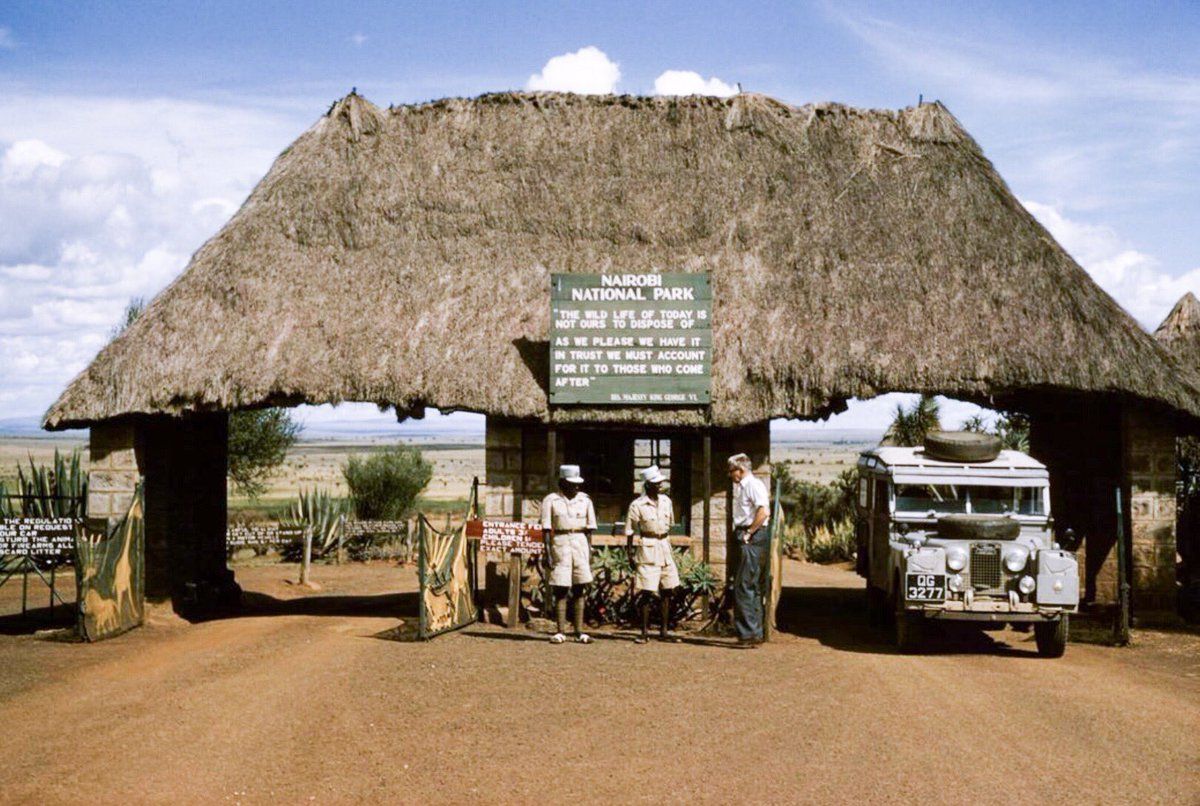
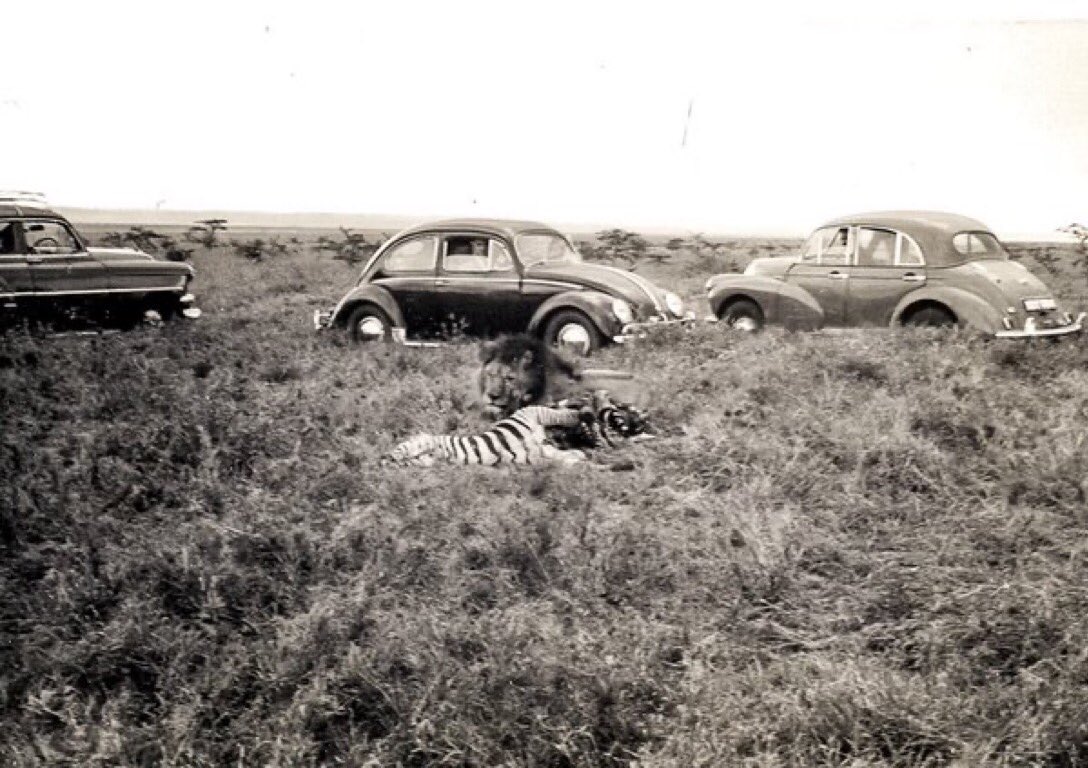
2/16 Pictured here in 1955 is the entrance to the Royal Nairobi National Park. Times have changed. Did you know that the park originally had elephants? They were however relocated in order to reduce human-wildlife conflict.
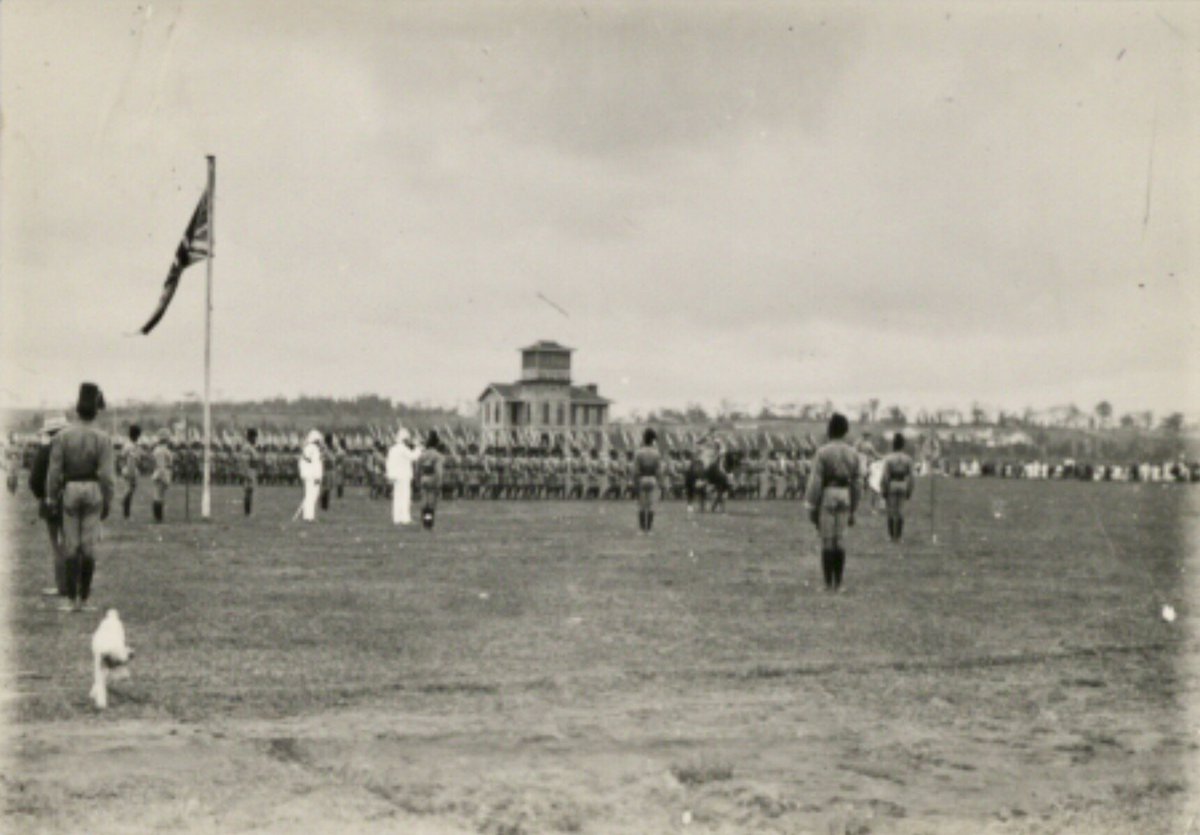
3/16 This 1907 photo was taken right in the heart of Nairobi city. Against the backdrop of a lone building that today is the Tom Mboya Street Post Office, a young Winston Churchill (in white, right) taking the salute from a guard of honour.
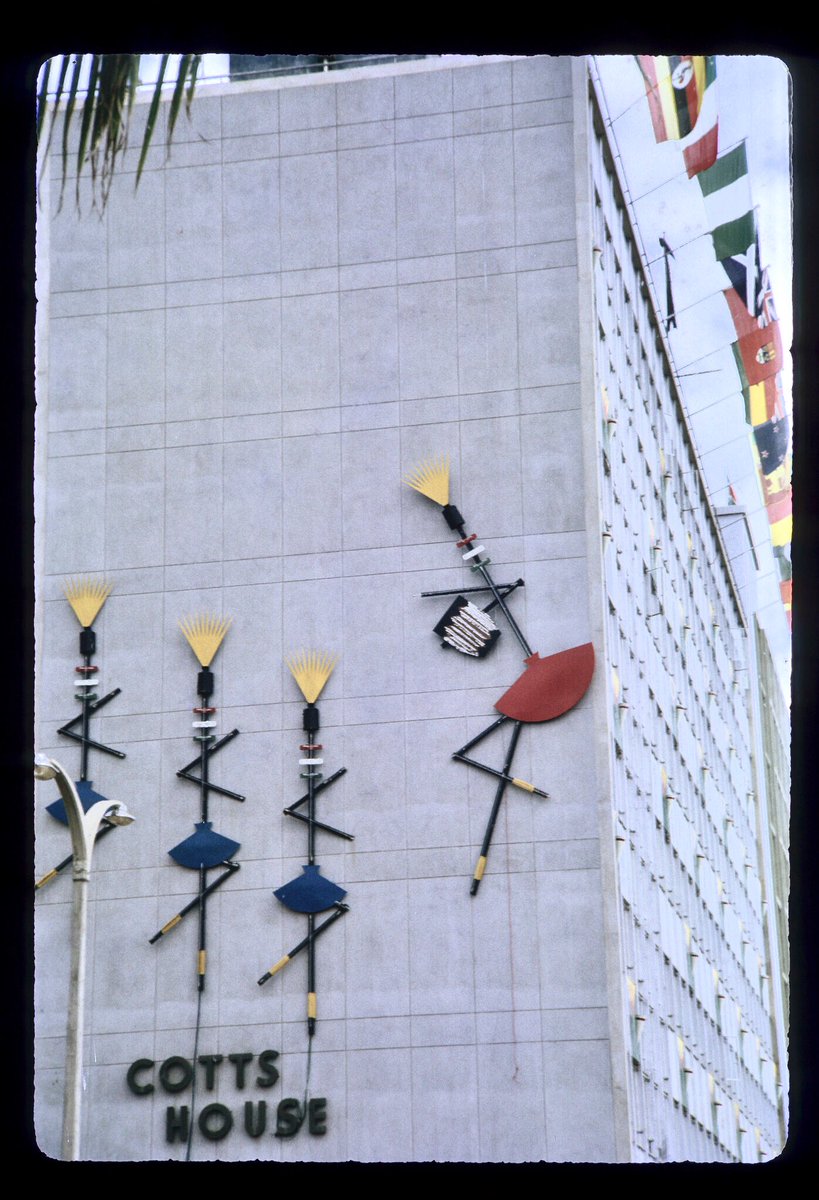
4/16 The city's streets were beautifully bedecked with flags and other national decorations on 12th December 1964 as seen here. Spot students of Aquinas High School atop a bus?

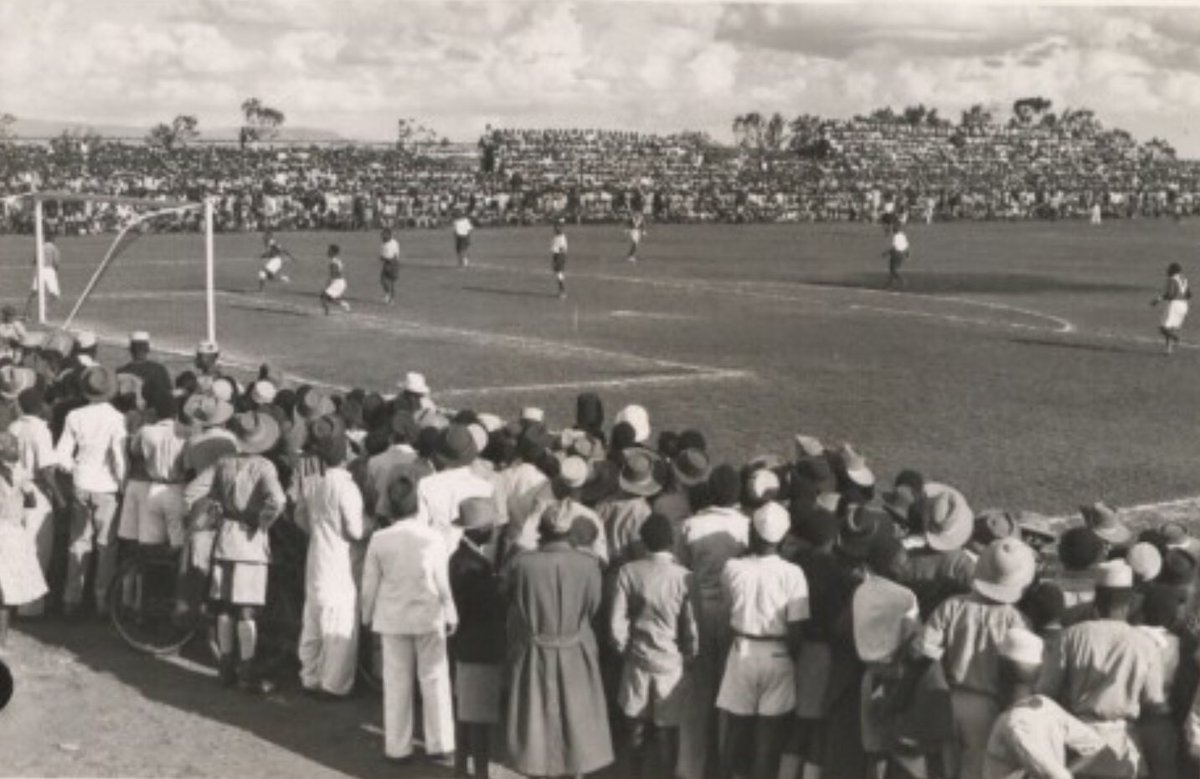
5/16 Before Nyayo National Stadium (built in 1983) and Kasarani Stadium (built in 1986-1987) were constructed, hot football action was witnessed at Doonholm Road stadium (City Stadium today). Gossage Cup Finals (tournament for E. African national teams) were a crowd puller.
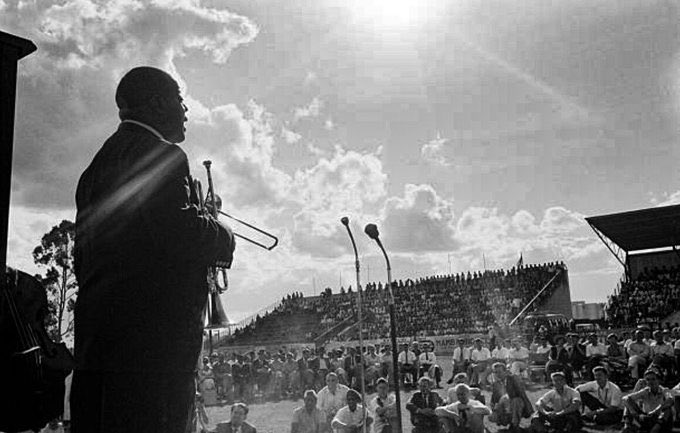
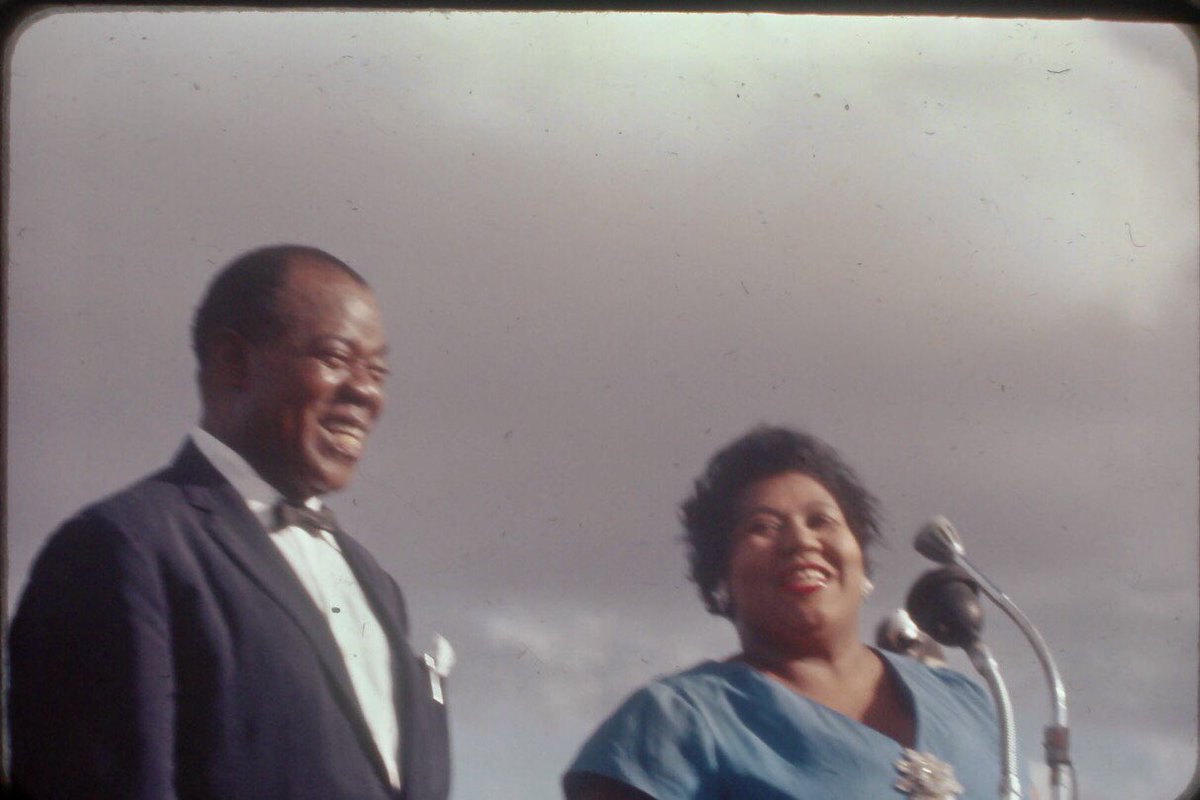
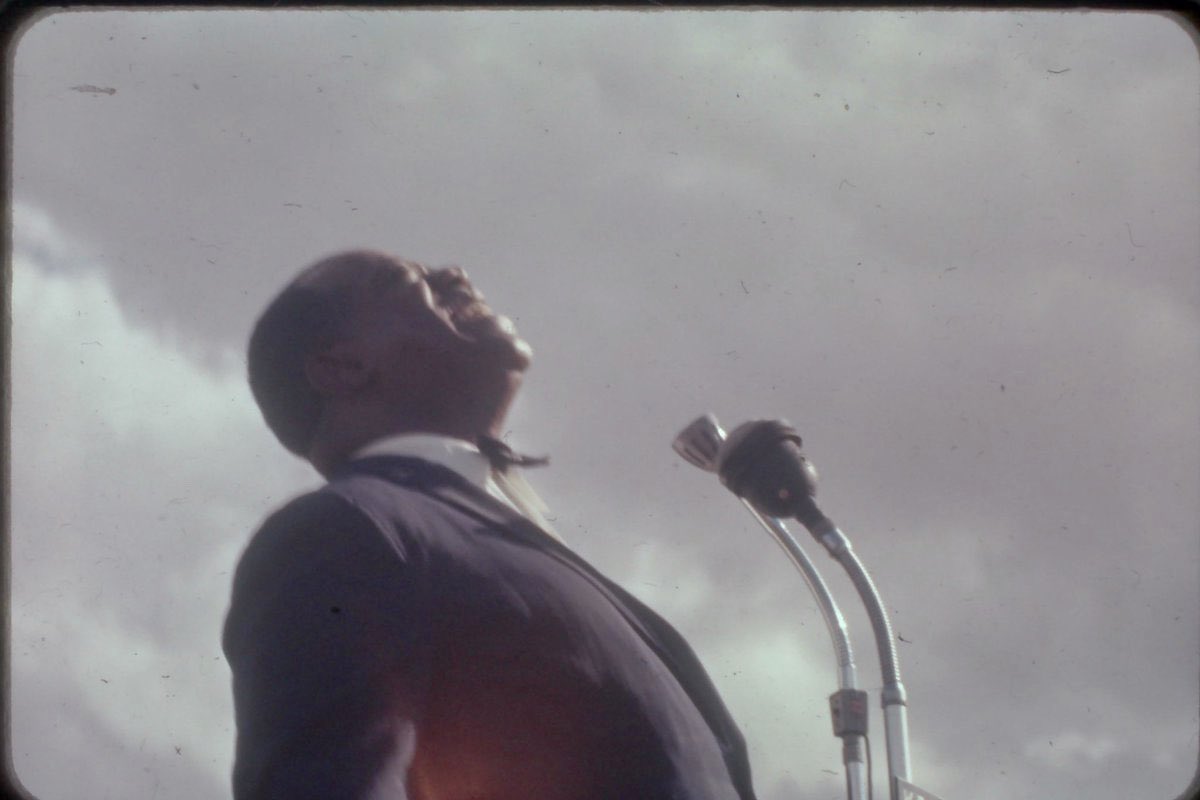
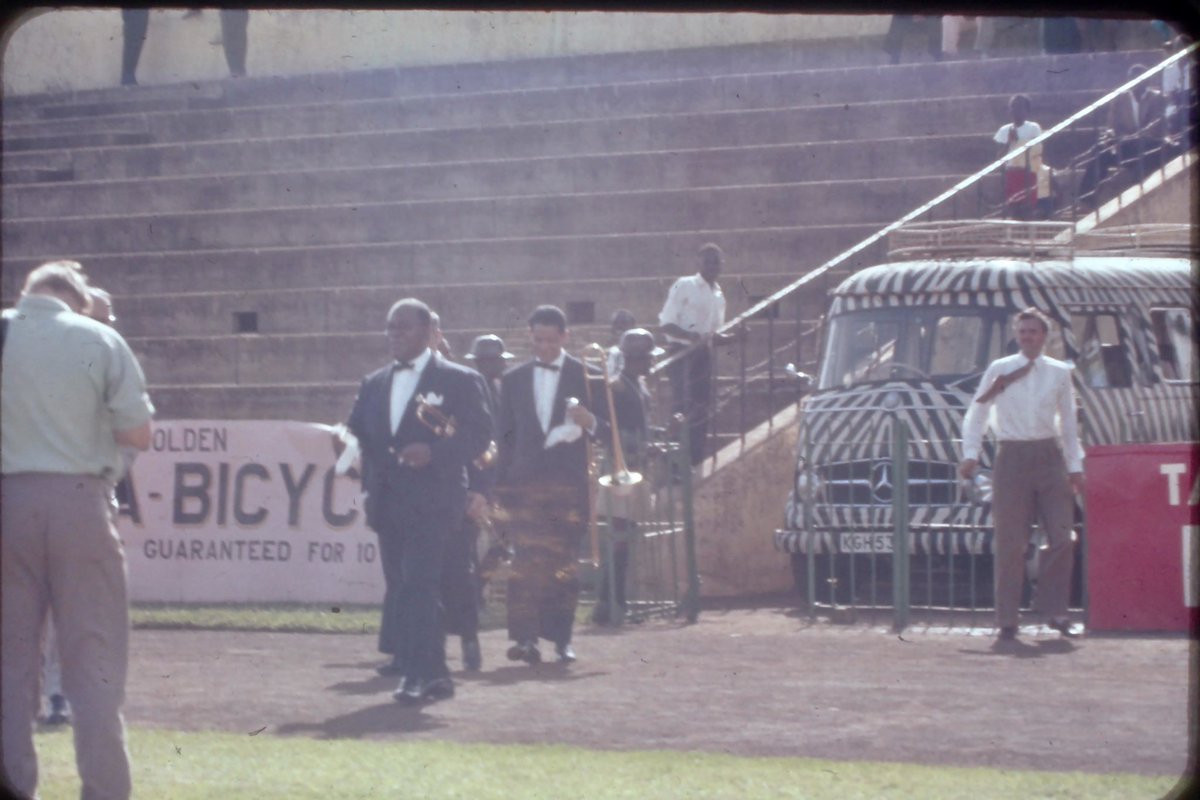
6/16 Lest we forget, Doonholm Road stadium was also where Africa-American jazz sensation Louis Armstrong performed in 1962.
Credits: Jim Hunter
Credits: Jim Hunter
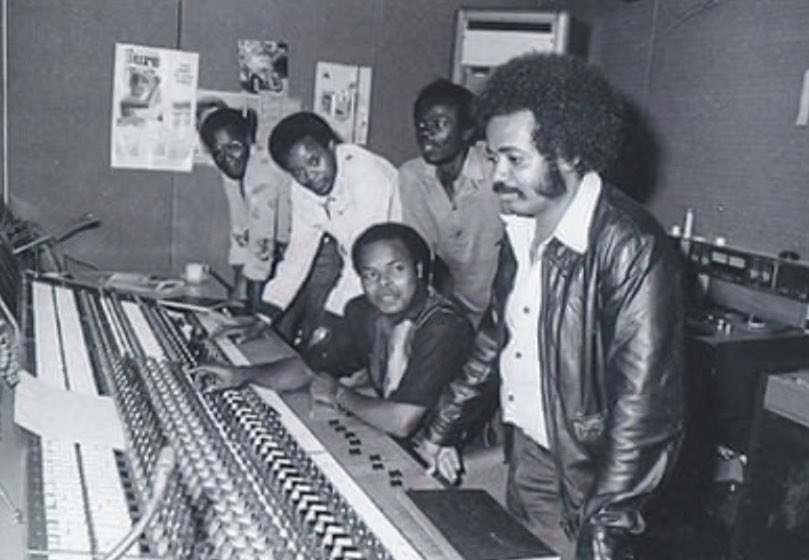
7/16 Pictured here with band members in a studio in Nairobi, Mombasa-born Slim Ali was lead singer of Hodi Boys, a popular 1970s benga and soul music band.
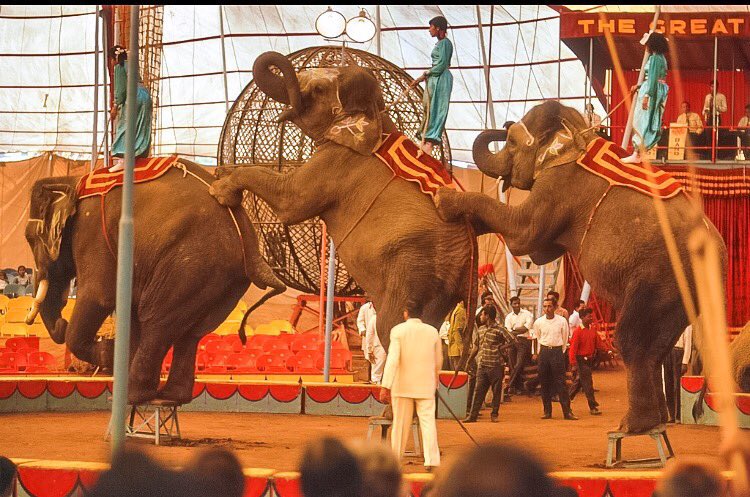
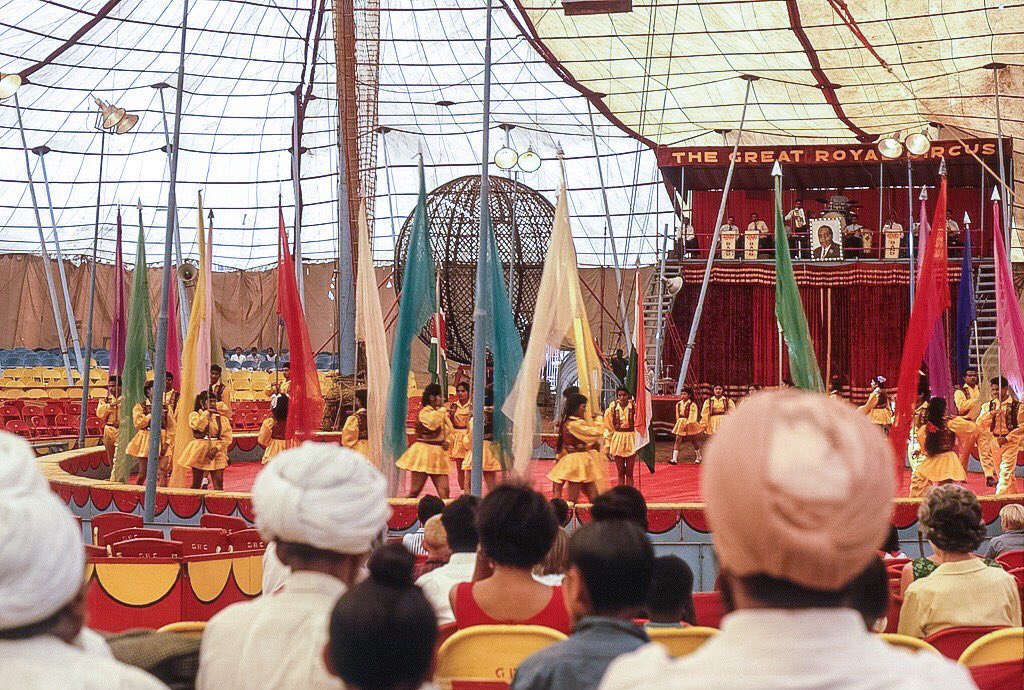
8/16 When it came to amusement venues, there used to be a very popular circus in Nairobi, complete with elephant and lion performances. Guess what later emerged from those grounds?
Nyayo National Stadium.
Nyayo National Stadium.

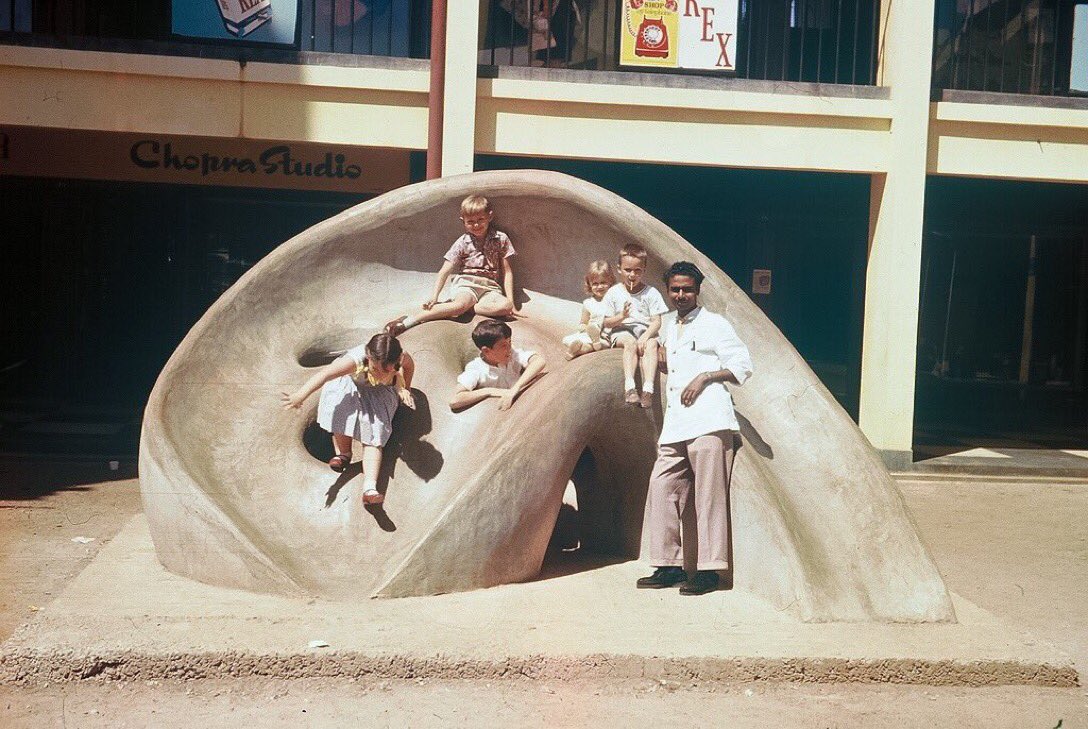
9/16 Meanwhile, Nairobi has come a long way with malls. This is a scene from Adams Arcade shopping centre in the late 1950s.
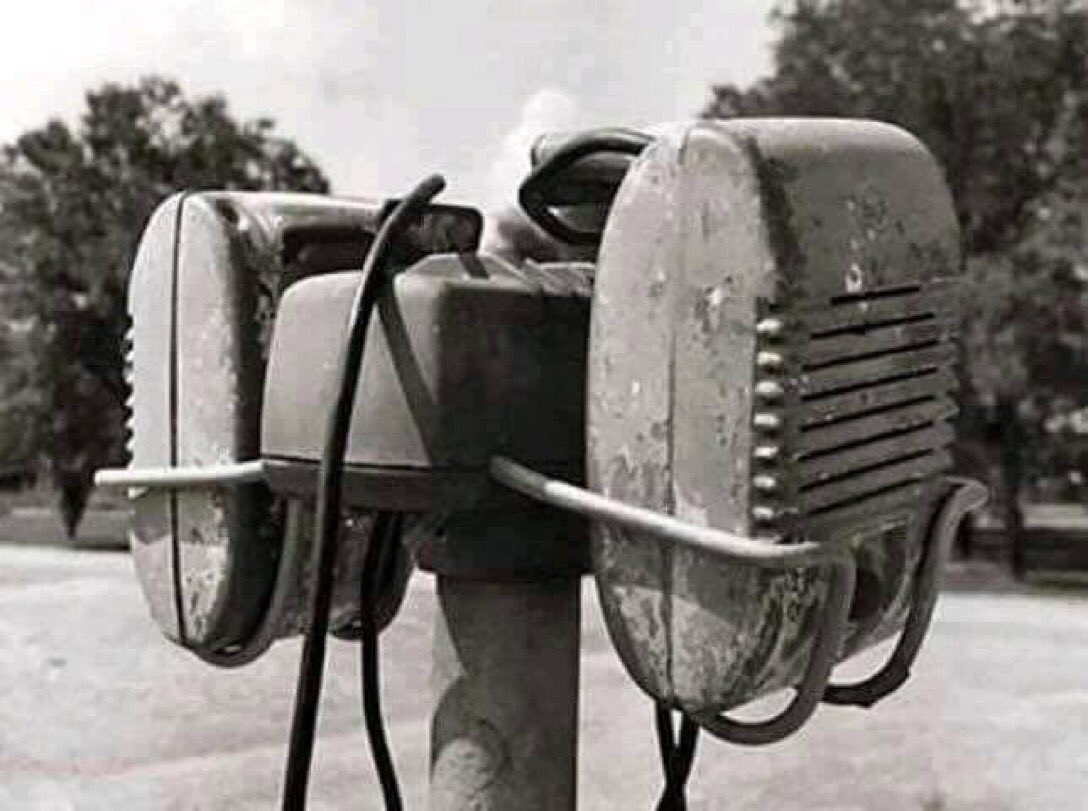
10/16 Nairobi has had at least two Drive-In cinemas, the first of which was situated along at Ruaraka. Sound was fed through portable speakers hung from car windows.
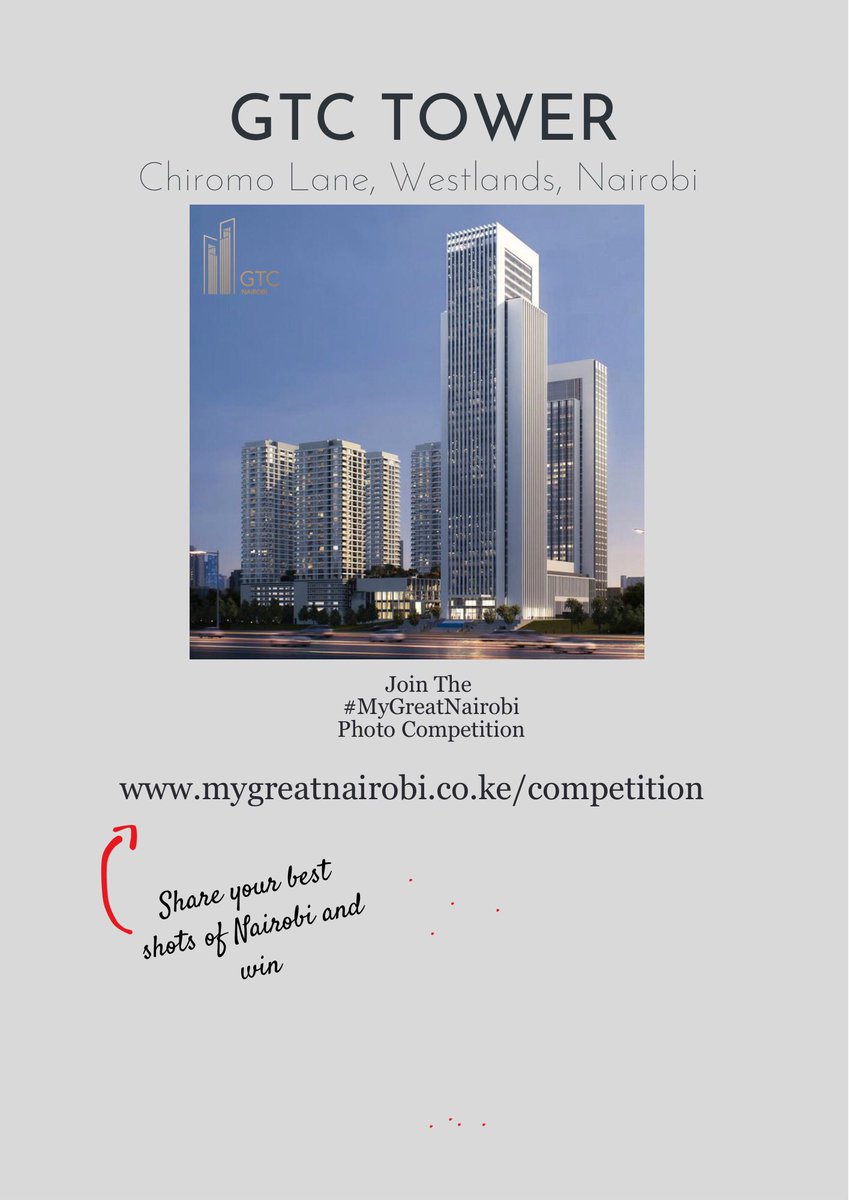
Today movies are watched in theatres. Psst! The city's GTC Tower will feature a mini-theatre for movie lovers.
Today movies are watched in theatres. Psst! The city's GTC Tower will feature a mini-theatre for movie lovers.

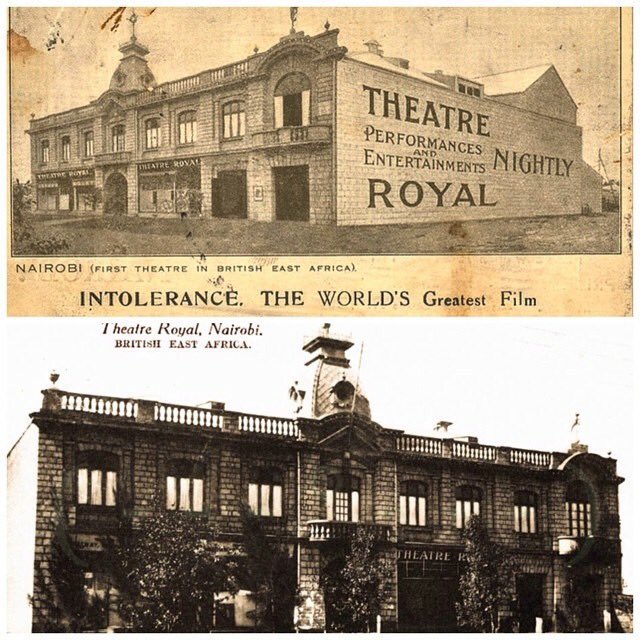
11/16 Speaking of theatres, from 1913, the Theatre Royale was famous for drama plays and musicals. The Theatre Royale later became Cameo Cinema.
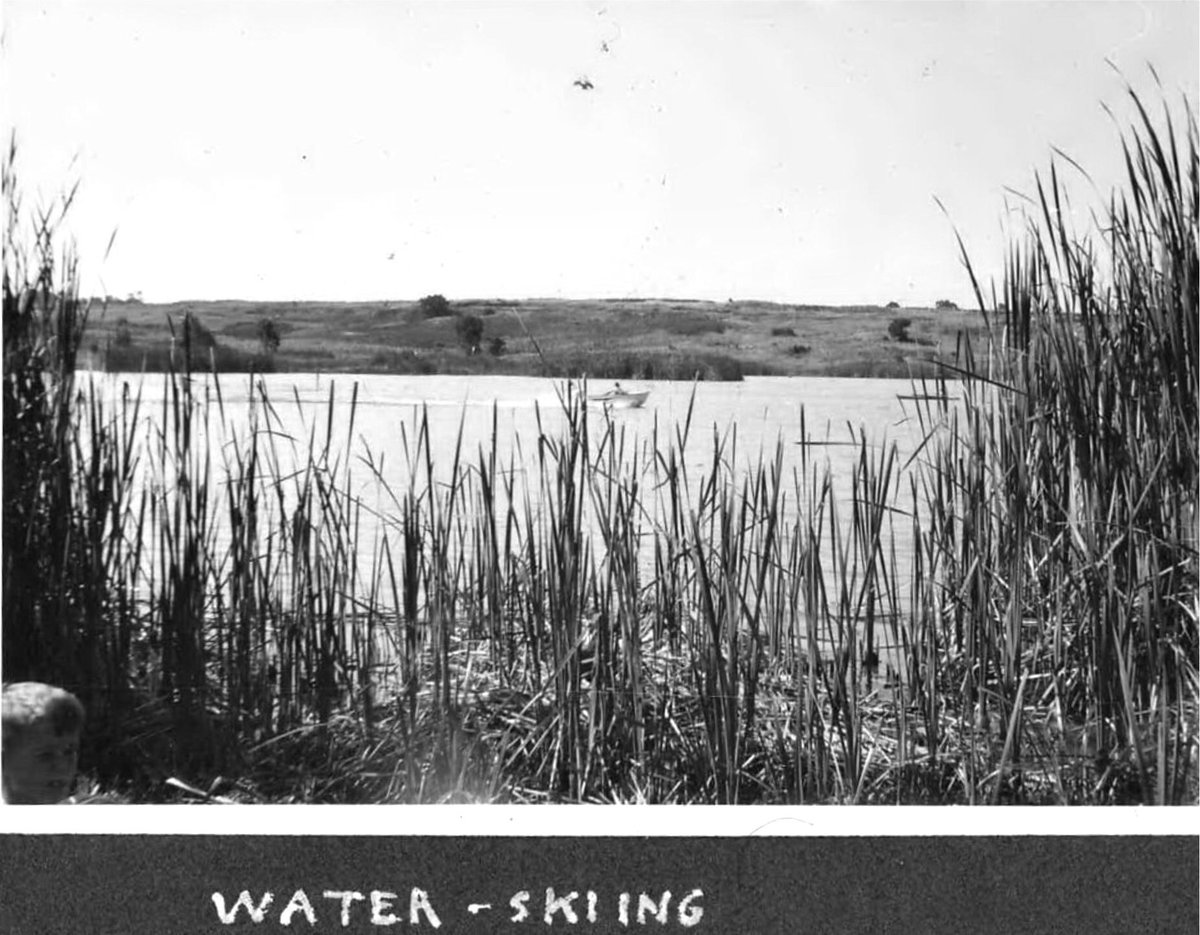
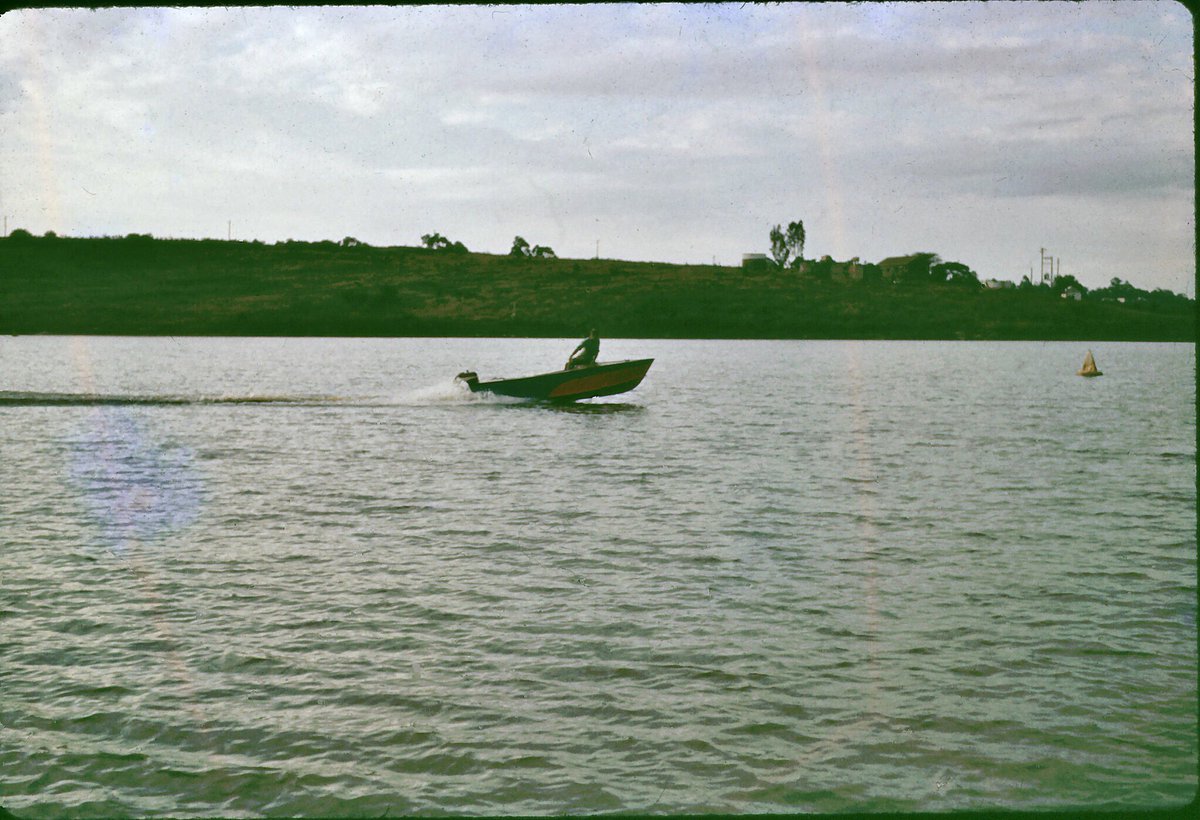
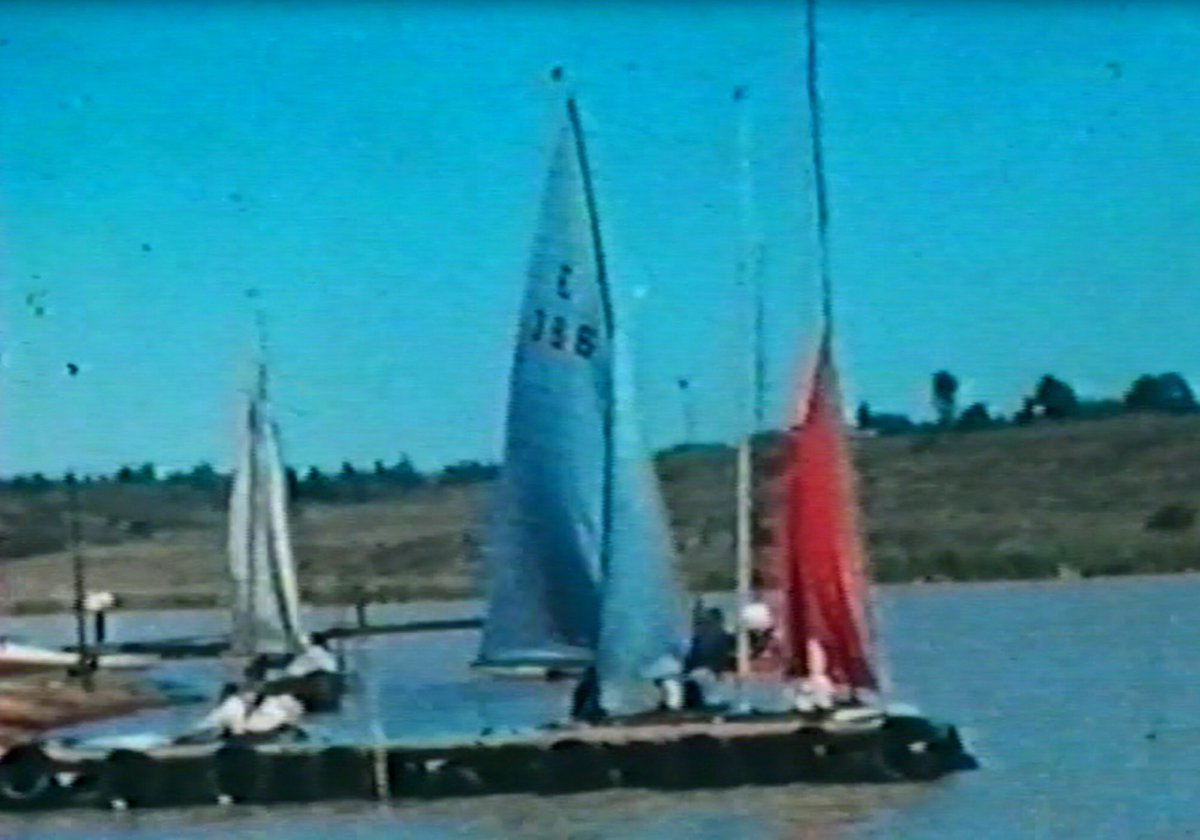
12/16 Another popular area of amusement was Nairobi Dam. It was popular with families, who patronized the place for water skiing, wind surfing and boat rides.
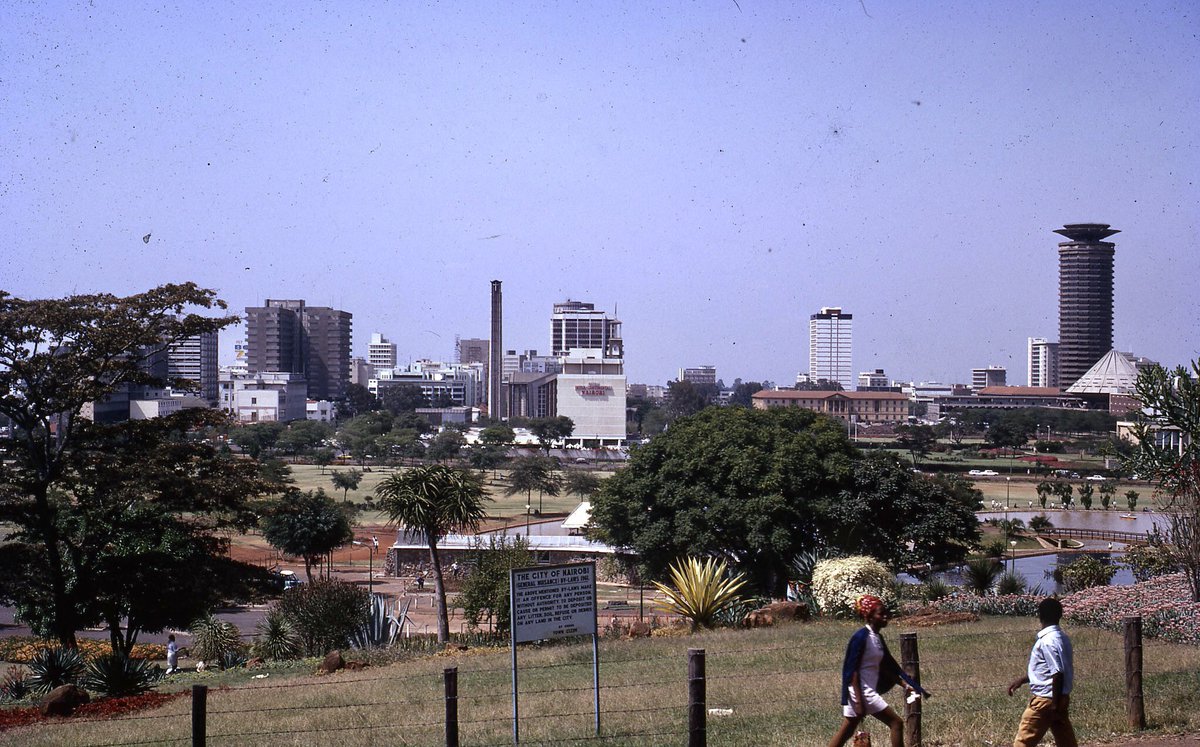
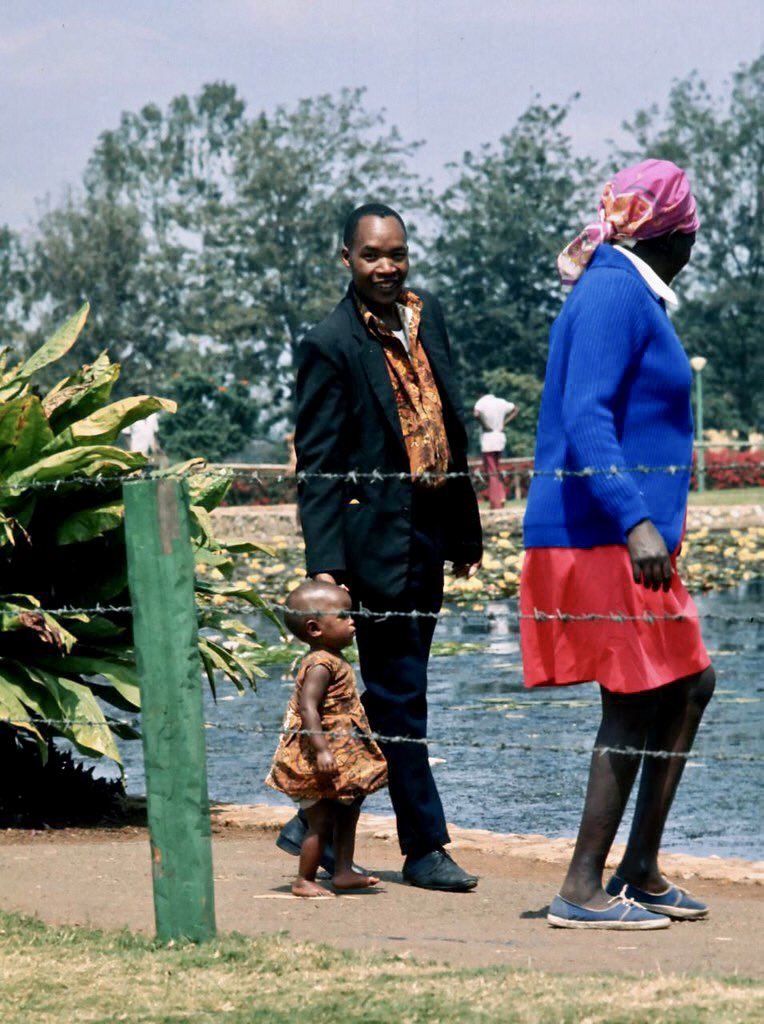
13/16 Needless to say, Uhuru Park was inaugurated in 1969 by Mzee Kenyatta. Before then, national celebrations used to take place at Jamhuri Park, off Ngong Road. When not used for military march-pasts, Uhuru Park was Nairobi's popular green space.
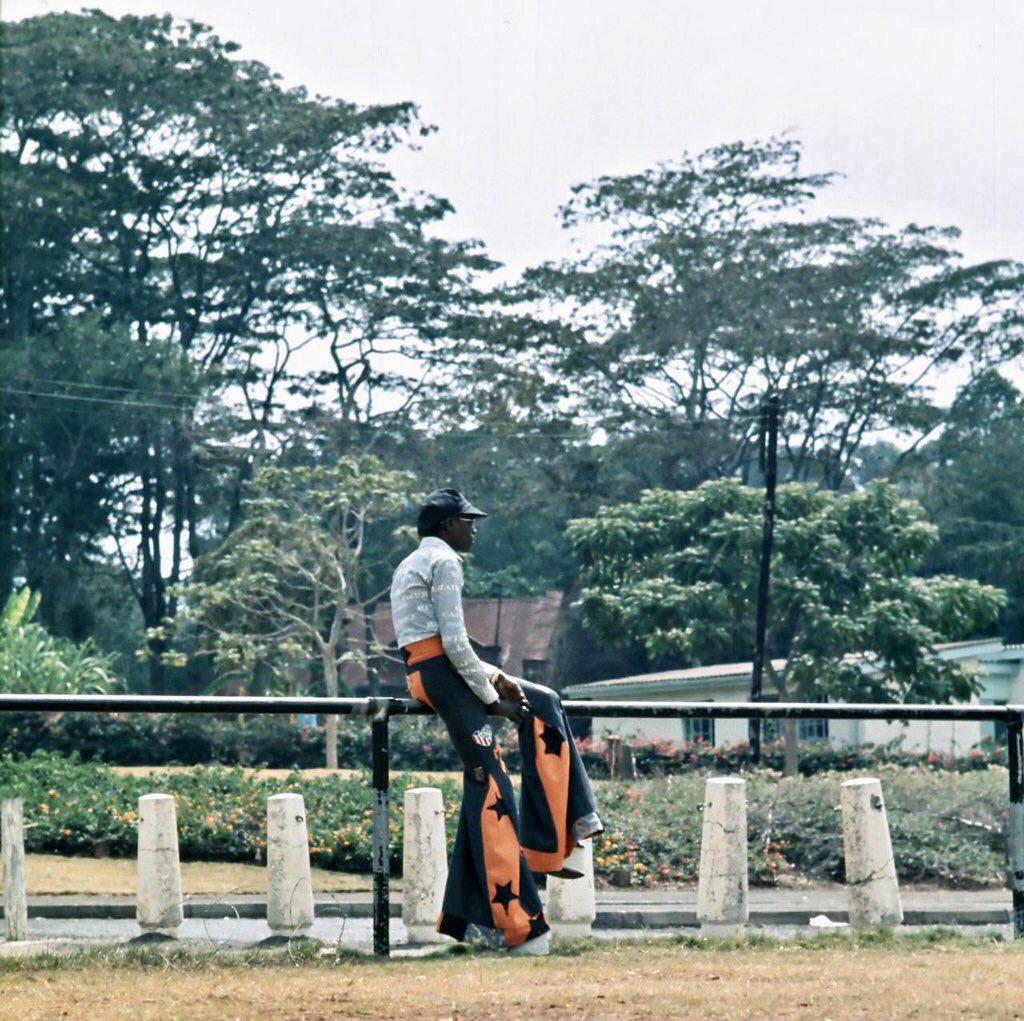
Ah, that 1970s swag.
Ah, that 1970s swag.
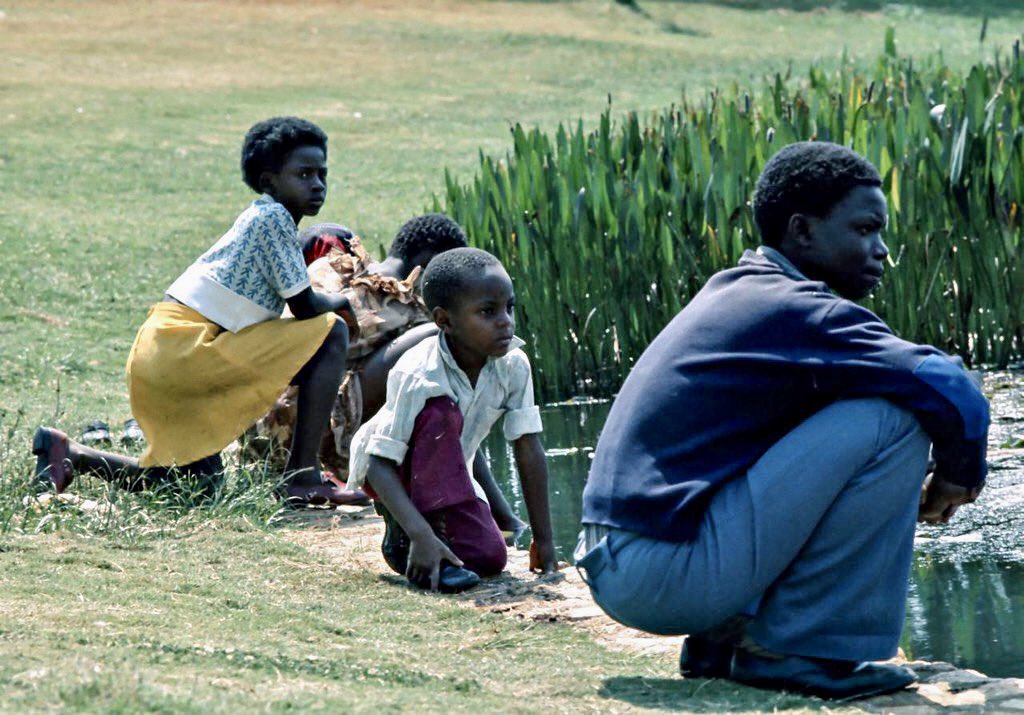
14/16 The first airport in Nairobi was situated in Dagoretti Corner. It would later move to present-day Wilson Airport, which is one of Africa's busiest. Similarly, Nairobi's racecourse was in Pangani area before it moved to its current location.
Credit: Martin Dixon
Credit: Martin Dixon
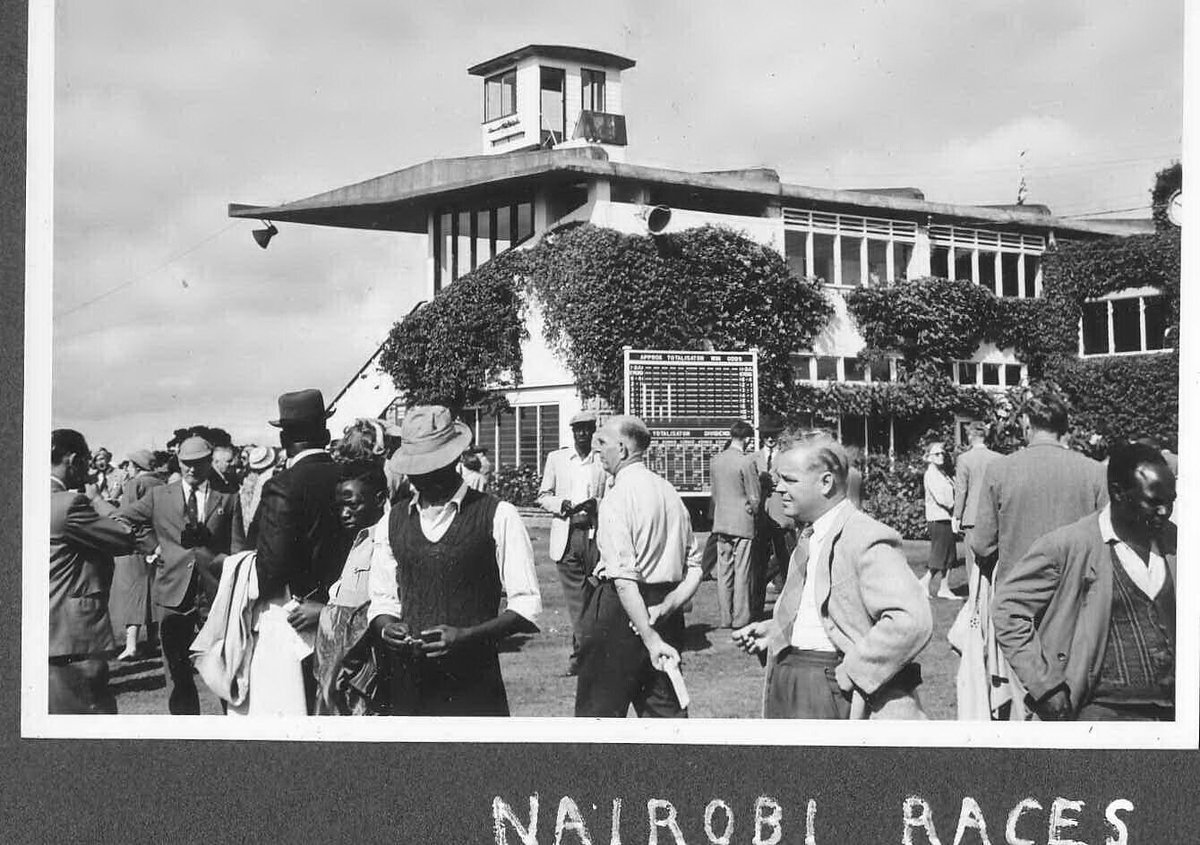
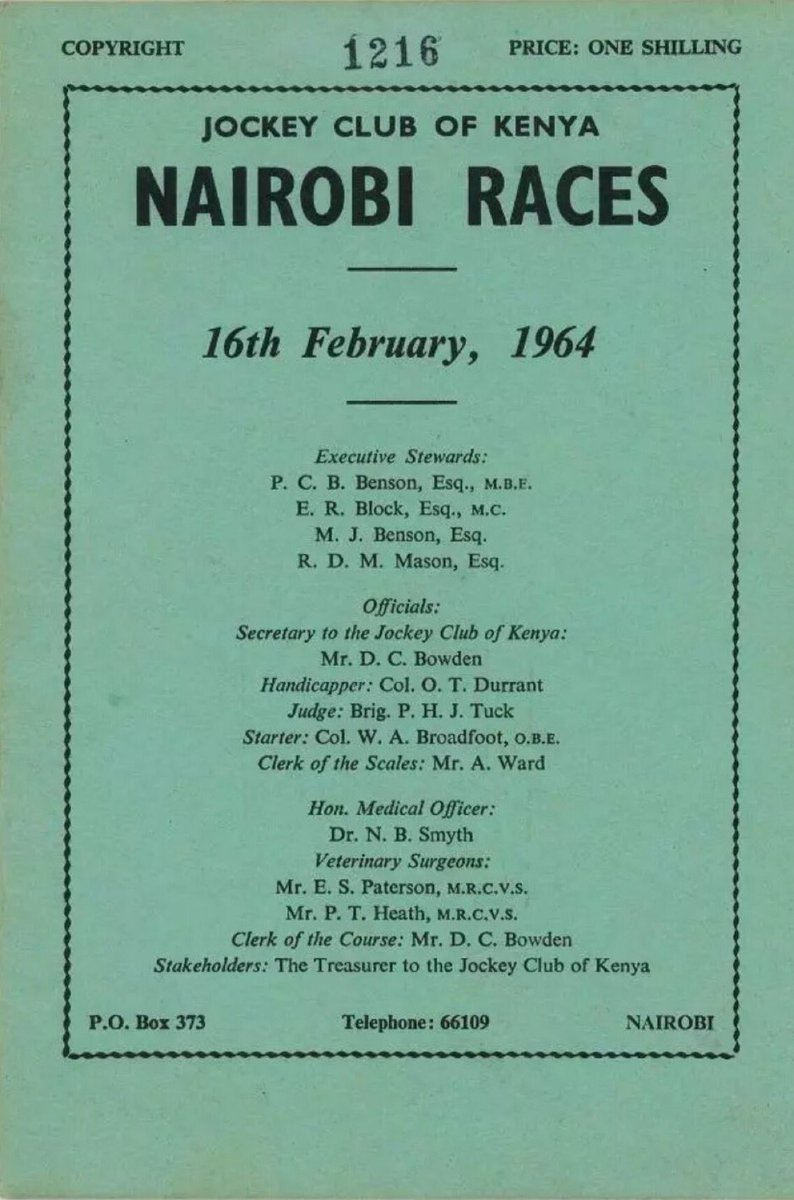
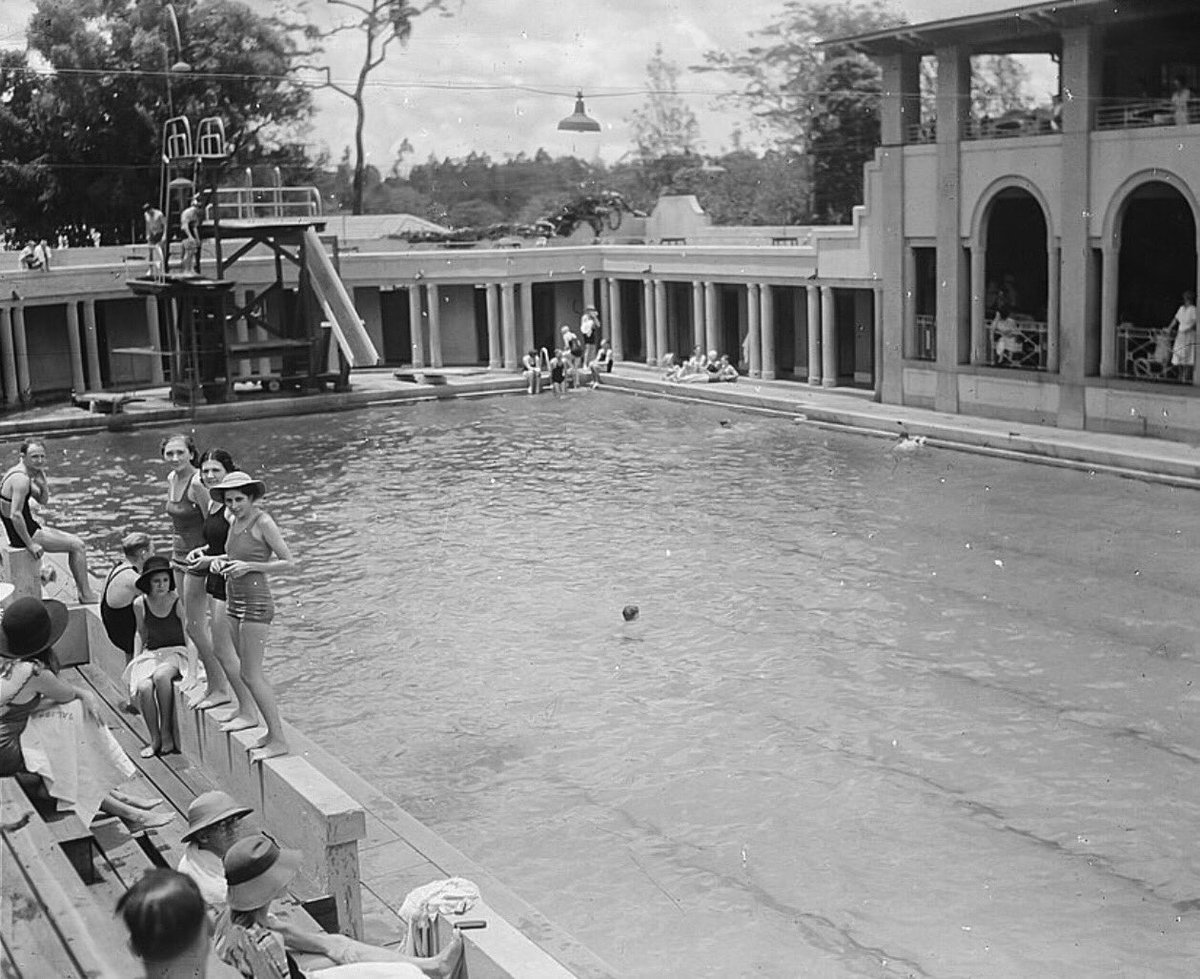
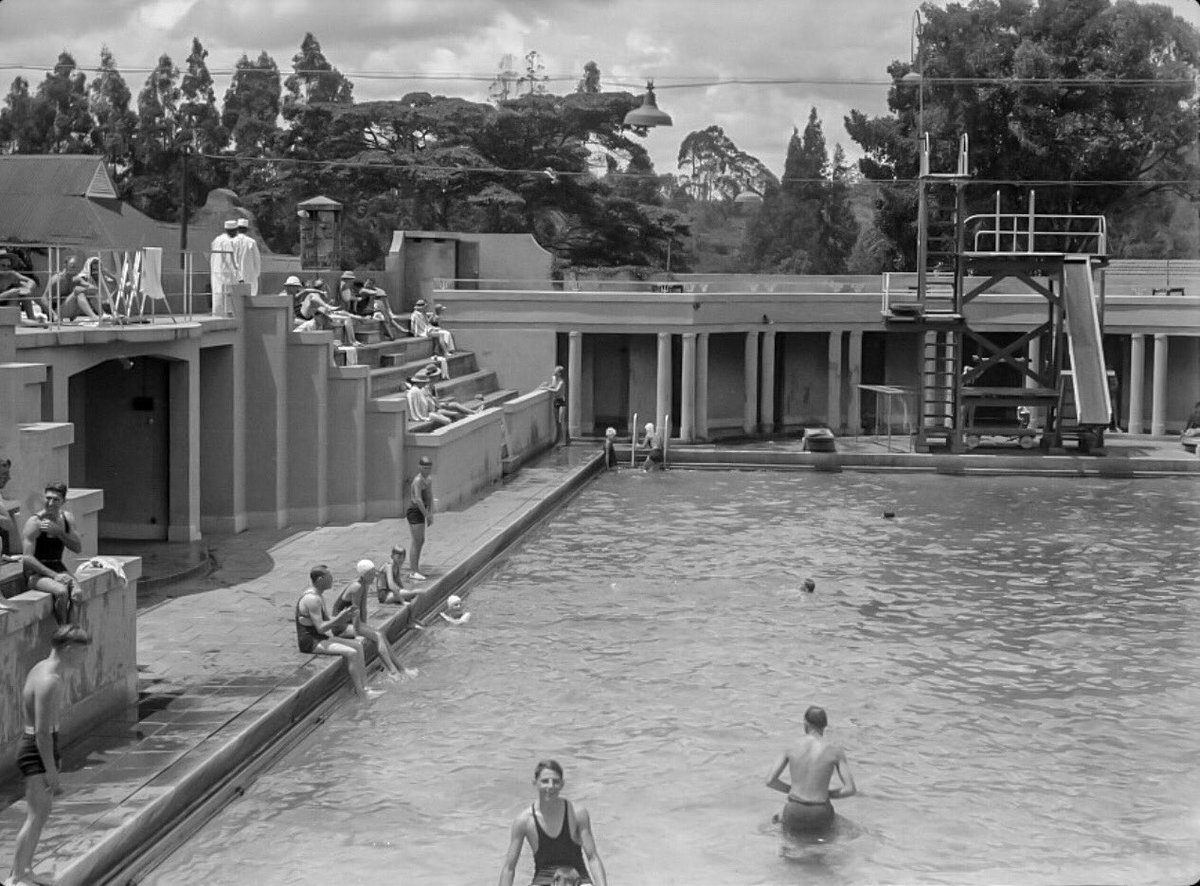
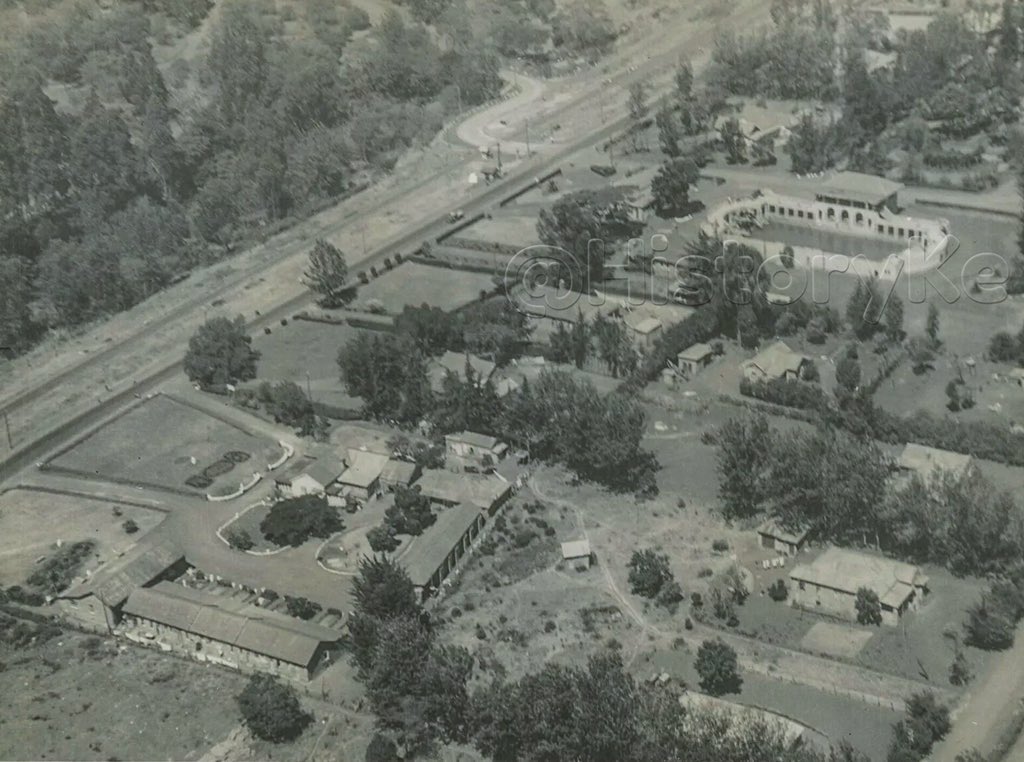
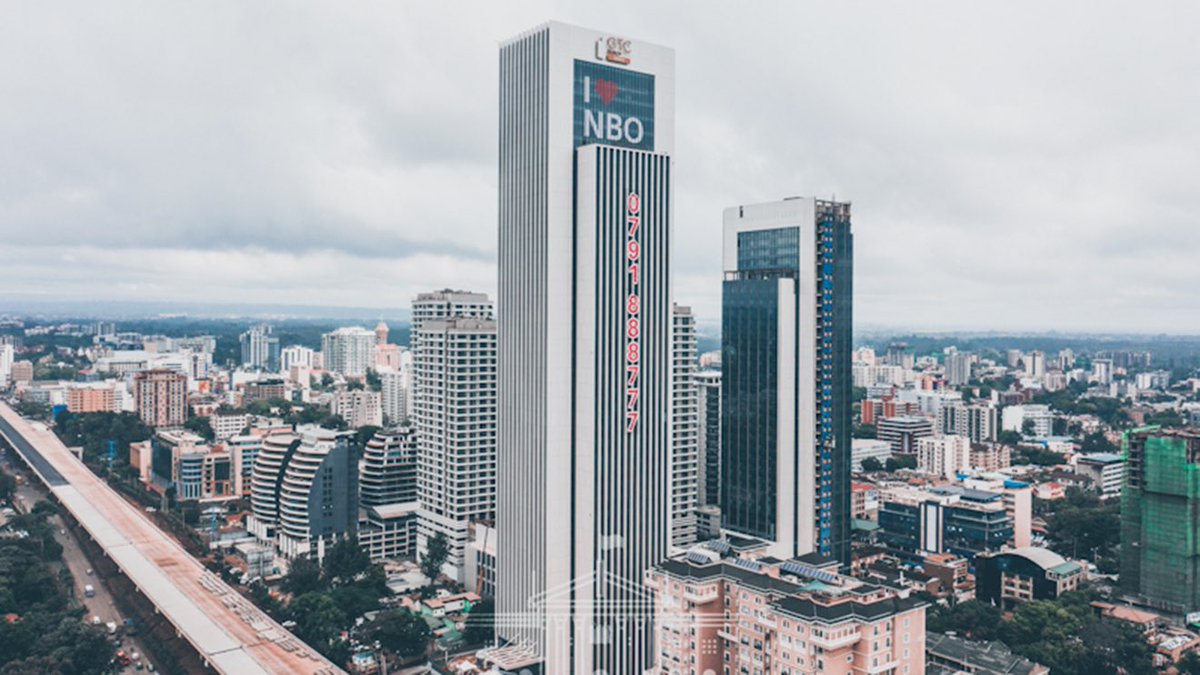
15/16 The pool at Salisbury Hotel in 1936. The hotel housed the biggest swimming pool in Kenya at the time. Also see enclosed the Chiromo area photographed from the air in 1937. From these grounds has now emerged Nairobi's second tallest structure, the GTC Tower.
16/16 Now that we have your attention, the #MyGreatNairobi competition is ongoing. You can share photos showcasing any physical, architectural or socio-cultural aspects of Nairobi on mygreatnairobi.co.ke.

Open to pro and amateur photographers alike, smartphone or camera lenses.
Loading suggestions...