

|| How Rishi Kanand gave an atomic theory atleast 2,500 years ago? Works Of Rishi Kanad- one of the greatest minds in Ancient India ||
The Western world has propagated the notion that John Dalton discovered the atom around 1800. Some argue that the credit for the idea of the atom should be attributed to Democritus in 450 BCE. However, it is important to recognize that Indians had a much earlier and more detailed understanding of atoms.
Maharishi Kanad, also known by various names such as Kashyapa, Uluka, Kananda, and Kanabhuk, is believed to have lived between the 2nd and 6th centuries BCE, although the precise date of his birth remains uncertain. He was the one who made significant contributions to the field of philosophy, logic, and atomic theory. He is widely regarded as one of the earliest proponents of atomic thought and is considered the founder of Vaisheshika, one of the six philosophical schools of Hindu philosophy, where he expounded his ideas on atoms and the nature of the universe. He authored a book called "Vaisheshik Darshan" and earned the title "The Father of Atomic Theory."
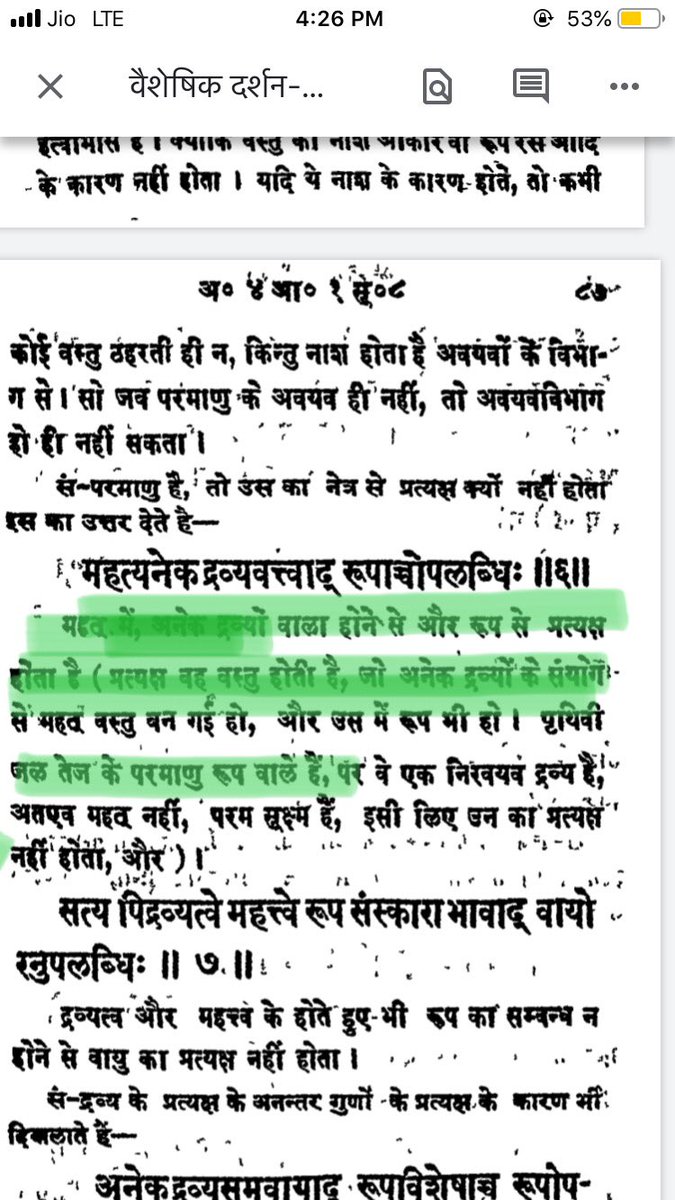
Kanada's school of thought aimed to provide an explanation for the creation and existence of the universe by proposing an atomistic theory that employed logic and realism. According to Kanada, everything in the universe can be divided into smaller parts, but this process of subdivision cannot continue infinitely. Eventually, there will be a particle that is indivisible and cannot be further subdivided. Kanada referred to this indivisible particle of matter as "anu" or "parmanu," which is what we now recognize as the atom. Kanada further explained that this parmanu, or atom, cannot be detected or perceived through any of the human senses or organs.
A question must arise that how can Maharishi kanada was able to find, such small particles at that time. Well, we find the answers in his book itself---
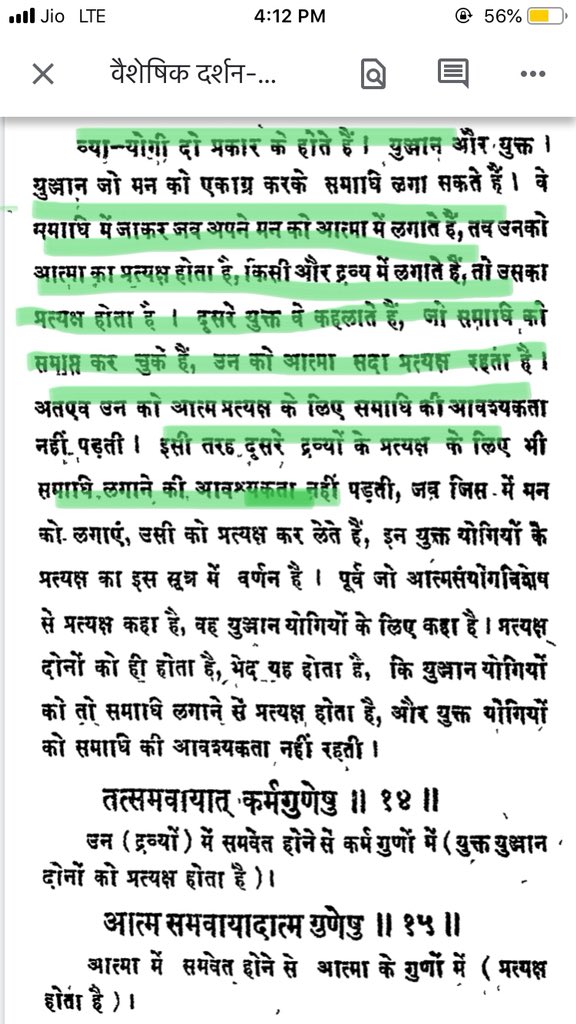
तथा द्रव्यान्तरेषु प्रत्यक्षम् | 9.1.12
“It’s said in this Sutra that as Yogis can see the actual Atma in Yogic meditation by process of unification of Mind and soul. They can also see the Atoms (Sukshma Dravyas)”.
The difference is Yujjaana yogis can see them in Samadhi only and the Yukata do not need Samadhi. In the next sutra-
तत्समवायात् कर्मगुणेषु | 9.1.14
It states that advanced yogis, known as Yukta Yogis, have the ability to perceive not only the atoms themselves but also the Guna-Karmas (qualities and actions) associated with these entities.
This suggests that the Vaisheshika philosophy holds that through the practice of Yoga, nothing is impossible. Yukta Yogis possess the remarkable capability to see atoms even without engaging in meditation, thanks to their Yogic powers. These atoms can be perceived through Yogipratyaksha, which is a form of direct perception through the yogic abilities, and in some cases, even with their physical eyes.
Vaiseshikas further held that atom had the ability to combine with each other, resulting in the formation of dvyanuka (diatomic molecules) and tryanuka (triatomic molecules). Kanad also proposed the concept that atoms could undergo different combinations, leading to chemical changes when influenced by external factors like heat.
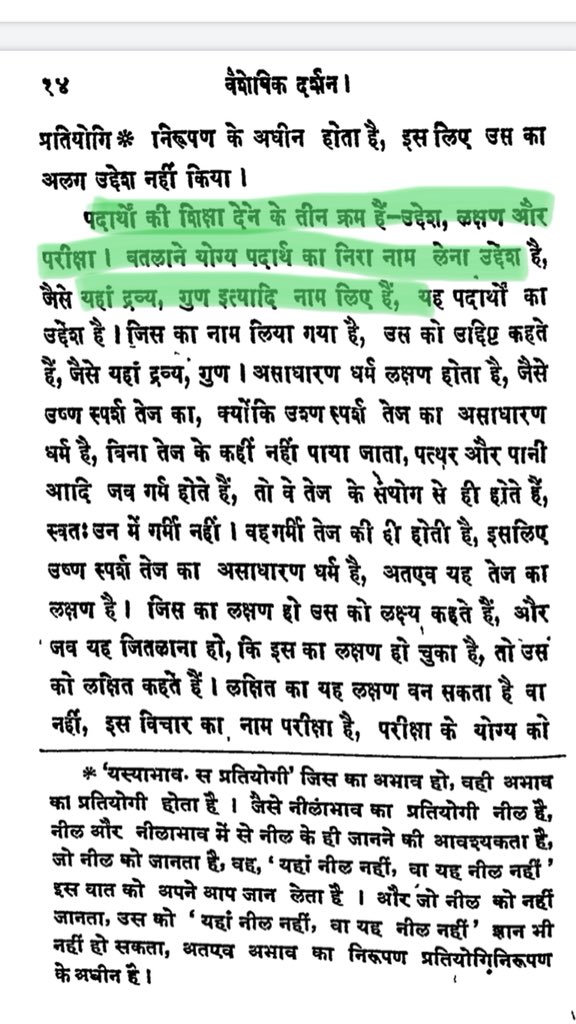
He has also propounded six categories of padarthas, which are sufficient to describe everything in the universe. These include:
1. Dravya (substance)
2. Guna (quality)
3. Karman (motion)
4. Samanya (universal)
5. Visesa (particular)
6. Samavaya (inherence).
Kanada’s conception of the atom was different from the ancient Greeks, because of the differences between the theories. For example, Kanada suggested that atoms as building blocks differ both qualitatively and quantitatively, while Greeks suggested that atoms differed only quantitatively but not qualitatively.
Other works of Rishi Kanad-
◆ Concept of Akasha: Rishi Kanad also introduced the concept of Akasha, often translated as "space" or "ether." He posited that Akasha is an eternal substance that provides the substratum for the existence of all other elements. This concept of Akasha plays a vital role in understanding the interplay of matter and consciousness in the Vaisheshika philosophy.
◆ Theory of Causation: Rishi Kanad developed a comprehensive theory of causation known as "Asatkaryavada." According to this theory, he proposed that the effect (karya) exists potentially in its cause (karan) before manifesting. He categorized causes into four types: material cause, instrumental cause, efficient cause, and inherent cause.
◆ In the field of gravity- Yes, Gravity was known to him. Not only that, he also shared his detailed knowledge on gravity ( I will write about it in details).
Not only history but, Science needs to be re-written with Indian context.
The Western world has propagated the notion that John Dalton discovered the atom around 1800. Some argue that the credit for the idea of the atom should be attributed to Democritus in 450 BCE. However, it is important to recognize that Indians had a much earlier and more detailed understanding of atoms.
Maharishi Kanad, also known by various names such as Kashyapa, Uluka, Kananda, and Kanabhuk, is believed to have lived between the 2nd and 6th centuries BCE, although the precise date of his birth remains uncertain. He was the one who made significant contributions to the field of philosophy, logic, and atomic theory. He is widely regarded as one of the earliest proponents of atomic thought and is considered the founder of Vaisheshika, one of the six philosophical schools of Hindu philosophy, where he expounded his ideas on atoms and the nature of the universe. He authored a book called "Vaisheshik Darshan" and earned the title "The Father of Atomic Theory."
Kanada's school of thought aimed to provide an explanation for the creation and existence of the universe by proposing an atomistic theory that employed logic and realism. According to Kanada, everything in the universe can be divided into smaller parts, but this process of subdivision cannot continue infinitely. Eventually, there will be a particle that is indivisible and cannot be further subdivided. Kanada referred to this indivisible particle of matter as "anu" or "parmanu," which is what we now recognize as the atom. Kanada further explained that this parmanu, or atom, cannot be detected or perceived through any of the human senses or organs.
A question must arise that how can Maharishi kanada was able to find, such small particles at that time. Well, we find the answers in his book itself---
तथा द्रव्यान्तरेषु प्रत्यक्षम् | 9.1.12
“It’s said in this Sutra that as Yogis can see the actual Atma in Yogic meditation by process of unification of Mind and soul. They can also see the Atoms (Sukshma Dravyas)”.
The difference is Yujjaana yogis can see them in Samadhi only and the Yukata do not need Samadhi. In the next sutra-
तत्समवायात् कर्मगुणेषु | 9.1.14
It states that advanced yogis, known as Yukta Yogis, have the ability to perceive not only the atoms themselves but also the Guna-Karmas (qualities and actions) associated with these entities.
This suggests that the Vaisheshika philosophy holds that through the practice of Yoga, nothing is impossible. Yukta Yogis possess the remarkable capability to see atoms even without engaging in meditation, thanks to their Yogic powers. These atoms can be perceived through Yogipratyaksha, which is a form of direct perception through the yogic abilities, and in some cases, even with their physical eyes.
Vaiseshikas further held that atom had the ability to combine with each other, resulting in the formation of dvyanuka (diatomic molecules) and tryanuka (triatomic molecules). Kanad also proposed the concept that atoms could undergo different combinations, leading to chemical changes when influenced by external factors like heat.
He has also propounded six categories of padarthas, which are sufficient to describe everything in the universe. These include:
1. Dravya (substance)
2. Guna (quality)
3. Karman (motion)
4. Samanya (universal)
5. Visesa (particular)
6. Samavaya (inherence).
Kanada’s conception of the atom was different from the ancient Greeks, because of the differences between the theories. For example, Kanada suggested that atoms as building blocks differ both qualitatively and quantitatively, while Greeks suggested that atoms differed only quantitatively but not qualitatively.
Other works of Rishi Kanad-
◆ Concept of Akasha: Rishi Kanad also introduced the concept of Akasha, often translated as "space" or "ether." He posited that Akasha is an eternal substance that provides the substratum for the existence of all other elements. This concept of Akasha plays a vital role in understanding the interplay of matter and consciousness in the Vaisheshika philosophy.
◆ Theory of Causation: Rishi Kanad developed a comprehensive theory of causation known as "Asatkaryavada." According to this theory, he proposed that the effect (karya) exists potentially in its cause (karan) before manifesting. He categorized causes into four types: material cause, instrumental cause, efficient cause, and inherent cause.
◆ In the field of gravity- Yes, Gravity was known to him. Not only that, he also shared his detailed knowledge on gravity ( I will write about it in details).
Not only history but, Science needs to be re-written with Indian context.

Please contribute a bit to support my work, Thank you 🙏

Please go through the references, if you don't believe it-
Loading suggestions...