

You know the Pythagorean Theorem from school.
But there was much more to the man, Pythagoras...
He was:
-A cult leader
-One of the first philosophers
-Wrote nothing down
-Pushed the idea of reincarnation
-Hated beans
-And supposedly had a thigh of gold…
But there was much more to the man, Pythagoras...
He was:
-A cult leader
-One of the first philosophers
-Wrote nothing down
-Pushed the idea of reincarnation
-Hated beans
-And supposedly had a thigh of gold…
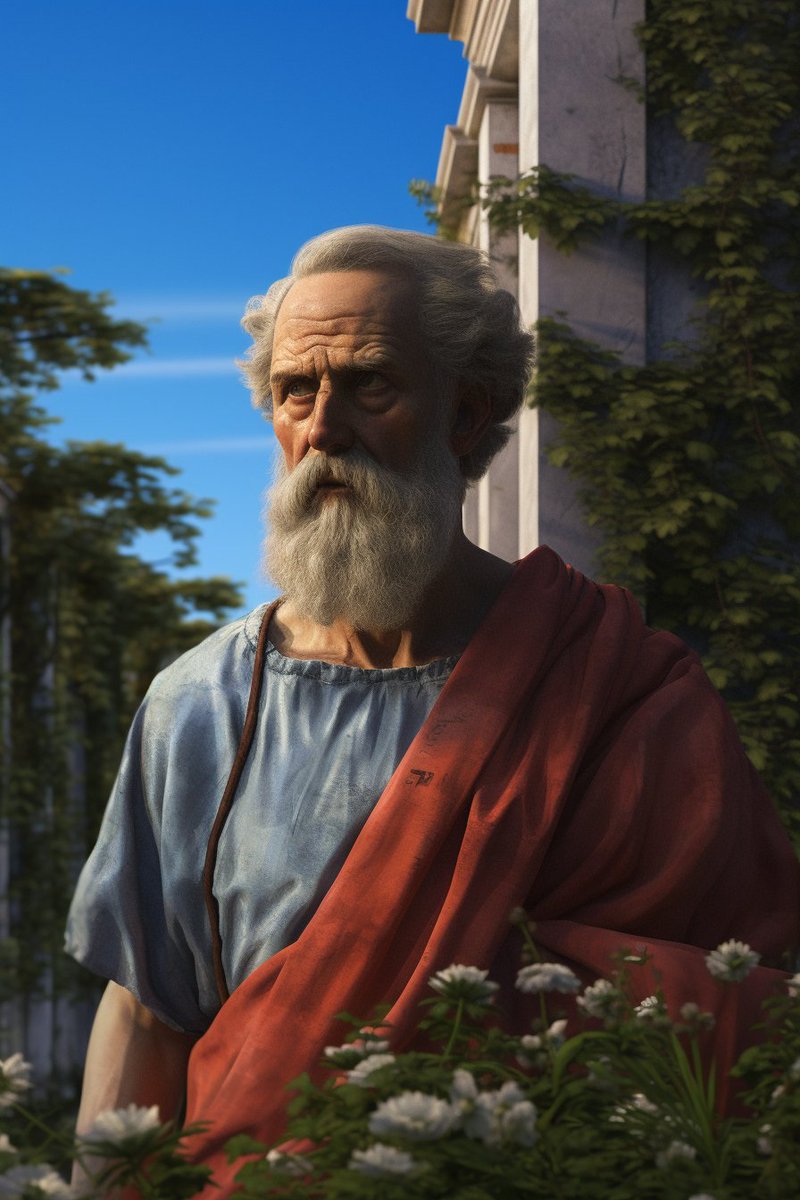
This guy was strange.
Just how strange was he though?
Well, we don’t know exactly, and this is referred to as:
“Pythagorean Question”
Just how strange was he though?
Well, we don’t know exactly, and this is referred to as:
“Pythagorean Question”
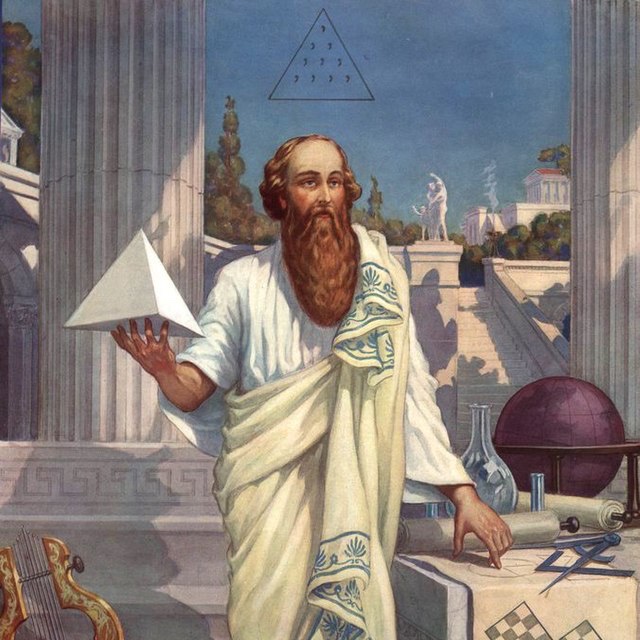
Many historians have wrestled with the question:
“What were the beliefs and practices of the historical Pythagoras?”
Let's examine what we do know from past accounts.
“What were the beliefs and practices of the historical Pythagoras?”
Let's examine what we do know from past accounts.

Pythagoras was born c. 570 BC.
He grew up on an island called Samos, near the birthplace of Greek philosophy - Miletus (modern day Aydın Province, Turkey).
He was said to have been schooled under individuals such as Pherekydes, Thales, and his pupil Anaximander.
He grew up on an island called Samos, near the birthplace of Greek philosophy - Miletus (modern day Aydın Province, Turkey).
He was said to have been schooled under individuals such as Pherekydes, Thales, and his pupil Anaximander.

These men inspired a great interest of mathematics and astronomy within Pythagoras.
They also encouraged the young man to travel to Egypt to seek greater knowledge.
There is controversy about what exactly Pythagoras did in Egypt…
They also encouraged the young man to travel to Egypt to seek greater knowledge.
There is controversy about what exactly Pythagoras did in Egypt…

In 525 BC, the Persian King, Cambyses II invaded Egypt and Pythagoras was taken prisoner.
Being taken prisoner is never fun... but Pythagoras benefited a lot from it:
“...was transported by the followers of Cambyses as a prisoner of war. Whilst he was there he gladly...
Being taken prisoner is never fun... but Pythagoras benefited a lot from it:
“...was transported by the followers of Cambyses as a prisoner of war. Whilst he was there he gladly...
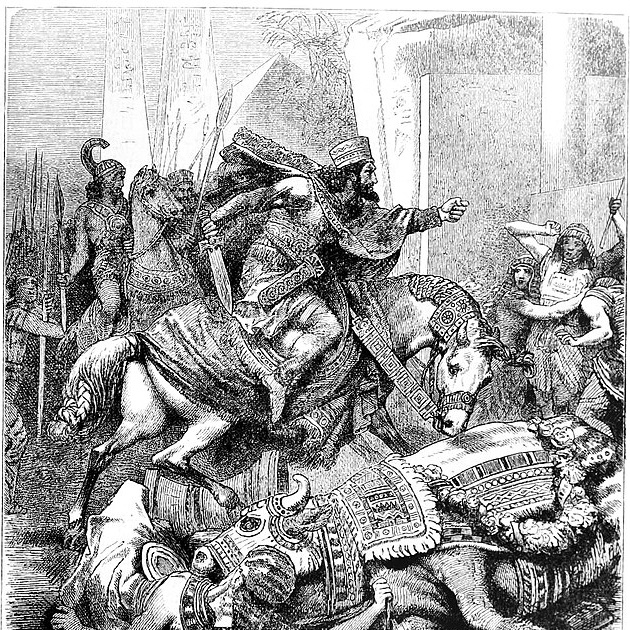
…associated with the Magoi … and was instructed in their sacred rites and learnt about a very mystical worship of the gods. He also reached the acme of perfection in arithmetic and music and the other mathematical sciences taught by the Babylonians…”
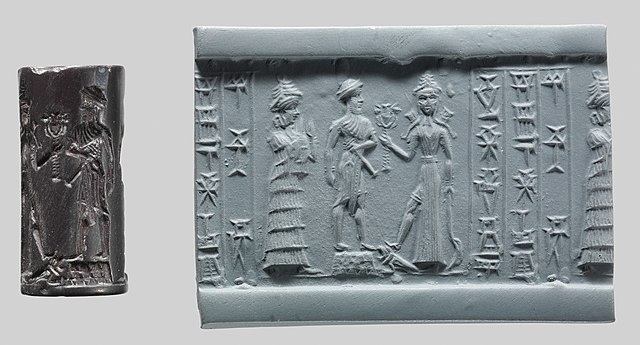
The quote above was from Iamblichus, a Syrian philosopher who wrote “On the Pythagorean Life” in the 3rd century AD.
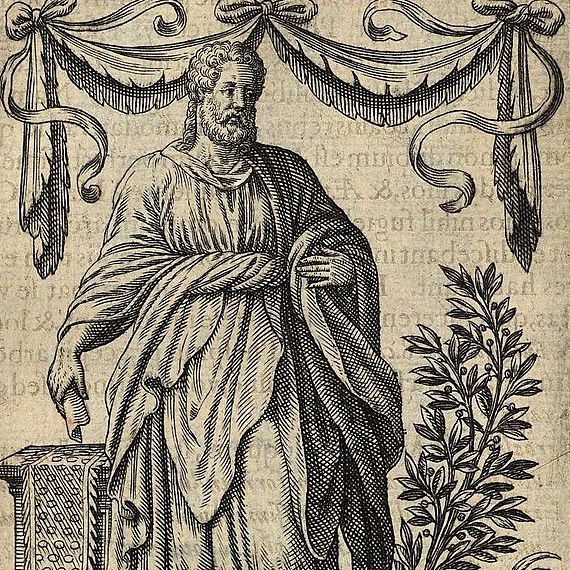
Pythagoras eventually left Babylon in 520 BC and headed back to Samos.
In Samos, he set up shop.
He founded a group called the “semi-circle” and lectured to individuals in a cave on the outskirts of his city.
Perfect cult situation…
In Samos, he set up shop.
He founded a group called the “semi-circle” and lectured to individuals in a cave on the outskirts of his city.
Perfect cult situation…

Things didn't go well though.
Iamblichus writes:
“...he tried to use his symbolic method of teaching which was similar in all respects to the lessons he had learnt in Egypt. The Samians were not very keen on this method and treated him in a rude and improper manner.”
Iamblichus writes:
“...he tried to use his symbolic method of teaching which was similar in all respects to the lessons he had learnt in Egypt. The Samians were not very keen on this method and treated him in a rude and improper manner.”

It was in Croton, Italy, where his cult would really take off.
In this city, he founded a philosophical and religious school.
Pythagoras was the leader of the society with an inner circle of followers known as mathematikoi.
In this city, he founded a philosophical and religious school.
Pythagoras was the leader of the society with an inner circle of followers known as mathematikoi.

The mathematikoi lived with each other, owned no physical possessions, and were all vegetarian.
The weirdness didn’t stop there though.
They also refused to eat beans, were unable to wear clothes made from animal skins, could only enter temples barefoot, couldn’t wear...
The weirdness didn’t stop there though.
They also refused to eat beans, were unable to wear clothes made from animal skins, could only enter temples barefoot, couldn’t wear...

...images of the Gods on their finger (ring), and you had to put on the right shoe first before the left one...
Sounds like a cult, right?
Sounds like a cult, right?
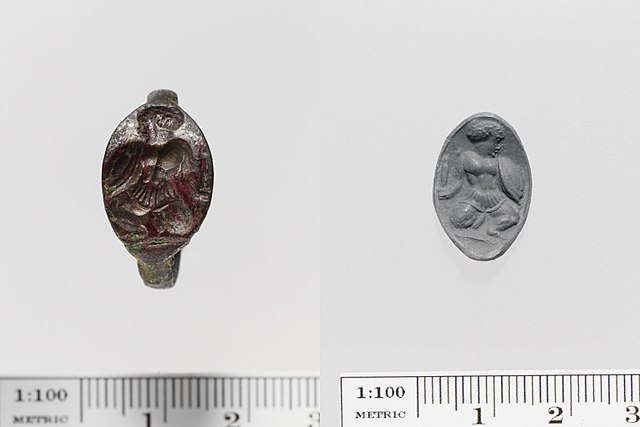
A lot of Pythagoras’ strict rules were actually heavily inspired by Egyptian tradition and religious rituals.
They supposedly believed in the Greek Gods though.
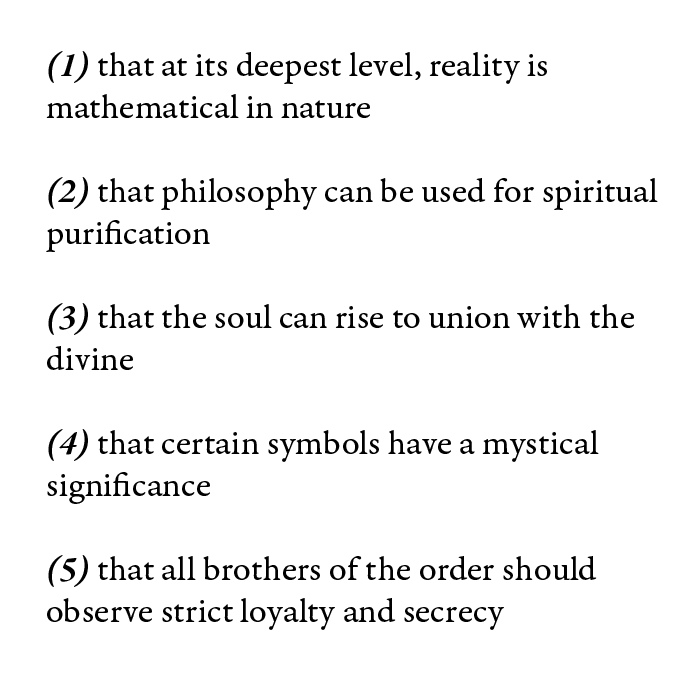
Here were Pythagorus’ most strongly held beliefs:
They supposedly believed in the Greek Gods though.
Here were Pythagorus’ most strongly held beliefs:
It was during this period that Pythagoras dove into mathematics.
Aristotle wrote:
“The Pythagorean ... having been brought up in the study of mathematics, thought that things are numbers ... and that the whole cosmos is a scale and a number.”
Aristotle wrote:
“The Pythagorean ... having been brought up in the study of mathematics, thought that things are numbers ... and that the whole cosmos is a scale and a number.”

Pythagoras' insights in music, mathematics, and astronomy led to this generalization.
He discovered that when the lengths of vibrating strings form whole number ratios, they produce harmonious tones, a principle that could be applied to various instruments.
He discovered that when the lengths of vibrating strings form whole number ratios, they produce harmonious tones, a principle that could be applied to various instruments.

Pythagoras made notable advancements in the mathematical theory of music and showcased his musical talent by playing the lyre.
Moreover, he used music as a healing tool for the sick.
During this time of intense study of both music and math, the Pythagorean Theorem originated.
Moreover, he used music as a healing tool for the sick.
During this time of intense study of both music and math, the Pythagorean Theorem originated.
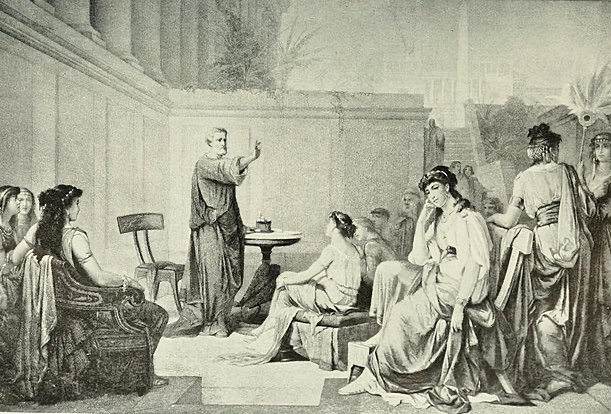
His followers in Croton loved him.
There were even accounts from followers telling of Pythagoras possessing supernatural powers like being able to appear in multiple places at the same time.
And yes, he was said to have had a golden thigh, which was a sign of divinity.
There were even accounts from followers telling of Pythagoras possessing supernatural powers like being able to appear in multiple places at the same time.
And yes, he was said to have had a golden thigh, which was a sign of divinity.
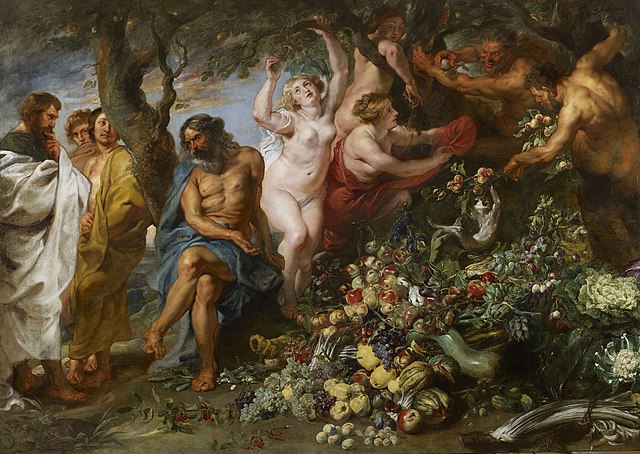
As you can see, the man was quite strange.
Of course, we must be skeptical when examining the past but he certainly made unique contributions to Mankind!
There is a lot more to cover on Pythagoras' life but we will save that for another time.
What’s a takeaway though?
Of course, we must be skeptical when examining the past but he certainly made unique contributions to Mankind!
There is a lot more to cover on Pythagoras' life but we will save that for another time.
What’s a takeaway though?

USEFUL KNOWLEDGE:
-Don’t doom and gloom.
When Pythagoras was captured by the Persian army, he could have wallowed in self-pity or simply given up. Would have been pretty easy to do and I’m sure man did. But he remained composed and held his constitution. This allowed him to take advantage of his time as a prisoner. It appears that after a while he was able to live freely and pursue his intellectual pursuits within Babylon.
Dooming and glooming is never beneficial. I see a lot of it on social media. But I ask, what good does it do? How does it actually get you closer to where you want to be in life? It doesn’t! It’s a waste of time and energy. Do your best to not engage with any of it, it will only be a weight chained to your ankle as you climb the mountain of life.
What do you think of Pythagoras?
-Don’t doom and gloom.
When Pythagoras was captured by the Persian army, he could have wallowed in self-pity or simply given up. Would have been pretty easy to do and I’m sure man did. But he remained composed and held his constitution. This allowed him to take advantage of his time as a prisoner. It appears that after a while he was able to live freely and pursue his intellectual pursuits within Babylon.
Dooming and glooming is never beneficial. I see a lot of it on social media. But I ask, what good does it do? How does it actually get you closer to where you want to be in life? It doesn’t! It’s a waste of time and energy. Do your best to not engage with any of it, it will only be a weight chained to your ankle as you climb the mountain of life.
What do you think of Pythagoras?

Loading suggestions...