

Pityriasis Versicolor “Oluwumu”
Did you know that Oluwumu tebalusiiga (Non-contagious)😳
This thread aims to provide an in-depth understanding of this condition, its causes, symptoms, treatment options, and preventive measures.
Let's dive in! 🧵
Did you know that Oluwumu tebalusiiga (Non-contagious)😳
This thread aims to provide an in-depth understanding of this condition, its causes, symptoms, treatment options, and preventive measures.
Let's dive in! 🧵
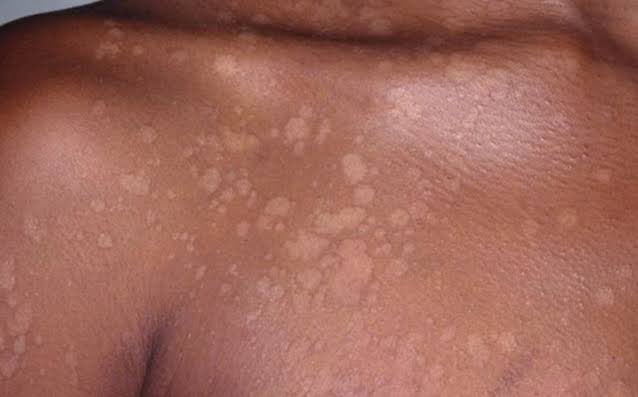
Pityriasis Versicolor, also known as Tinea Versicolor, is a superficial fungal infection that affects the skin. It is caused by an overgrowth of a fungus called Malassezia, which naturally resides on our skin.
This fungus proliferates under specific conditions, leading to the development of the infection.
This fungus proliferates under specific conditions, leading to the development of the infection.

The exact triggers for Malassezia overgrowth are still not fully understood, but certain factors contribute to its occurrence.
These factors include a warm and humid environment, excessive sweating, oily skin, hormonal changes (such as during puberty), weakened immune system, and prolonged use of corticosteroids or immunosuppressant medications.
These factors include a warm and humid environment, excessive sweating, oily skin, hormonal changes (such as during puberty), weakened immune system, and prolonged use of corticosteroids or immunosuppressant medications.

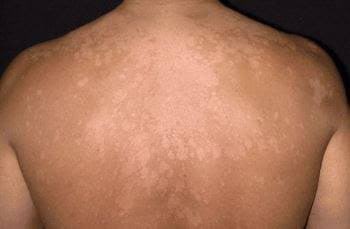
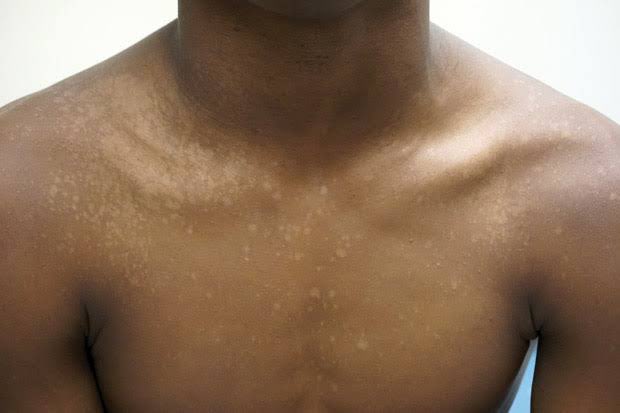
The characteristic symptom of Pityriasis Versicolor is the appearance of discolored patches on the skin.
These patches can be lighter or darker than the surrounding skin and often appear on the chest, back, shoulders, and upper arms.
They may be itchy, scaly, or have a fine powdery texture.
These patches can be lighter or darker than the surrounding skin and often appear on the chest, back, shoulders, and upper arms.
They may be itchy, scaly, or have a fine powdery texture.
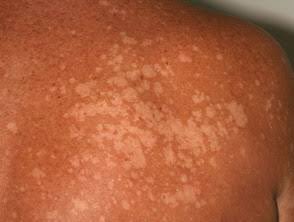
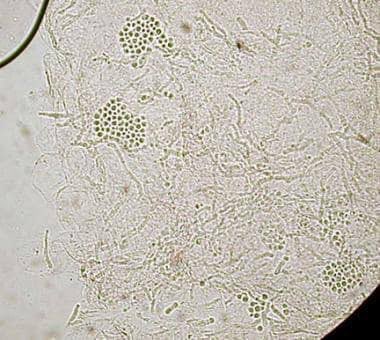
Diagnosis of Pityriasis Versicolor is usually made based on clinical presentation and physical examination.
In some cases, a skin scraping or KOH (potassium hydroxide) test may be performed to visualize the yeast-like cells of the Malassezia fungus under a microscope.
In some cases, a skin scraping or KOH (potassium hydroxide) test may be performed to visualize the yeast-like cells of the Malassezia fungus under a microscope.
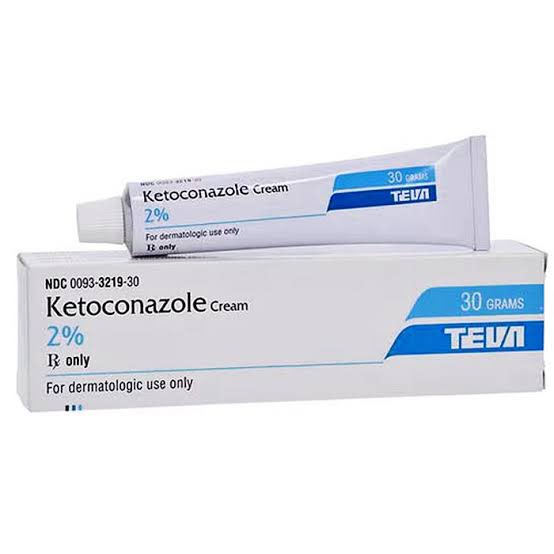
Treatment options for Pityriasis Versicolor include topical antifungal medications, such as ketoconazole, clotrimazole, or selenium sulfide.
These medications help eliminate the fungus and restore the natural balance of the skin.
They are typically applied to the affected areas for several weeks.
These medications help eliminate the fungus and restore the natural balance of the skin.
They are typically applied to the affected areas for several weeks.
In severe or recurrent cases, oral antifungal medications may be prescribed.
It's important to complete the full course of treatment, even if the symptoms improve, to prevent the infection from recurring.
Additionally, maintaining good hygiene practices and avoiding triggers, such as excessive heat and humidity, can aid in prevention.
It's important to complete the full course of treatment, even if the symptoms improve, to prevent the infection from recurring.
Additionally, maintaining good hygiene practices and avoiding triggers, such as excessive heat and humidity, can aid in prevention.
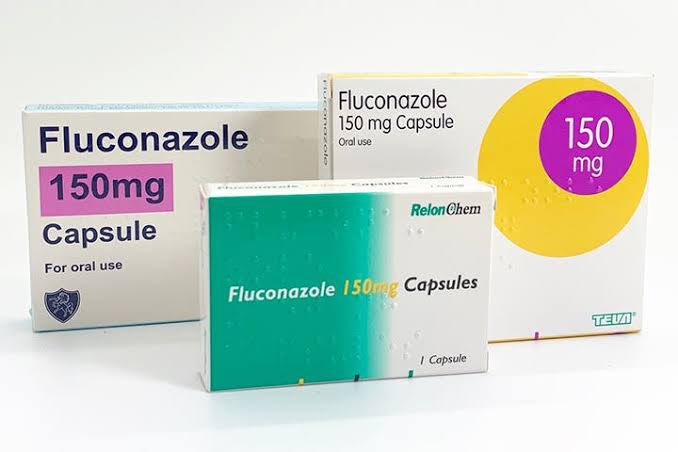
Pityriasis Versicolor is not a contagious condition, which means it cannot be transmitted from person to person.
However, it's not uncommon for individuals living in the same household to develop the infection simultaneously due to shared environmental factors.
However, it's not uncommon for individuals living in the same household to develop the infection simultaneously due to shared environmental factors.
That wraps up this thread on Pityriasis Versicolor.
By understanding its causes, symptoms, treatment, and prevention strategies, we can demystify this common fungal infection.
By understanding its causes, symptoms, treatment, and prevention strategies, we can demystify this common fungal infection.
Loading suggestions...