
On March 2, 2000, Dr Larry Ford shot and killed himself. When police searched his house, they found a cache of illegal firearms and explosives, as well as unsecured hazardous biological agents. Why would a Mormon gynecologist be storing these things in his home? 🧵

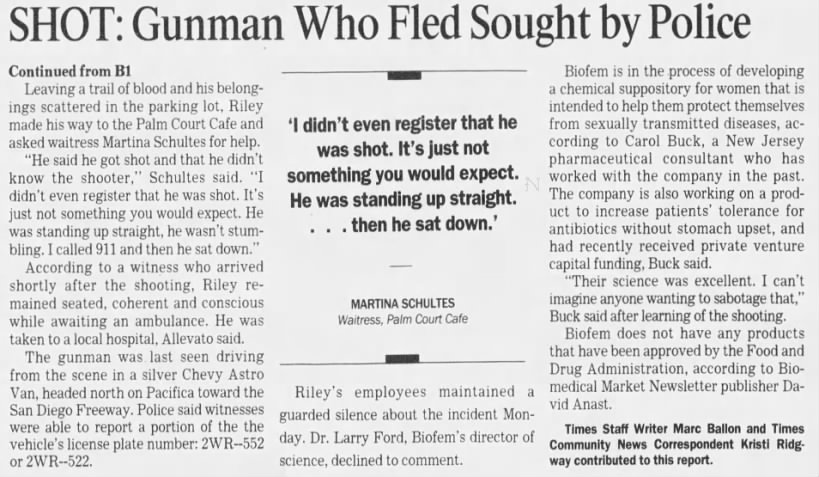
Ford came under suspicion after the attempted murder of his business partner, James Riley. Riley was shot in the face by a masked man outside the offices of Biofem, the pharmaceutical company he ran with Ford. Riley survived, called Ford for help who rushed down from his office.
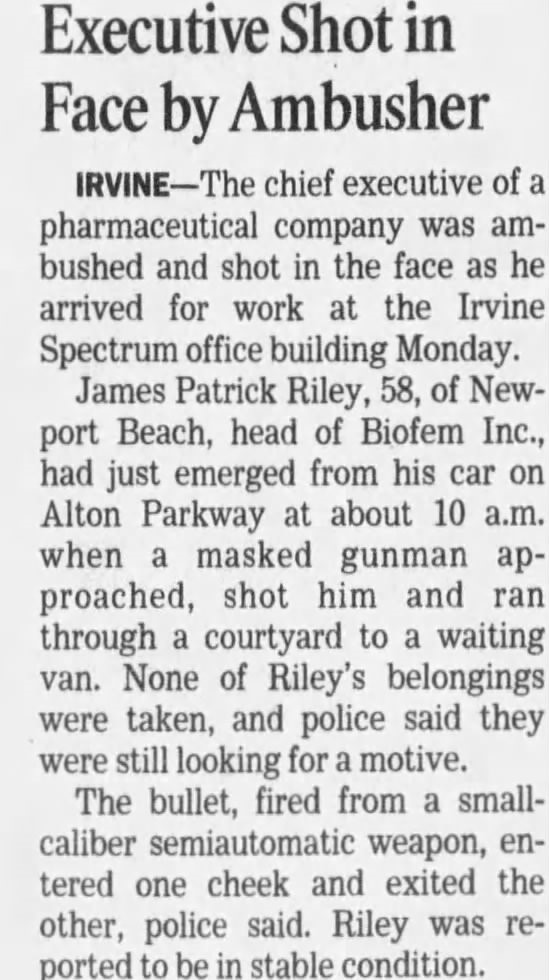
Witnesses to the attack saw the masked man flee the scene and jump into a van. The van's plates were traced to Dino D'Saach, a longtime friend of Ford with a violent past. This put Ford directly in the spotlight.
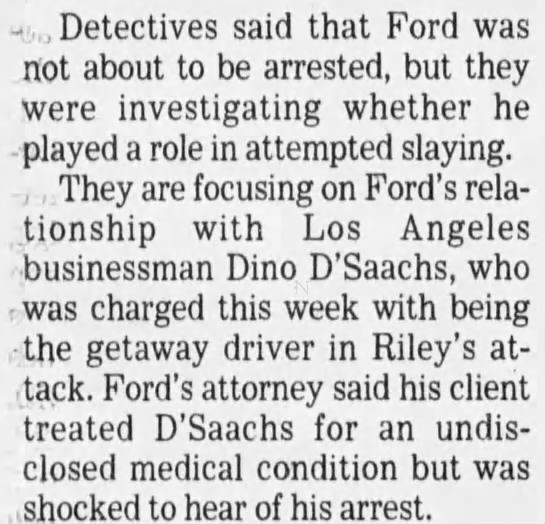
Ford was questioned, and his home was searched several times to no avail.
Ford met with his lawyer on March 2, spending five hours talking to him and furiously scribbling notes the entire time.
Ford met with his lawyer on March 2, spending five hours talking to him and furiously scribbling notes the entire time.
After the meeting, Ford came home to his wife. He went to his bedroom and shot himself in the head point blank with a double barreled shotgun.
Found next to his body were the five pages of notes he had taken at his lawyer's office, protesting his innocence.
Found next to his body were the five pages of notes he had taken at his lawyer's office, protesting his innocence.
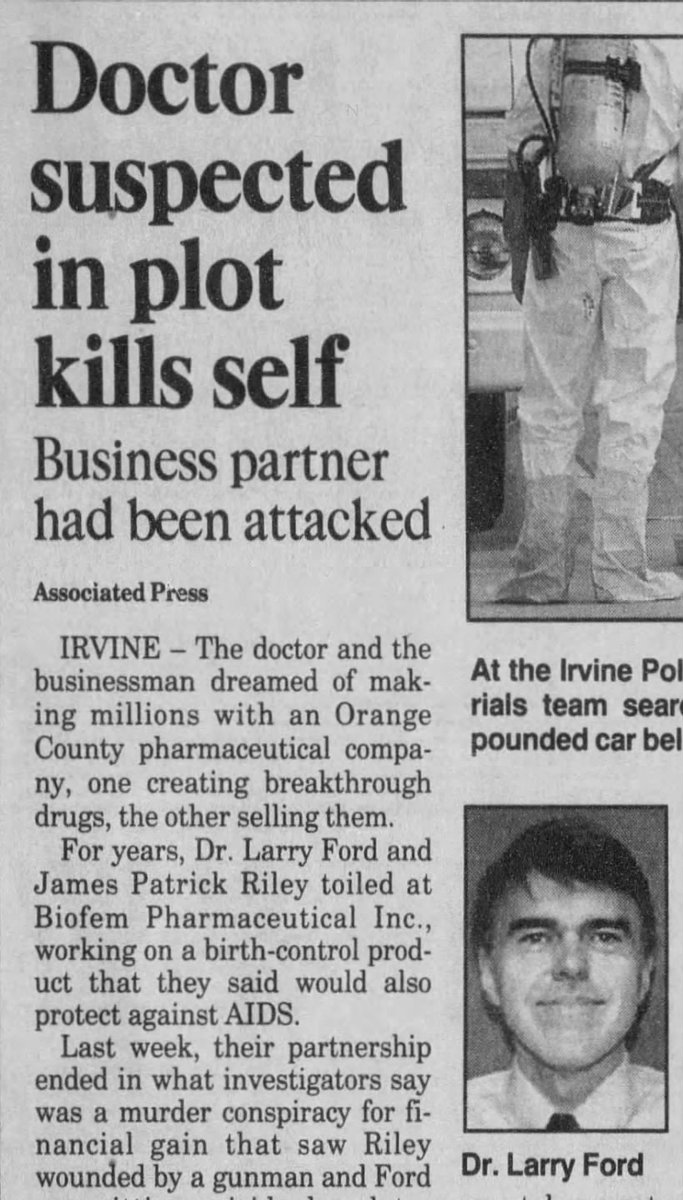
Let's get into Ford's background.
In 1966, at 15, he won an international science fair for his studies of radiation exposure. He followed this with awards from the Atomic Energy Commission and the Defense Dept.
At 18, he was invited to continue his research at a government lab.
In 1966, at 15, he won an international science fair for his studies of radiation exposure. He followed this with awards from the Atomic Energy Commission and the Defense Dept.
At 18, he was invited to continue his research at a government lab.
Ford graduated magna cum laude from Bringham Young University. He wrote more than 65 articles and had an ob-gyn award named for him.
He also worked on biological and chemical weapons for the CIA.
He also worked on biological and chemical weapons for the CIA.
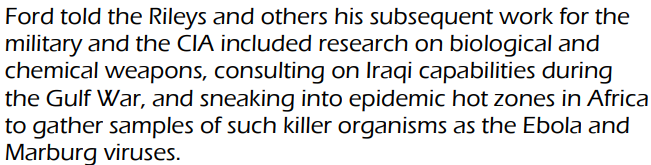
Hours after Ford's suicide, Victor Ray, the Irvine police detective in charge of the case, got confirmation of Ford's government ties. He had picked up Valerie Kesler, Ford's longtime research assistant and lover, for questioning.

Kesler denied knowing anything about the attempt on Riley's life, but eventually her lawyer warned Ray about opening a gym bag in her impounded car. The bag, which belonged to Ford, contained an Uzi and a knife dipped in ricin, a deadly toxin.
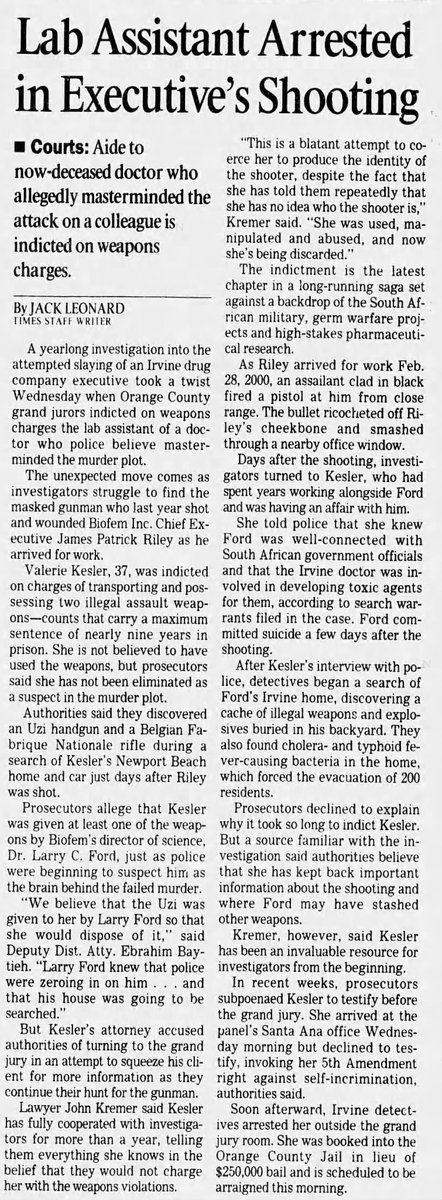
After several calls through FBI and CIA channels, Ray confirmed that Ford had, in fact, worked for the CIA on biological and chemical weapons.
Ray then steered the investigation in a different direction; excavating the backyard of Ford's home.
Ray then steered the investigation in a different direction; excavating the backyard of Ford's home.
Buried in Ford's backyard, the agents found around a hundred firearms, including many that were illegal, and thousands of rounds of ammunition. They also found a supply of c4 and blasting caps.
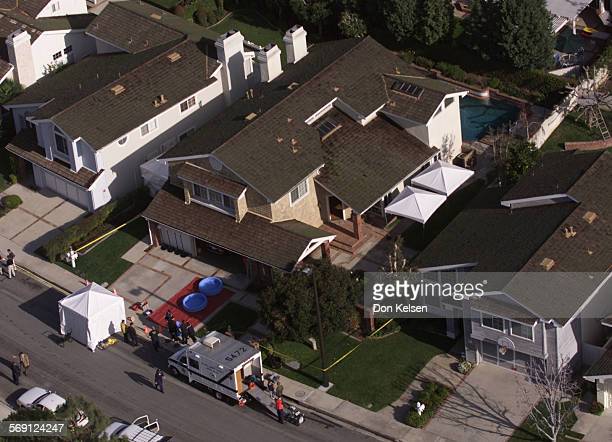
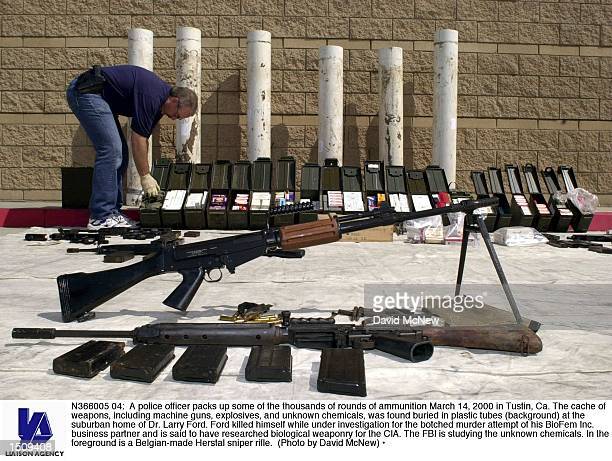
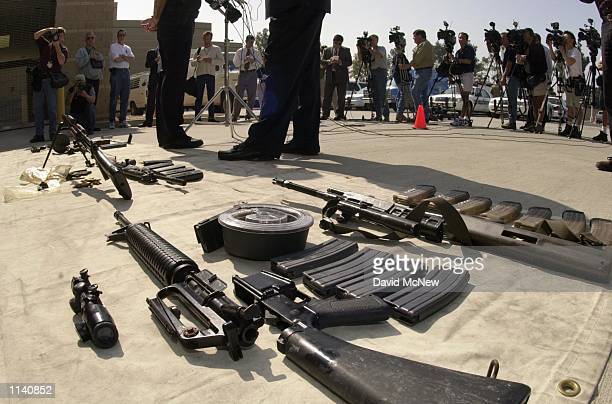
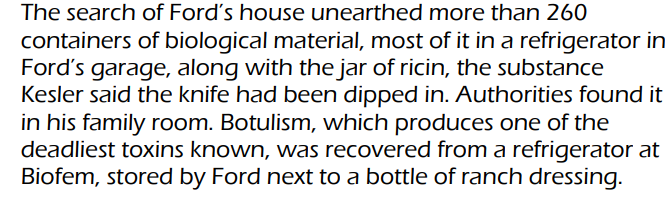
A further search of the home turned up hundreds of containers of biological material, noted below.
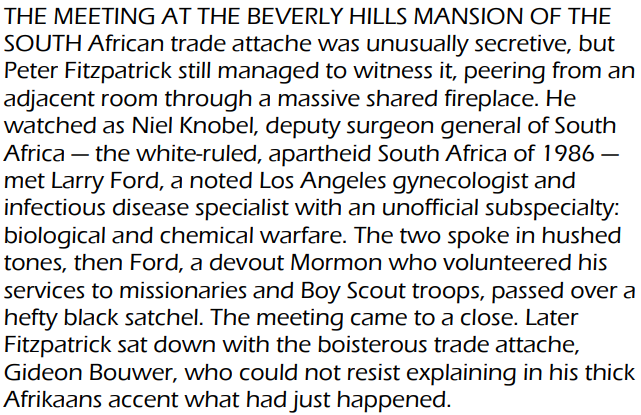
When news of the raid on Ford's home hit the news, FBI informant Peter Fitzpatrick took to his phone. He had been present at meetings between Ford and apartheid South African officials back in the 80s and knew all too well what the police would find.
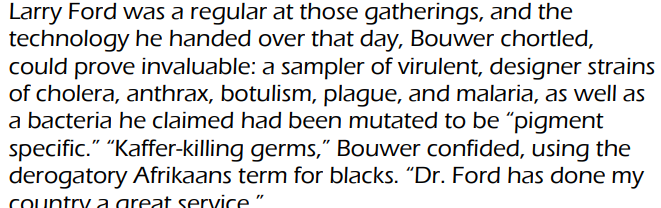
Fitzpatrick claimed Ford had been meeting with Niel Knobel, deputy Surgeon General of South Africa. Ford had passed along a cache of biological/chemical agents (that had been modified by Ford to only affect black people) intended to help the white South African gov stay in power.
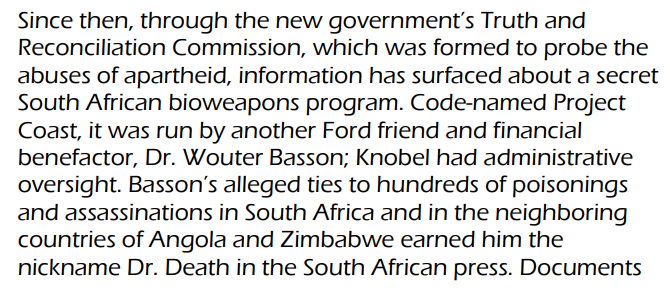
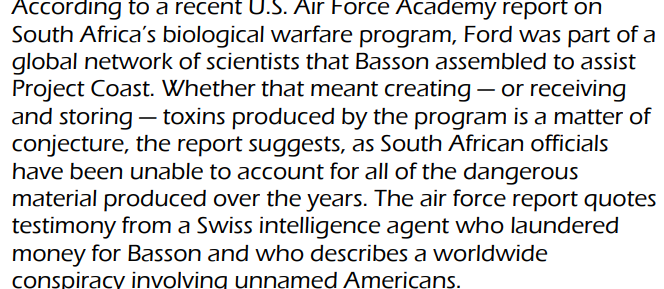
It was eventually proven that Ford had worked with Wouter Basson (more on him in another thread) on Project Coast, a secret South African bioweapons program designed to infect the black citizens of SA with deadly diseases.

There's so much more to Ford's story, about Project Coast and Wouter Basson, but I'm going to leave it here for today.
My main source, aside from newspaper articles, has been "The Medicine Man" by Edward Humes, written for Los Angeles Magazine in 2001.
My main source, aside from newspaper articles, has been "The Medicine Man" by Edward Humes, written for Los Angeles Magazine in 2001.
Loading suggestions...