
Midjourney - Lighting experiments🧵
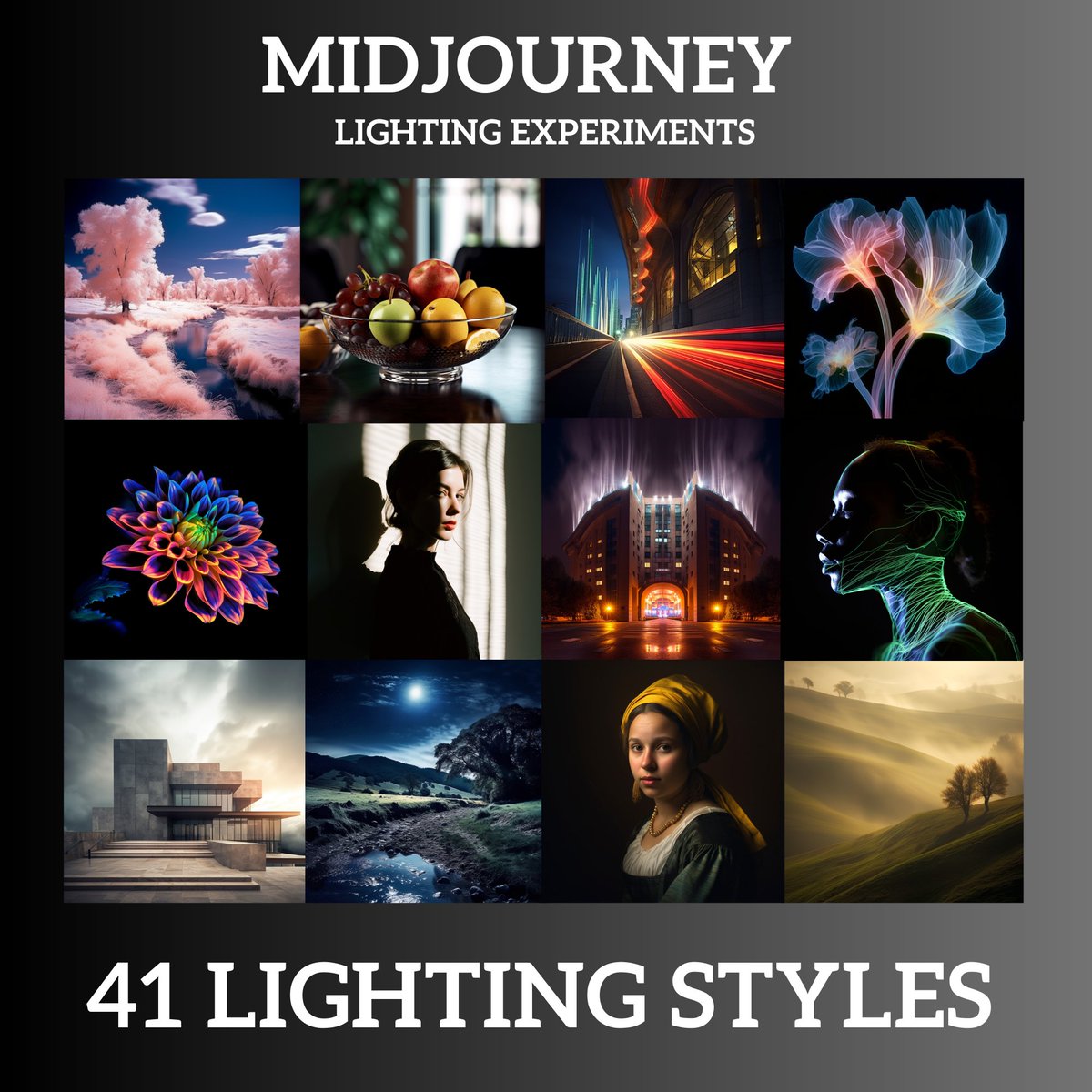
I experimented with 41 Lighting prompts so you don't have to💡
Here are 23/41 of the results🤗
Bookmark & RT to save for later♻️
If you want the full free PDF comment🤖💡📷
&
I'll send you a DM (Must be following so I can DM) 🍻
I experimented with 41 Lighting prompts so you don't have to💡
Here are 23/41 of the results🤗
Bookmark & RT to save for later♻️
If you want the full free PDF comment🤖💡📷
&
I'll send you a DM (Must be following so I can DM) 🍻
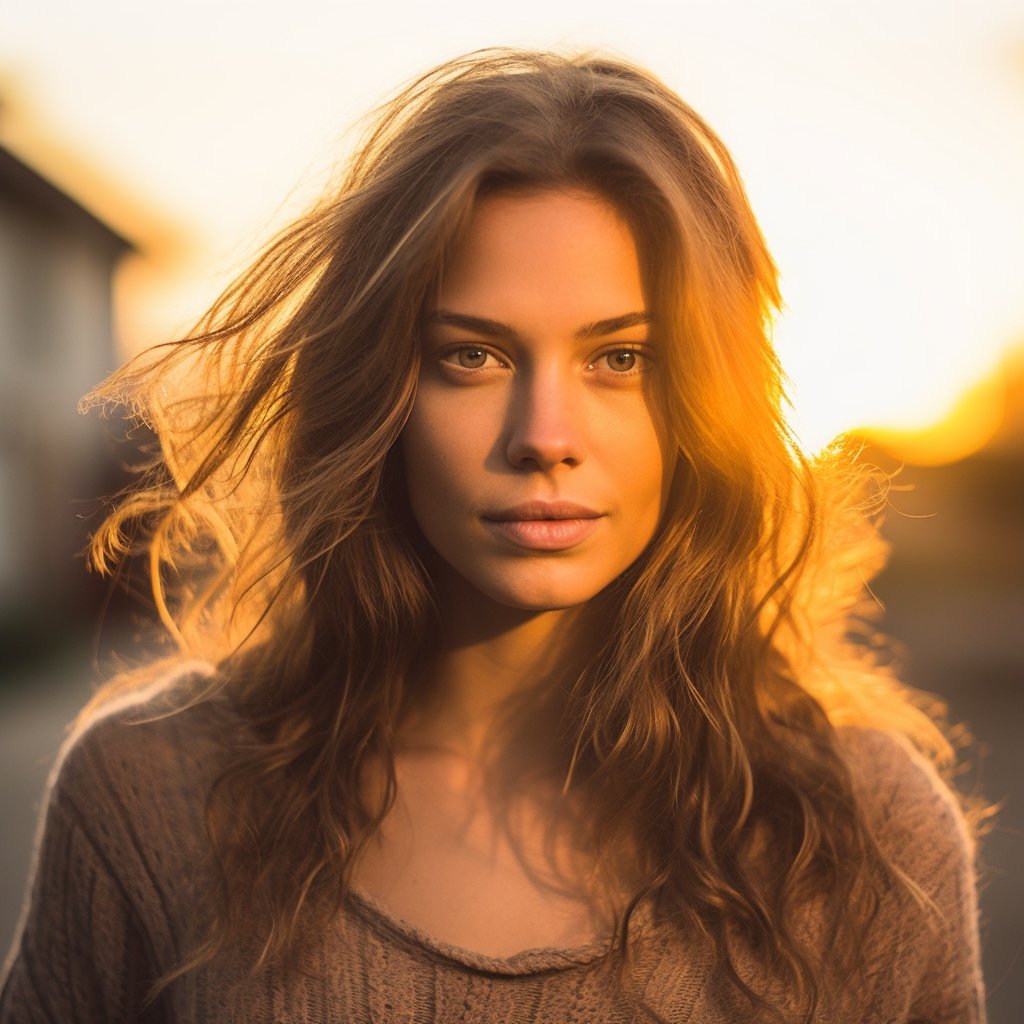
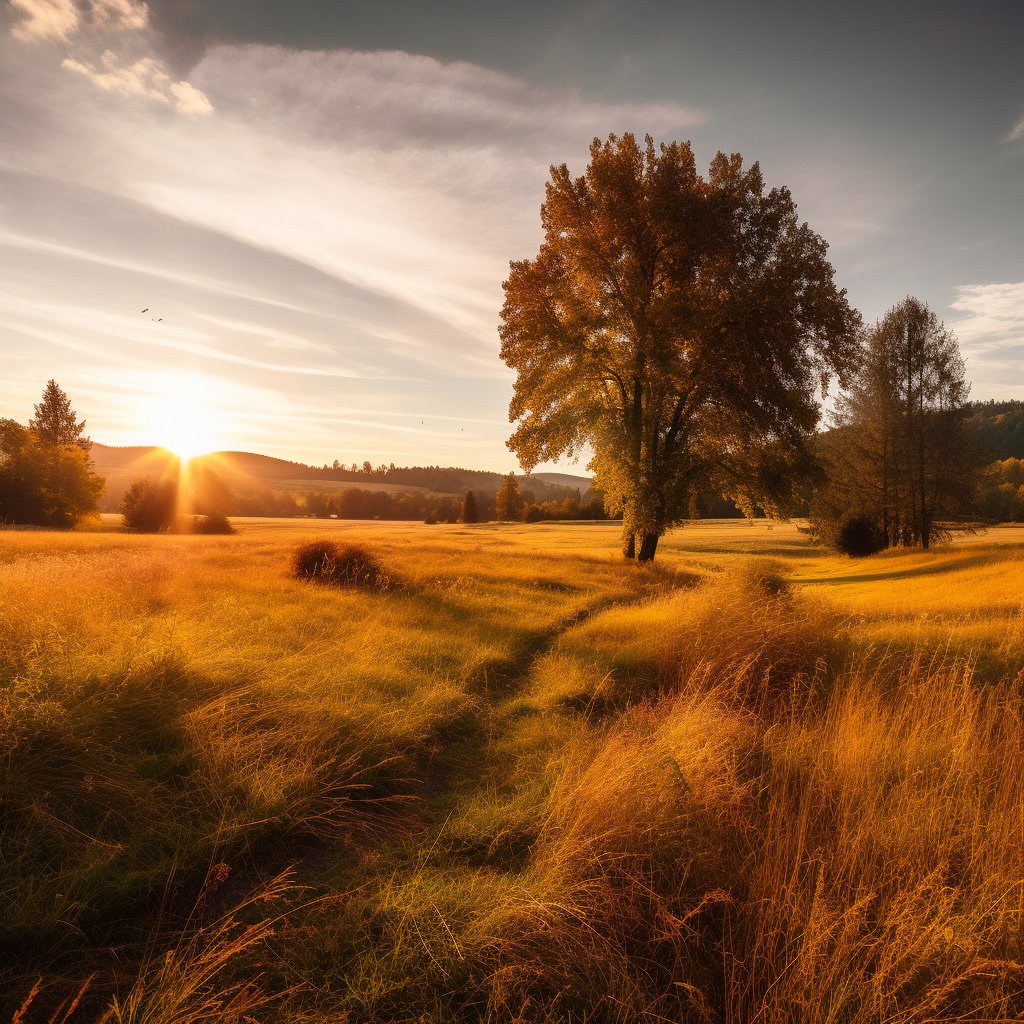
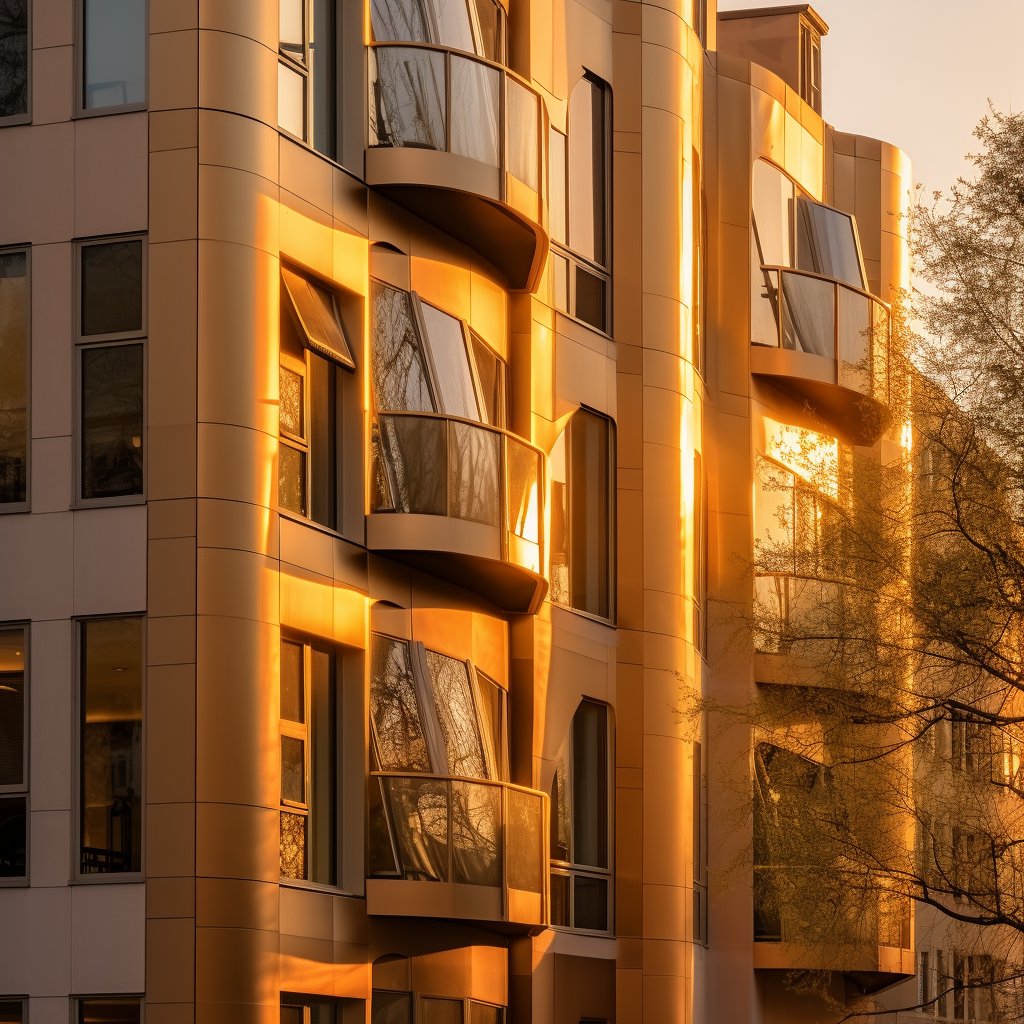
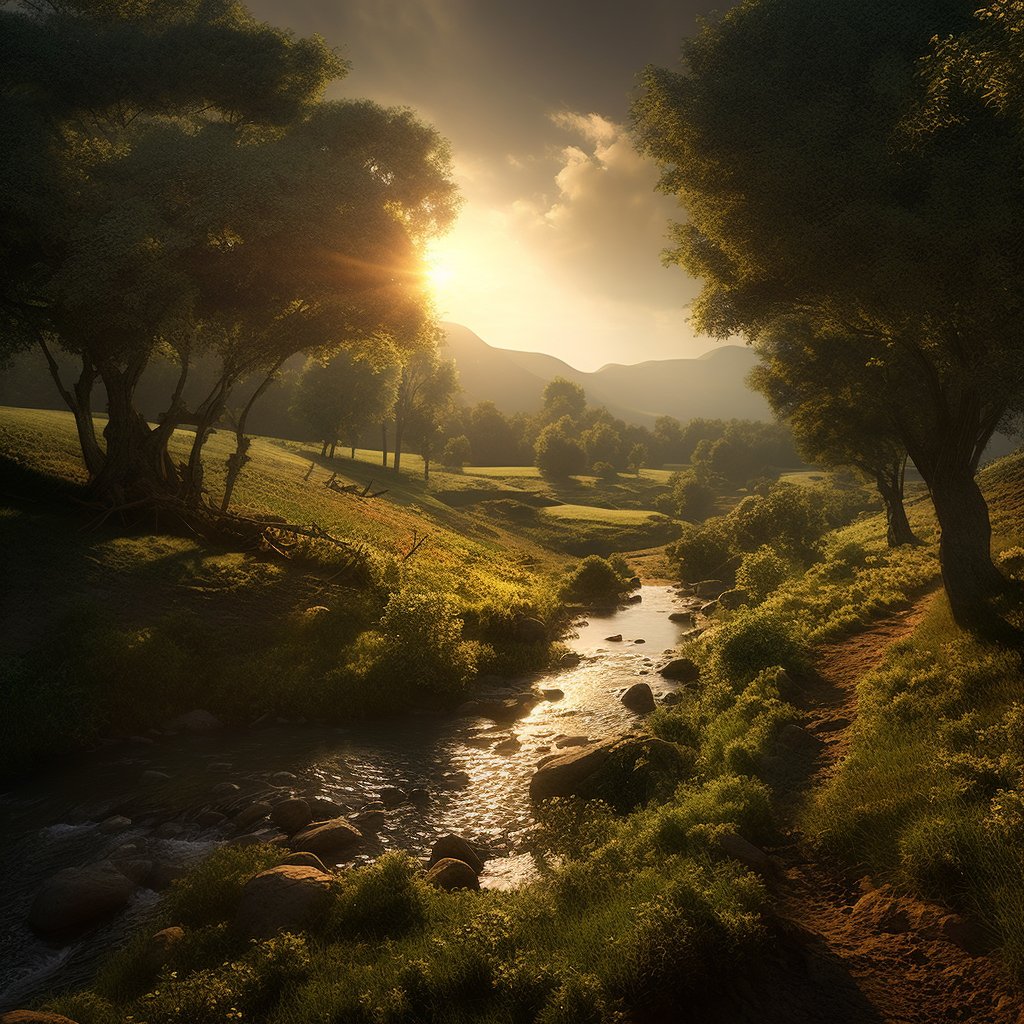
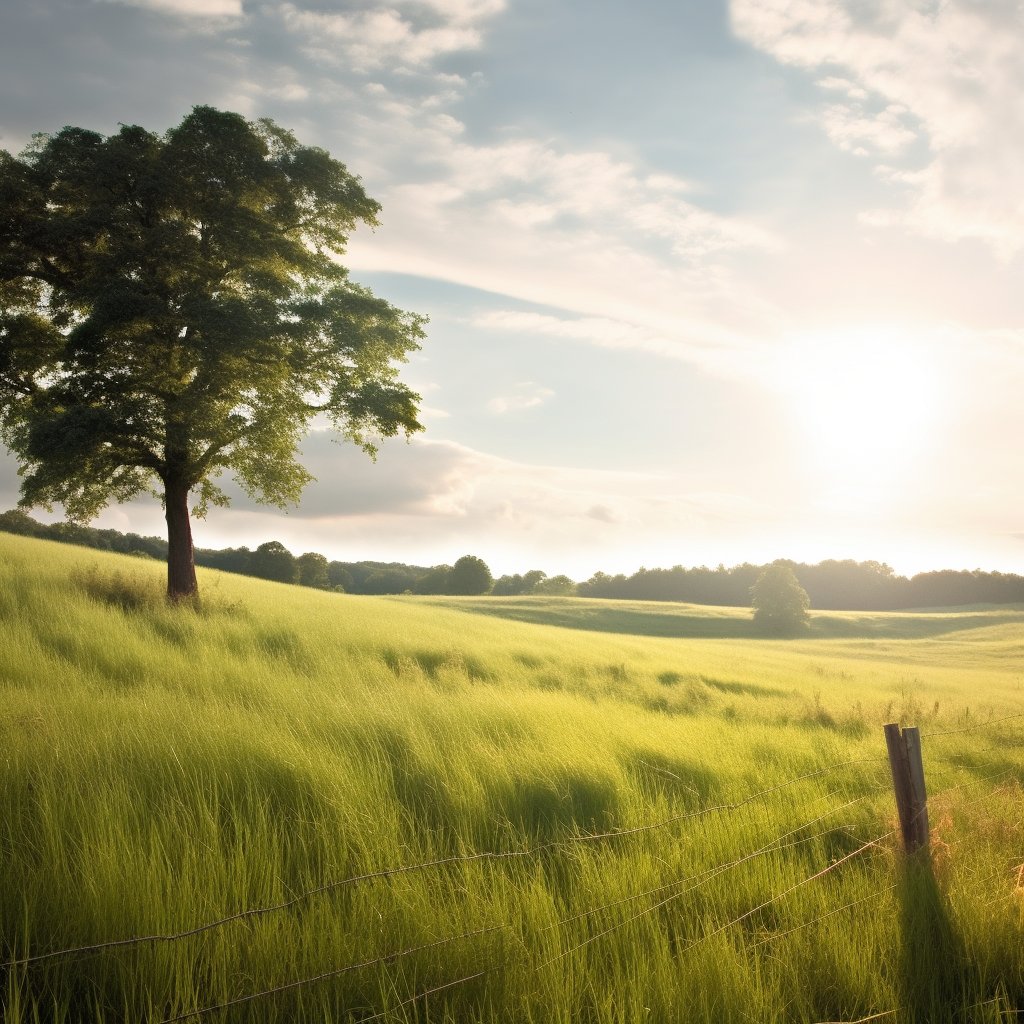
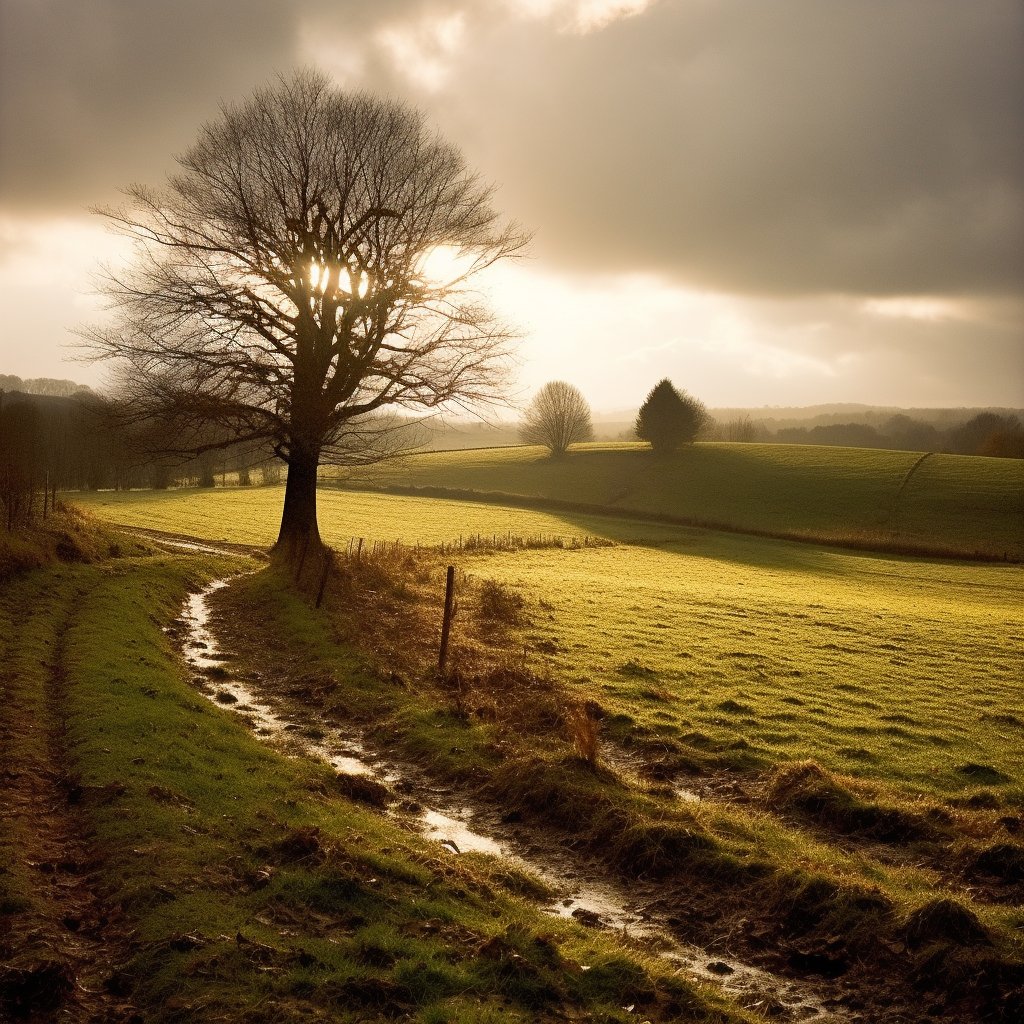
1. Golden Hour
This is a soft, warm, dimensional light occurring just after sunrise or before sunset. It's best for outdoor photography and provides a beautiful, warm glow that can make any subject look better.
This is a soft, warm, dimensional light occurring just after sunrise or before sunset. It's best for outdoor photography and provides a beautiful, warm glow that can make any subject look better.
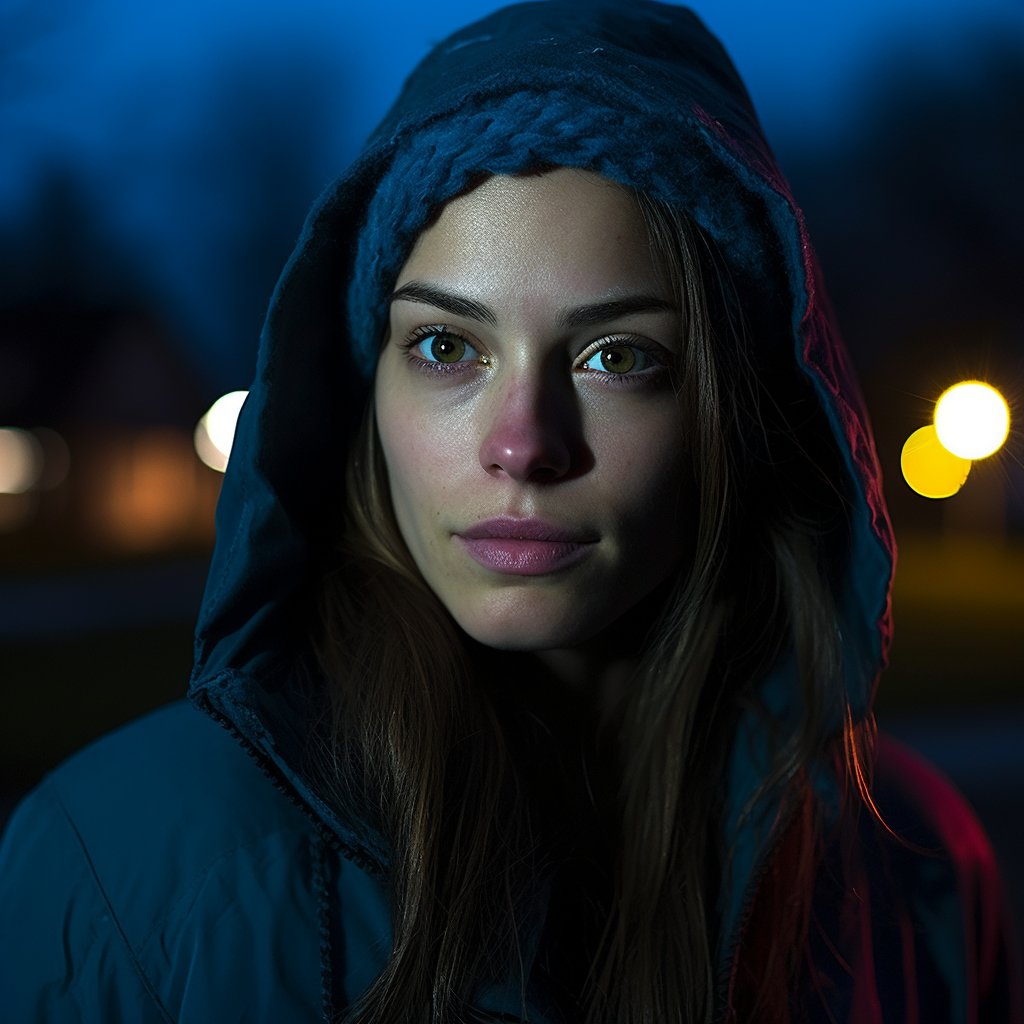
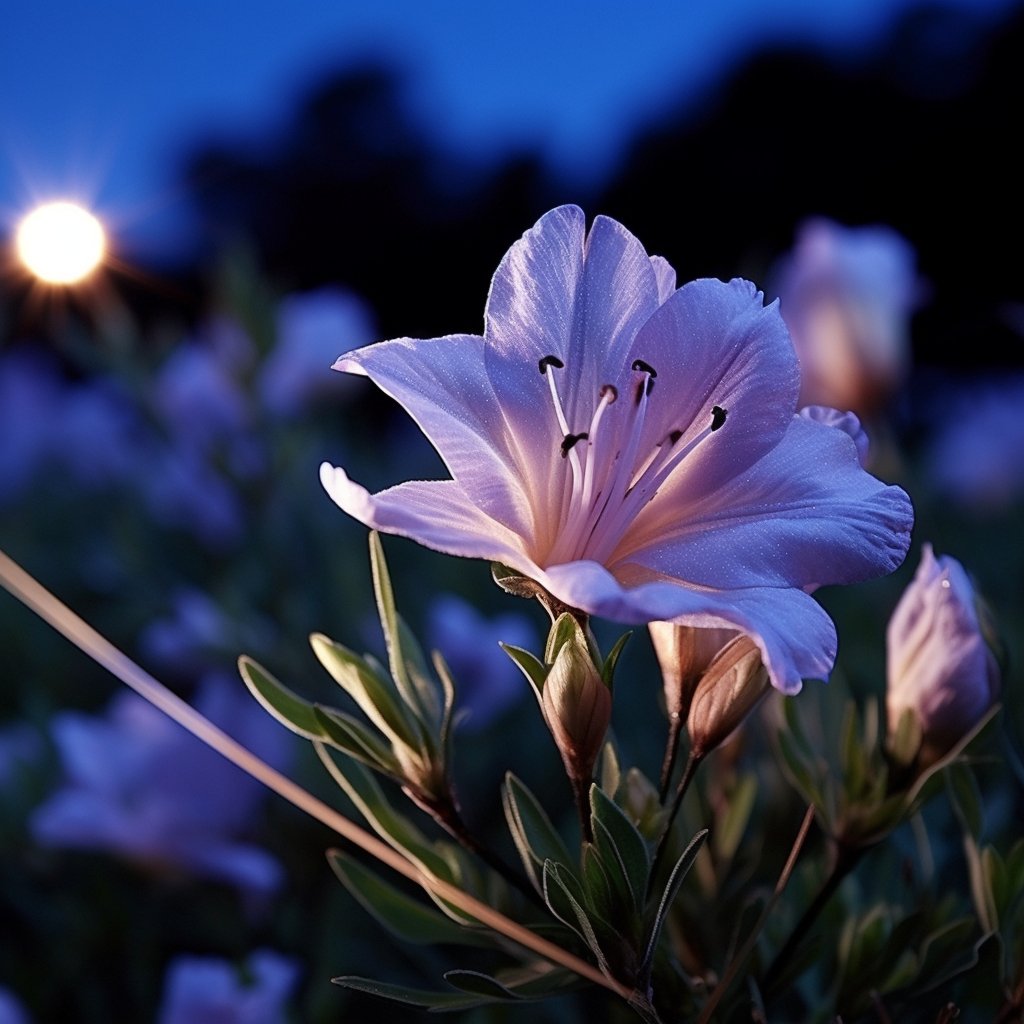
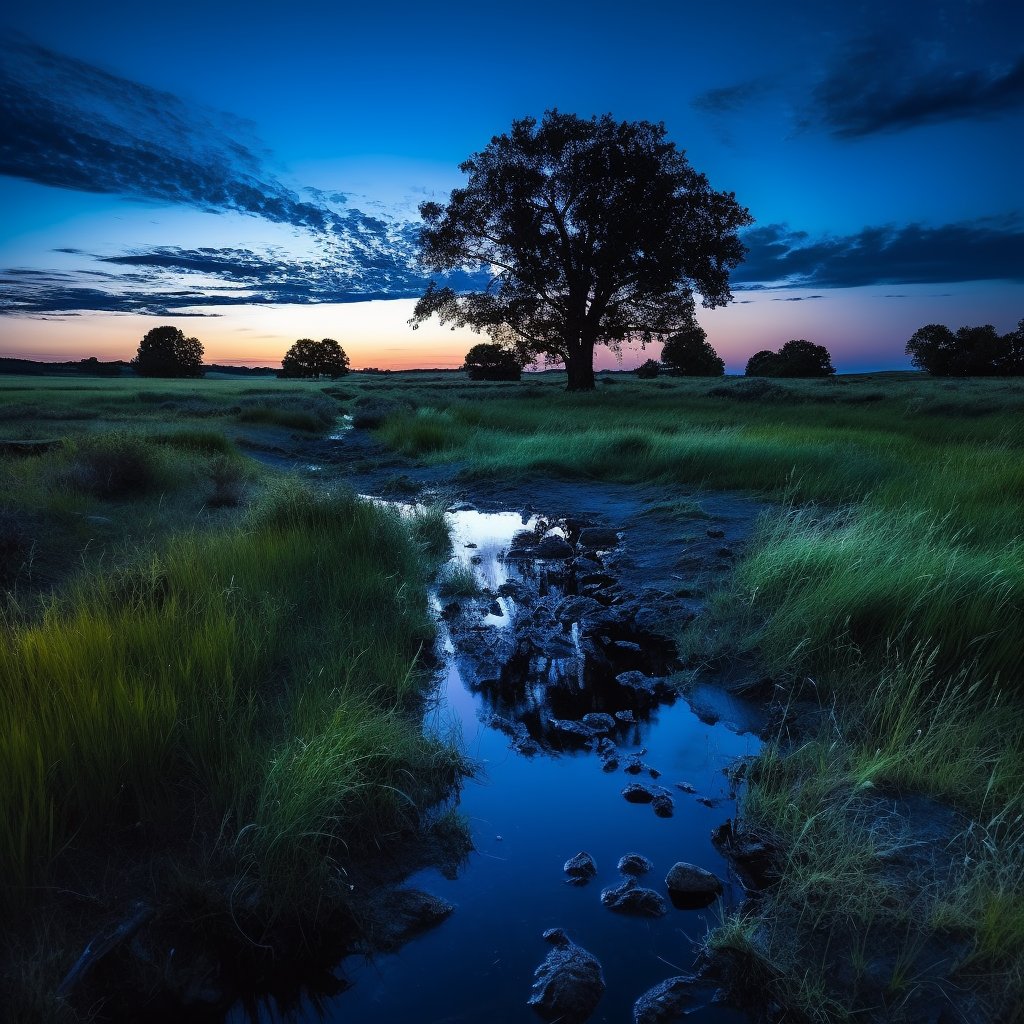
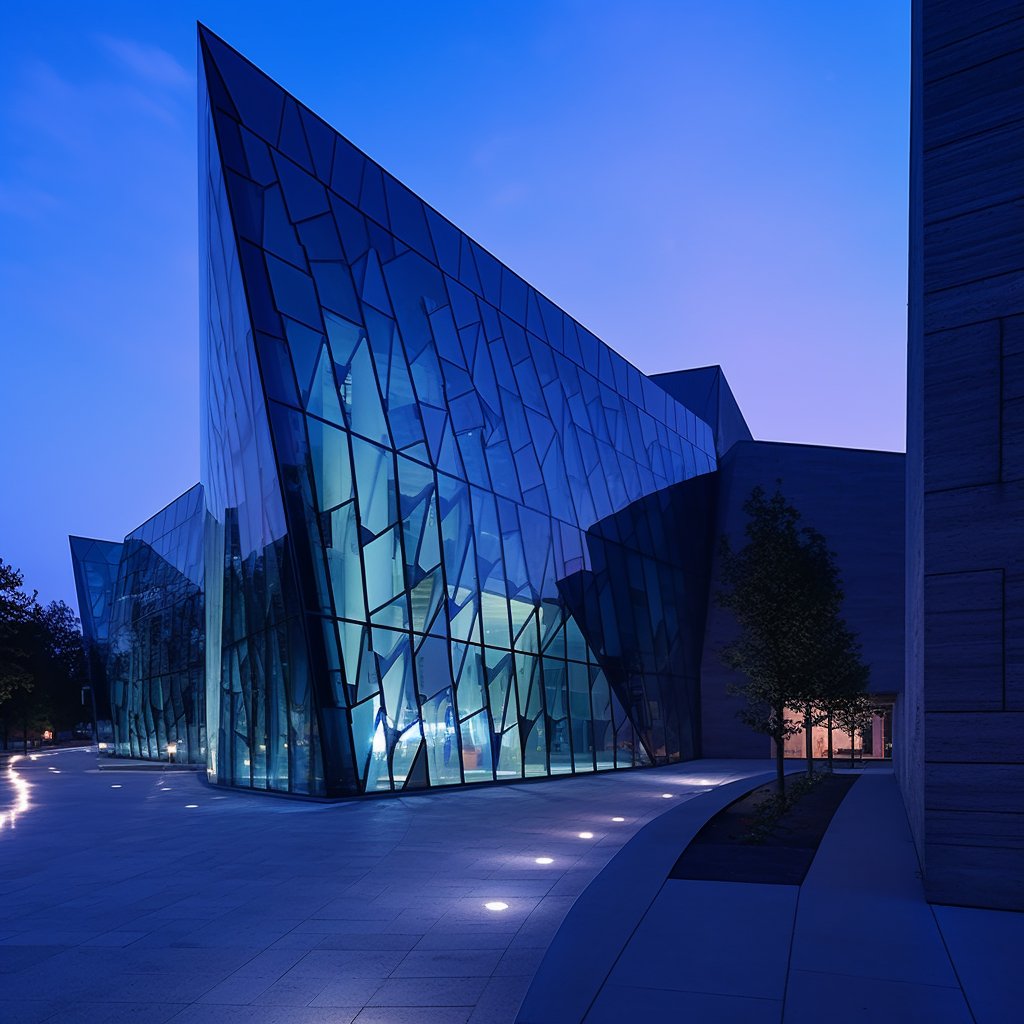
2. Blue Hour
This style refers to the darker, moody tones experienced just before sunrise or just after sunset. It's ideal for creating a tranquil or melancholic atmosphere in landscape and cityscape photography.
This style refers to the darker, moody tones experienced just before sunrise or just after sunset. It's ideal for creating a tranquil or melancholic atmosphere in landscape and cityscape photography.
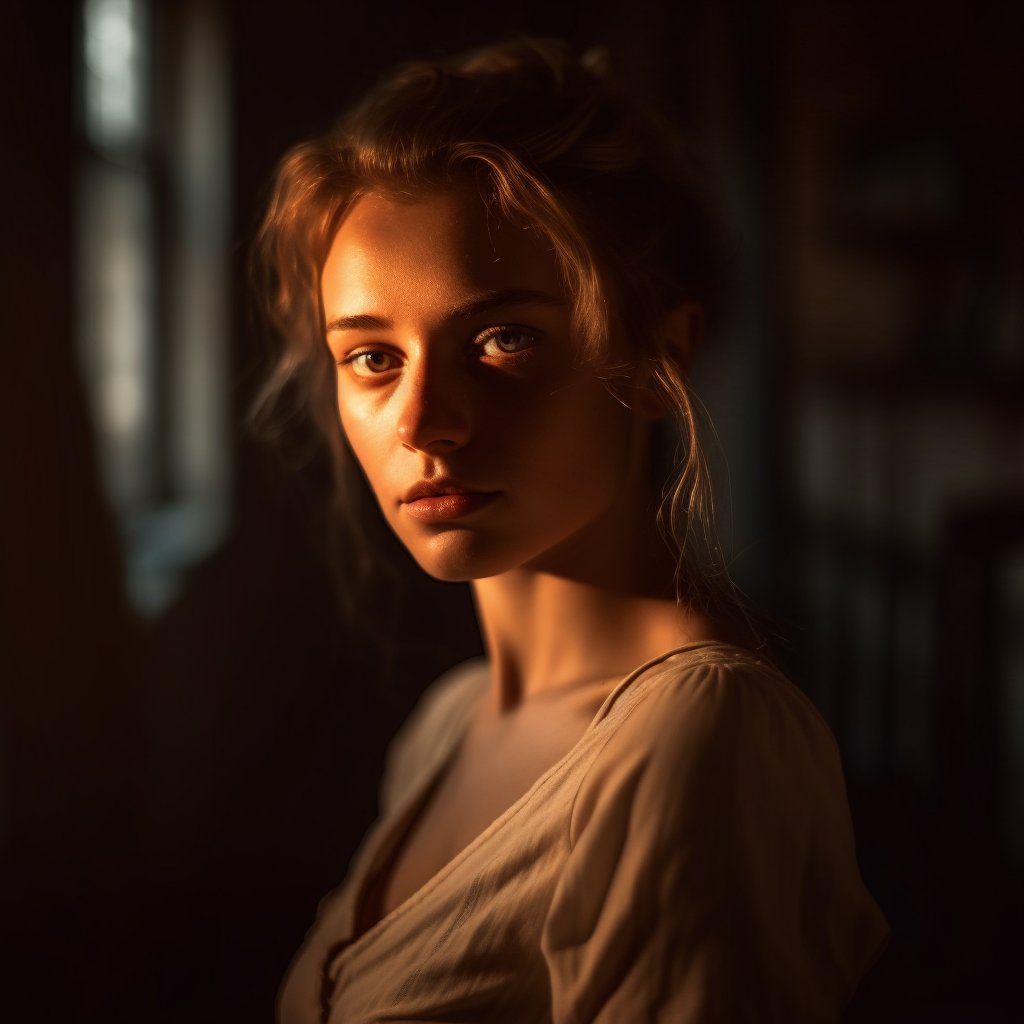
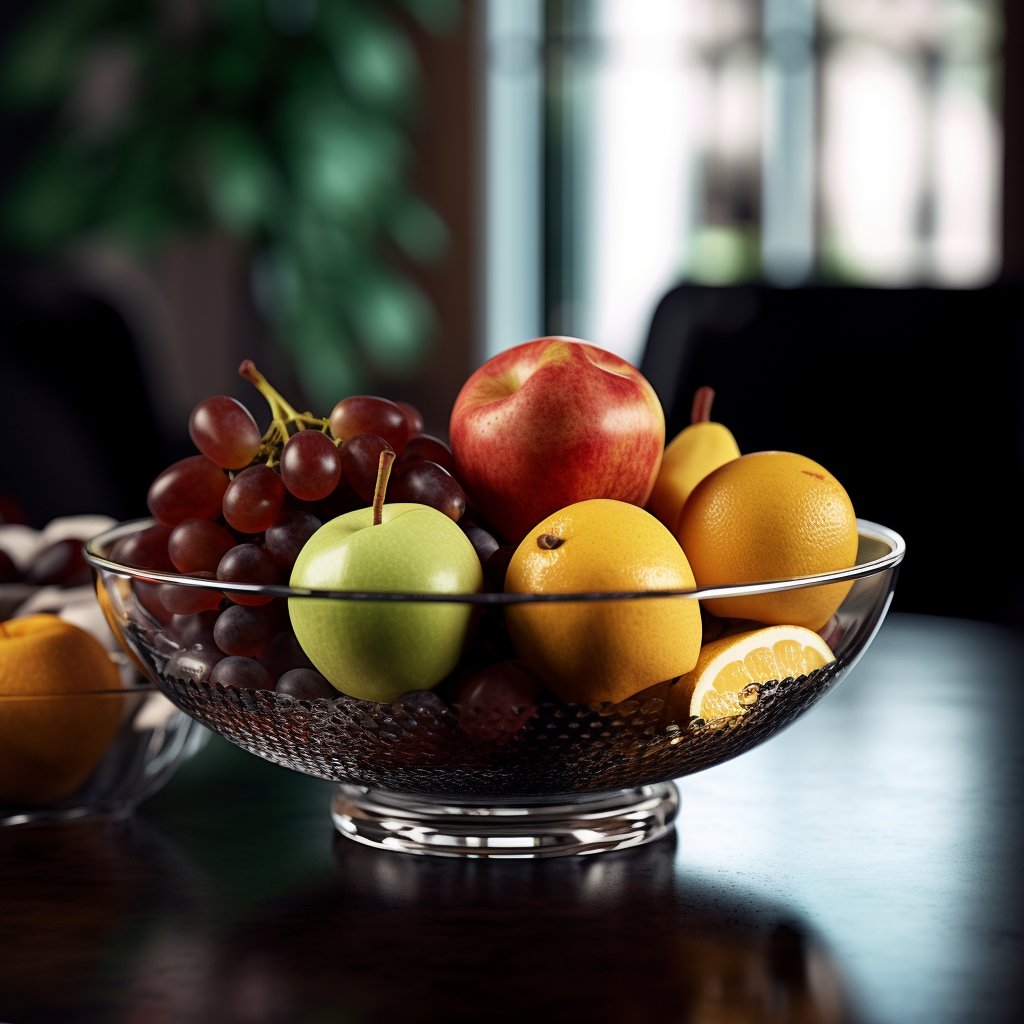
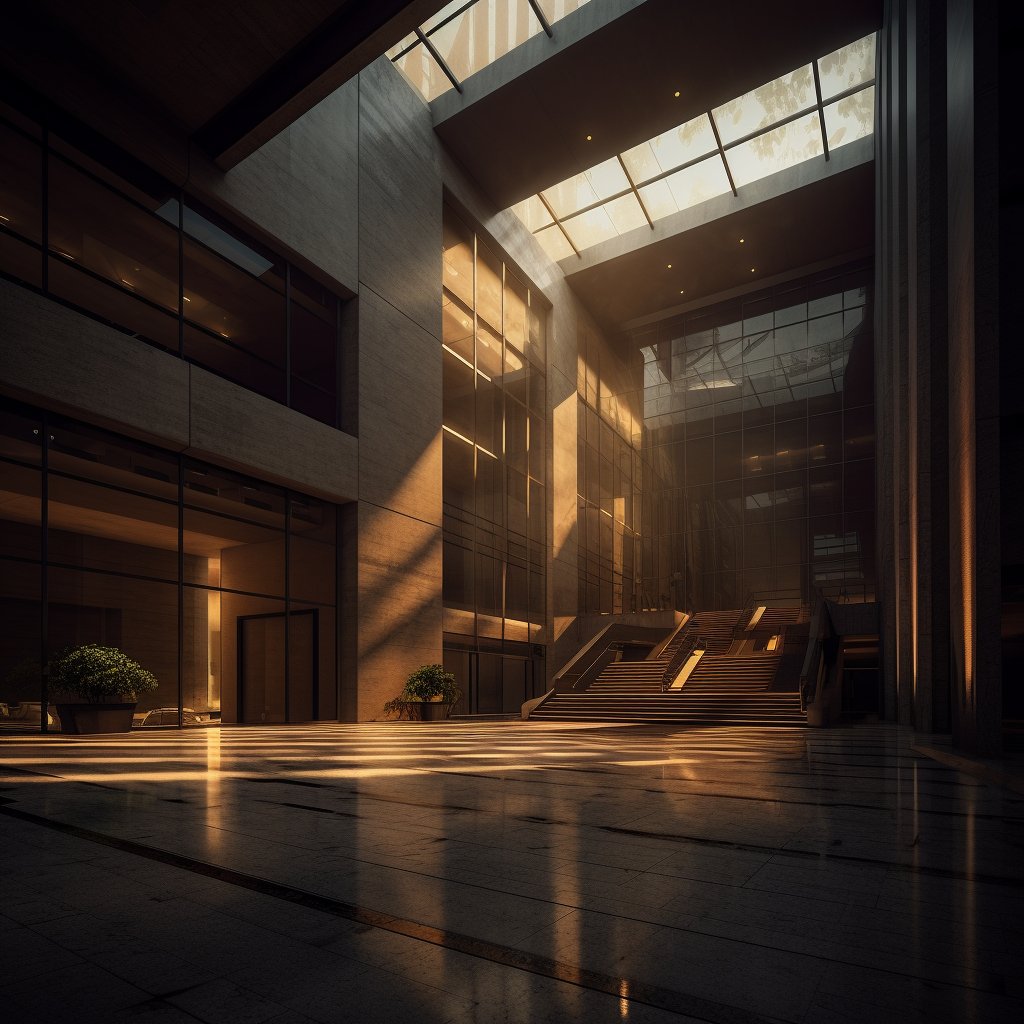
3. Cinematic Lighting
This involves a more dramatic use of light and shadow to mimic a movie scene. It's usually used in portrait photography and filmmaking to create a narrative or evoke emotion.
This involves a more dramatic use of light and shadow to mimic a movie scene. It's usually used in portrait photography and filmmaking to create a narrative or evoke emotion.
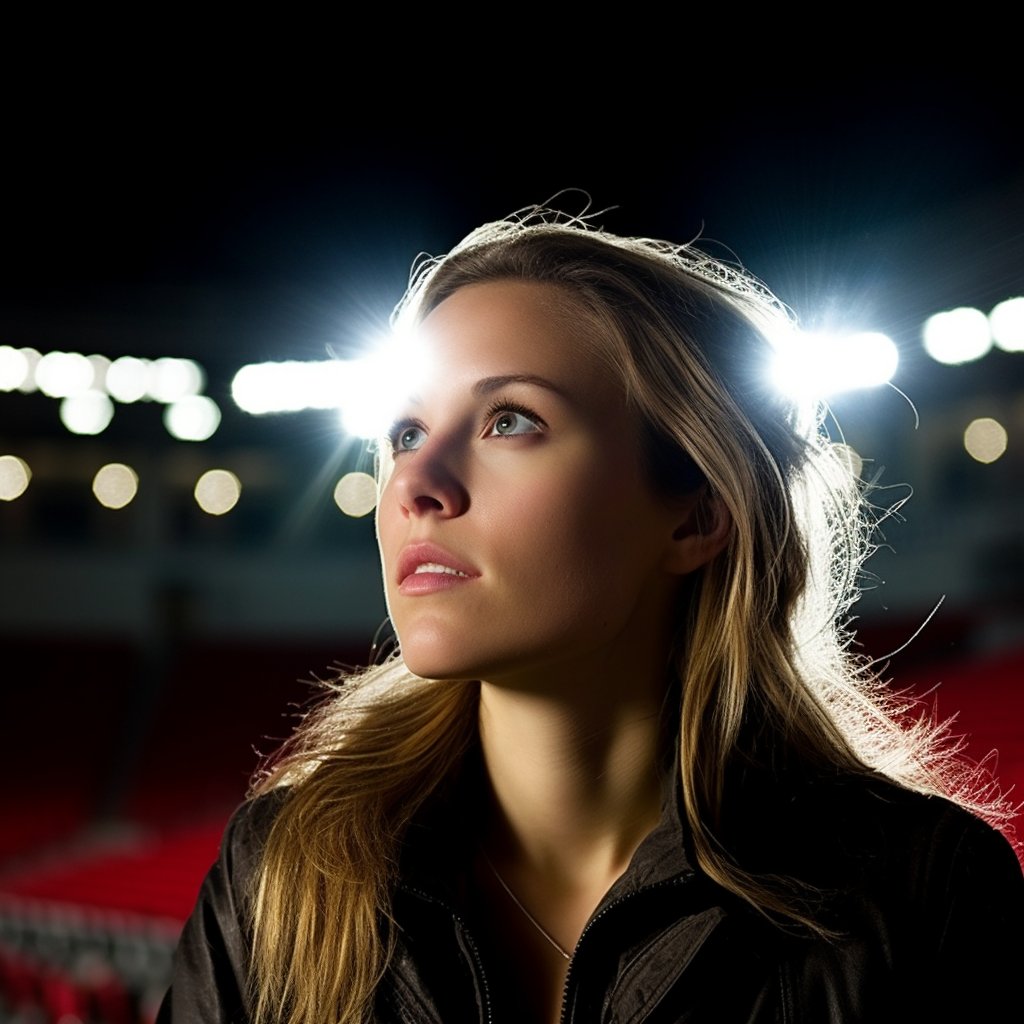
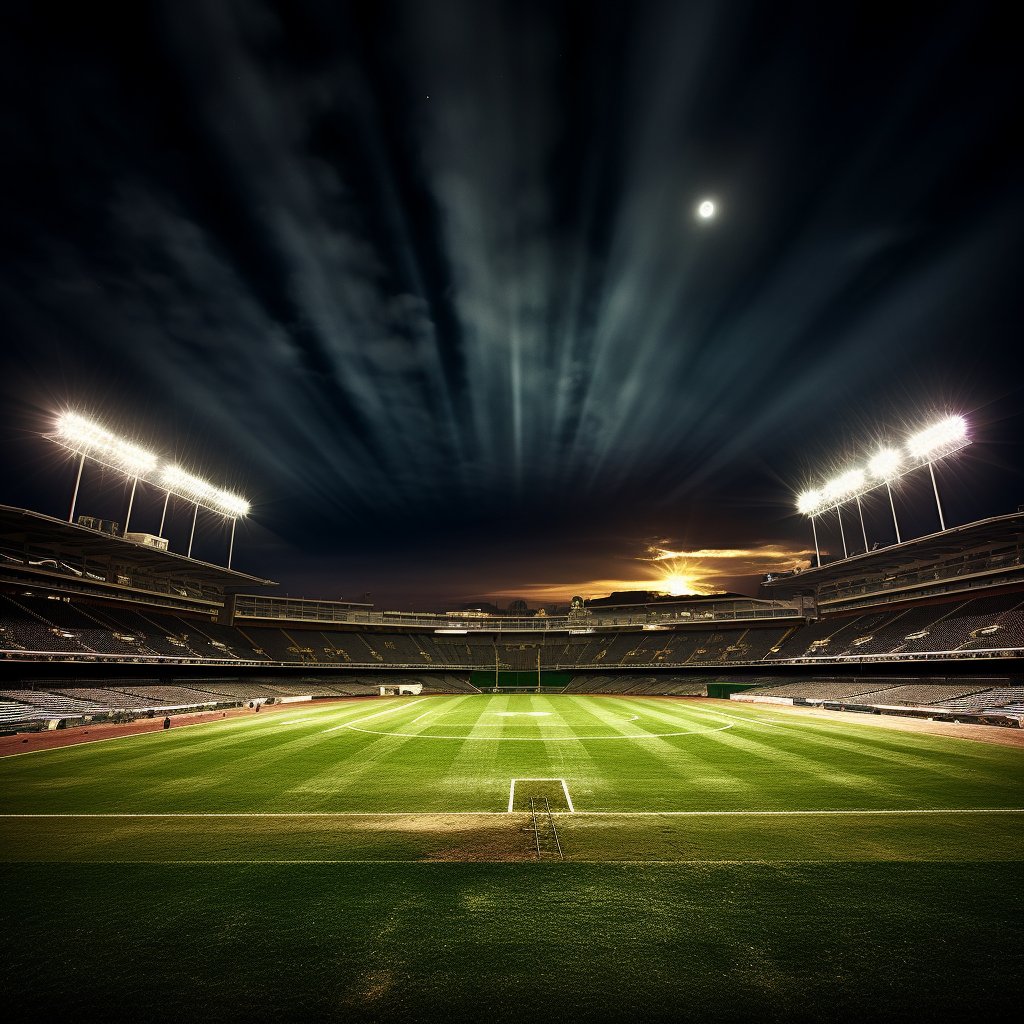
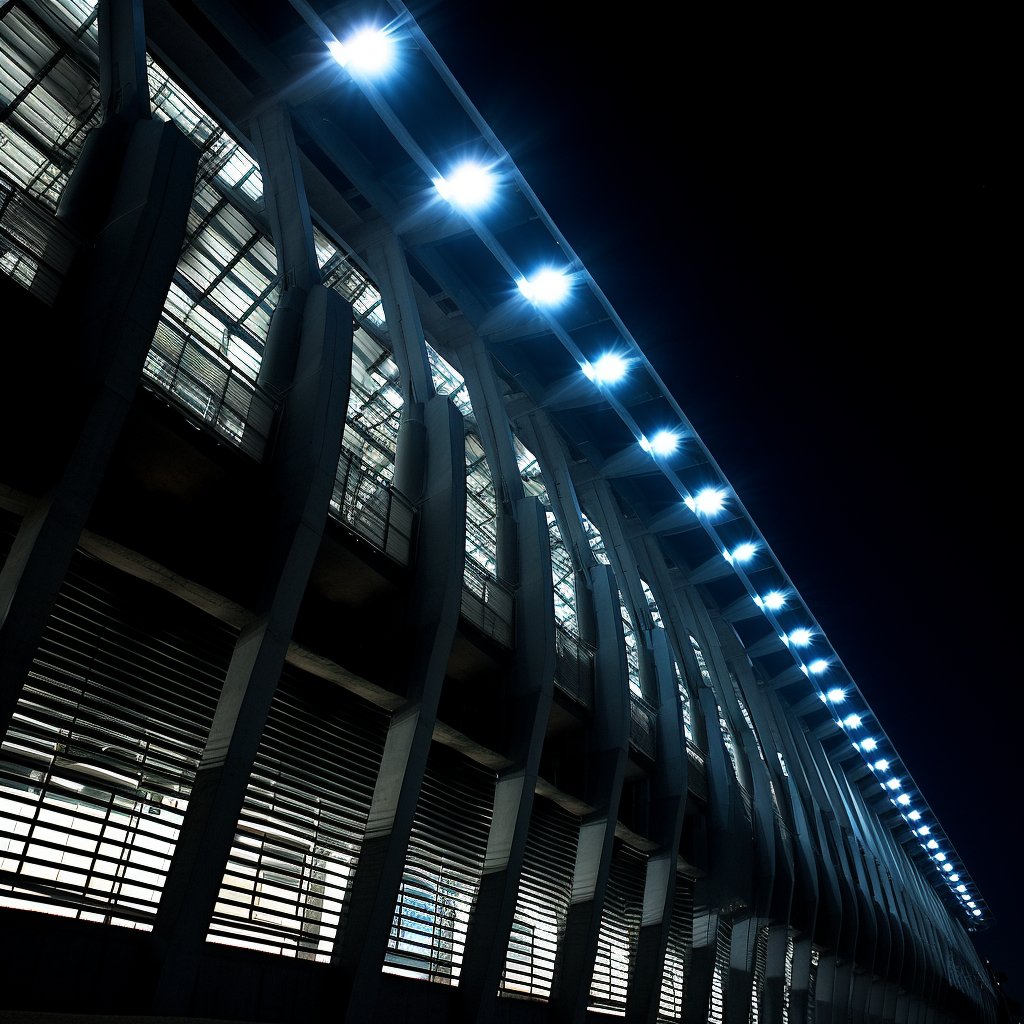
4. Stadium Lights
This bright, uniform lighting is used to illuminate large areas like sports arenas. It's best for sports photography where capturing fast actions is essential.
This bright, uniform lighting is used to illuminate large areas like sports arenas. It's best for sports photography where capturing fast actions is essential.
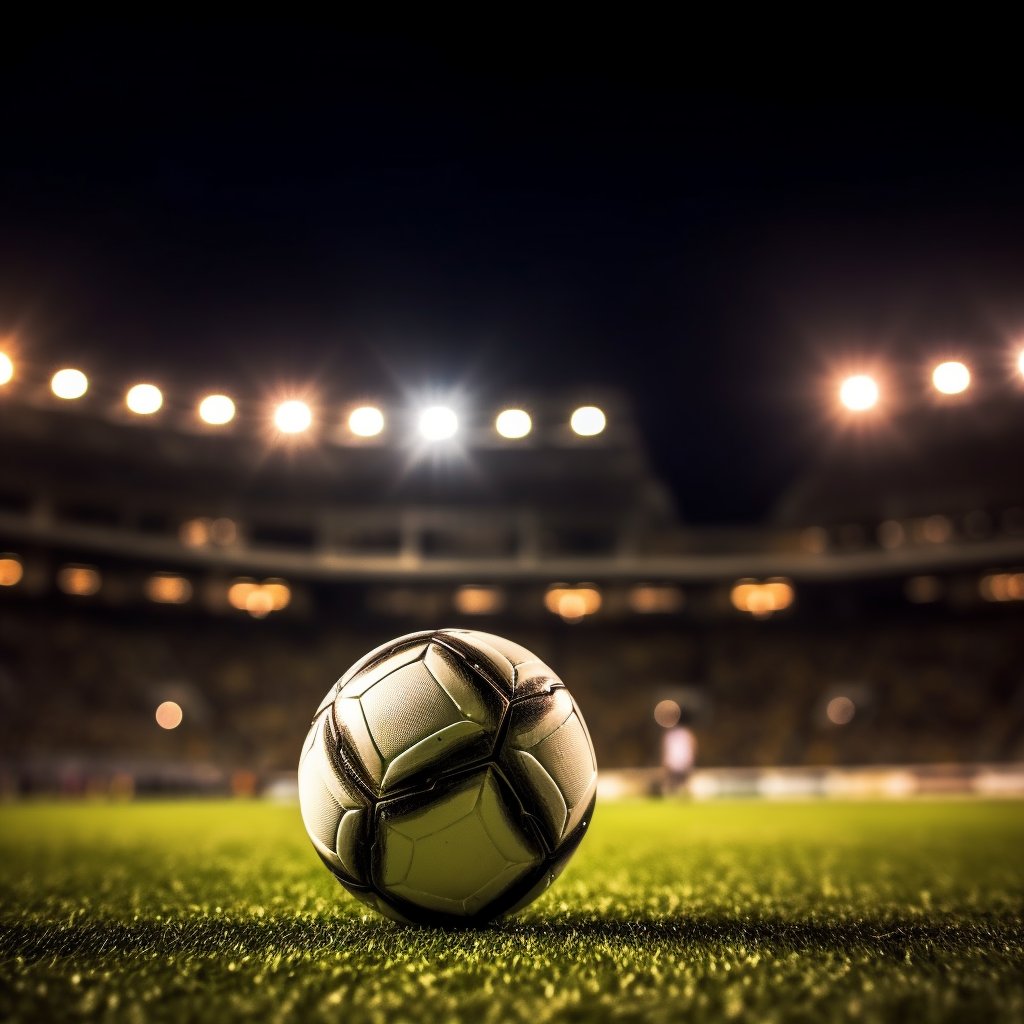
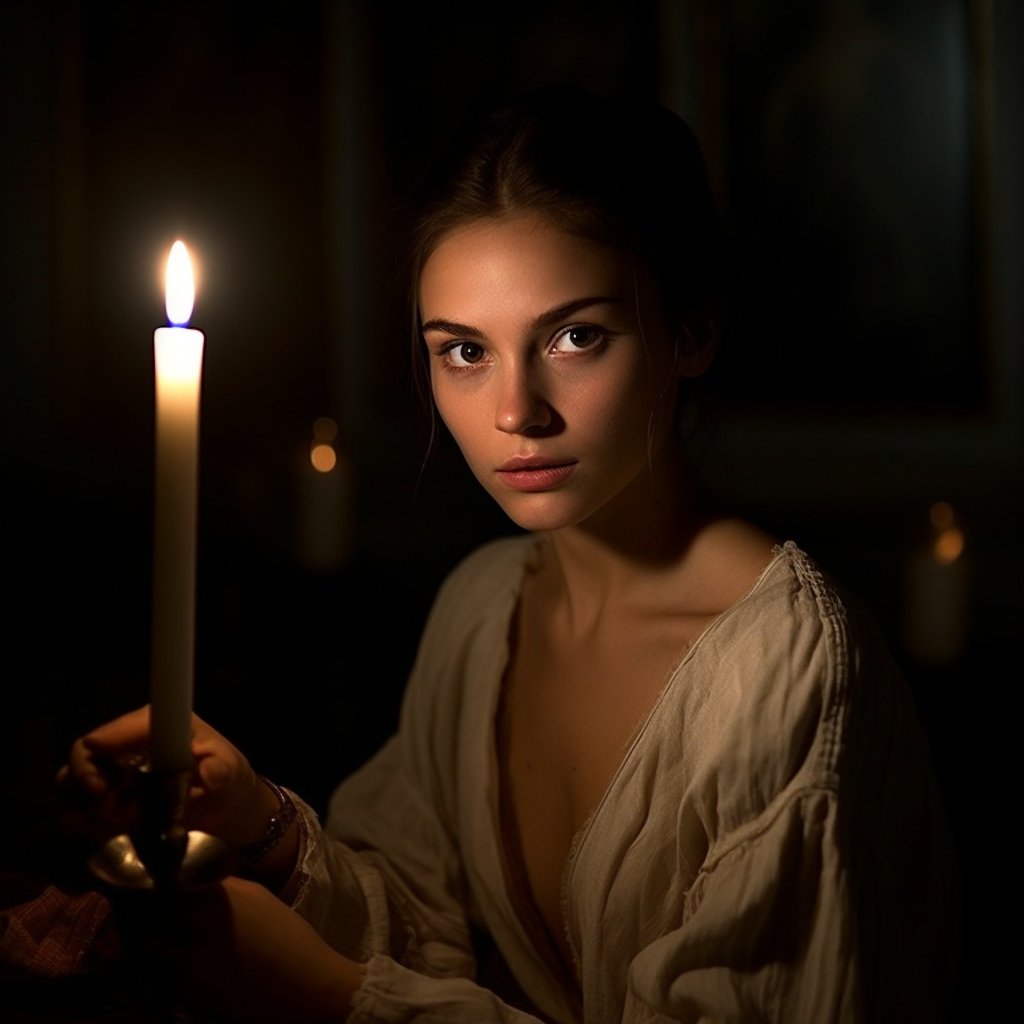
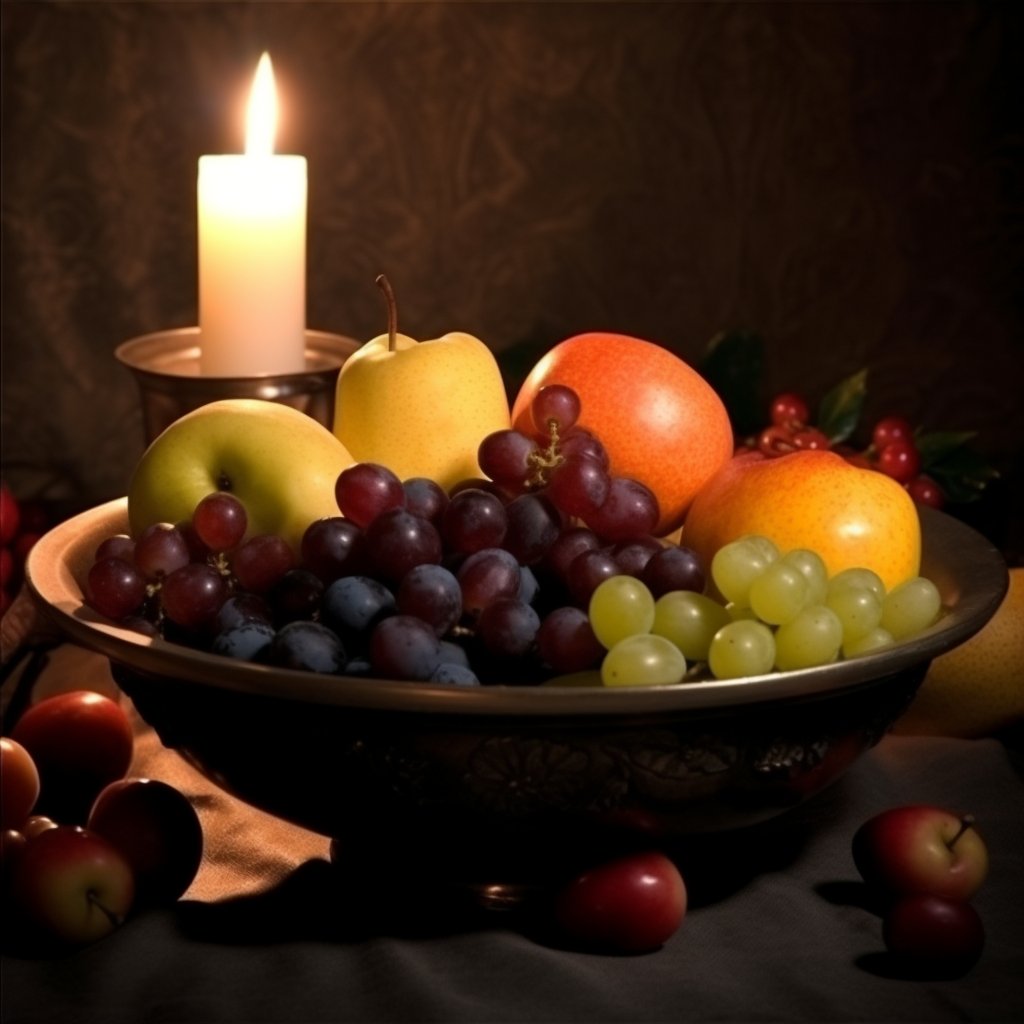
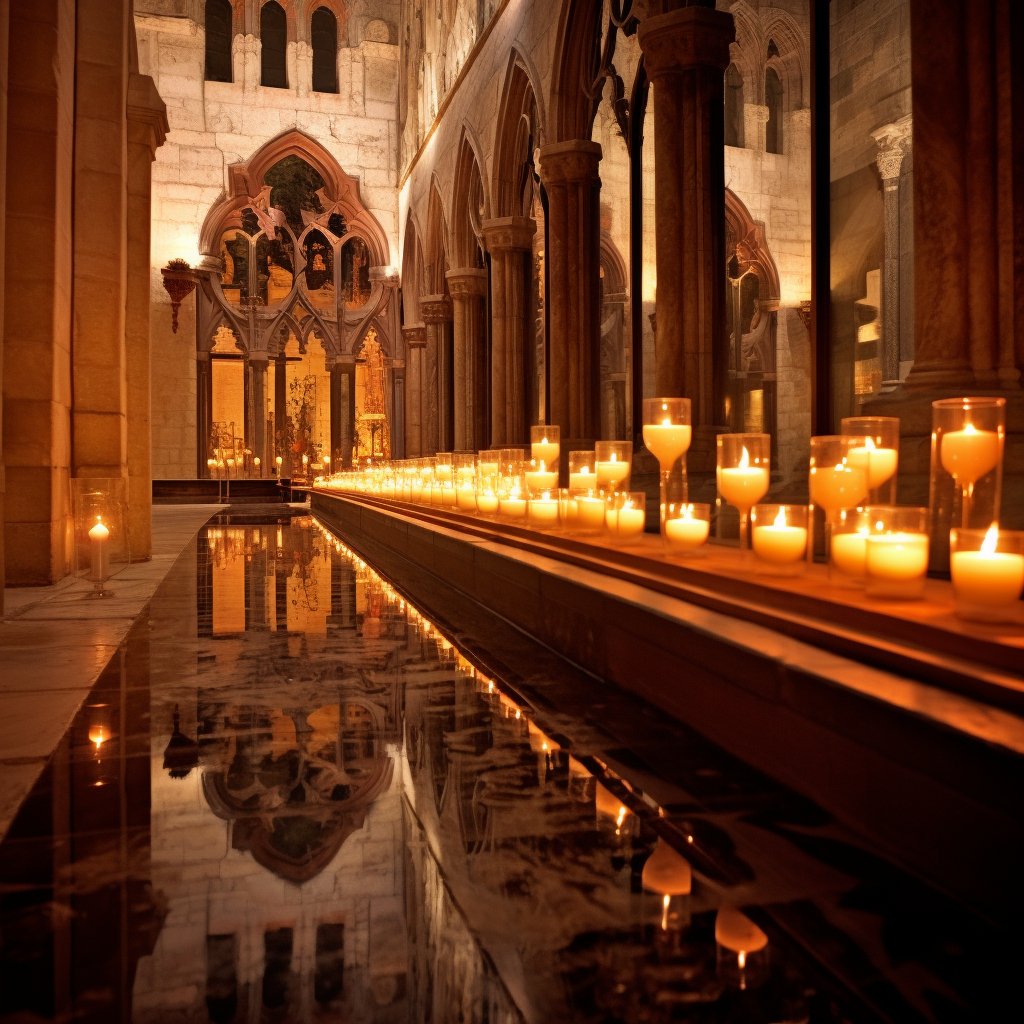
5. Lit by Candle Light
This style gives a warm, intimate, and potentially eerie feel to a scene. It's ideal for romantic, historical, or horror settings.
This style gives a warm, intimate, and potentially eerie feel to a scene. It's ideal for romantic, historical, or horror settings.

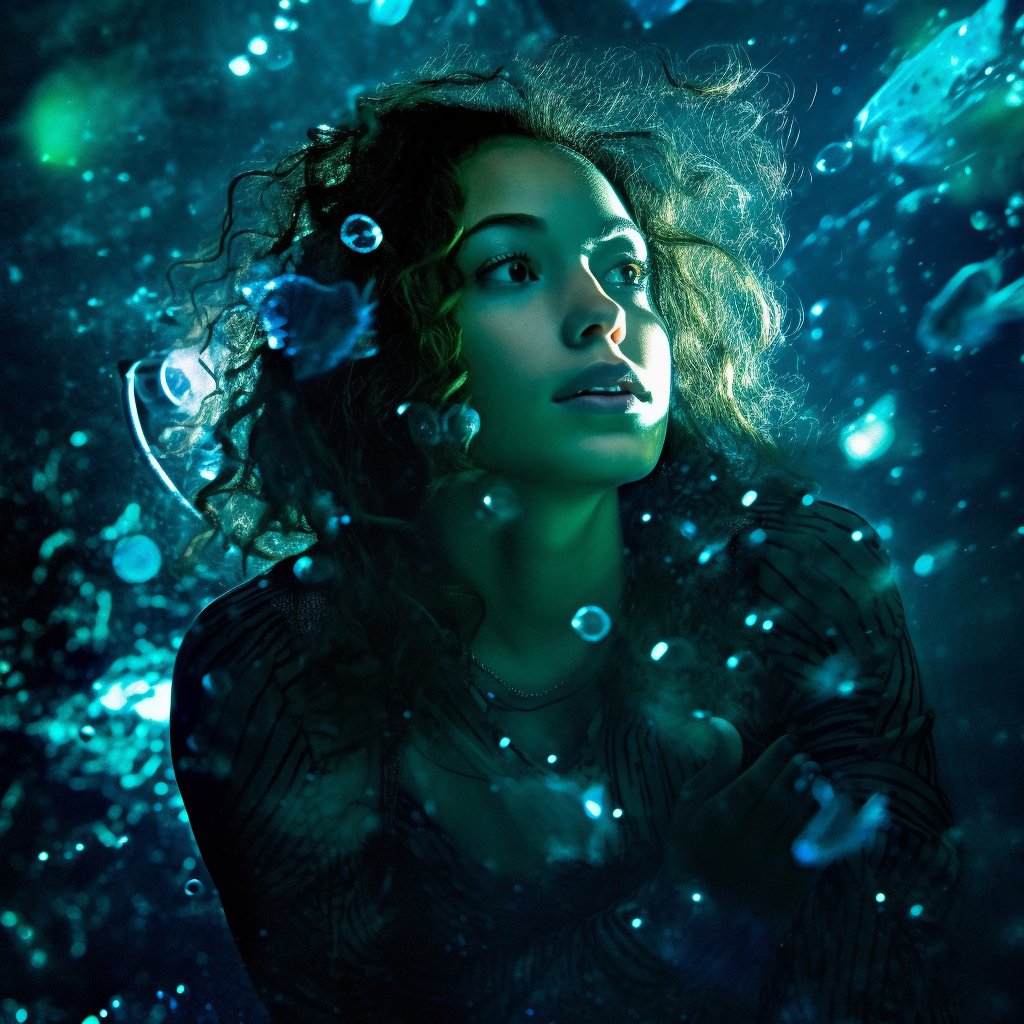
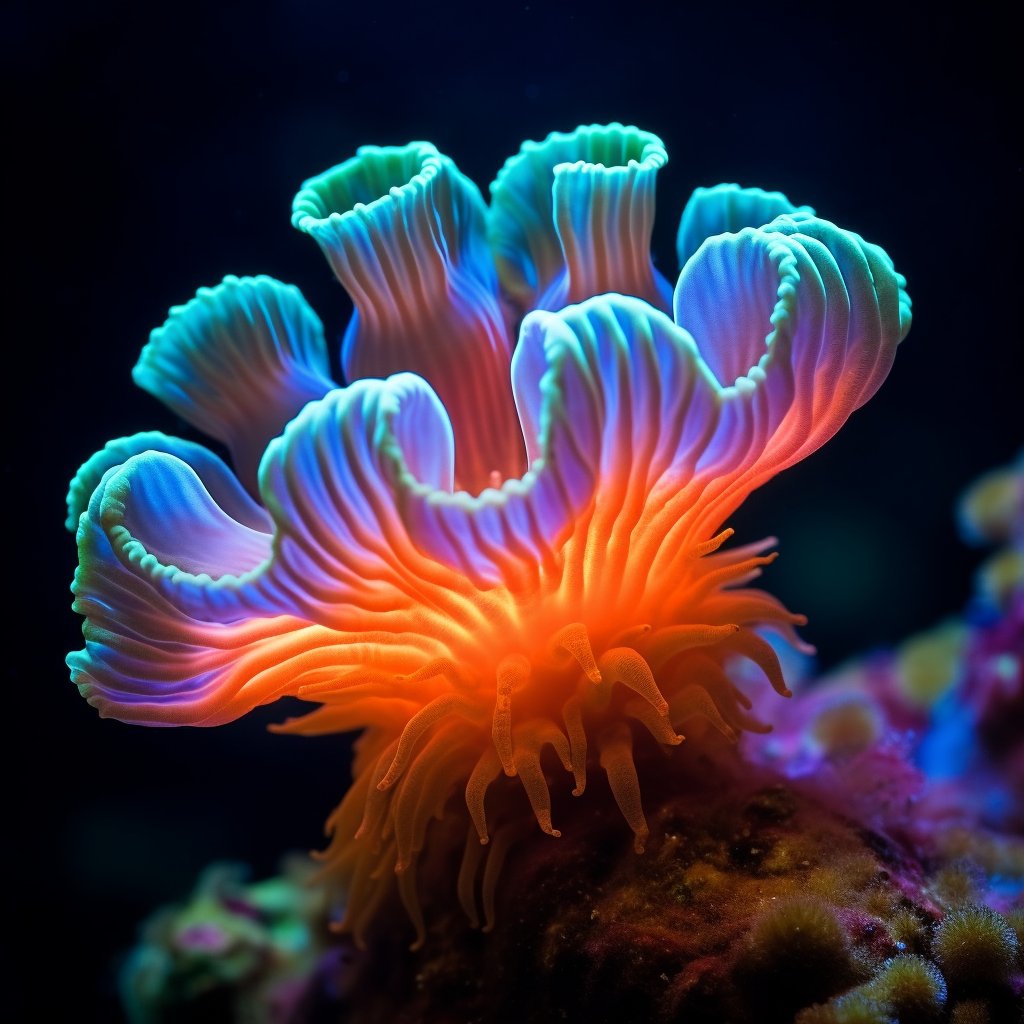
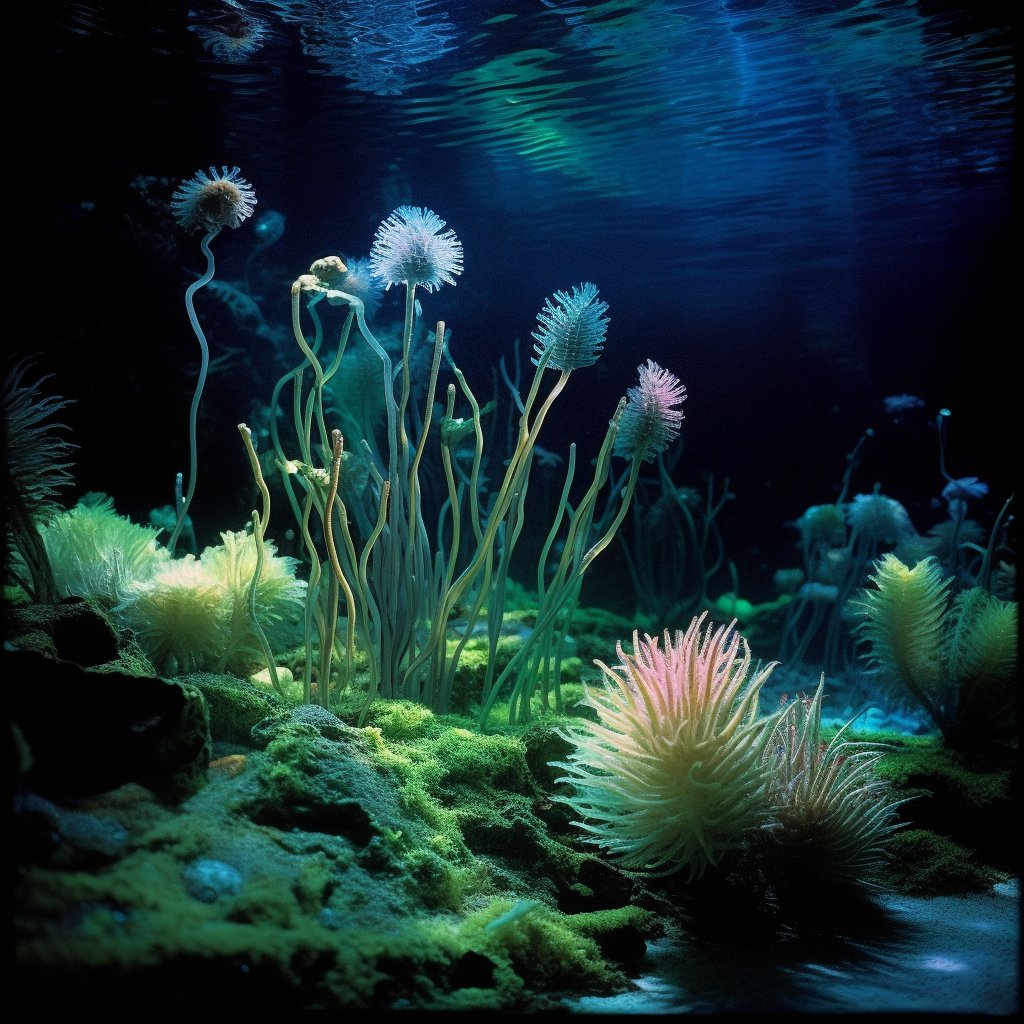
6. Bioluminescent Lighting
This occurs in deep sea environments, where marine creatures emit light. It's primarily used for underwater photography, offering an ethereal, otherworldly vibe.
This occurs in deep sea environments, where marine creatures emit light. It's primarily used for underwater photography, offering an ethereal, otherworldly vibe.
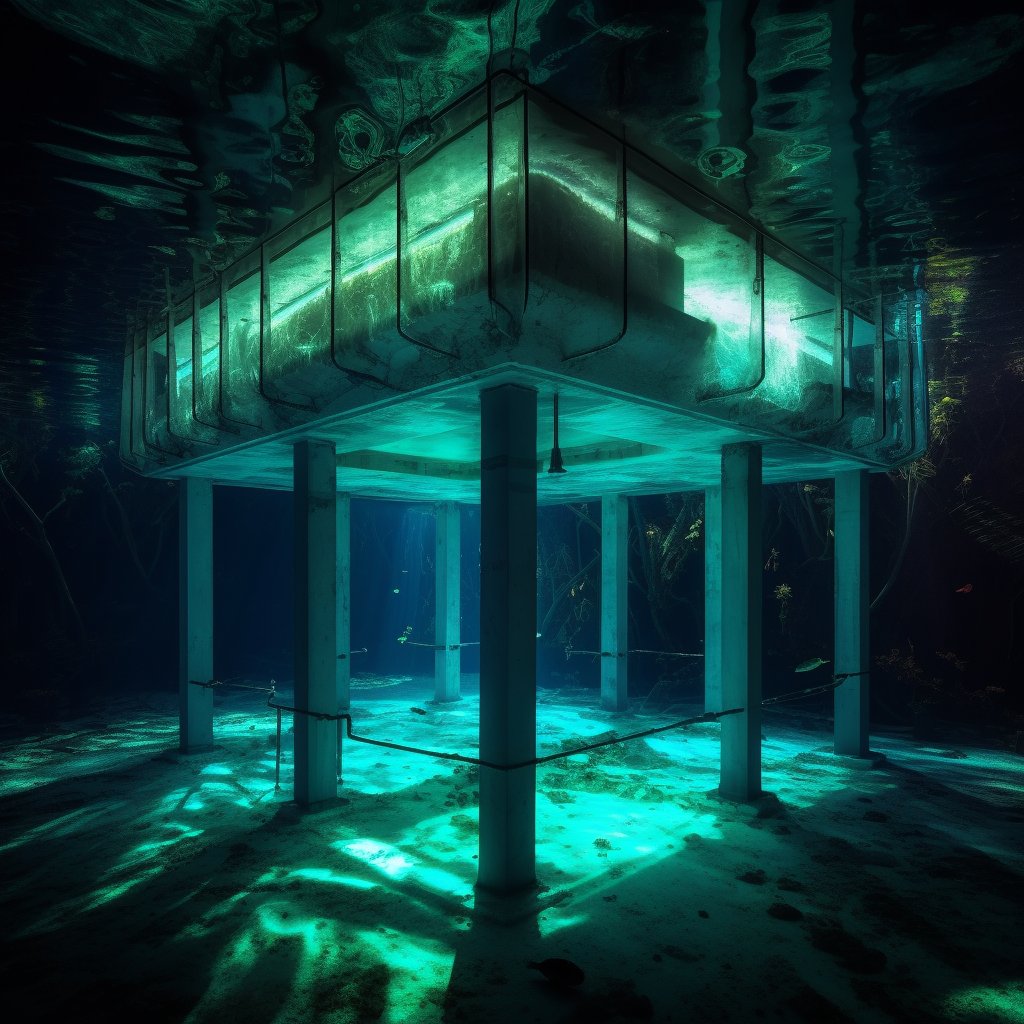
7. High Key Lighting
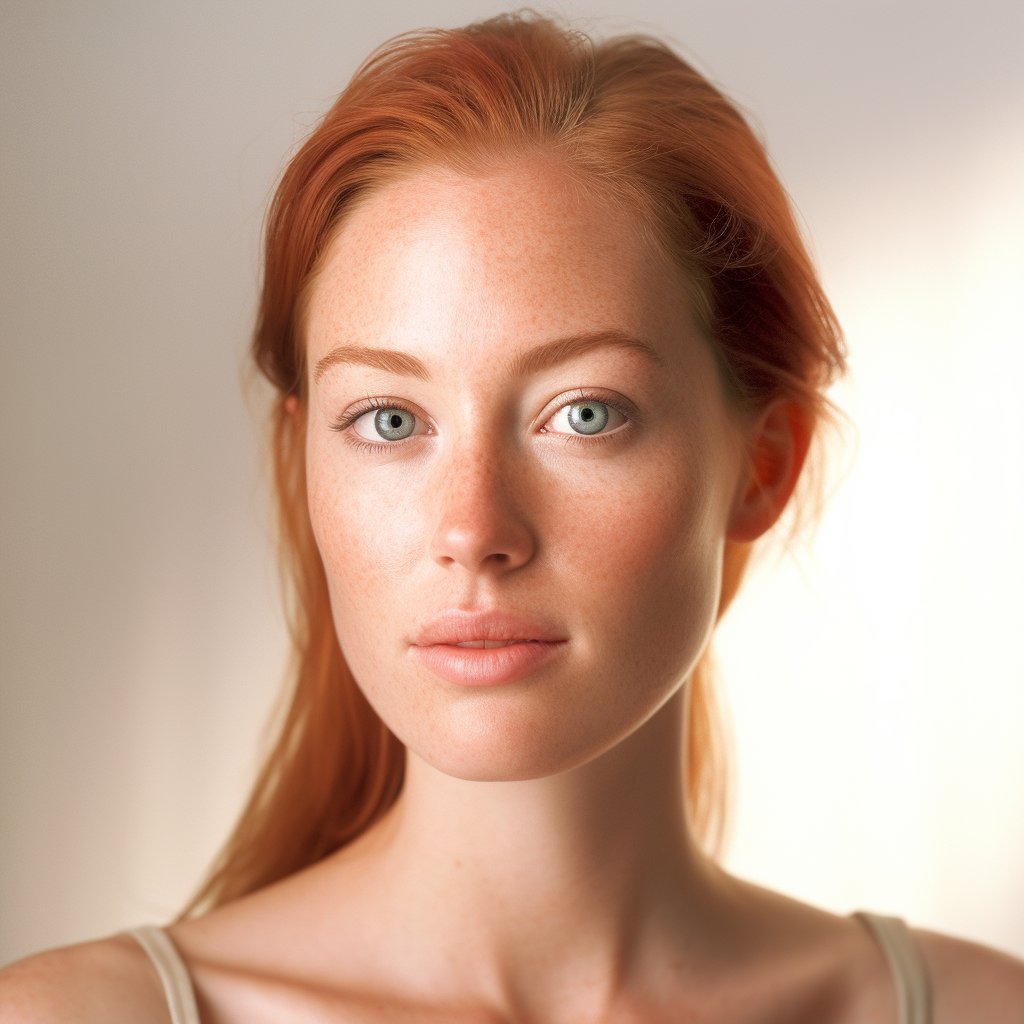
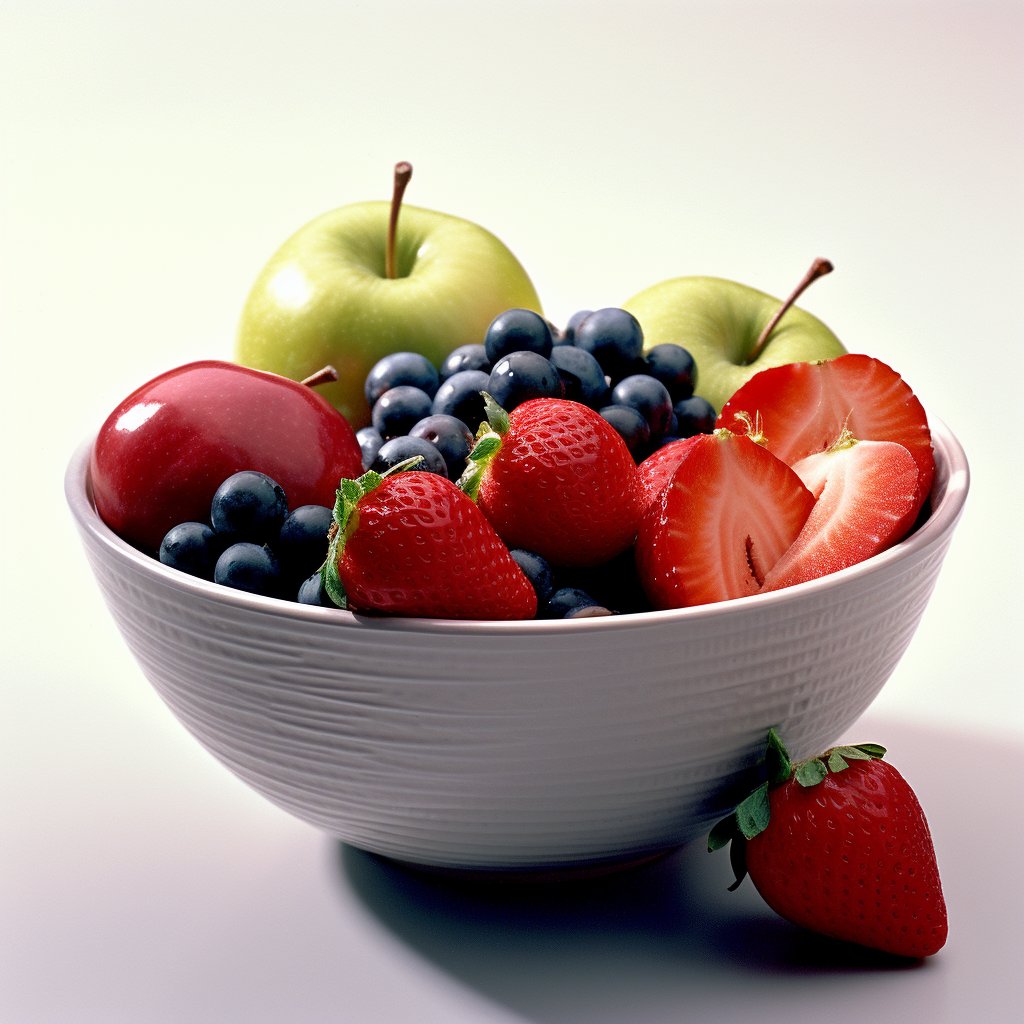
This style involves bright, evenly distributed light with minimal shadows. It's ideal for happy, upbeat scenes, as well as product or fashion photography.
**Prompt High Key lighting may produce black and white results, add "--no black and white" or "color"
This style involves bright, evenly distributed light with minimal shadows. It's ideal for happy, upbeat scenes, as well as product or fashion photography.
**Prompt High Key lighting may produce black and white results, add "--no black and white" or "color"
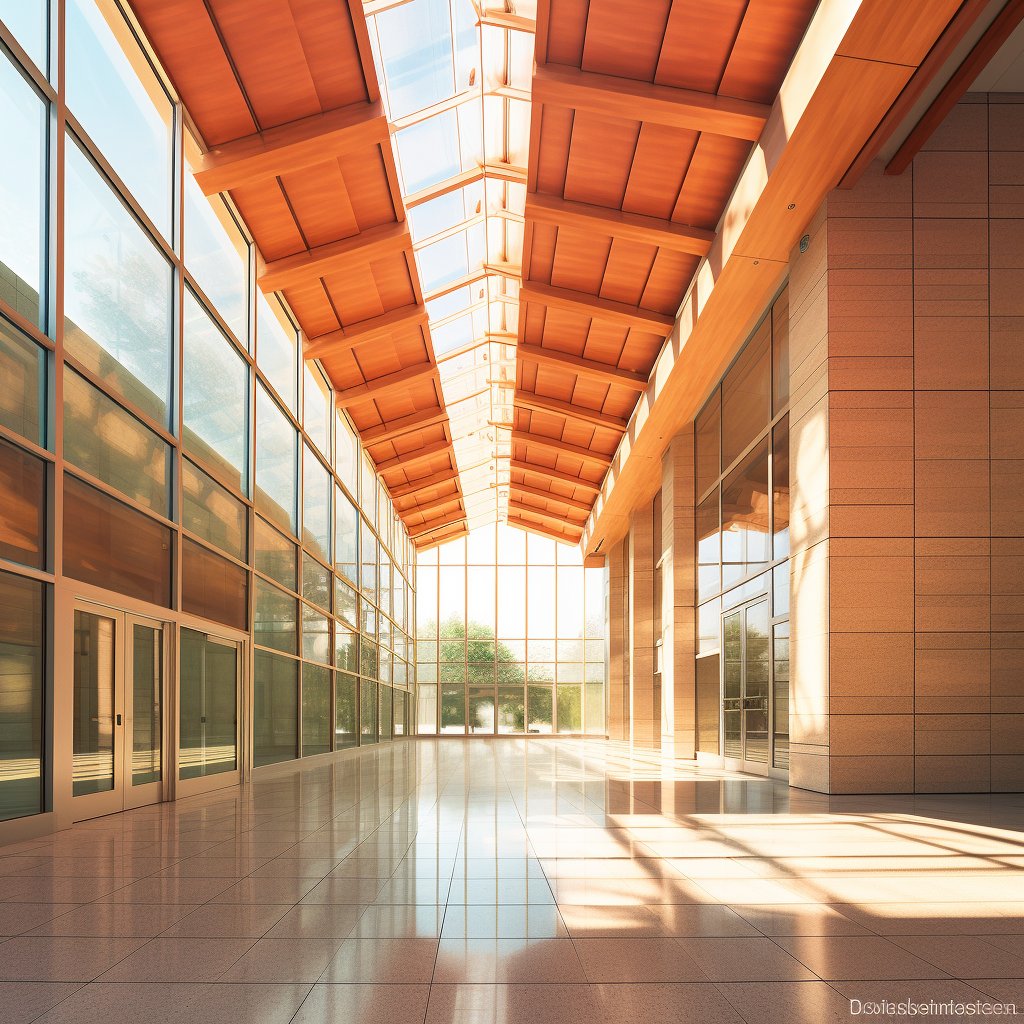
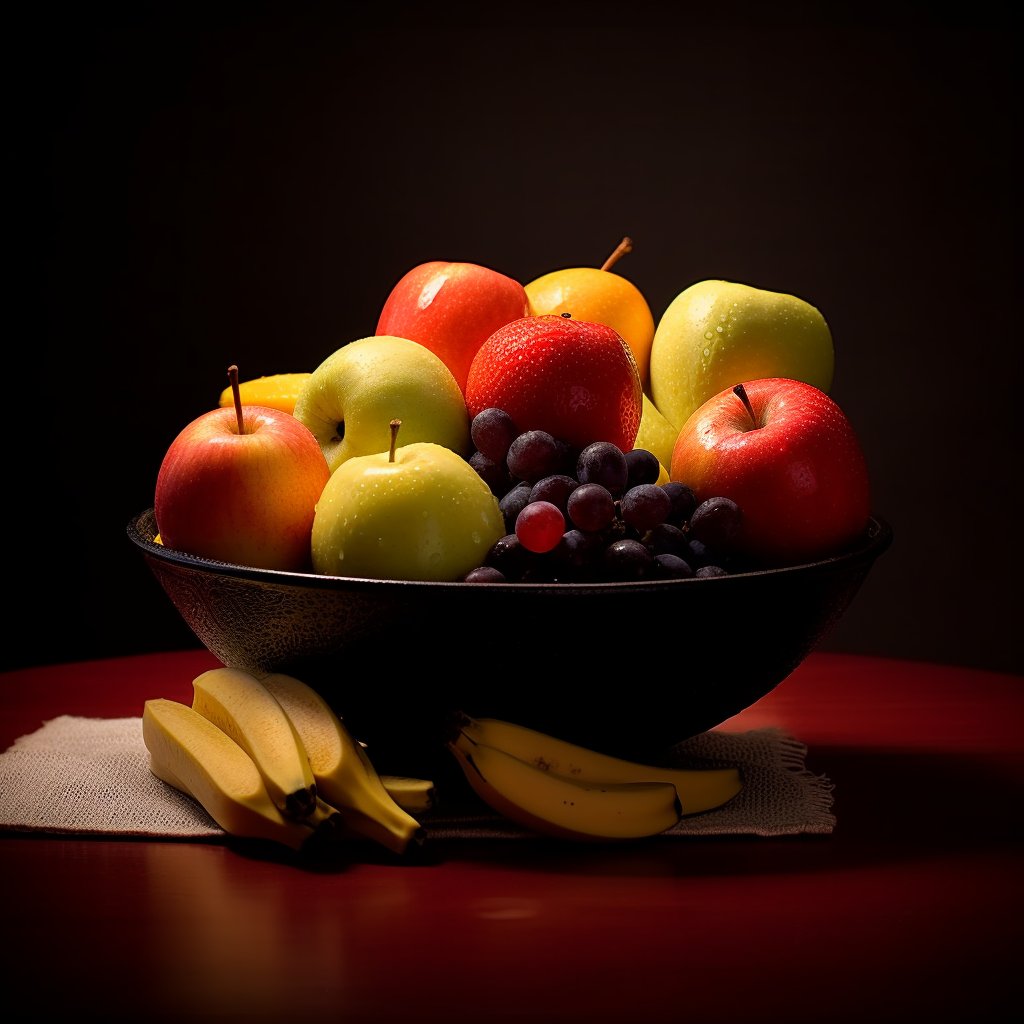
8. Low Key Lighting
This method uses a lot of shadow to create dramatic, moody images, focusing on form and detail. It's best for noir, dramatic portraits, or cinematic scenes.
**Prompt Low Key lighting may produce black and white results, add "--no black and white" or "color"
This method uses a lot of shadow to create dramatic, moody images, focusing on form and detail. It's best for noir, dramatic portraits, or cinematic scenes.
**Prompt Low Key lighting may produce black and white results, add "--no black and white" or "color"
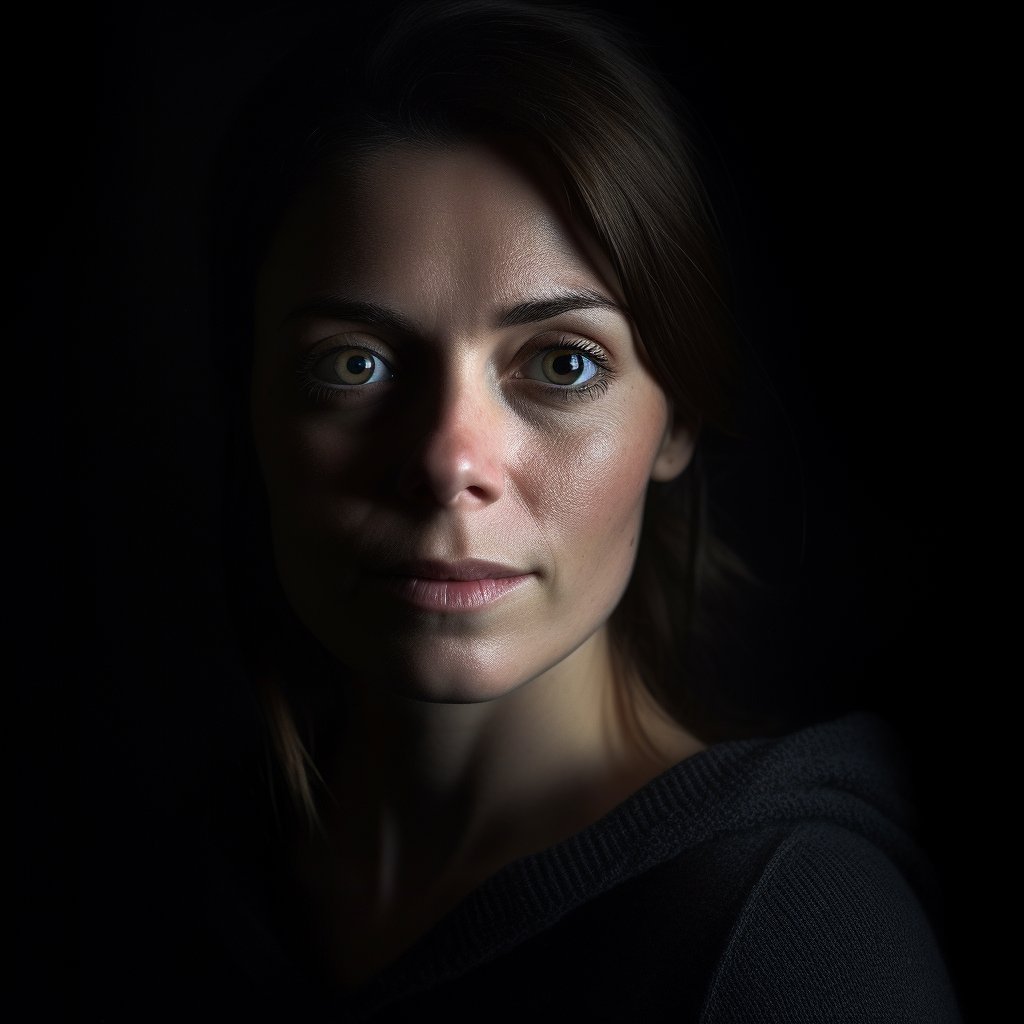
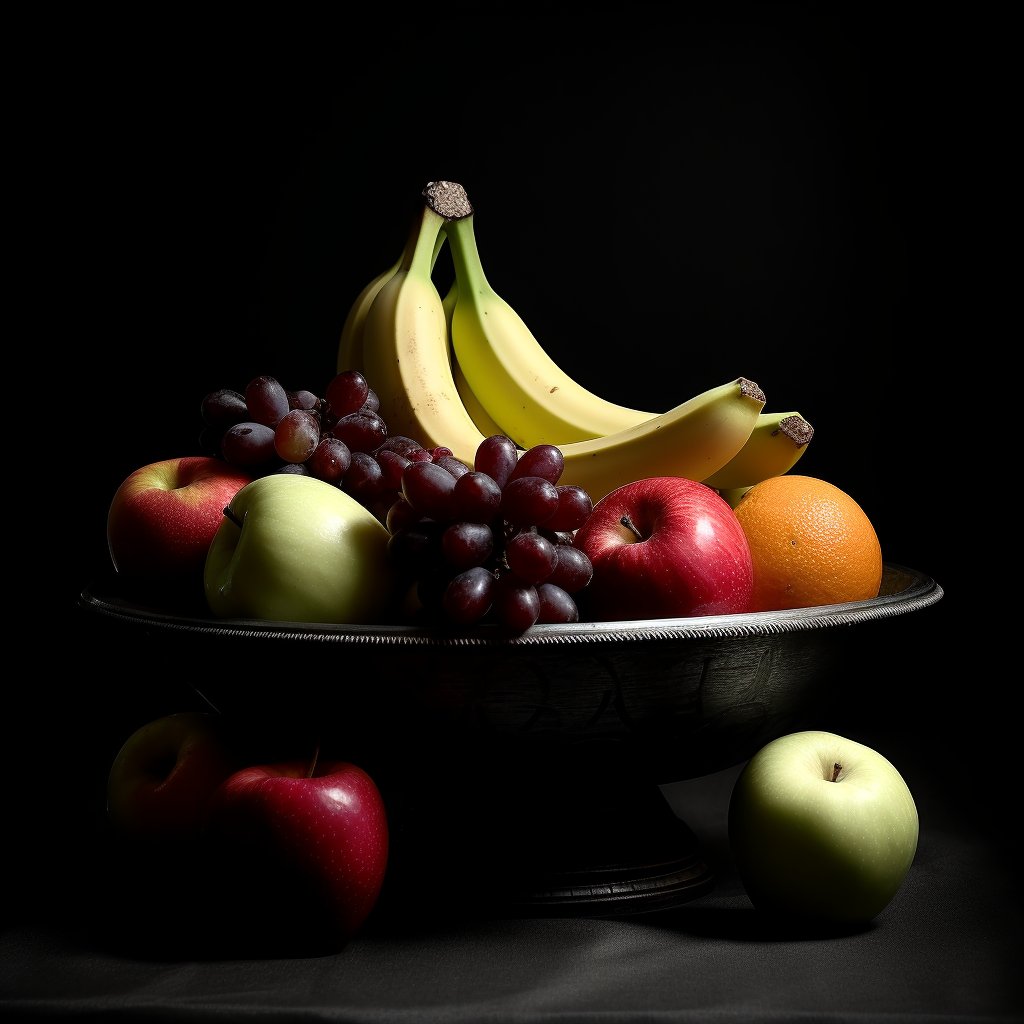
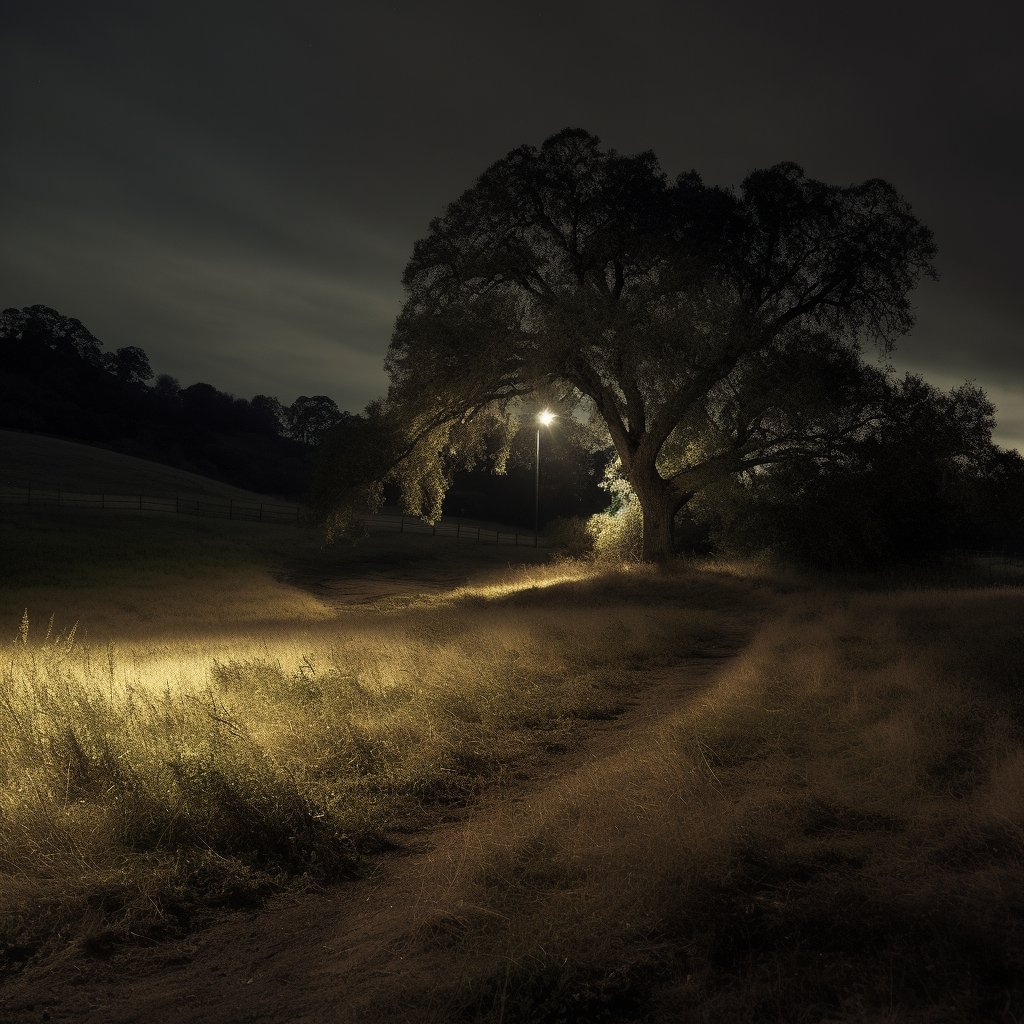
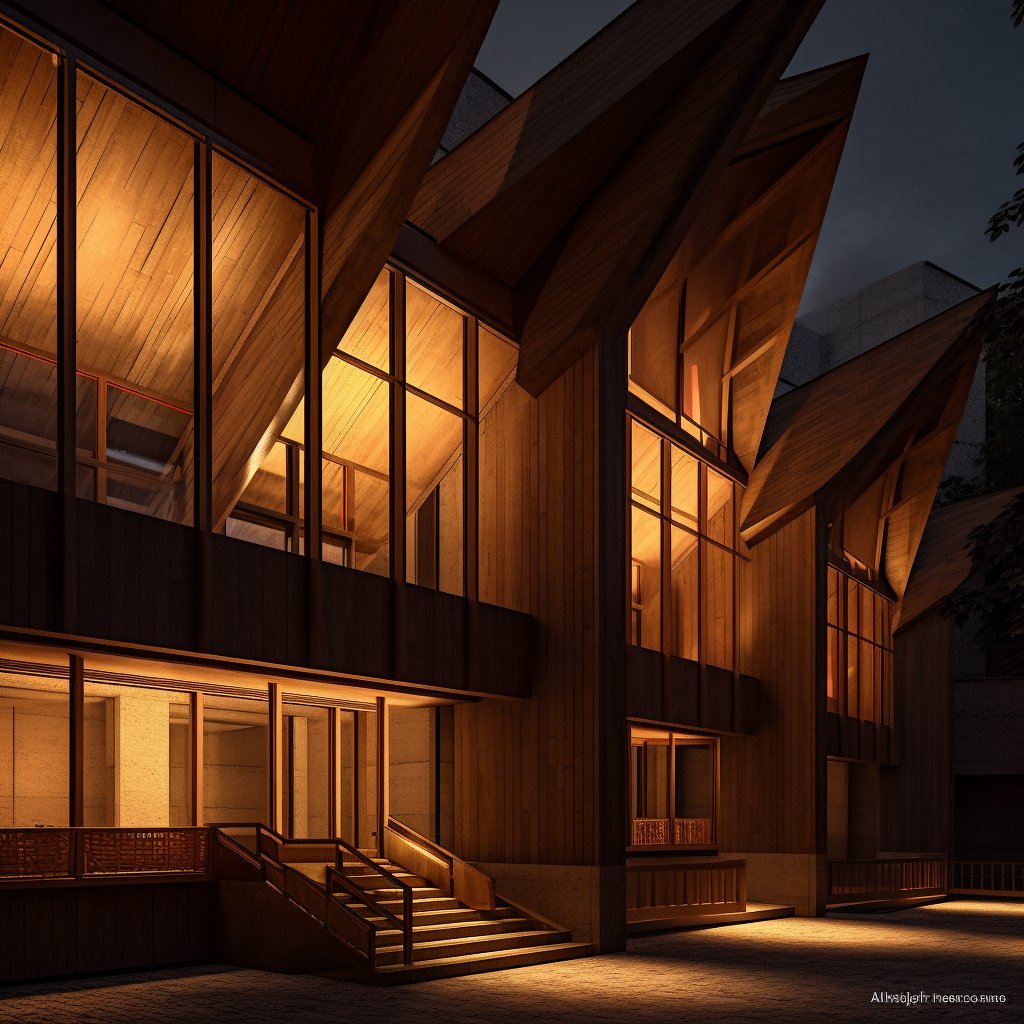
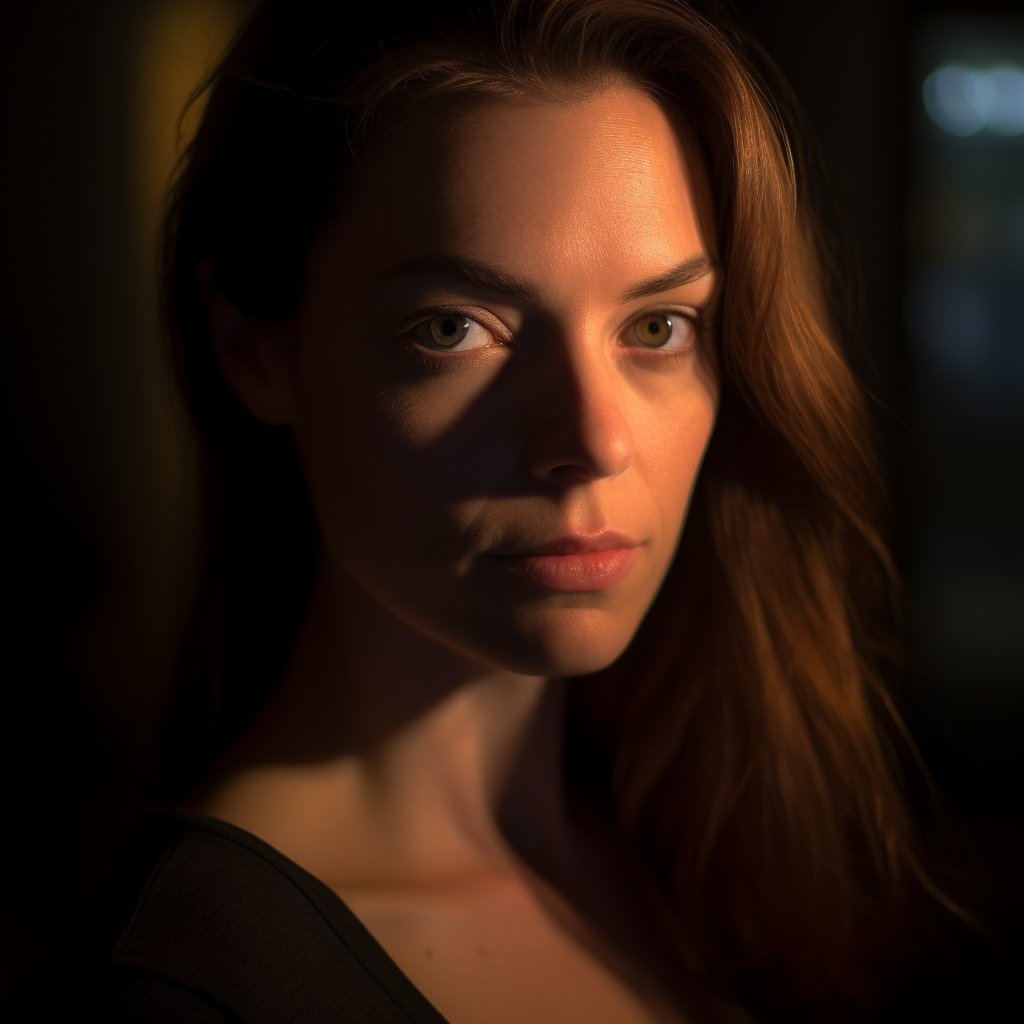
9. Rembrandt Lighting
Named after the famous painter, this technique produces a small, triangular light on the subject's cheek. It's best for portraits, providing a dramatic and artistic feel.
Named after the famous painter, this technique produces a small, triangular light on the subject's cheek. It's best for portraits, providing a dramatic and artistic feel.
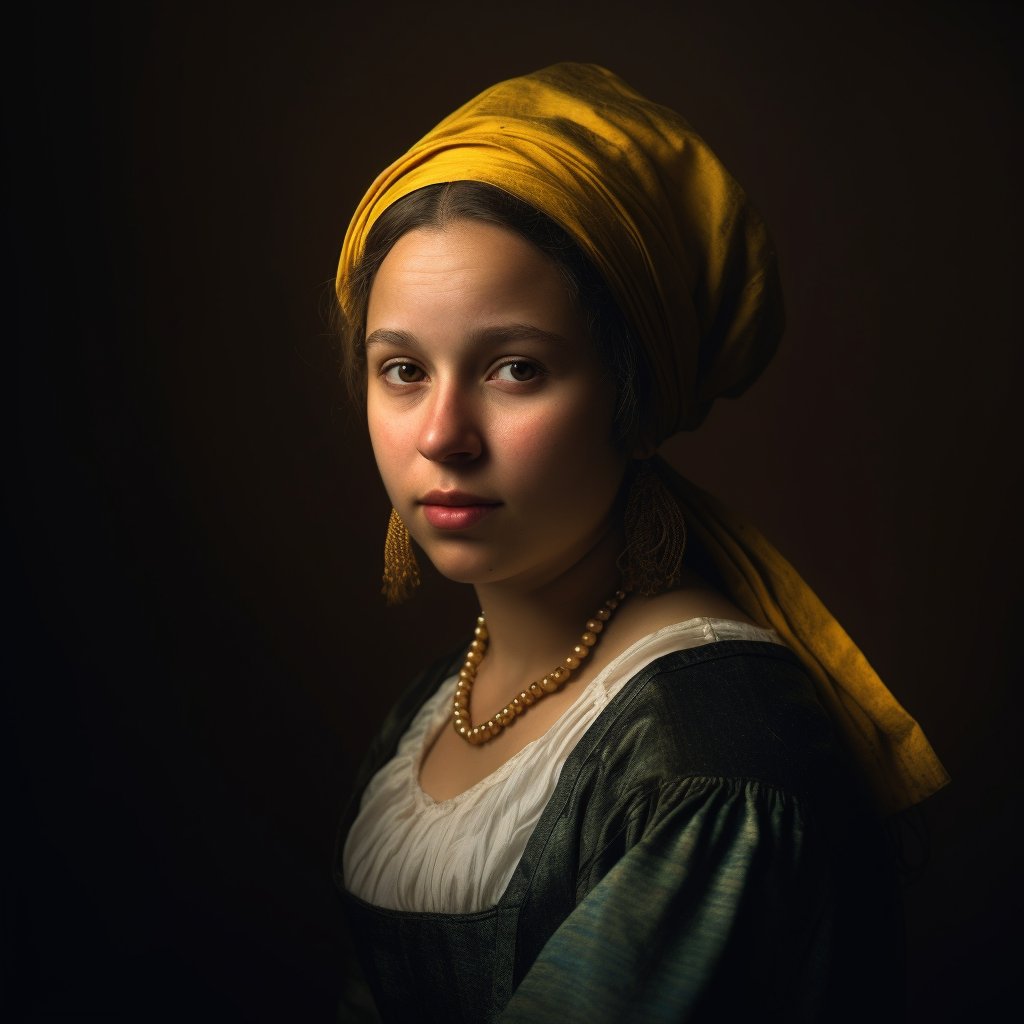
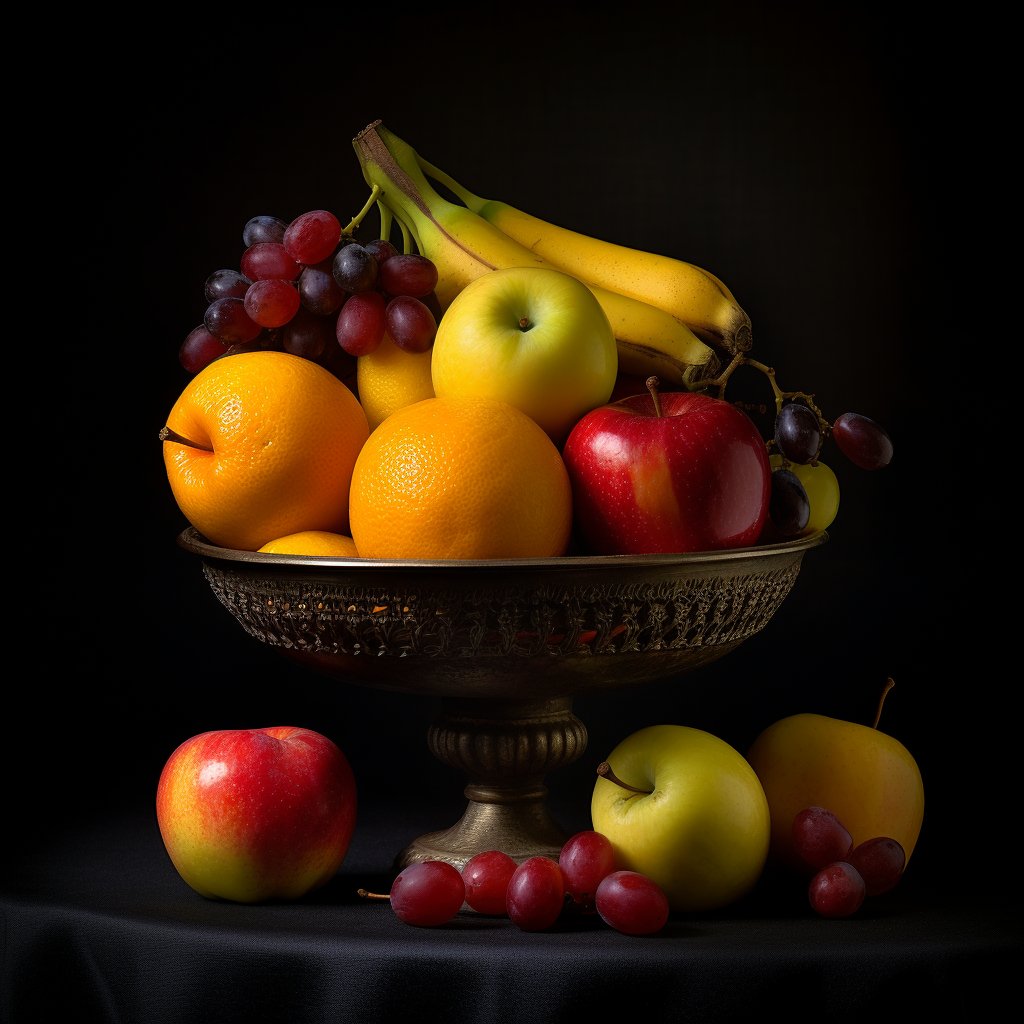
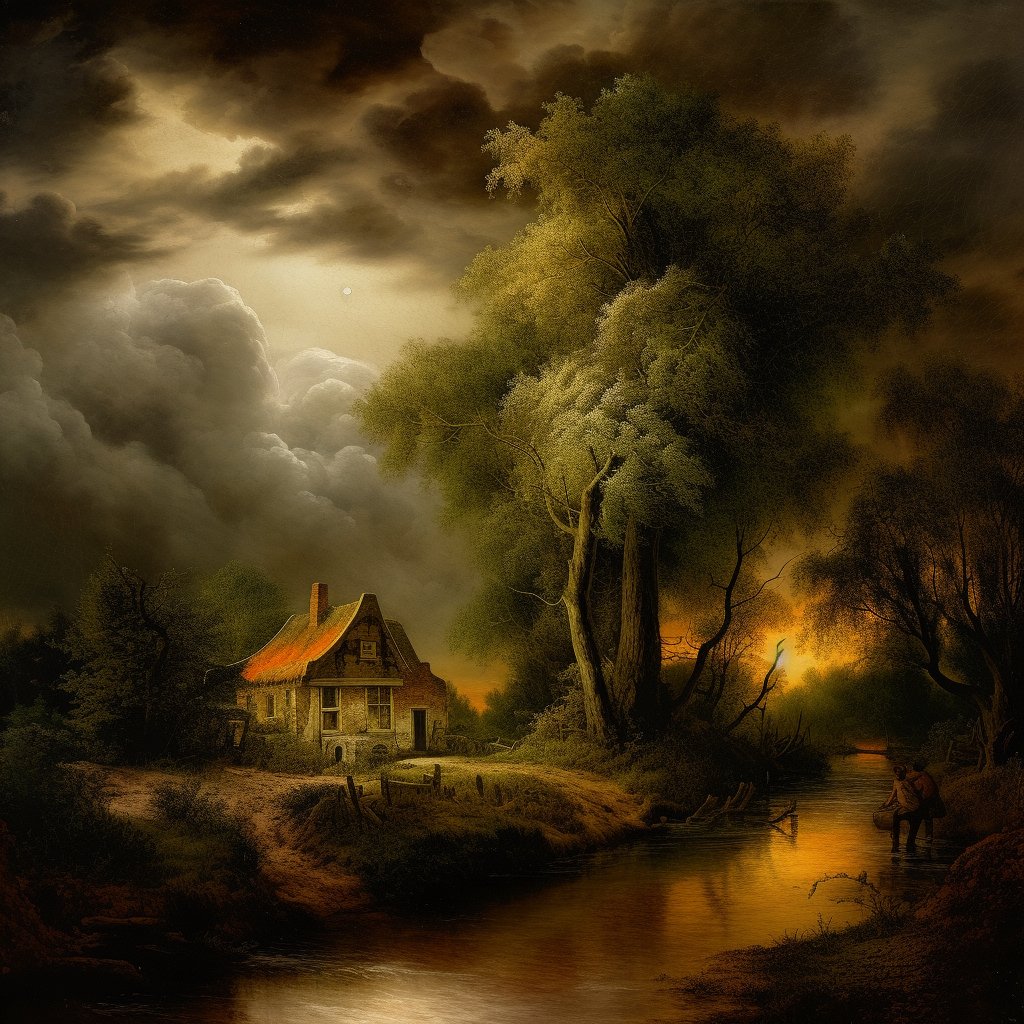
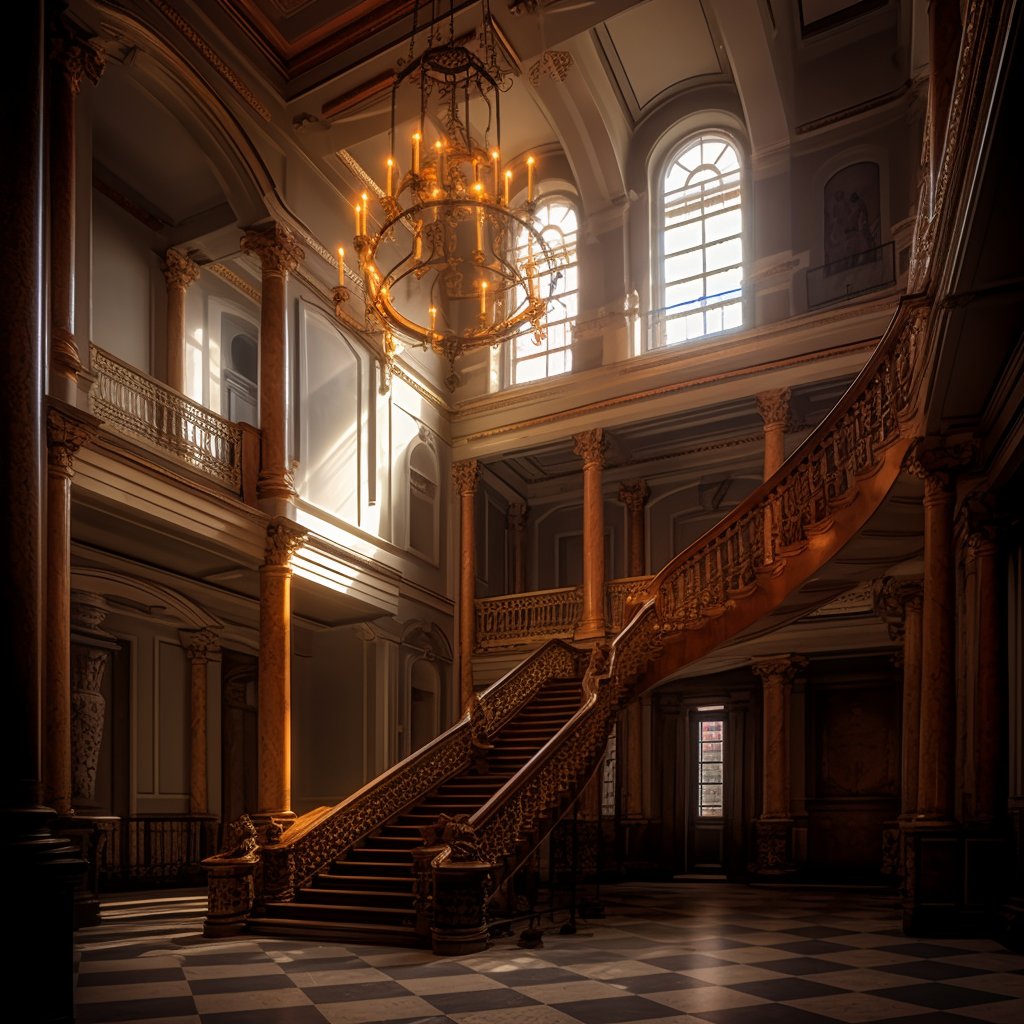
10. Split Lighting
In this setup, half of the subject's face is lit while the other half is in shadow. It's used in dramatic portraiture and character studies.
In this setup, half of the subject's face is lit while the other half is in shadow. It's used in dramatic portraiture and character studies.
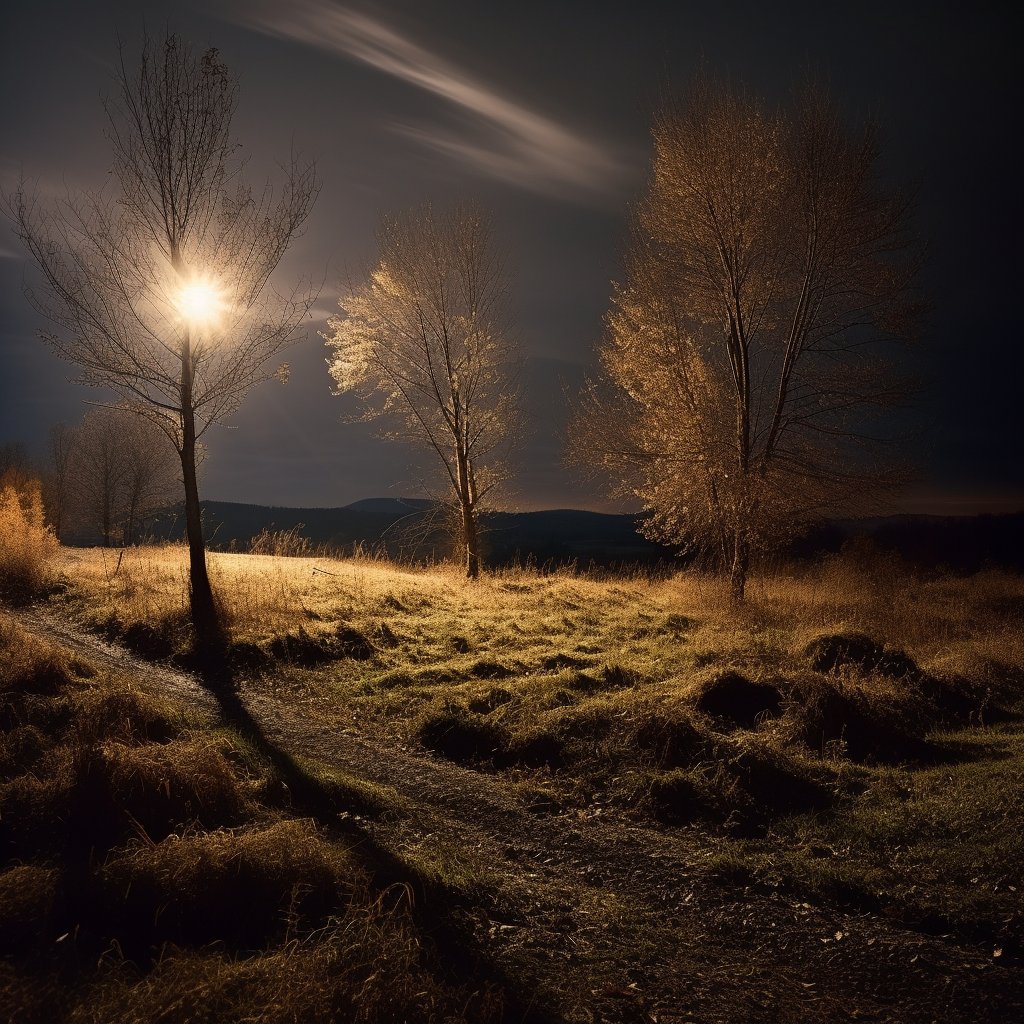

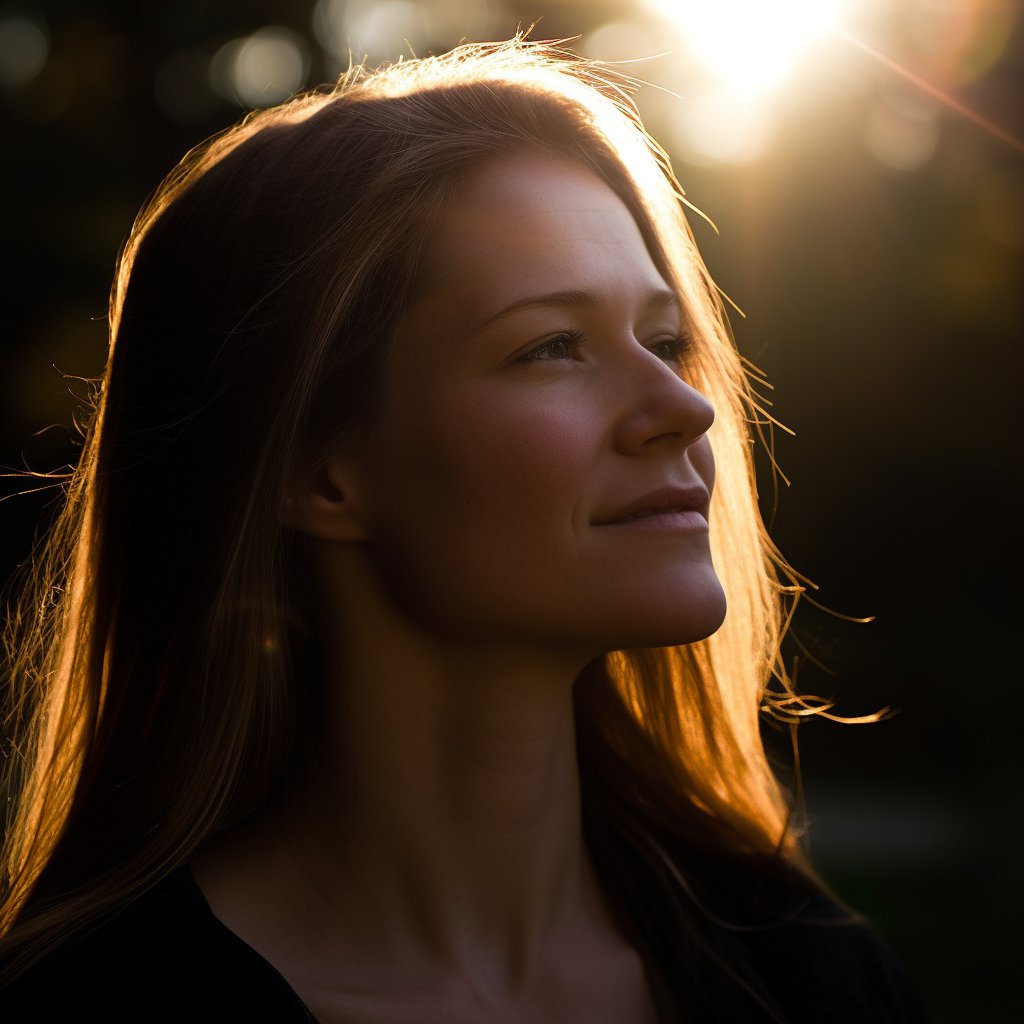
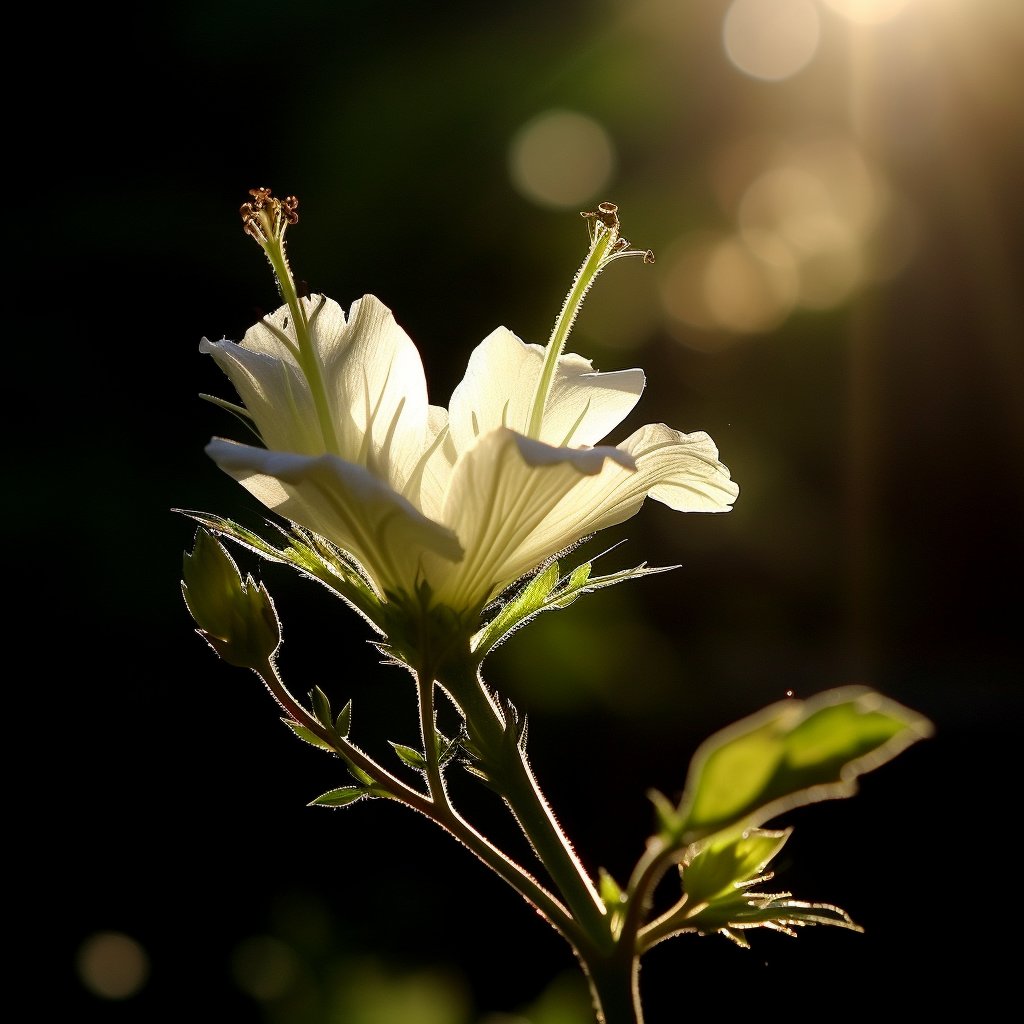
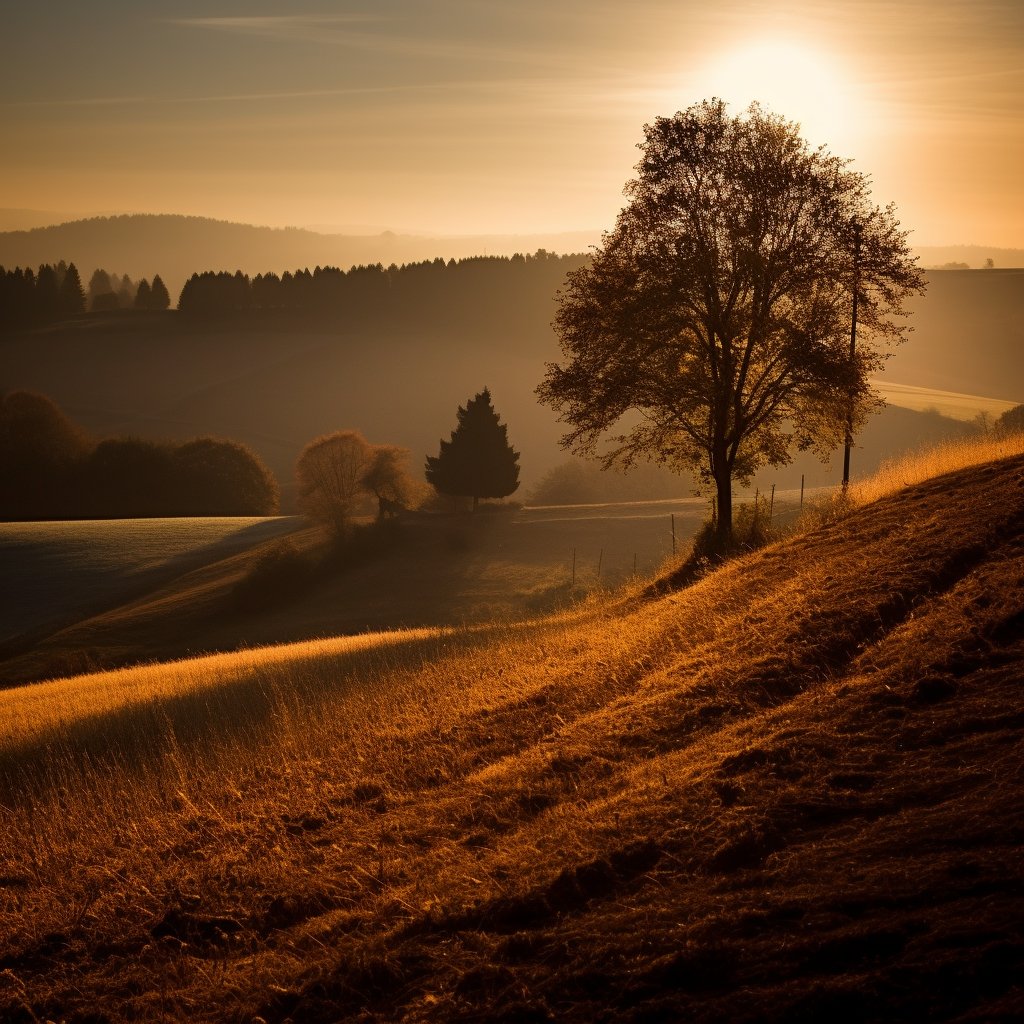
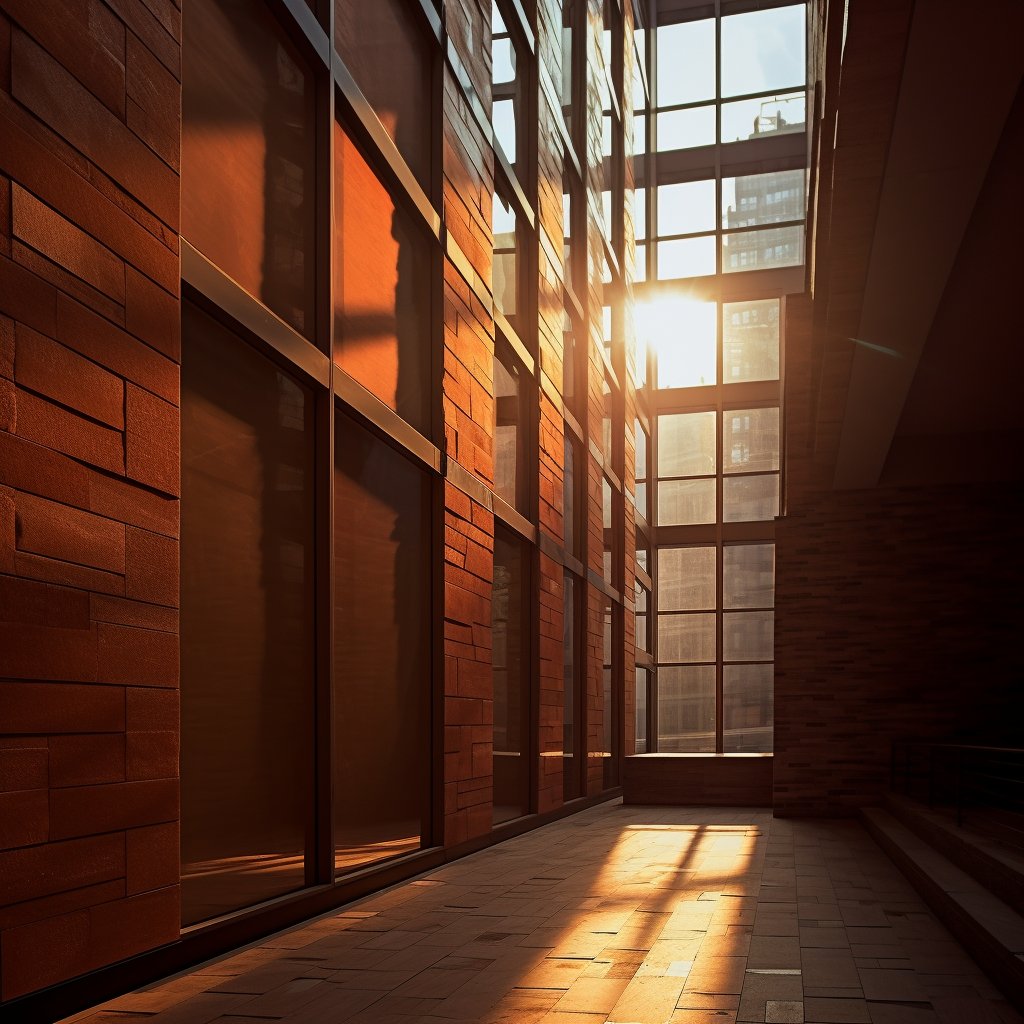
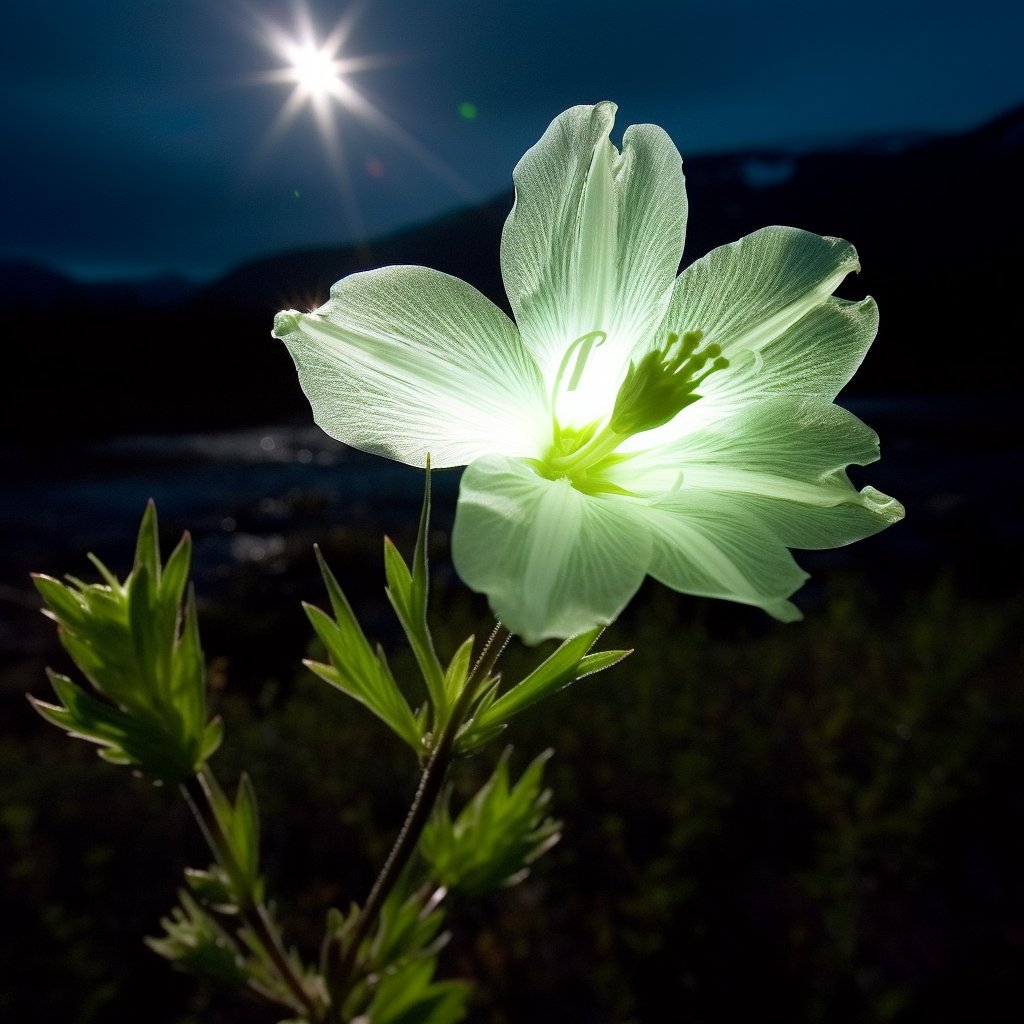
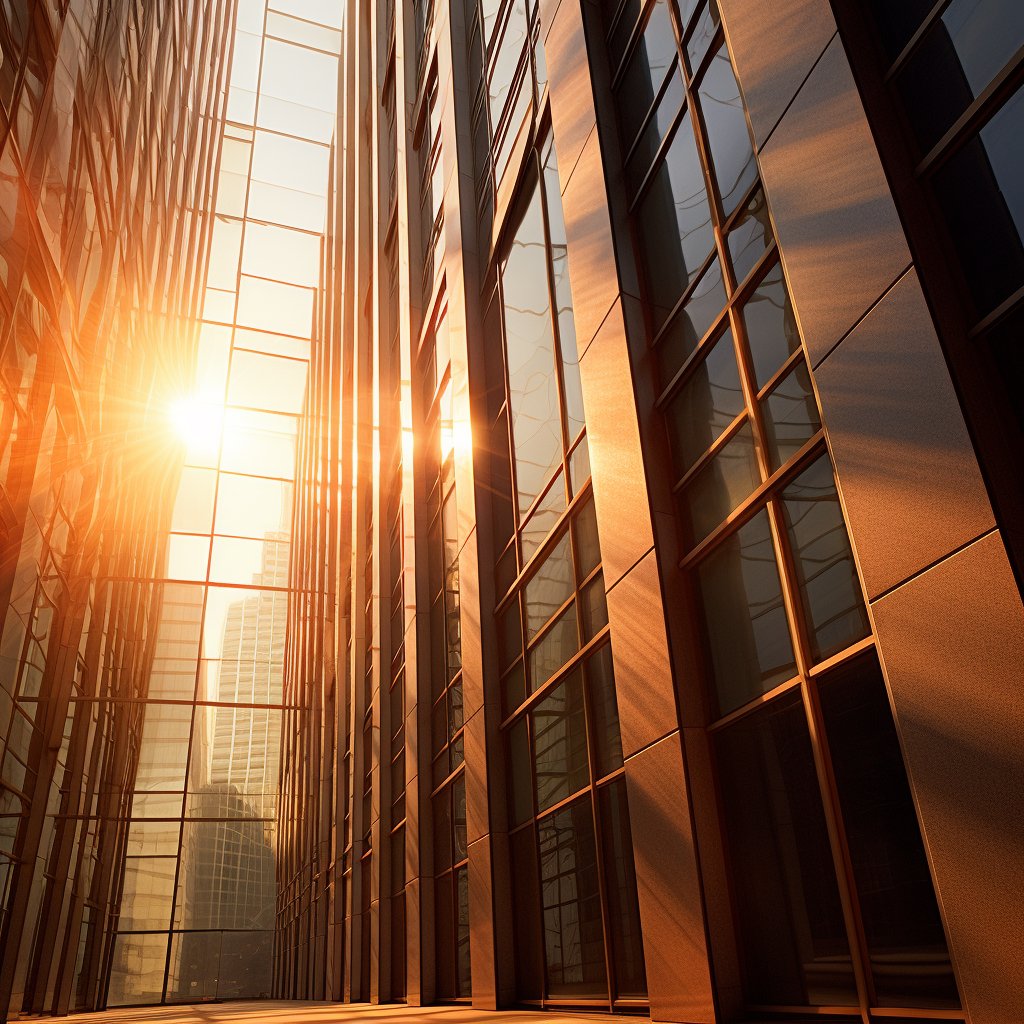
11. Backlighting
This is when the light source is behind the subject, creating a silhouette effect or a halo-like glow. It's good for capturing subject outlines or creating dreamy outdoor scenes.
This is when the light source is behind the subject, creating a silhouette effect or a halo-like glow. It's good for capturing subject outlines or creating dreamy outdoor scenes.
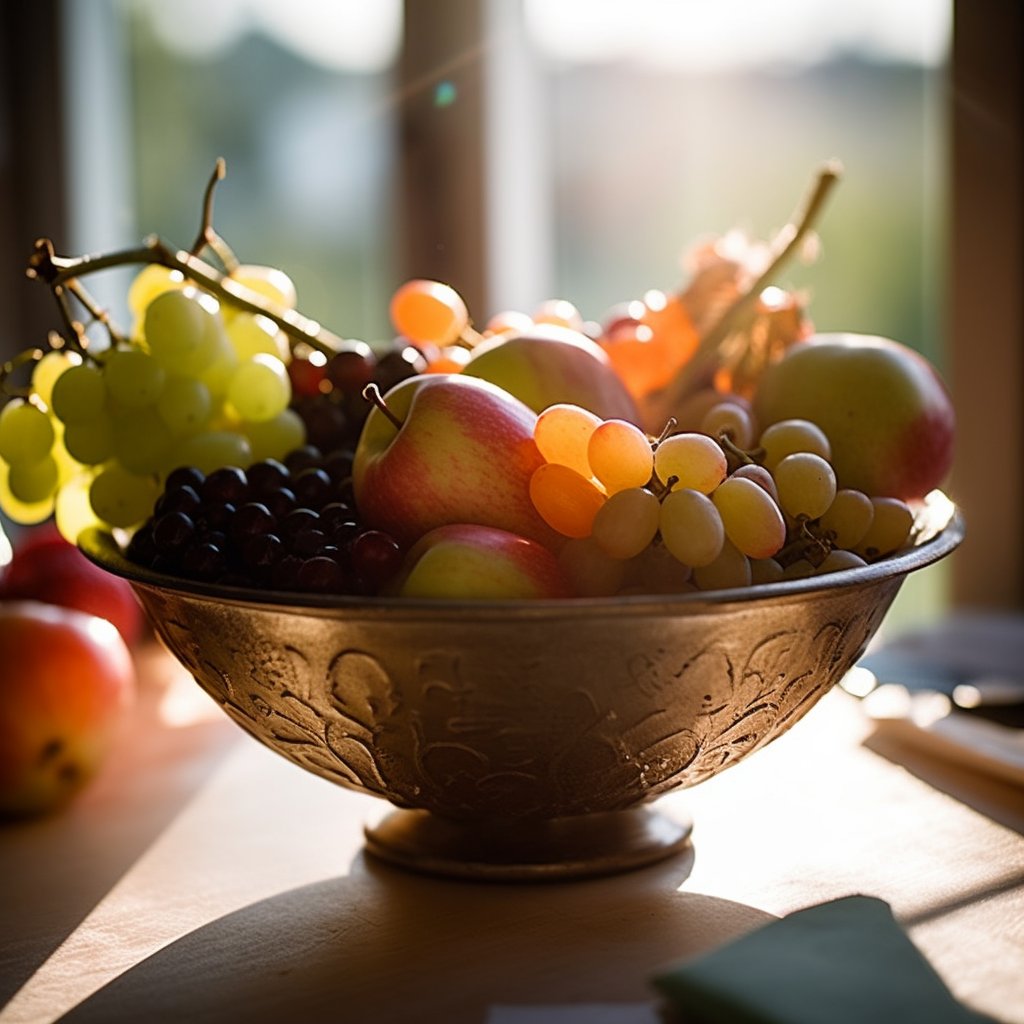
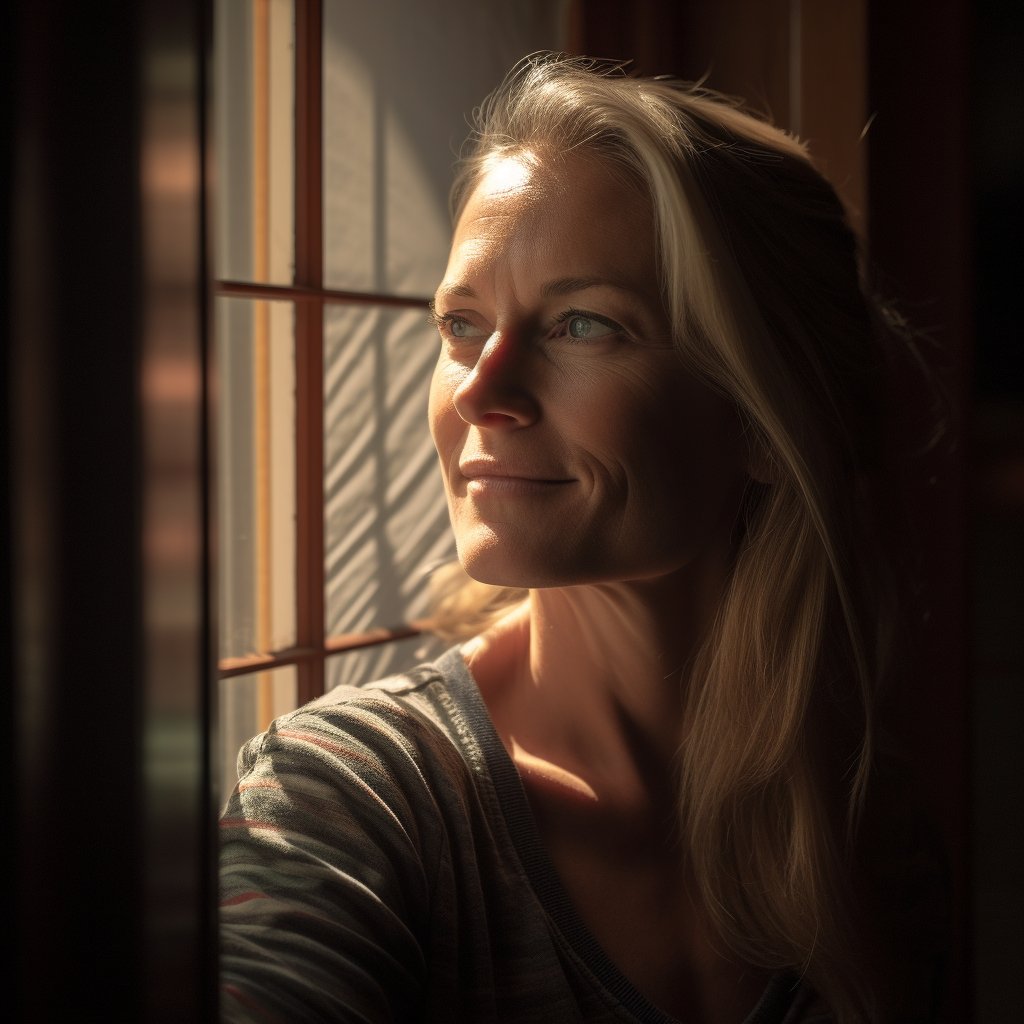
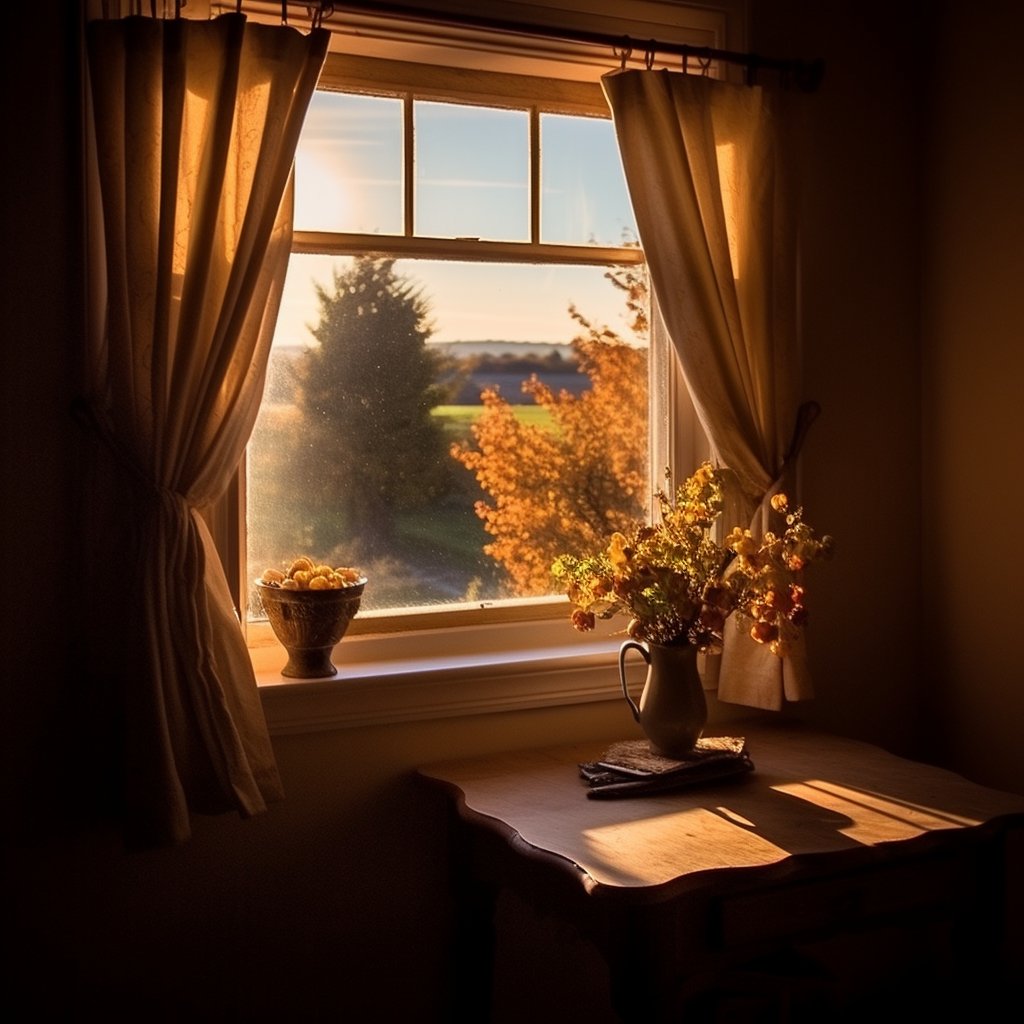
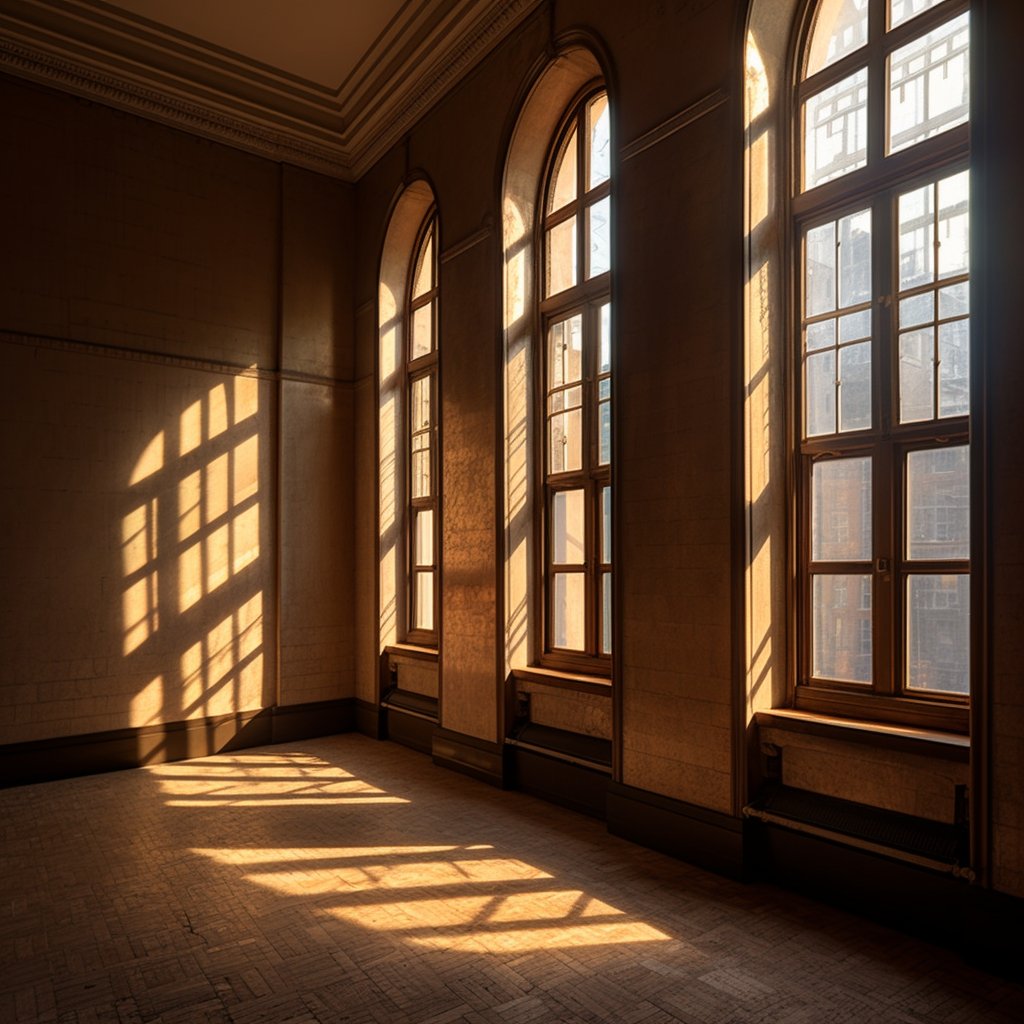
12. Window Light
Natural light coming through a window can create a soft, flattering effect. It's versatile and ideal for portraiture, still life, and indoor scenes.
Natural light coming through a window can create a soft, flattering effect. It's versatile and ideal for portraiture, still life, and indoor scenes.

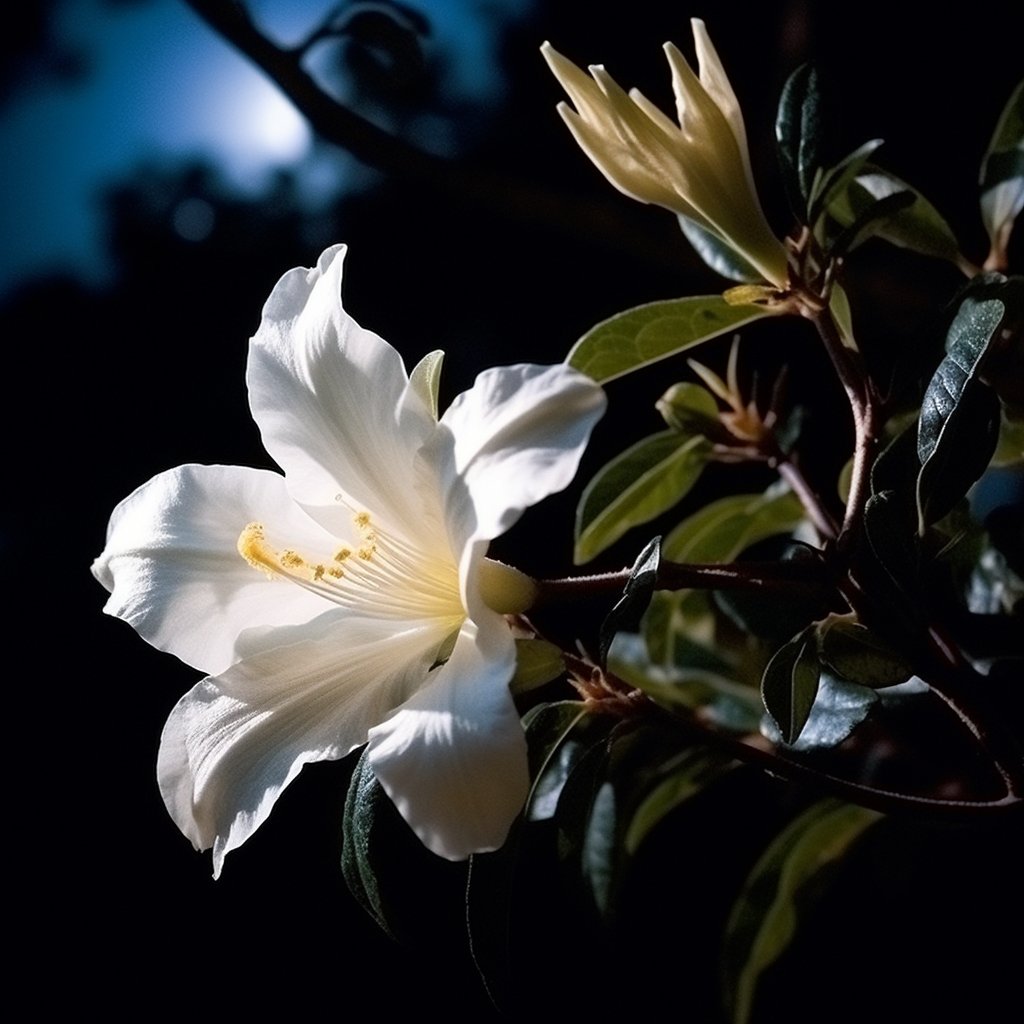
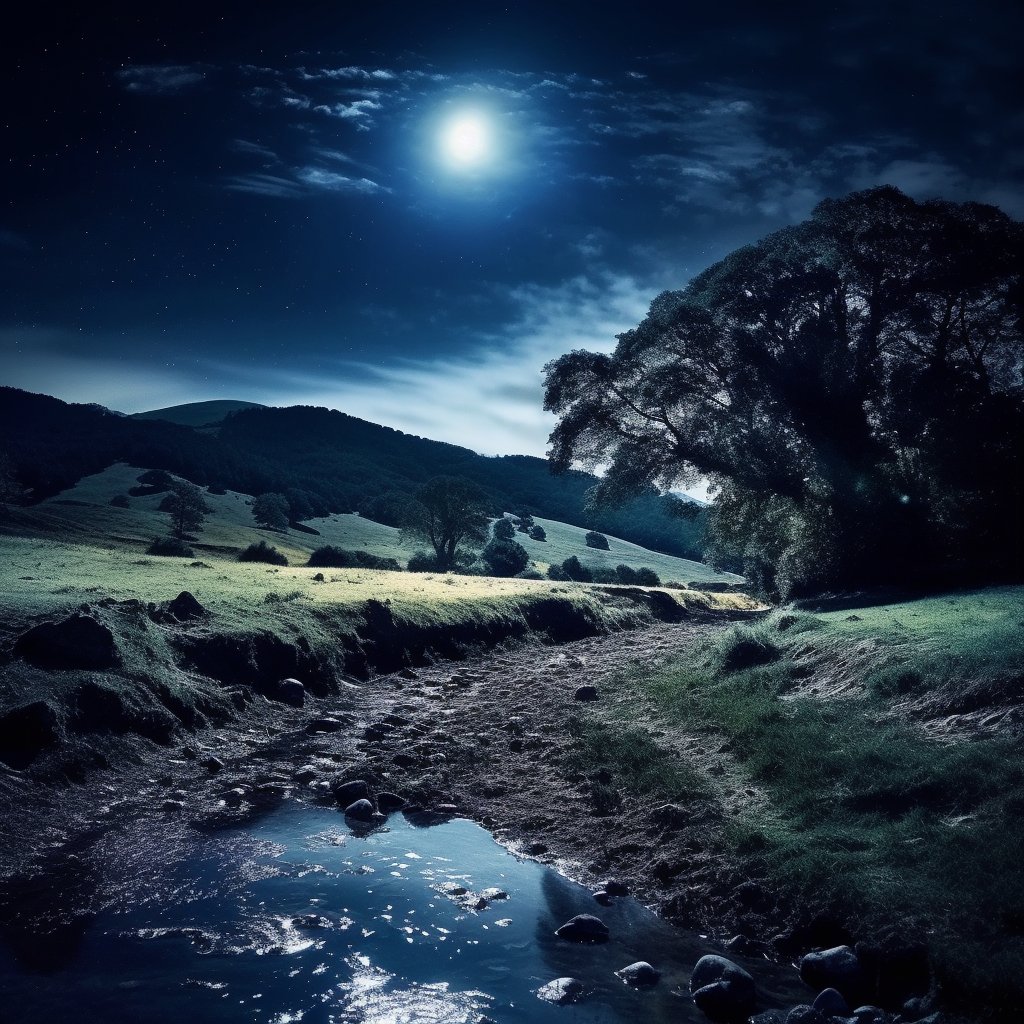
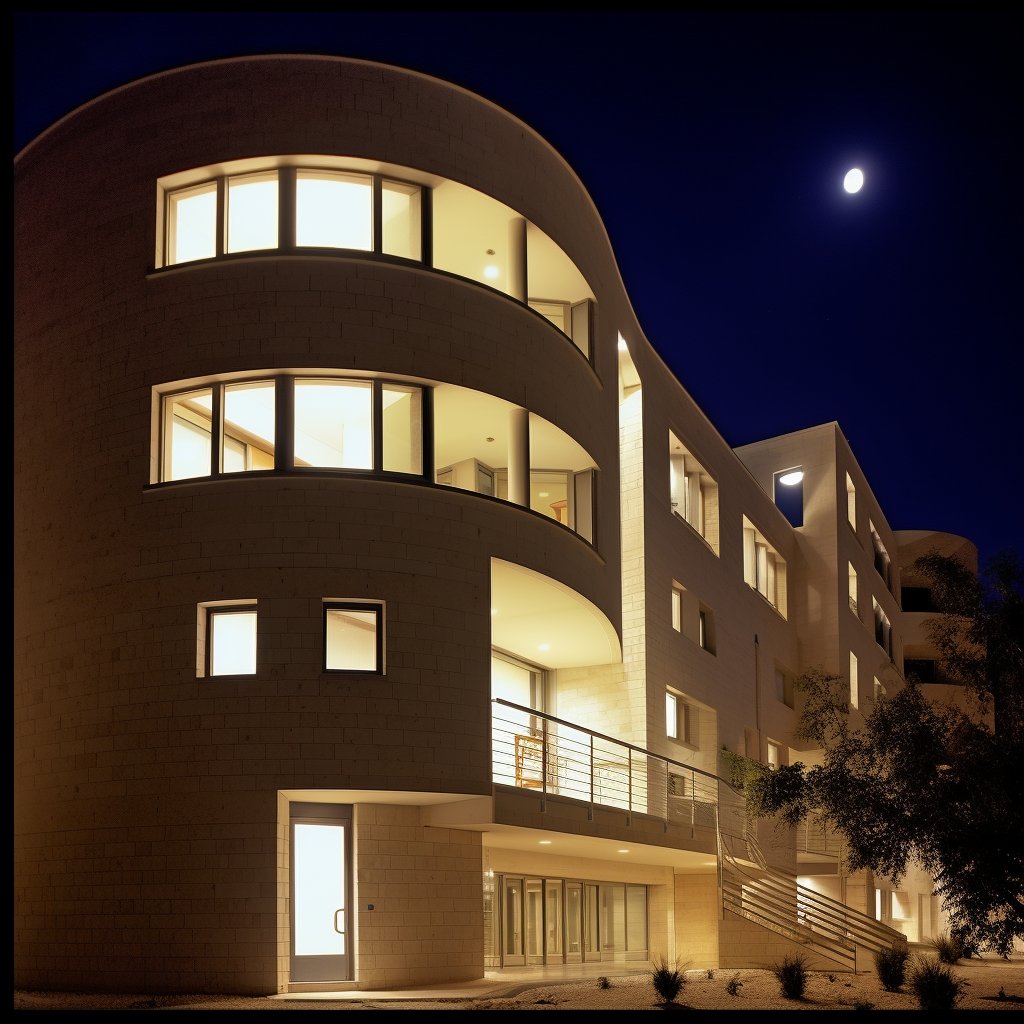
13. Lit by Moonlight
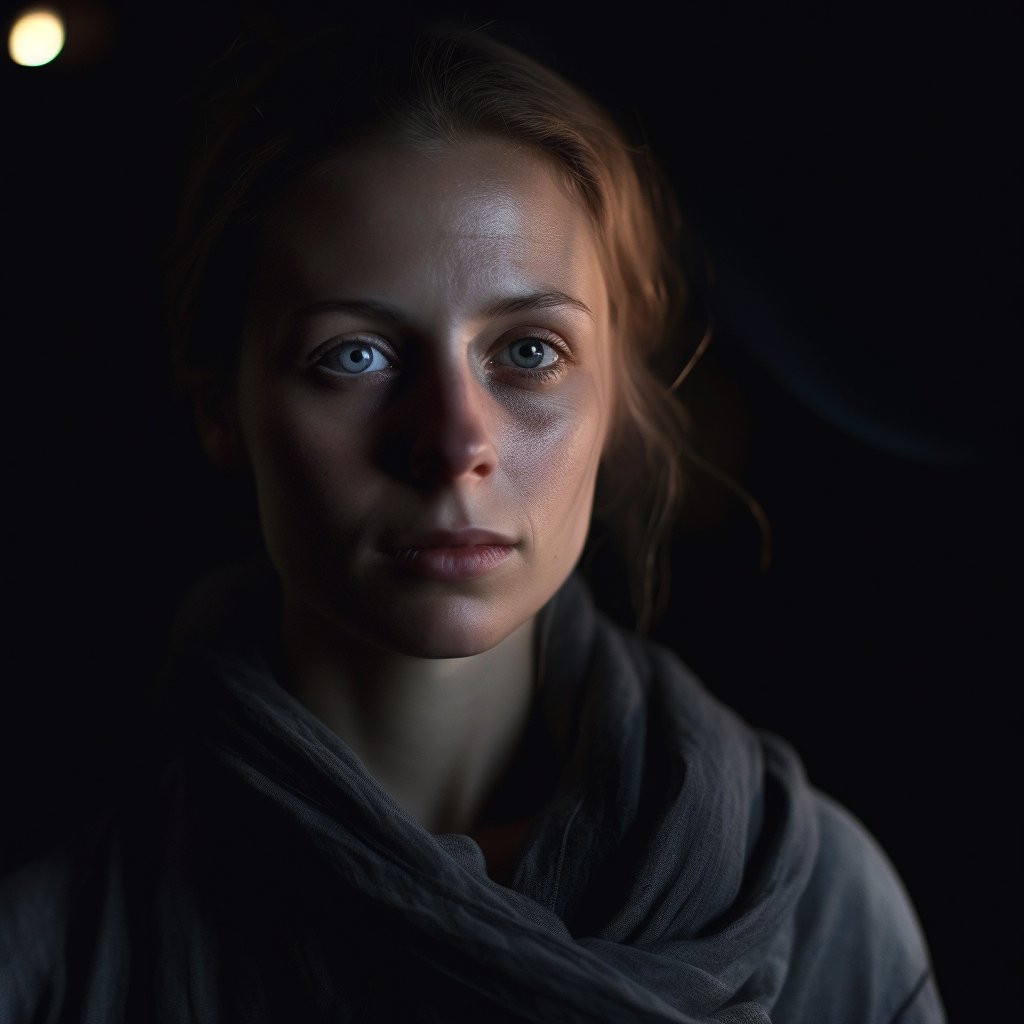
This low, diffused light can create a moody, ethereal, or romantic atmosphere. It's used for nighttime landscape and outdoor photography.
This low, diffused light can create a moody, ethereal, or romantic atmosphere. It's used for nighttime landscape and outdoor photography.
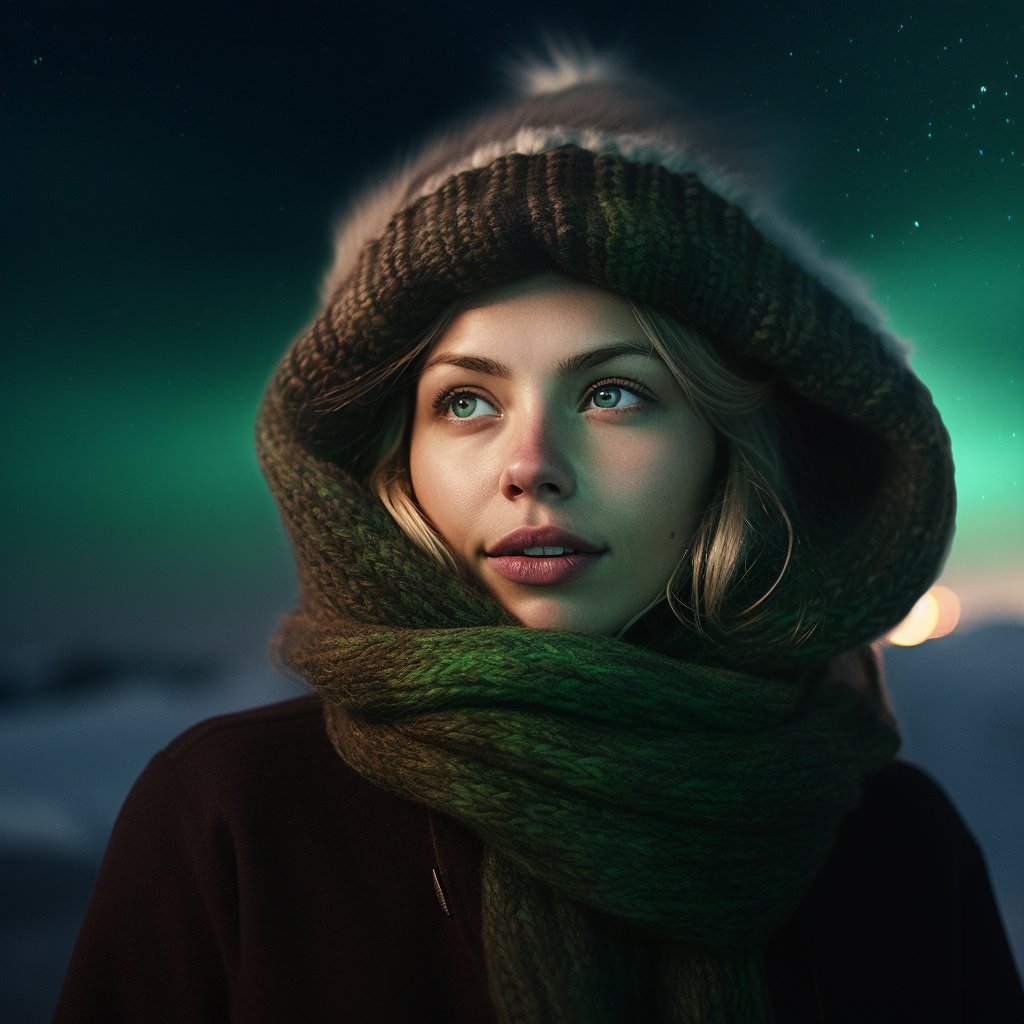
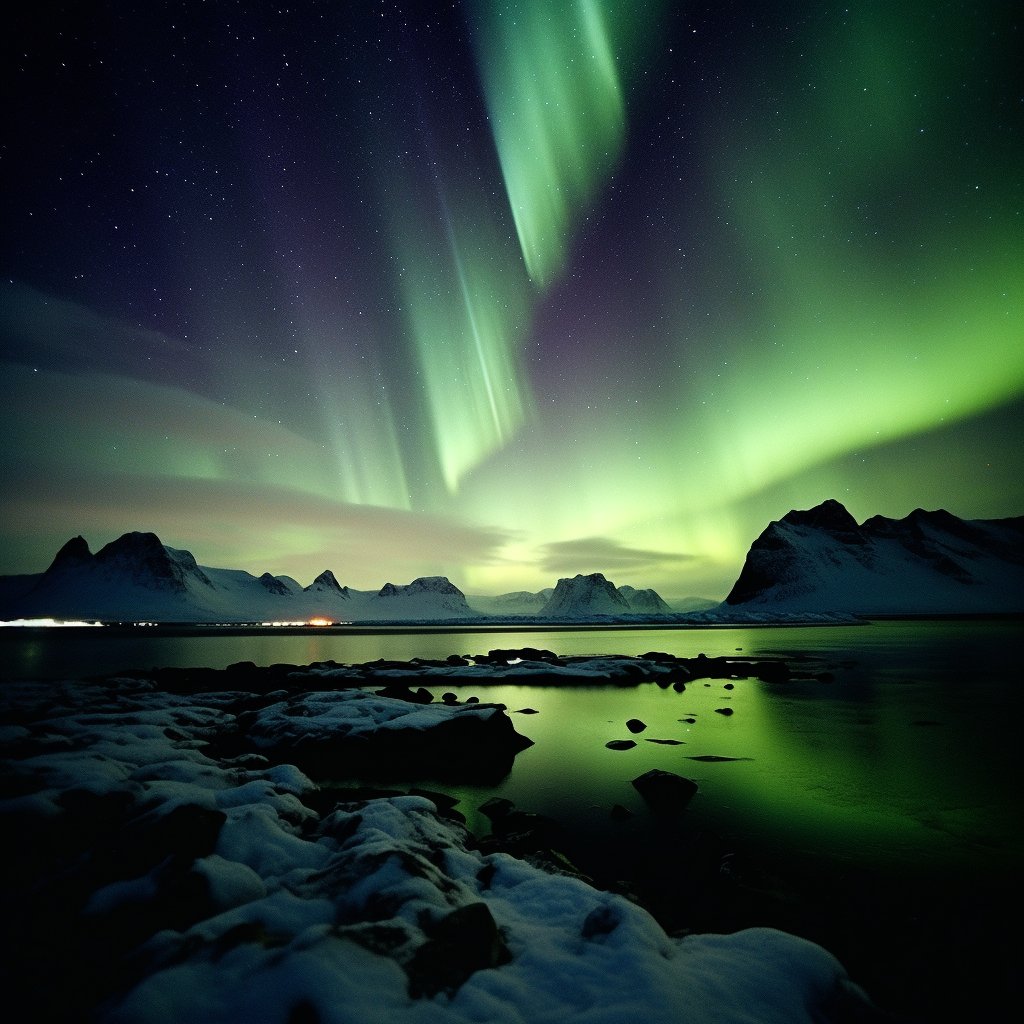
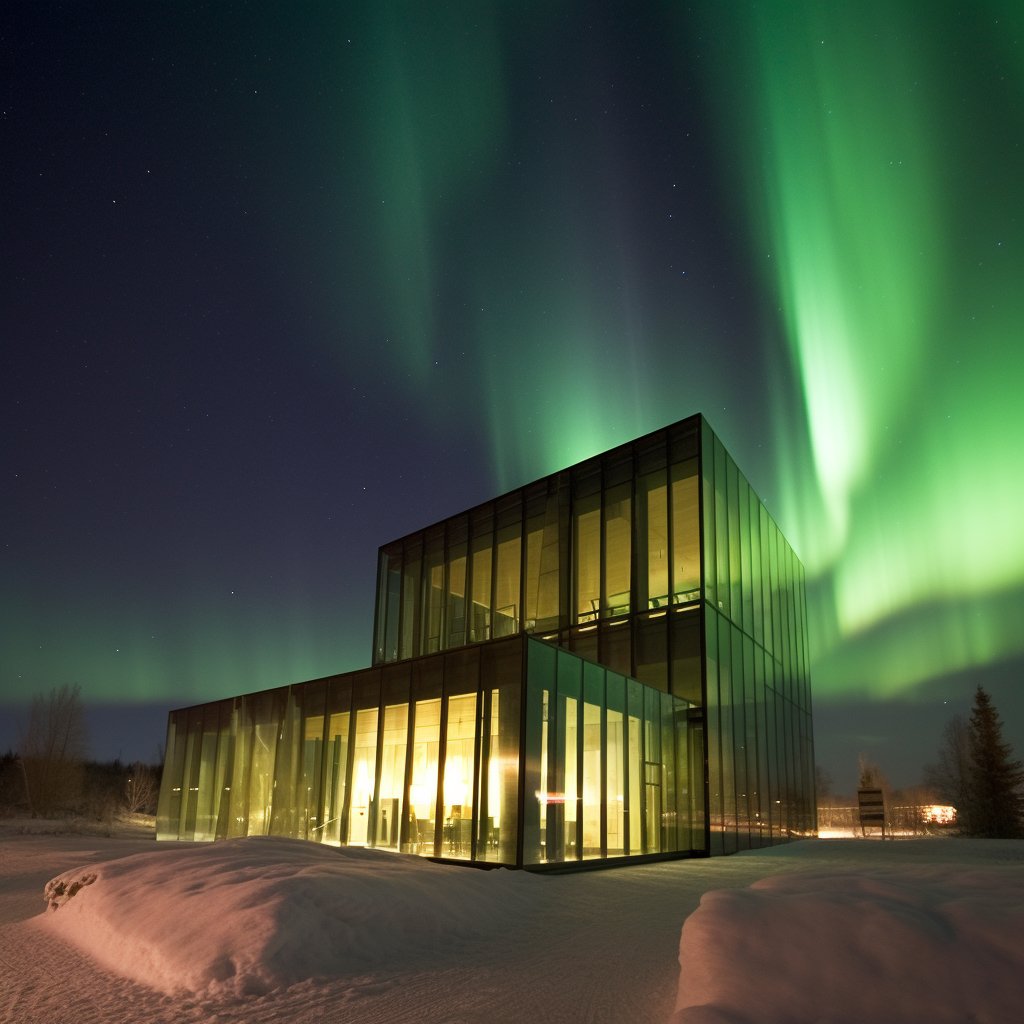
14. Lit by Aurora Borealis (Northern Lights)
This natural light display in Earth's polar regions creates beautiful, colorful waves of light in the sky. It's great for creating stunning night landscape photography.
This natural light display in Earth's polar regions creates beautiful, colorful waves of light in the sky. It's great for creating stunning night landscape photography.
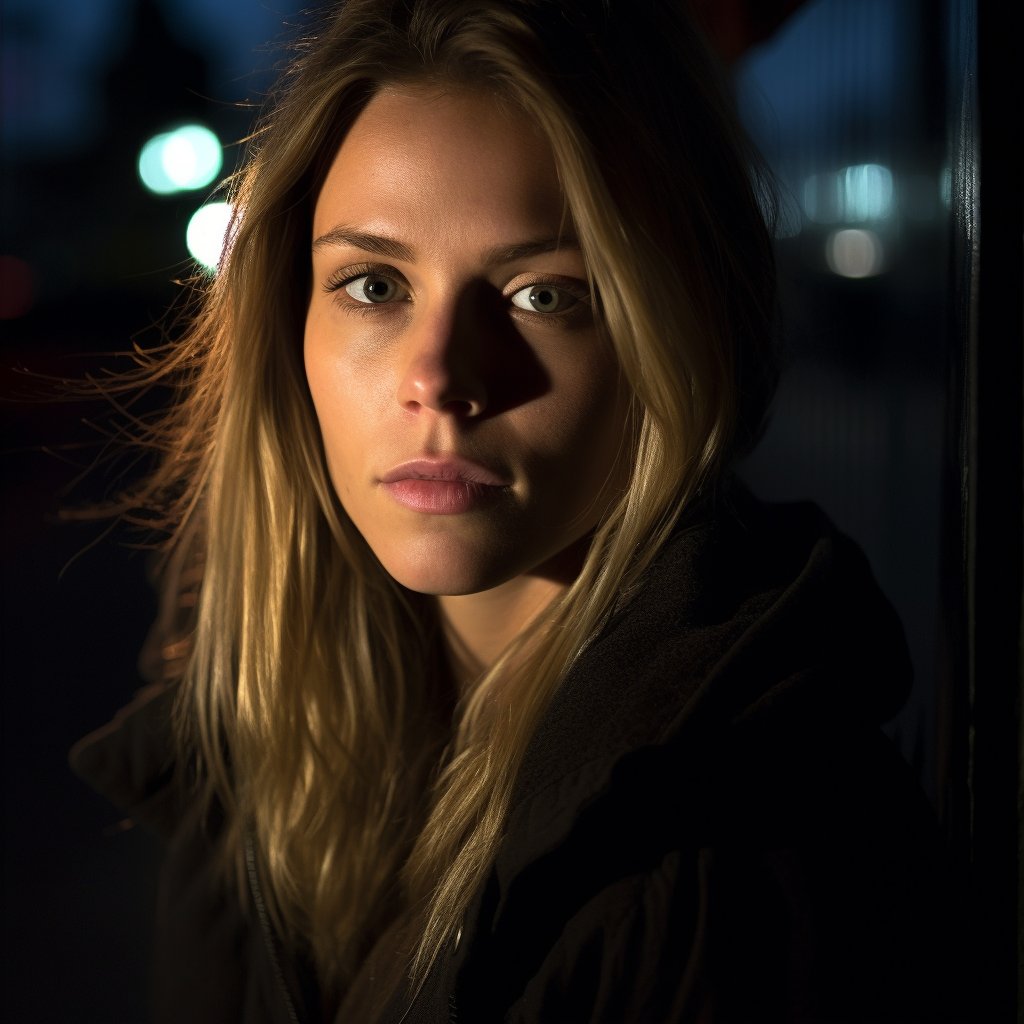
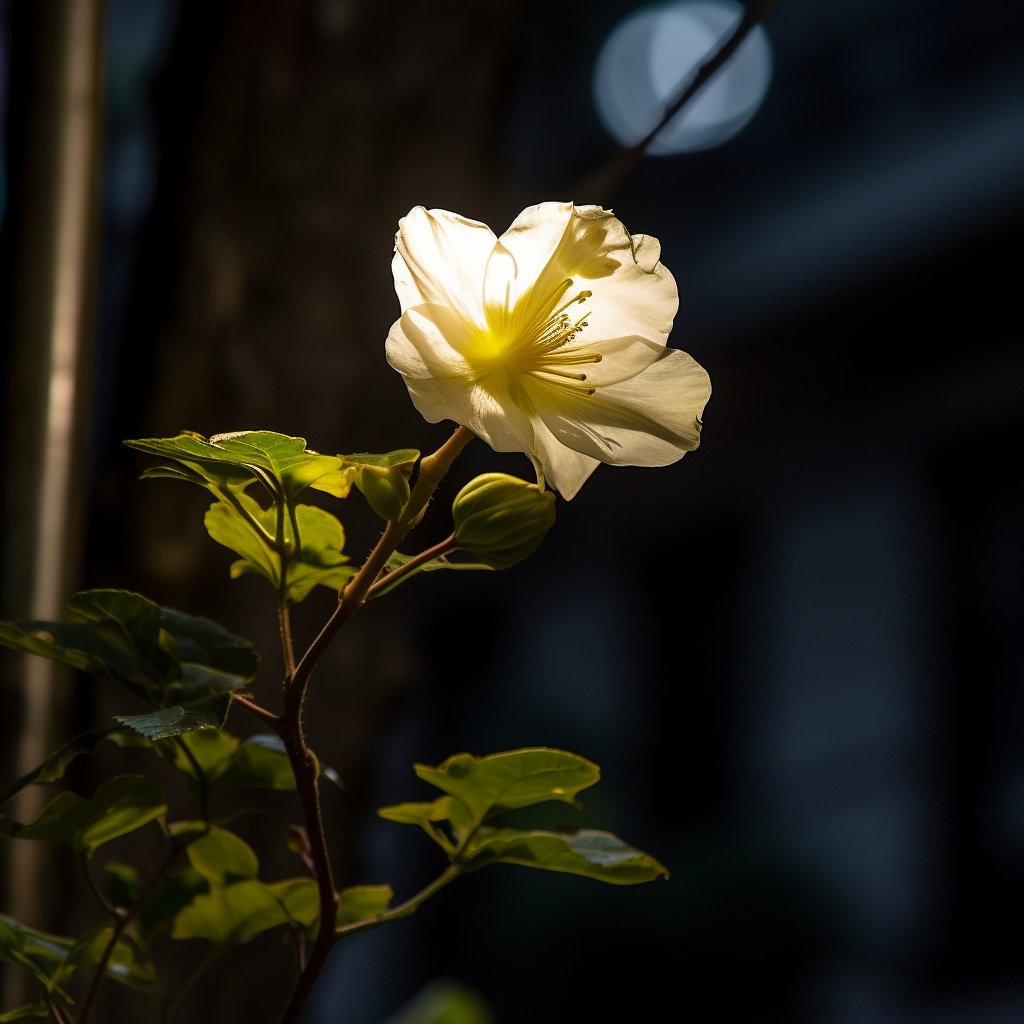
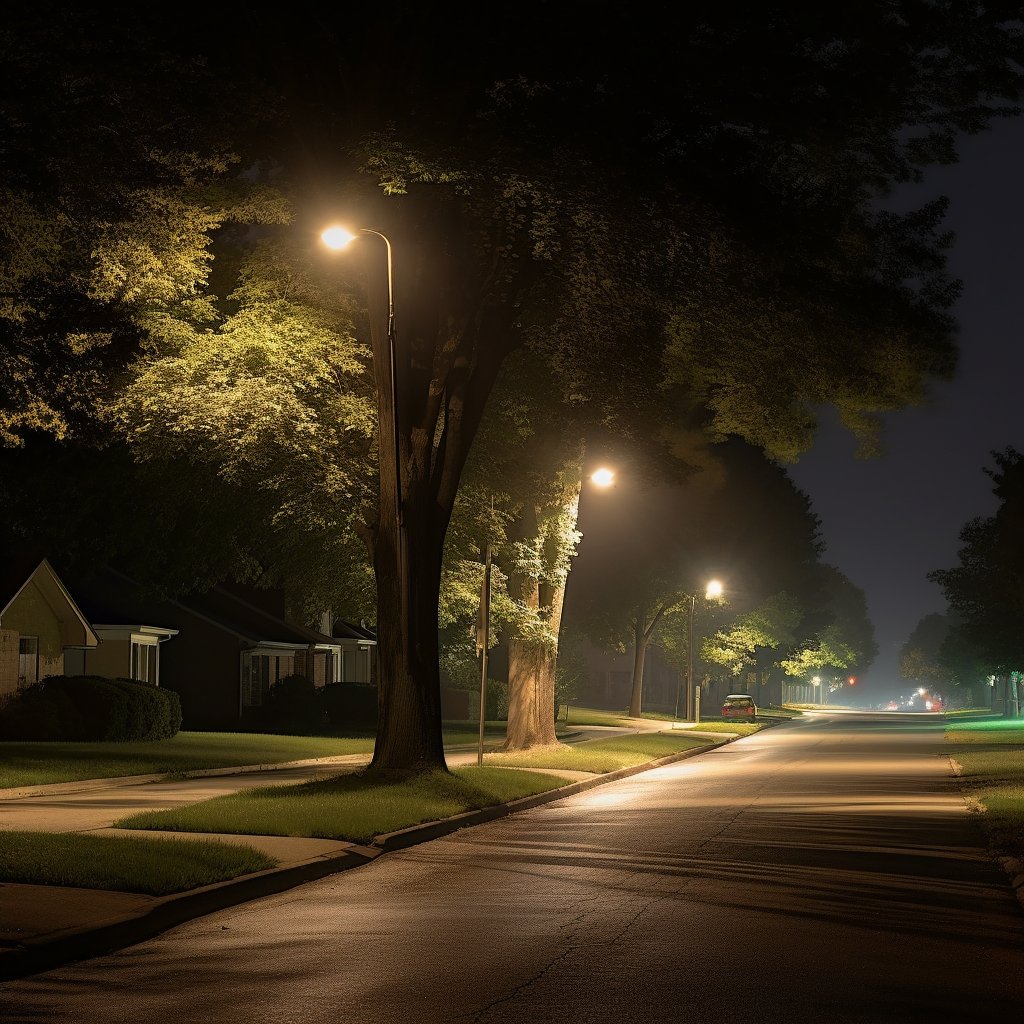
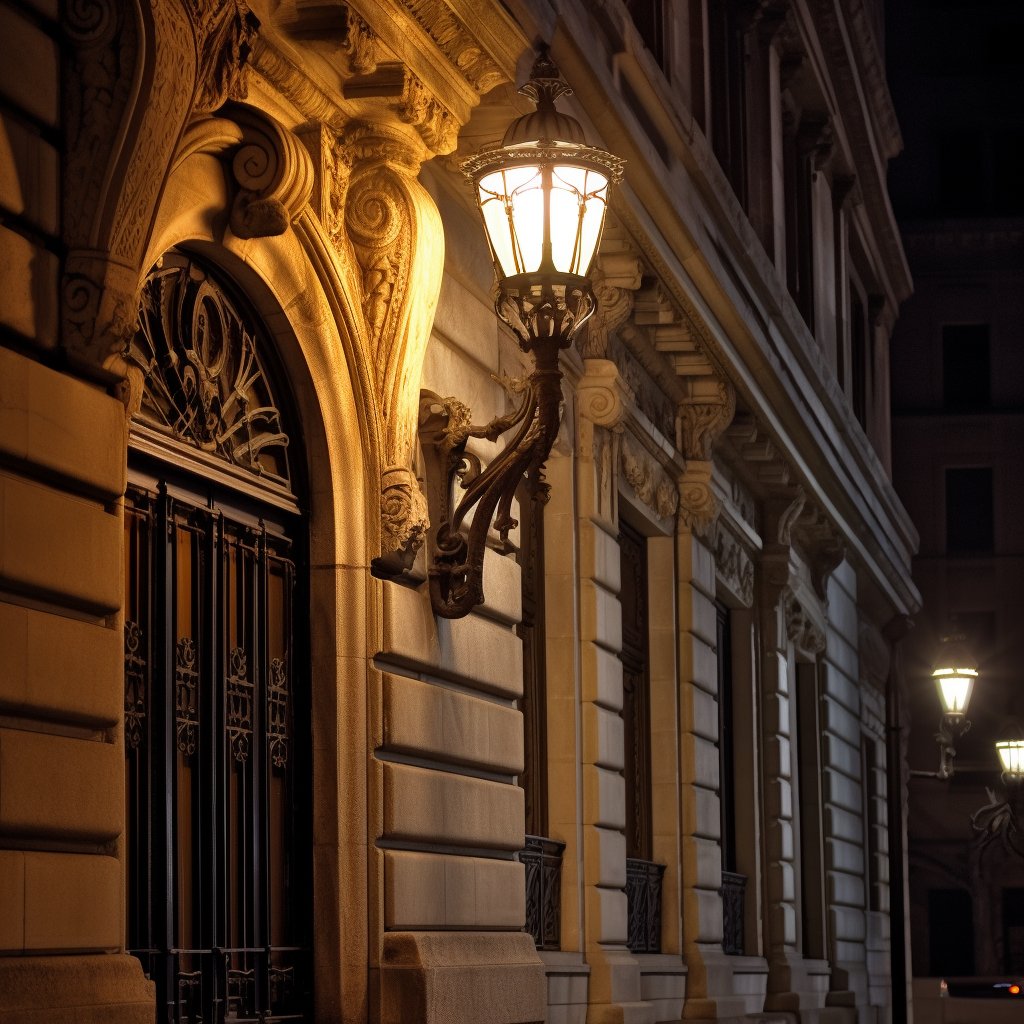
15. Lit by Street Light
Artificial city light can create atmospheric urban scenes or portraits with a gritty, real feel.
Artificial city light can create atmospheric urban scenes or portraits with a gritty, real feel.
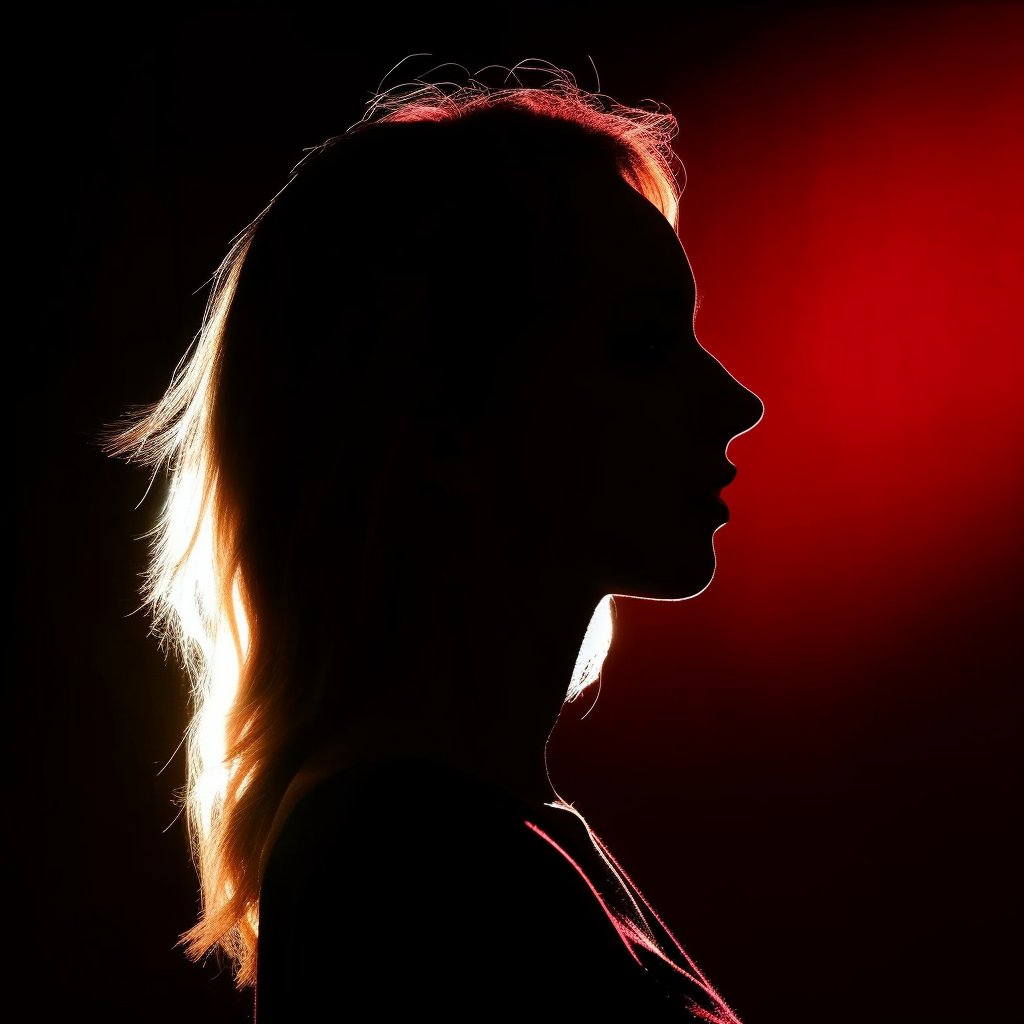
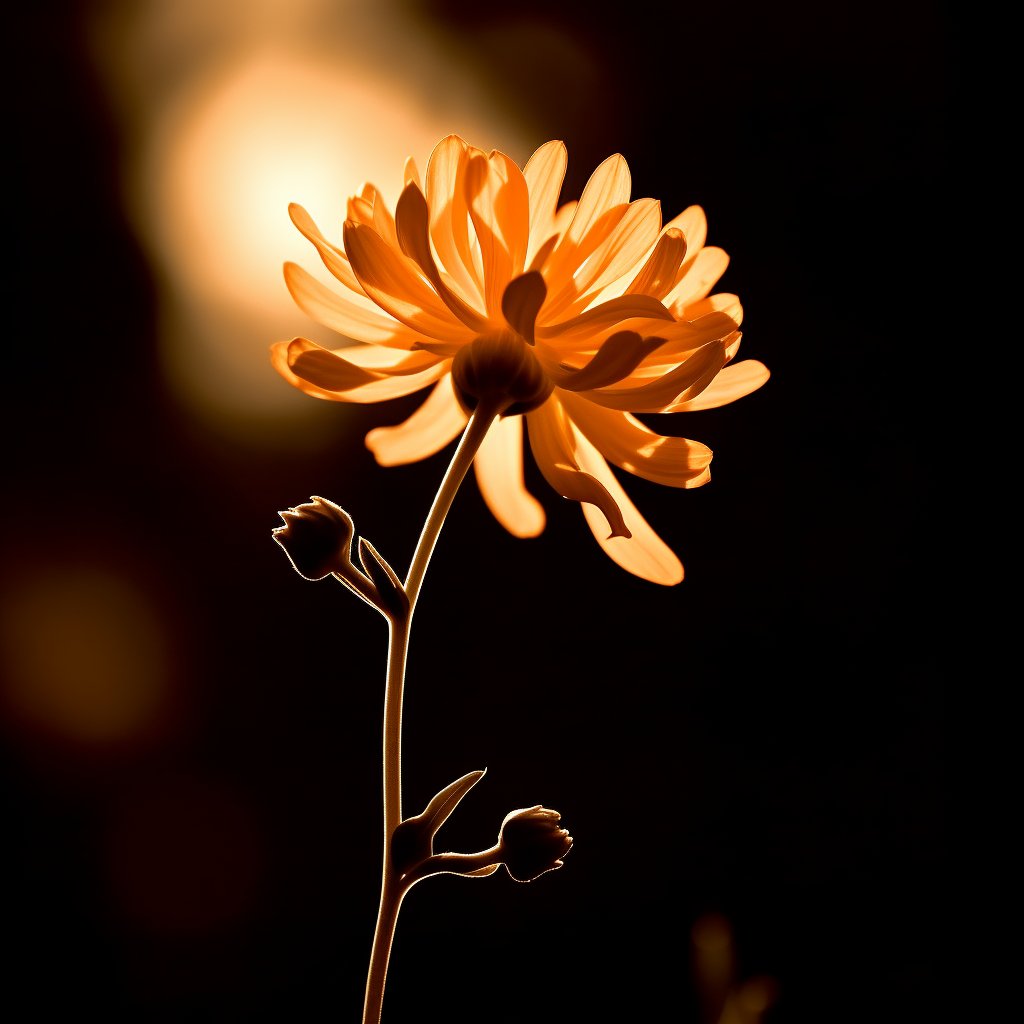
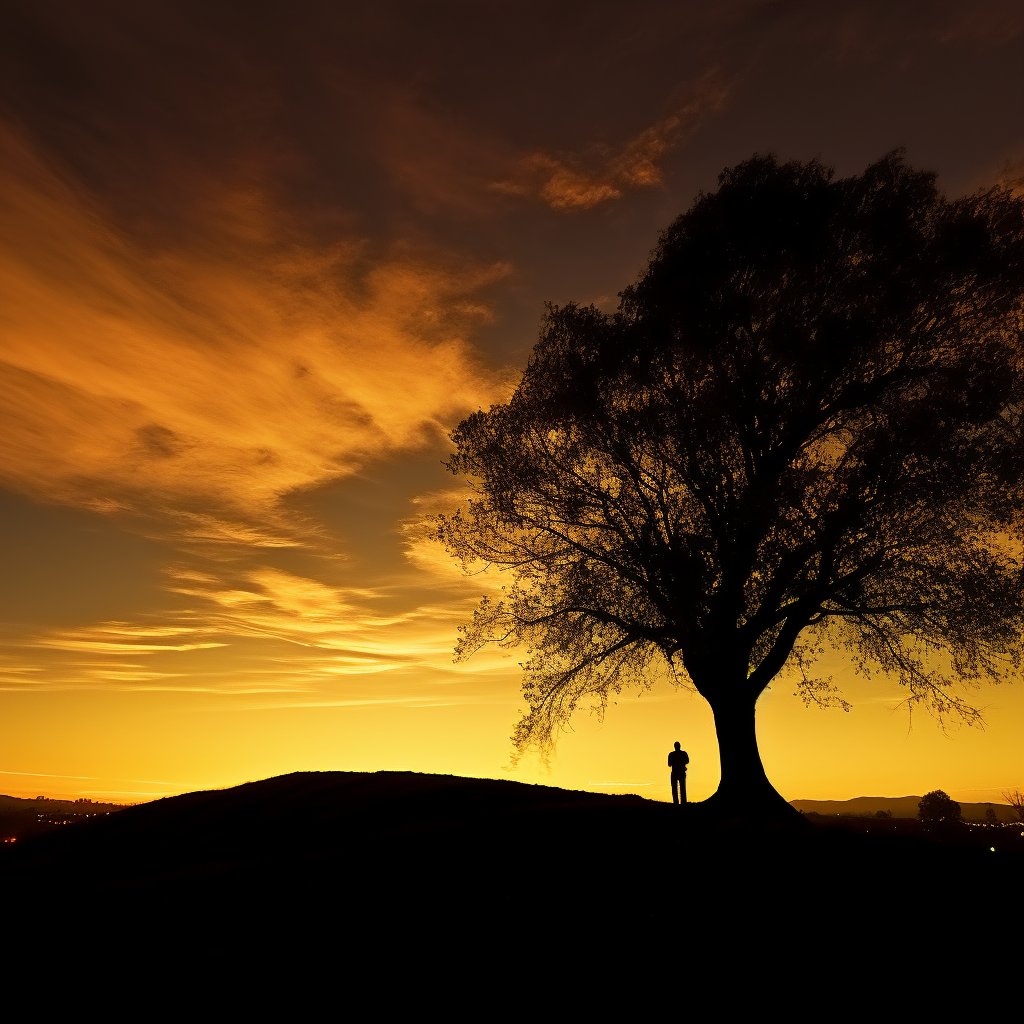
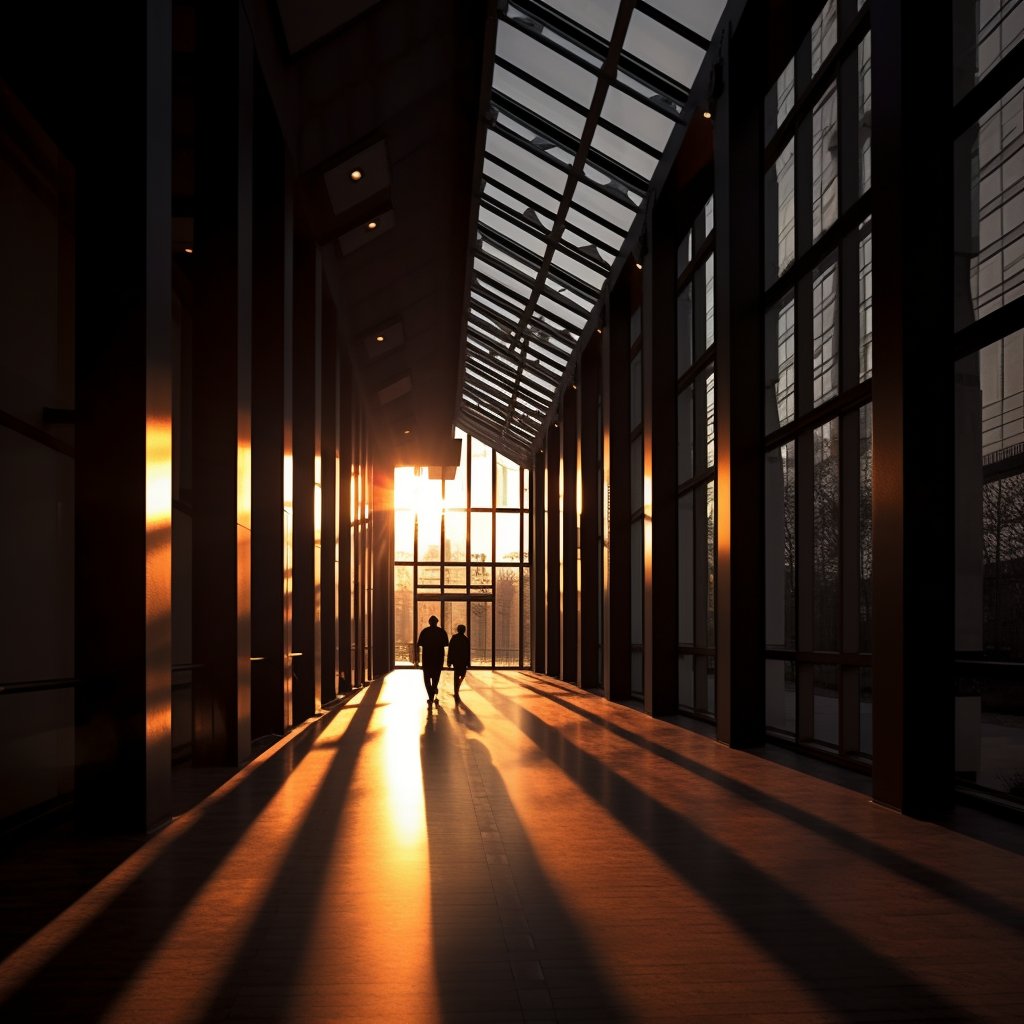
16. Silhouette Lighting
This involves backlighting the subject against a brighter background, reducing the subject to a black outline. It's used to create dramatic scenes or to focus on form and shape.
This involves backlighting the subject against a brighter background, reducing the subject to a black outline. It's used to create dramatic scenes or to focus on form and shape.
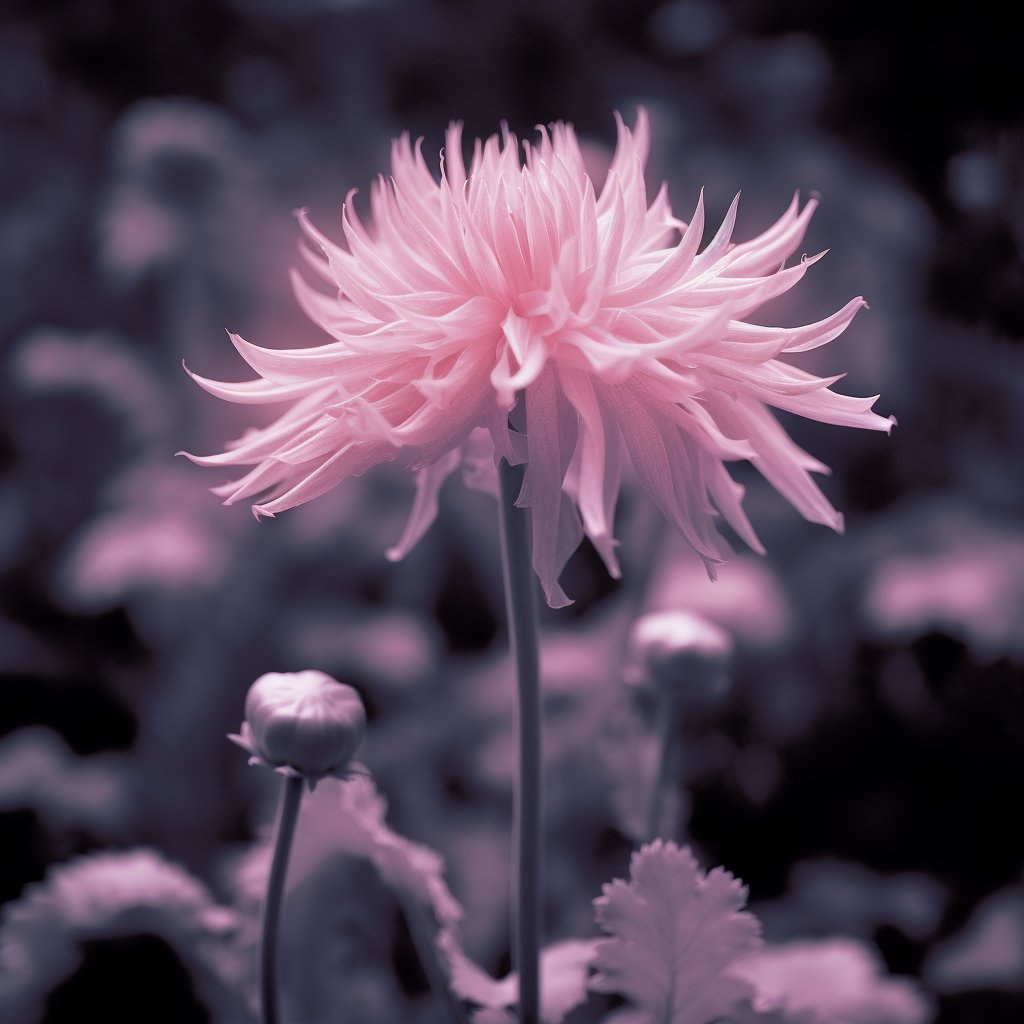
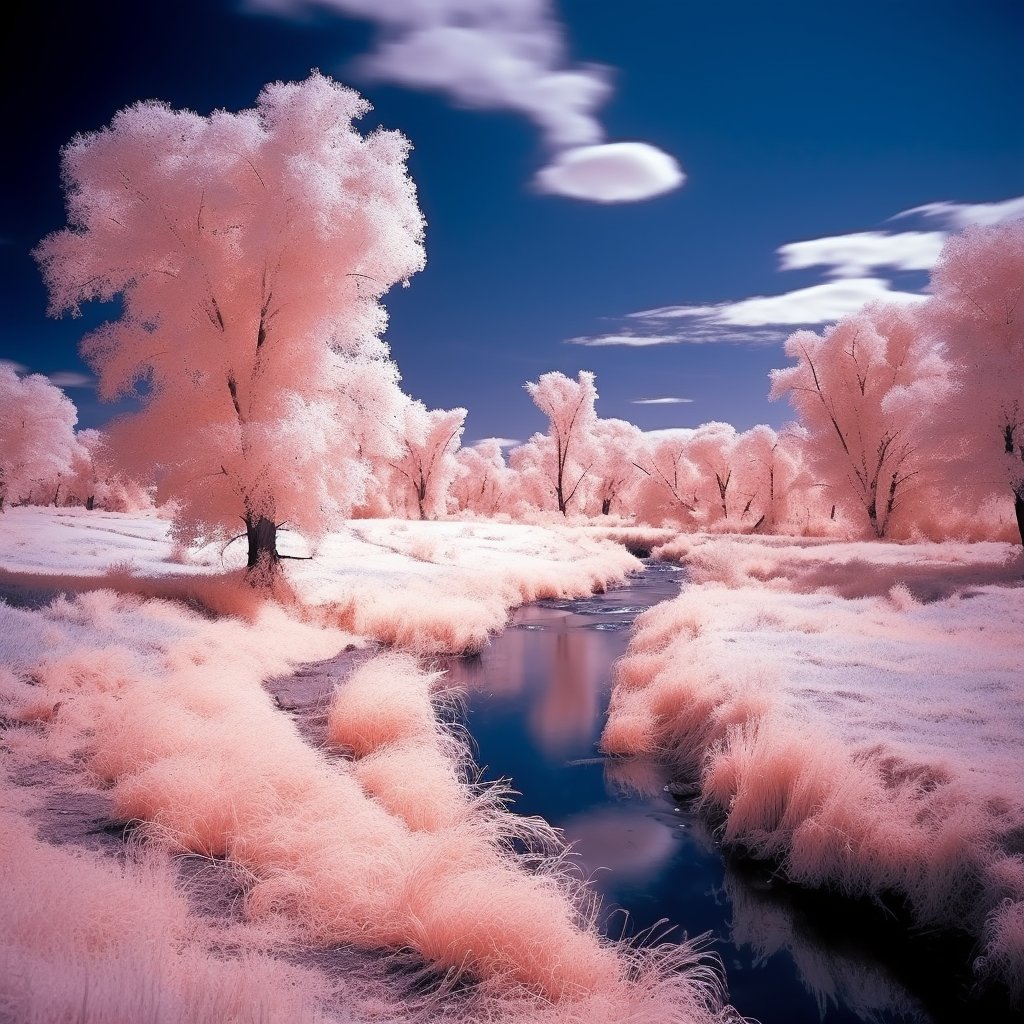
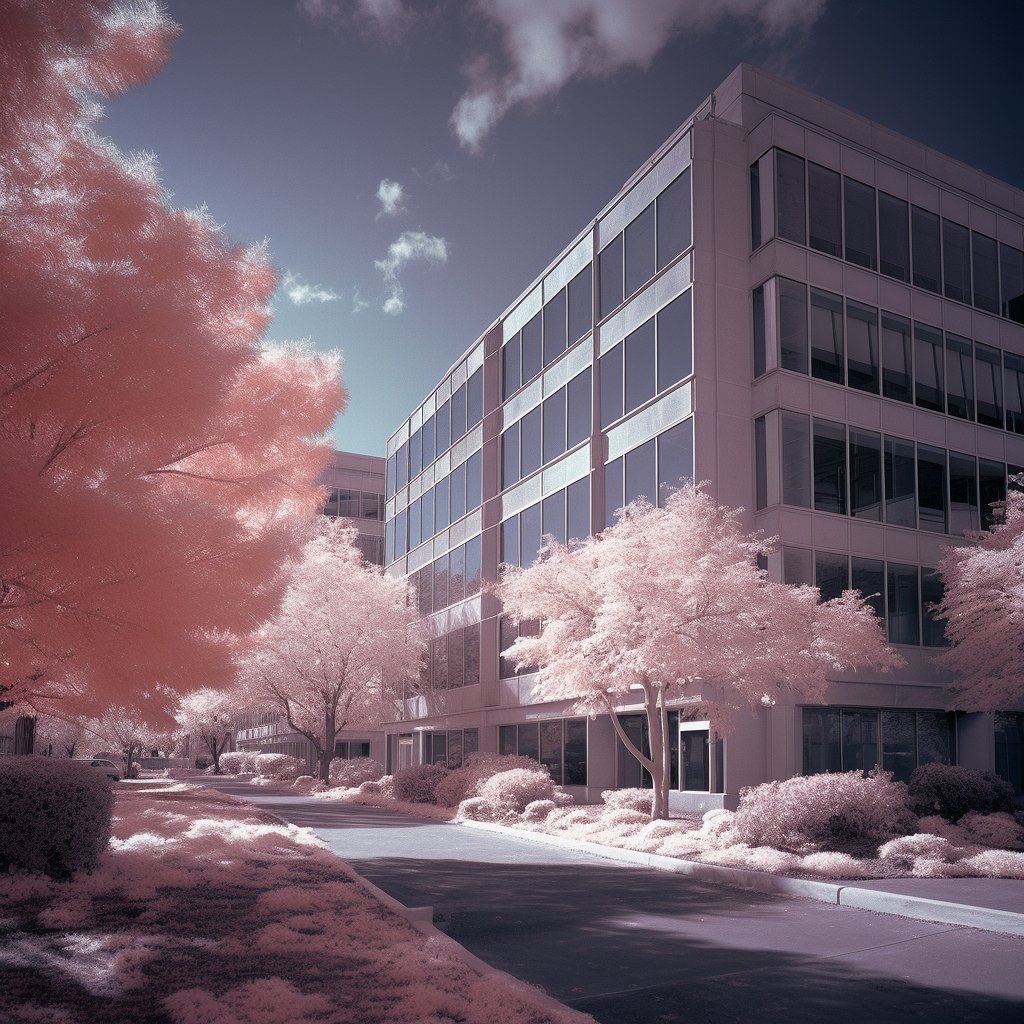
17. Infrared Light
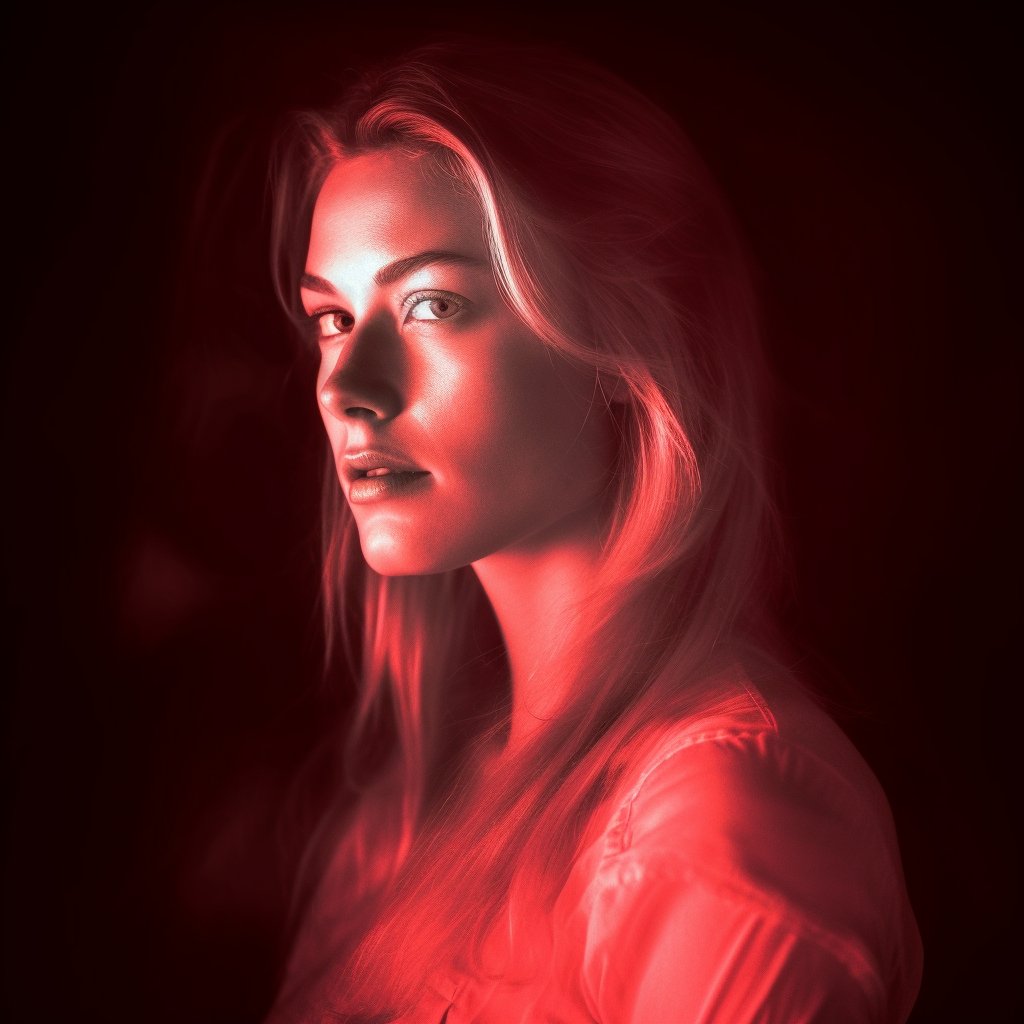
This involves capturing light beyond the visible spectrum. It's used for unique, surreal landscape or artistic photography.
This involves capturing light beyond the visible spectrum. It's used for unique, surreal landscape or artistic photography.
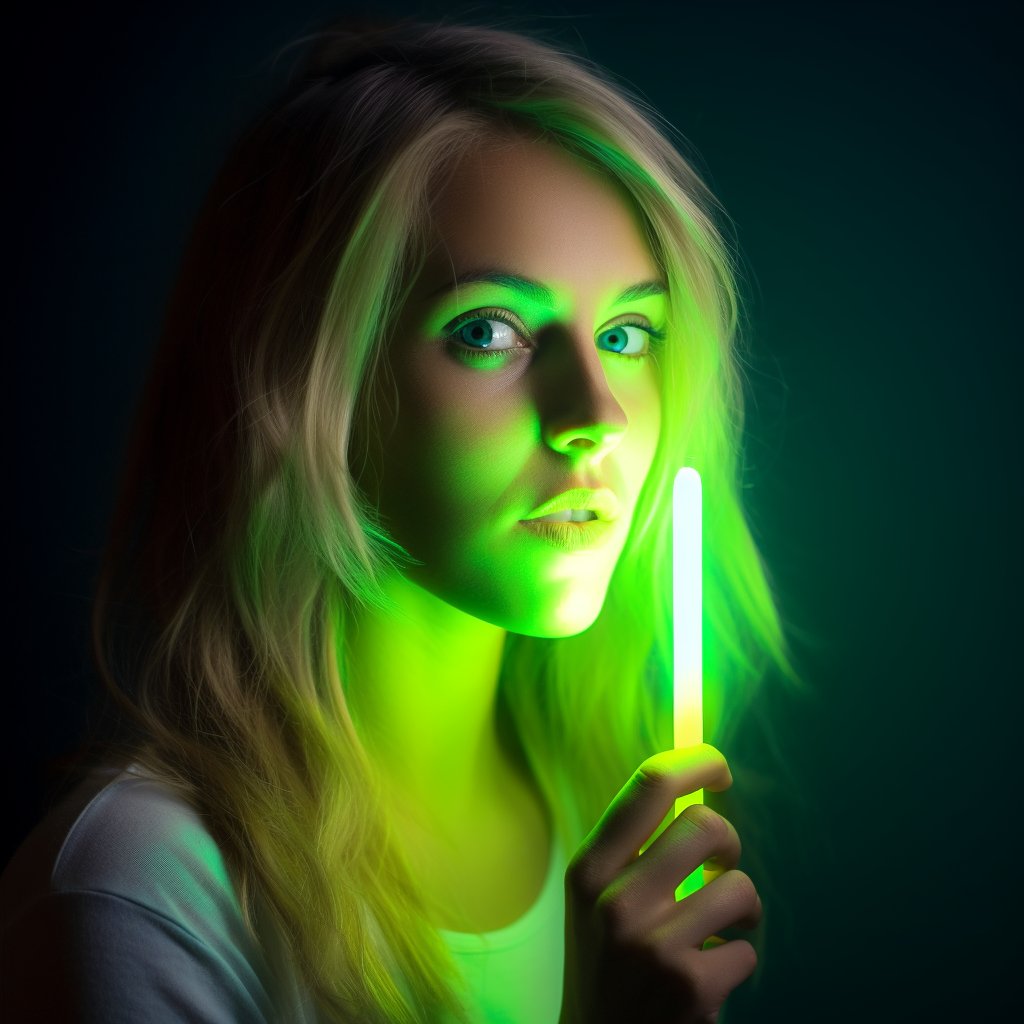
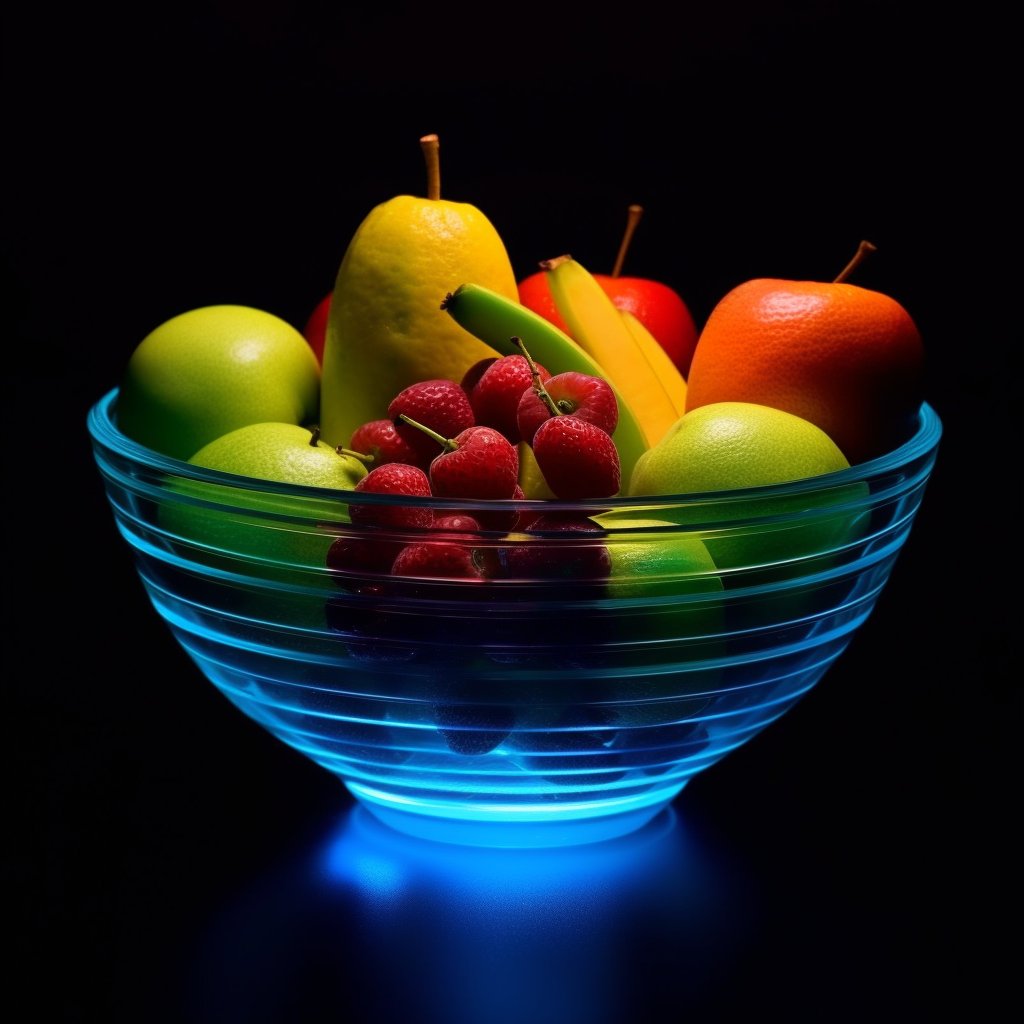
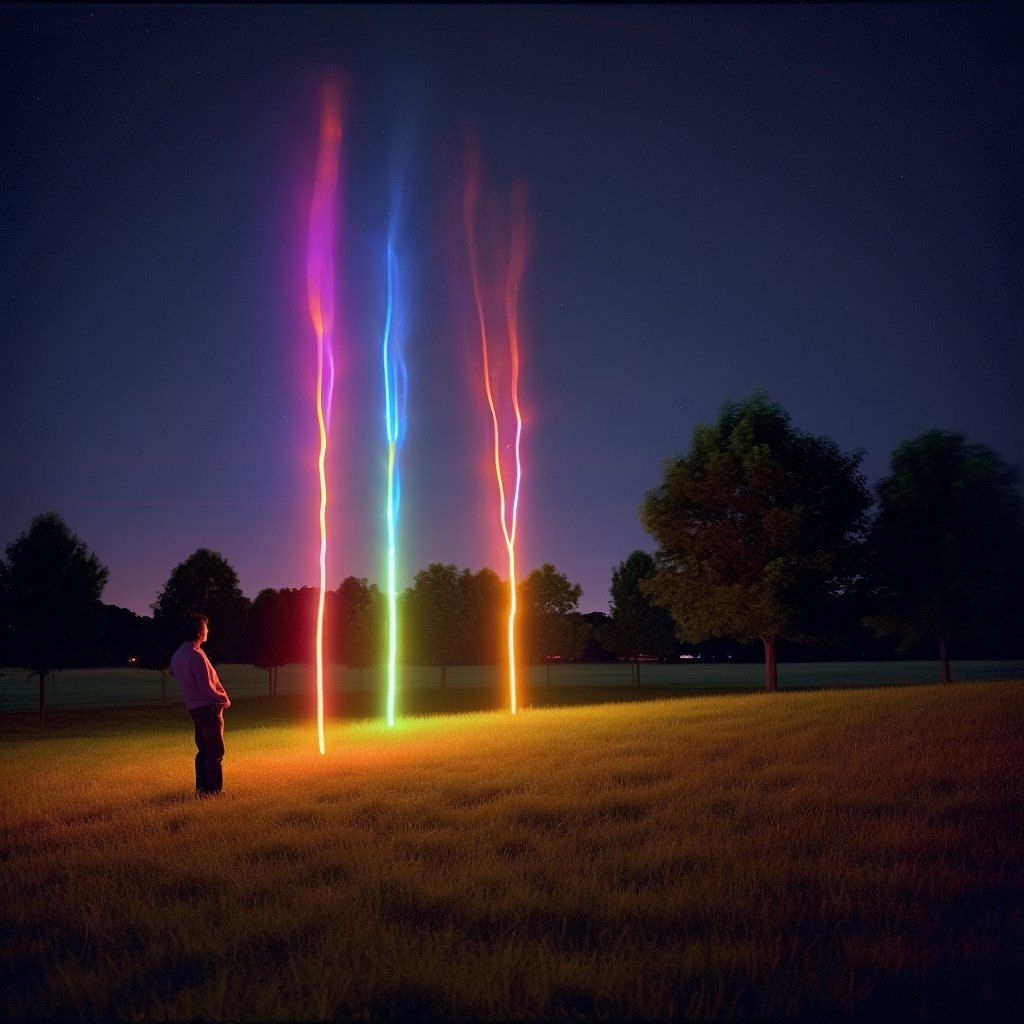
18. Glow Stick Lighting
Glow sticks provide vibrant, neon-like light, ideal for concert photography, light painting, and creating energetic, festive atmospheres.
Glow sticks provide vibrant, neon-like light, ideal for concert photography, light painting, and creating energetic, festive atmospheres.
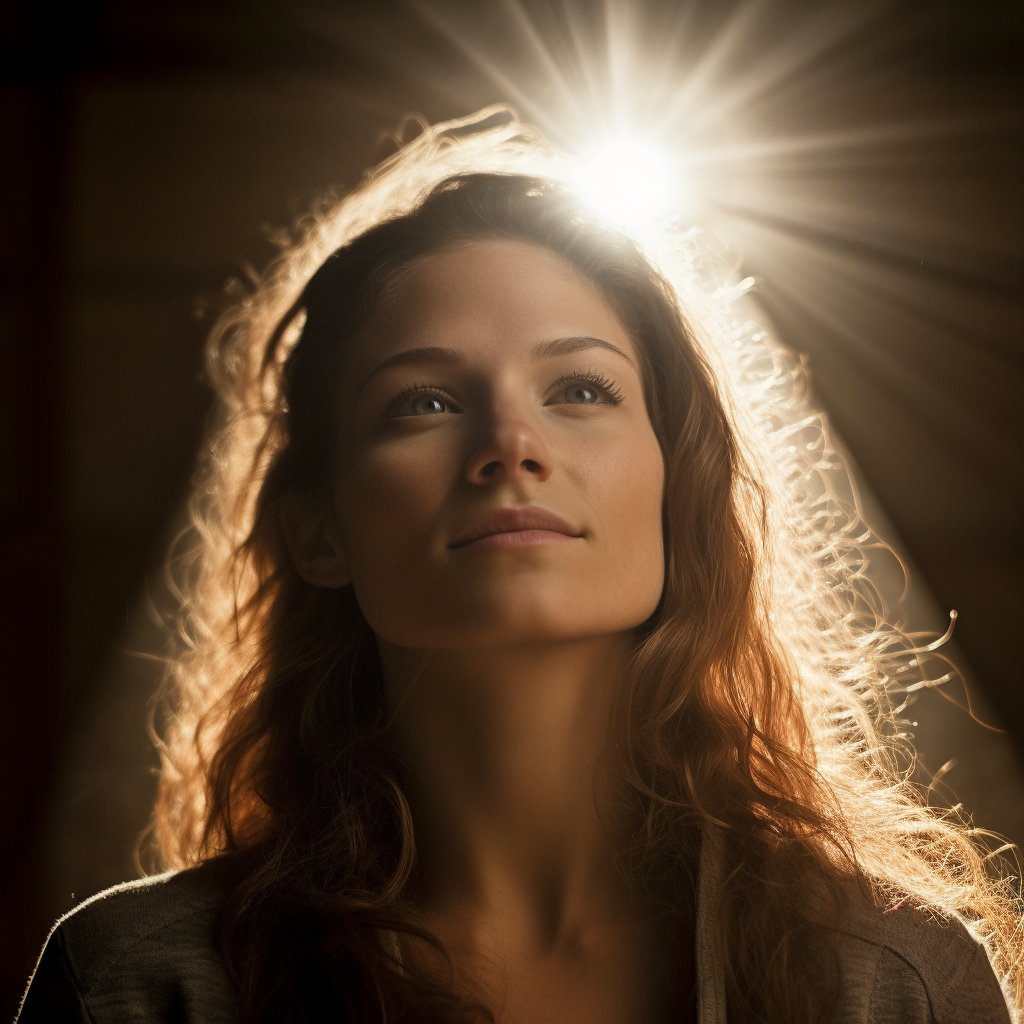
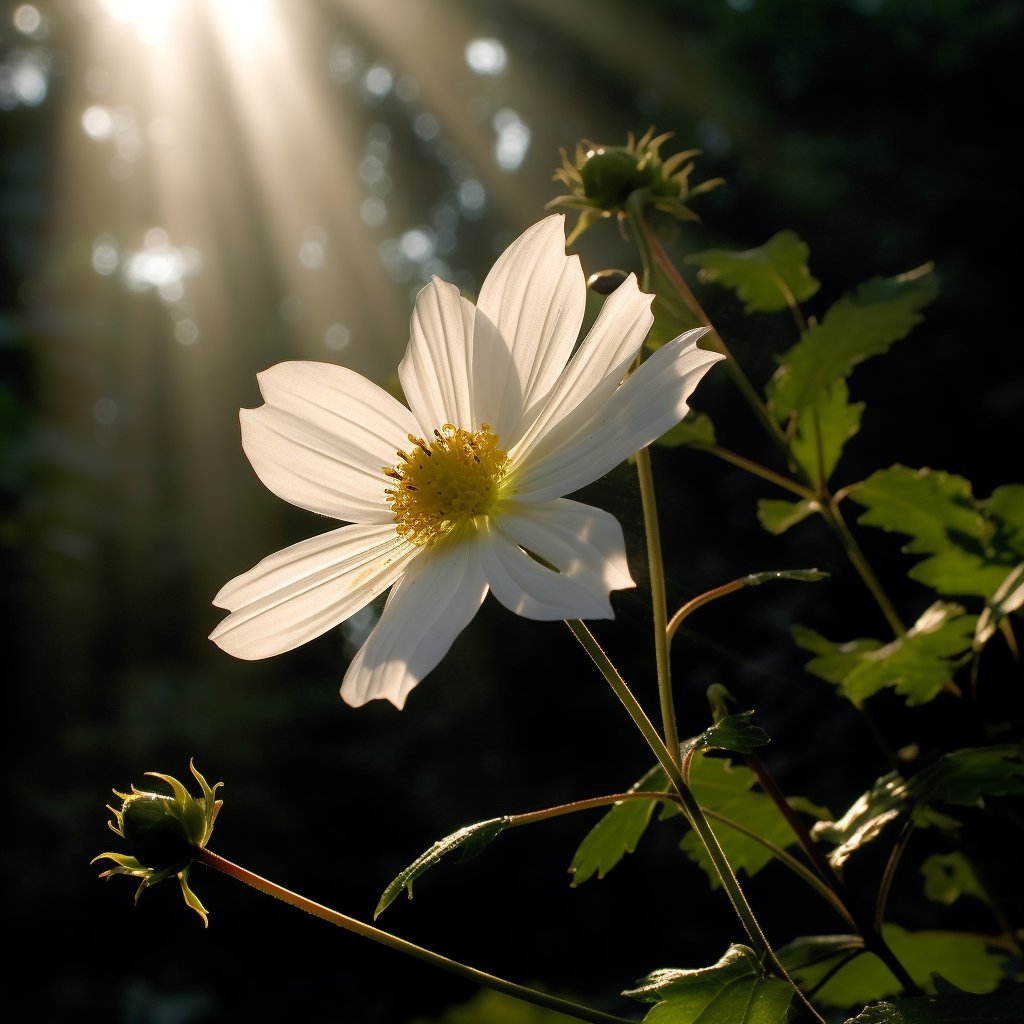
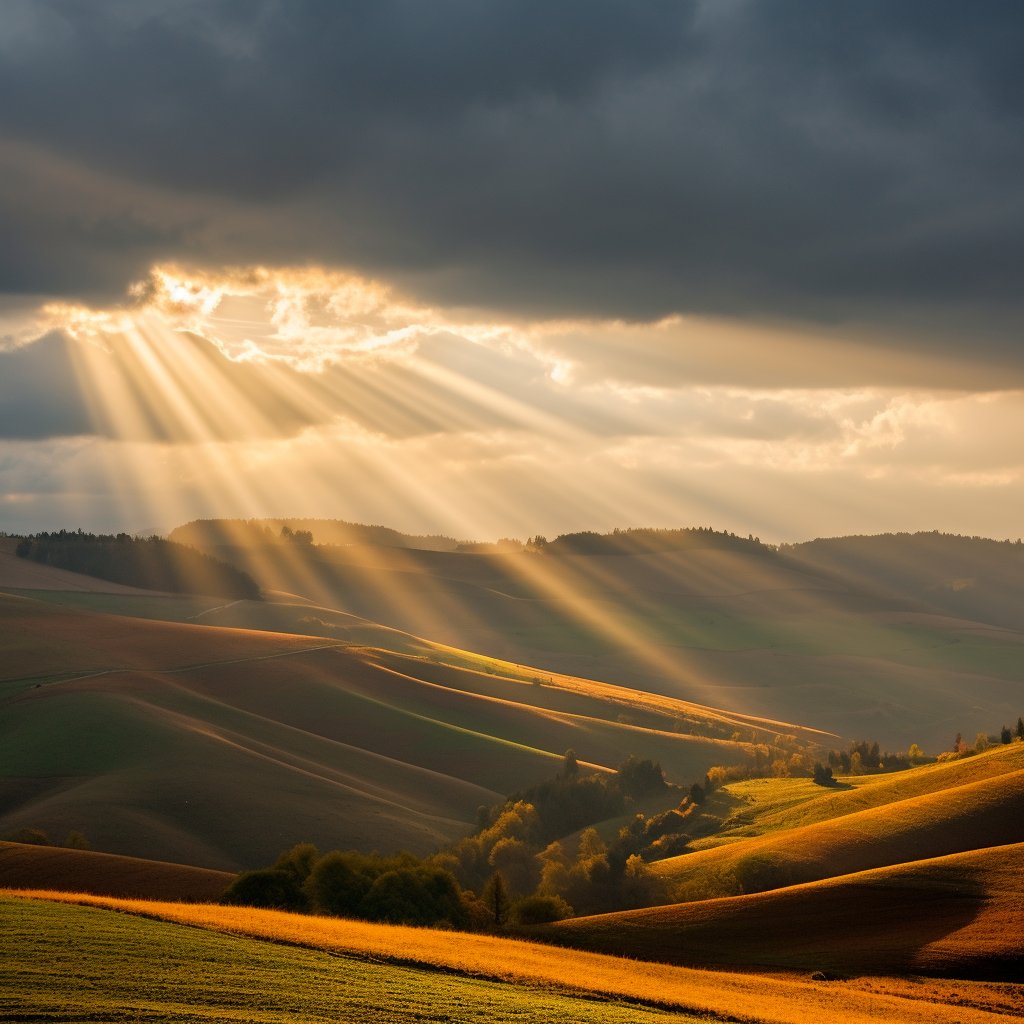
19. Crepuscular Rays (God Rays)
These sunbeam streams create dramatic, ethereal landscapes, perfect for adding depth and an inspirational mood to photography.
These sunbeam streams create dramatic, ethereal landscapes, perfect for adding depth and an inspirational mood to photography.

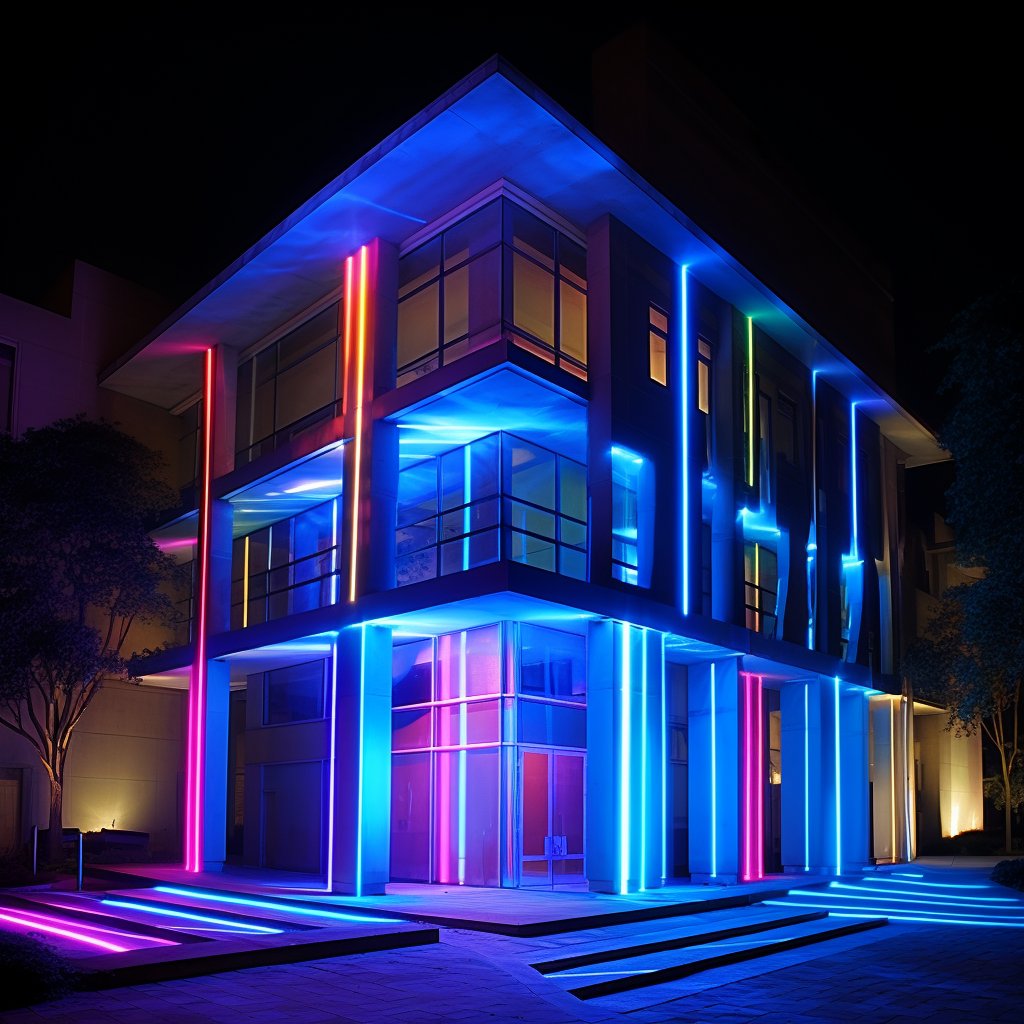
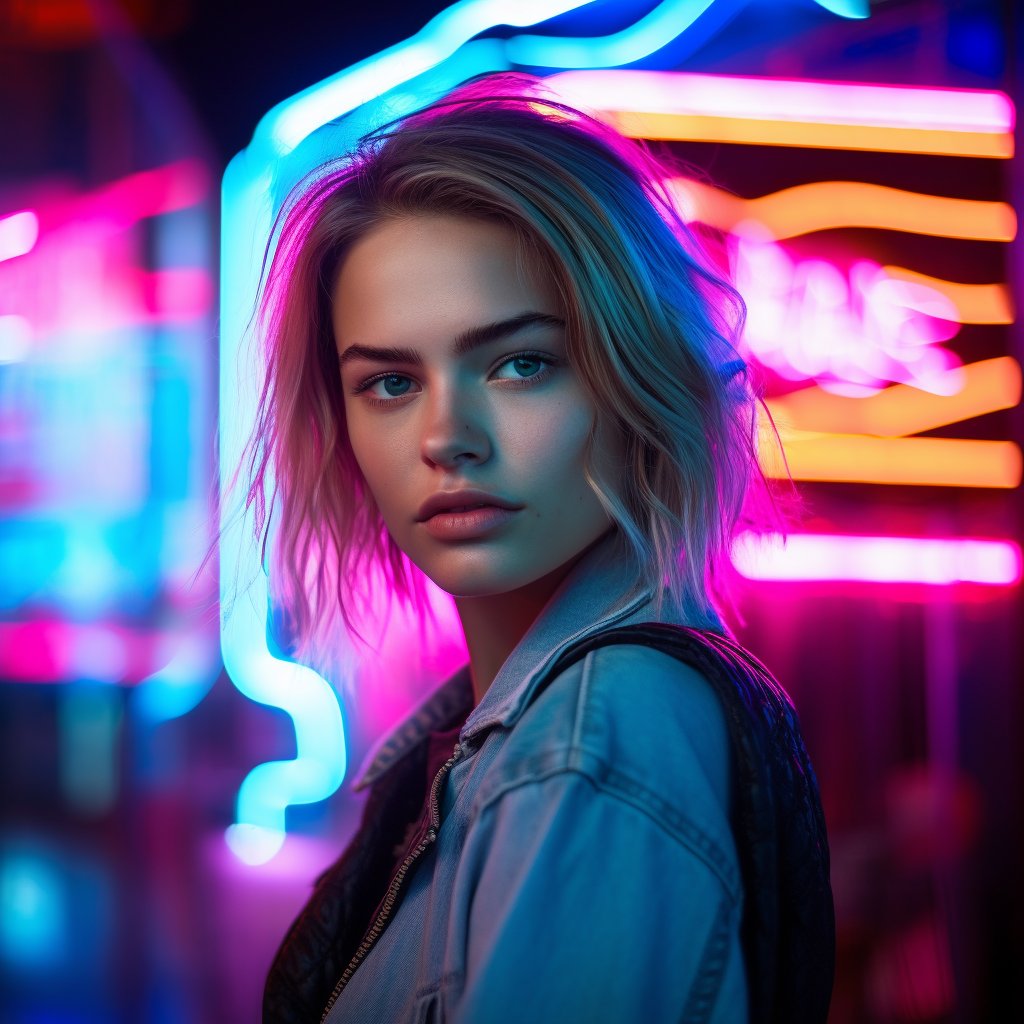
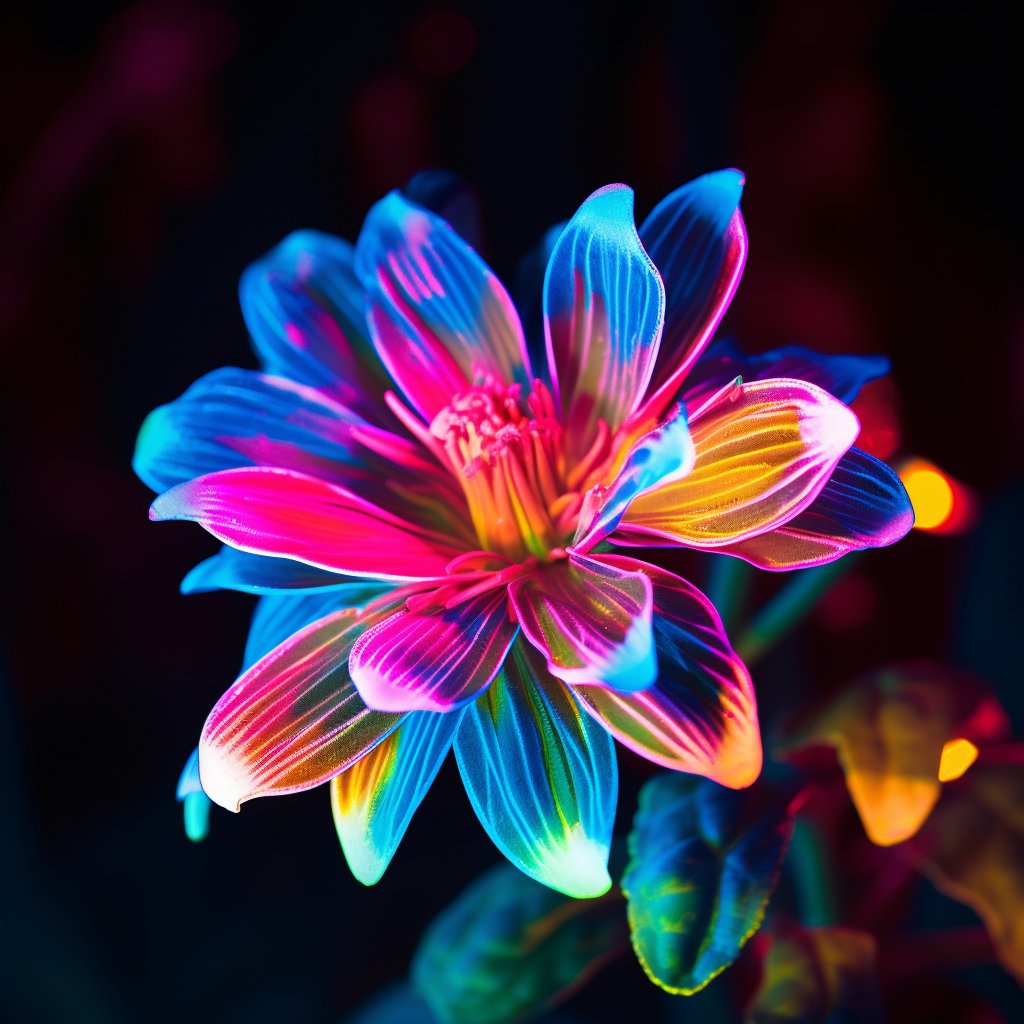
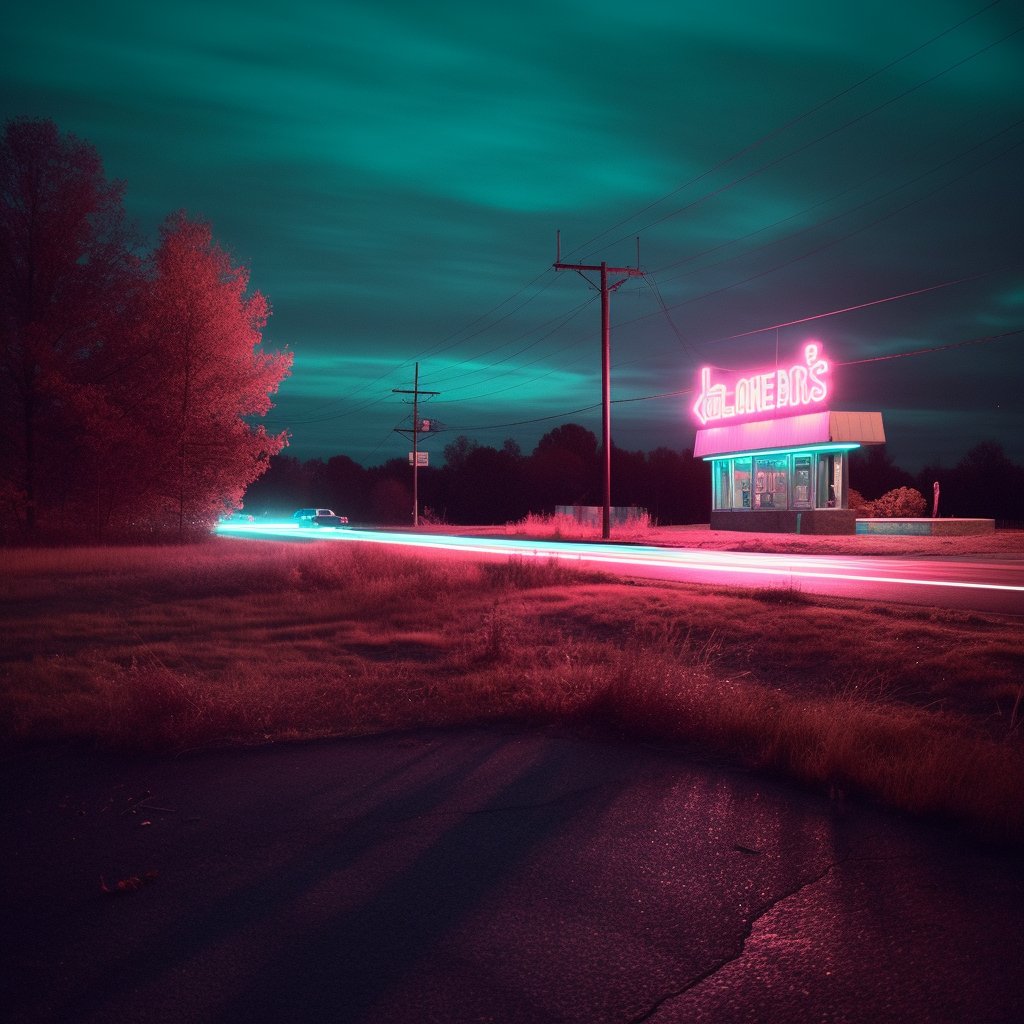
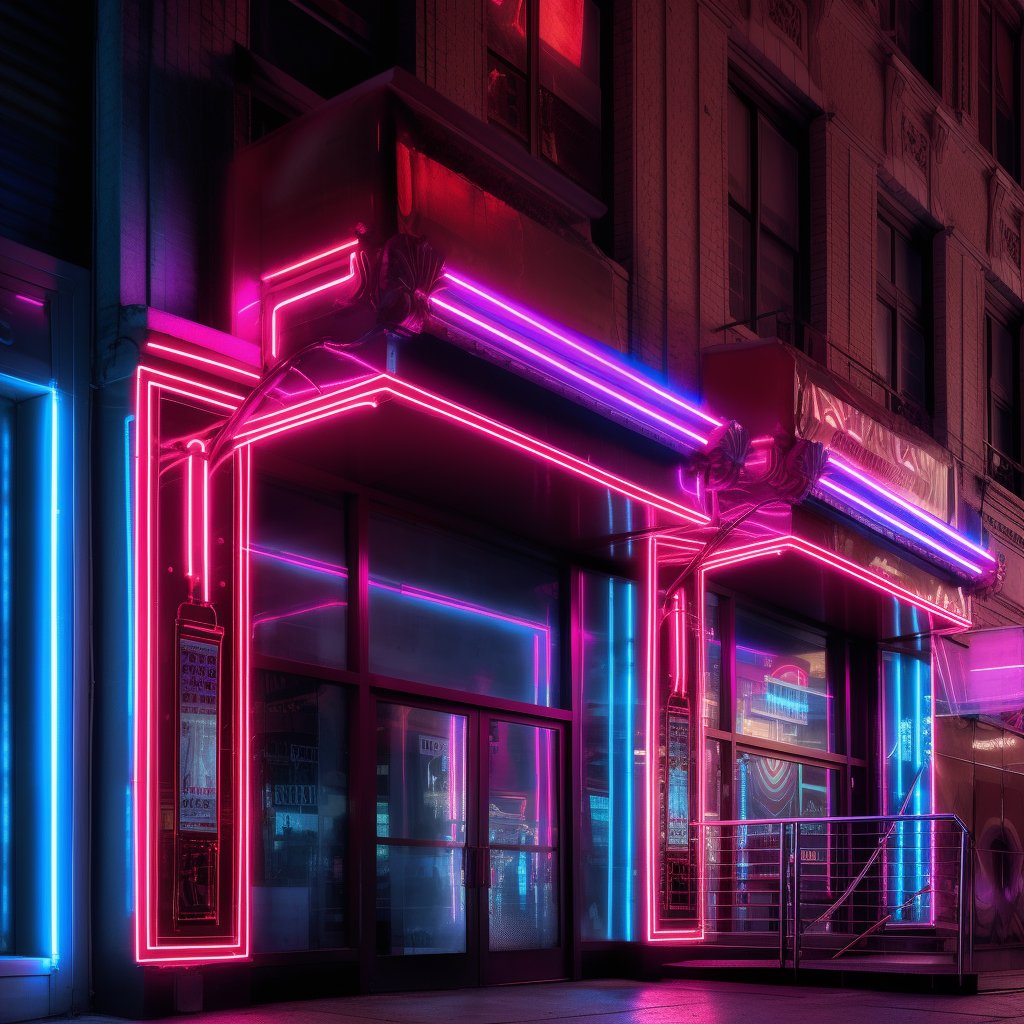
20. Neon Light
Bright and colorful, neon lights create a vibrant, lively atmosphere, ideal for urban and nightlife photography, often adding an edgy, contemporary feel to images.
Bright and colorful, neon lights create a vibrant, lively atmosphere, ideal for urban and nightlife photography, often adding an edgy, contemporary feel to images.
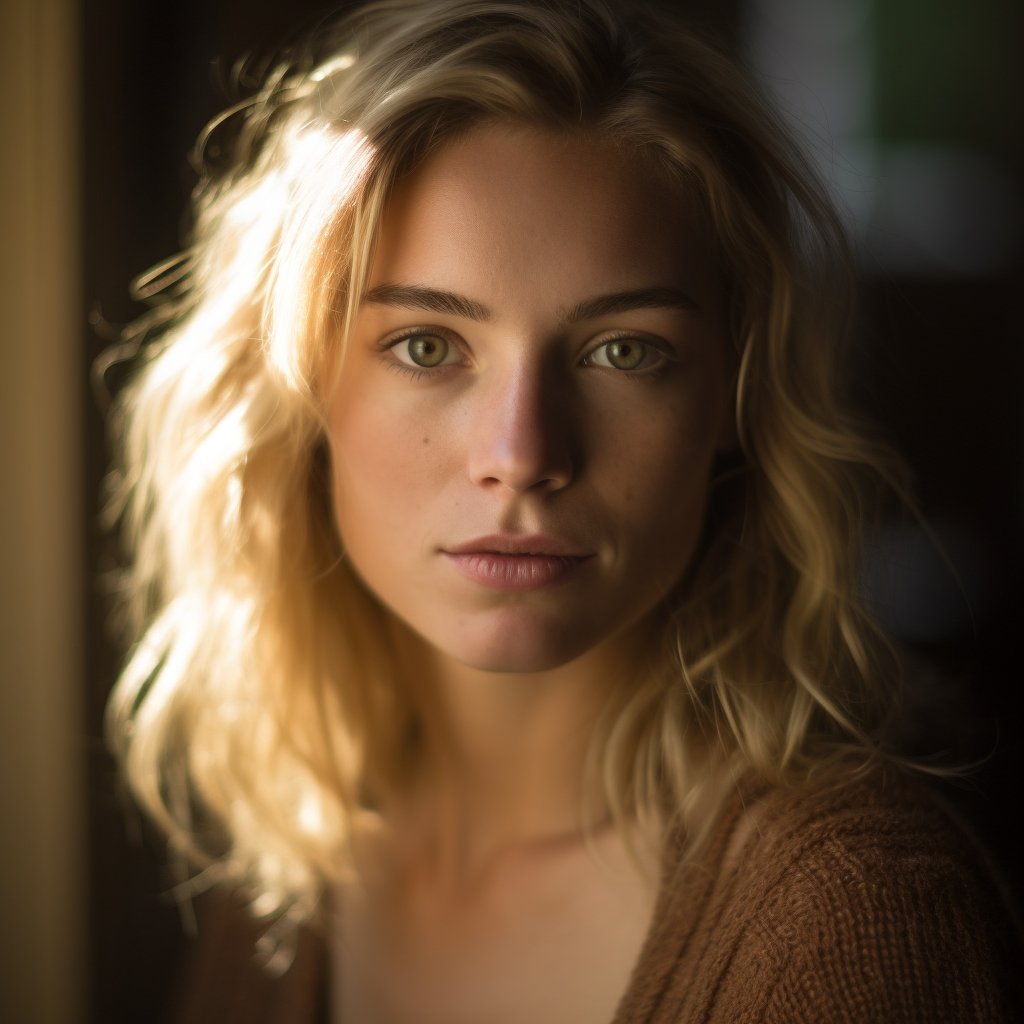
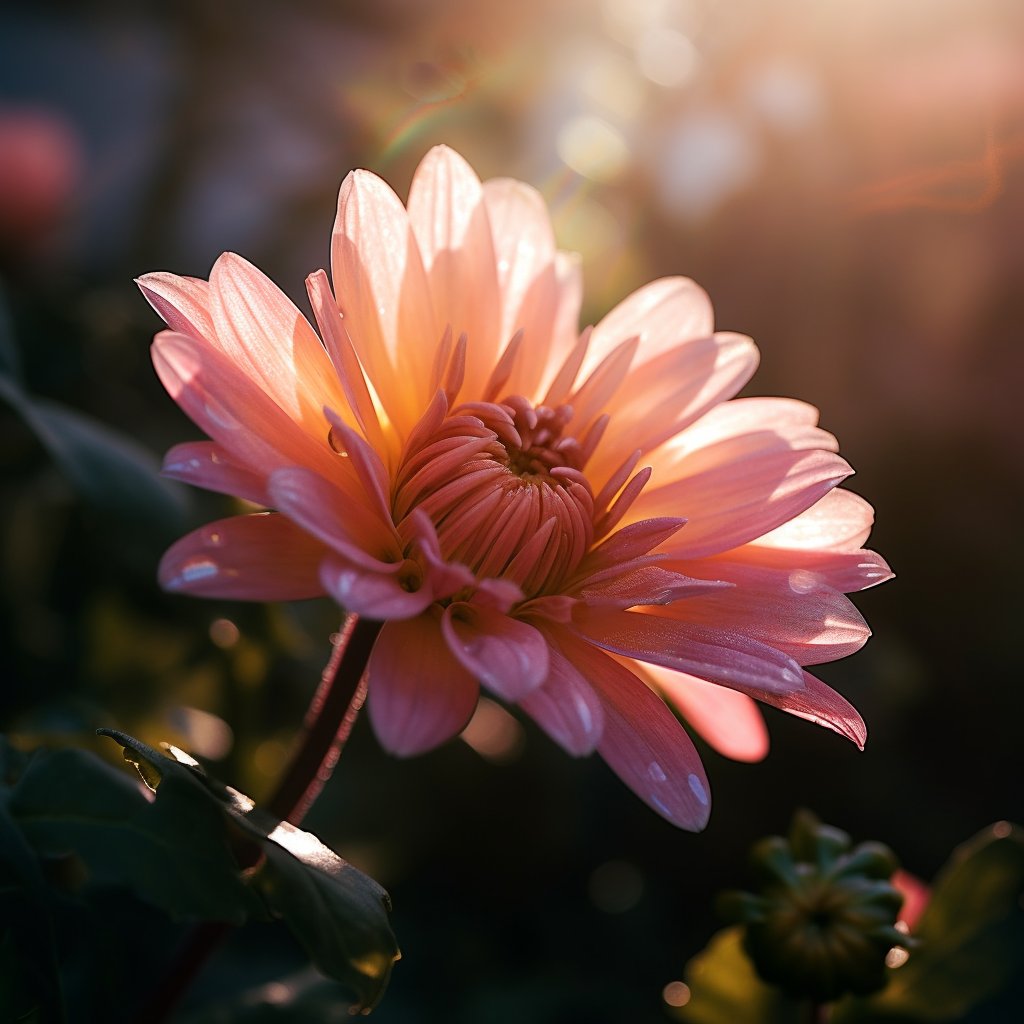
21. Natural Light
This is light from the sun, used in all forms of photography. Depending on the time of day and conditions, it can create a variety of moods.
This is light from the sun, used in all forms of photography. Depending on the time of day and conditions, it can create a variety of moods.
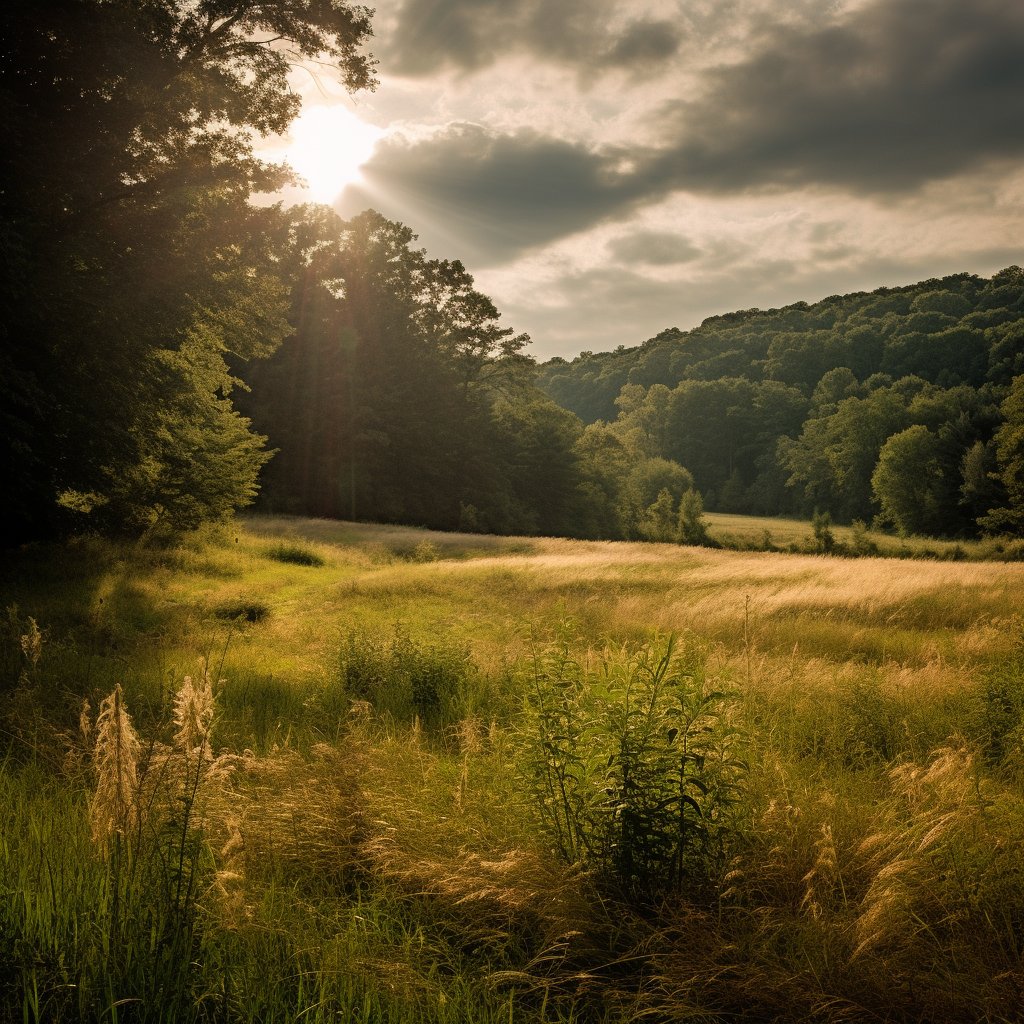
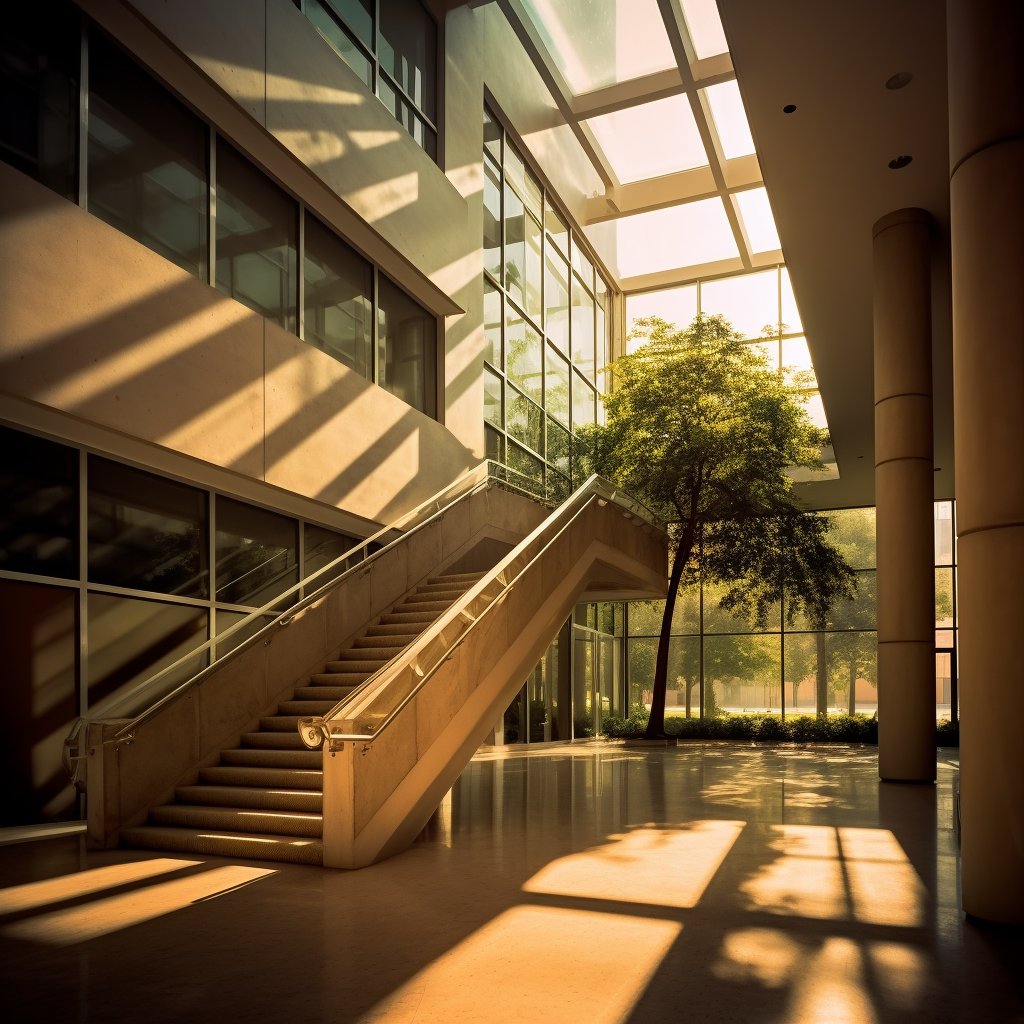
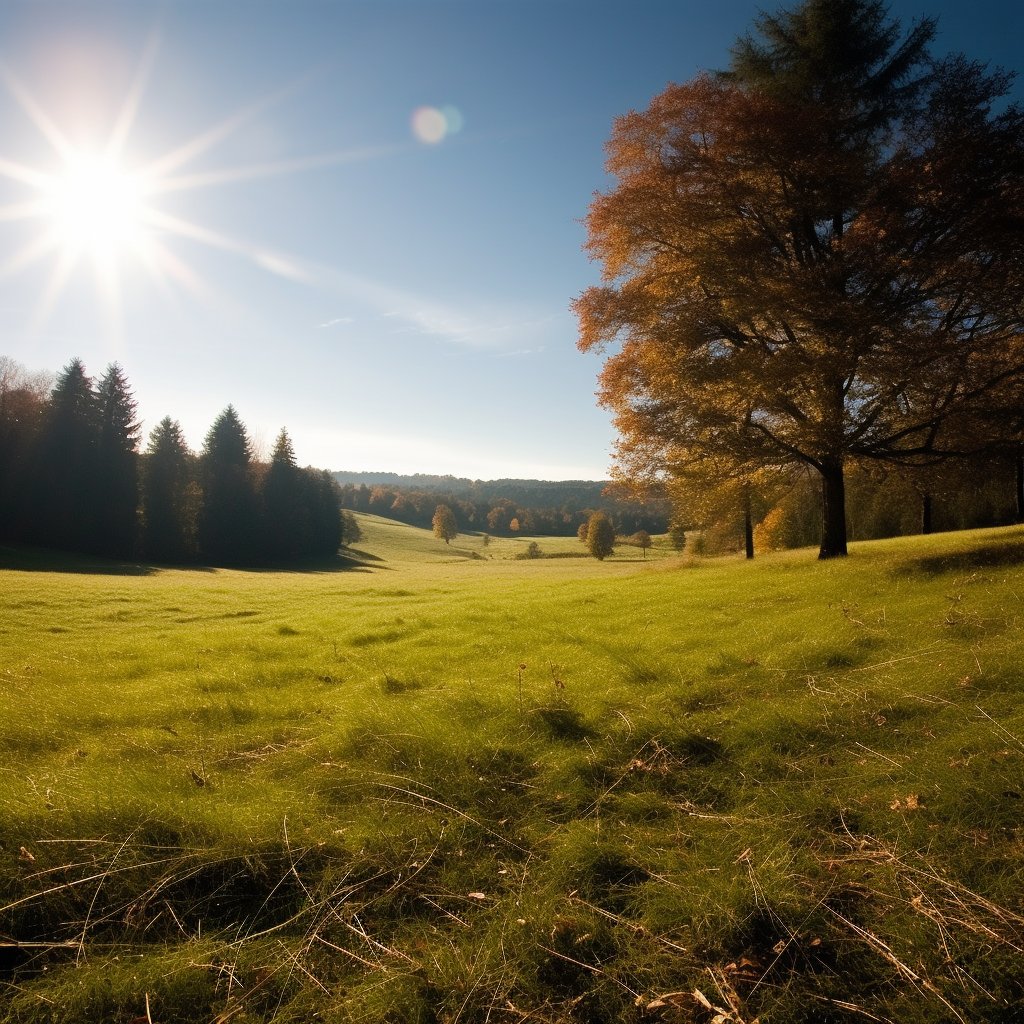
22. Direct Sunlight
This is the harshest type of natural light, causing strong contrasts and sharp shadows. It's best used for highlighting textures or creating dramatic effects.
This is the harshest type of natural light, causing strong contrasts and sharp shadows. It's best used for highlighting textures or creating dramatic effects.
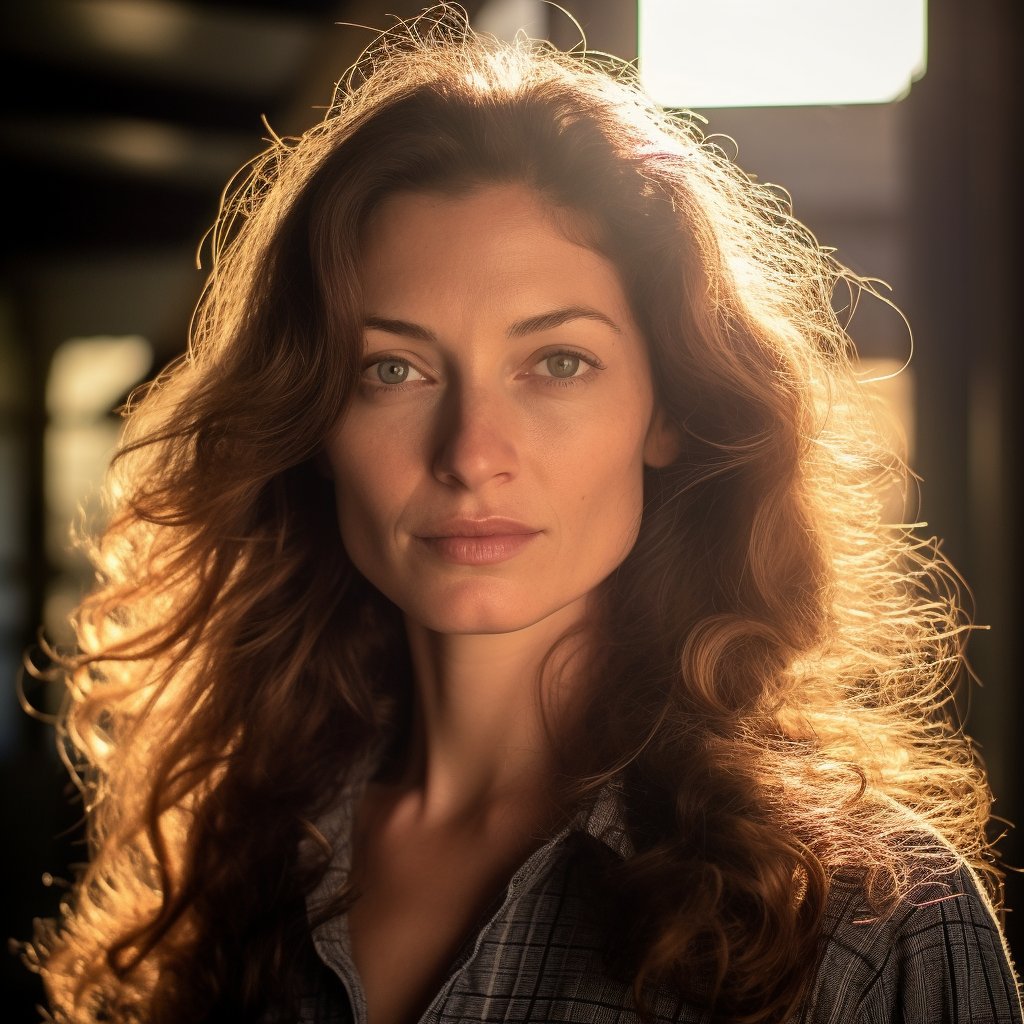
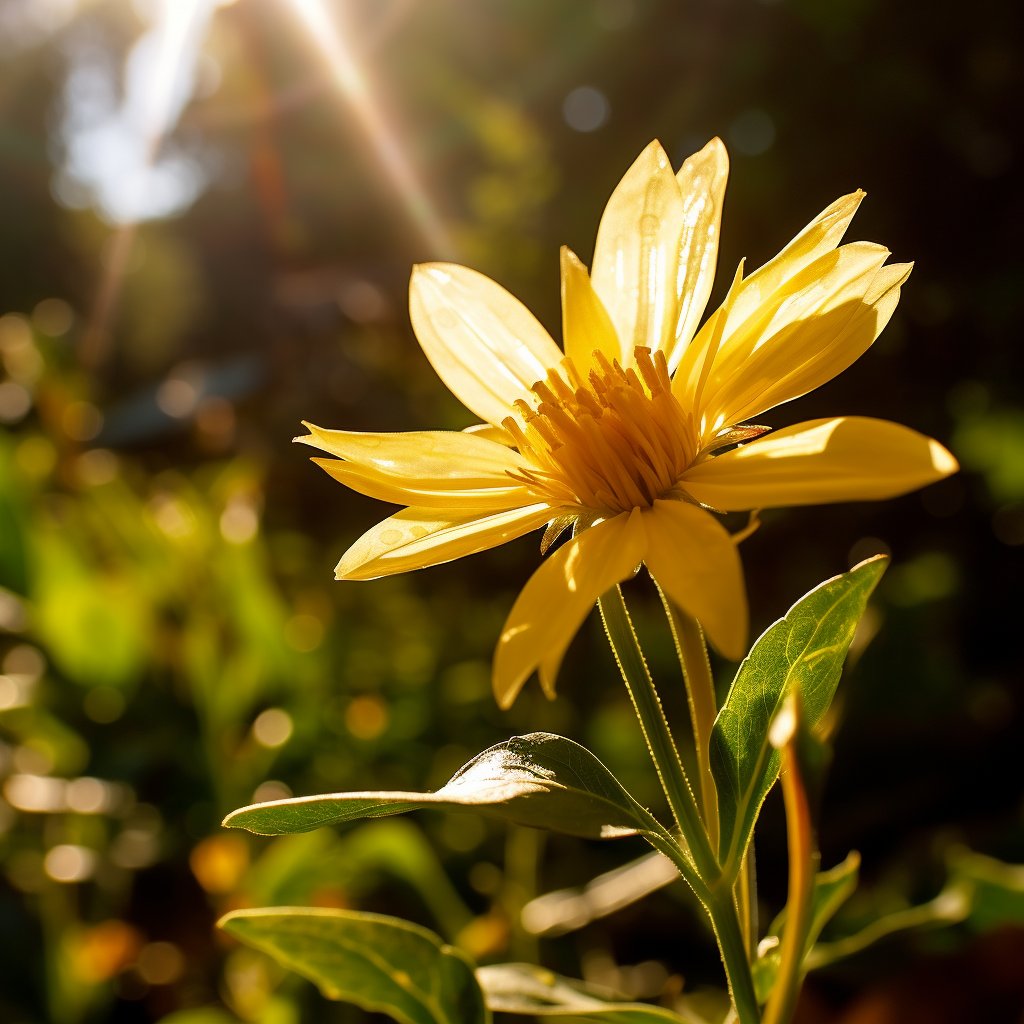
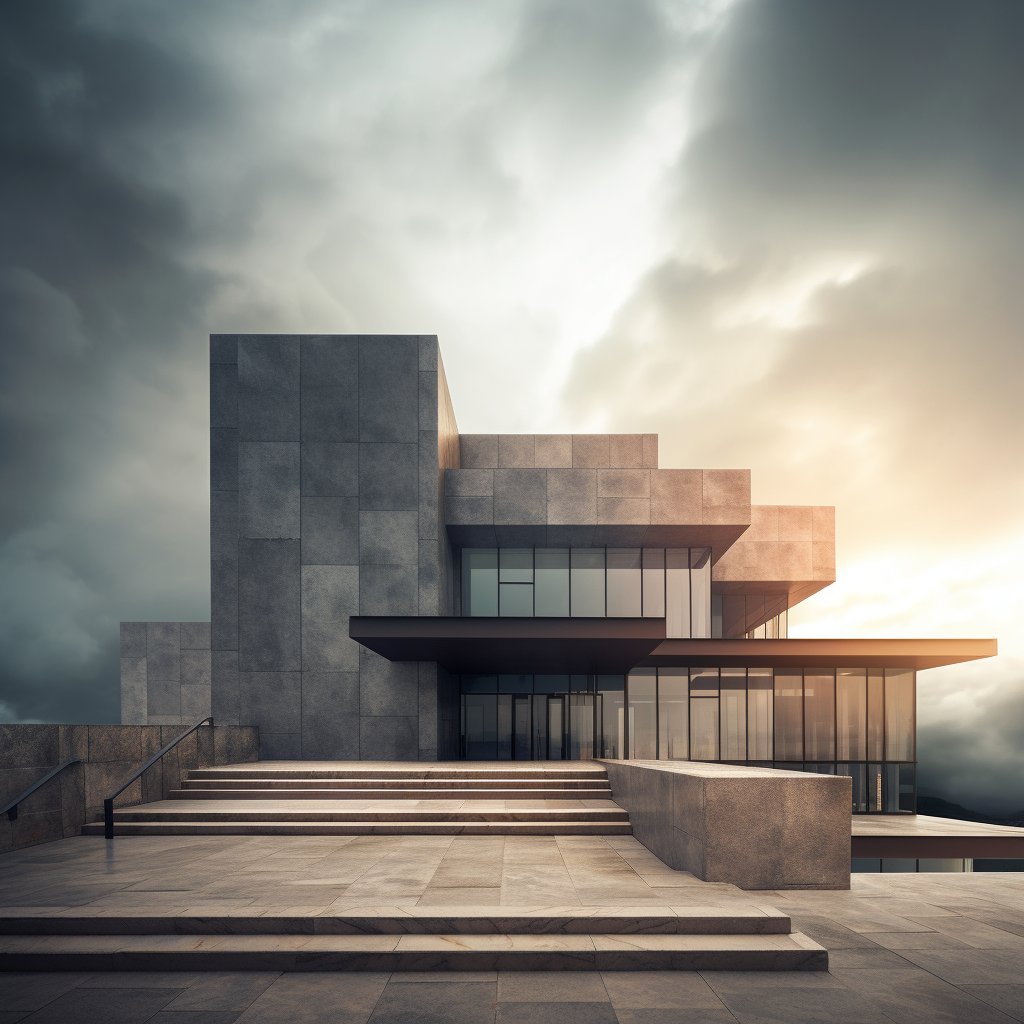
23. Overcast Diffused Sunlight
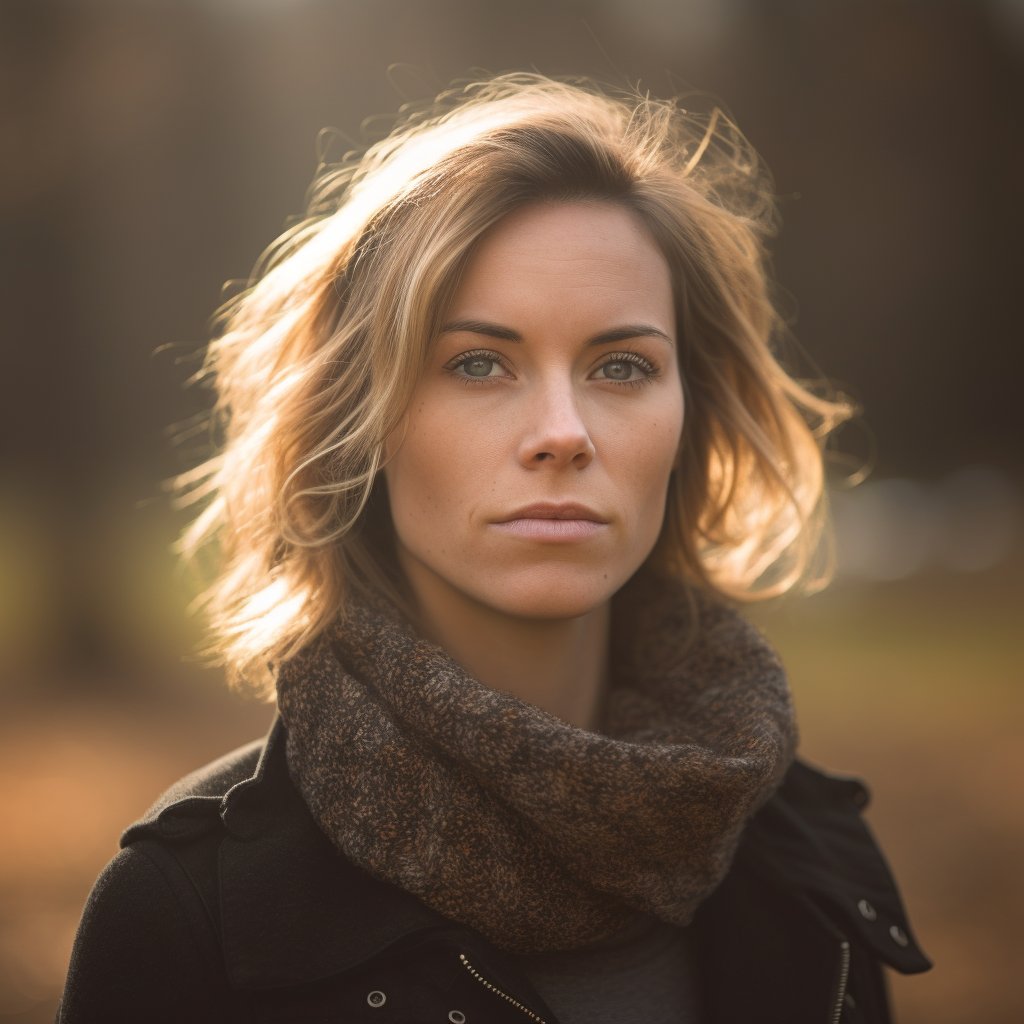
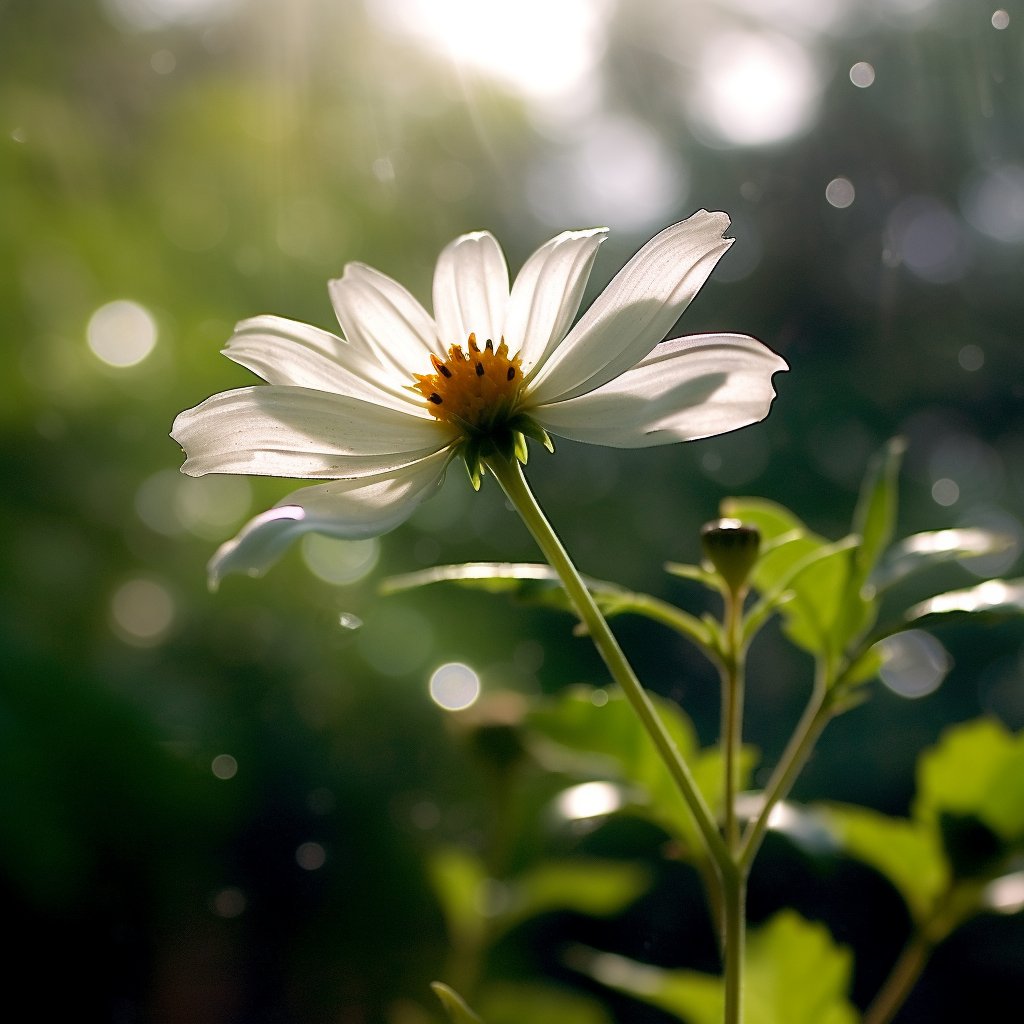
This is a softer version of direct sunlight due to overcast skies, creating gentle, diffused light. It's great for nature, landscape, and portrait photography as it provides a flattering, even light.
This is a softer version of direct sunlight due to overcast skies, creating gentle, diffused light. It's great for nature, landscape, and portrait photography as it provides a flattering, even light.
Loading suggestions...