

The sands of time have a peculiar way of preserving history, often revealing fascinating artifacts from ancient civilizations. One such extraordinary discovery was made in the early 20th century when archaeologist Howard Carter uncovered the tomb of the legendary Egyptian pharaoh, Tutankhamen. Among the treasures found within the tomb were a pair of sandals that have since captivated the world, providing a glimpse into the life and opulence of a bygone era. These 3,300-year-old sandals shed light on the enduring legacy of King Tutankhamen and the profound craftsmanship of ancient Egypt.
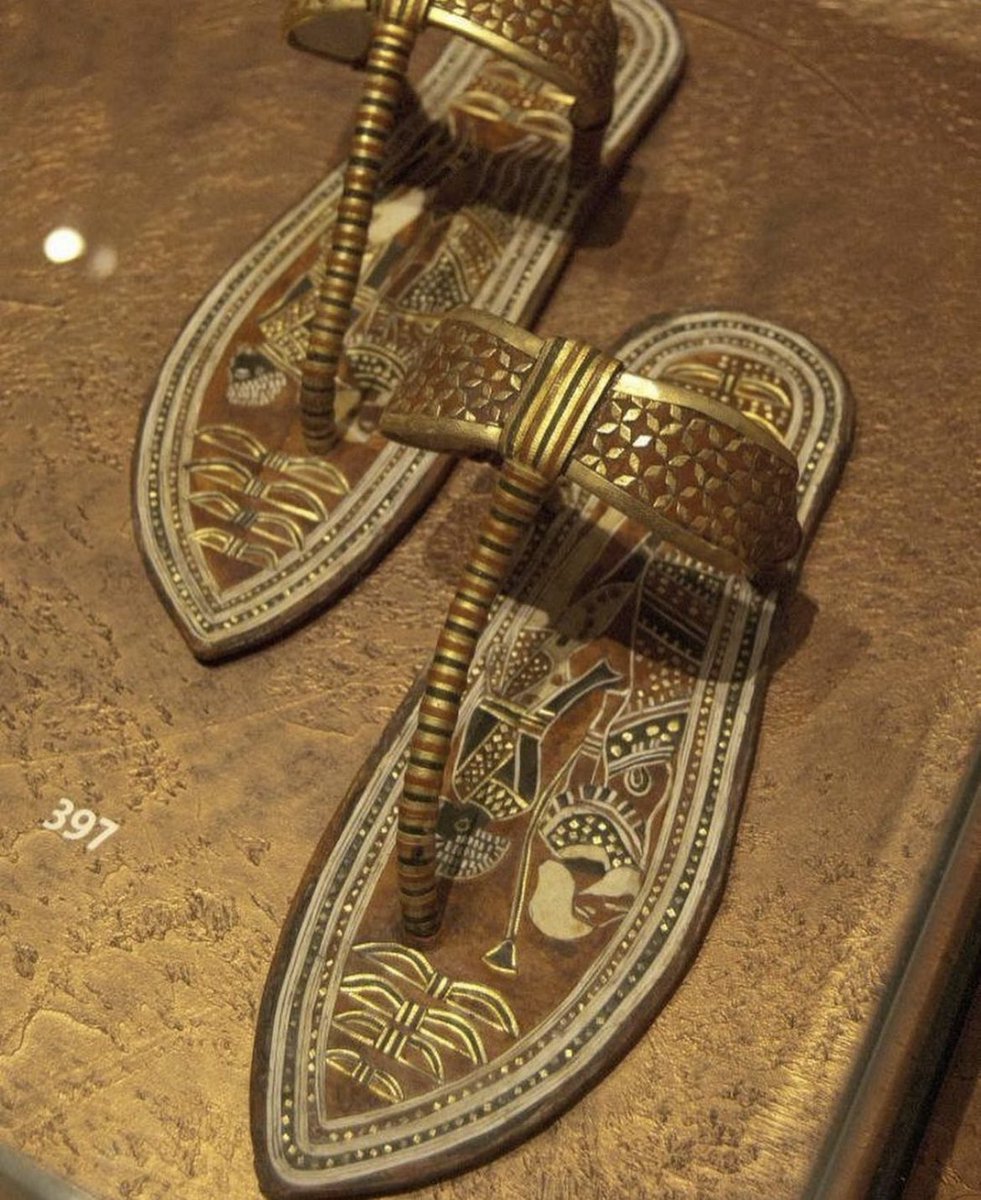
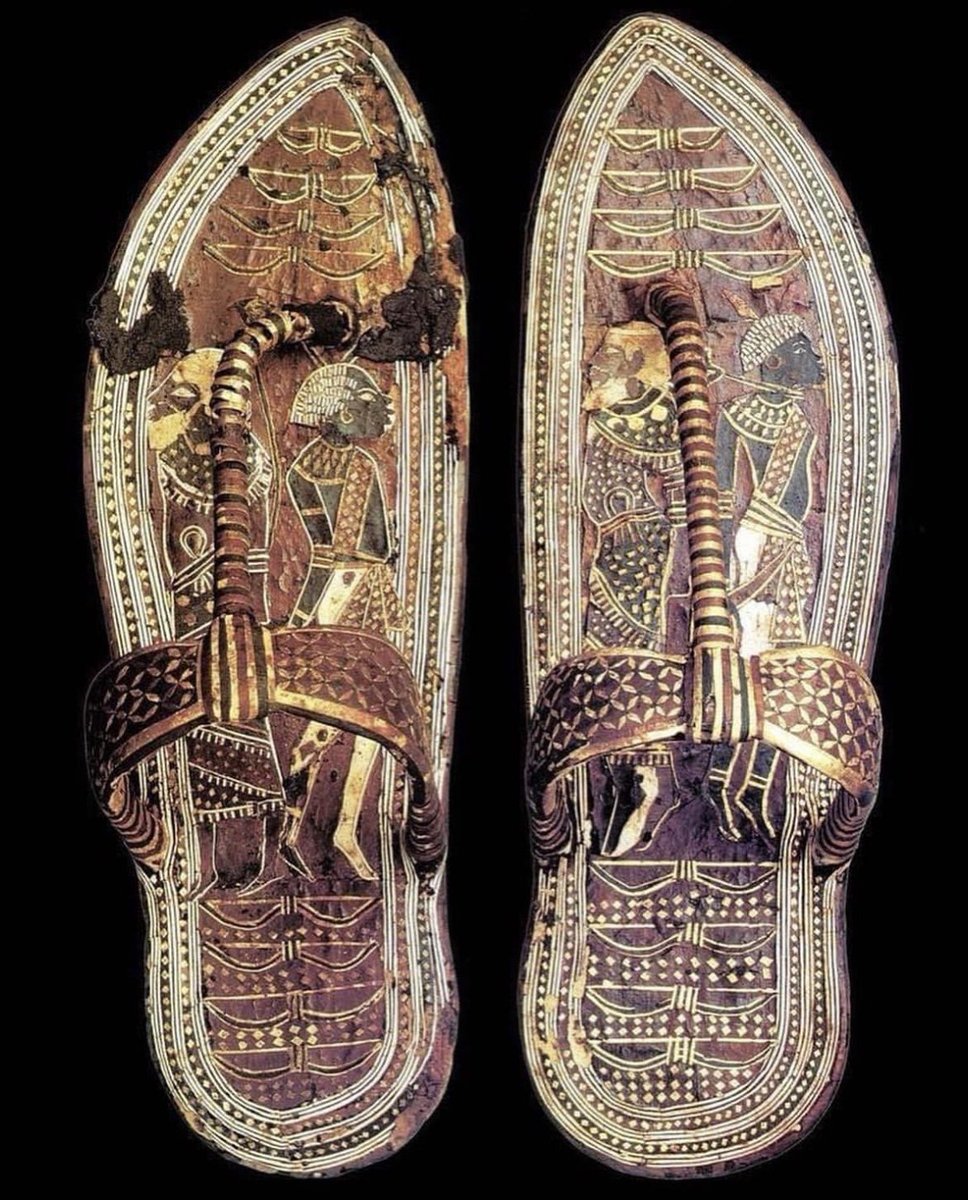
In 1922, Carter's excavation efforts in the Valley of the Kings led to the unearthing of Tutankhamen's tomb. Nestled amidst a vast array of treasures, the sandals stood out as a testament to the exquisite craftsmanship of the period. Made from strips of gold and carefully woven reeds, these sandals were designed to adorn the feet of the young pharaoh during his journey to the afterlife.
The sandals found in Tutankhamen's tomb provide valuable insights into the cultural and religious practices of ancient Egypt. The presence of gold in their design is significant as it represents the pharaoh's divinity and status as a ruler. Gold was considered a symbol of the gods, and its use in the sandals emphasized Tutankhamen's connection to the divine realm.
The reeds used in the sandals held spiritual meaning as well. In ancient Egyptian mythology, reeds were associated with the concept of rebirth and regeneration. By incorporating reeds into the sandals, Tutankhamen's journey to the afterlife was believed to be facilitated, ensuring his eternal existence in the realm of the gods.
The construction of Tutankhamen's sandals showcases the remarkable skill and attention to detail possessed by ancient Egyptian artisans. The strips of gold were meticulously woven, creating an intricate pattern that adorned the sandals' surface. This meticulous craftsmanship is a testament to the mastery of goldsmiths during the period.
Additionally, the sandals were designed with practicality in mind. The soles were crafted from palm leaves, which provided comfort and durability. The meticulousness of the design, combined with the choice of materials, indicates that the ancient Egyptians valued both aesthetics and functionality.
After their discovery, Tutankhamen's sandals underwent extensive preservation efforts to ensure their longevity. Today, these ancient artifacts are carefully housed in the Egyptian Museum in Cairo, where they continue to inspire awe and wonder among visitors from around the world.
King Tutankhamen's 3,300-year-old sandals offer a remarkable window into the ancient Egyptian civilization's artistry and spirituality. They represent more than just a fashion statement; they symbolize the power and divinity of a pharaoh and serve as a tangible link to a civilization that existed millennia ago. These sandals remind us of the rich heritage of Egypt and the importance of preserving our shared history for future generations to appreciate and learn from.
In 1922, Carter's excavation efforts in the Valley of the Kings led to the unearthing of Tutankhamen's tomb. Nestled amidst a vast array of treasures, the sandals stood out as a testament to the exquisite craftsmanship of the period. Made from strips of gold and carefully woven reeds, these sandals were designed to adorn the feet of the young pharaoh during his journey to the afterlife.
The sandals found in Tutankhamen's tomb provide valuable insights into the cultural and religious practices of ancient Egypt. The presence of gold in their design is significant as it represents the pharaoh's divinity and status as a ruler. Gold was considered a symbol of the gods, and its use in the sandals emphasized Tutankhamen's connection to the divine realm.
The reeds used in the sandals held spiritual meaning as well. In ancient Egyptian mythology, reeds were associated with the concept of rebirth and regeneration. By incorporating reeds into the sandals, Tutankhamen's journey to the afterlife was believed to be facilitated, ensuring his eternal existence in the realm of the gods.
The construction of Tutankhamen's sandals showcases the remarkable skill and attention to detail possessed by ancient Egyptian artisans. The strips of gold were meticulously woven, creating an intricate pattern that adorned the sandals' surface. This meticulous craftsmanship is a testament to the mastery of goldsmiths during the period.
Additionally, the sandals were designed with practicality in mind. The soles were crafted from palm leaves, which provided comfort and durability. The meticulousness of the design, combined with the choice of materials, indicates that the ancient Egyptians valued both aesthetics and functionality.
After their discovery, Tutankhamen's sandals underwent extensive preservation efforts to ensure their longevity. Today, these ancient artifacts are carefully housed in the Egyptian Museum in Cairo, where they continue to inspire awe and wonder among visitors from around the world.
King Tutankhamen's 3,300-year-old sandals offer a remarkable window into the ancient Egyptian civilization's artistry and spirituality. They represent more than just a fashion statement; they symbolize the power and divinity of a pharaoh and serve as a tangible link to a civilization that existed millennia ago. These sandals remind us of the rich heritage of Egypt and the importance of preserving our shared history for future generations to appreciate and learn from.
Our 𝐒𝐮𝐛𝐬𝐜𝐫𝐢𝐛𝐞 button is live! That Feed has:
• 𝗨𝗻𝗰𝗲𝗻𝘀𝗼𝗿𝗲𝗱 Content Daily
• Deep dive educational threads
• Content too 𝗱𝗮𝗿𝗸 for the main feed
• Monthly Subscriber only Giveaways
This is the best feed on Twitter for the price of a cup of coffee.
• 𝗨𝗻𝗰𝗲𝗻𝘀𝗼𝗿𝗲𝗱 Content Daily
• Deep dive educational threads
• Content too 𝗱𝗮𝗿𝗸 for the main feed
• Monthly Subscriber only Giveaways
This is the best feed on Twitter for the price of a cup of coffee.
Loading suggestions...