
Financial instruments have been pricing time for decades, if not centuries.
In the age where anyone has instant access to capital, time is more important than ever.
Rewarding loyalty with @hourglasshq 🧵 👇
In the age where anyone has instant access to capital, time is more important than ever.
Rewarding loyalty with @hourglasshq 🧵 👇

Most tokens do not have "time" built into them.
These are fungible tokens that can be exchanged one to one.
As a result, protocols don't have a way to differentiate between those who are long-term aligned and those who are mercenary farmers
These are fungible tokens that can be exchanged one to one.
As a result, protocols don't have a way to differentiate between those who are long-term aligned and those who are mercenary farmers

- Aave doesn't know whether a lender will be providing liquidity for 1 week, 1 month, 1 year...
- Lido doesn't know whether someone will keep ownership of the staked token for 1 week, 1 month, 1 year...
- Lido doesn't know whether someone will keep ownership of the staked token for 1 week, 1 month, 1 year...

In this scenario, it becomes complicated for protocols to distribute their incentives.
Someone who is providing liquidity for the long-term should be rewarded more than someone who will be farming for 1 week and then selling the rewards.
Someone who is providing liquidity for the long-term should be rewarded more than someone who will be farming for 1 week and then selling the rewards.

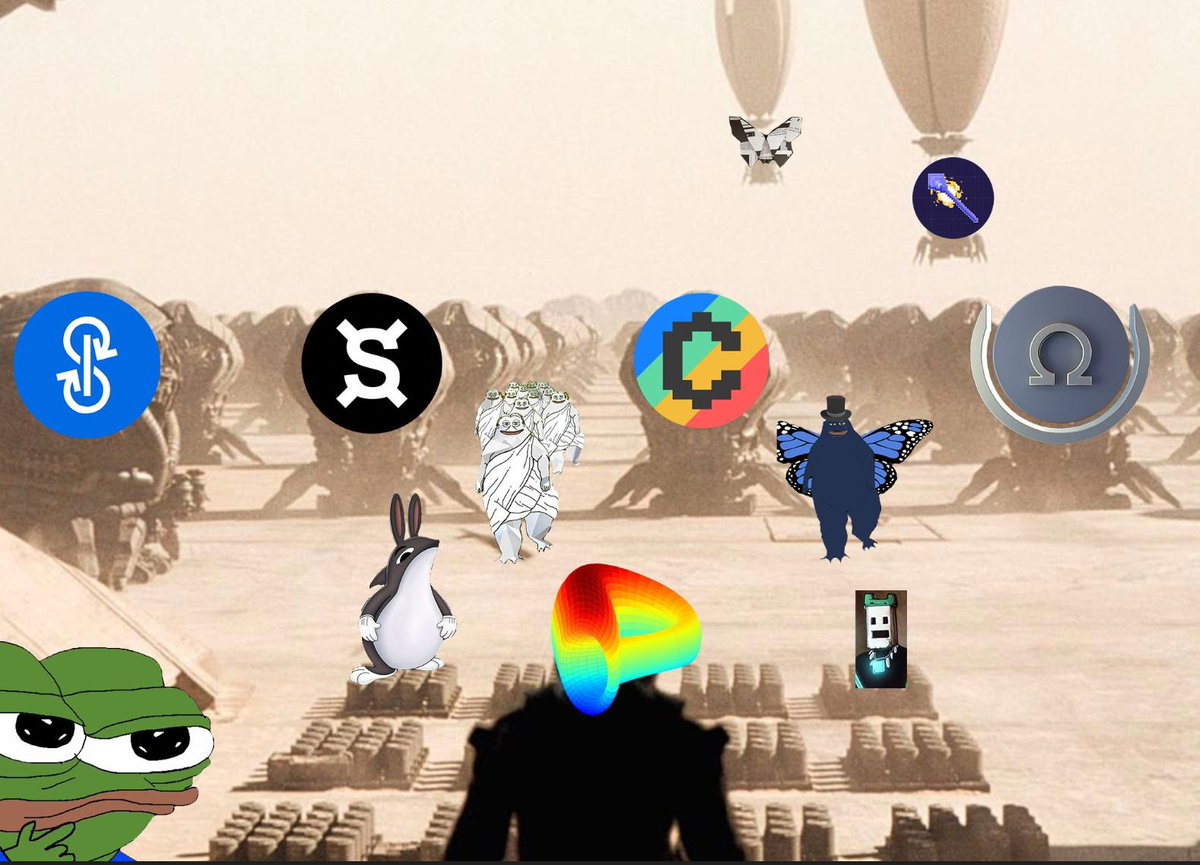
Protocols like Frax and Curve already pioneered the concept of incentivizing and rewarding long-term liquidity, but this can be taken one step further.
Curve led a yield-maximizing perma-locking behemoth that almost unilaterally governed the Curve DAO (Convex).
Curve led a yield-maximizing perma-locking behemoth that almost unilaterally governed the Curve DAO (Convex).

After that Votium joined the chat with a novel governance market to broker the CRV emissions schedule, then Pitch introduced a market place for vote incentives...
The idea is quite simple: users who lock their tokens in a protocol for a committed duration are given rewards and governance power; the longer a user commits, the more rewards and power they earn
But to better understand the potential of Hourglass, let's move on with an example of a win-win situation where there will be not 2 but 4 winners by the end of it.
1. Intern gives $ETH to Lido and gets stETH back
2. Intern lends stETH on Aave and get astETH back
3. Intern stakes his astETH position in Hourglass for 1 year
2. Intern lends stETH on Aave and get astETH back
3. Intern stakes his astETH position in Hourglass for 1 year

Let's assess the situation:
- Lido can now count on a 1-year staking commitment
- Aave now has a lender making liquidity available for borrowers for 1 year
- Ethereum benefits from long-term security
- Intern gets boosted rewards due to his commitment for sticky liquidity
- Lido can now count on a 1-year staking commitment
- Aave now has a lender making liquidity available for borrowers for 1 year
- Ethereum benefits from long-term security
- Intern gets boosted rewards due to his commitment for sticky liquidity

More fair distribution of incentives, more TVL, more security, increased yields for lockups...
Every protocol will have its own preference as to what their optimal liquidity levels are, how long they need the liquidity for...
And we know that locked liquidity prevents bankruns
Every protocol will have its own preference as to what their optimal liquidity levels are, how long they need the liquidity for...
And we know that locked liquidity prevents bankruns

With this example we can see how @hourglasshq addresses user loyalty and sticky liquidity in DeFi by adding programmability to long-term liquidity incentives.
The protocol offers customizable staking rewards in tokenized positions represented as ERC-1155s with an expiry date and a balance of tokens that will unlock on that date.
This is a big value proposition for composability and can also enable the creation of structured products
This is a big value proposition for composability and can also enable the creation of structured products

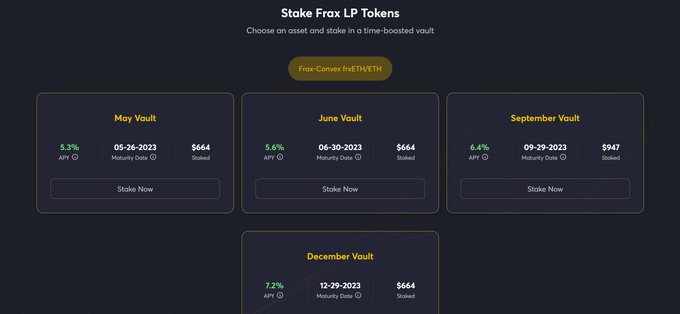
While the UI will show a variety of expiries, most likely monthly expiries, where rewards are collectively distributed among depositors (different balances on the same ERC-1155 token ID), the smart contracts are precise down to the second based on the Unix timestamp.
This might seem not intuitive to implement at first. Creating unique pools for time-locked positions would fragment liquidity even further, result in more slippage...
But tokens with time periods are built differently, and there is an opportunity to tackle with such marketplace.
But tokens with time periods are built differently, and there is an opportunity to tackle with such marketplace.
Similar to options, one could look at an asset's volatility and assign a time value to it.
This makes it possible for an RFQ system to assign a discount and use cryptographic signatures to represent those discounts instead of separate token pools.
This makes it possible for an RFQ system to assign a discount and use cryptographic signatures to represent those discounts instead of separate token pools.
This raises the question, does hourglass need market makers?
There may be room for sophisticated actors to engage in these markets, but we know from experience that degens are fast to express their opinion in the market.
There may be room for sophisticated actors to engage in these markets, but we know from experience that degens are fast to express their opinion in the market.

On the one hand, offering a discount on asset lockups may be detrimental for locked liquidity, since users are incentivized to buy discounted locks instead of locking up their own tokens.

On the other hand, sophisticated actors might step in and buy different time locks to impact the yield curve.
If someone had offered stETH at a significant discount ahead of Shanghai with a monthly expiry, wouldn't you buy it?
This shows how a marketplace with reasonable discounts for selling locked positions could incentivize user behavior in the long term.
🔜 👇
This shows how a marketplace with reasonable discounts for selling locked positions could incentivize user behavior in the long term.
🔜 👇
By adding a time component, Hourglass is introducing a new semi-fungible asset class
With it, protocols can count on the liquidity being available for the duration of the lock-up period.
This carries a series of benefits 👇
With it, protocols can count on the liquidity being available for the duration of the lock-up period.
This carries a series of benefits 👇
- Reward loyalty and incentivize long-term liquidity commitments
- Flexibility for staked assets
- Risk management for time-locked positions
- More predictable and stable financial metrics (TVL, revenue...)
- Flexibility for staked assets
- Risk management for time-locked positions
- More predictable and stable financial metrics (TVL, revenue...)
Loading suggestions...