

BREAKING: CDC confirms that COVID vaccinations increase risk of myocarditis by 13,200%, according to new study.
A study conducted by researches at both the US Centers for Disease Control and Food and Drug Administration shows risk of myocarditis following mRNA COVID vaccination is around 133x greater than the background risk in the population.
Meaning, Covid vaccinations increase the risk of developing myocarditis, an autoimmune disease causing inflammation of the heart, by 13,200%, according to the study.
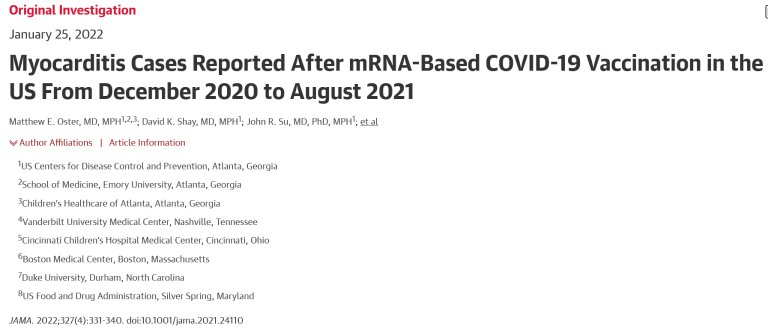
The study, conducted by researchers from the CDC, and the FDA as well as from several U.S. universities and hospitals, examined the effects of vaccination with products manufactured by Pfizer-BioNTech and Moderna.
Study authors used data from the CDC’s VAERS reporting system which were cross-checked to ensure they complied with CDC’s definition of myocarditis; also noting that given the passive nature of the VAERS system, the number of reported incidents is likely to be underestimated data
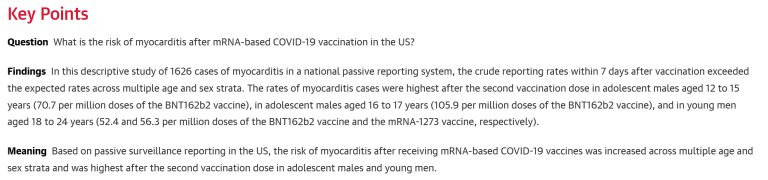
1626 cases of myocarditis were studied, and the results showed that the Pfizer-BioNTech product was most associated with higher risk, with 105.9 cases per million doses after the second vaccine shot in the 16 to 17 age group for males, (1/2)
and 70.7 cases per million doses after the second shot in the 12 to 15 age group for males. The 18 to 24 male age group also saw significantly higher rates of myocarditis for both Pfizer’s and Moderna’s products (52.4 and 56.3 cases per million respectively). (2/2)
The study found the median time to symptom onset was 2 days, and that 82% of cases were in males, consistent with previous studies. Around 96% of affected people were hospitalized, with most treated with nonsteroidal anti-inflammatory drugs, with 87% of them recovering.
At the time of data review, two reports of death in people younger than 30 years of age with potential myocarditis still remained under investigation and were not included in the case counts.
Among the reported symptoms were: chest pain, pressure, or discomfort (89%), shortness of breath (30%), abnormal ECG results (72%), and abnormal cardiac MRI findings (72%).
The study’s authors noted that myocarditis following vaccination appeared to resolve more swiftly than in typical viral cases; however, vaccinations should no longer be considered as a reliable way of avoiding COVID infection.
It remains unclear whether this has any specific relevance to the cost-benefit analysis of COVID vaccination, especially considering the low risk of complications following coronavirus infection for the age group most at risk for heart-related complications following vaccination.
Due to many studies confirming a link between the vaccines & myocarditis, the CDC has commenced active surveillance of adolescents and young adults to monitor their progress following heart-related incidents after vaccination. Long-term outcome data however, is not yet available.
The American Heart Association and the American College of Cardiology advise people with myocarditis to refrain from sports for 3-6 months, and only resume after normal ECG and other test results are obtained. They also advise that further mRNA vaccine doses should be deferred.
In conclusion, study authors noted that the risk of myocarditis following vaccination increased across multiple age and sex strata and was highest after the 2nd vaccination dose in young men, this risk should be considered in the context of the benefits of COVID-19 vaccination.


Loading suggestions...