

Pearl of Algeria, called the "Granada of Africa", Tlemcen is a beautiful city with a rich history and an important Andalusian heritage.
A #thread exploring this rich heritage of Tlemcen, the daughter of Al-Andalus in the central Maghreb ⬇️.
A #thread exploring this rich heritage of Tlemcen, the daughter of Al-Andalus in the central Maghreb ⬇️.
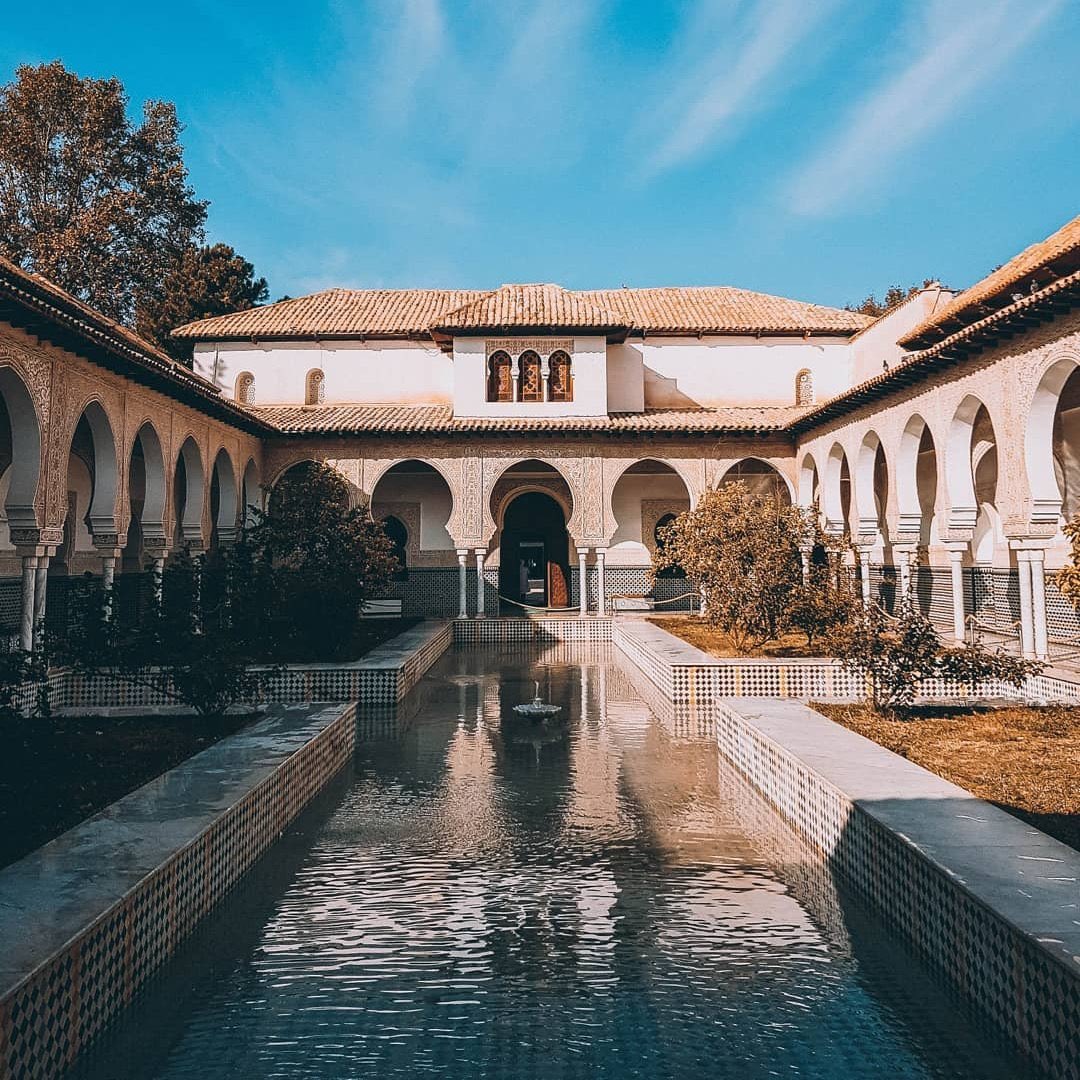
Tlemcen is an ancient city located in western Algeria. The connection between this city and Al-Andalus dates back to the Umayyad period, when the tribes of the region became vassals of the Umayyad Caliph of Córdoba [1].
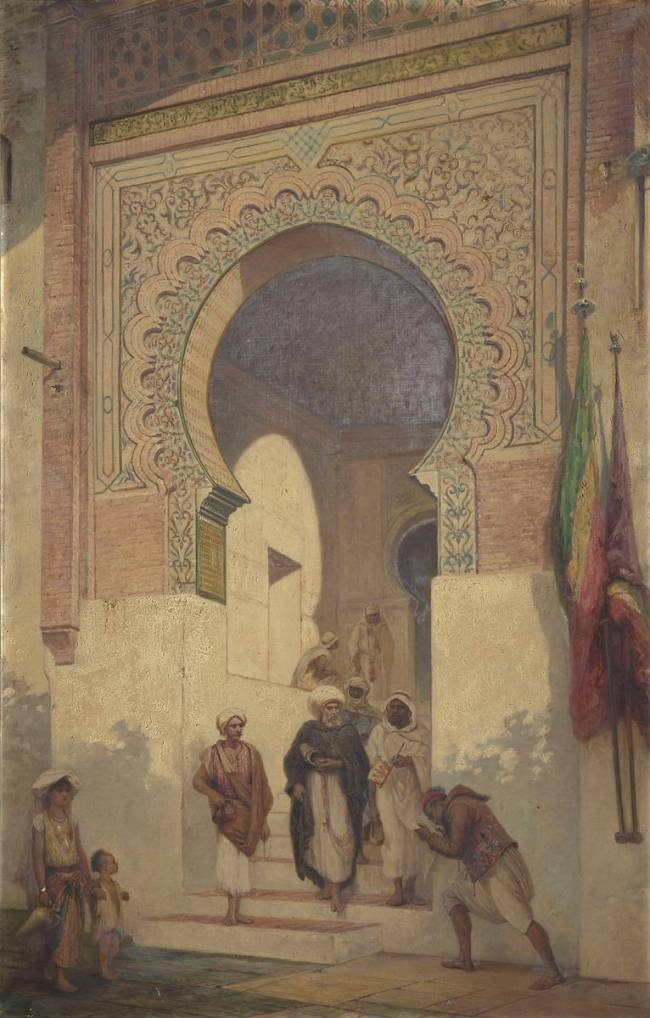
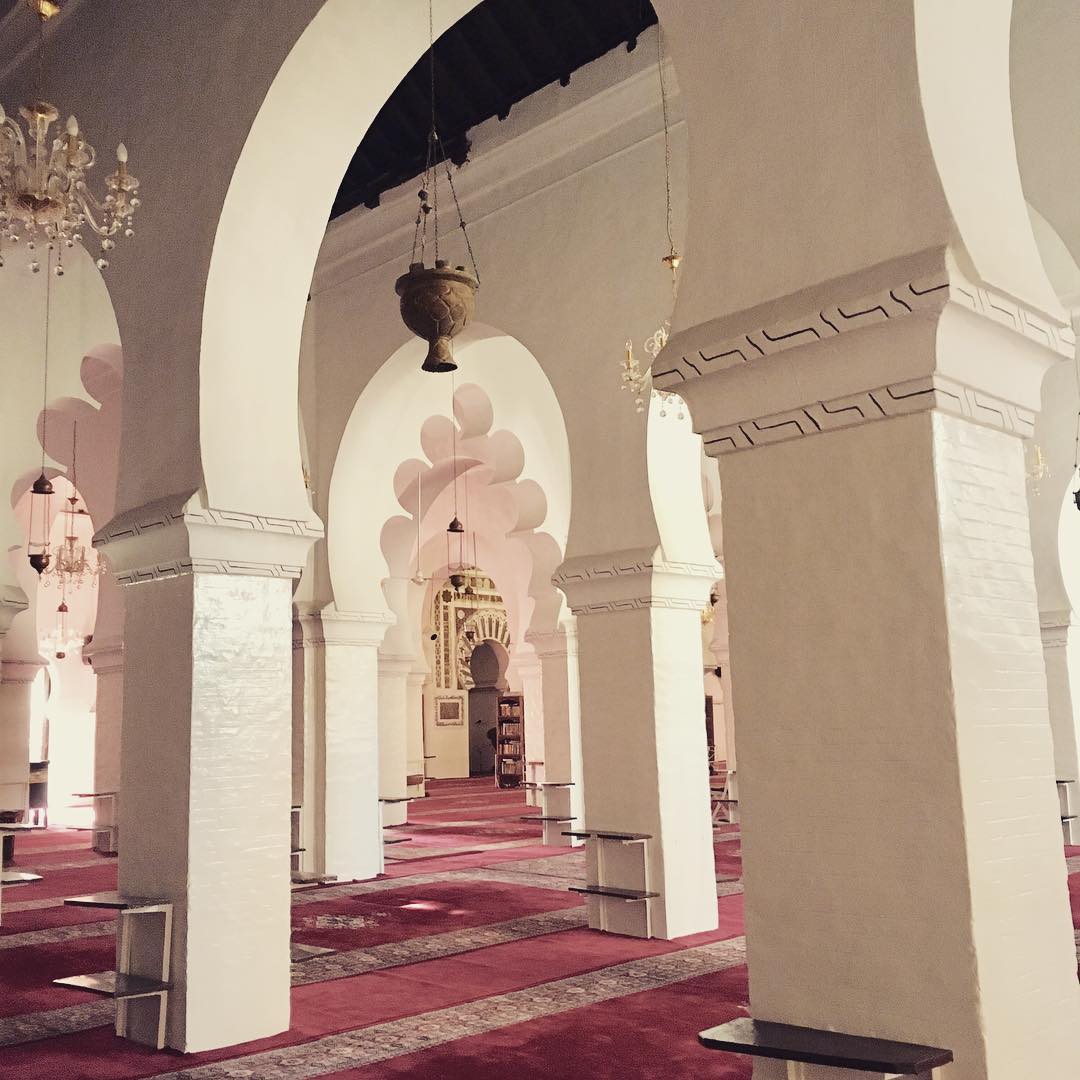
1/ The Great Mosque
Built in 1082 during the Almoravid period in a style close to the mosque of Córdoba.
Austere Saharans, the Almoravids were not builders, so they were naturally conquered by the refined style of Al-Andalus' architecture, a style that they brought to Tlemcen.
Built in 1082 during the Almoravid period in a style close to the mosque of Córdoba.
Austere Saharans, the Almoravids were not builders, so they were naturally conquered by the refined style of Al-Andalus' architecture, a style that they brought to Tlemcen.

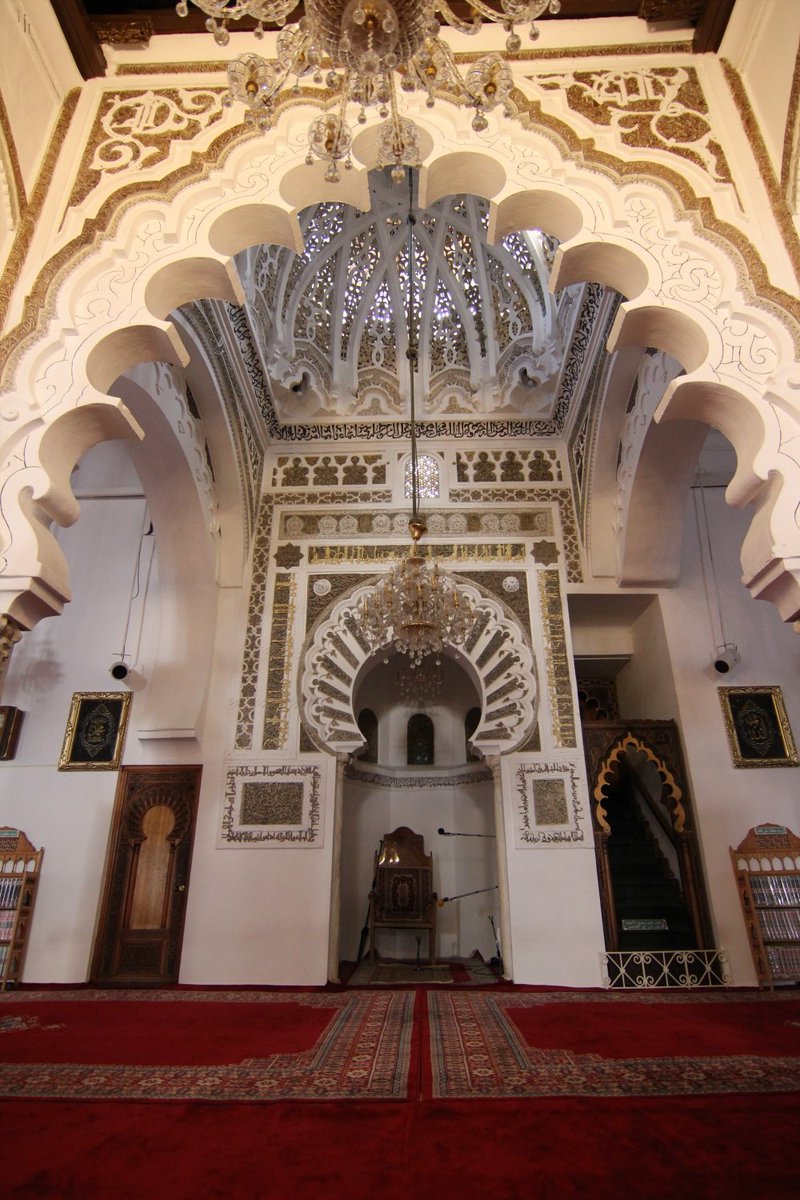
Gradually, the links between Tlemcen and Al-Andalus became more important. Contacts with the rich culture of Umayyad Córdoba allowed the city to develop, becoming, in the 13th century, under the Zayyanids, a center of Andalusian culture in the Maghreb.
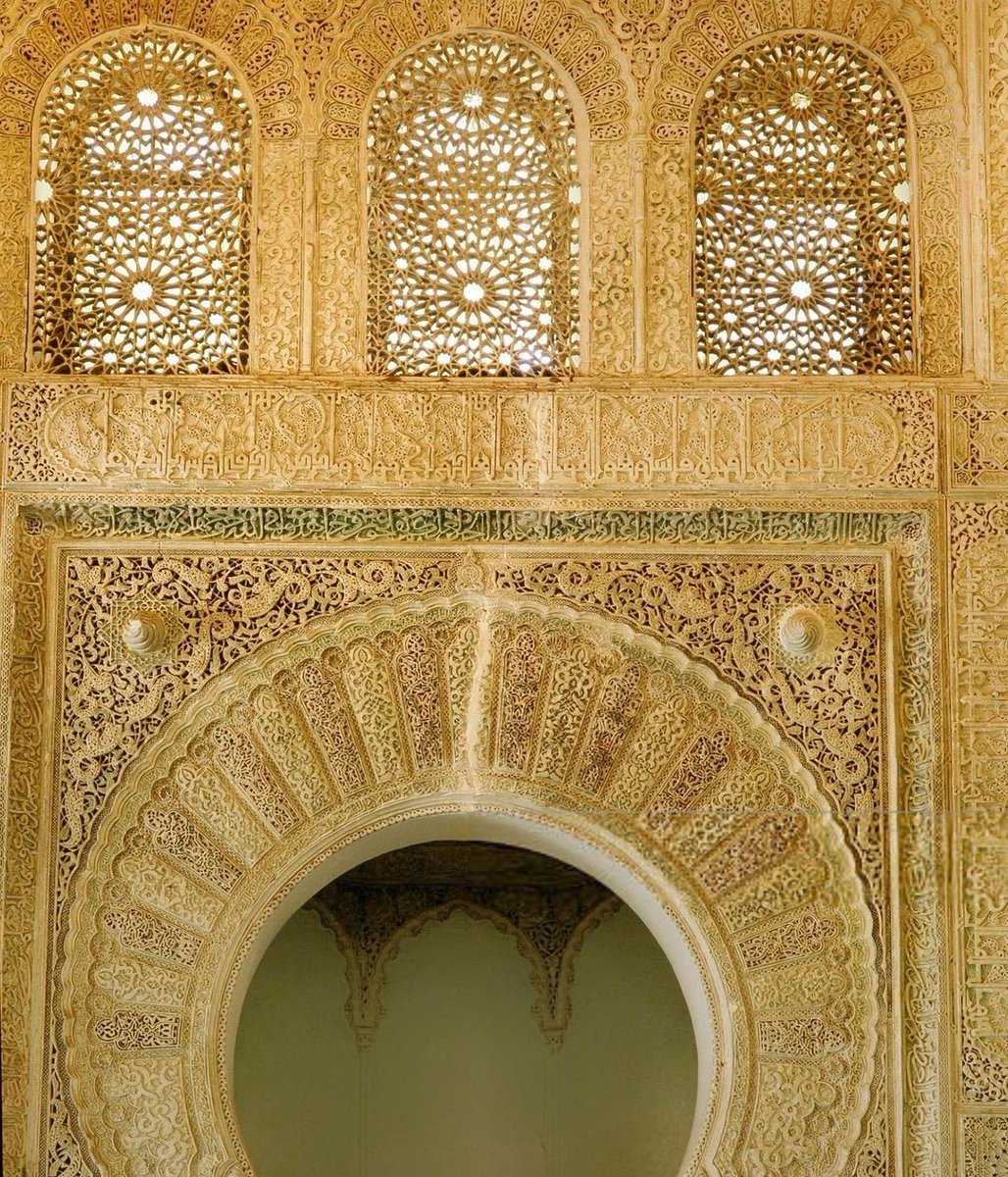
2/ Sidi Bel Hasan Mosque
Built in 1296 by the Zayyanids, it was originally part of a set called "Madrasa Ya'qubia."
A masterpiece of Hispano-Arab art, it has a beautiful muqarnas dome and its mihrab recalls that of the Yusufiyya madrasa in Granada.
Built in 1296 by the Zayyanids, it was originally part of a set called "Madrasa Ya'qubia."
A masterpiece of Hispano-Arab art, it has a beautiful muqarnas dome and its mihrab recalls that of the Yusufiyya madrasa in Granada.
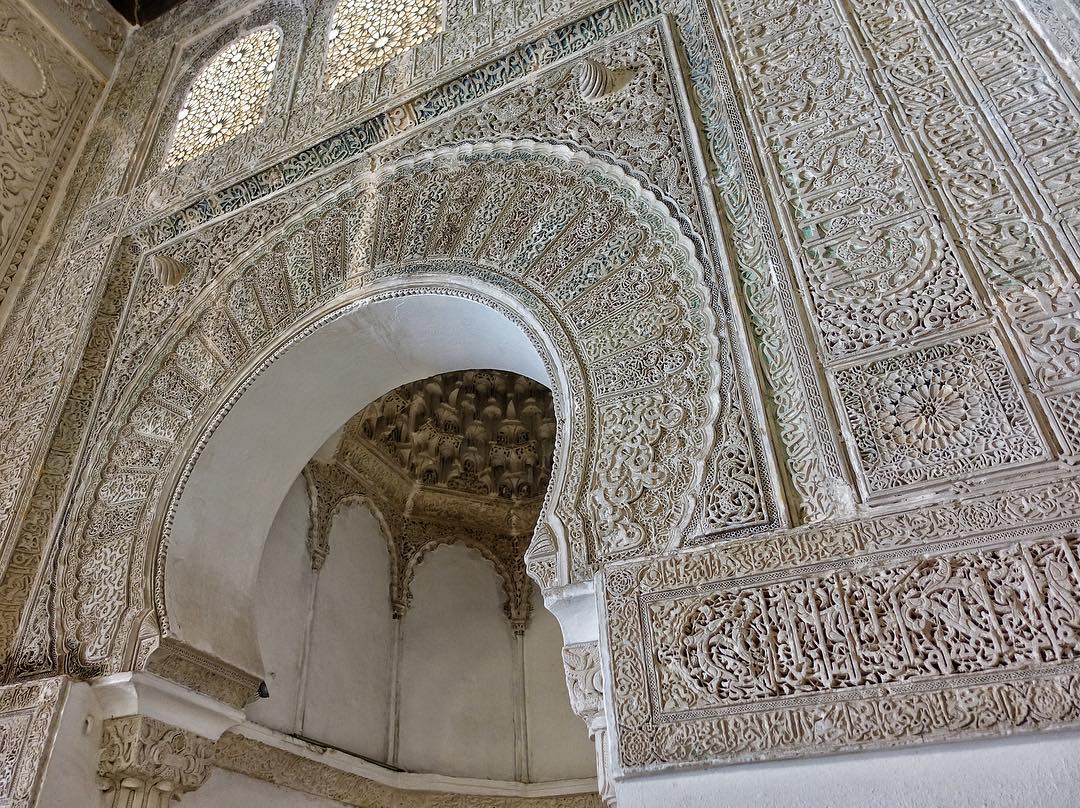
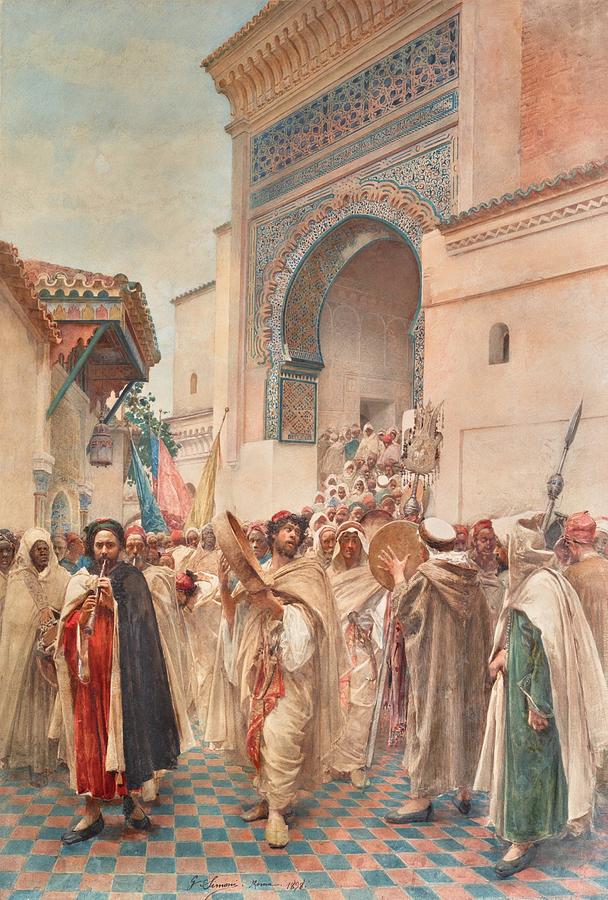
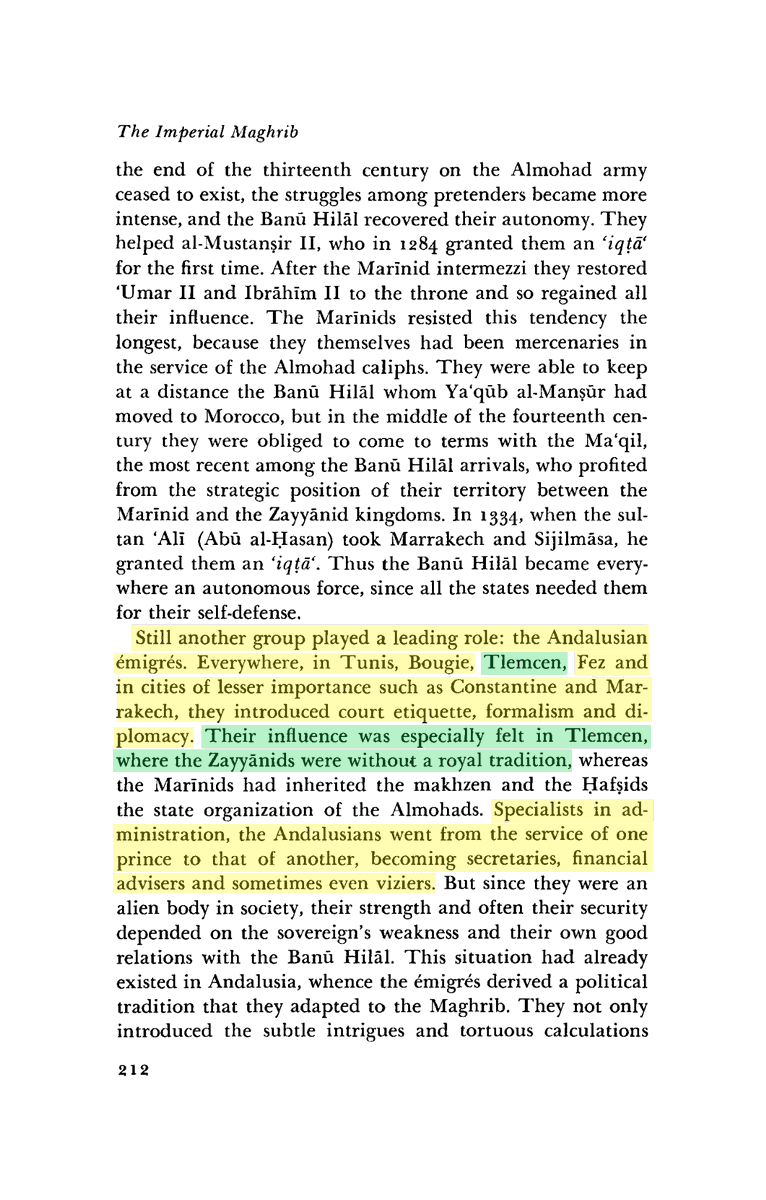
Tlemcen forged deep ties with the Nasrids and several of its princes were brought up at the Nasrid court. Tlemcen also welcomed many Andalusian refugees fleeing the Reconquista. The latter formed a real elite, introducing court etiquette, formalism and diplomacy [2].
3/ Sidi Boumediene Complex, El-Eubbad
Built in the 14th century, this complex is made up of a mosque, a mausoleum and baths.
The mosque is beautifully decorated with muqarnas, arabesques and geometric patterns, all characteristic of the art of Al-Andalus.
Built in the 14th century, this complex is made up of a mosque, a mausoleum and baths.
The mosque is beautifully decorated with muqarnas, arabesques and geometric patterns, all characteristic of the art of Al-Andalus.
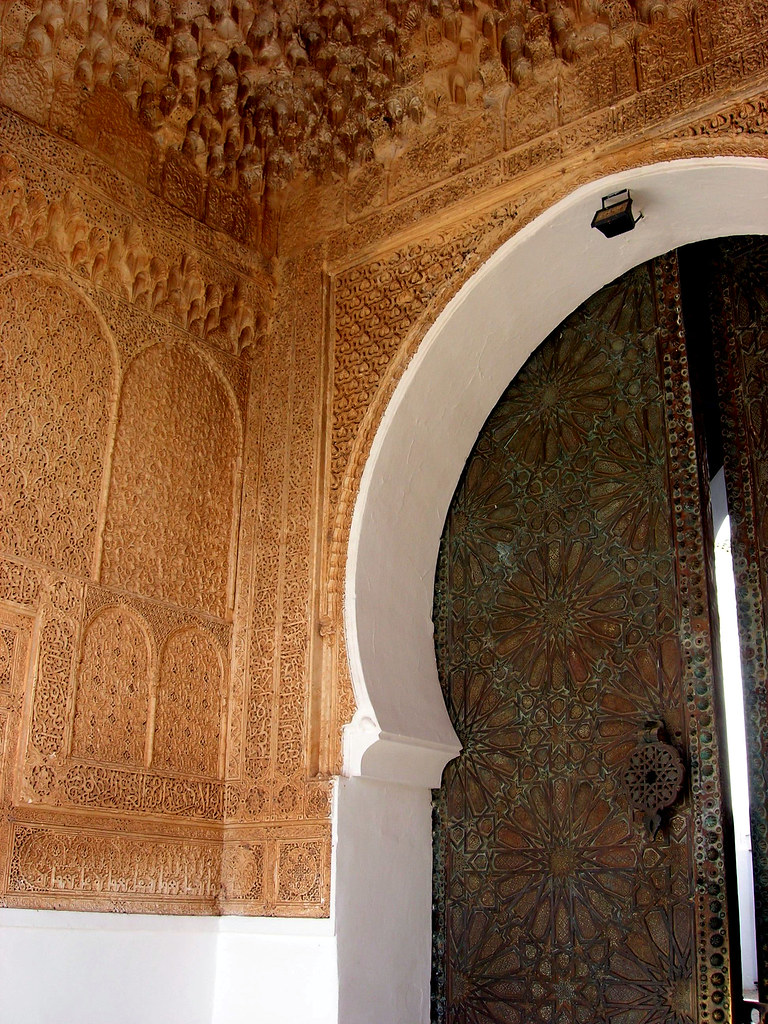
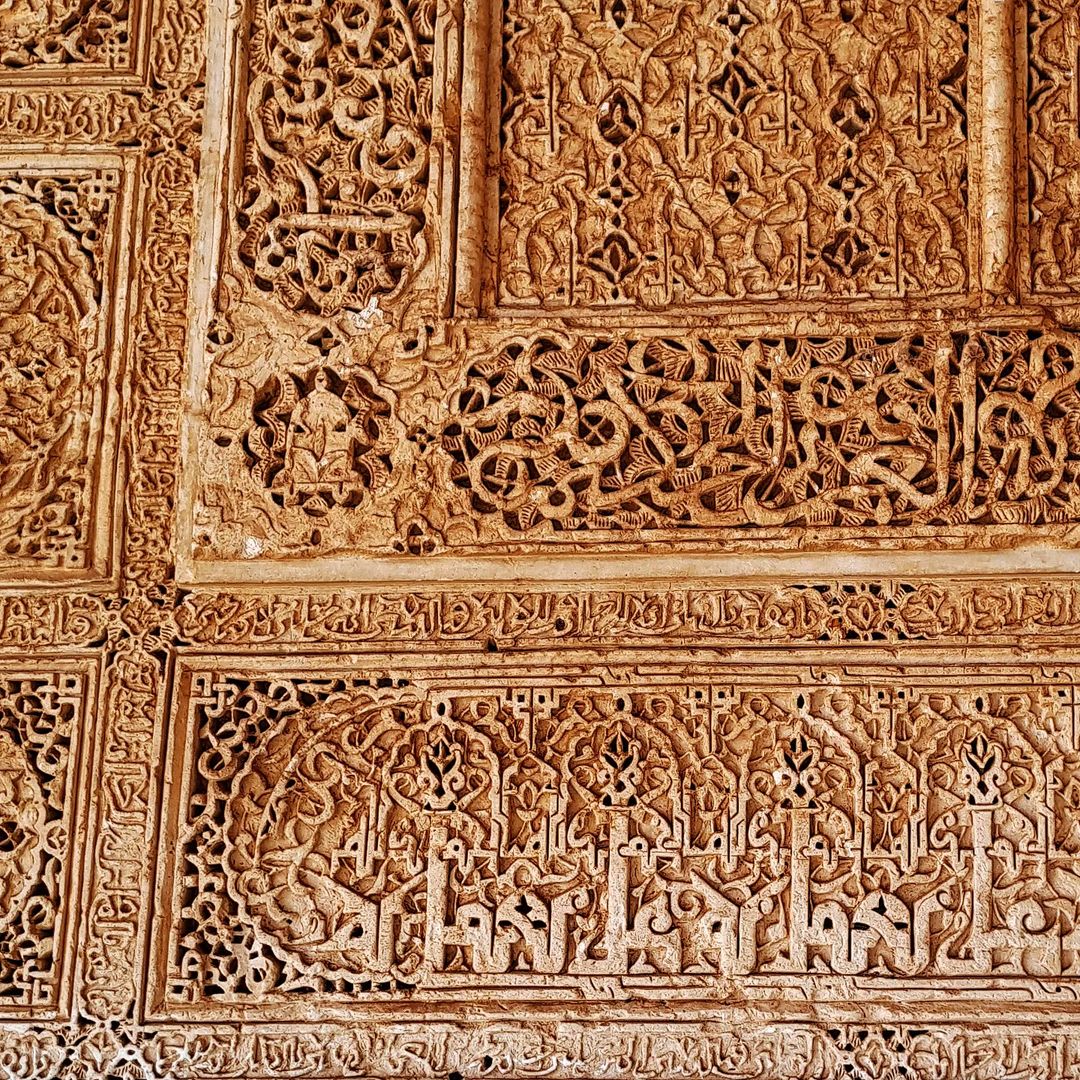
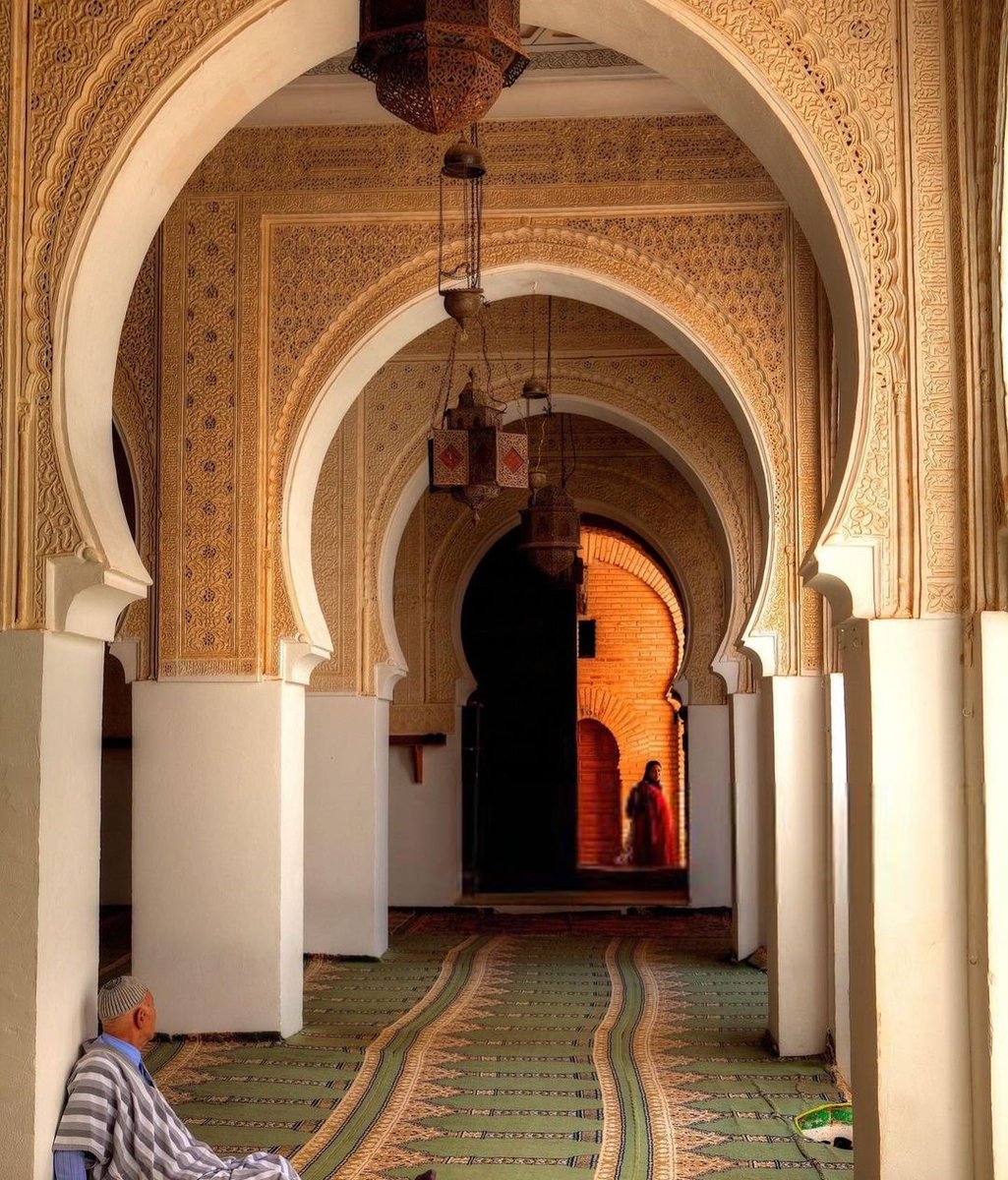
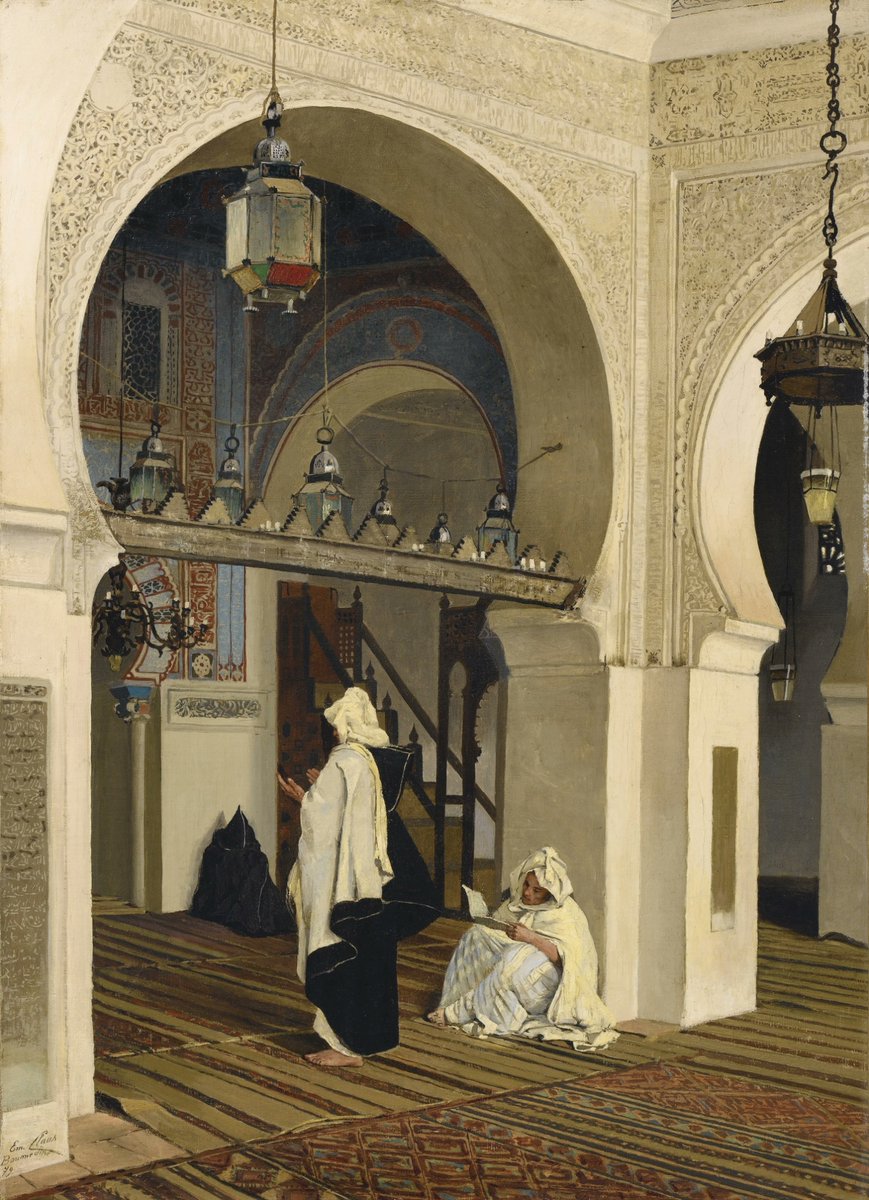
Like the Marinids and the Hafsids, Tlemcen's sultans employed Andalusian craftsmen to build beautiful palaces, mosques and gardens. Local craftsmen were thus influenced by these Andalusian craftsmen, developing a style specific to Tlemcen but still in the Hispano-Arab tradition.
4/ El Mechouar Palace
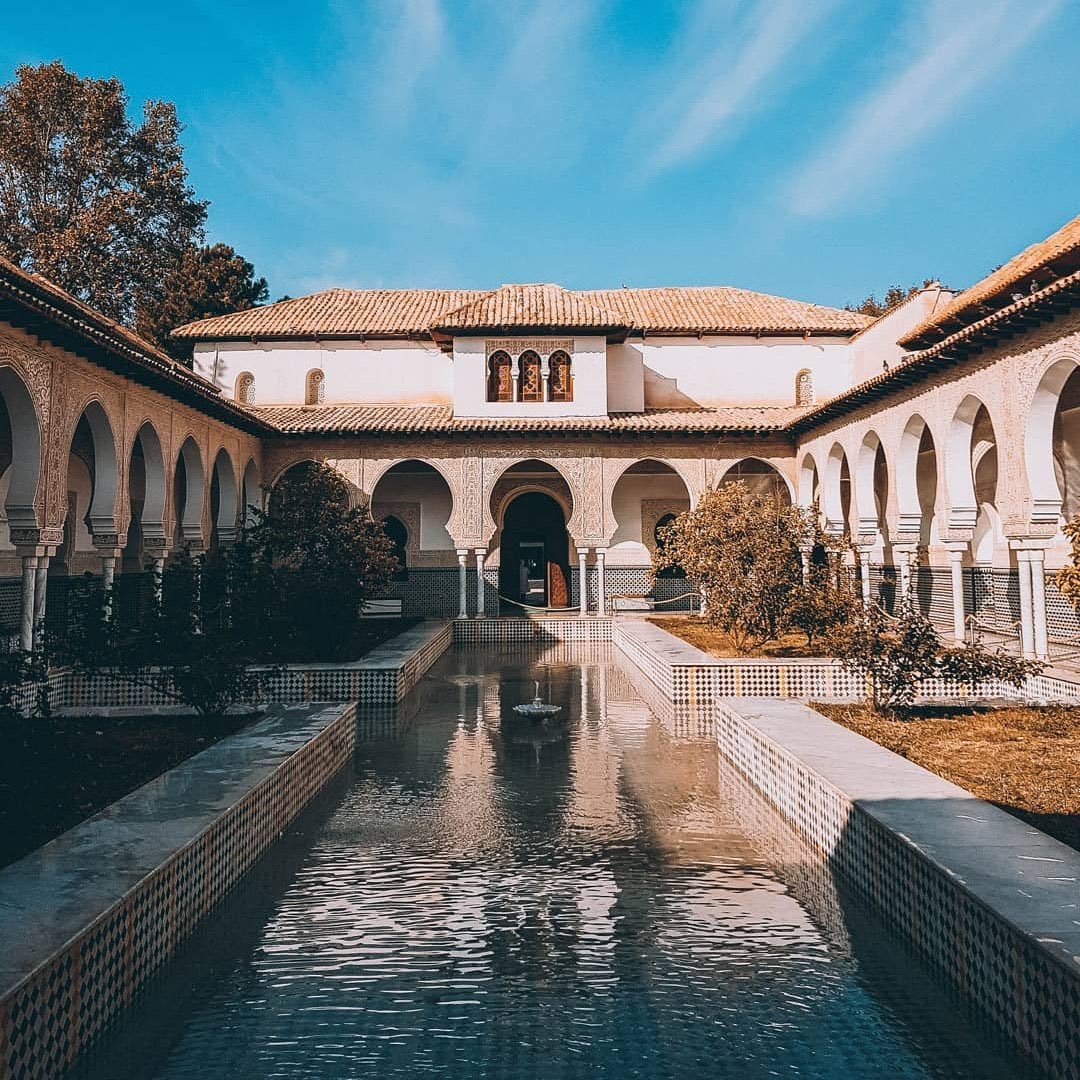
Built by the Zayyanids, the Mechouar was originally a fortified palatial complex. Its architecture recalls that of the Nasrid palaces of Granada.
Of this complex, only the mosque, the ramparts and one of the courtyards of the palace remain.
Built by the Zayyanids, the Mechouar was originally a fortified palatial complex. Its architecture recalls that of the Nasrid palaces of Granada.
Of this complex, only the mosque, the ramparts and one of the courtyards of the palace remain.
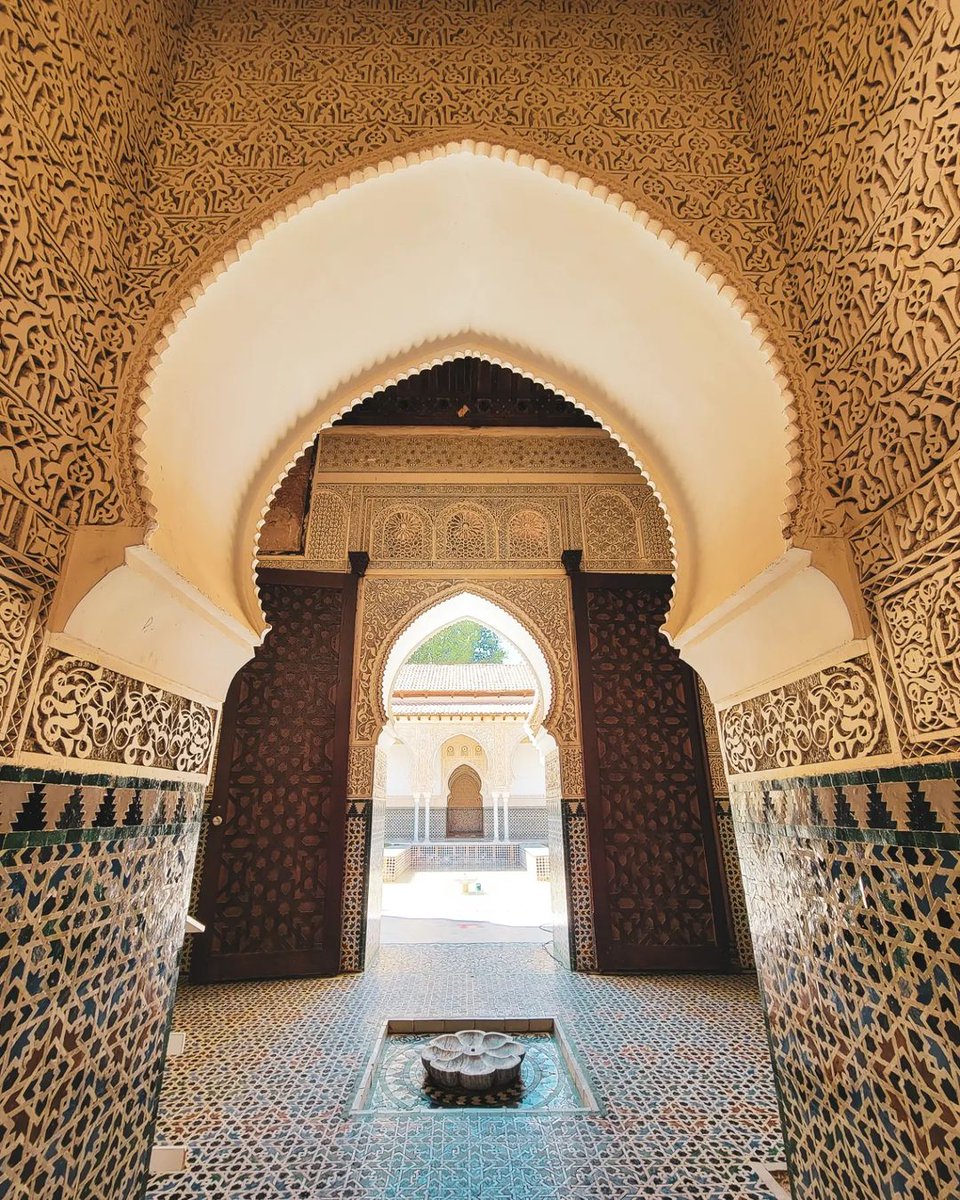
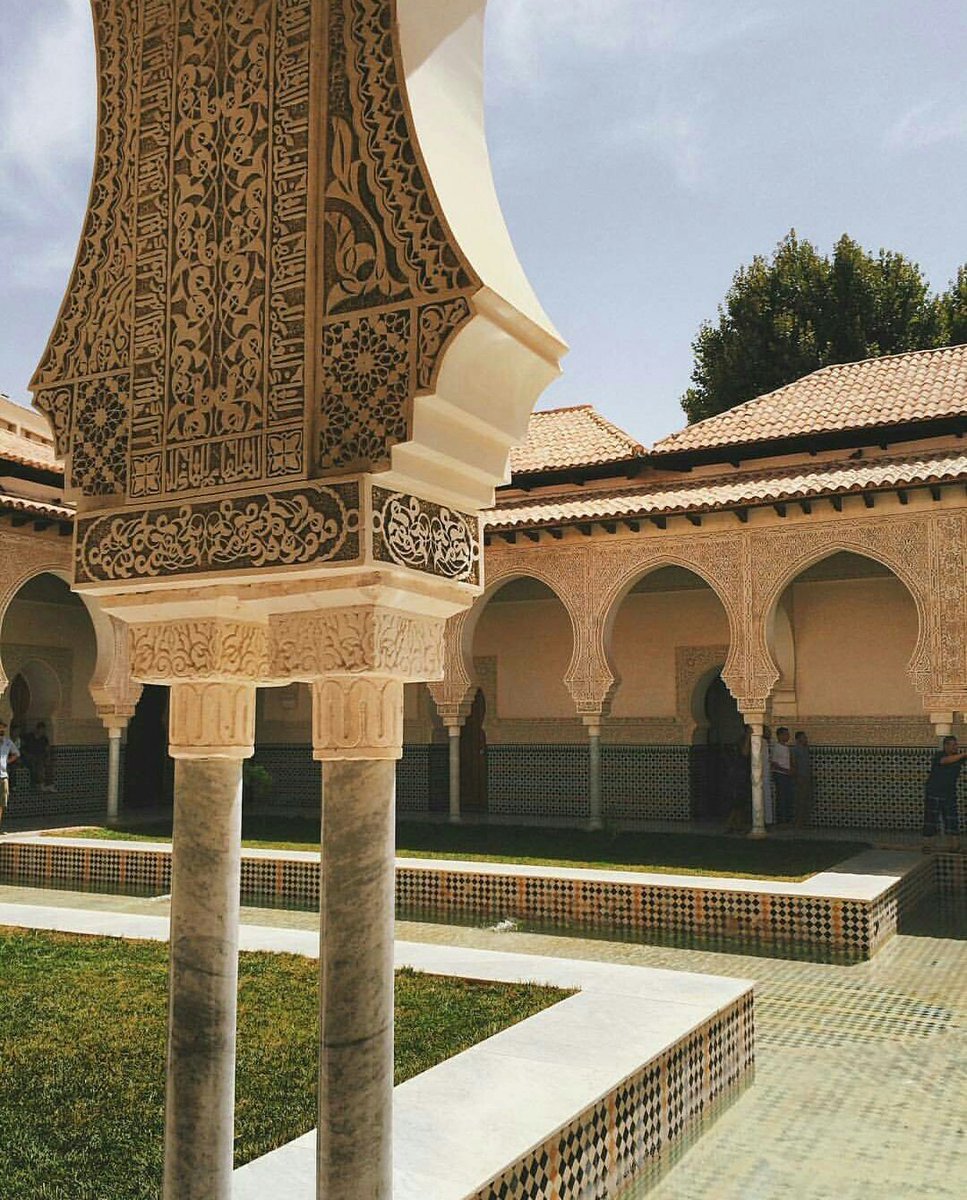
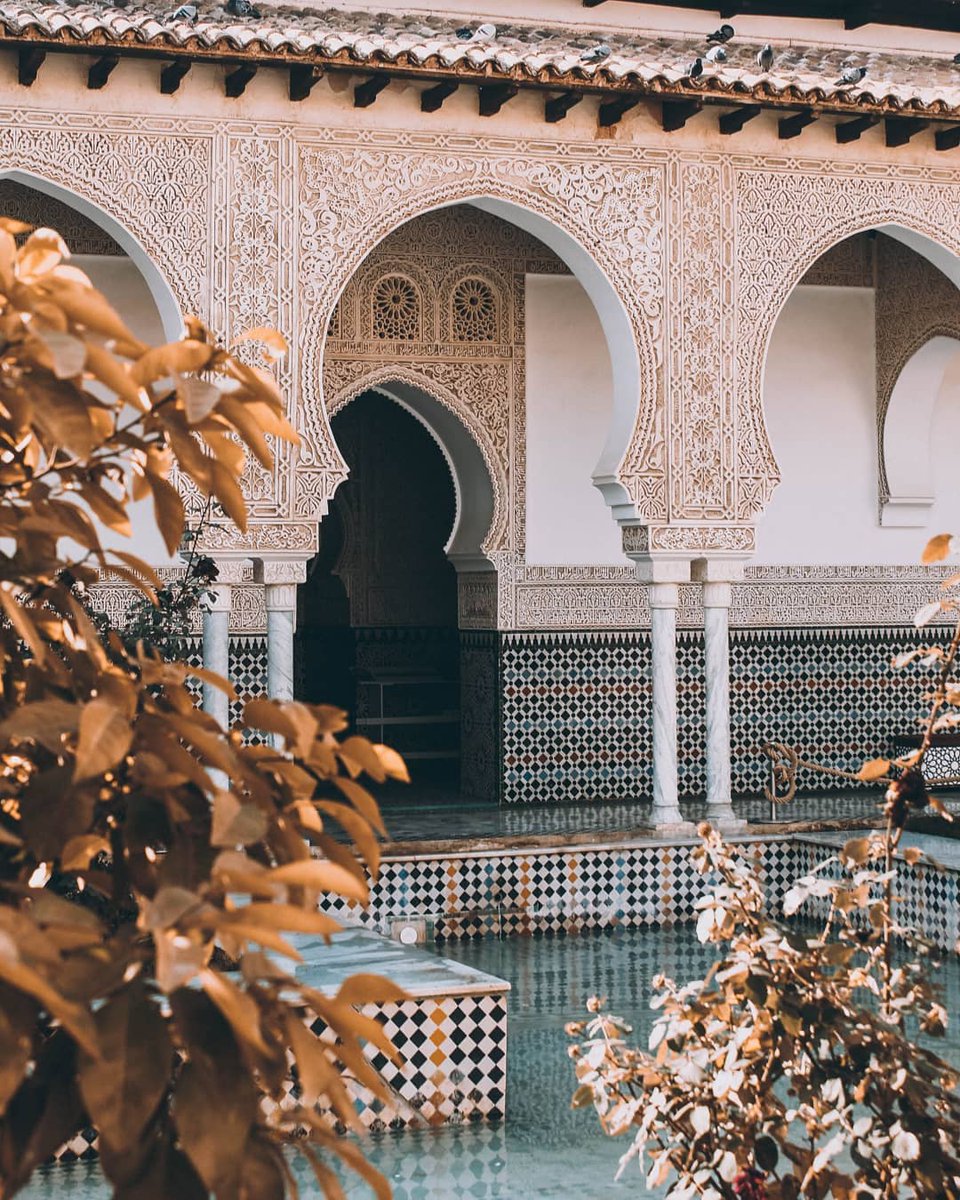
In his Kitab Al-'Ibar, Ibn Khaldun mentions that: "The Zayyanid princes had to ask Isma'il I, emir of Granada, in order to procure laborers and craftsmens". The sovereign then sent them "the most skillful architects of his country".
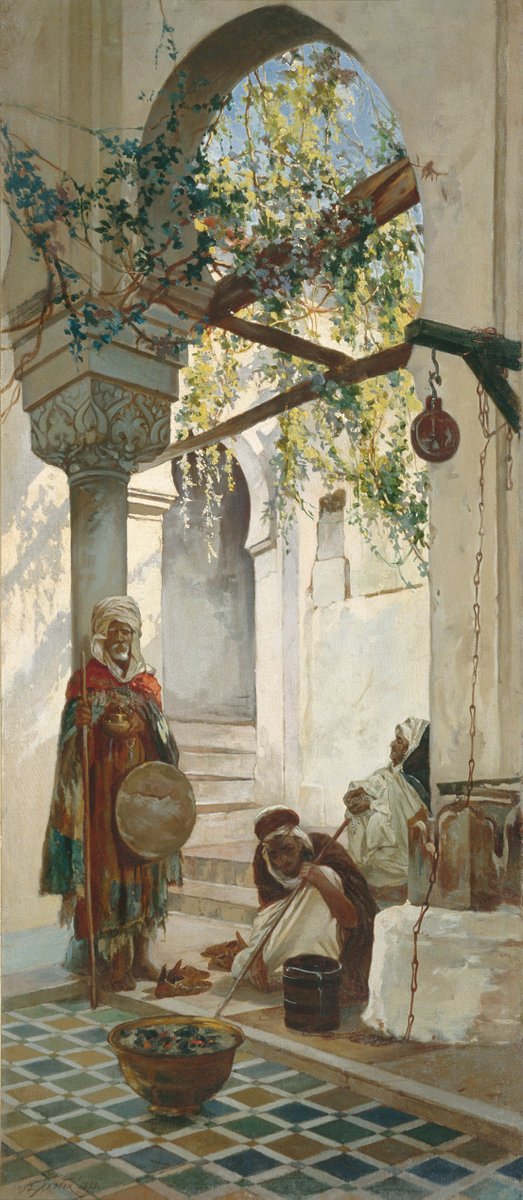
5/ Khaldunia Madrasa, El-Eubbad
Built eight years after the construction of the Sidi Boumediene mosque, this madrasa has played a major role in the spread of knowledge throughout the Muslim world.
The famous Tunisian scholar Ibn Khaldun taught there.
Built eight years after the construction of the Sidi Boumediene mosque, this madrasa has played a major role in the spread of knowledge throughout the Muslim world.
The famous Tunisian scholar Ibn Khaldun taught there.
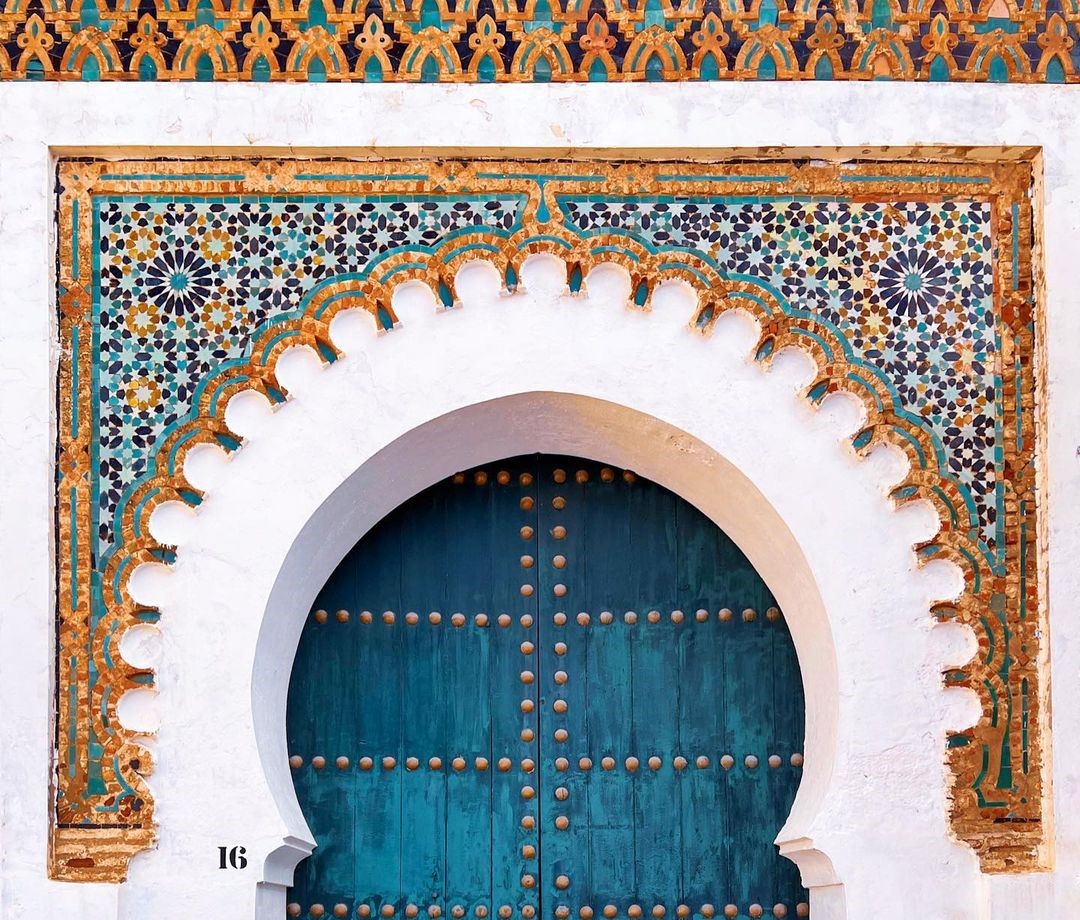
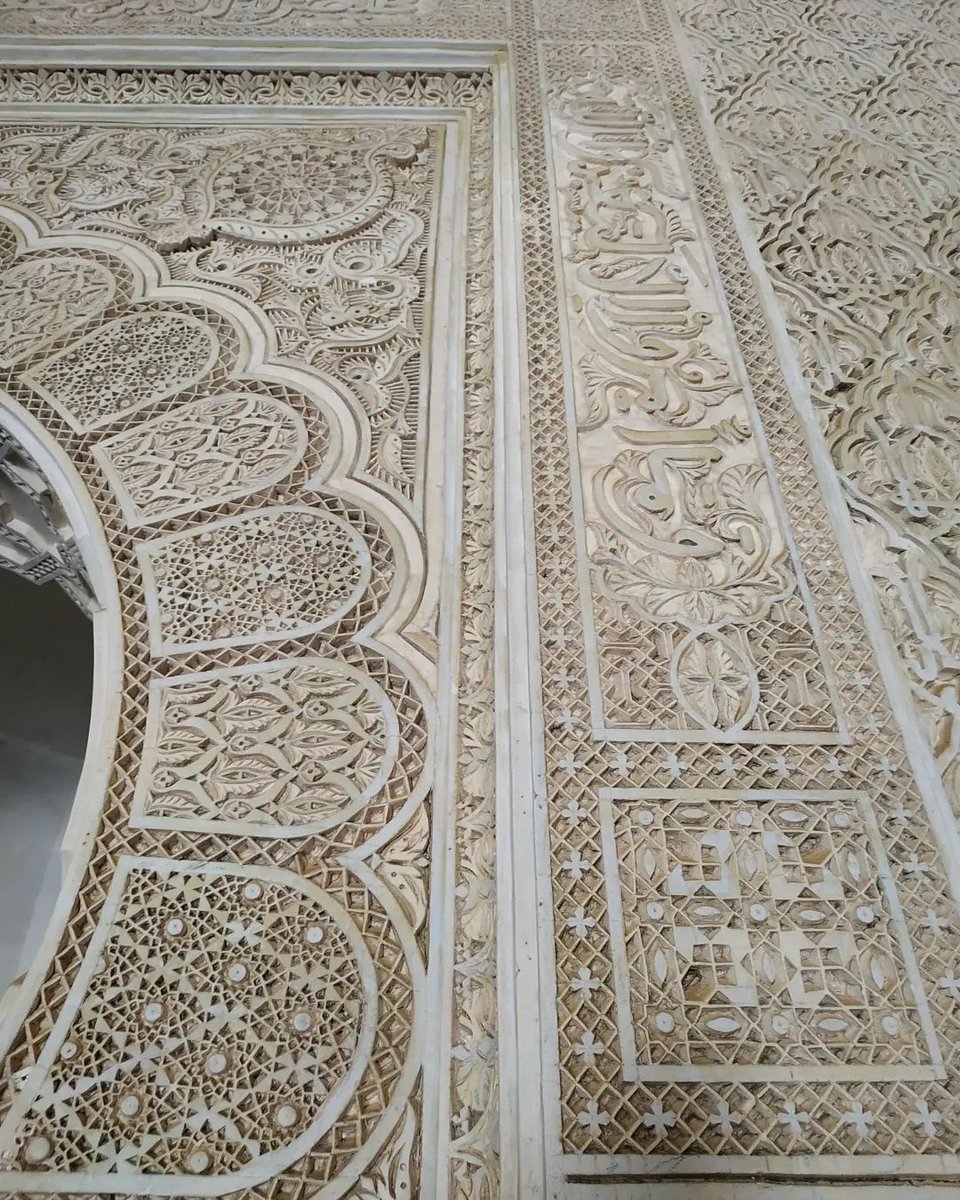
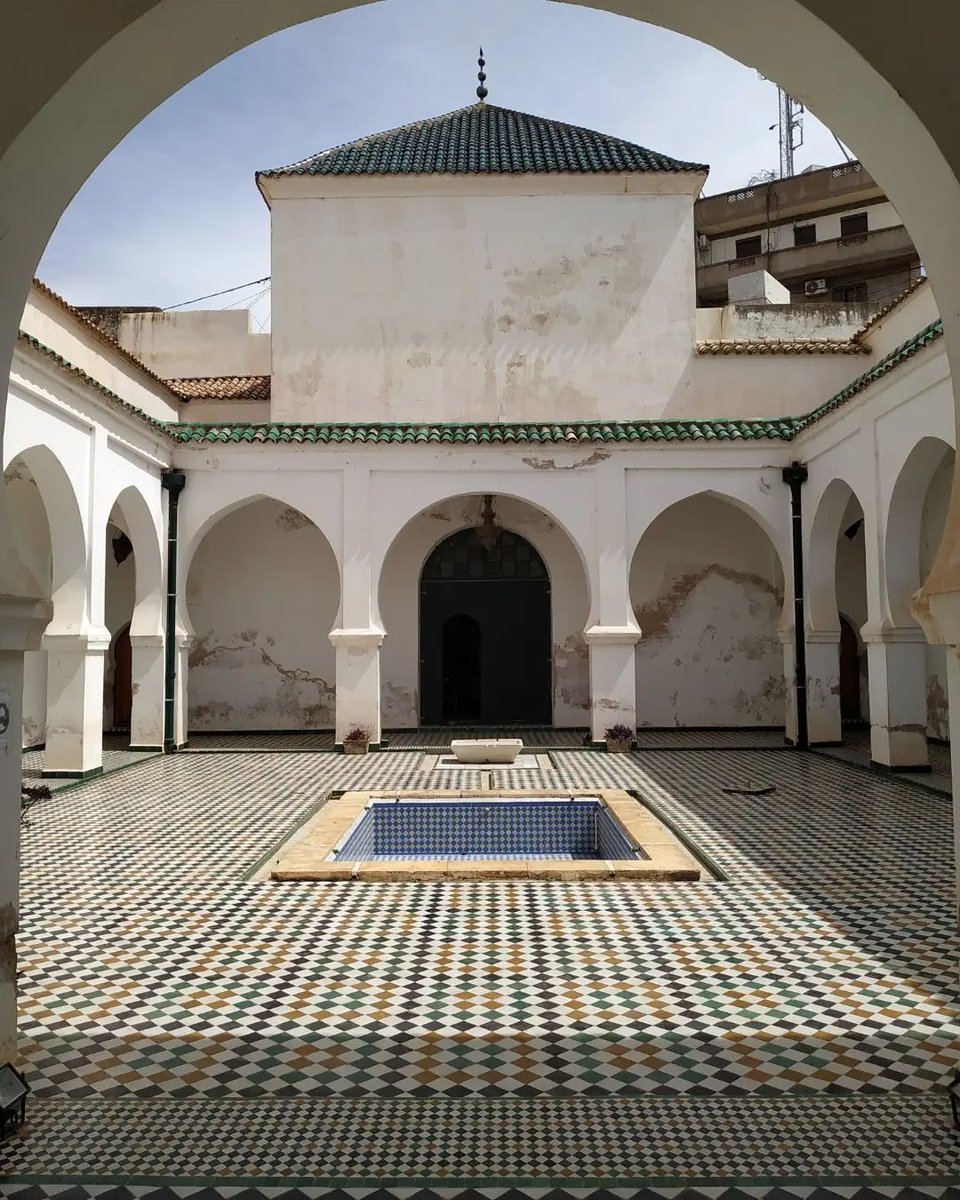
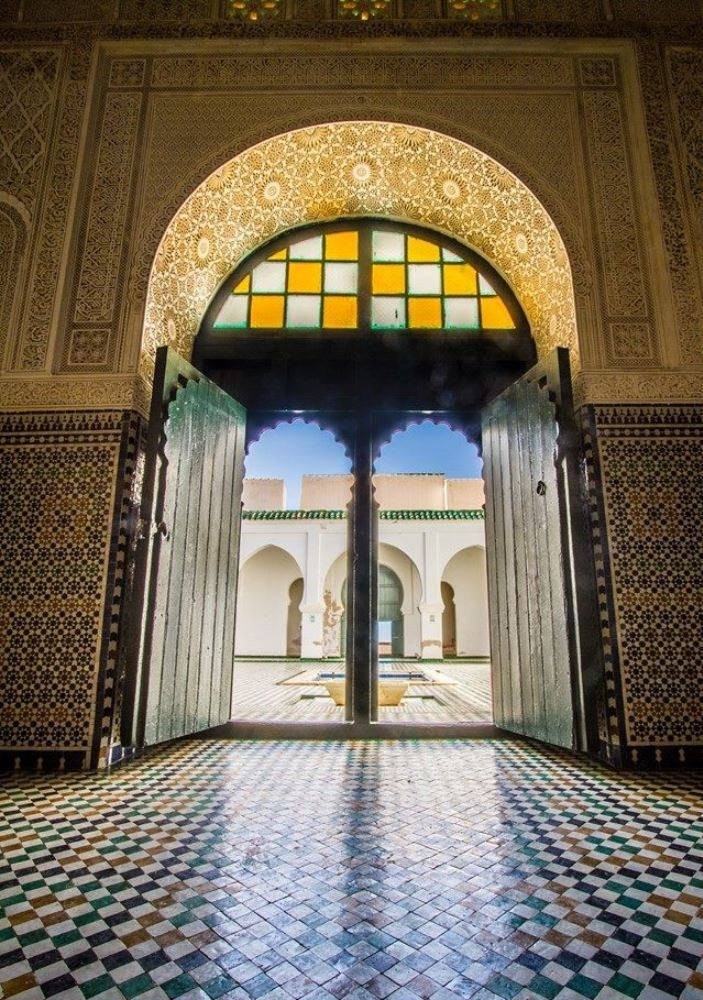
Another important example of the connection between Tlemcen and Al-Andalus was the scholar Al-Maqqari. Native of Tlemcen and of Andalusian origin, he was famous for having written a monumental encyclopedia on Al-Andalus called "Nafh Al-Tib".
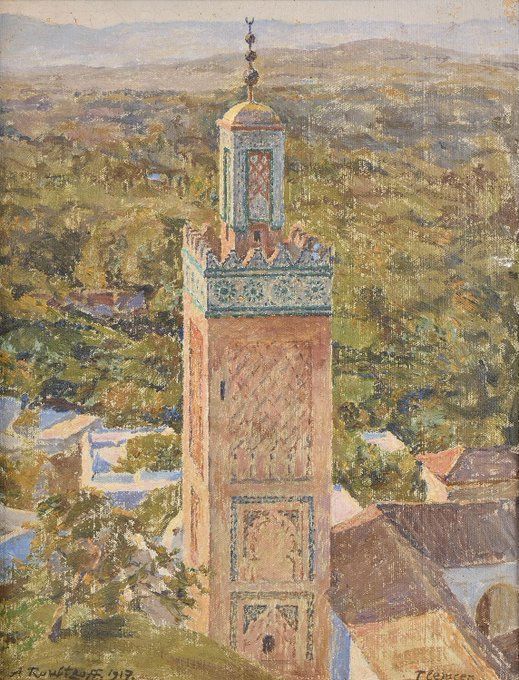
6/ Sidi El-Haloui Mosque
Built in 1353, the name of this mosque comes from the name of an Andalusian mystic, Sidi El-Haloui, who settled in Tlemcen, another symbol of the important link between the city and Al-Andalus.
Its minaret, 25 meters high, is richly decorated.
Built in 1353, the name of this mosque comes from the name of an Andalusian mystic, Sidi El-Haloui, who settled in Tlemcen, another symbol of the important link between the city and Al-Andalus.
Its minaret, 25 meters high, is richly decorated.


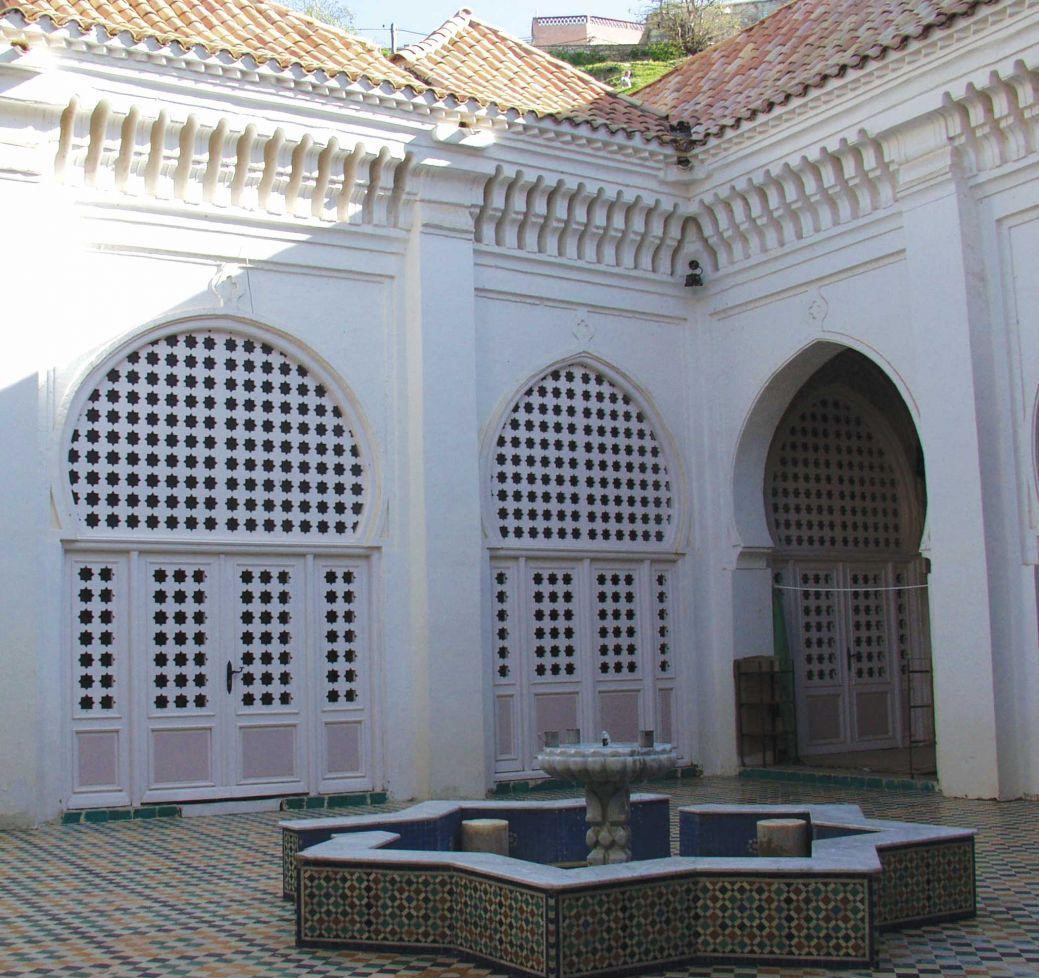
Al-Maqqari was thus the testimony that a large part of the history of Al-Andalus came to us thanks to its preservation by the inhabitants of Tlemcen.
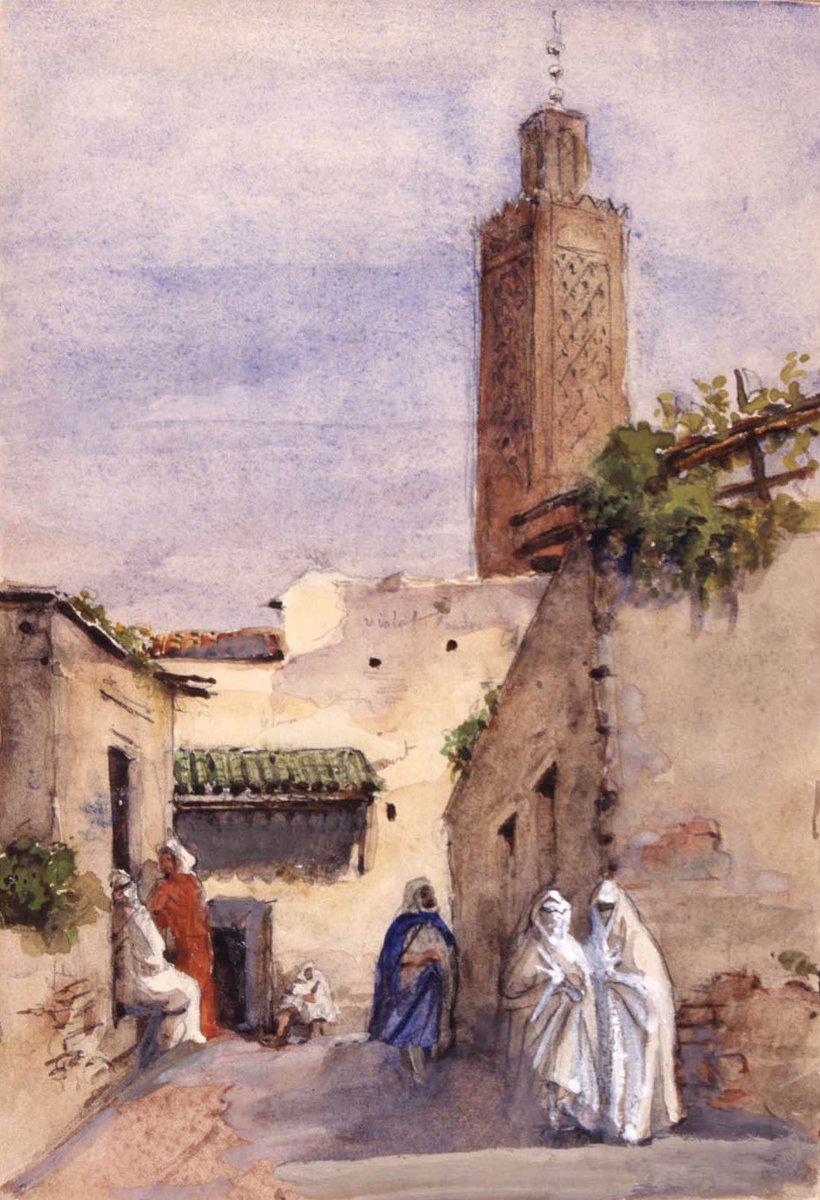
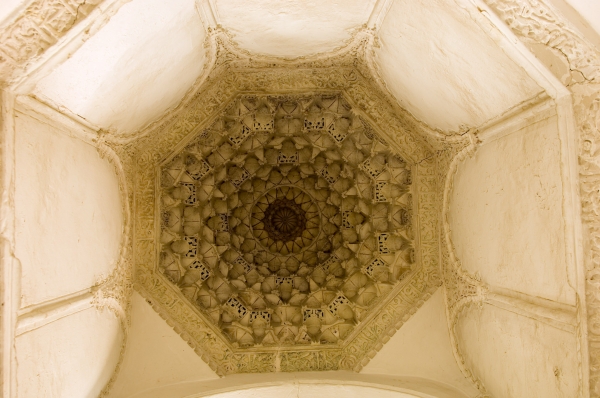
7/ Tomb of the Princess
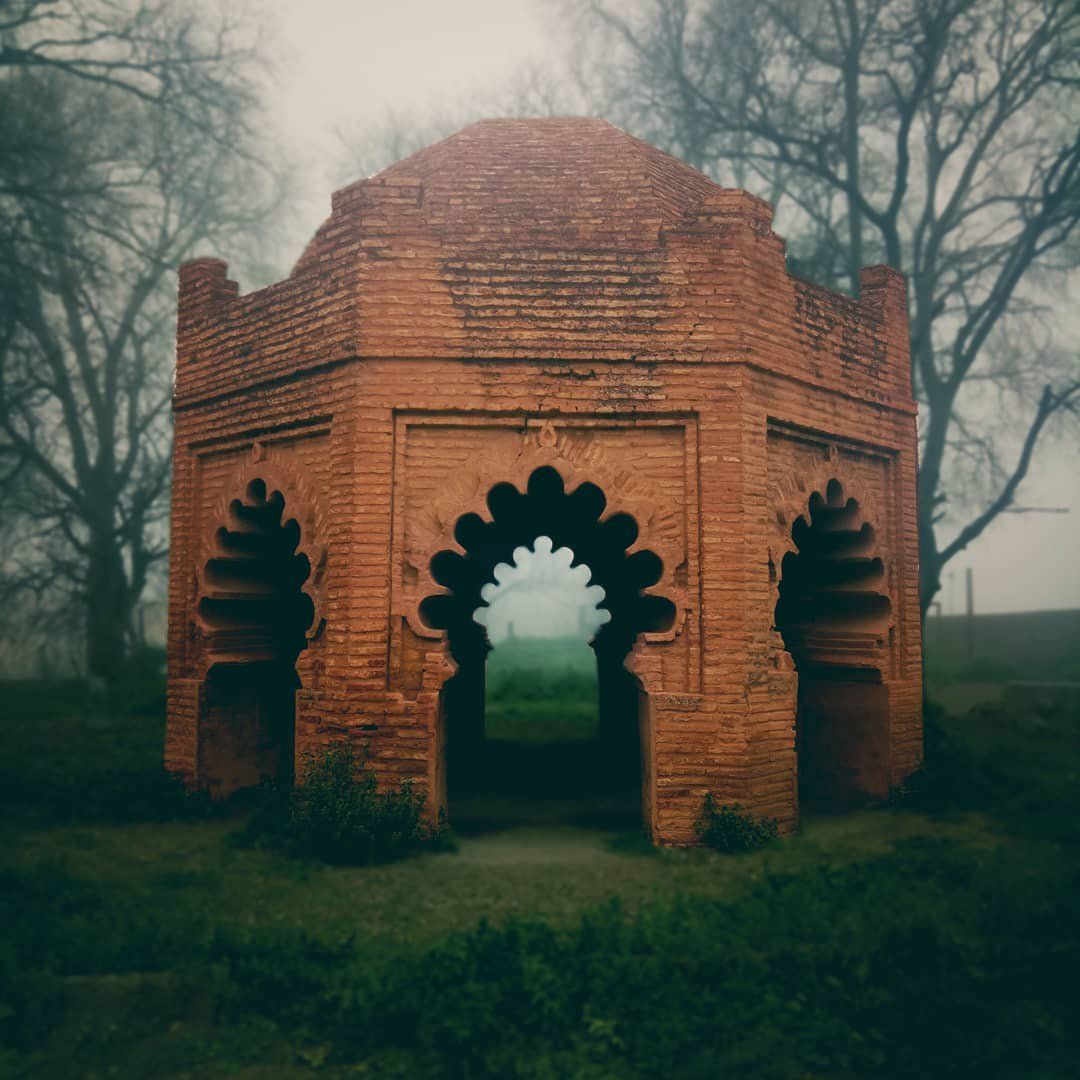
Built for the great-granddaughter of Yaghmurasen, it is a beautiful little qubbah built of bricks on an octagonal plan and decorated with multifoil arches, each cut with nine lobes.
Built for the great-granddaughter of Yaghmurasen, it is a beautiful little qubbah built of bricks on an octagonal plan and decorated with multifoil arches, each cut with nine lobes.
Today, the impact of the exchanges between Tlemcen and Al-Andalus can still be seen in many aspects of the city's culture such as music, clothing and architecture.
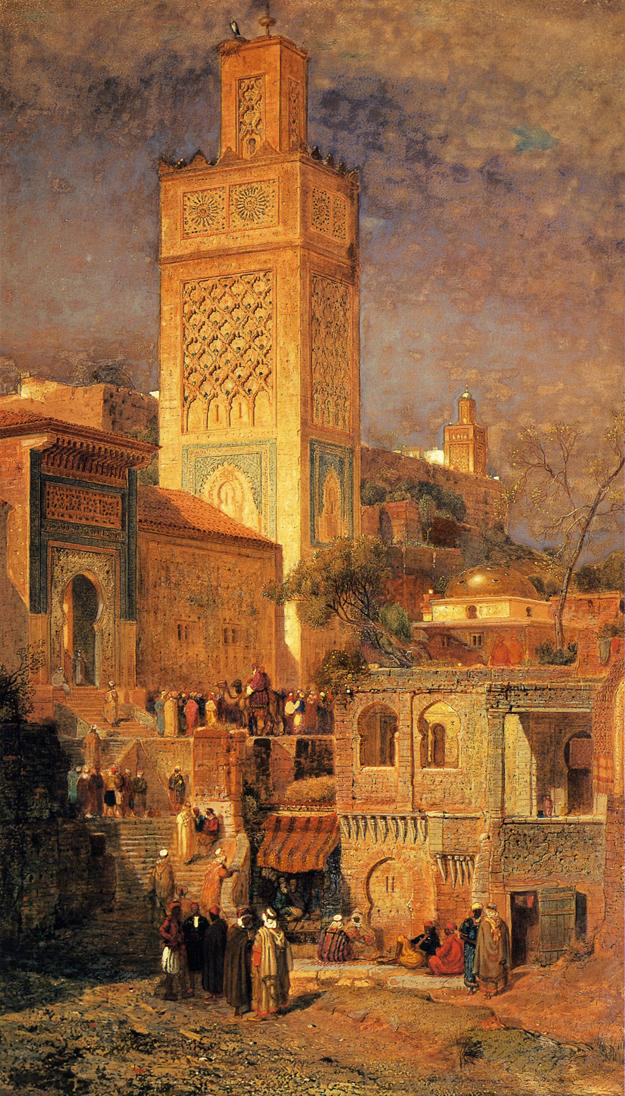
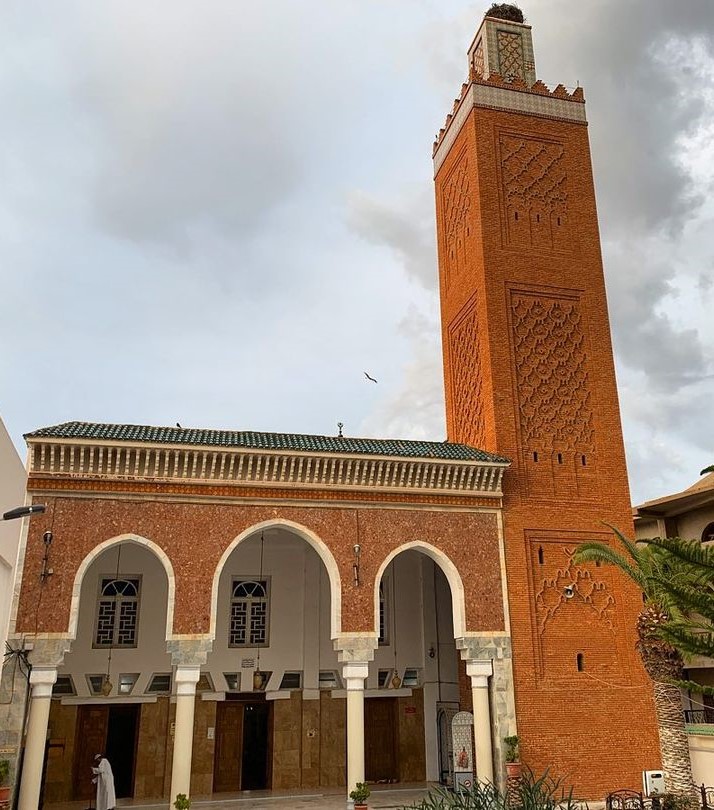
8/ Sidi Snoussi Mosque
Built under the first Zayyanids, its minaret was built in the 15th century during the reign of Sultan Abu Abbas Ahmed I.
It was named after the scholar Mohamed Ibn Yusef Al-Sanussi.
Built under the first Zayyanids, its minaret was built in the 15th century during the reign of Sultan Abu Abbas Ahmed I.
It was named after the scholar Mohamed Ibn Yusef Al-Sanussi.
Sources:
[1]: Louis A. Gordon, Ian Oxnevad. "Middle East Politics for the New Millennium: A Constructivist Approach", p. 66.
[2]: Laroui A. "The History of the Maghrib: An Interpretive Essay", p. 212.
[1]: Louis A. Gordon, Ian Oxnevad. "Middle East Politics for the New Millennium: A Constructivist Approach", p. 66.
[2]: Laroui A. "The History of the Maghrib: An Interpretive Essay", p. 212.
Loading suggestions...