


1. Government Commitment: Rwandan government has demonstrated a strong commitment to transforming the agricultural sector.
It has implemented various policies and initiatives aimed at modernizing agriculture, improving productivity, and ensuring food security
It has implemented various policies and initiatives aimed at modernizing agriculture, improving productivity, and ensuring food security
2. Land Consolidation: Rwanda has implemented a land consolidation program, known as land tenure reform, which has helped consolidate small, fragmented land holdings into larger, more productive plots.
This consolidation allows for more efficient use of resources, including modern agricultural techniques and machinery
3. Technological Innovation: Rwanda has embraced technology and innovation in agriculture.
3. Technological Innovation: Rwanda has embraced technology and innovation in agriculture.
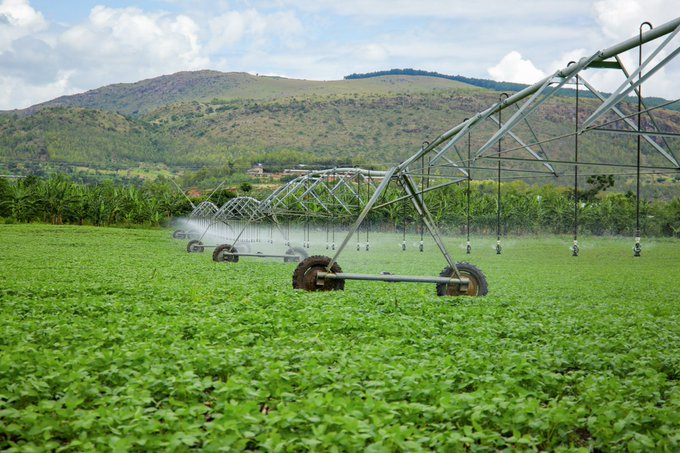
The country has invested in modern farming technologies, such as irrigation systems, precision farming techniques, and drone technology, to improve productivity and optimize resource management.
4. Knowledge and Skills Development: Rwanda has strongly emphasized building the knowledge and skills of its agricultural workforce.
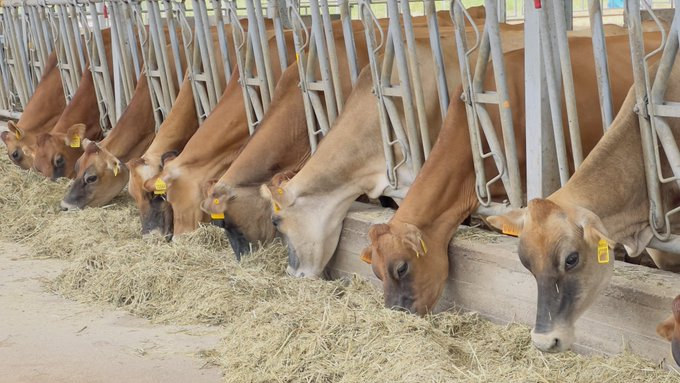
The country has invested in agricultural research and extension services, providing farmers with access to up-to-date information, best practices, and training programs. This focus on capacity building enhances productivity and promotes innovation in the sector
5. Sustainable Agriculture Practices: Rwanda has been proactive in promoting sustainable agricultural practices.
The government encourages the adoption of agroecological approaches, such as organic farming, conservation agriculture, and agroforestry. These practices help preserve soil fertility, conserve water resources, and promote biodiversity while ensuring long-term productivity.
6. Public-Private Partnerships: Rwanda has fostered collaborations between the public and private sectors to drive agricultural development.
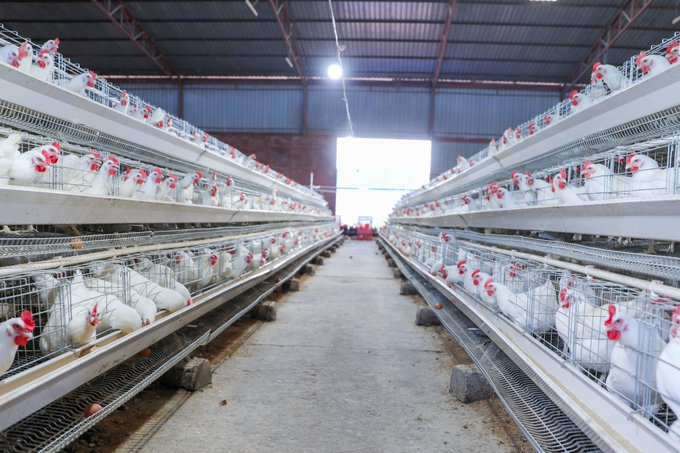
This approach has attracted investments in agricultural infrastructure, value chain development, and agribusinesses. Public-private partnerships contribute to the transfer of technology, knowledge, and capital, facilitating the modernization of the agricultural sector
7. Market-Oriented Approach: Rwanda recognizes the importance of market access and value addition in agricultural development. The country has been proactive in promoting agribusiness and creating an enabling environment for agripreneurs.
By focusing on value chains, processing, and market linkages, Rwanda aims to increase the income of farmers and foster economic growth.
8. International Recognition: Rwanda's efforts in agricultural transformation have gained international recognition. The country has been commended for its progress in food security, sustainable agriculture, and rural development.
This recognition has opened up opportunities for partnerships, investments, and knowledge sharing with other countries and organizations.
While challenges still exist, Rwanda's commitment to modernizing its agricultural sector, combined with strategic policies and investments, positions it favorably to become a leader in modern agriculture in Africa.
Loading suggestions...