

As promised, in this thread I will go over some of the main points I made during my talk at the Virtual International Healthcare conference.
Fibromyalgia, a mitochondrial disease?
A THREAD 🧵
Fibromyalgia, a mitochondrial disease?
A THREAD 🧵
Fibromyalgia is a chronic disorder characterised by widespread musculoskeletal pain, fatigue, sleep disturbances, and cognitive issues.

It affects around 2-8% of the global population, with higher rates among women than men. It can develop at any age, but it is most commonly diagnosed in middle-aged individuals.
The hallmark symptom of fibromyalgia is chronic, widespread pain. The pain is typically described as a constant dull ache, often accompanied by tenderness in specific tender points throughout the body.
Fibromyalgia is believed to involve a complex interaction of genetic, environmental, and psychological factors. Certain triggers, such as physical trauma, infections, or emotional stress, can contribute to the development or worsening of fibromyalgia symptoms.
I think the mitochondria plays a big part.
How?
Before we get into that, let's run through some of what the mitochondria do.
How?
Before we get into that, let's run through some of what the mitochondria do.
The mitochondria are organelles found in most cells of the body and are often referred to as the "powerhouses" of the cell. They play crucial roles in various cellular processes and have multiple functions within the body.
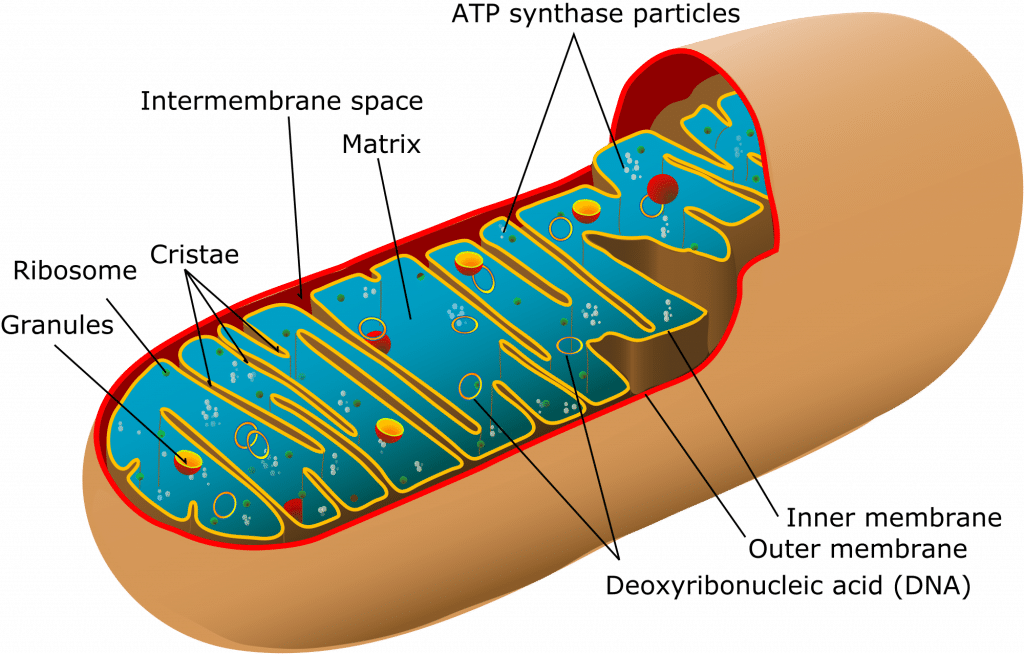
Other than helping to produce energy, mitochondria as also involved in metabolism and nutrient breakdown; calcium homeostasis; ROS regulation; cell signalling and apoptosis; being involved in immune responses and inflammation; and controlling nuclear DNA processes.
Now onto fibromyalgia and the mitochondria.
Oxidative stress has been proposed as a significant episode in the pathogenesis of the condition.
ncbi.nlm.nih.gov
Oxidative stress has been proposed as a significant episode in the pathogenesis of the condition.
ncbi.nlm.nih.gov
Oxidative stress plays a critical role in chronic pain due to central sensitisation. Central sensitisation refers to an abnormal amplification of pain signalling within the central nervous system (CNS), specifically in the spinal cord and brain.
Elevated spinal ROS levels by increased production of mitochondrial superoxide lead to central sensitisation and consequently pain without peripheral nerve injury or tissue inflammation.
ncbi.nlm.nih.gov
ncbi.nlm.nih.gov
Decreased coenzyme Q10 (CoQ10) - (a vital component of the electron transport chain and antioxidant) vitamin D levels along with an increase in reactive oxygen species (ROS) production in blood mononuclear cells from FM patients have been detected.
pubmed.ncbi.nlm.nih.gov
pubmed.ncbi.nlm.nih.gov

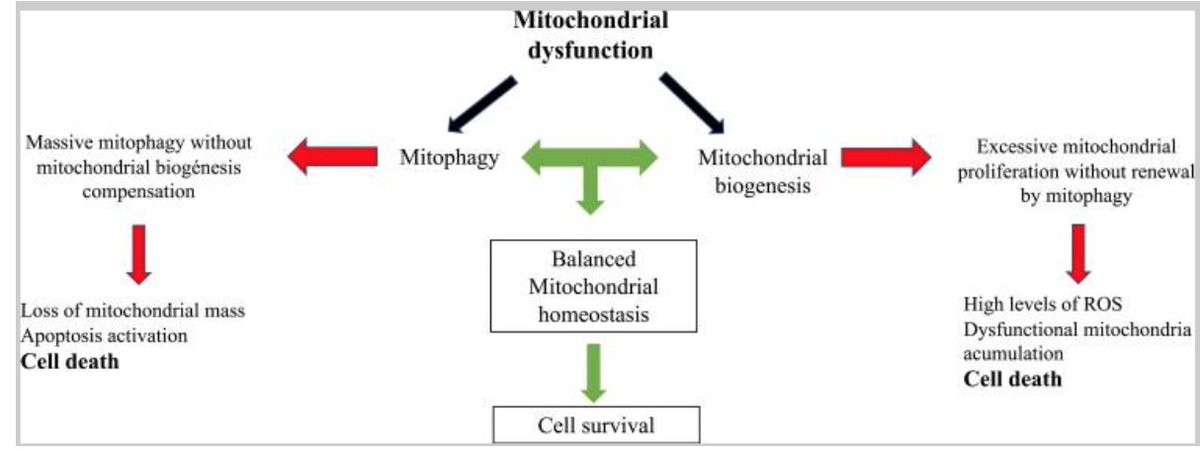
Mitochondrial dysfunction was also identified with increased expression of autophagic genes as well as the removal of defective mitochondria by mitophagy.
pubmed.ncbi.nlm.nih.gov
pubmed.ncbi.nlm.nih.gov

In the results obtained from one study, 69% of patients present a clear mitochondrial imbalance, which confirms that it is a useful method for the diagnosis and monitoring of fibromyalgia.
ncbi.nlm.nih.gov
ncbi.nlm.nih.gov
Fibromyalgia is often preceded by a physical trauma, such as from an accident or from surgery, psychological stress, viral, parasitic or bacterial infections, episodes of strenuous physical activity, etc.
pubmed.ncbi.nlm.nih.gov
pubmed.ncbi.nlm.nih.gov

Following inflammatory stimuli, the production of oxygen radicals (ROS, oxidative and nitrosative stress), H2O2 (peroxides), 2O2 -- (superoxide) and ONOO-- (peroxynitrite) is increased.
Several authors have reported mitochondrial dysfunction in white blood cells as well as in muscle biopsies in those with fibromyalgia. Namely mitochondria with irregular cristae, single fibre defects of cytochrome-c-oxidase, and deletions of the mitochondrial genome.
When mitochondria are damaged it in turn causes cellular damage and induce nuclear fragmentation.
Those with fibromyalgia have shown to have more DNA fragmentation.
ncbi.nlm.nih.gov
Those with fibromyalgia have shown to have more DNA fragmentation.
ncbi.nlm.nih.gov
Fibromyalgia was associated with higher levels of pyruvate and lower levels of ATP and Phosphocreatine, in one study, a finding that suggests muscle mitochondrial dysfunctions in fibromyalgia.
ncbi.nlm.nih.gov
ncbi.nlm.nih.gov

Phospholipids are molecules that make up the membranes of our cells. When one of the fatty acid chains is removed from a phospholipid, it becomes a lysophospholipid, specifically a lysophosphocholine.

Fibromyalgia patients have been shown to have higher lysophosphocholines than controls.
Lipid oxidative fragmentation generates lysophosphocholines.
ncbi.nlm.nih.gov
Lipid oxidative fragmentation generates lysophosphocholines.
ncbi.nlm.nih.gov
Lysophosphocholines act through platelet activating factor receptors which are implicated in a variety of physiological and pathological conditions. Most importantly they are involved in modulating pain signaling.
One study found that SNP m.2352T>C was associated with an increased risk for fibromyalgia in the presence of the alternative C allele.
pubmed.ncbi.nlm.nih.gov
pubmed.ncbi.nlm.nih.gov

So imbalanced levels of mitochondria, lower coQ10, dysfunctional mitochondria, related genetic association, more ROS, more pain.
How does one address this?
Well first and foremost, the basics.
- Exercise
- Mindfulness
- Sleep
- Eliminate monosodium glutamate (MSG) and aspartame
- Vitamin D
- Magnesium
- CoQ10
- Fix the gut
I cover some of these in more detail here 👇🏾
drkohilathas.co.uk
Well first and foremost, the basics.
- Exercise
- Mindfulness
- Sleep
- Eliminate monosodium glutamate (MSG) and aspartame
- Vitamin D
- Magnesium
- CoQ10
- Fix the gut
I cover some of these in more detail here 👇🏾
drkohilathas.co.uk

Secondary bile acids are a type of bile acid that are produced in the colon through the enzymatic action of gut bacteria on primary bile acids.
Women with fibromyalgia show significant alterations in serum bile acids and gut bile-metabolizing bacteria. These alterations are correlated with syndrome symptom severity.
journals.lww.com
journals.lww.com

Other supplements that may help
- Taurine
- Melatonin
- ALCAR (cycle)
- Low carb
- Taurine
- Melatonin
- ALCAR (cycle)
- Low carb
I spoke about rapamycin too for it's ability to rescue mitochondrial dysfunction, increases mitochondrial efficiency and rescue mitochondrial myopathy.
molmed.biomedcentral.com
molmed.biomedcentral.com

As well as its ability to possibly alleviate neuropathic pain.
ncbi.nlm.nih.gov
ncbi.nlm.nih.gov

The other substance I spoke about for research purposes was psilocybin found in magic mushrooms.
Pain is complex and also resides in the mind.
Psilocybin is reported to result in significant changes in brain dynamics and functional connectivity between areas of the brain.
Pain is complex and also resides in the mind.
Psilocybin is reported to result in significant changes in brain dynamics and functional connectivity between areas of the brain.
Overactivity of the default mode network (DMN) is associated with several mental health conditions, and evidence suggests that chronic pain also disrupts the DMN's functioning." Psilocybin has been shown to alter the connectivity of the DMN.
sciencedirect.com
sciencedirect.com

As fibromyalgia may have also been triggered by psychological trauma, psilocybin may aid here too.
Psilocybin mushrooms are extremely safe to consume compared to other recreational drugs, but when used in a clinical setting, they may be able to treat a wide range of mental health ailments as well as physical conditions like chronic pain and cluster headaches.
A thread about them here 👇🏾
Loading suggestions...