

In a 1973 lecture Sir Michael Howard discussed surprise, noting “this is an aspect...which needs to be studied above all others in the Armed Forces: the capacity to adapt oneself to the utterly unpredictable, the entirely unknown. Today, another surprise. 1/25🧵
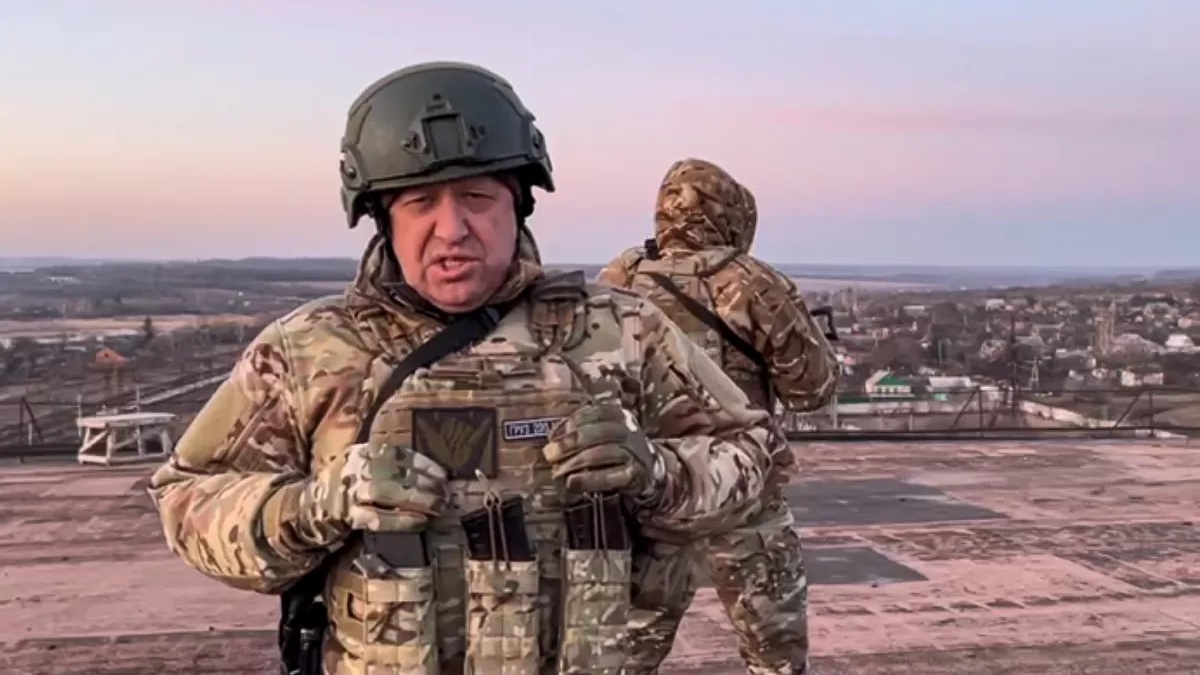
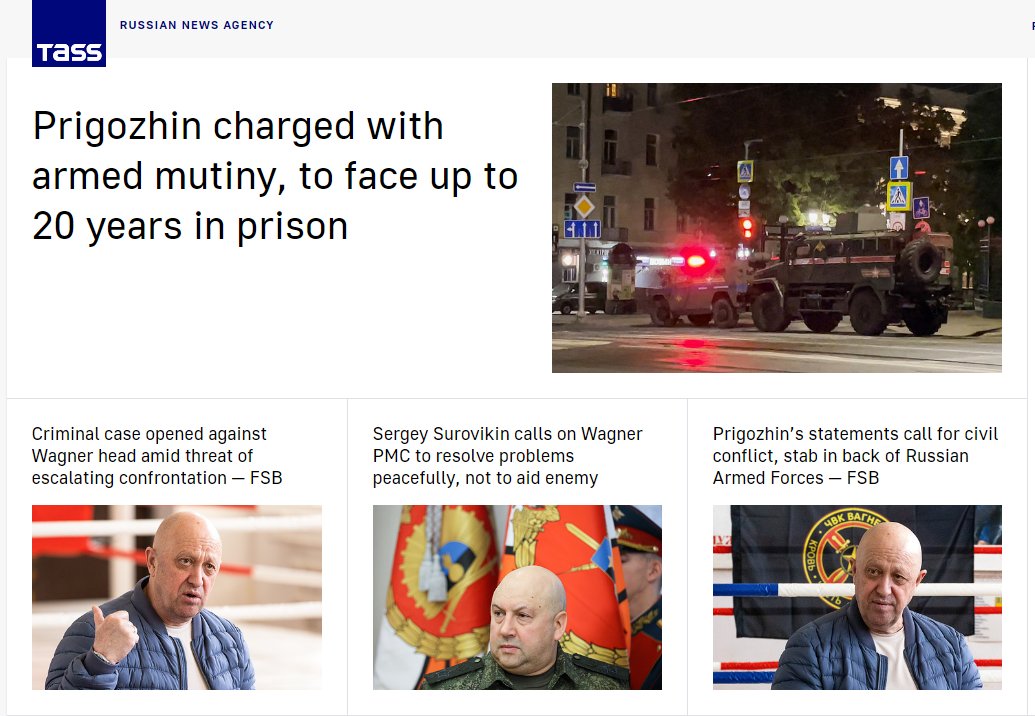
2/ The past 24 hours have again highlighted the role of surprise in conflict. While #Prigozhin has been elevating the level of bitterness his videos for some time, his latest have probably seen him cross red lines for Russia’s leadership: he has 'crossed the Rubicon'.

3/ In an audio statement in the past 24 hours, #Prigozhin stated that: "Shoygu is killing children by throwing untrained soldiers, conscripts included, into the war…We only fight with professionals. But if someone stands in our path, we will destroy EVERYTHING in our way."
4/ While there is little clarity about what is actually happening in Russia, there are several questions which might be posed despite the level of uncertainty.
5/ How will this chaos impact on Russian leadership? Given Wagner’s role in eastern #Ukraine, how will the Russian army have to adapt their forces to cover for their loss? How will the Ukrainians exploit this as part of their ongoing offensives? None yet have clear answers.
6/ As @Lawdavf notes, surprise is not just a battlefield event. He describes how “a state believes itself to be at peace then suddenly finds itself at war, in agony and embarrassed that it failed to pick up the enemy plot.”
7/ Soldiers, citizens and politicians have been surprised, consistently, over thousands of years of history. The writings of ancient historians such as Thucydides, Polybius, and Herodotus contain many examples of one nation gaining victory through surprise and deception.
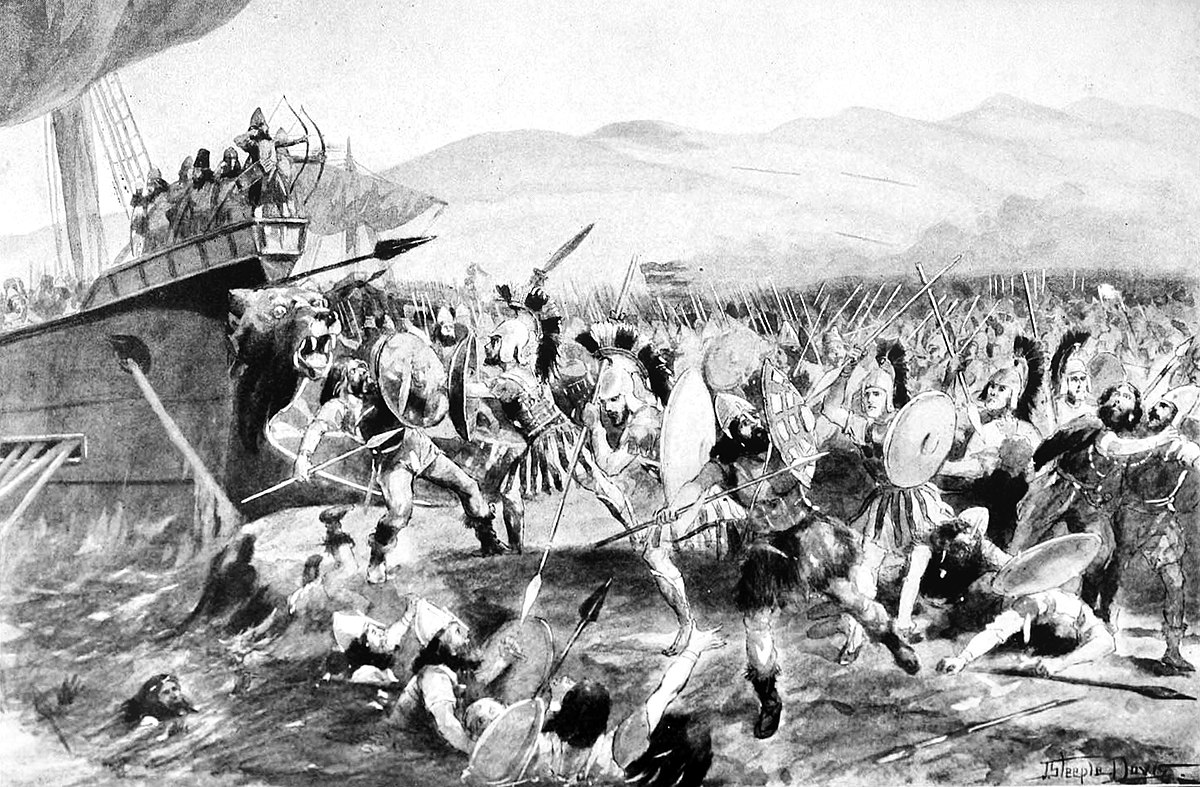
8/ The doctrinal publications of many different military organisations, including those in the United States, Australia, Britain and beyond describe achieving of surprise against an enemy is a highly desirable component of military strategy, campaigns and tactical activities.
9/ How surprise is achieved has evolved. New areas such as deepfake misinformation, high-speed hypersonic weapons, long-range autonomous vehicles and cyber operations complement more long-standing means of deceiving an enemy and achieving surprise.
10/ Back to the war in Ukraine. There have been multiple instances of surprise during this war. Prigozhin’s ‘crossing the Rubicon’ with his comments in the past 24 hours is just the latest example. Other examples include the following…

11/ The Belgorod Incursion. In May and June 2023, armed groups crossed the border from Ukraine and into the Russian Belgorod region. This caused some shock in senior levels of the Russian government and necessitated a re-assessment of Russian military dispositions.
12/ Moscow drone strikes. In May 2023, multiple drones flew over Moscow, with all eventually being shot down or crashing around wealthier parts of the capital. The drones caused minimal physical damage but generated world-wide headlines. bbc.com
13/ The Kerch Bridge. On 8 October 2022, in a spectacular attack, the Kerch Bridge from Russia to occupied Crimea was attacked. It had an impact on traffic from Russia to occupied Crimea and was probably a determinant in replacement of the Russian overall commander at the time.
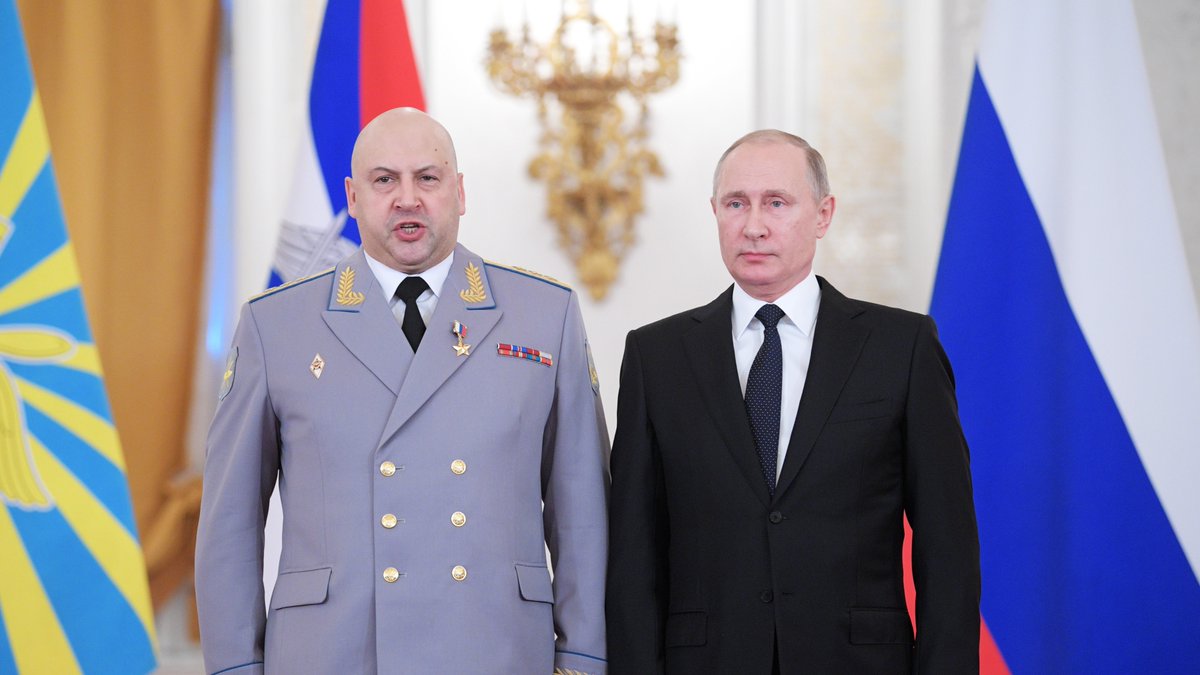
14/ The 2022 Kharkiv offensive. In September 2022, the Ukrainians achieved surprise against the Russians in the Kharkiv region. The Ukrainians attacked what appears to have been a thinly defended area and have achieved a significant penetration into Russian rear areas.
15/ Reinvigoration and expansion of NATO. One of Putin’s key assumptions when he decided on launching his special military operation was that the West would respond in a similar way to 2014. However, NATO responded in a much more meaningful way than the Russians expected.
16/ NATO since February 2022 has instead become rinvigorated. It has found new purpose, new unity and even new members since the Russian 2022 invasion of Ukraine. No one will have been more surprised than Putin. hls.harvard.edu
17/ Defeat of Russian army at the gates of Kyiv. As the Russian invasion of Ukraine commenced, many Western commentators believed that Ukraine would not be able to hold out against the Russians for more than a few days, or a few weeks at the most.
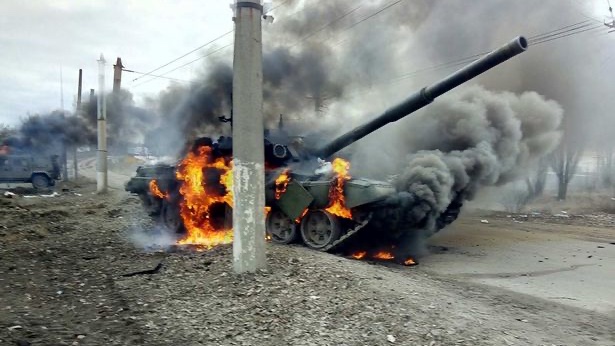
18/ Ukrainians were able to hold, and then force the withdrawal of, the Russian forces north and northeast of their capital. It was a tremendous feat of arms, and a great surprise for the Russians.
19/ And who can forget the Moskva?
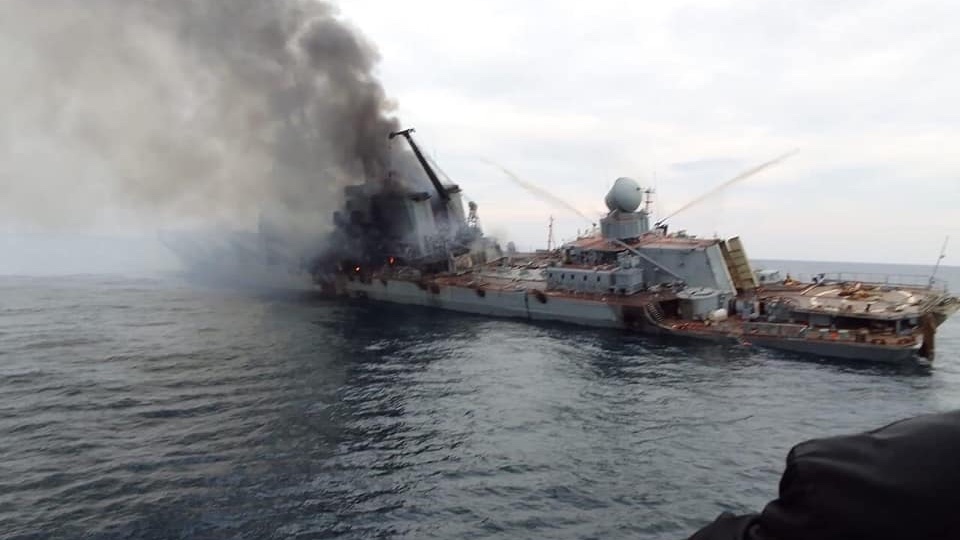
20/ The desire to achieve surprise against an adversary, to place them in a position where they are weaker that one’s own forces, has been an enduring feature of warfare.
21/ No amount of technological sophistication, or meshing of civil and military sensor networks, will lead to full battlefield transparency. Nor will it provide certainty about the decision calculus of adversary leaders – or even the decision making of friends and allies.
22/ As Wohlstetter writes in "Pearl Harbor: Warning and Decision": “we have to accept uncertainty & learn to live with it. No magic, in code or otherwise, will provide certainty. Our plans must work without it.”
23/ Surprises like #Prigozhin’s move of the past 24 hours therefore remain one of the enduring elements of #war. And as we have seen today, and throughout this war, it will continue to be a feature of the war in #Ukraine until Russia is finally defeated. End
24/ Thank you to the following whose images and links were used in this thread: @NBCNews @oryxspioenkop @LawDavF @AP @IAPonomarenko @wartranslated @RALee85 @BBCWorld
25/ You can read more on this at my latest post at Futura Doctrina: mickryan.substack.com
Loading suggestions...