

THE PHRYGIAN LANGUAGE (1)
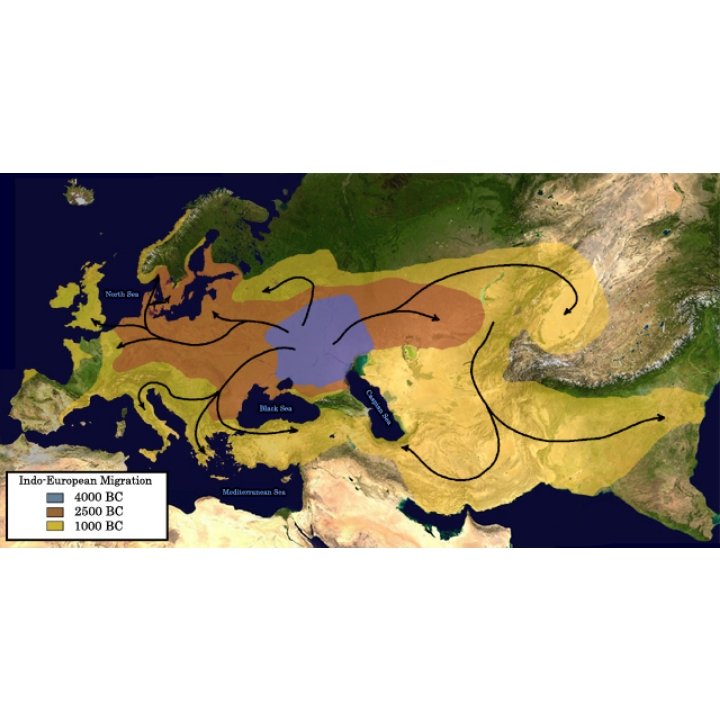
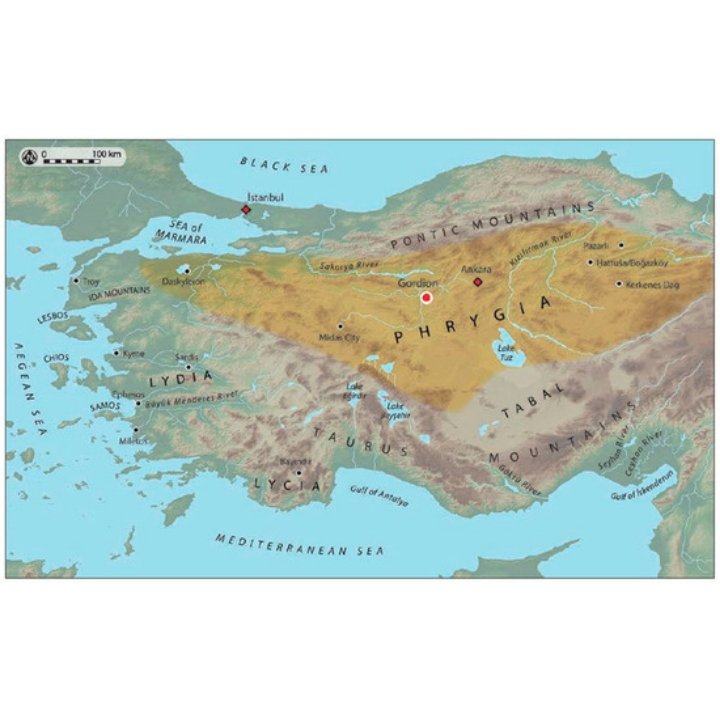
#Phrygian is part of the Indo-European language group. This language is poorly documented. The little knowledge that we have of the Phrygian language is based on few inscriptions spread over a very long period.
#Phrygian is part of the Indo-European language group. This language is poorly documented. The little knowledge that we have of the Phrygian language is based on few inscriptions spread over a very long period.
THE PHRYGIAN LANGUAGE (2)
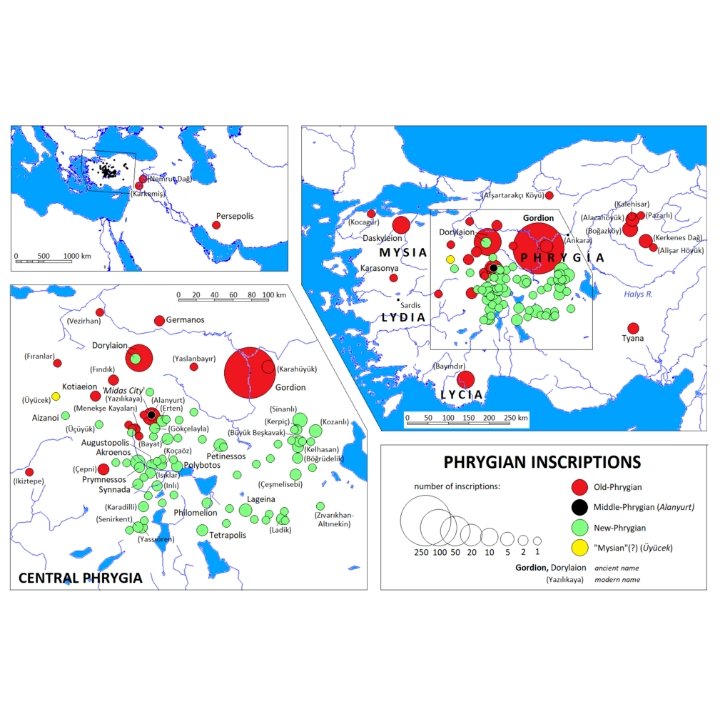
The #Phrygian script is reconstructed from two different corpora of documentation which allow a division into Paleo-Phrygian script (8th-4th century BC) and Neo-Phrygian script (1st-3rd century AD).
The #Phrygian script is reconstructed from two different corpora of documentation which allow a division into Paleo-Phrygian script (8th-4th century BC) and Neo-Phrygian script (1st-3rd century AD).
THE PHRYGIAN LANGUAGE (3)
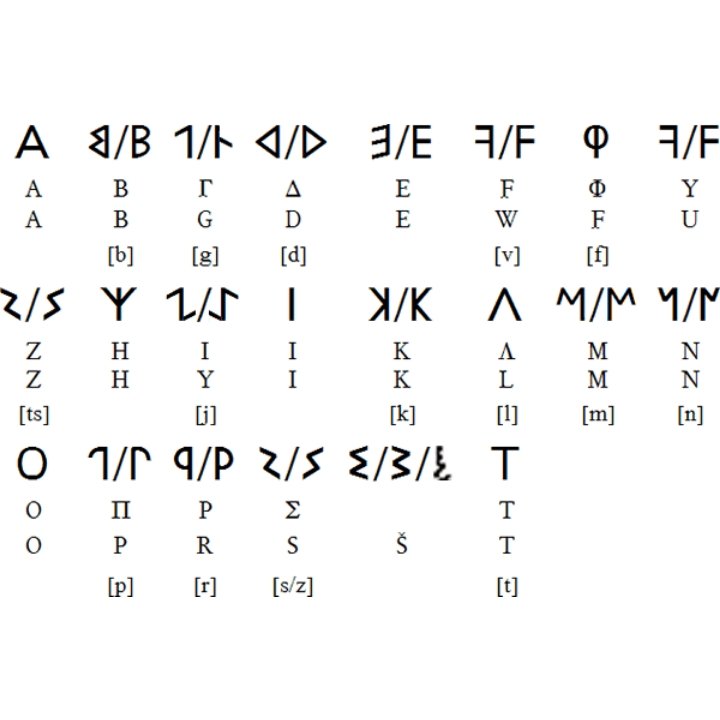
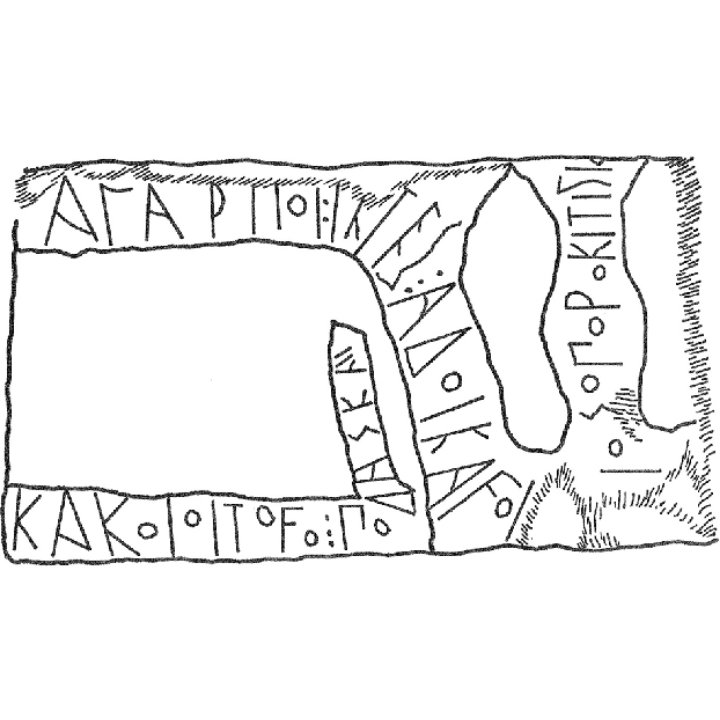
Paleo-Phrygian writing is alphabetical. It resembles the archaic #Greek script from which it may have descended and with which it shares 17 signs. Other signs, often used in specific geographical areas, have a still controversial value.
Paleo-Phrygian writing is alphabetical. It resembles the archaic #Greek script from which it may have descended and with which it shares 17 signs. Other signs, often used in specific geographical areas, have a still controversial value.
THE PHRYGIAN LANGUAGE (4)
Although the proposal of #Greek origin is the most accredited, other hypotheses hold that this writing system developed directly from the #Phoenician alphabet around the middle of the 8th century BC. J.- C., when the Greek writing is also formed.
Although the proposal of #Greek origin is the most accredited, other hypotheses hold that this writing system developed directly from the #Phoenician alphabet around the middle of the 8th century BC. J.- C., when the Greek writing is also formed.

THE PHRYGIAN LANGUAGE (5)
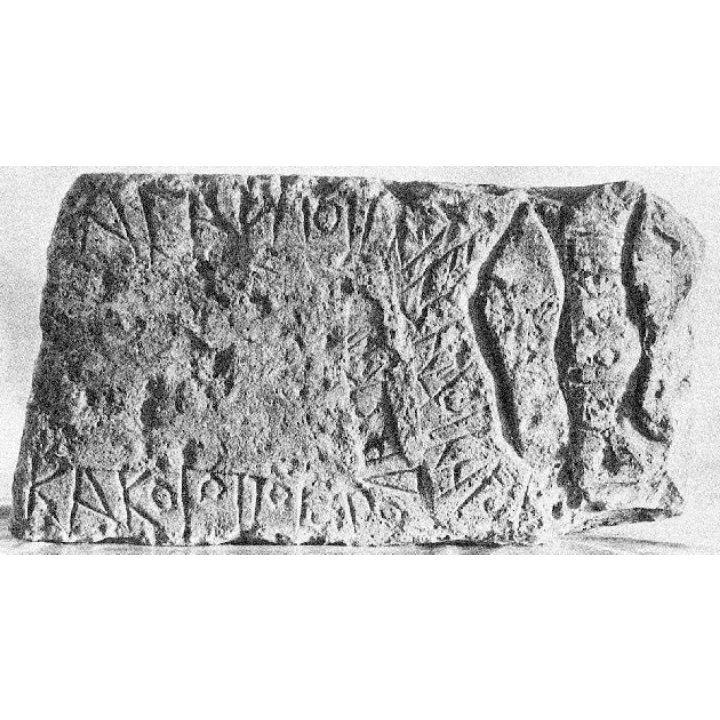
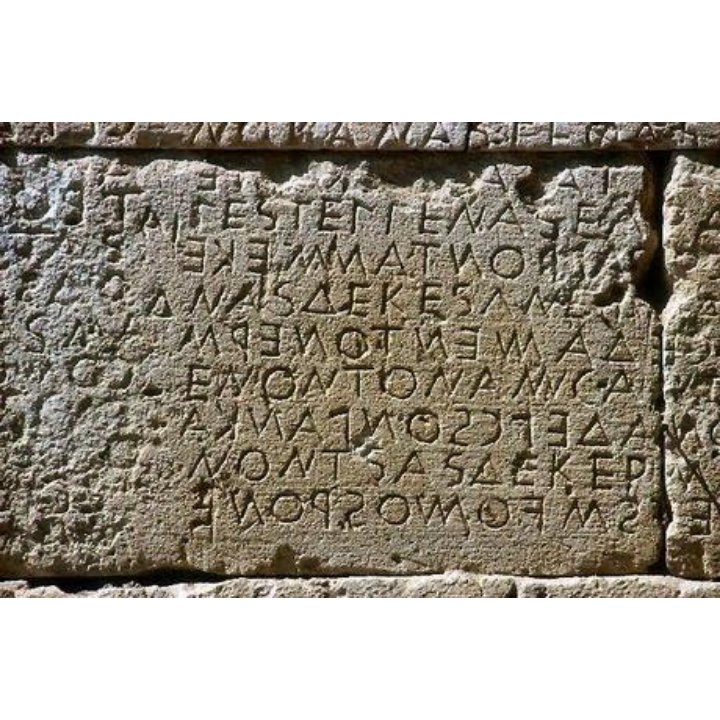
The inscriptions can be dextroverse, sinistroverse or in boustrophedon. The boustrophedon is a writing whose reading direction alternates from one line to another, like an ox marking the furrows in a field. Most often the inscriptions are dextroverse.
The inscriptions can be dextroverse, sinistroverse or in boustrophedon. The boustrophedon is a writing whose reading direction alternates from one line to another, like an ox marking the furrows in a field. Most often the inscriptions are dextroverse.
THE PHRYGIAN LANGUAGE (7)
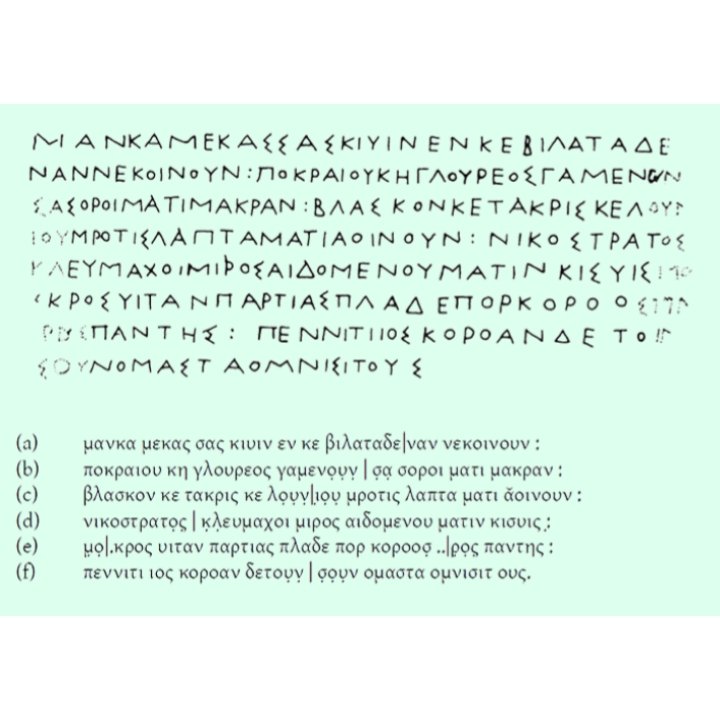
The Neo-Phrygian script is undoubtedly a Greek alphabet of which it used 17 letters. There is no separation between the words. This is a writing system used exclusively in the funerary field. The inscriptions range from the 1st to the 3rd century AD.
The Neo-Phrygian script is undoubtedly a Greek alphabet of which it used 17 letters. There is no separation between the words. This is a writing system used exclusively in the funerary field. The inscriptions range from the 1st to the 3rd century AD.
THE PHRYGIAN LANGUAGE (8)
There are 395 Palaeo-Phrygian inscriptions and 118 Neo-Phrygian inscriptions. There is also a single inscription in Middle Phrygian, dated between the 4th and 3rd centuries BC., considered the oldest Phrygian inscription in the Greek alphabet.
There are 395 Palaeo-Phrygian inscriptions and 118 Neo-Phrygian inscriptions. There is also a single inscription in Middle Phrygian, dated between the 4th and 3rd centuries BC., considered the oldest Phrygian inscription in the Greek alphabet.
Loading suggestions...