

Part 2 of my 100 Years War thread! You can find part 1 earlier on my page!
Let's get back in.
Let's get back in.

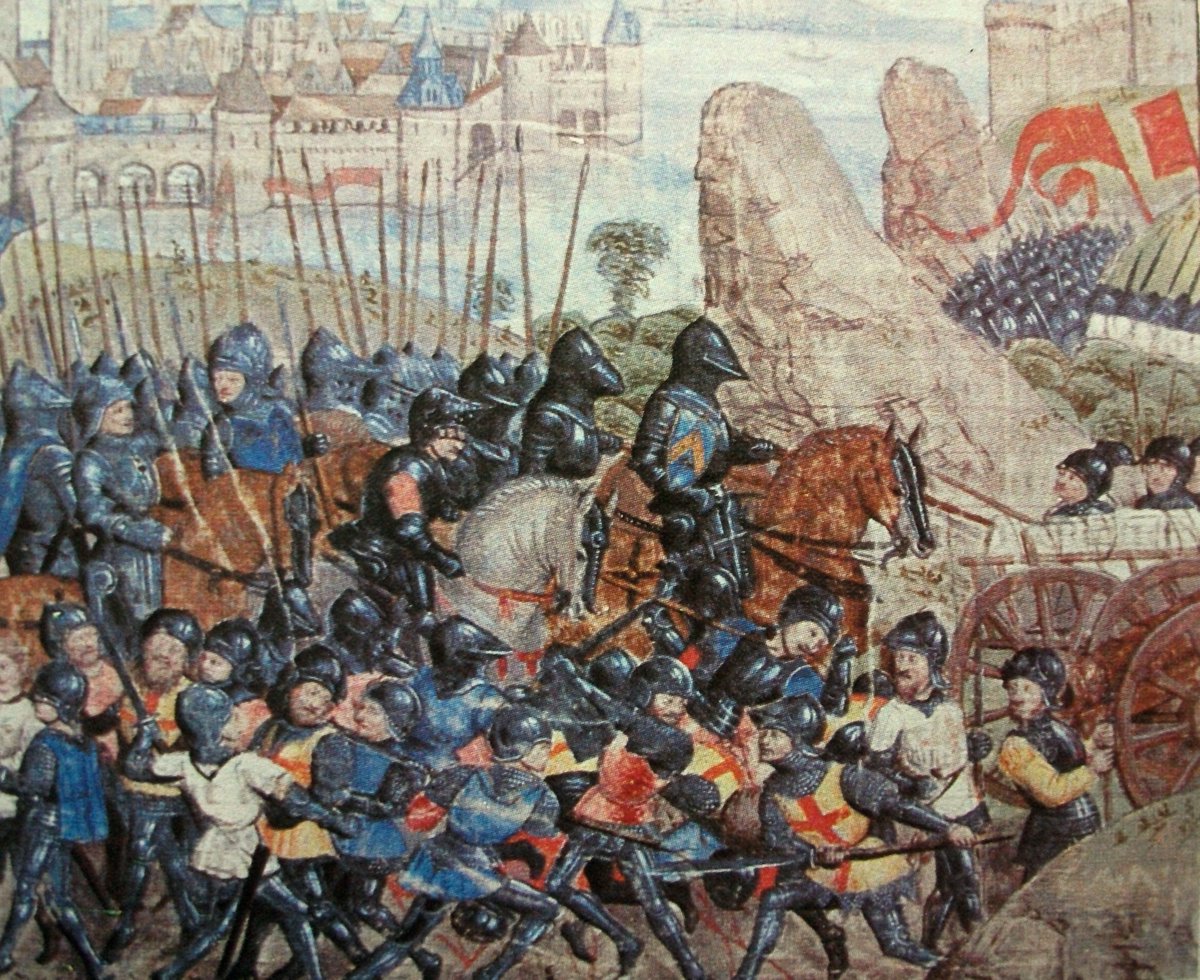
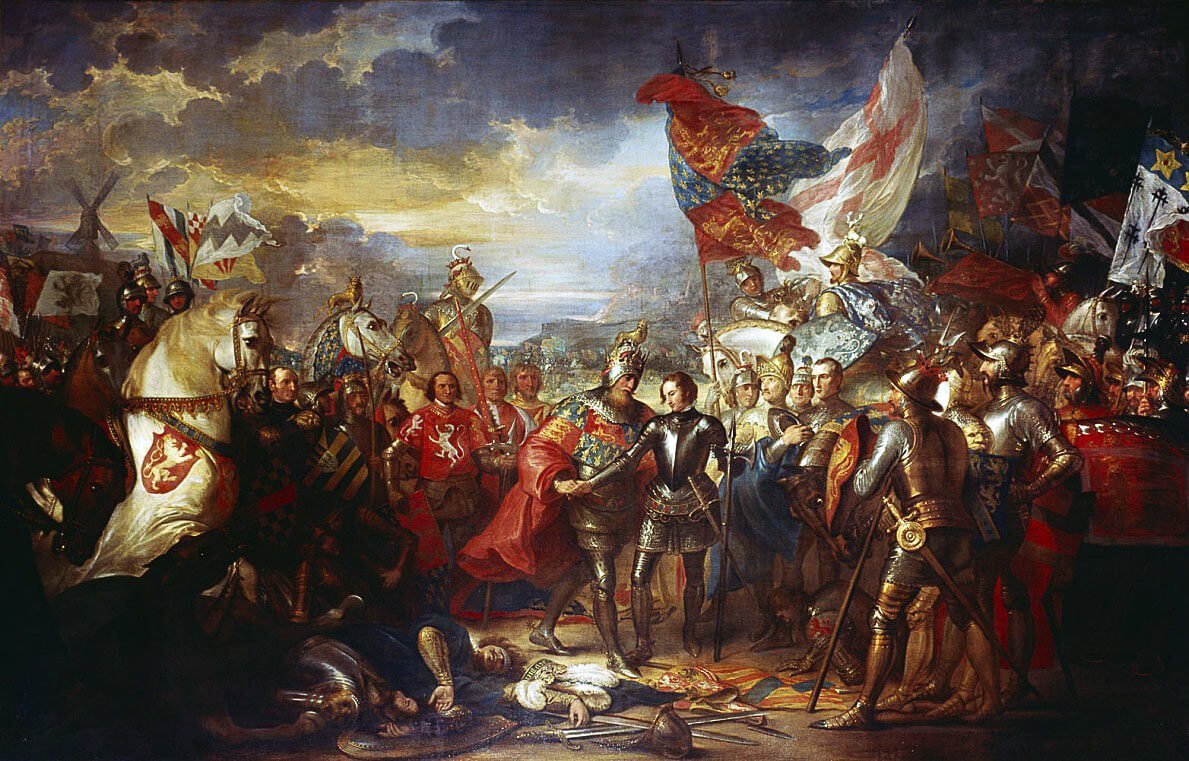
One of the most renowned battles of the war occurred in 1415, where Henry V of England and his forces defeated a much larger French army. Despite being outnumbered, English longbowmen proved their effectiveness in the muddy fields of Agincourt.
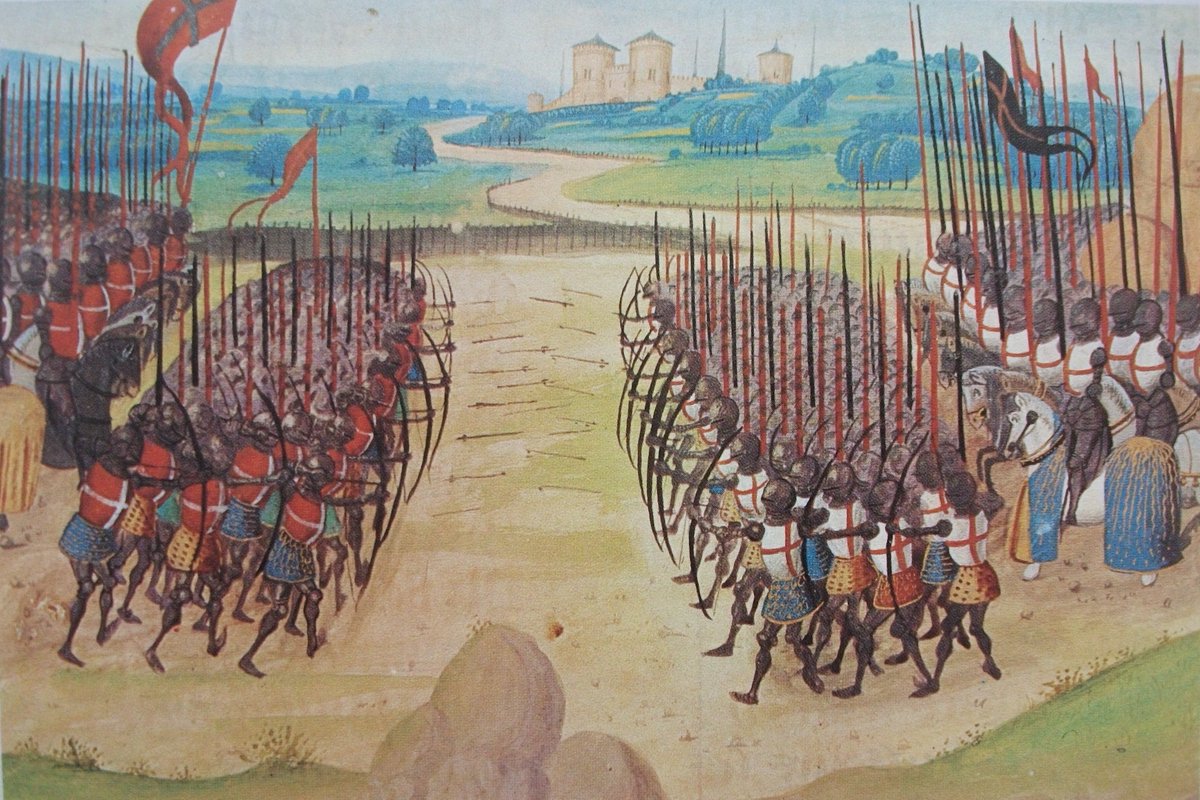
The English army, led by King Henry V, was greatly outnumbered by the French forces commanded by Charles d'Albret, Constable of France. The English army consisted mainly of longbowmen, while the French army consisted of a large number of heavily armored knights and men-at-arms.

Despite being outnumbered, the English army managed to achieve a decisive victory. The key to their success was the effective use of the longbow. They unleashed a devastating barrage of arrows, causing significant casualties among the French forces and disrupting their formations
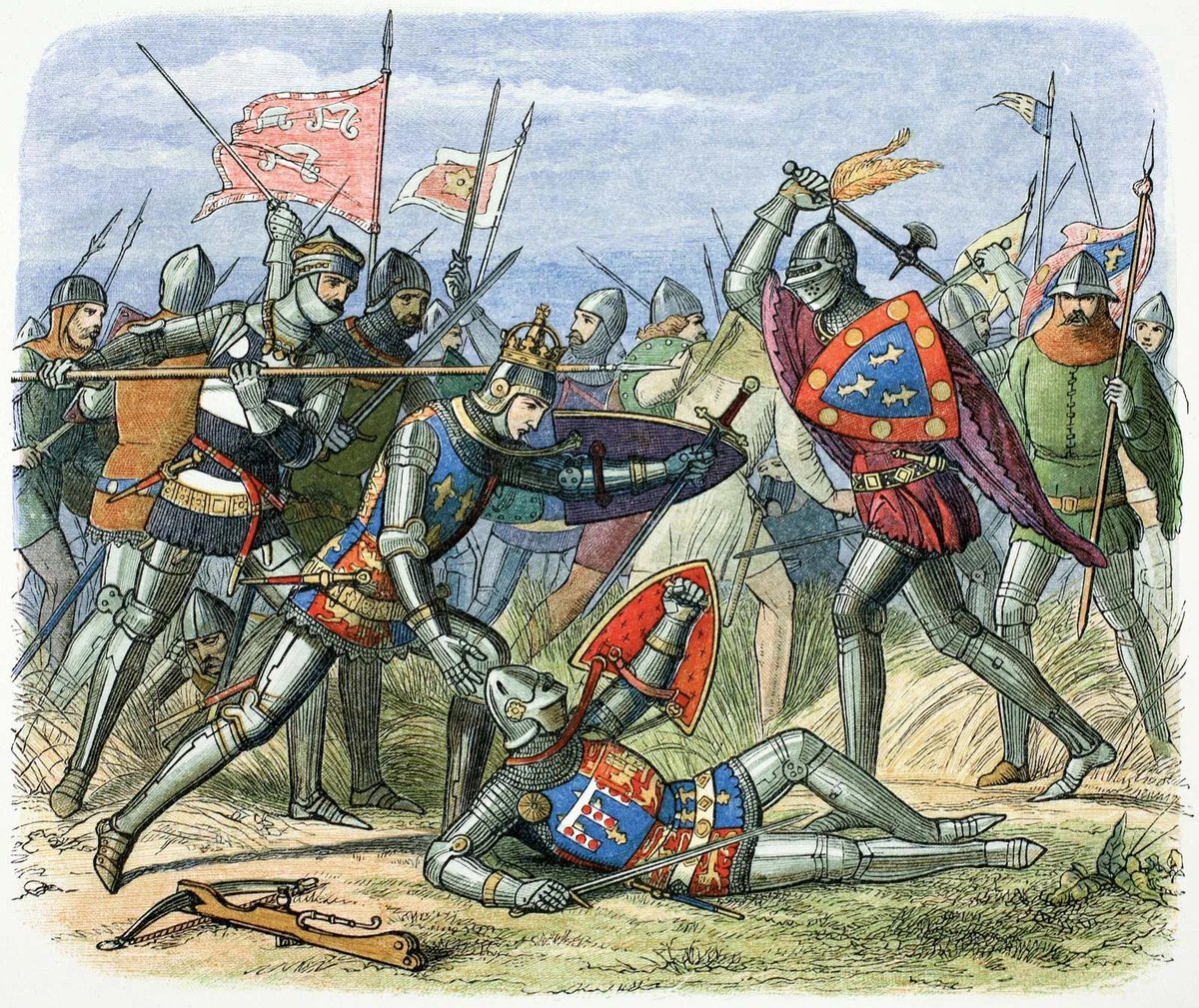
The French knights, burdened by heavy armor, struggled to advance through the muddy terrain. The narrow battlefield hindered the French cavalry's ability to maneuver. This allowed the English to engage with their own men-at-arms.
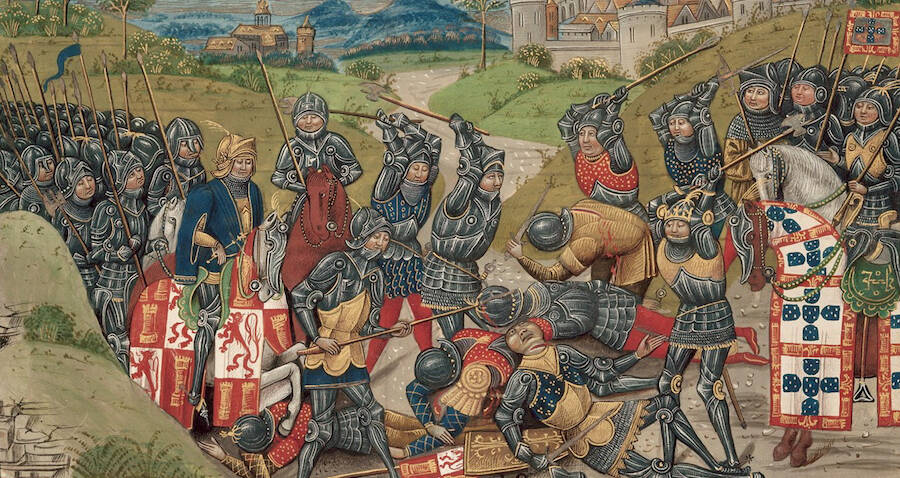
The battle turned into a massacre as the French knights became bogged down and overwhelmed by the English forces. The heavily armored French cavalrymen, once unhorsed, found it difficult to fight effectively in the muddy conditions.
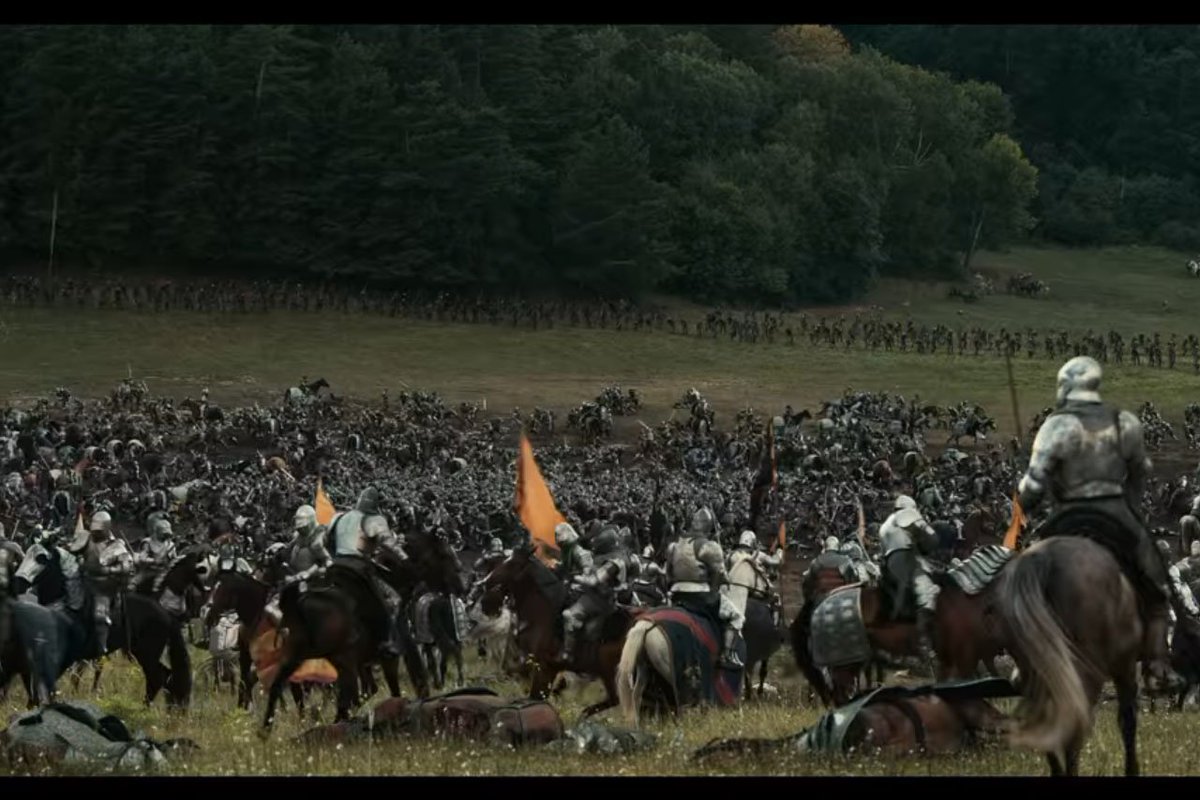
The battle resulted in a crushing defeat for the French. Casualty numbers are debated, but it is estimated that the French suffered heavy losses, with some sources suggesting that up to 6,000 Frenchmen were killed compared to around 400 English.

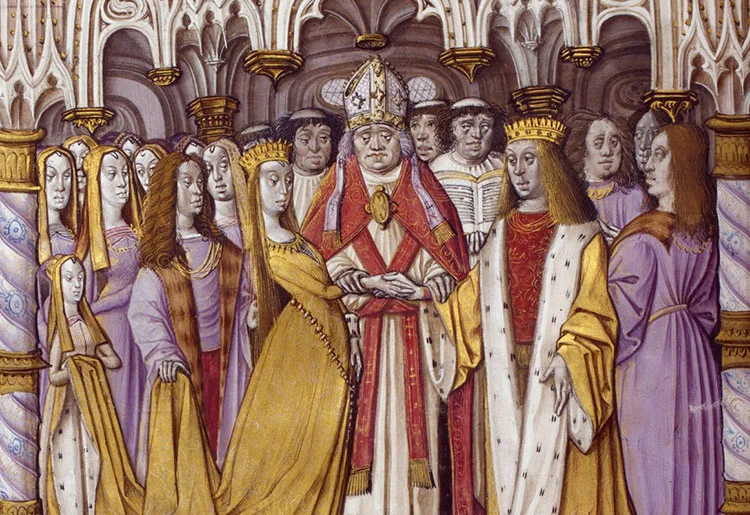
In 1420, the Treaty of Troyes recognized Henry V of England as the heir to the French throne, disinheriting the Dauphin (later Charles VII). However, the treaty's impact was short-lived, as Charles VII continued the fight against English rule.
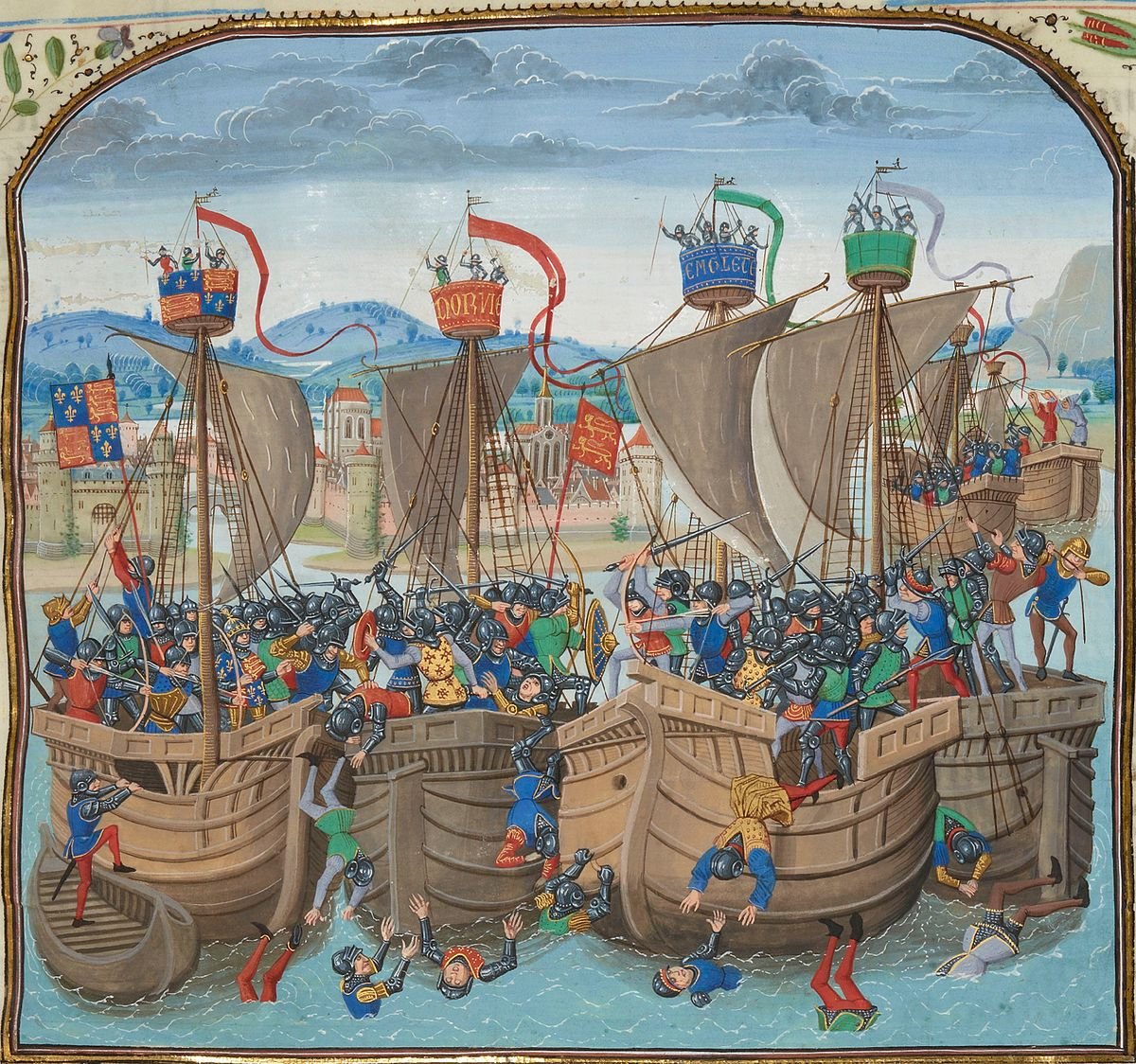
he Hundred Years' War also featured significant naval conflicts. Notably, the Battle of Sluys (1340) and the Battle of La Rochelle (1372) showcased the naval power of both England and France, with each side experiencing victories and losses.
The Hundred Years' War concluded in 1453 with the French recapturing the final English-held territories. While England retained Calais for several centuries, the war left scars on both nations, reshaping their politics, economies, and military strategies
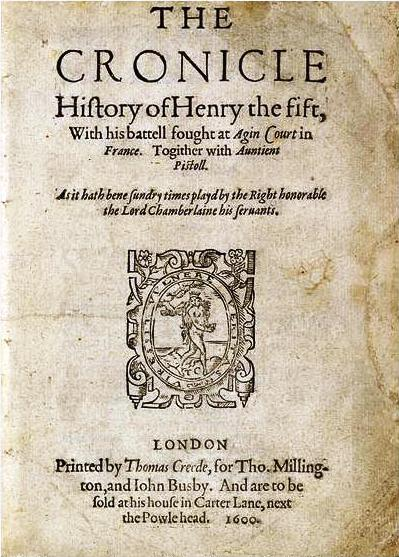
The Hundred Years' War's impact extended beyond the battlefield. This war inspired literary works, such as Shakespeare's "Henry V," chronicling the events of Agincourt, and the works of Jean Froissart, whose writings captured the era's essence.
A dense storm of politics, warfare, bravery and barbarism. The Hundred Years War saw a vast stretch of conflict and mayhem and shaped the entirety of Europe forever after it's conclusion.
Thank you for reading my 2 threads on the Hundred Years War! I cannot thank you all enough for the support recently, it means a lot to me and it brings me joy to share my love for history with you all. Here's to many more milestones!

Loading suggestions...