

The fundamentals of liver health.
Thread🧵
Thread🧵
Let's start with the basics and standard disclaimer that this does not constitute medical advice.
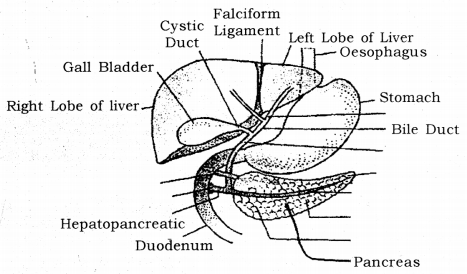
The liver is the second-largest organ in your body which is located in the upper right-hand part of your abdominal cavity underneath your diaphragm, right lung and rib.
The liver is the second-largest organ in your body which is located in the upper right-hand part of your abdominal cavity underneath your diaphragm, right lung and rib.
It is made up of two main lobes which are made up of thousands of tiny lobules and each is made up of numerous hepatocytes.
These line up and between each row there are small blood vessels that diffuse oxygen and nutrients called sinusoids.
These line up and between each row there are small blood vessels that diffuse oxygen and nutrients called sinusoids.
We can divide liver lobules into 3 metabolic zones: zones 1, 2, and 3.
Zone I hepatocytes are specialized for functions such as cholesterol synthesis, b-oxidation of fatty acids, and gluconeogenesis.
Zone II are crucial for liver homeostasis.
Zone III are crucial for…
Zone I hepatocytes are specialized for functions such as cholesterol synthesis, b-oxidation of fatty acids, and gluconeogenesis.
Zone II are crucial for liver homeostasis.
Zone III are crucial for…
Now a portal triad/area/canal/tract or field, is an arrangement within lobules that consists of:
The proper hepatic artery ( a branch of the hepatic artery) which supplies the left and right lobes of the liver (not only that but the gallbladder and a part of the stomach as…
The proper hepatic artery ( a branch of the hepatic artery) which supplies the left and right lobes of the liver (not only that but the gallbladder and a part of the stomach as…
Bile ducts which are multiple thin tubes that go from the liver to the small intestine which carry bile from the liver and gallbladder, through the pancreas, and into the small intestine.
Now obviously there are more cell types that reside in the liver besides hepatocytes such…
Now obviously there are more cell types that reside in the liver besides hepatocytes such…
If you want to be healthy, you're going to need a healthy liver by default.
Some functions of the liver include:
-Detoxification.
-Synthesis of bile salts which break down fats in the small intestine (and carry away waste).
-The conversion of excess glucose into glycogen for…
Some functions of the liver include:
-Detoxification.
-Synthesis of bile salts which break down fats in the small intestine (and carry away waste).
-The conversion of excess glucose into glycogen for…
-Lipid and protein metabolism.
-Storing the fat soluble vitamins.
-Phagocytosis.
-Regulating blood clotting.
-Regulating blood levels of amino acids.
-Processing of hemoglobin for use of its iron content (the liver stores iron)
-Conversion of poisonous ammonia to urea (urea…
-Storing the fat soluble vitamins.
-Phagocytosis.
-Regulating blood clotting.
-Regulating blood levels of amino acids.
-Processing of hemoglobin for use of its iron content (the liver stores iron)
-Conversion of poisonous ammonia to urea (urea…
Some of the common types of liver disease are things such as hepatitis, gallstones, ascites, liver cancer, cirrhosis and hemochromatosis.
Now if you want to check out the health of your liver, you can check:
1. A basic liver panel
2. Serum endotoxin levels
3. Bilirubin
4.…
Now if you want to check out the health of your liver, you can check:
1. A basic liver panel
2. Serum endotoxin levels
3. Bilirubin
4.…
Now let's move on to the main point of this which is how you can protect your liver.
Suggestion number 1: Limit the number of toxins that you're exposing yourself to.
This one is simply common sense since the greater the toxic burden that your liver is exposed to, the more…
Suggestion number 1: Limit the number of toxins that you're exposing yourself to.
This one is simply common sense since the greater the toxic burden that your liver is exposed to, the more…
Suggestion number 2: Take VERY good care of your gut.
The gut can affect the liver in multiple ways (check the gut-liver axis here: pubmed.ncbi.nlm.nih.gov) but one of them is the portal vein which transports gut derived products to the liver.
So, take good care of your gut.
The gut can affect the liver in multiple ways (check the gut-liver axis here: pubmed.ncbi.nlm.nih.gov) but one of them is the portal vein which transports gut derived products to the liver.
So, take good care of your gut.

Suggestion number 3: The right type of nutrition
There are certain nutrients that your liver needs in order to be able to do its job correctly.
The main ones are:
-Bioavailable protein with a BALANCED amino acid profile.
-B vitamins
-Magnesium
-Choline
-Glycine
-Taurine…
There are certain nutrients that your liver needs in order to be able to do its job correctly.
The main ones are:
-Bioavailable protein with a BALANCED amino acid profile.
-B vitamins
-Magnesium
-Choline
-Glycine
-Taurine…
Suggestion number 4: Lose excessive body fat and resistance train
ncbi.nlm.nih.gov
Suggestion number 5: Lower excessive serotonin
Reasoning: nature.com
Now some tools that you can use in order to battle excessive serotonin are the following:
1. Binder…
ncbi.nlm.nih.gov
Suggestion number 5: Lower excessive serotonin
Reasoning: nature.com
Now some tools that you can use in order to battle excessive serotonin are the following:
1. Binder…

ncbi.nlm.nih.gov/pmc/articles/P…
Effect of resistance training on non-alcoholic fatty-liver disease a randomized-clinical trial
AIM: To evaluate the effect of resistance training (RT) on non alcoholic liver disease (NAFLD) patie...

nature.com/articles/s4146…
Serotonin signals through a gut-liver axis to regulate hepatic steatosis
Nature Communications - No effective pharmacological treatments exist for nonalcoholic fatty liver d...
3. Make sure to consume enough thiamine and consider a possible short term (2-4 weeks) of thiamine supplementation.
A thiamine deficient (both due to the lack of dietary thiamine but also a compromised gut) and a deficiency in thiamine increases serotonin production.
4. Lower…
A thiamine deficient (both due to the lack of dietary thiamine but also a compromised gut) and a deficiency in thiamine increases serotonin production.
4. Lower…
Suggestion number 6: Optimize glutathione
In case you didn't know, glutathione is a substance made from the amino acids glycine, cysteine, and glutamic acid.
It is produced by the liver and is responsible for detoxification and thyroid hormone conversion. Glutathione plays a…
In case you didn't know, glutathione is a substance made from the amino acids glycine, cysteine, and glutamic acid.
It is produced by the liver and is responsible for detoxification and thyroid hormone conversion. Glutathione plays a…
Suggestion number 7: Keep in mind the following liver protective tools (this does not mean use them, just keep them in mind)
-Thiamine (ammonia related)
-Milk thistle
-Glycine
-Taurine (not for more than a few weeks)
-TUDCA (not for more than a few weeks)
-Lactoferrin…
-Thiamine (ammonia related)
-Milk thistle
-Glycine
-Taurine (not for more than a few weeks)
-TUDCA (not for more than a few weeks)
-Lactoferrin…
That was pretty much it.
If you enjoyed this thread, leave a like/RT.
If you enjoyed this thread, leave a like/RT.
And if you want to learn more about health related topics, you can check this until this Sunday (7/16) at midnight EDT.
fitandball.gumroad.com
fitandball.gumroad.com

Loading suggestions...