

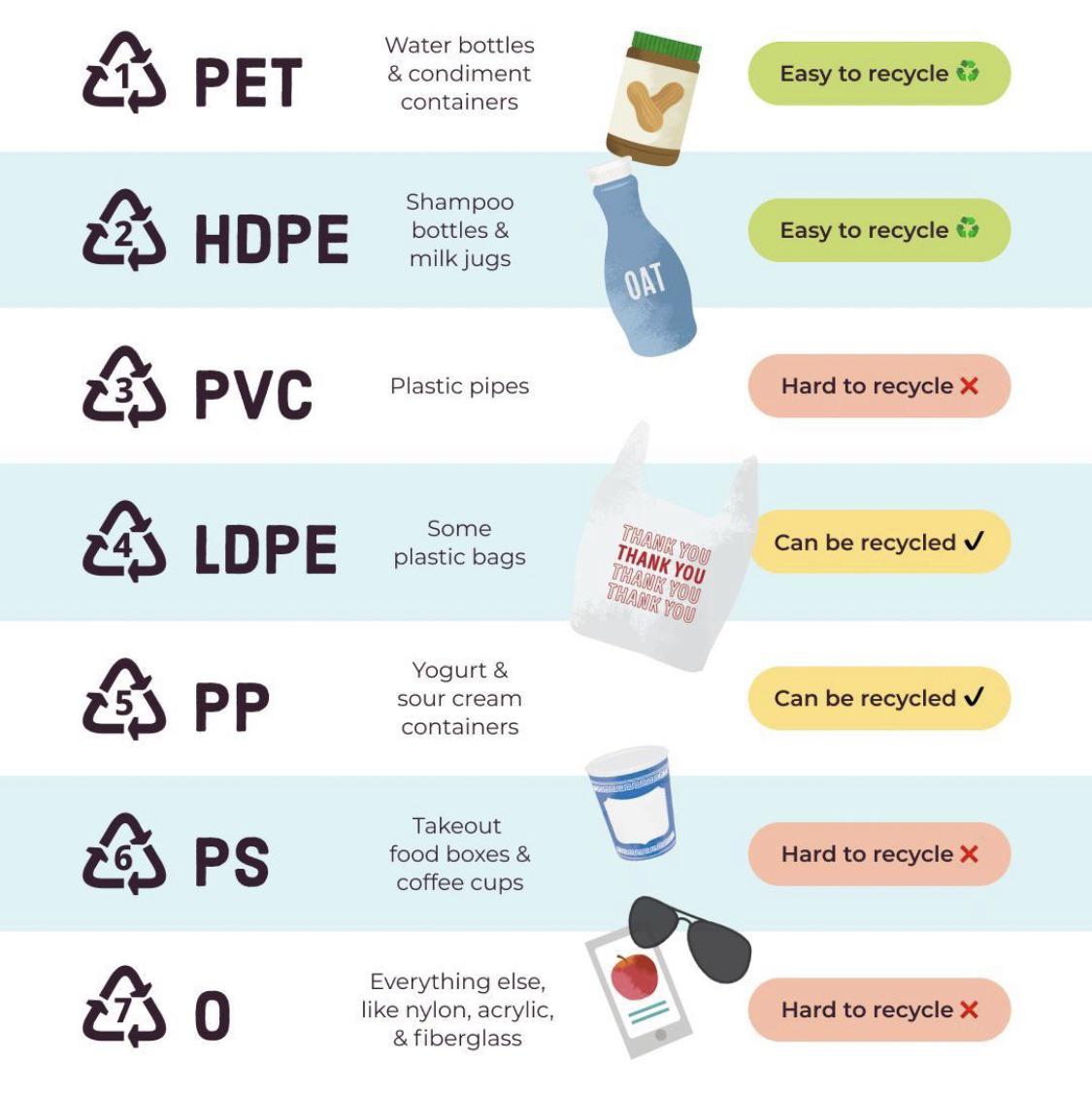
Look at the back of your plastic containers. The well-recognized “chasing arrows” symbol we see on #plastic containers does not mean the product is #recyclable. The little number inside the triangle tells the real story.
Let's decode each of them ♻️
#PlasticFreeJuly
1/8
Let's decode each of them ♻️
#PlasticFreeJuly
1/8
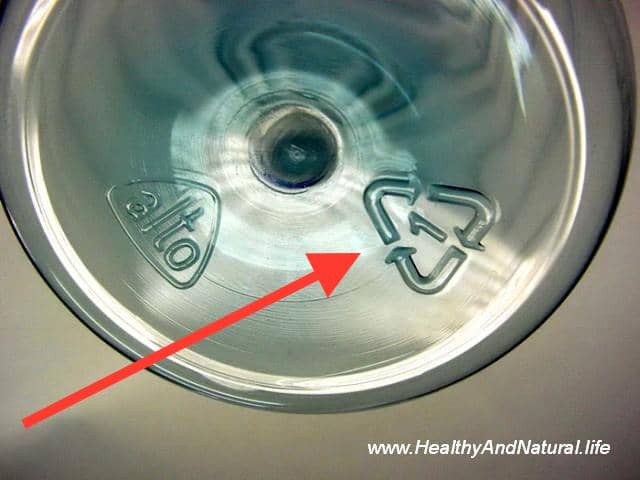
Code 1️⃣ PET (#Polyethylene Terephthalate)
👉 intended for single use applications; repeated use increases the risk of leaching and bacterial growth
👉 Products made of #1 (PET) plastic should be recycled ♻️ but not reused.
👉 intended for single use applications; repeated use increases the risk of leaching and bacterial growth
👉 Products made of #1 (PET) plastic should be recycled ♻️ but not reused.
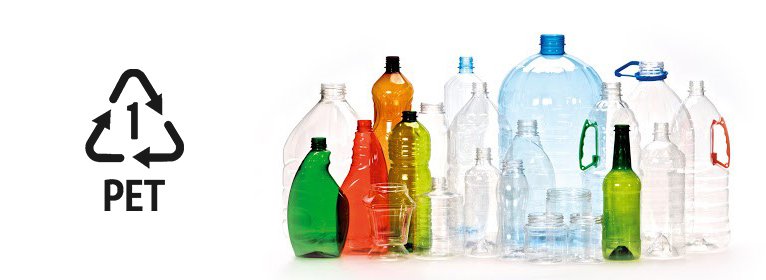
Code 2️⃣ HDPE (High-Density Polyethylene)
👉 very hard-wearing and does not break down under exposure to sunlight or extremes of heating or freezing
👉 Products made of HDPE are reusable and recyclable ♻️
👉 very hard-wearing and does not break down under exposure to sunlight or extremes of heating or freezing
👉 Products made of HDPE are reusable and recyclable ♻️
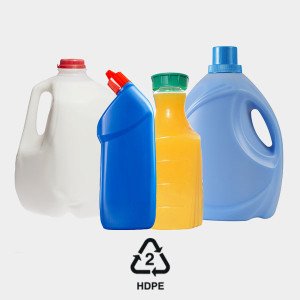
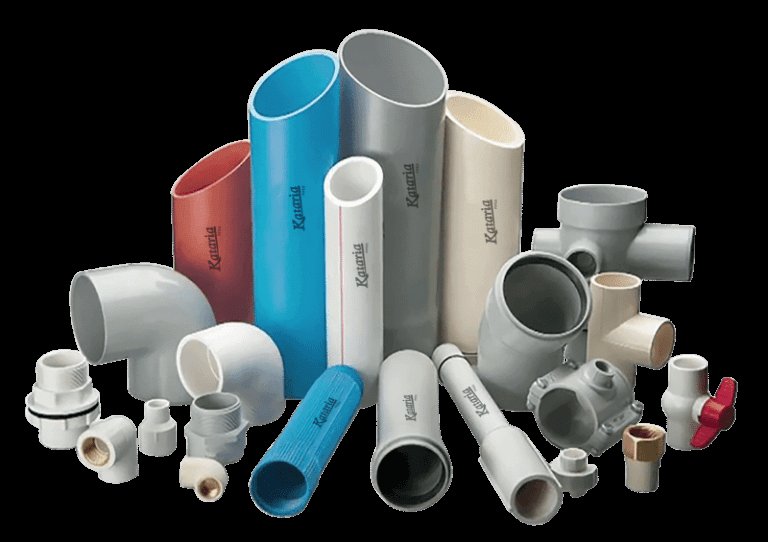
Code 3️⃣ PVC (Polyvinyl Chloride)
👉 is dubbed the “#poison plastic” because it contains numerous toxins which it can leach throughout its entire life cycle.
👉 not recyclable ❌
👉 PVC products should not be reused for applications with food or for children’s use.
👉 is dubbed the “#poison plastic” because it contains numerous toxins which it can leach throughout its entire life cycle.
👉 not recyclable ❌
👉 PVC products should not be reused for applications with food or for children’s use.
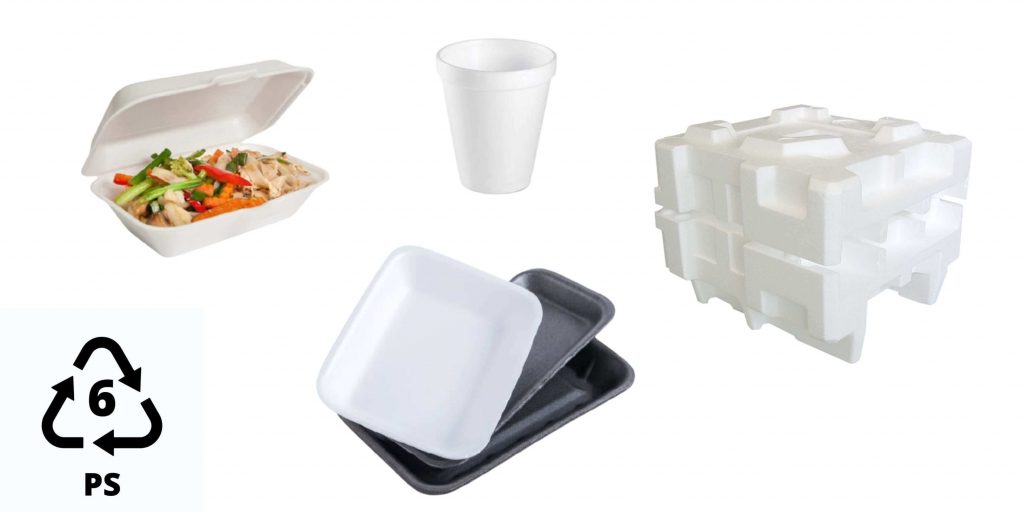
Code 6️⃣ PS (#Polystyrene)
👉 breaks up easily and is dispersed readily throughout the natural environment
👉 may leach #styrene, a possible human #carcinogen, into food products
👉 Recycling is not widely available ❌
👉 breaks up easily and is dispersed readily throughout the natural environment
👉 may leach #styrene, a possible human #carcinogen, into food products
👉 Recycling is not widely available ❌
Code 7️⃣ Miscellaneous
👉 Variety of plastic resins that don't fit into the previous categories are lumped into this one
👉 #Polycarbonate is a #7 plastic-BPA (bisphenol A), one of polycarbonate's building blocks, is a #hormone disruptor.
👉 Not recyclable ❌
#PlasticFreeJuly
👉 Variety of plastic resins that don't fit into the previous categories are lumped into this one
👉 #Polycarbonate is a #7 plastic-BPA (bisphenol A), one of polycarbonate's building blocks, is a #hormone disruptor.
👉 Not recyclable ❌
#PlasticFreeJuly
Loading suggestions...