

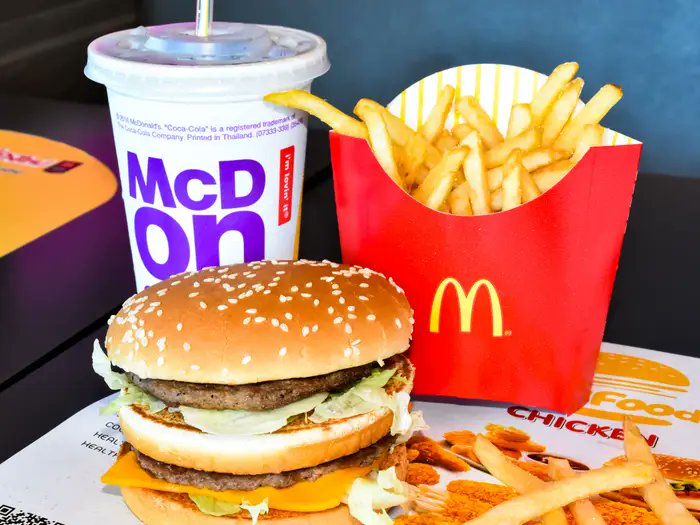
You think you know McDonald's, L'Oreal, Coca-Cola, Netflix?
It’s more than the logos and familiar names.
They are:
• Adapting to culture
• Tasting local flavors
• Honoring local preferences
Here I will uncover how these global giants stay local.
🧵
It’s more than the logos and familiar names.
They are:
• Adapting to culture
• Tasting local flavors
• Honoring local preferences
Here I will uncover how these global giants stay local.
🧵

Brand Localization?
It’s all about:
• Morphing the brand's marketing strategies to local expectations
• Respecting and honoring cultural nuances
• Striking a harmonious balance between global identity and local appeal
It’s all about:
• Morphing the brand's marketing strategies to local expectations
• Respecting and honoring cultural nuances
• Striking a harmonious balance between global identity and local appeal
Why should global brands care about Localization?
• Establishes deeper connections
• Acknowledges and respects cultural diversity
• Drives stronger customer loyalty
• Supports the brand's global growth strategy
• Boosts sales and market share in new regions
• Establishes deeper connections
• Acknowledges and respects cultural diversity
• Drives stronger customer loyalty
• Supports the brand's global growth strategy
• Boosts sales and market share in new regions
Here's how these giants went local:
• McDonald's balanced consistency with local tastes
• L'Oreal applied universalization
• Coca-Cola tapped into cultural norms
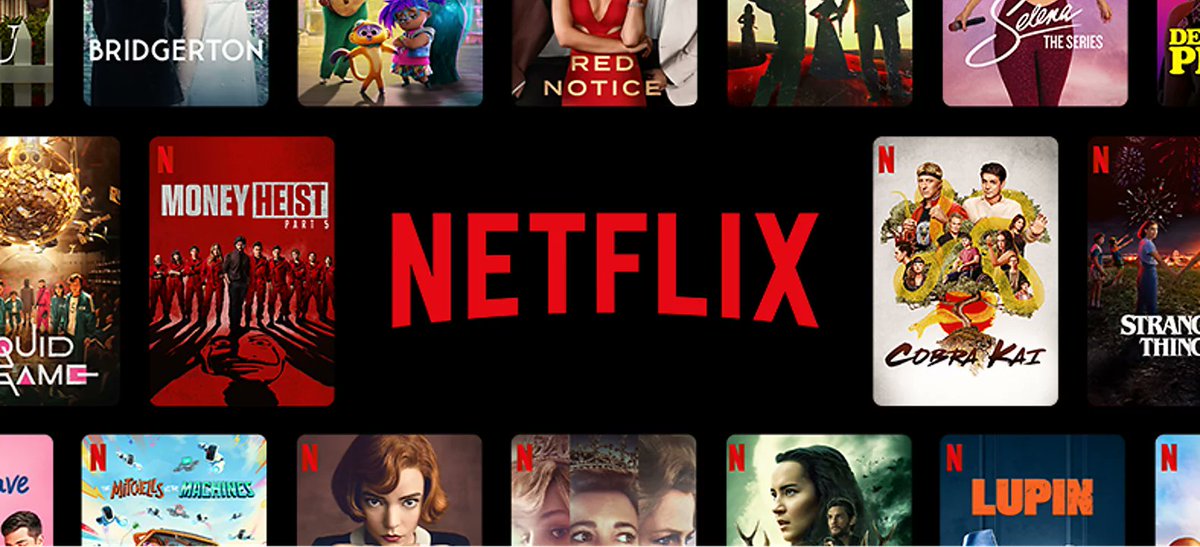
• Netflix localized both content and UI
Let’s delve deeper.
• McDonald's balanced consistency with local tastes
• L'Oreal applied universalization
• Coca-Cola tapped into cultural norms
• Netflix localized both content and UI
Let’s delve deeper.
Case Study: McDonald’s
This fast-food titan is known for:
• Consistency in quality and taste
• Familiarity that brings comfort
• The golden arches, a symbol of global comfort food
This fast-food titan is known for:
• Consistency in quality and taste
• Familiarity that brings comfort
• The golden arches, a symbol of global comfort food
But in reality, McDonald's secret recipe is:
• Standardization of its core menu items
• Localization to cater to unique market tastes
• You can find McNuggets, Happy Meals, and McFlurries globally, but with a local twist!
• Standardization of its core menu items
• Localization to cater to unique market tastes
• You can find McNuggets, Happy Meals, and McFlurries globally, but with a local twist!
Interested in local flavors?
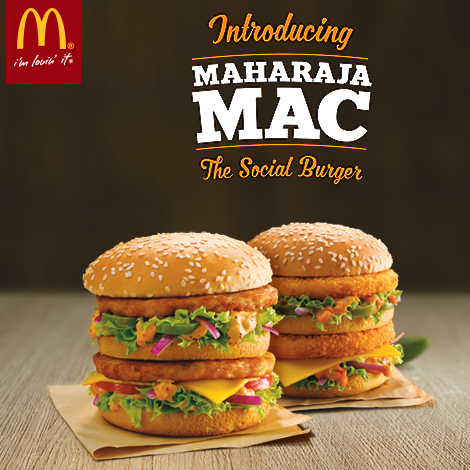
• In India, the Big Mac transforms into the chicken Maharaja Mac
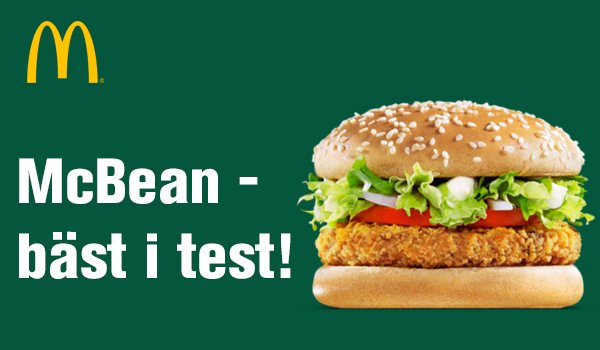
• Sweden loves veggies, hence the McBean Patty
• France, health-conscious, offers a side of cherry tomatoes
• In India, the Big Mac transforms into the chicken Maharaja Mac
• Sweden loves veggies, hence the McBean Patty
• France, health-conscious, offers a side of cherry tomatoes
Digging further into local flavors:
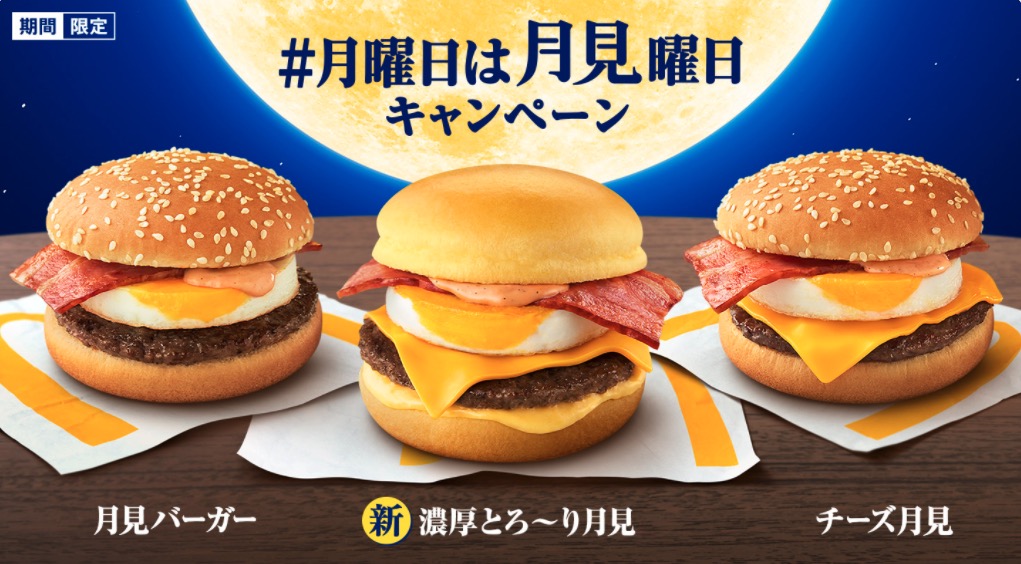
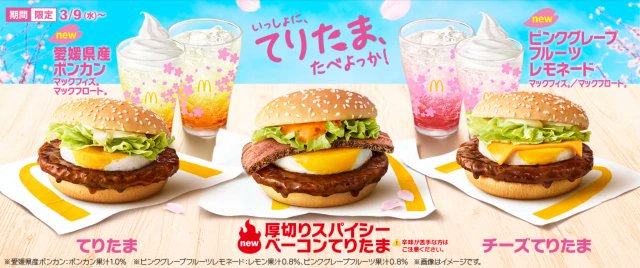
• Japan enjoys seasonal Teri Tama and Tsukimi Burgers
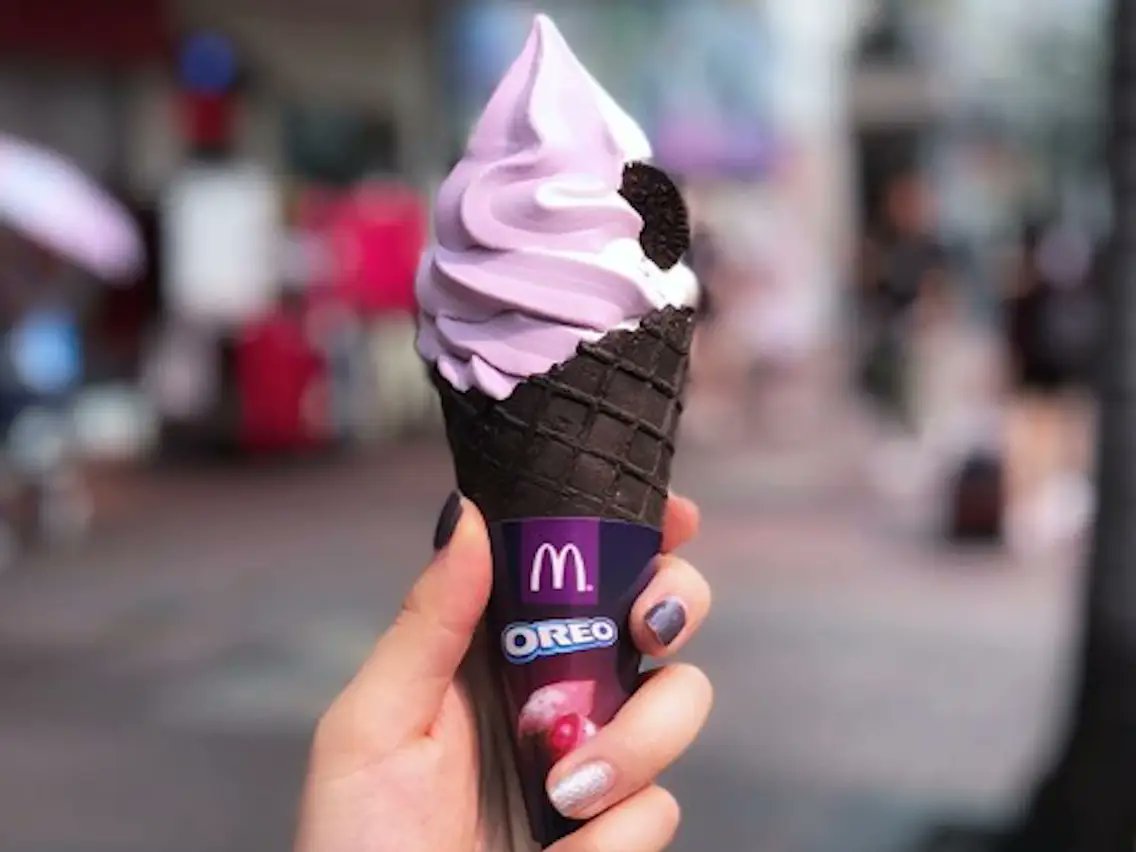
• Argentina craves an ice cream cone made from Oreos
This mix of standard and local is the secret to their global appeal!
• Japan enjoys seasonal Teri Tama and Tsukimi Burgers
• Argentina craves an ice cream cone made from Oreos
This mix of standard and local is the secret to their global appeal!
Case Study: L'Oreal
More than a global beauty brand:
• Universilization - a global framework, but fine-tuned to each region
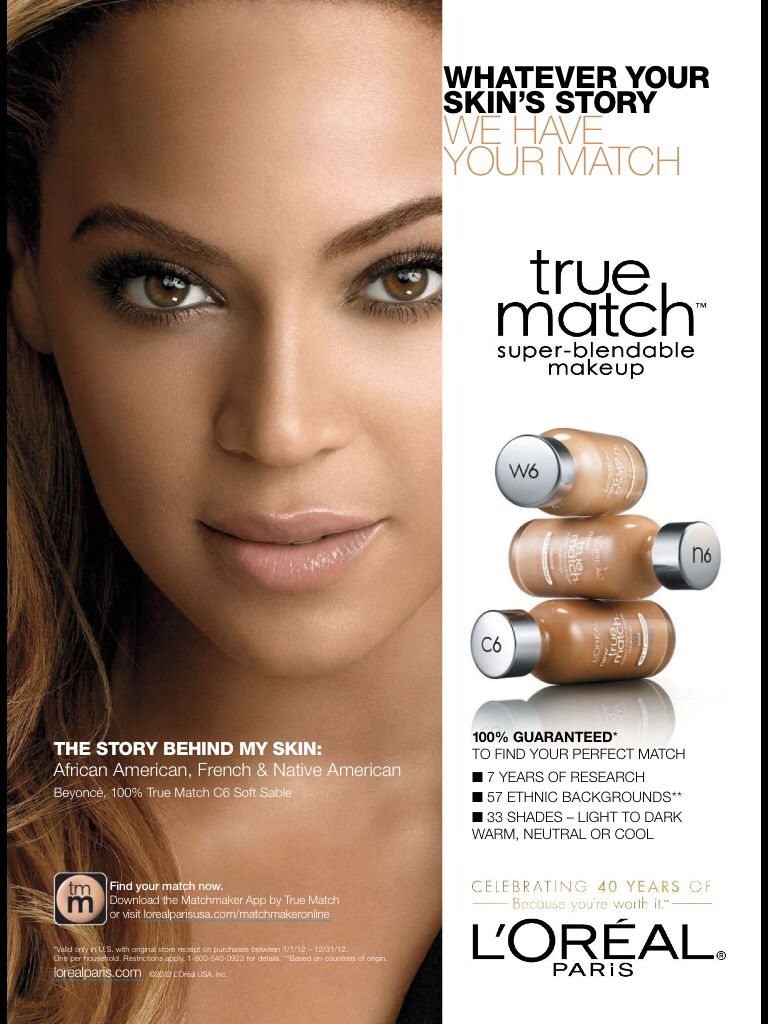
• Subsidiary brands like Garnier, Lancôme, Shu Uemura, The Body Shop, and Kiehl's for local resonance
More than a global beauty brand:
• Universilization - a global framework, but fine-tuned to each region
• Subsidiary brands like Garnier, Lancôme, Shu Uemura, The Body Shop, and Kiehl's for local resonance
The strategy of L'Oreal revolves around:
• Careful selection of brands to cater to regional preferences
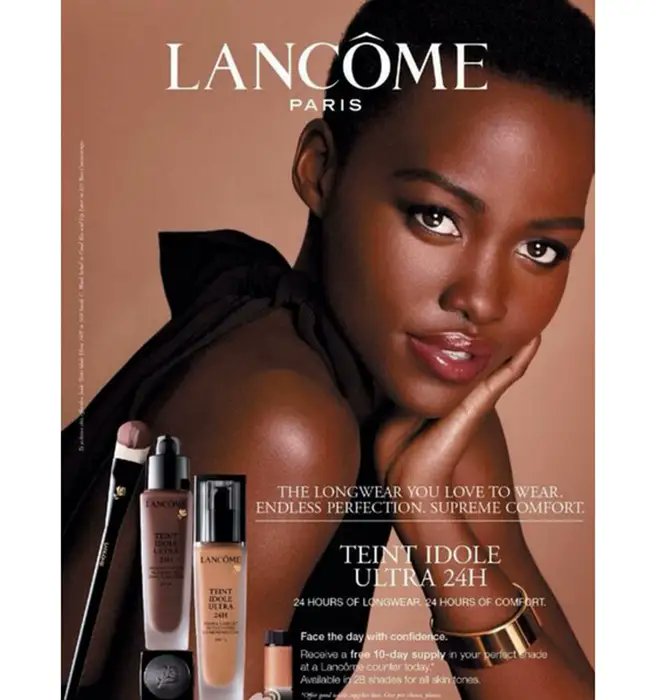
• Lancôme for the luxury lover in France
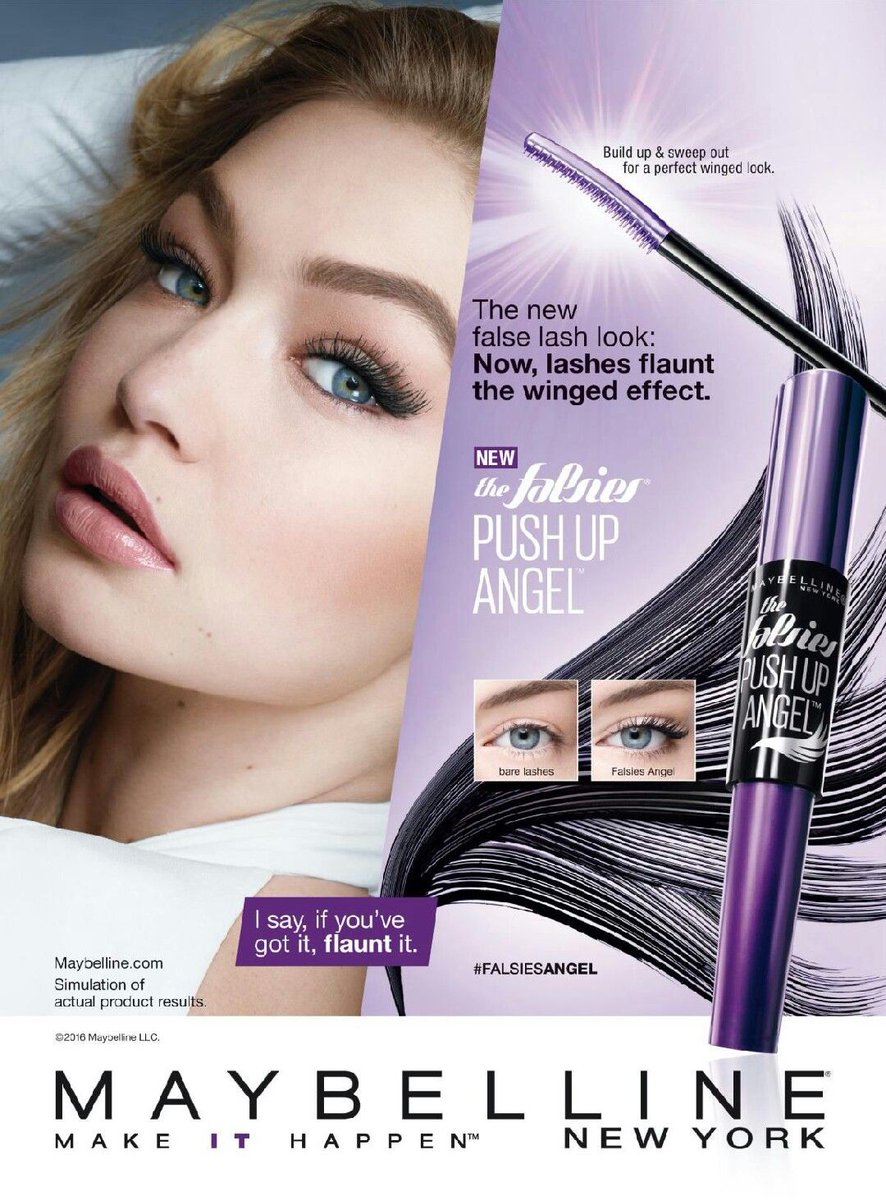
• Maybelline for the trendsetter in the US
• Careful selection of brands to cater to regional preferences
• Lancôme for the luxury lover in France
• Maybelline for the trendsetter in the US
Moreover, L'Oreal uses:
• The Body Shop to cater to eco-conscious customers in the UK
• Shu Uemura to connect with beauty-obsessed consumers in Japan
Each brand in L'Oreal's portfolio serves a specific local market
• The Body Shop to cater to eco-conscious customers in the UK
• Shu Uemura to connect with beauty-obsessed consumers in Japan
Each brand in L'Oreal's portfolio serves a specific local market
L'Oreal's success also relies on:
• Innovation to drive brand preference
• R&D centers globally - US, China, Japan, Brazil
Creating beauty products that resonate with local needs and preferences
• Innovation to drive brand preference
• R&D centers globally - US, China, Japan, Brazil
Creating beauty products that resonate with local needs and preferences
Case Study: Coca-Cola
Remember the "Share a Coke" campaign?
It showcased:
• Personalized bottles featuring common names
• Research-driven selection of the top 150 names - for each market
Remember the "Share a Coke" campaign?
It showcased:
• Personalized bottles featuring common names
• Research-driven selection of the top 150 names - for each market
What about China?
• Using first names is seen as disrespectful
• Coca-Cola smartly used labels like "Mother," "Classmate," and "Close Friend"
A keen understanding of cultural sensitivity led to success
• Using first names is seen as disrespectful
• Coca-Cola smartly used labels like "Mother," "Classmate," and "Close Friend"
A keen understanding of cultural sensitivity led to success
Coca-Cola’s localization extends to product variations:
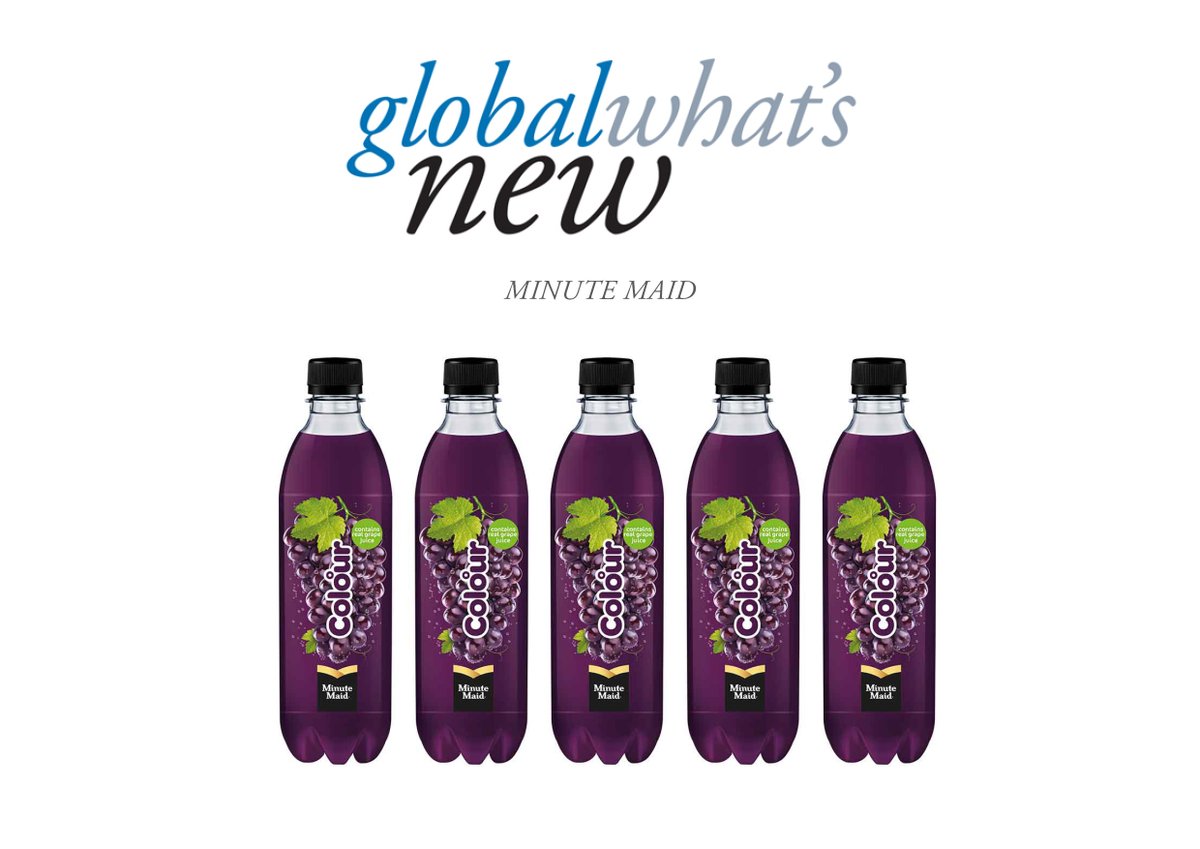
• Launched "Colour," a grape-flavored drink in Tamil Nadu, India
• A region-specific offering - a hit with the locals!
• Launched "Colour," a grape-flavored drink in Tamil Nadu, India
• A region-specific offering - a hit with the locals!
Case Study: Netflix
More than a streaming giant:
• A global service with localized libraries
• Enjoyed by 223 million subscribers worldwide!
More than a streaming giant:
• A global service with localized libraries
• Enjoyed by 223 million subscribers worldwide!
Netflix localization efforts include:
• Original content with universal appeal - hello, Squid Games!
• Locally-inspired stories like Queen Sono, gaining international recognition
• Original content with universal appeal - hello, Squid Games!
• Locally-inspired stories like Queen Sono, gaining international recognition


How Netflix captivates global audiences?
• Effective translation through localization directors, and AI
• Heavy investment in improving AI translation abilities - covering even low-resource languages
• Effective translation through localization directors, and AI
• Heavy investment in improving AI translation abilities - covering even low-resource languages
Localizing doesn't stop at content for Netflix.
• App UI is optimized for each local translation
• Ensures visually appealing and seamless user experience in every region
• App UI is optimized for each local translation
• Ensures visually appealing and seamless user experience in every region
Key takeaways:
• Localization isn't a choice, it's a necessity
• Adapting to local culture while maintaining global identity
• It's about embracing our differences while finding common ground.
• Blend global and local for successful market penetration
• Localization isn't a choice, it's a necessity
• Adapting to local culture while maintaining global identity
• It's about embracing our differences while finding common ground.
• Blend global and local for successful market penetration
• Localization is more than a strategy, it's a connection to customers
• It's a bridge between global brands and local markets
• The key to successful global growth lies in localization.
• It's a bridge between global brands and local markets
• The key to successful global growth lies in localization.
Do you want to:
- Build a standout brand without the paid ads, low margins, and uncertainty
- Get away from all the tweaks, tactics, and shiny objects
- Be guided with an exact plan of action
If yes, follow me @iverma
I share practical tips daily.
- Build a standout brand without the paid ads, low margins, and uncertainty
- Get away from all the tweaks, tactics, and shiny objects
- Be guided with an exact plan of action
If yes, follow me @iverma
I share practical tips daily.
Loading suggestions...