

Wild animals in Japan cause agricultural losses of billions of yen every year and every year things get worse. But since 2005 Japanese farmers have begun to fight back with their oldest weapon and oldest ally: the "monkey dog."

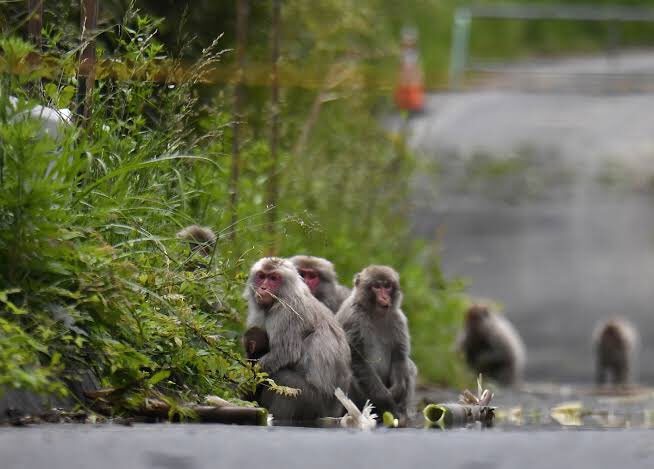
In Omachi City, a farmer noticed how his dogs seemed eager to go after the wild monkeys ravaging his farm, and he got a permission to trial it. The results were immediate: as he unleashed his dogs the farm went from near total losses to no losses at all almost overnight.


The city started an official monkey dog program: dogs were trained to ignore other dogs, humans and cats, to chase after monkeys descending from nearby mountain forests, and to return to their base as soon as the monkeys were gone. Many other cities followed the example.

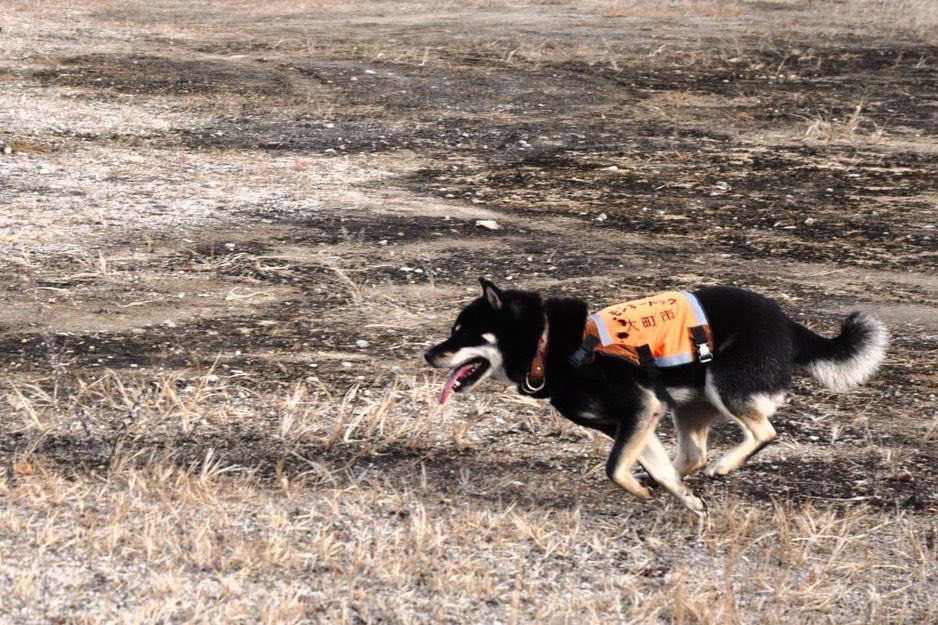


Losses to wild animals shrank hugely in the towns that employed monkey dogs, and they were far cheaper than hunting the monkeys which costs over ¥300k per animal to hunt, and there are dozens in each group. A single dog only costs ¥150k to train and can work many years.
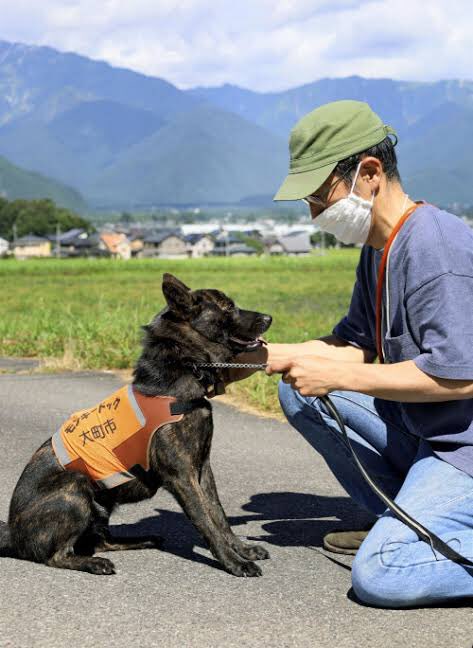
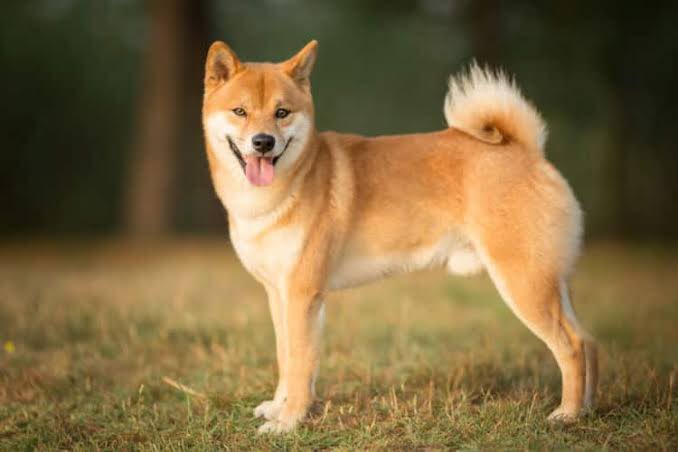
Most dogs can be trained but today the national Monkey Dog clubs recommend three principal breeds as superior monkey chasers: Shiba, Akita, Kishu, who are genetically the closest to the extinct Japanese wolf and well suited to the job. Training is paid for by local governments.
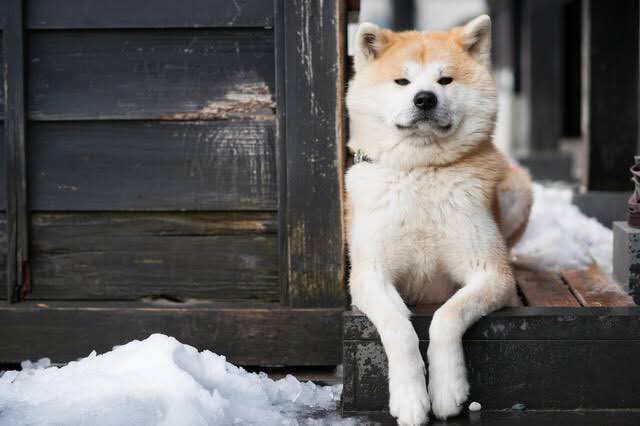
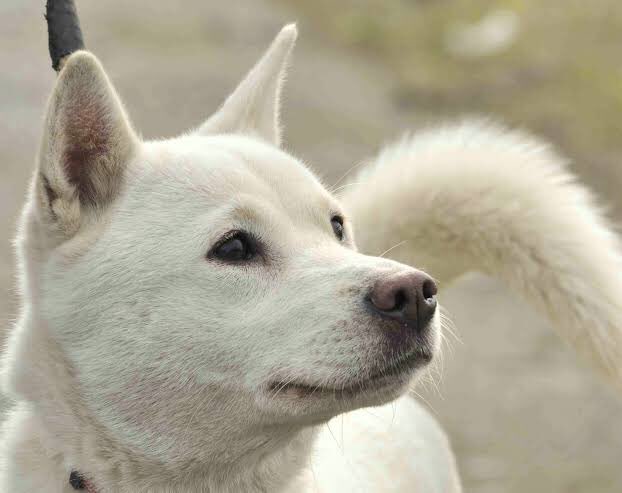
Between 1950-2007, only hunting dogs and police dogs were allowed unleashed, but now monkey dogs are also allowed to roam the borderlands between farms and mountains. Where they are deployed large signs are put up to make people aware of their presence.
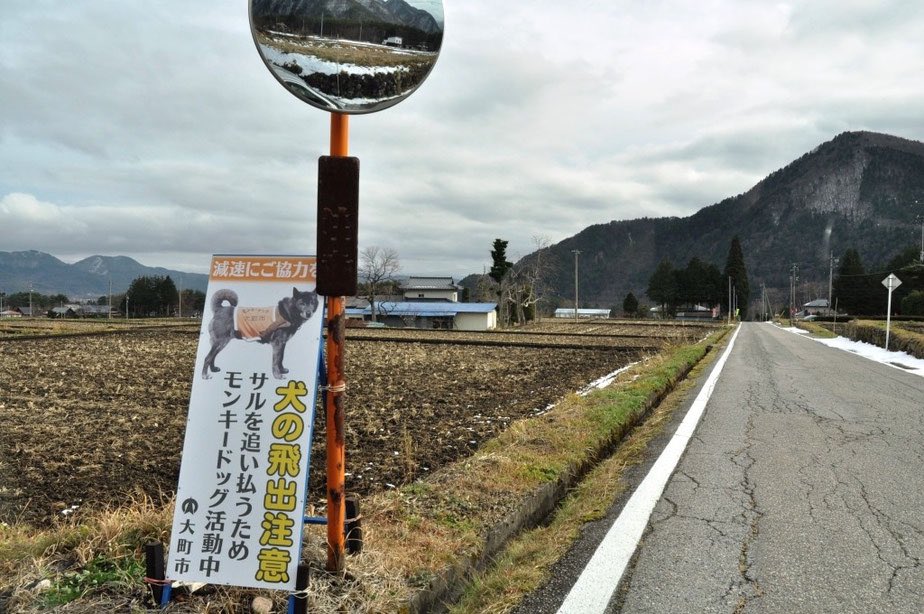
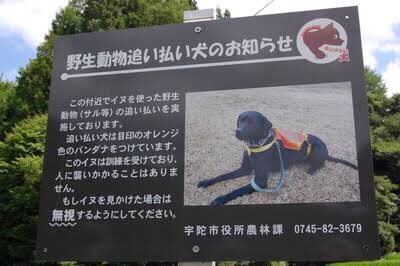


When monkey dog programs were evaluated a surprising finding consistently showed up: where the dogs were introduced, communities immediately grew stronger. Children loved seeing the dogs, their parents detour to char with dog owning farmers and pet the dogs. Farmers would...
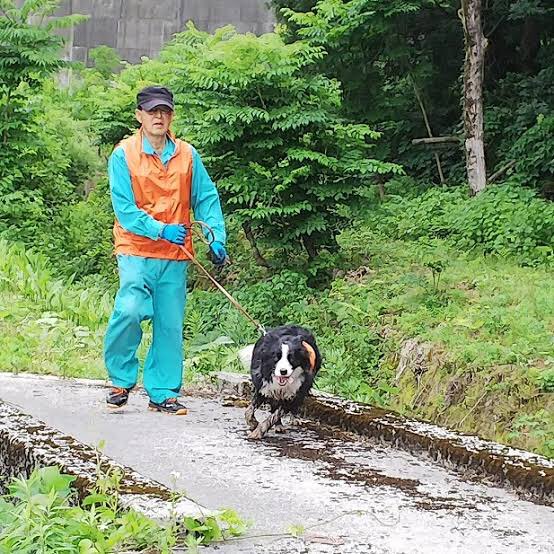
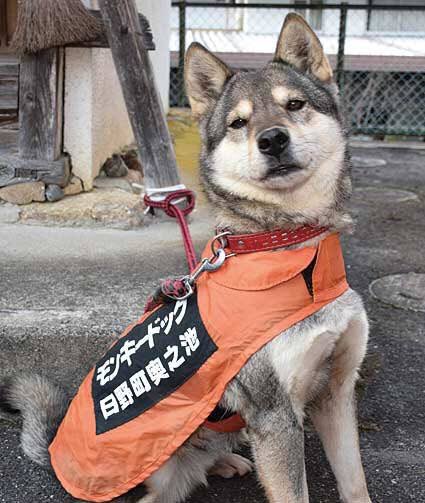
...readily speak to their neighbors, city officials would visit the monkey dog clubs, even the government in Tokyo got involved and awarded the people involved, and so on. The monkey dogs became a sort of social glue that mobilized the entire community, from top to bottom.

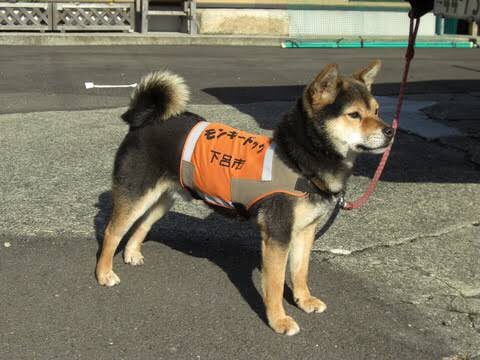
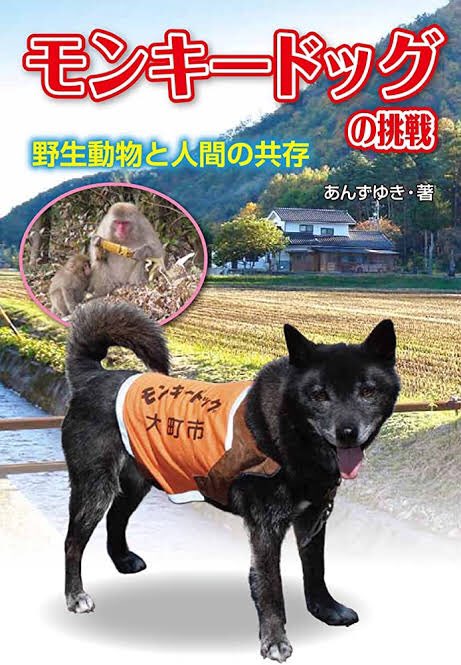

The alternatives to monkey dogs are awful: mass culling of wild animals, countrysides littered with sophisticated and dangerous traps, millions of kilometers of ineffective electric fences inevitably bankrupting rural communities both financially and morally.

Loading suggestions...