

Significance and Types of Tilaka.
Tilak is a Sanskrit word derived from “Tilaka”meaning a mark; it is a very common practice in Hinduism. Males and females both apply Tilak most commonly on the forehead. It is applied on the Chest, Arms, and neck, apart from the forehead.
Tilak is a Sanskrit word derived from “Tilaka”meaning a mark; it is a very common practice in Hinduism. Males and females both apply Tilak most commonly on the forehead. It is applied on the Chest, Arms, and neck, apart from the forehead.
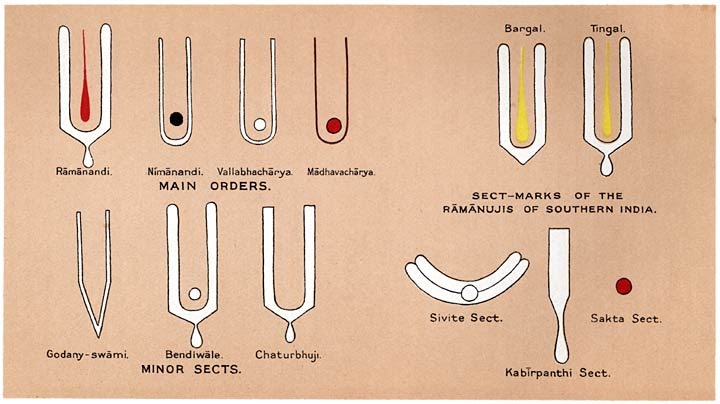
There is no single type of Tilaka but multiple. All of them have their own significance and representation. Hinduism is majorly classified into 4 main sects or sampradaya.
Vaishnavism who follow Lord Vishnu, Shaivism include people who follow Lord Shiva, Shaktism who follow Devi Parvati (Shakti), and Smartism (five deities treated as the same). One’s sect can be identified by the type of Tilaka they carry.
The first type of Tilaka can be seen on followers of Vishnu, which is made from gopi Chandan and consists of vertical lines which resemble the letter “U.” This Tilak basically represents Lord Vishnu’s foot. There can be a line in the center, but it is not common for all.
The followers of Shiva apply a different type of Tilak. You will see three horizontal lines, which are known as Tripundra. This Tilak is made from ash or bhasma that is said to be loved by Shiva. A red dot can be seen on the lines, but it is not common for all.
People who follow Shakti wear a dot on their forehead made from Kumkum, representing the powerful energy of Devi Parvati.
Apart from these, there are other types of Tilak such as Raj Tilak and Vir Tilak. Raj Tilak is a part of the coronation ceremony of a king at the time of
Apart from these, there are other types of Tilak such as Raj Tilak and Vir Tilak. Raj Tilak is a part of the coronation ceremony of a king at the time of
Rajyabhishek. Vir tilak by the name itself was applied to the brave, or it was applied to attain success for any task. According to Hindu customs and traditions, Tilaka is applied before any new beginning, a sign of good luck.
In Hindu traditions, Tilak is used as a welcome sign and is applied to every guest or person’s forehead. In India, Atithi or a guest is considered God. Therefore, people worship God by applying Tilak, plus it is also believed to promote good health.
Loading suggestions...