

FARMING LESSON!
WEEDING:
This the removal of unwanted plants from the garden. It's an effective pre-harvesting method of crop protection and crop production management.
THREAD: 1/14.
In this thread, we are going to learn how we can control weeds and why we should control weeds.
WEEDING:
This the removal of unwanted plants from the garden. It's an effective pre-harvesting method of crop protection and crop production management.
THREAD: 1/14.
In this thread, we are going to learn how we can control weeds and why we should control weeds.
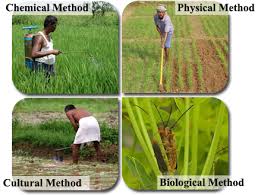
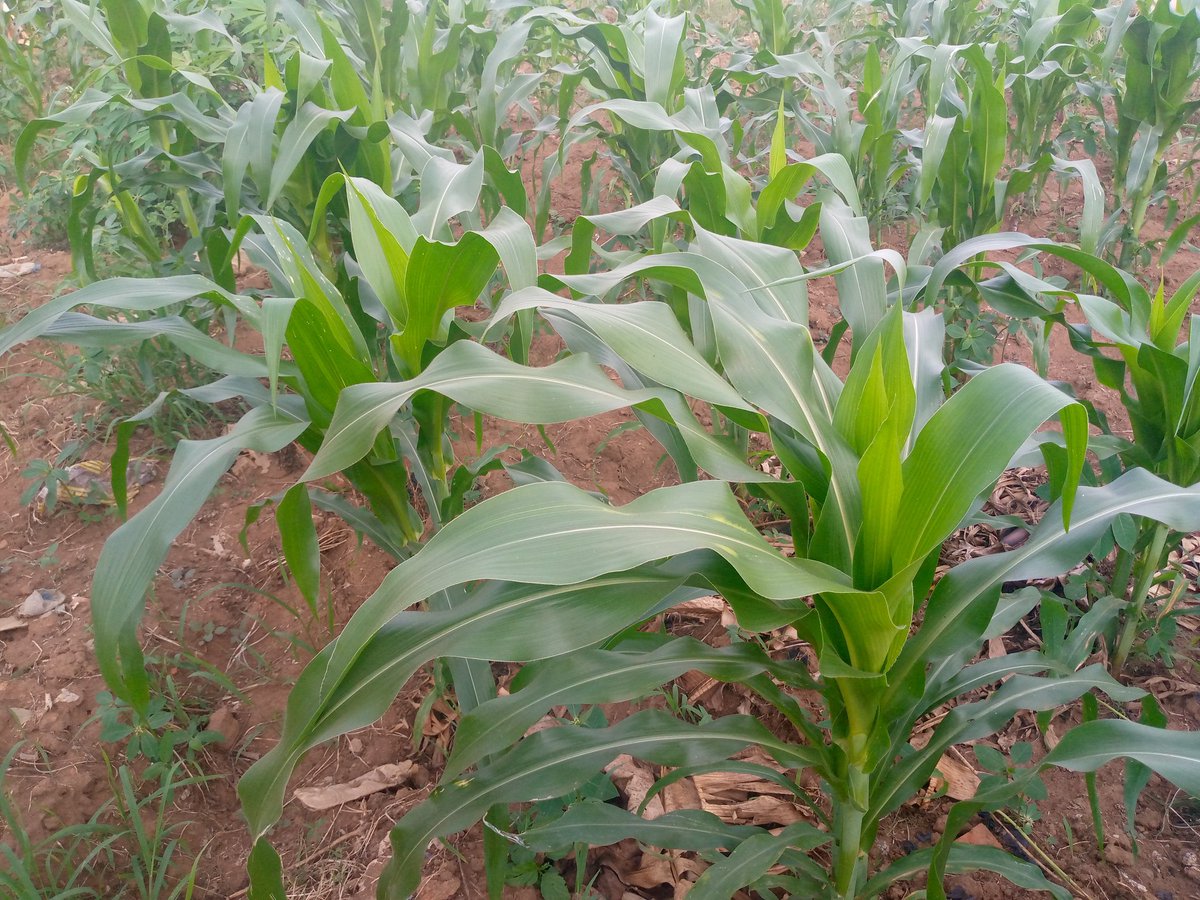
METHODS OF CONTROLLING WEEDS:
a). Preventative method. This aims to prevent weeds from being established in a cultivated crop such as using Weed-Free Seeds.
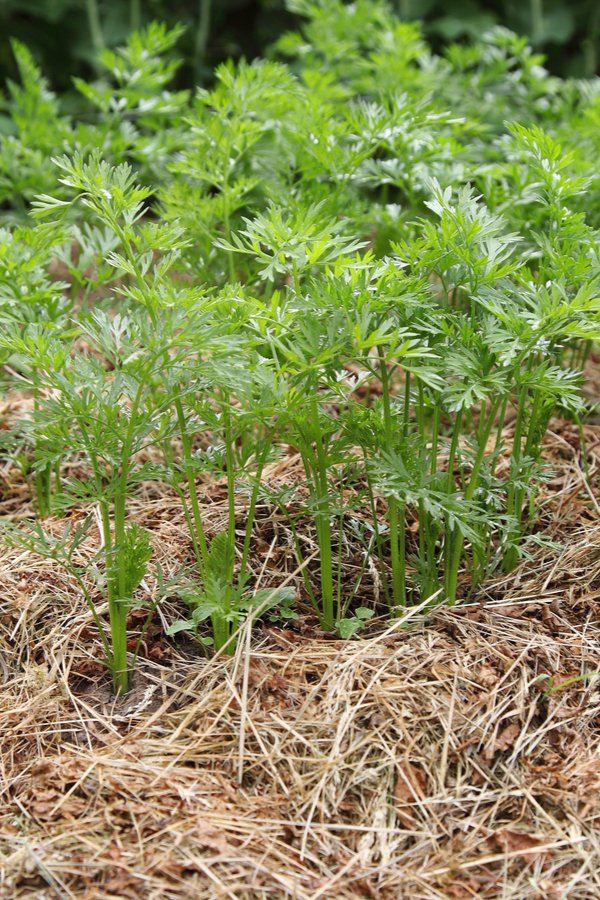
b). Cultural method. Here, field conditions are maintained to prevent establishment of weeds, Eg; through Mulching.
2/14.
a). Preventative method. This aims to prevent weeds from being established in a cultivated crop such as using Weed-Free Seeds.
b). Cultural method. Here, field conditions are maintained to prevent establishment of weeds, Eg; through Mulching.
2/14.
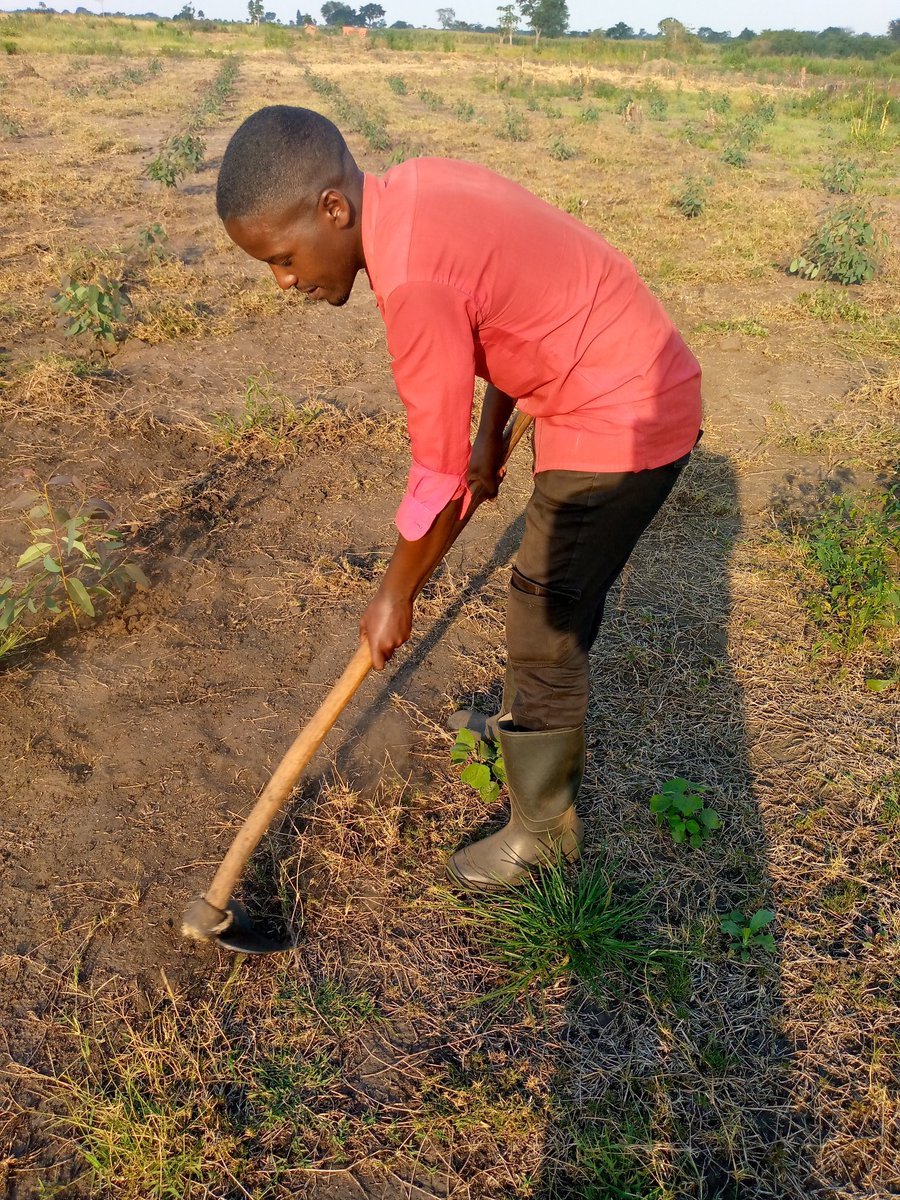
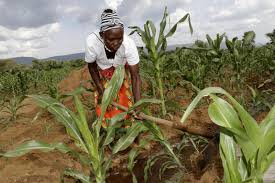
c). Mechanical method. This refers to any technique such as tillage that involves the use of farm equipment to control weeds.
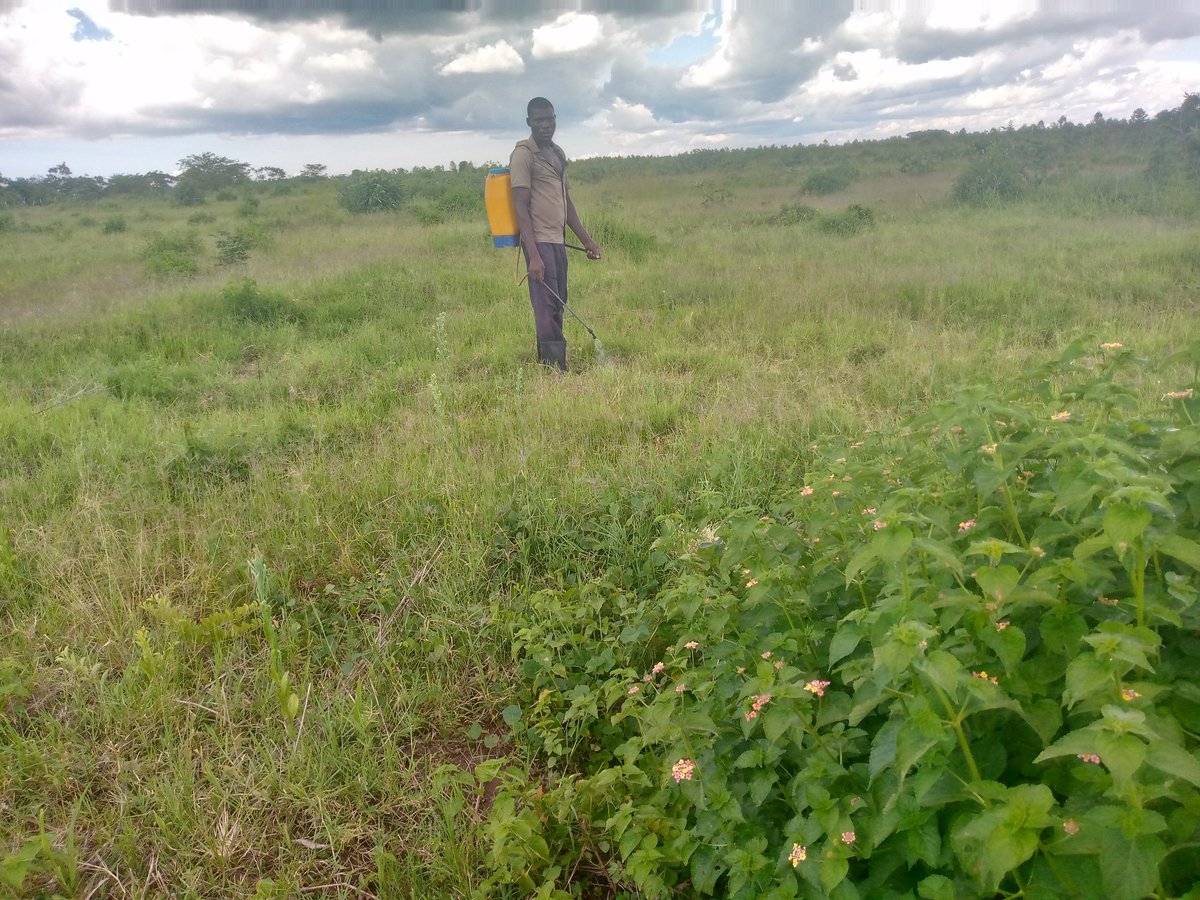
d). Chemical method. This refers to the application of a chemical (herbicide) to weeds or soil to control the germination or growth of weeds.
3/14.
d). Chemical method. This refers to the application of a chemical (herbicide) to weeds or soil to control the germination or growth of weeds.
3/14.
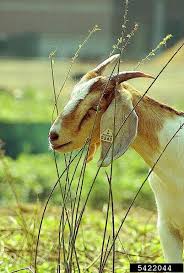
e). Biological method. This refers to any technique that involves the use of natural enemies of weed plants to control the germination of weed seeds or the spread of established plants. For example, the use of goats to control brush on rangeland.
4/14.
4/14.
COMMON WEED CONTROL METHODS:
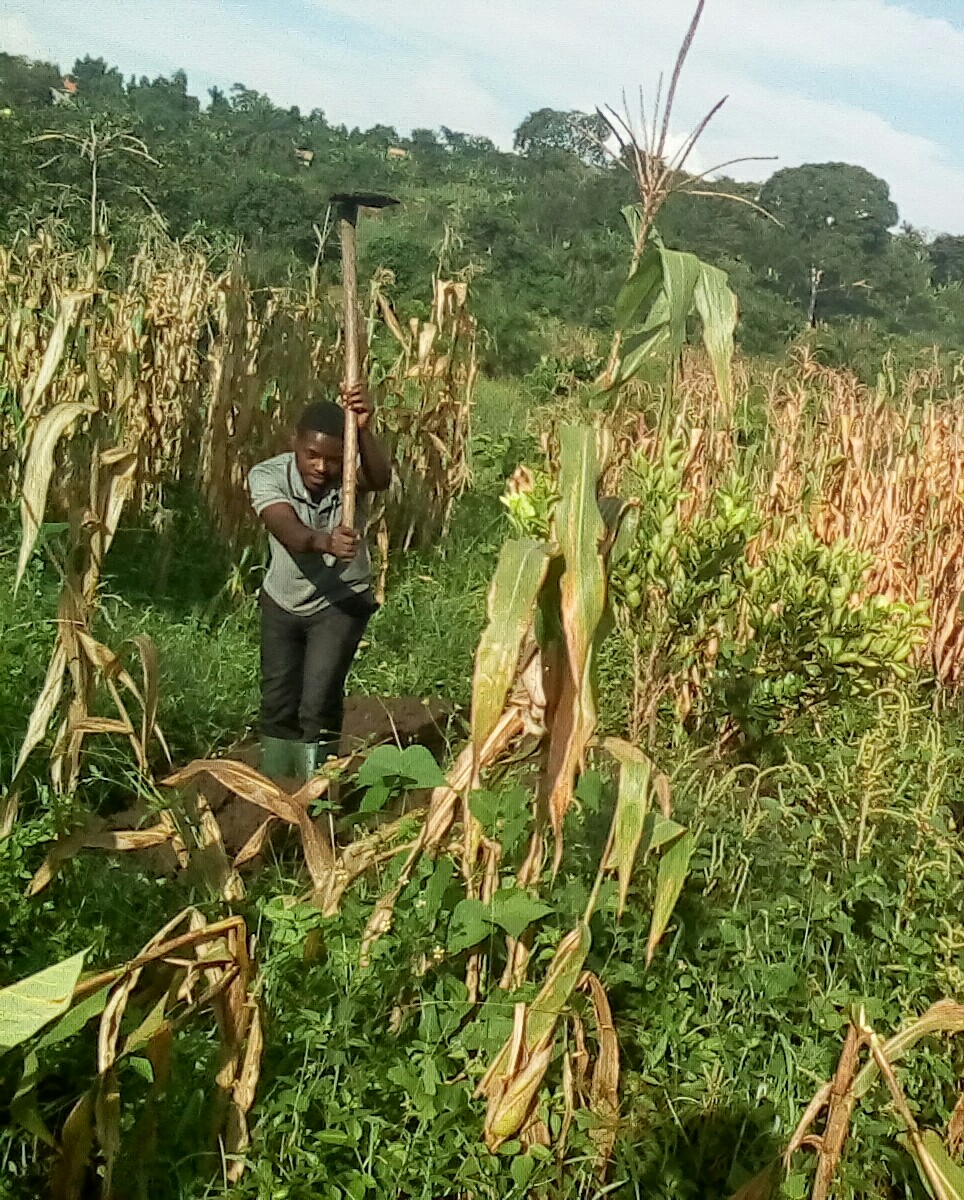
1. Digging. This is very useful in perennial weeds to remove the underground propagating parts of weeds from the deeper layers of the soil.
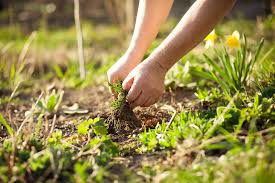
2. Hand weeding. This is done by physical removal or pulling out of weeds by hand.
5/14.
1. Digging. This is very useful in perennial weeds to remove the underground propagating parts of weeds from the deeper layers of the soil.
2. Hand weeding. This is done by physical removal or pulling out of weeds by hand.
5/14.
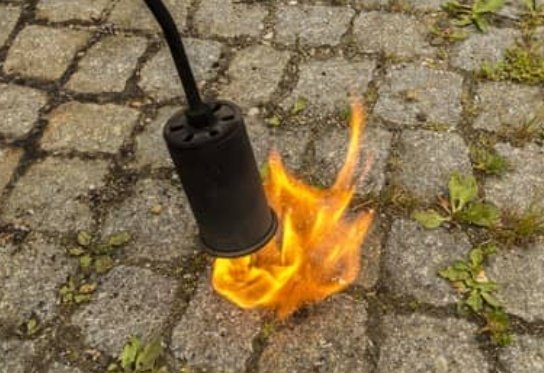
3. Burning. This is often an economical and practical means of controlling weeds.
4. Flooding. This is sometimes used for weed control in rice which can grow under flooded conditions.
5. Crop rotation. This is destroys the lifecycles of weeds.
6/14.
4. Flooding. This is sometimes used for weed control in rice which can grow under flooded conditions.
5. Crop rotation. This is destroys the lifecycles of weeds.
6/14.

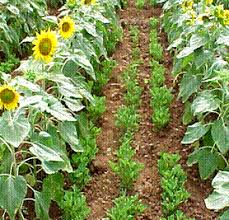
6. Inter-cropping. This suppresses weeds and provides an opportunity to utilize crops themselves as weed management tools.
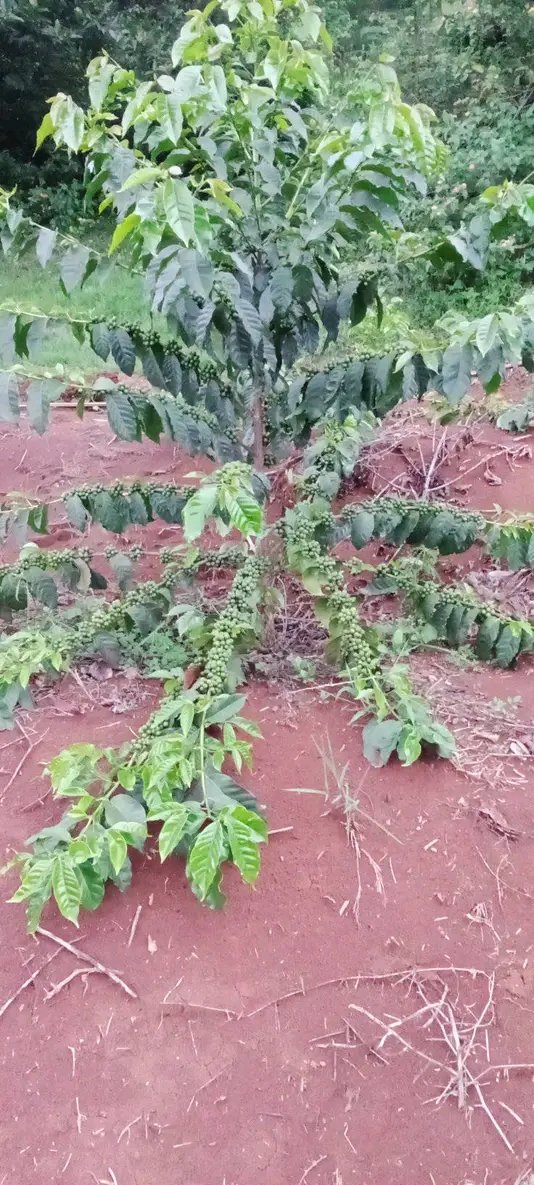
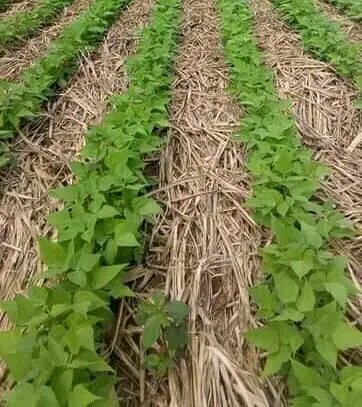
7. Mulching. This has a smothering effect on weed control by excluding light from the photosynthetic portions of a plant, thus inhibiting top growth.
7/14.
7. Mulching. This has a smothering effect on weed control by excluding light from the photosynthetic portions of a plant, thus inhibiting top growth.
7/14.
8. Maintenance of optimum plant population. Lack of adequate plant population is prone to heavy weed infestation, which becomes difficult to control later.
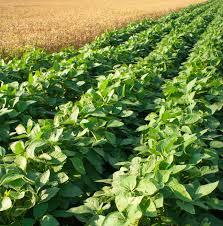
9. Growing of cover crops such as beans. These suppress the weeds by denying them enough sunlight for them to grow.
8/14.
9. Growing of cover crops such as beans. These suppress the weeds by denying them enough sunlight for them to grow.
8/14.
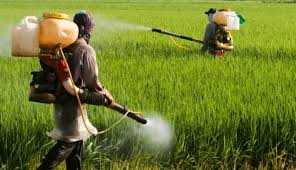
9. Chemical method. Here, herbicides are applied to the weeds to make them dry. It's the common method used because it's not labour intensive though it's not environmental friendly.
9/14.
9/14.
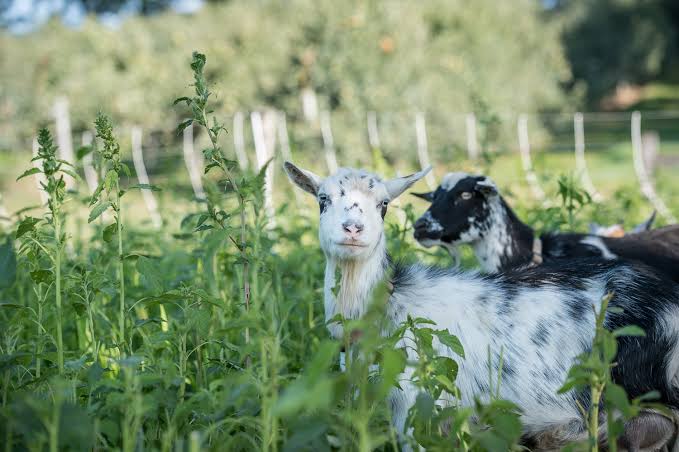
11. Biological method. Here, Animals are used to graze on the weeds hence destroying the weeds. For example, goats are used to destroy freaben weeds.
10/14.
10/14.
REASON FOR CONTROLLING WEEDS:
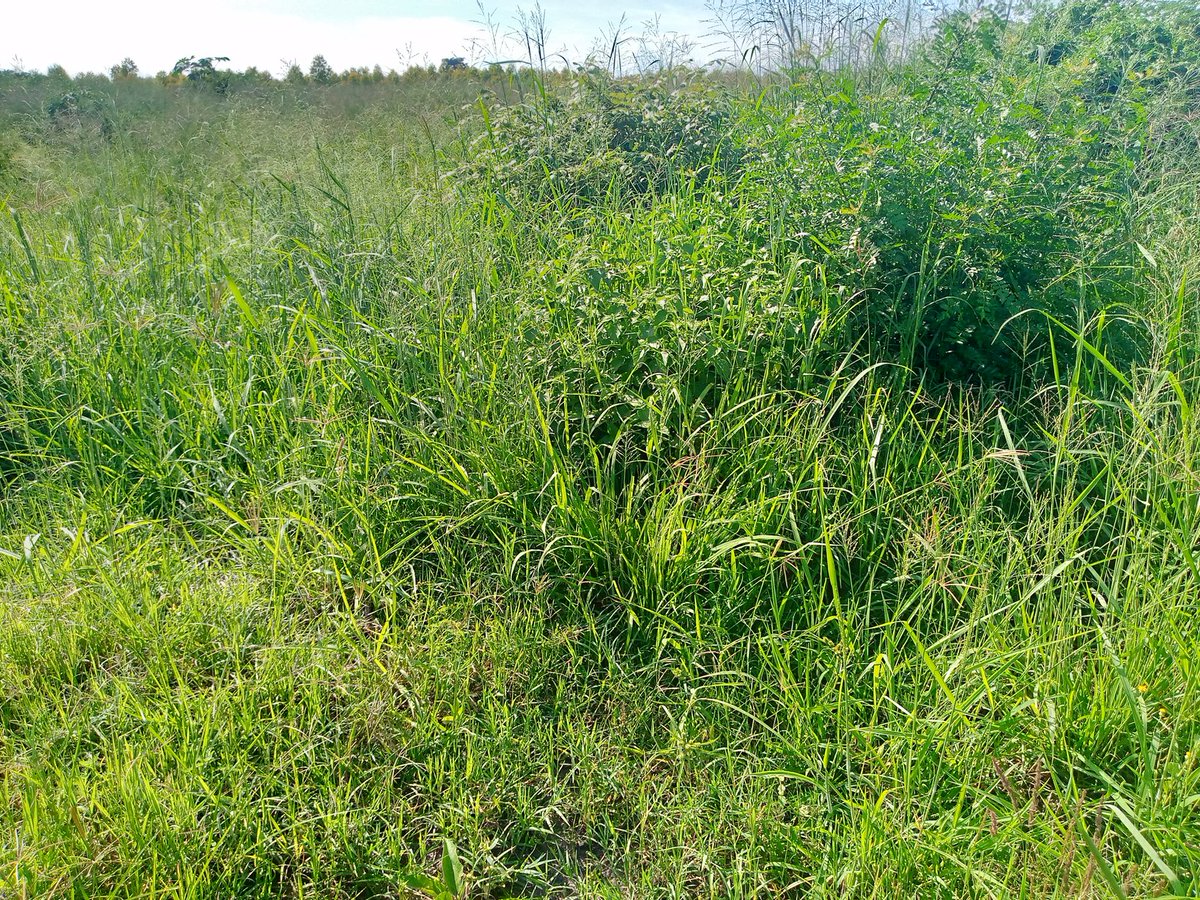
1. Weeds compete with the crop plant for light, nutrients, water, space and other growth requirements and reduce the crop yield.
2. Reduce the quality of crop products.
3. Exude inhibitors from the roots reduce the growth of the crop plants.
11/14.
1. Weeds compete with the crop plant for light, nutrients, water, space and other growth requirements and reduce the crop yield.
2. Reduce the quality of crop products.
3. Exude inhibitors from the roots reduce the growth of the crop plants.
11/14.
CONT'N OF THE REASON FOR CONTROLLING WEEDS:
4. Serve as alternate hosts for insects and pathogens.
5. Make mechanisation difficult.
6. Reduce the sales value of the land.
7. Cause enormous loss of water by growing in the irrigation channels.
12/14.
4. Serve as alternate hosts for insects and pathogens.
5. Make mechanisation difficult.
6. Reduce the sales value of the land.
7. Cause enormous loss of water by growing in the irrigation channels.
12/14.
CONT'N OF THE REASON FOR CONTROLLING WEEDS:
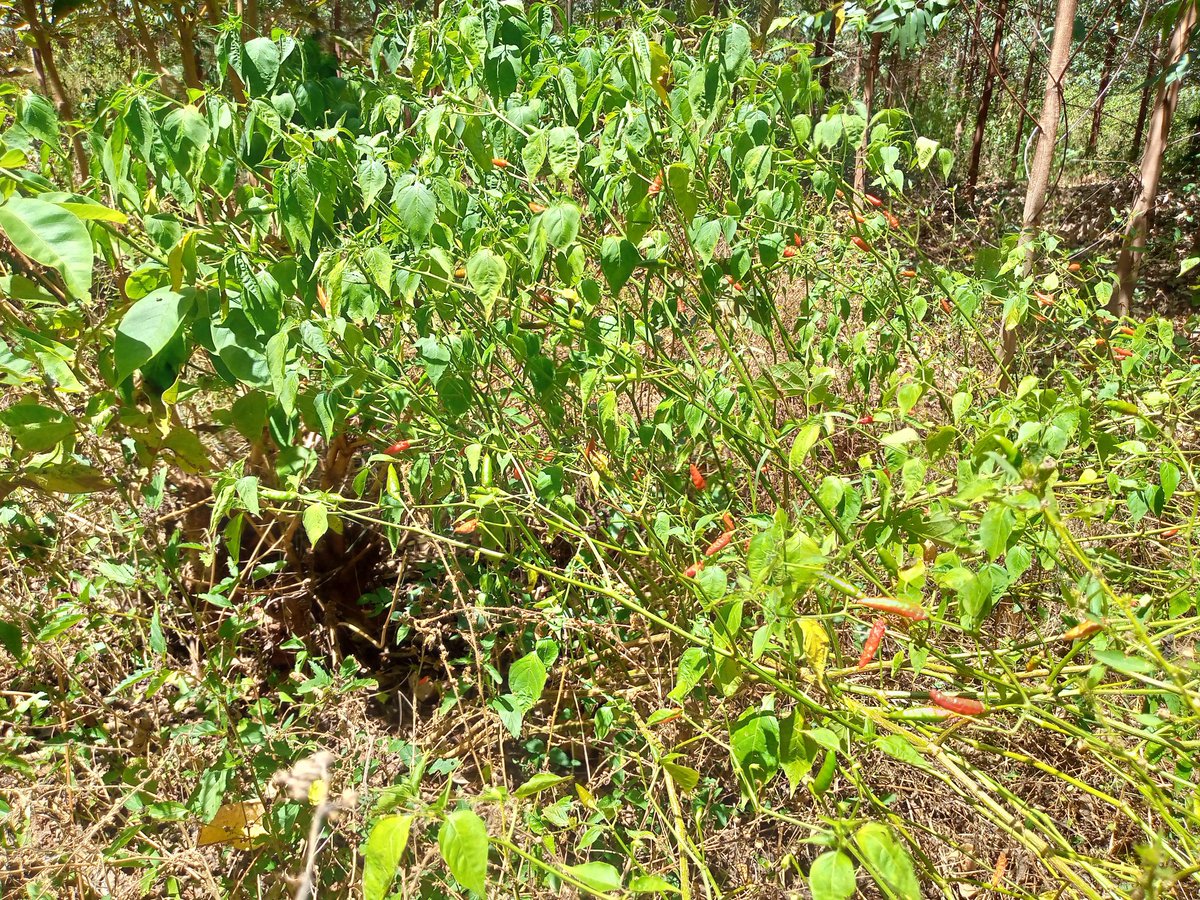
8. Cause serious illness or death of farm animals by their poisonous constituents.
13/14.
8. Cause serious illness or death of farm animals by their poisonous constituents.
13/14.
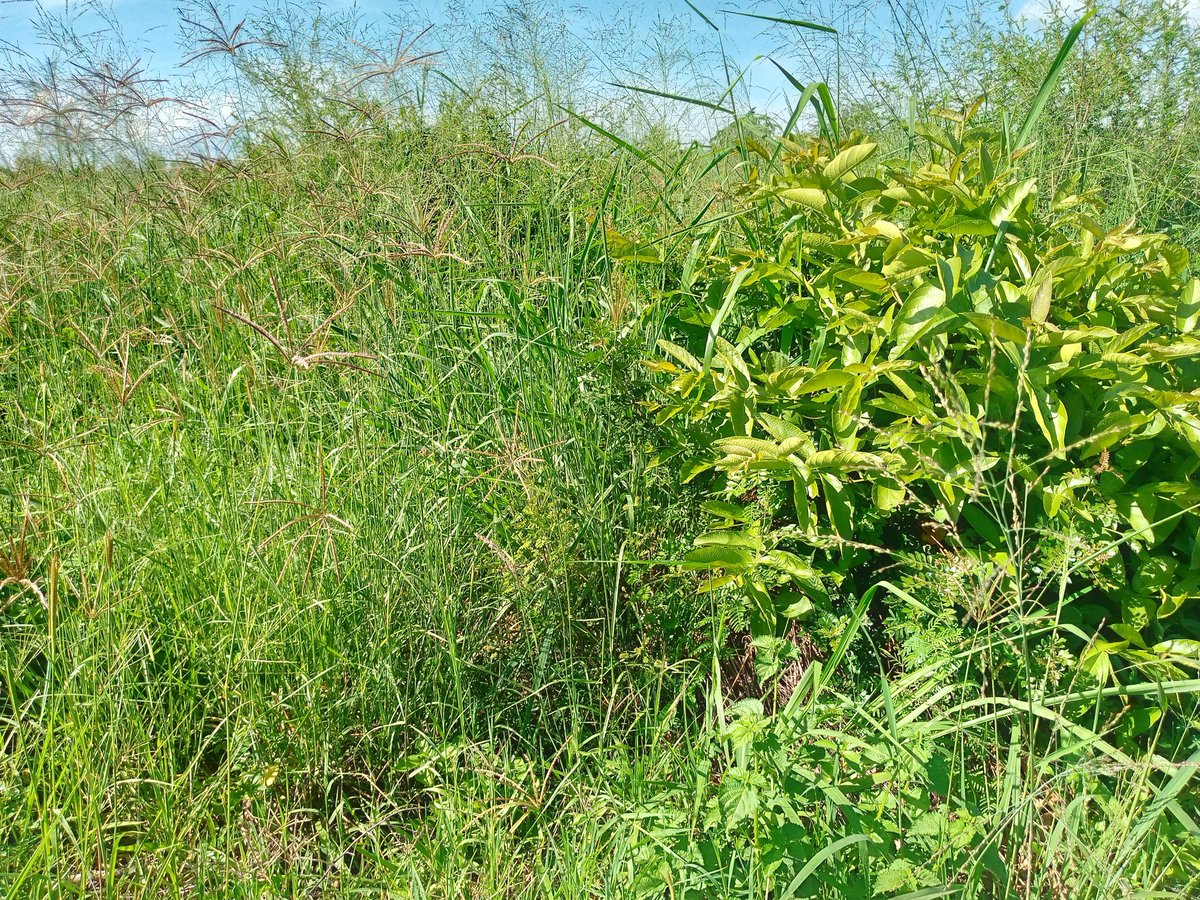
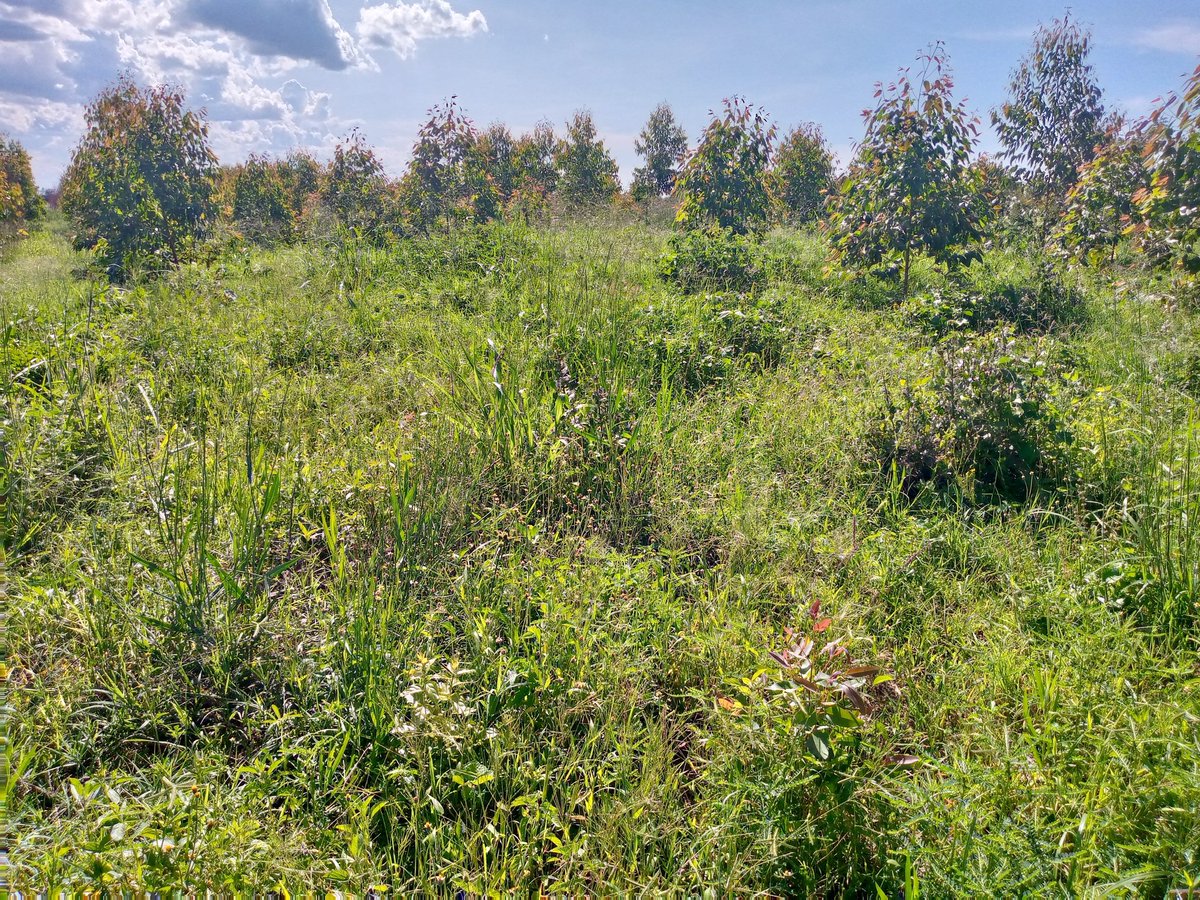
Was this Tweet-thread helpful to you???
If yes;
1. Don't forget to #FOLLOW_ME for ADVANCED Agriculture Extension Services & Consultancy, Digital Marketing of Agricultural Inputs & Outputs and Farming Discussions/Lessons.
2. Like & Retweet.
#LetsFarmTogether
14/14.
If yes;
1. Don't forget to #FOLLOW_ME for ADVANCED Agriculture Extension Services & Consultancy, Digital Marketing of Agricultural Inputs & Outputs and Farming Discussions/Lessons.
2. Like & Retweet.
#LetsFarmTogether
14/14.

Loading suggestions...