
**Mithraism: A Fascinating Ancient Religion**
1/9: Mithraism, also known as the Mithraic mysteries, was practiced in the Roman Empire from the 1st to the 4th cen. CE. It was centered around the worship of the deity Mithras, who was believed to be a Persian god of light and sun.
1/9: Mithraism, also known as the Mithraic mysteries, was practiced in the Roman Empire from the 1st to the 4th cen. CE. It was centered around the worship of the deity Mithras, who was believed to be a Persian god of light and sun.

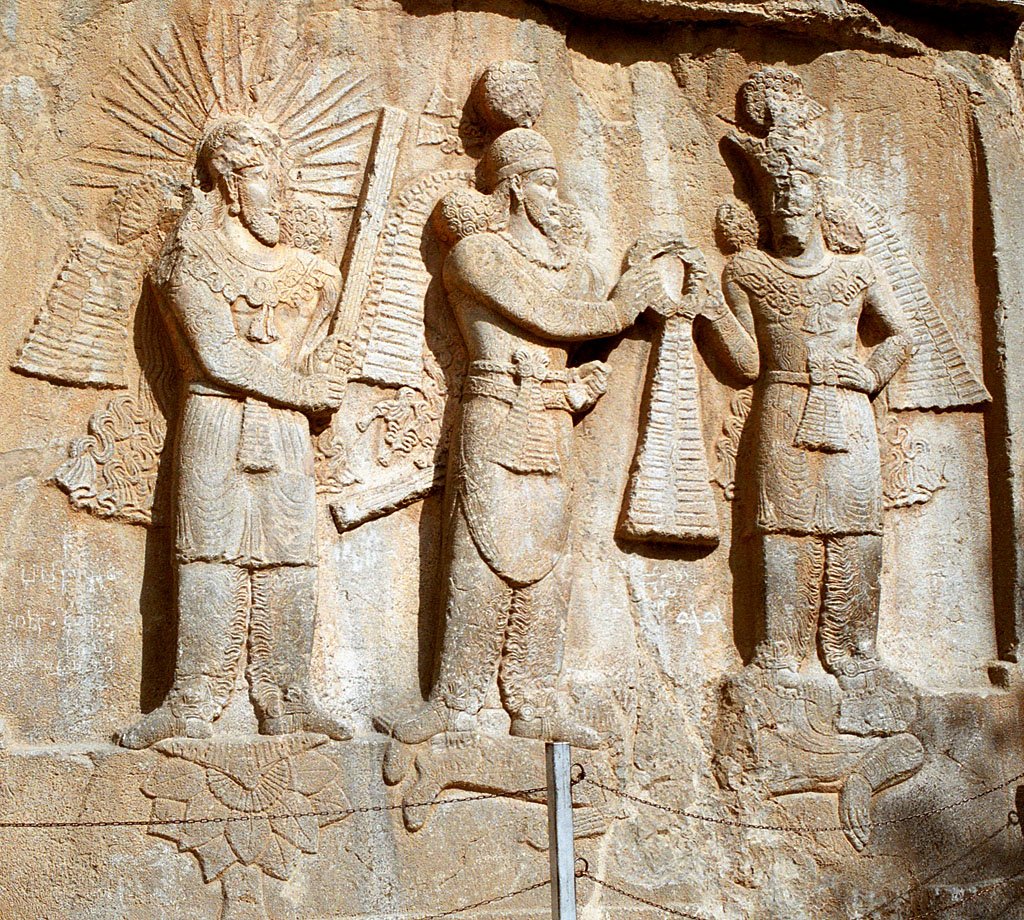
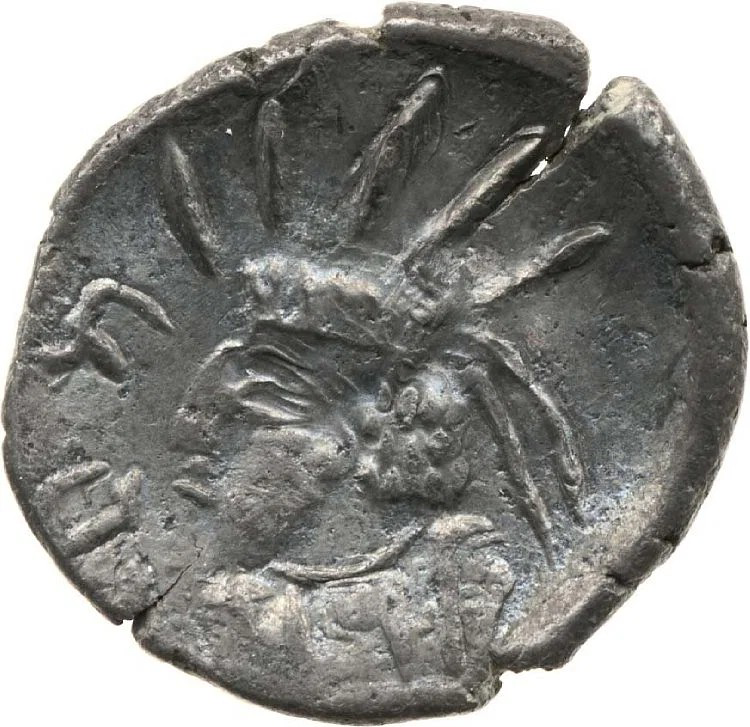
Mithraism, the worship of Mithra, the Iranian god of the sun, justice, contract, and war in pre-Zoroastrian Iran. this deity was honoured as the patron of loyalty to the emperor.
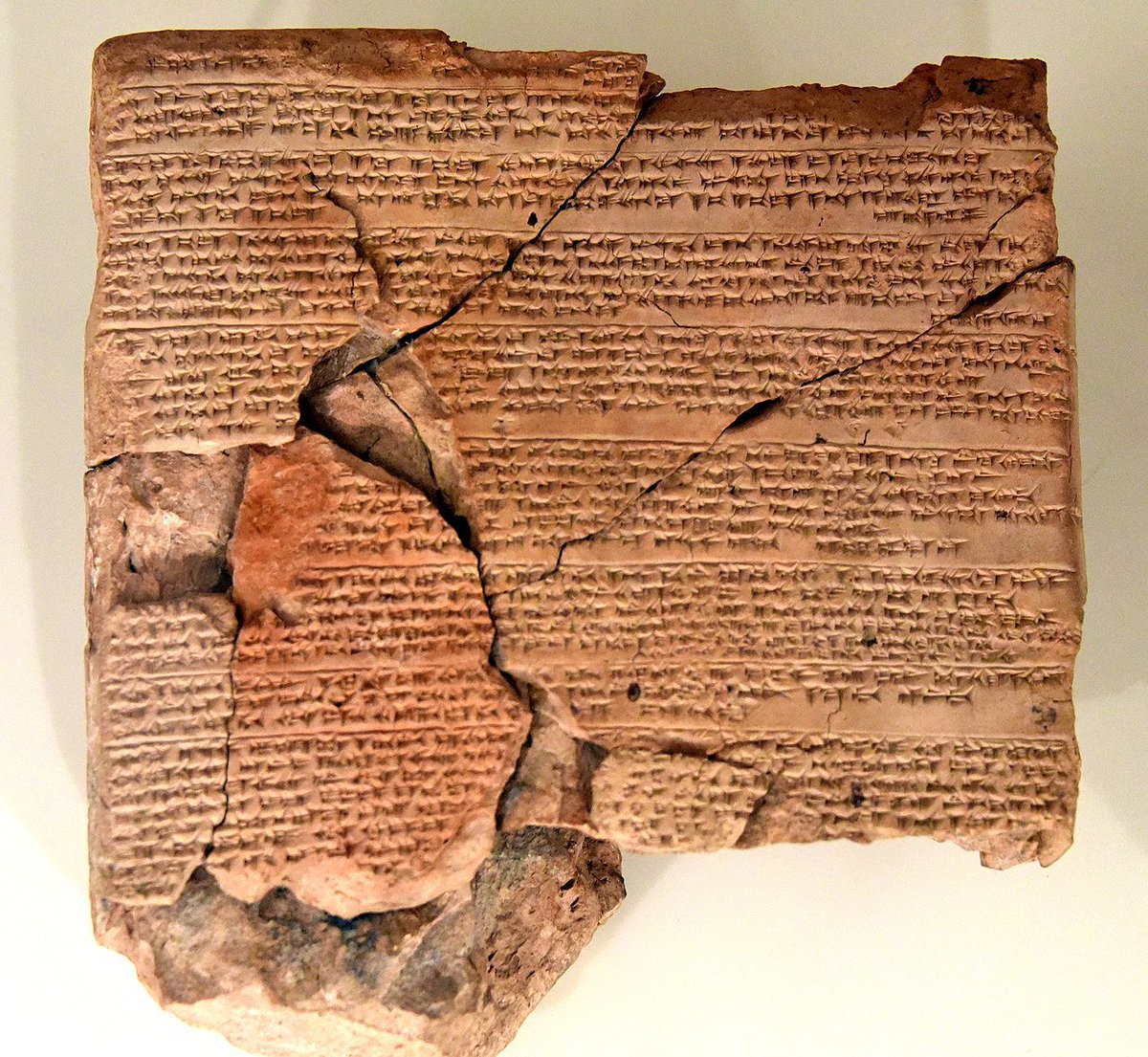
In a cuneiform tablet of the 15th century BCE that contains a treaty between the Hittites and the Mitanni, Mithra is invoked as the god of oath. Furthermore, in Indian Vedic texts the god Mitra (the Indian form of Mithra) appears both as “friend” and as “contract.”
2/9: Mithraism had a strong appeal to Roman soldiers and merchants, and its influence spread throughout the empire. The religion had secretive initiation rites and rituals that were performed in underground temples called Mithraea.
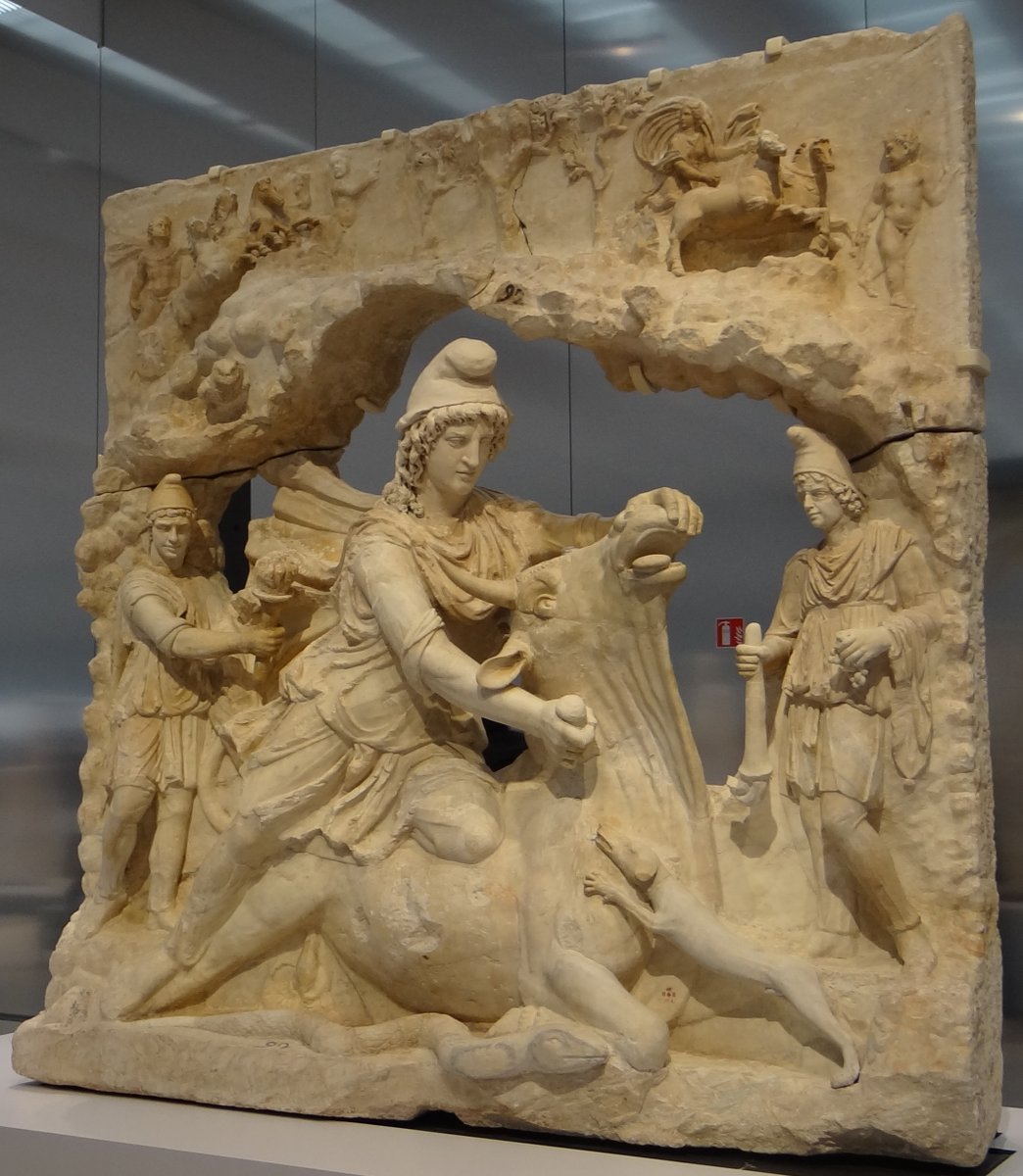
3/9: Mithras, the central figure of the religion, was often depicted as a young, bull-slaying deity. He was seen as a mediator between the divine and human realms, and his worshipers believed that he could offer salvation and protection.
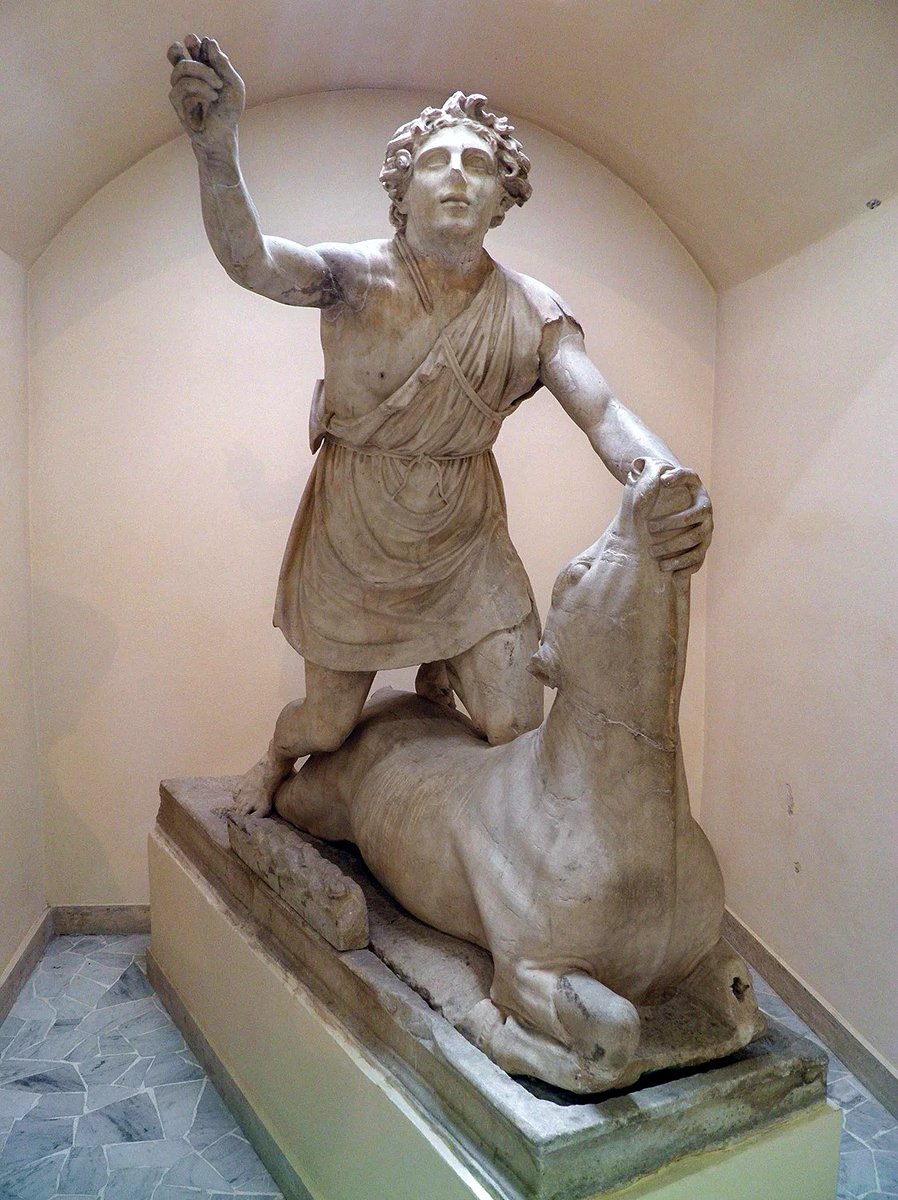
4/9: The Mithraic rituals involved symbolic acts such as communal meals, baptism, and the use of special symbols like the bull, the sun, and the torch. These rituals were believed to bring about personal transformation and spiritual enlightenment.
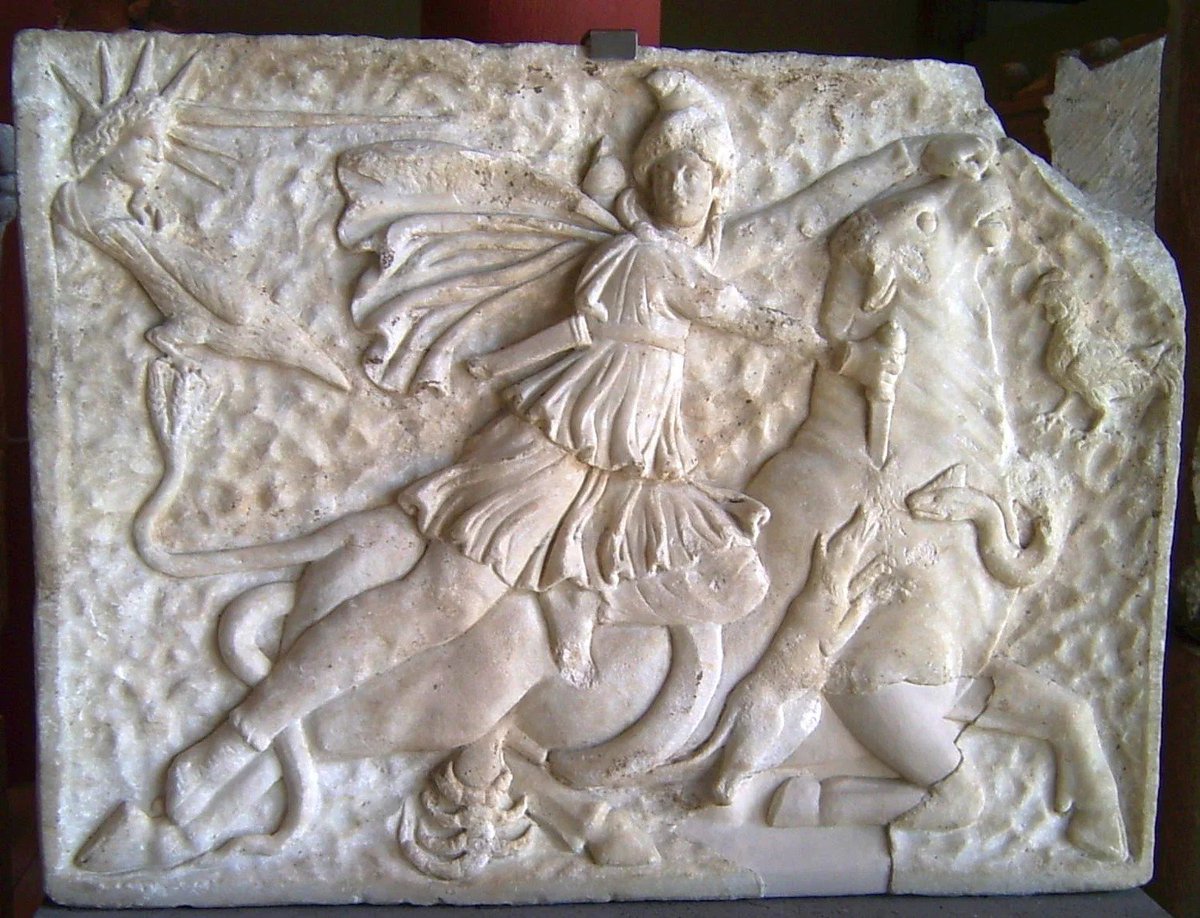
5/9: Mithraism had a hierarchical structure, with seven initiation levels known as grades. Each grade represented a different stage of spiritual advancement within the religion. The highest grade, known as "Pater," held the most knowledge and authority.
6/9: The popularity of Mithraism diminished in the 4th century CE, partly due to the rise of Christianity, which eventually became the dominant religion in the Roman Empire. The exact reasons for the decline of Mithraism remain unknown.
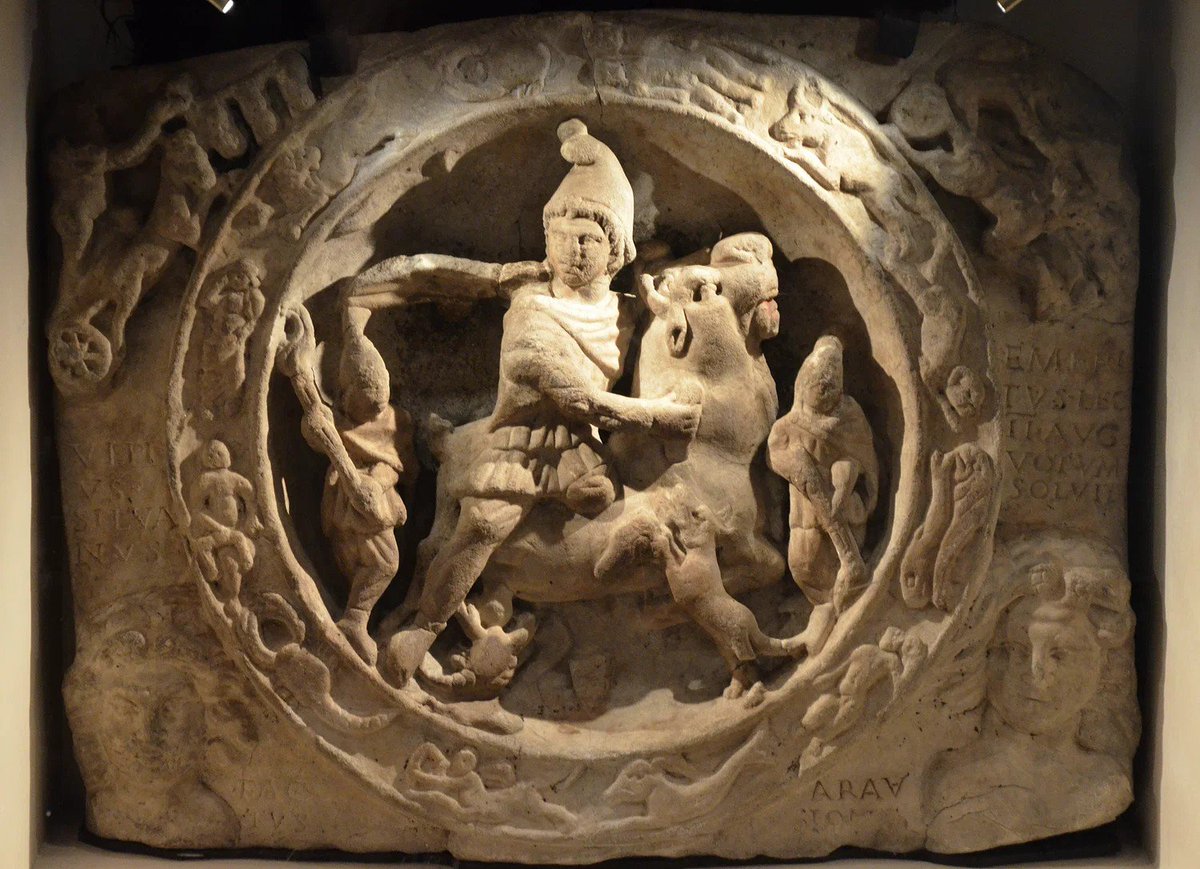
7/9: Mithraism incorporated elements from different cultures, including Persian, Hellenistic, and Roman traditions. It provided a sense of community and a pathway to personal growth and enlightenment for its followers.
8/9: Scholars have debated the origins and nature of Mithraism. Some believe it was derived from Zoroastrianism, an ancient Persian religion, while others argue that it was a syncretic religion that fused various elements from different cultures.
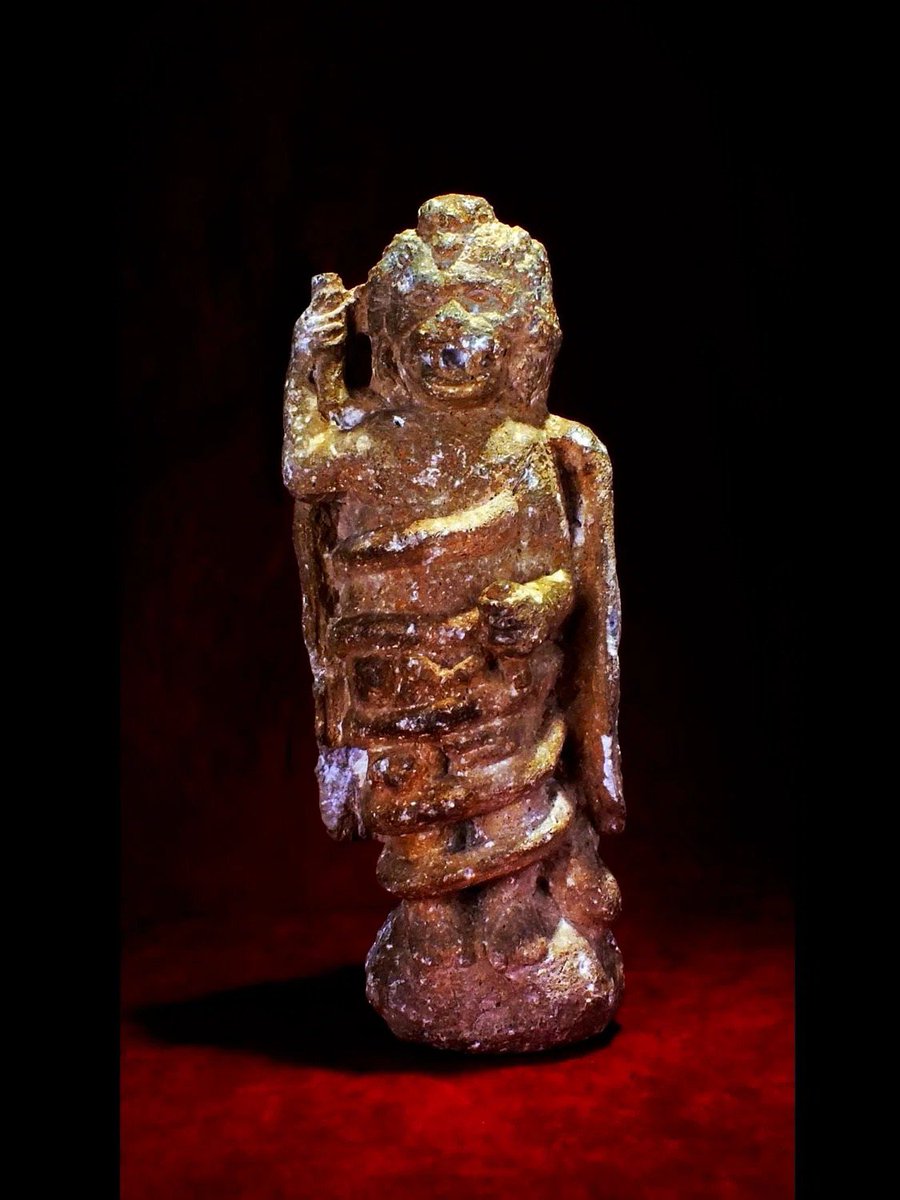
9/9: Despite its eventual decline, Mithraism left a lasting impact on art, symbolism, and religious practices in the Roman Empire. Its intriguing mysteries and rituals continue to fascinate scholars and enthusiasts interested in ancient religions. #Mithraism
#AncientReligions
#AncientReligions
Src
Cyron, M. (2015, March 24). Cult Relief of the Mithraic Mysteries. World History Encyclopedia. Retrieved from worldhistory.org
britannica.com
Cyron, M. (2015, March 24). Cult Relief of the Mithraic Mysteries. World History Encyclopedia. Retrieved from worldhistory.org
britannica.com

worldhistory.org/image/3725/cul…
Cult Relief of the Mithraic Mysteries
Mithras looks away from the dying bull, up to the moon. Also, Mithras has a few little helpers that...

britannica.com/topic/Mithraism
Mithraism | Definition, History, Mythology, & Facts
Mithraism, the worship of Mithra, the Iranian god of the sun, justice, contract, and war in pre-Zoro...
Loading suggestions...