

Almost 50% of the population experiences GERD / reflux symptoms
Yet most of what we’re told about it is wrong
Here’s what really causes these issues and how to resolve them
-- THREAD --
Yet most of what we’re told about it is wrong
Here’s what really causes these issues and how to resolve them
-- THREAD --
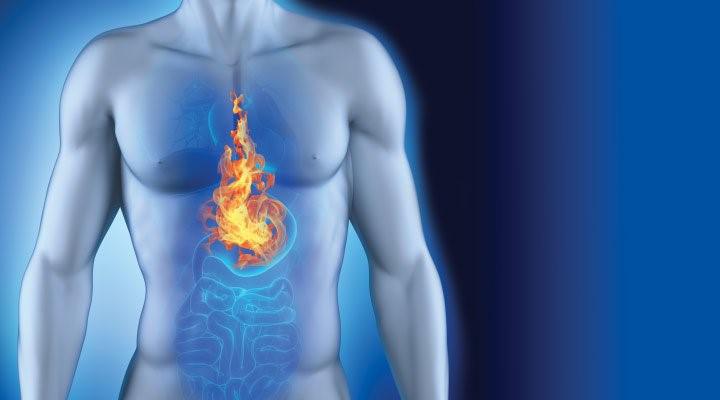
Most traditional healthcare professionals will tell you that reflux / GERD is from too much stomach acid
They’ll probably prescribe PPIs and send you on your way
But when you actually understand the issue you’d realize too much acid isn’t the problem at all
They’ll probably prescribe PPIs and send you on your way
But when you actually understand the issue you’d realize too much acid isn’t the problem at all
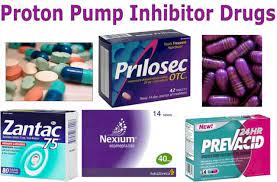
Why would we be lied to about this?
Well with almost half the population struggling with this, the pharmaceutical industry makes over $14 BILLION annually from PPIs that are prescribed
Since PPIs do nothing to resolve the issue (more on that later), they have customers for life
Well with almost half the population struggling with this, the pharmaceutical industry makes over $14 BILLION annually from PPIs that are prescribed
Since PPIs do nothing to resolve the issue (more on that later), they have customers for life
So what’s really going on with GERD?
There seems to be two main issues
1) Muscular malfunction
2) Abdominal pressure
There seems to be two main issues
1) Muscular malfunction
2) Abdominal pressure
1) Muscular malfunction
The lower esophageal valve separates the esophagus from the stomach
This valve should typically only open for food or liquids consumed to pass into the stomach or when belching
But muscles controlling this valve can malfunction contributing to GERD
The lower esophageal valve separates the esophagus from the stomach
This valve should typically only open for food or liquids consumed to pass into the stomach or when belching
But muscles controlling this valve can malfunction contributing to GERD
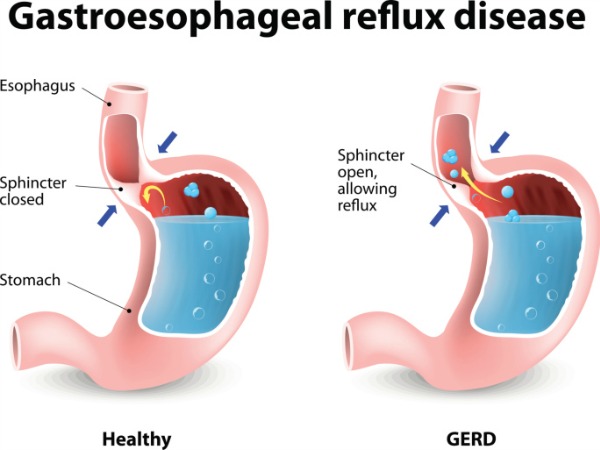
With this valve malfunctions, it allows acid back into the esophagus where it causes damage and discomfort
So regardless of how much stomach acid there is, this malfunction allows the acid back into the esophagus
Having too much acid isn’t the issue
So regardless of how much stomach acid there is, this malfunction allows the acid back into the esophagus
Having too much acid isn’t the issue
This is why modern medicine’s approach to GERD isn't effective
Treating someone by lowering their stomach acid with PPIs does nothing to address the root causes
It often leads to a long list of other health issues as a result
Treating someone by lowering their stomach acid with PPIs does nothing to address the root causes
It often leads to a long list of other health issues as a result
2) Abdominal pressure
Too much stomach acid isn’t the problem - it’s usually the opposite - not enough stomach acid
So when you use PPIs to further lower stomach acid, your digestion is destroyed
This increases the risk of pathogen overgrowth significantly
Too much stomach acid isn’t the problem - it’s usually the opposite - not enough stomach acid
So when you use PPIs to further lower stomach acid, your digestion is destroyed
This increases the risk of pathogen overgrowth significantly
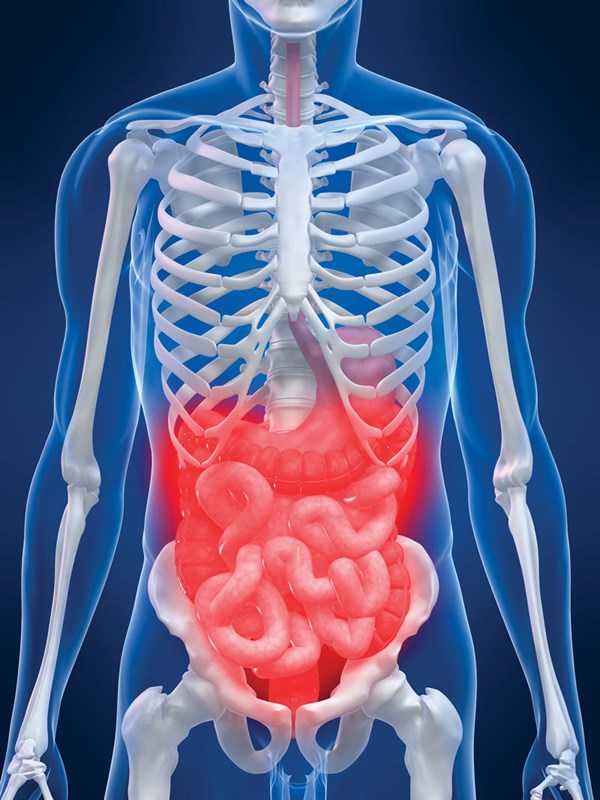
There are also tons of other problems with PPIs
Metabolites can deposit in kidneys causing immune response/kidney dysfunction
Cognitive impairment by interfering with neurotransmitter reuptake
Increased risk of heart attack
Reduced bone health by impairing calcium absorption
Metabolites can deposit in kidneys causing immune response/kidney dysfunction
Cognitive impairment by interfering with neurotransmitter reuptake
Increased risk of heart attack
Reduced bone health by impairing calcium absorption
Low stomach acid can cause a long list of issues that contribute to build up of intra-abdominal pressure
This pressure pushes acid up toward the esophagus
When we combine this pressure with the muscular dysfunction of the lower esophageal valve, we get GERD
This pressure pushes acid up toward the esophagus
When we combine this pressure with the muscular dysfunction of the lower esophageal valve, we get GERD
So what are common causes of this pressure buildup and muscular dysfunction?
There seems to be 3 main contributors:
1) Low acid / poor digestion
2) Muscle weakness / inflammation
3) Fermentation
There seems to be 3 main contributors:
1) Low acid / poor digestion
2) Muscle weakness / inflammation
3) Fermentation
𝗦𝘁𝗼𝗺𝗮𝗰𝗵 𝗔𝗰𝗶𝗱
When you have low stomach acid, you do not digest your food well
This can lead to many issues like:
Partially digested food rotting causing pathogen overgrowth
Malabsorption / nutrient deficiencies
Intestinal permeability
When you have low stomach acid, you do not digest your food well
This can lead to many issues like:
Partially digested food rotting causing pathogen overgrowth
Malabsorption / nutrient deficiencies
Intestinal permeability
One of the roles of stomach acid is to inhibit bacterial overgrowth
These bacteria can produce gasses, which lead to the pressure build up contributing to GERD
Additionally, when food isn’t fully digested it begins to ferment creating more gas and more pressure
These bacteria can produce gasses, which lead to the pressure build up contributing to GERD
Additionally, when food isn’t fully digested it begins to ferment creating more gas and more pressure
If we’re not digesting our food well, we’re not absorbing the nutrient from the food properly
This can lead to nutrient deficiencies such as zinc and B vitamins
Both of these nutrients are important for stomach acid production, leading to a cycle of continually lower acid
This can lead to nutrient deficiencies such as zinc and B vitamins
Both of these nutrients are important for stomach acid production, leading to a cycle of continually lower acid
Malabsorption and pathogen overgrowth can both contribute to intestinal permeability
Permeability (aka leaky gut) can increase the risk of a long list of serious conditions
One of those being chronic inflammation, which we’ll see soon has a role in GERD
Permeability (aka leaky gut) can increase the risk of a long list of serious conditions
One of those being chronic inflammation, which we’ll see soon has a role in GERD
𝗠𝘂𝘀𝗰𝗹𝗲 𝗪𝗲𝗮𝗸𝗻𝗲𝘀𝘀 / 𝗜𝗻𝗳𝗹𝗮𝗺𝗺𝗮𝘁𝗶𝗼𝗻
When the muscles involved in digestion are weak, it can contribute to GERD
The muscles that contain acid in the stomach must provide adequate confinement (especially in the diaphragm)
When the muscles involved in digestion are weak, it can contribute to GERD
The muscles that contain acid in the stomach must provide adequate confinement (especially in the diaphragm)
People who lack adequate strength in these muscles can experience issues such as lower esophageal valve malfunction, which we saw directly causes GERD
Additionally, inflammation can cause organ and muscle dysfunction (like in the stomach and diaphragm)
Additionally, inflammation can cause organ and muscle dysfunction (like in the stomach and diaphragm)
Chronic inflammation can cause poor circulation which can cause muscle weakness and malfunction
So a combination of both weakness and inflammation can directly result in a malfunction of muscles required to confine stomach acid leading to GERD
So a combination of both weakness and inflammation can directly result in a malfunction of muscles required to confine stomach acid leading to GERD
𝗙𝗲𝗿𝗺𝗲𝗻𝘁𝗮𝘁𝗶𝗼𝗻
When stomach acid is low, we’re unable to fully digest foods that we should have no problem digesting
But there are foods that even with sufficient stomach acid we can’t fully digest, such as fiber
When stomach acid is low, we’re unable to fully digest foods that we should have no problem digesting
But there are foods that even with sufficient stomach acid we can’t fully digest, such as fiber
Since these foods cannot be fully digested, they are fermented in the gut
This produces gas, which contributes to intra-abdominal pressure that can lead to GERD
This produces gas, which contributes to intra-abdominal pressure that can lead to GERD
So, if I had GERD here’s what I’d do
1) Eat & digest well
Prioritize a good balance of quality protein, fats and carbohydrates
This would include reasonable amounts of fiber for proper digestion/microbiome balance, but not a high-fiber diet leading to excessive fermentation
1) Eat & digest well
Prioritize a good balance of quality protein, fats and carbohydrates
This would include reasonable amounts of fiber for proper digestion/microbiome balance, but not a high-fiber diet leading to excessive fermentation
In addition to eating well, I’d also do the following to improve digestion:
- Not over eat
- Chew well
- Walk after meals
- Stretching/yoga before/after eating
- Eat in a relaxed state
- Not over eat
- Chew well
- Walk after meals
- Stretching/yoga before/after eating
- Eat in a relaxed state
2) Boost acid
We know low stomach acid is a common contributor to GERD & PPIs worsen that
To boost acid I would:
- occasional ACV use with big meals
- no liquids with meals
- marinate meat (in citrus juice)
- boost B vitamins, zinc & sea salt
- manage stress
We know low stomach acid is a common contributor to GERD & PPIs worsen that
To boost acid I would:
- occasional ACV use with big meals
- no liquids with meals
- marinate meat (in citrus juice)
- boost B vitamins, zinc & sea salt
- manage stress
3) Strengthen muscles
Building up diaphragmatic muscles, which ensure that gastric contents remain in the stomach and prevent regurgitation
To do this I’d focus on deep breathing exercises and core strength training
Building up diaphragmatic muscles, which ensure that gastric contents remain in the stomach and prevent regurgitation
To do this I’d focus on deep breathing exercises and core strength training
4) Lower inflammation
Since inflammation can lead to muscle dysfunction and contribute to GERD, I’d focus on lowering inflammation
The above priorities such as eating a clean diet, digesting food well, boosting stomach acid and strengthening muscles would help with this
Since inflammation can lead to muscle dysfunction and contribute to GERD, I’d focus on lowering inflammation
The above priorities such as eating a clean diet, digesting food well, boosting stomach acid and strengthening muscles would help with this
But in addition to these I’d:
- optimize light environment
- ground
- optimize sleep
- hydrate well
- manage stress
- exercise regularly
- stimulate vagus nerve
- prioritize nutrients like vitamin E, CoQ10, magnesium & vitamin D
- optimize light environment
- ground
- optimize sleep
- hydrate well
- manage stress
- exercise regularly
- stimulate vagus nerve
- prioritize nutrients like vitamin E, CoQ10, magnesium & vitamin D
If you're struggling with GERD I hope you found this helpful
For more helpful information like this, you can sign up to get my emails using the link below
And if you'd like to work with me 1 on 1 to address these issues, DM me "GERD"
pages.theholisticnick.com
For more helpful information like this, you can sign up to get my emails using the link below
And if you'd like to work with me 1 on 1 to address these issues, DM me "GERD"
pages.theholisticnick.com

Loading suggestions...