

We all know dopamine as the "feel-good" hormone.
But here's the horrifying truth:
Too much of it can kill you.
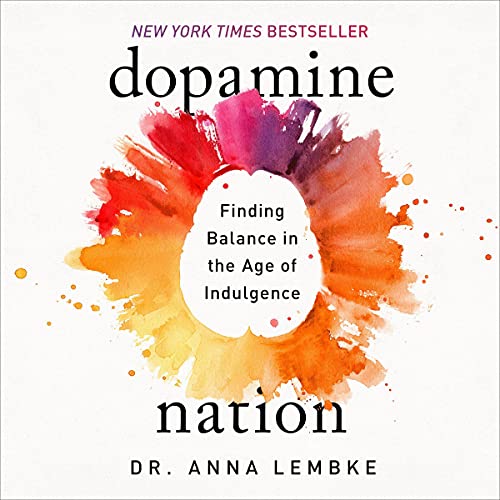
Dr. Anna Lembke wrote a whole book on it.
Here's how dopamine controls your life (and 4 easy steps to control it instead):
But here's the horrifying truth:
Too much of it can kill you.
Dr. Anna Lembke wrote a whole book on it.
Here's how dopamine controls your life (and 4 easy steps to control it instead):
We process pain and pleasure in overlapping brain regions.
This mechanism is like a lever that likes to stay in perfect balance.
When we chase dopamine, the scale tips to the side of pleasure.
But obviously it can't stay there forever.
What goes up☝️
Must come down 👇
This mechanism is like a lever that likes to stay in perfect balance.
When we chase dopamine, the scale tips to the side of pleasure.
But obviously it can't stay there forever.
What goes up☝️
Must come down 👇
We've all experienced this before:
• The crash
• The cravings
• The withdrawal
It's the miserable feeling you get when too much pleasure leads to pain:
The dopamine deficit state.
And this is where it can become dangerous...
• The crash
• The cravings
• The withdrawal
It's the miserable feeling you get when too much pleasure leads to pain:
The dopamine deficit state.
And this is where it can become dangerous...
Our brain is self-regulating.
It wants to maintain balance at all costs.
So our scale doesn't just level out.
It tips an EQUAL & OPPOSITE amount to the pain side.
And this pain makes you reach for the same cheap pleasure that started the whole cycle.
But it gets worse...
It wants to maintain balance at all costs.
So our scale doesn't just level out.
It tips an EQUAL & OPPOSITE amount to the pain side.
And this pain makes you reach for the same cheap pleasure that started the whole cycle.
But it gets worse...
The more you push on the dopamine lever, the further your scale tips.
This causes your dopamine receptors to start shutting down.
All of which means:
You need MORE of the addictive behaviour or substance to soothe the pain.
Brutal, right?
Here's what's going on in the brain:
This causes your dopamine receptors to start shutting down.
All of which means:
You need MORE of the addictive behaviour or substance to soothe the pain.
Brutal, right?
Here's what's going on in the brain:
You've heard the phrase:
"Chasing the first high."
The term is usually reserved for drug addicts.
But it applies to any habit or substance.
First time users get more pleasure than any of the times that follow.
They call this "dopamine disappointment" or "neuro-adaptation."
"Chasing the first high."
The term is usually reserved for drug addicts.
But it applies to any habit or substance.
First time users get more pleasure than any of the times that follow.
They call this "dopamine disappointment" or "neuro-adaptation."
We end up needing more of our drug of choice to get the same intense experience as the first time.
In other words:
The pleasure feeling gets shorter and weaker.
But the painful after-response gets stronger and longer.
And therein lies the problem:
In other words:
The pleasure feeling gets shorter and weaker.
But the painful after-response gets stronger and longer.
And therein lies the problem:
Our addiction to feeling good is putting our dopamine receptors out of business.
The relentless pursuit of pleasure is leading to our inability to enjoy pleasure at all.
So how do you stop the cycle?
I gotcha covered.
Just 4 simple steps:
The relentless pursuit of pleasure is leading to our inability to enjoy pleasure at all.
So how do you stop the cycle?
I gotcha covered.
Just 4 simple steps:
Dopamine Detox:
Quit chasing the cheap pleasures.
That's right.
Stop cold turkey.
• Cut the porn
• Drop the weed
• Delete the social apps
• Hide the sugar out of sight
In 2-4 weeks, your reward pathways will reset.
And your pleasure-pain lever will balance back out.
Quit chasing the cheap pleasures.
That's right.
Stop cold turkey.
• Cut the porn
• Drop the weed
• Delete the social apps
• Hide the sugar out of sight
In 2-4 weeks, your reward pathways will reset.
And your pleasure-pain lever will balance back out.
A word of warning:
When cravings hit, you'll wanna fold.
But here's my advice:
Just wait.
Resist the "do something" feeling.
This is cortisol screaming for you to relieve it.
But waiting will give your brain a chance to find an alternative.
Which leads us to the next step:
When cravings hit, you'll wanna fold.
But here's my advice:
Just wait.
Resist the "do something" feeling.
This is cortisol screaming for you to relieve it.
But waiting will give your brain a chance to find an alternative.
Which leads us to the next step:
Find a Healthy Distractor:
Cortisol has a half-life of 20 minutes.
This means it metabolizes quickly.
When you're flooded with an onslaught of bad feelings, insert a healthy activity in its place.
Something that engages more than one of your senses.
This could look like:
Cortisol has a half-life of 20 minutes.
This means it metabolizes quickly.
When you're flooded with an onslaught of bad feelings, insert a healthy activity in its place.
Something that engages more than one of your senses.
This could look like:
• Doing yoga while listening to a podcast
• Watching a comedy show while cooking
• Going for a walk while chatting with a friend
Get yourself out of that cortisol loop.
Busy yourself with a healthy distractor for the time it takes the stress hormones to clear your system.
• Watching a comedy show while cooking
• Going for a walk while chatting with a friend
Get yourself out of that cortisol loop.
Busy yourself with a healthy distractor for the time it takes the stress hormones to clear your system.
Practice Mindfulness:
We tend to chase dopamine in order to escape our own thoughts.
Which is why facing them head-on can feel downright painful.
Especially in the wake of a detox.
But here's why it works:
We tend to chase dopamine in order to escape our own thoughts.
Which is why facing them head-on can feel downright painful.
Especially in the wake of a detox.
But here's why it works:
There's power that comes from observing the mind.
You gain clarity by facing yourself.
You gain a tolerance to the present moment.
You gain awareness of the quality of your thoughts.
So make it a practice of asking yourself:
Are my thoughts working for or against me?
You gain clarity by facing yourself.
You gain a tolerance to the present moment.
You gain awareness of the quality of your thoughts.
So make it a practice of asking yourself:
Are my thoughts working for or against me?
Now that you've re-balanced your scales, inserted healthier alternatives and practiced mindfulness:
You're well on your way.
But you want longterm equilibrium upstairs.
You wanna break out of impulsive cycles for good.
So there's one thing left to do:
You're well on your way.
But you want longterm equilibrium upstairs.
You wanna break out of impulsive cycles for good.
So there's one thing left to do:
Find the Underlying Cause:
Why are you self-soothing in the first place?
What are you distracting yourself from feeling?
Do some excavating.
Be radically self-honest.
Talk to someone or journal about it.
Pinpoint the core beliefs you have that are leading you astray.
Why are you self-soothing in the first place?
What are you distracting yourself from feeling?
Do some excavating.
Be radically self-honest.
Talk to someone or journal about it.
Pinpoint the core beliefs you have that are leading you astray.
Self-regulate and break your conditioning response for good.
Use these 4 steps to curb your dopamine addiction and reset your reward pathways:
• 2-4 week dopamine detox
• Find a healthy distractor
• Practice mindfulness
• Find the underlying cause
Use these 4 steps to curb your dopamine addiction and reset your reward pathways:
• 2-4 week dopamine detox
• Find a healthy distractor
• Practice mindfulness
• Find the underlying cause
Thank you for reading!
If you enjoyed this thread:
⚡ Sub to my newsletter (link in bio)
⚡ Follow me @fearless_rising for more neuro-hacks
⚡ RT the 1st tweet to help someone else with a dopamine reset
If you enjoyed this thread:
⚡ Sub to my newsletter (link in bio)
⚡ Follow me @fearless_rising for more neuro-hacks
⚡ RT the 1st tweet to help someone else with a dopamine reset
Loading suggestions...