

Chess is not just a game of strategy and tactics.
It also offers valuable insights that can be applied to various aspects of life.
Here I share 12 lessons chess teaches you about life:
It also offers valuable insights that can be applied to various aspects of life.
Here I share 12 lessons chess teaches you about life:
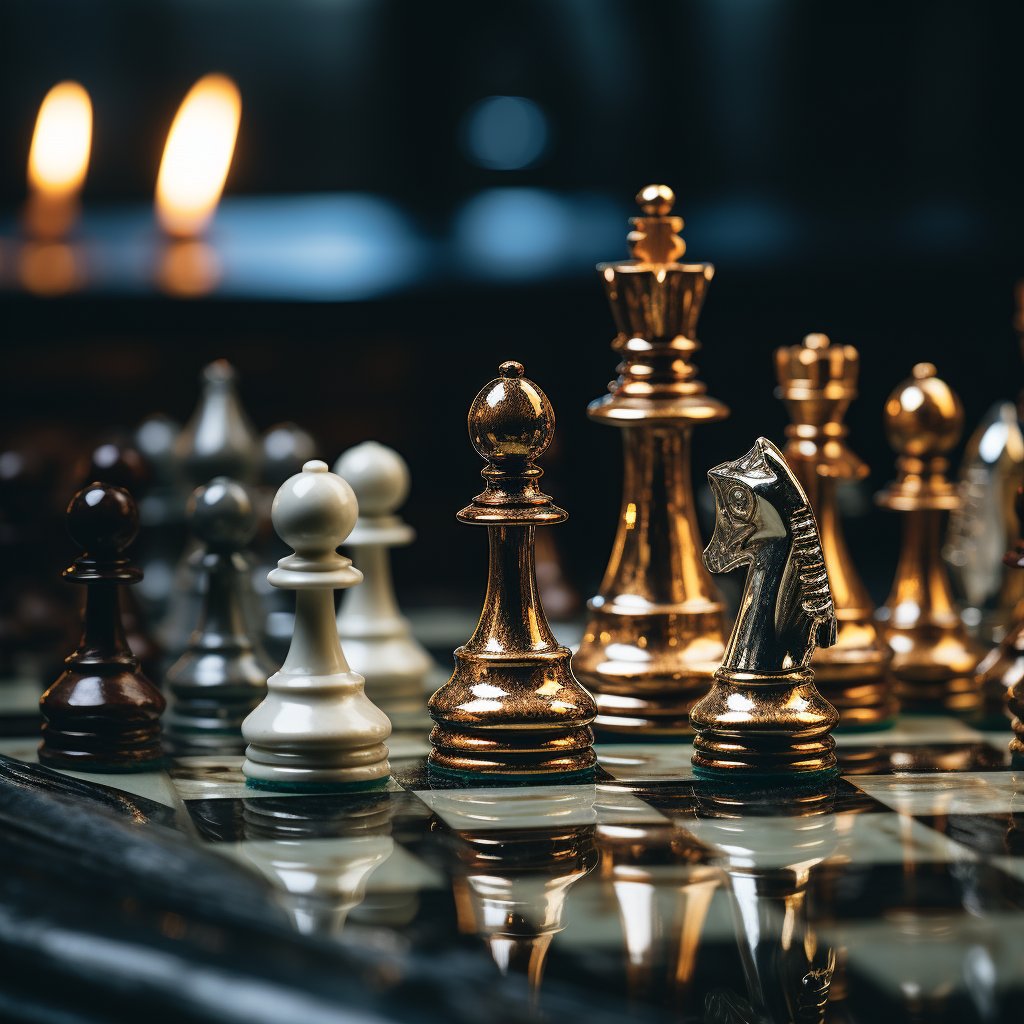
Strategic Thinking:
Chess requires careful planning and foresight.
Similarly, in life, setting long-term goals and planning your actions can lead to more successful outcomes.
Chess requires careful planning and foresight.
Similarly, in life, setting long-term goals and planning your actions can lead to more successful outcomes.
Decision Making:
Chess forces you to make decisions with limited information.
Life often presents similar situations, where you have to make choices based on the information available. Learning to analyze options and make informed decisions is crucial.
Chess forces you to make decisions with limited information.
Life often presents similar situations, where you have to make choices based on the information available. Learning to analyze options and make informed decisions is crucial.
Patience and Perseverance:
Chess games can be lengthy and challenging.
Learning to be patient, stick to a plan, and not give up when facing difficulties can be translated to real-life situations.
Chess games can be lengthy and challenging.
Learning to be patient, stick to a plan, and not give up when facing difficulties can be translated to real-life situations.
Consequences of Actions:
In chess, each move has consequences.
Similarly, your actions in life have repercussions. Considering the potential outcomes before making decisions is a skill that chess can help you develop.
In chess, each move has consequences.
Similarly, your actions in life have repercussions. Considering the potential outcomes before making decisions is a skill that chess can help you develop.
Adaptability:
Chess requires adapting to your opponent's moves and changing strategies when necessary.
Life often demands flexibility and the ability to adjust your plans in response to changing circumstances.
Chess requires adapting to your opponent's moves and changing strategies when necessary.
Life often demands flexibility and the ability to adjust your plans in response to changing circumstances.
Risk Management:
In chess, taking risks can lead to rewards, but it can also backfire.
Balancing risk and reward is a skill applicable to making decisions in life, whether in personal or professional matters.
In chess, taking risks can lead to rewards, but it can also backfire.
Balancing risk and reward is a skill applicable to making decisions in life, whether in personal or professional matters.
Focus and Concentration:
A successful chess player needs to maintain focus throughout a game.
Developing the ability to concentrate on tasks despite distractions is essential in many areas of life.
A successful chess player needs to maintain focus throughout a game.
Developing the ability to concentrate on tasks despite distractions is essential in many areas of life.
Learning from Mistakes:
Chess players often review their games to learn from mistakes.
Similarly, reflecting on your experiences and learning from your failures can lead to personal growth and improvement.
Chess players often review their games to learn from mistakes.
Similarly, reflecting on your experiences and learning from your failures can lead to personal growth and improvement.
Time Management:
Chess has a limited time frame for each move.
Managing your time efficiently is crucial. This lesson can be applied to managing your time and priorities in daily life.
Chess has a limited time frame for each move.
Managing your time efficiently is crucial. This lesson can be applied to managing your time and priorities in daily life.
Long-Term Thinking:
In chess, sacrificing short-term advantages for long-term gains is a common strategy.
Similarly, investing effort and resources into long-term goals in life can yield significant rewards.
In chess, sacrificing short-term advantages for long-term gains is a common strategy.
Similarly, investing effort and resources into long-term goals in life can yield significant rewards.
Practice and Skill Development:
Becoming proficient at chess requires consistent practice and continuous learning.
This parallels the idea that acquiring new skills and improving in any area of life takes time, effort, and dedication.
Becoming proficient at chess requires consistent practice and continuous learning.
This parallels the idea that acquiring new skills and improving in any area of life takes time, effort, and dedication.
Emotional Control:
Chess can evoke strong emotions, such as frustration or excitement.
Learning to control your emotions and make rational decisions under pressure is valuable both in the game and in real-life situations.
Chess can evoke strong emotions, such as frustration or excitement.
Learning to control your emotions and make rational decisions under pressure is valuable both in the game and in real-life situations.
Overall, the skills and qualities cultivated through playing chess can have a positive impact on various aspects of your life, helping you become a more strategic, thoughtful, and adaptable individual.
So find a friend and start playing.
So find a friend and start playing.
TLDR
Strategic Thinking
Decision Making
Patience and Perseverance
Consequences of Actions
Adaptability
Risk Management
Focus and Concentration
Learning from Mistakes
Time Management
Long-Term Thinking
Practice and Skill Development
Emotional Control
Strategic Thinking
Decision Making
Patience and Perseverance
Consequences of Actions
Adaptability
Risk Management
Focus and Concentration
Learning from Mistakes
Time Management
Long-Term Thinking
Practice and Skill Development
Emotional Control
Another way to improve life is through Stoicism.
The one and only @thestoiccode have put together an incredible course on how to implement it in your life.
Let chess and Stoicism change your life!
thestoiccode.com
The one and only @thestoiccode have put together an incredible course on how to implement it in your life.
Let chess and Stoicism change your life!
thestoiccode.com

Loading suggestions...