
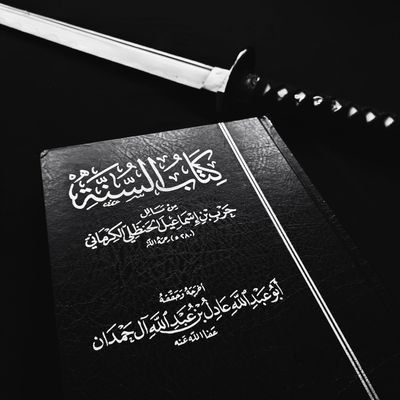
A Short Biography on Shaykh al Islam Abu Ismail Harawi رحمه اللّه also known as Khawaja Abdullah Ansari 🧵
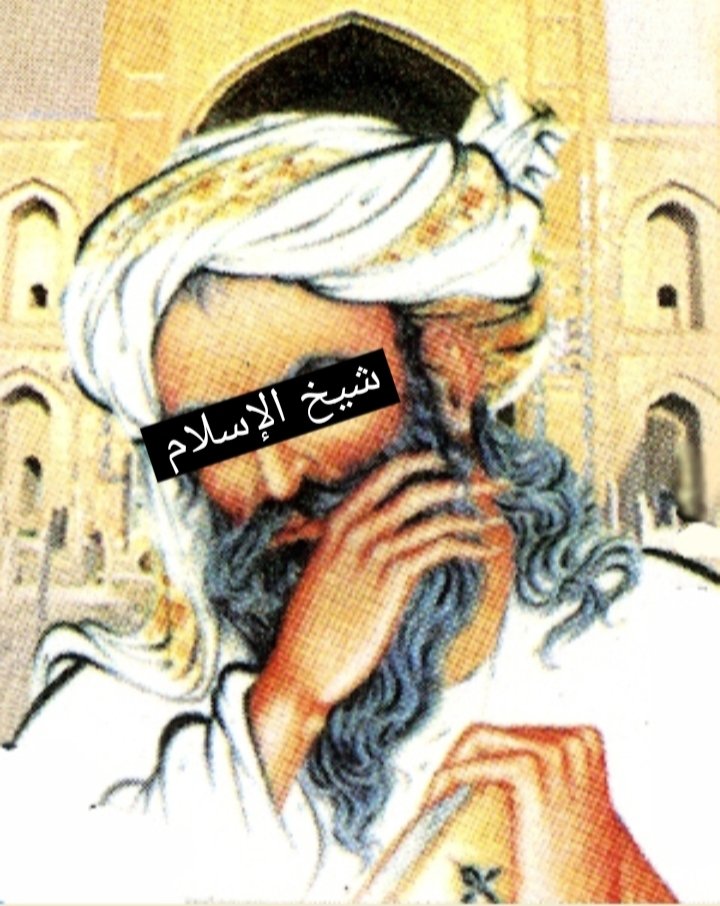
His full name is Abu Isma`il `Abdullah ibn Muhammad ibn `Ali ibn Muhammad ibn Ahmad ibn Ali ibn Ja`far ibn Mansur ibn Matta Al-Ansari Al-Harawi.
He is also referred to as Shaykh ul-Islam, the Memoriser, the Commentator, the Preaching Saint, the Imam of Muslim Orthodoxy in Herat. On account of his great and vast knowledge, he was called the ‘Preacher to the Non-Arabs.’
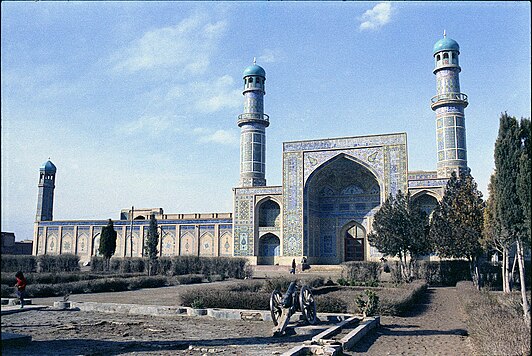
Imam Al-Harawi was born in the month of Sha`ban in the year 396 AH in Herat, Afghanistan to humble origins. On account of his being a direct descent of Abu Ayyub Al-Ansari on his father’s side, he bears the title, Al-Ansari. On his mother’s side, he was a Pushtun.
In his youth, Al-Harawi started his education with Yahya ibn `Ammar As-Sajazi in the field of hadith and also commentary on the Qur’an. This is the first subject covered after memorisation of the Qur’an. The Imam carried on in his pursuit of knowledge with Abul Fadl Al-Jarudi
and Shu`aib Al-Bushanji, taking knowledge of hadith classification from them.
Moving to Naisabur not long after, he sat with Abu Sa`id As-Sirafi, Abu Nasr, Abul Hasan At-Tarrazi and also spend a brief spell with the Qadi, Abu Bakr Al-Hayari
Moving to Naisabur not long after, he sat with Abu Sa`id As-Sirafi, Abu Nasr, Abul Hasan At-Tarrazi and also spend a brief spell with the Qadi, Abu Bakr Al-Hayari
Not long after this, Imam Al-Harawi made his way to Tus and Bistam and took a great wealth of knowledge from the teachers there, narrating, dictating and listening to commentaries upon hadith and making notes upon what he heard.
Written legacy
Imam Abu Isma`il Al-Ansari Al-Harawi had a wide written legacy, penning texts in both Arabic and Farsi. A short list of these will follow:
Imam Abu Isma`il Al-Ansari Al-Harawi had a wide written legacy, penning texts in both Arabic and Farsi. A short list of these will follow:
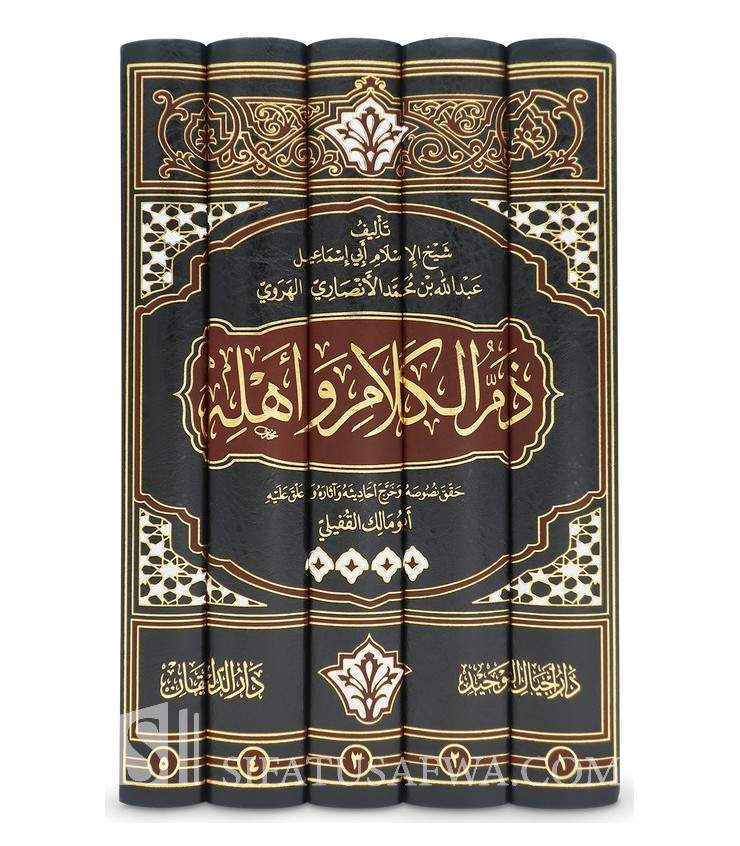
Dhamm al-Kalam.
This represents a harsh critique of Kalam (speculative theology) and the inclusion of Greek philosophy into texts of theology. He also clarifies the aqidah of Ahlus Sunnah in this This work is both in Arabic and Farsi
This represents a harsh critique of Kalam (speculative theology) and the inclusion of Greek philosophy into texts of theology. He also clarifies the aqidah of Ahlus Sunnah in this This work is both in Arabic and Farsi
Manaqib ul-Imam Ahmad ibn Hanbal.
A hagiographic account of the life and teachings of Imam Ahmad ibn Hanbal which includes inspirational utterances and aphorisms for the reader to use in his own life. This work is in Arabic and Farsi
A hagiographic account of the life and teachings of Imam Ahmad ibn Hanbal which includes inspirational utterances and aphorisms for the reader to use in his own life. This work is in Arabic and Farsi
Manazil us-Sa’irin.
This is a text in Arabic that discusses the states of the heart, purification of the heart, Zuhd (asceticism) , good character and perfecting one’s inner and outward state. It is this text that the reader will be reading shortly. This work is in Arabic.
This is a text in Arabic that discusses the states of the heart, purification of the heart, Zuhd (asceticism) , good character and perfecting one’s inner and outward state. It is this text that the reader will be reading shortly. This work is in Arabic.

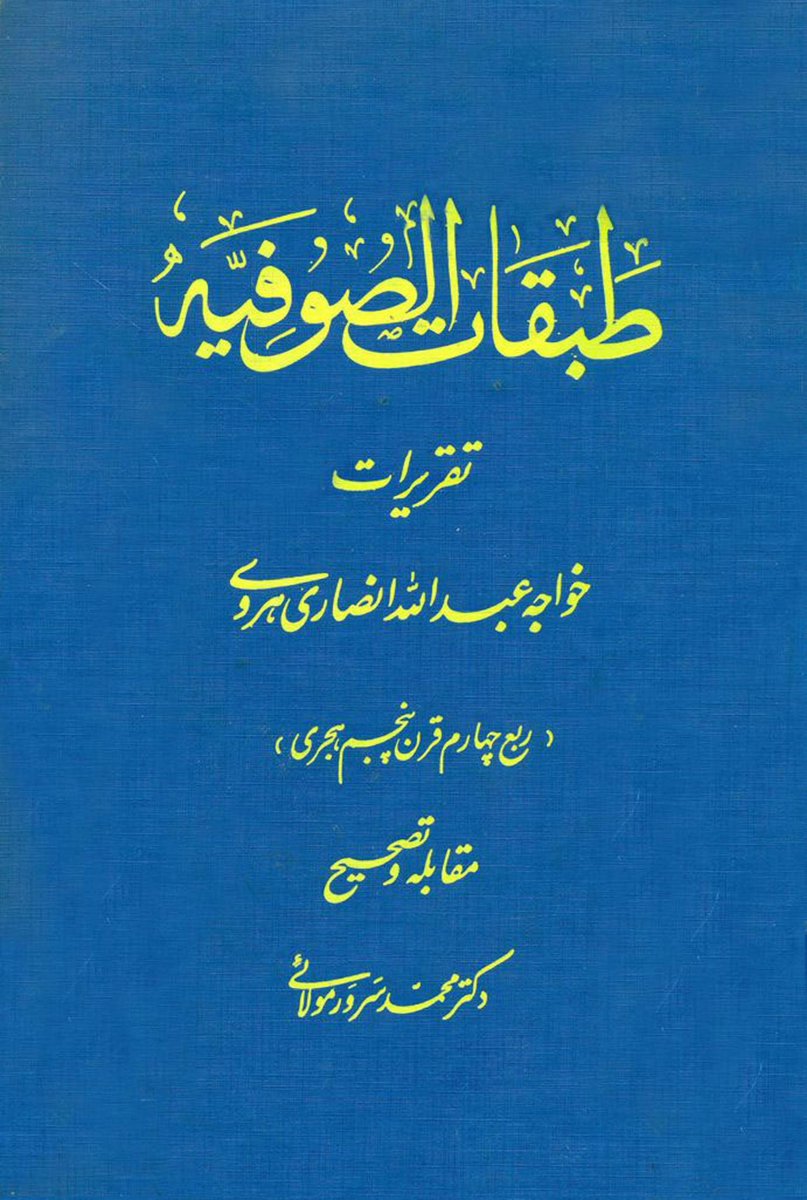
Tabaqat us-Sufiyyah.
This is in Farsi with Arabic footnotes and facing pages which details the lives of some of the great saints of Islam. Some of these are from Afghanistan, India, Southeast Asia while most biographies centre around the early generations.
This is in Farsi with Arabic footnotes and facing pages which details the lives of some of the great saints of Islam. Some of these are from Afghanistan, India, Southeast Asia while most biographies centre around the early generations.
Scholarly legacy
Imam Abul Hussain Ibn Abi Ya'la Al-Hanbali, when speaking of the Imam, said the following:
“He was known as Shaikh ul-Islam, the Imam of Muslim Orthodoxy in Herat.
He was also named the Preacher to the non-Arabs on account of his deep and profound knowledge,
Imam Abul Hussain Ibn Abi Ya'la Al-Hanbali, when speaking of the Imam, said the following:
“He was known as Shaikh ul-Islam, the Imam of Muslim Orthodoxy in Herat.
He was also named the Preacher to the non-Arabs on account of his deep and profound knowledge,
Al-Harawi was stern in debate against the Ash`aris and there was much discussion and written debate between him and `Abdur-Rahman ibn Mandah.”
[Tabaqat al-Hanabilah 2/212-213]
[Tabaqat al-Hanabilah 2/212-213]
Hāfidh Ibn Rajab Al-Hanbali said about him:
“He was a great master, knowledgeable Imam, worshipper, avoider of earthly desires, possessor of high states, levels and ranks, saintly wonders and personal struggle.
“He was a great master, knowledgeable Imam, worshipper, avoider of earthly desires, possessor of high states, levels and ranks, saintly wonders and personal struggle.
He had a great deal of worship at night with very little sleep. The Imam was stern in standing by the Sunnah and its’ assistance, opposing those who contradicted it and he suffered a great many trials on account of that.
In addition to this, he also had a strong and emphatic
In addition to this, he also had a strong and emphatic
desire to assist and show respect to the school of Imam Ahmad ibn Hanbal.”
[Adh-Dhail `ala Tabaqat il-Hanabilah 3/42-43]
[Adh-Dhail `ala Tabaqat il-Hanabilah 3/42-43]
His Trials and Tribulations:
Imam Al-Harawi said of his great tribulation, “There were five occasions I faced the sword. It was never said to me, ‘Leave your theology.’ Rather, it was said to me, ‘Stay silent regarding those who oppose you.’ I replied, ‘I cannot stay silent.’ “
Imam Al-Harawi said of his great tribulation, “There were five occasions I faced the sword. It was never said to me, ‘Leave your theology.’ Rather, it was said to me, ‘Stay silent regarding those who oppose you.’ I replied, ‘I cannot stay silent.’ “
Ibn Tahir remarked, “The Sultan, Alap Arsalan came to Herat and with him was his minister.
A gathering was brought together in which there were Imams of the schools of Ash-Shafi`ii and Abu Hanifah that complained about Al-Ansari and sought to bring about a debate with him.
A gathering was brought together in which there were Imams of the schools of Ash-Shafi`ii and Abu Hanifah that complained about Al-Ansari and sought to bring about a debate with him.
Minister summoned Imam Al-Ansari and said, ‘These people assembled here have gathered to debate with you. If the truth be with you, then they will commit to your theology. If the truth be with them, then you shall commit to their theology or remain silent about them from today.’
The Imam said, ‘I will debate what I have with me of my Aqidah (creed) and the substance of it in my two hands.’ The minister asked, ‘What is the substance of what is with you?’ The Imam responded, ‘The Book of Allah,’ pointing to his right
Then pointed to his left, he said,
Then pointed to his left, he said,
Then there is the Sunnah of the Messenger of Allah ﷺ. The Two Authentic Collections have the Sunnah within them.’ He looked at the people so as to seek an answer from them but they hesitated as there was no possibility that anyone could debate with him using these criteria.”
This is all mentioned by Ibn Rajab in Adh-Dhail `ala Tabaqat il-Hanabilah volume 3, page 44-45
The Imam breathed his last on Friday afternoon after the `Asr prayer, 22 Dhul Hijjah, 481 AH[12] and buried on Saturday night in a graveyard named Ka-Ziyari-Ka near the city of Herat
Today Muslims who know him especially of his city Herat consider him from the Great Awliyah
Today Muslims who know him especially of his city Herat consider him from the Great Awliyah
Ibn Rajab mentions that he used to recite this poetry in Persian, which in translation read:
Our God shall be seen in the Hereafter, He is above the Throne, istiwa
His Speech is Eternal, His Messenger is Arab by the way.
Whoever should speak in other than the above is Ash`ari
Our God shall be seen in the Hereafter, He is above the Throne, istiwa
His Speech is Eternal, His Messenger is Arab by the way.
Whoever should speak in other than the above is Ash`ari
May Allah have mercy on the Imam and reward him for his efforts for Deen and refuting sects who opposed the way of Ahlus Sunnah.
Loading suggestions...