

(1/25) Let's look at the BRDM-2.

(2/25) The first BRDM (бронированная разведывательно-дозорная машина — armoured recon-patrol vehicle) was based on the BTR-40 APC (GAZ-40), in turn based on the GAZ-63 truck chassis. It had the factory name GAZ-40P. All were developed by the Gorky Car Factory (GAZ).


(3/25) Soviet recon vehicles of the 50s placed great emphasis on amphibious river-crossing and obstacle-crossing capabilities. This is reflected in the design features of the BRDM, particularly the retractable pairs of belly wheels and water jet.


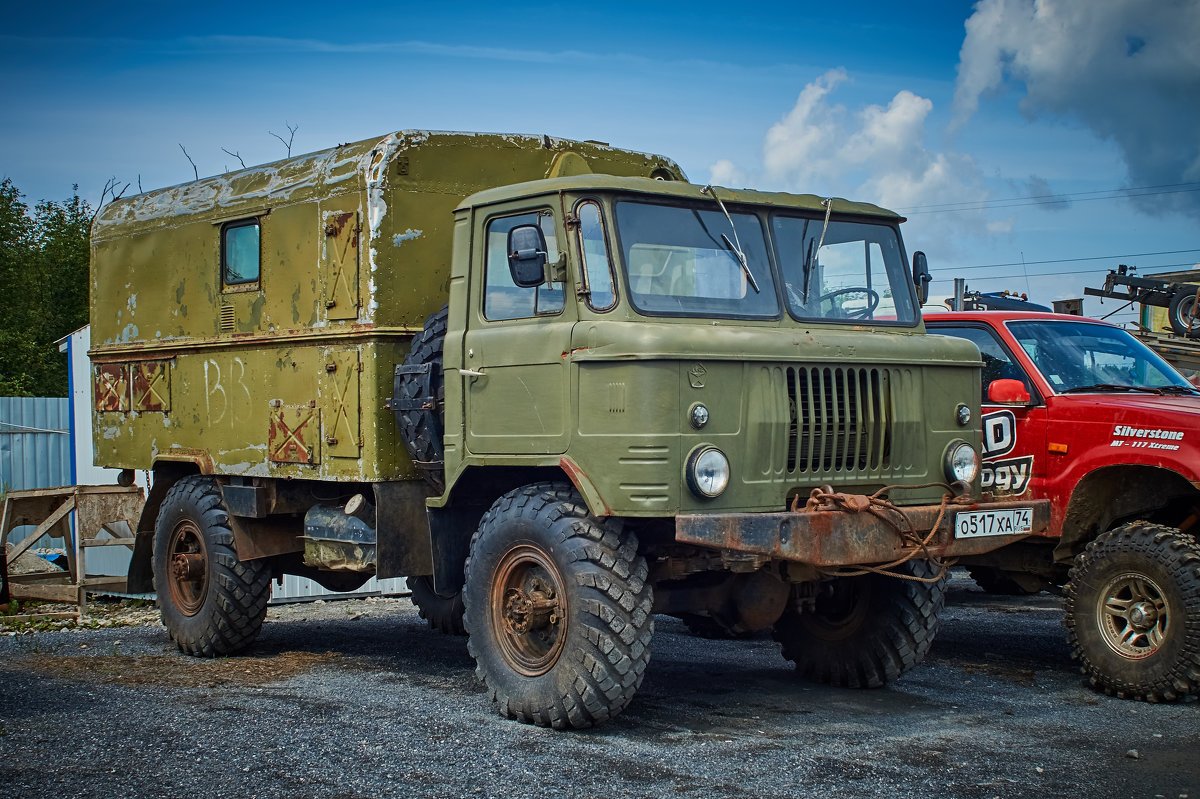
(4/25) According to Kirill Kudryashov, work on a successor began in 1959. The motivation behind this was the introduction of the new GAZ-66 truck and phasing out of the GAZ-63. The more powerful engine promised better performance.
web.archive.org
web.archive.org


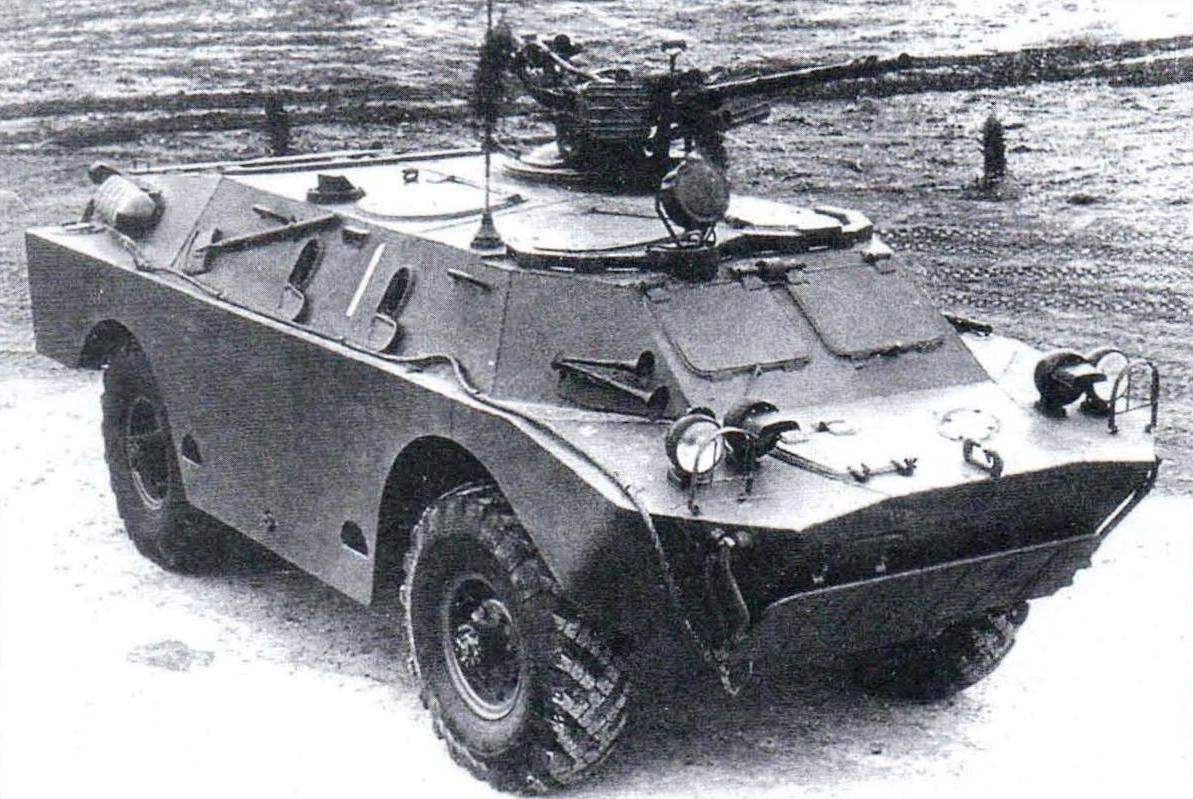
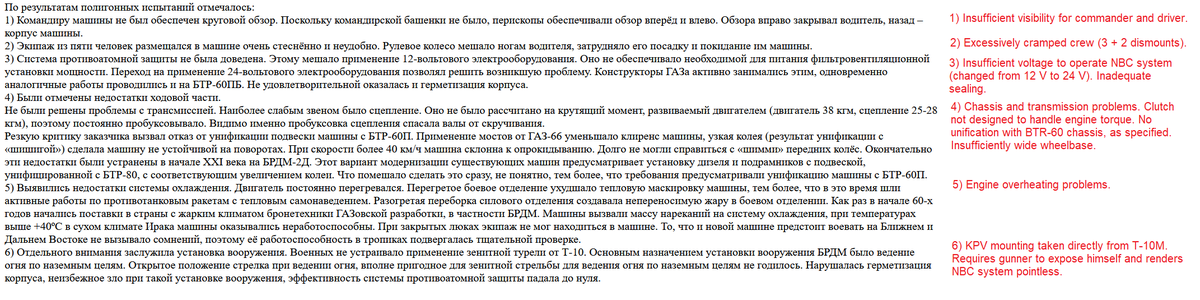
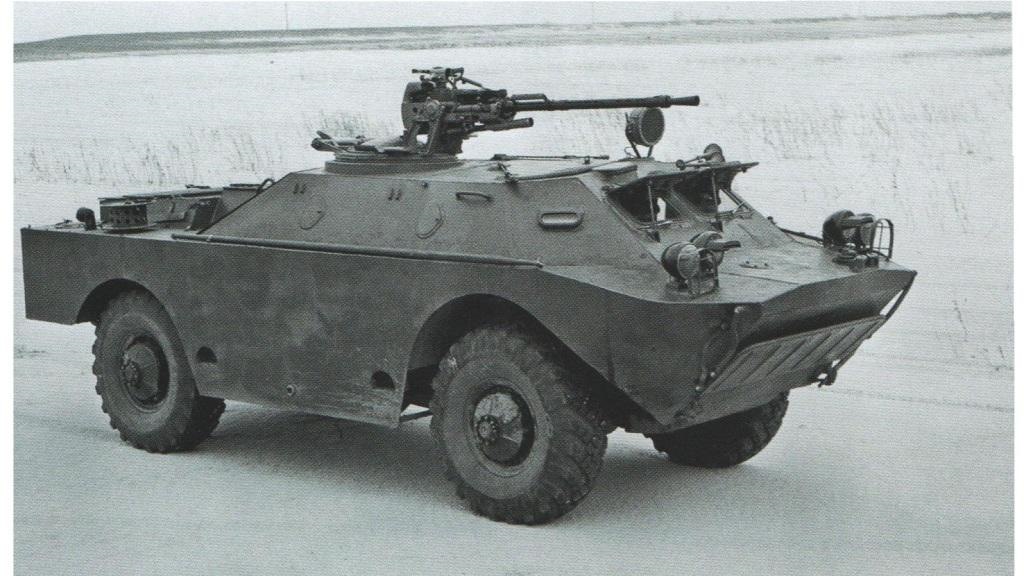
(5/25) The first prototype BRDM-2s (GAZ-41s) underwent testing in 1961. Kudryashov, who had access to the GAZ archives, notes that the Soviet Army was highly dissatisfied with the vehicle and presented a laundry list of problems to GAZ. Some were never actually fixed before 1991.
(6/25) After some rework, including directly lifting the turret from the BTR-60PB 8x8 APC then also being developed by GAZ and reducing the crew to 4, the definitive BRDM-2B entered production in late 1964.
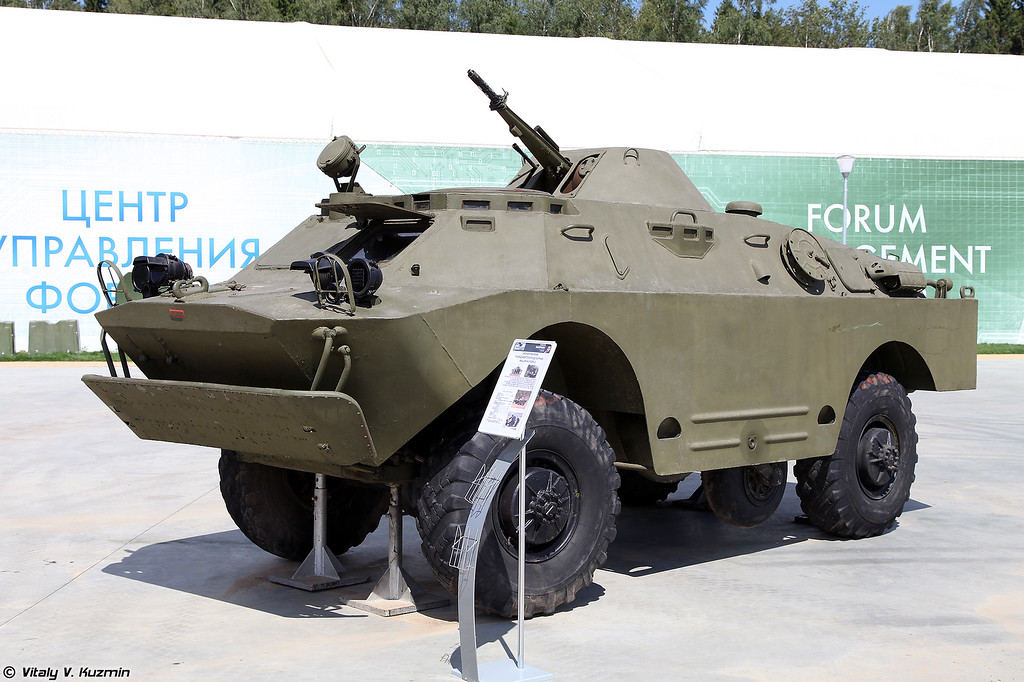
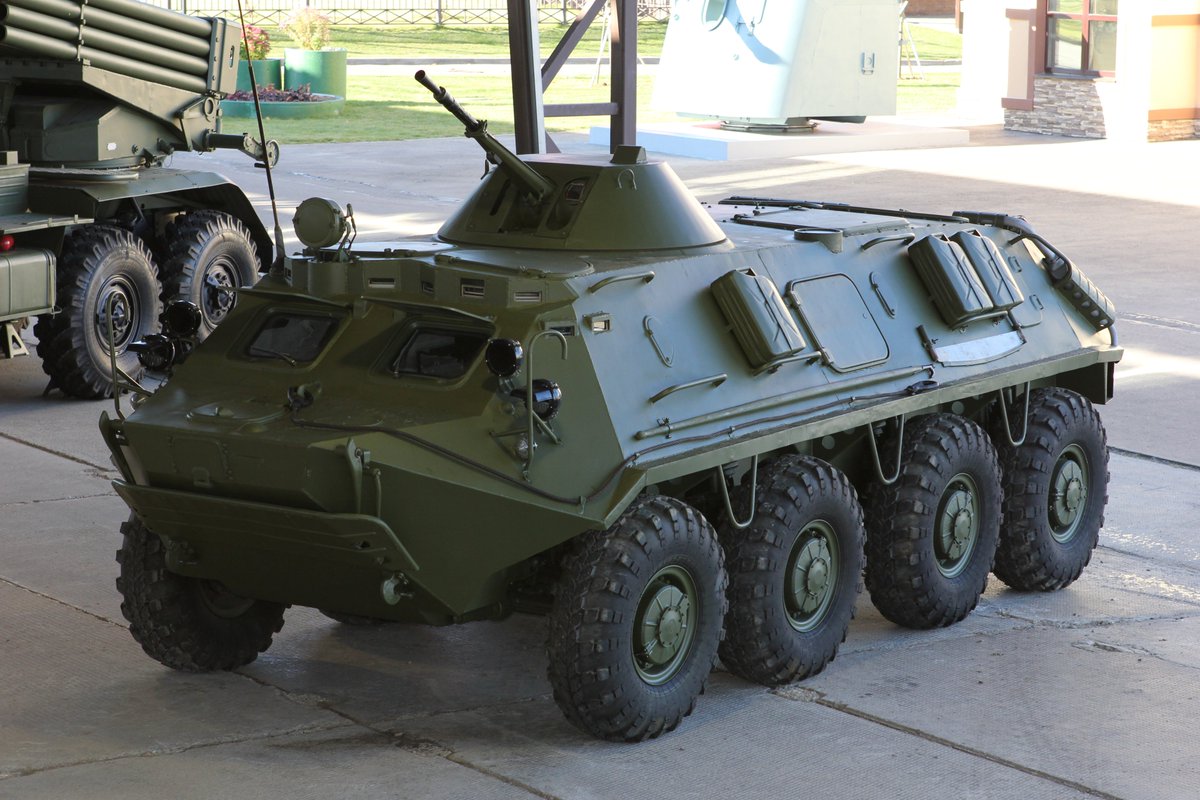

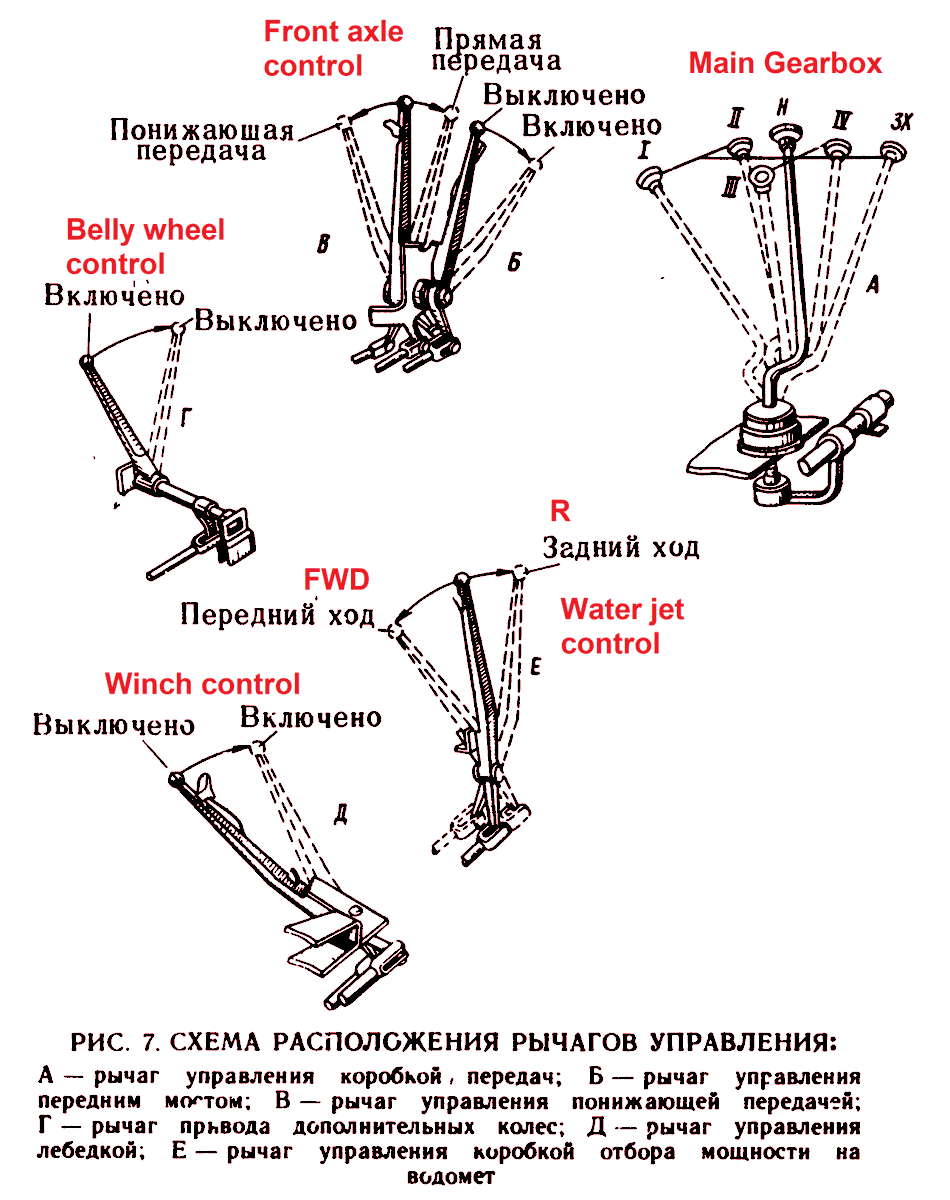
(7/25) Like its predecessor, the BRDM-2 is nominally a 4x4 armoured car, but retains the belly wheels, which are used to assist when crossing ditches and other obstacles. A central tire pressure regulation system is also provided, standard for Soviet wheeled vehicles.
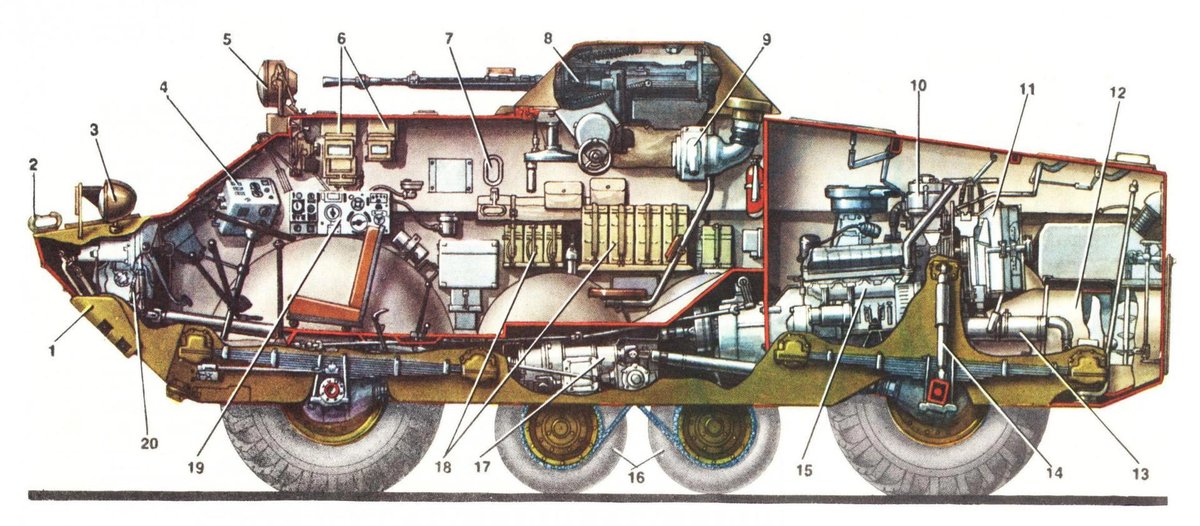
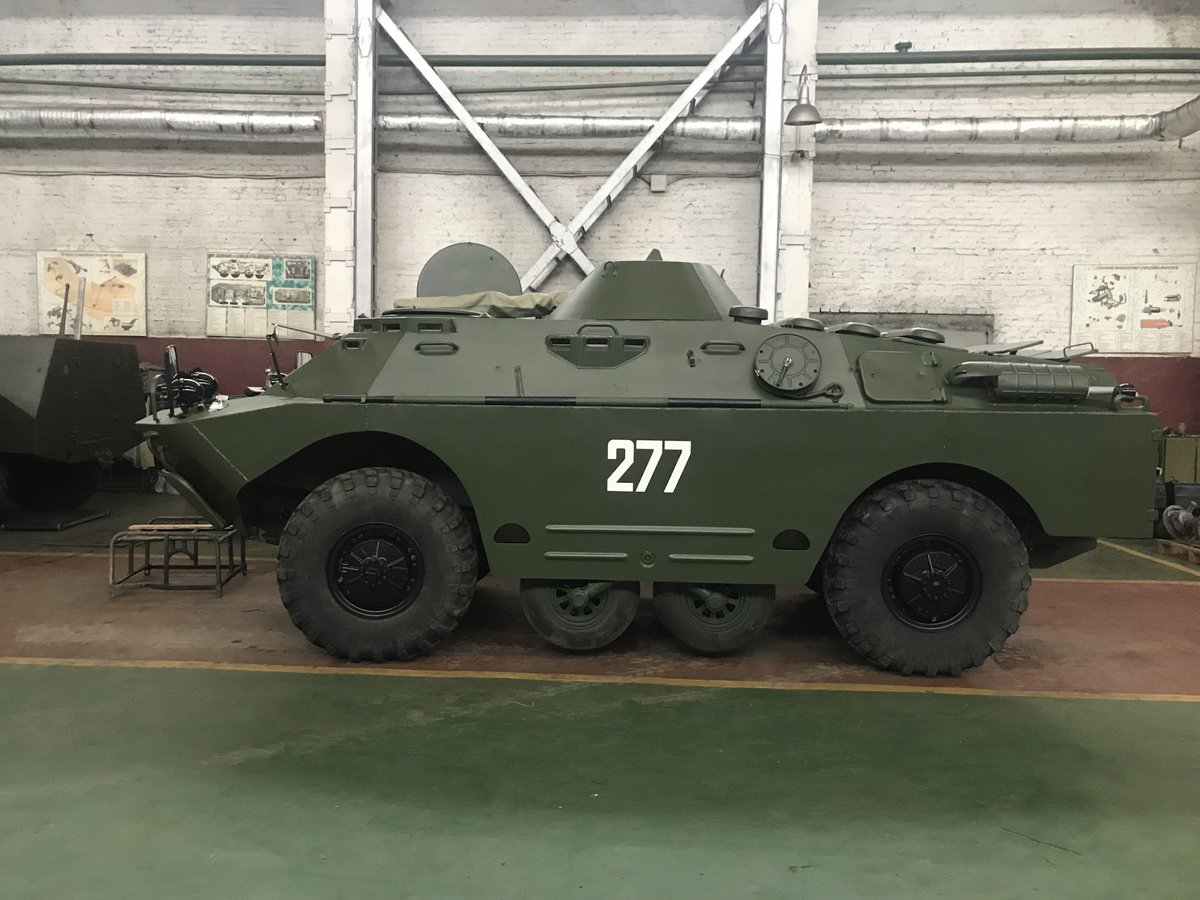
(8/25) The belly wheels are driven by chains connecting them a shaft. They are controlled by a separate lever, which the BRDM-2 has quite a few of with its manual transmission. Feedback on these wheels is mixed, and they are often removed during modernisation.
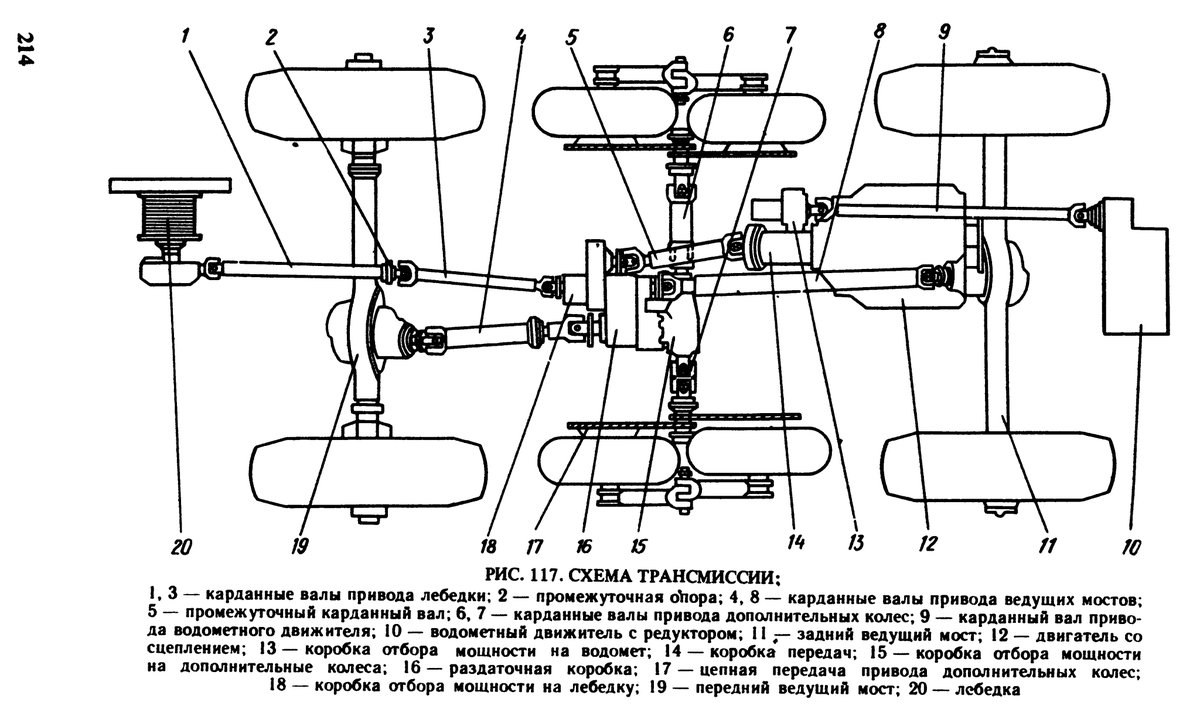
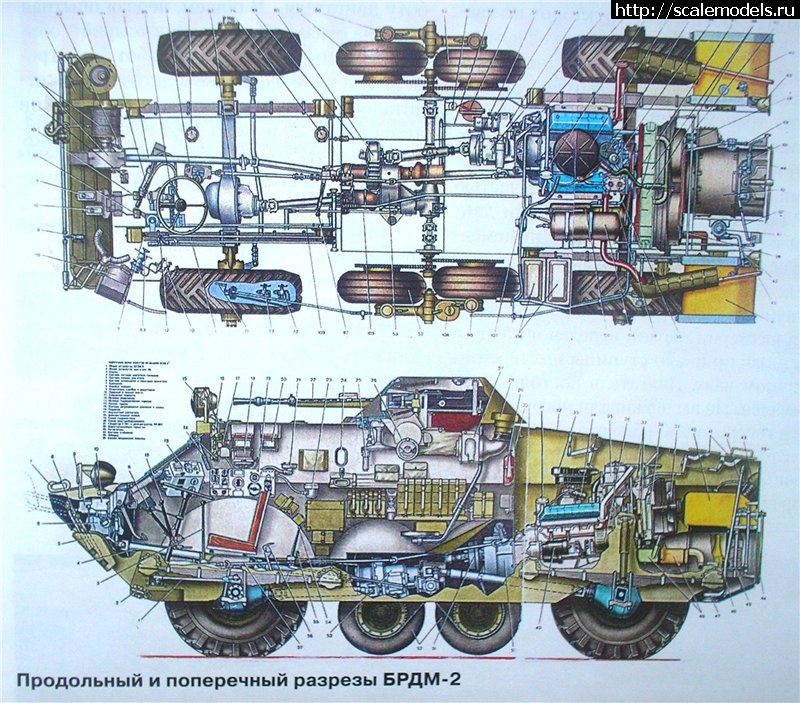
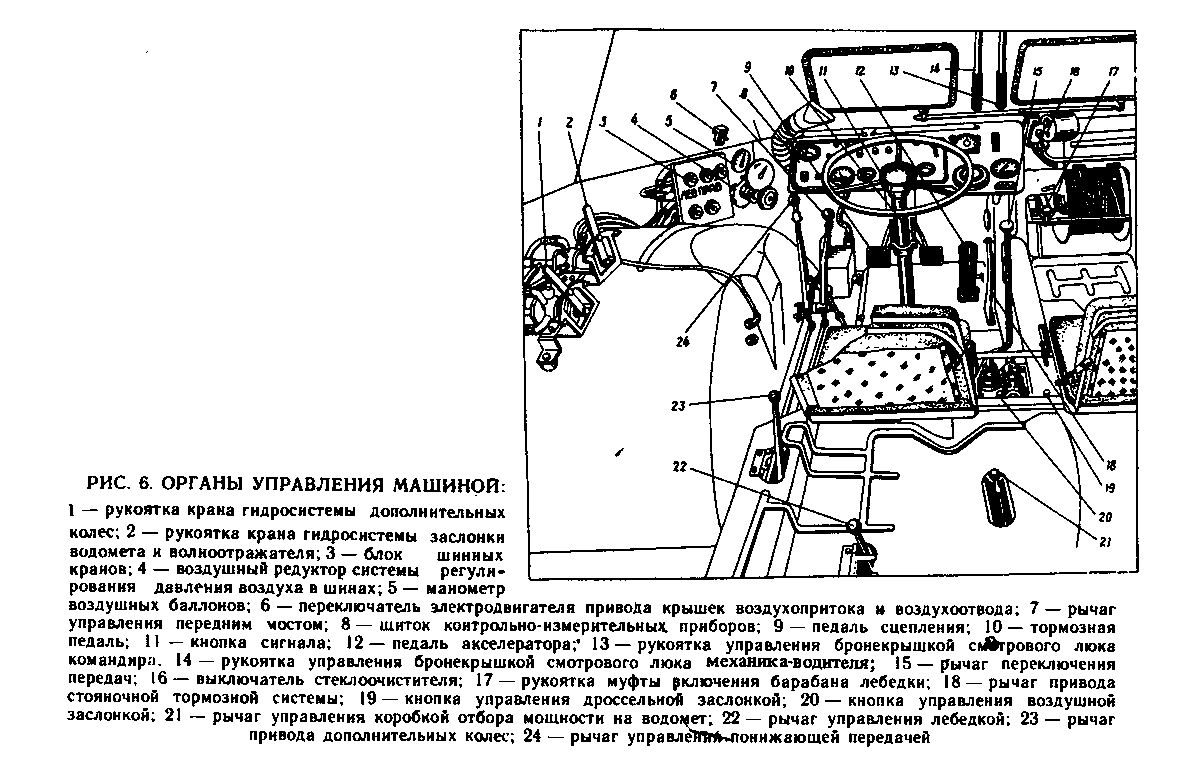
(9/25) The V-8 4-stroke petrol engine (which has no name in the manual) is rated at 140 hp at 3,200–3,400 RPM.
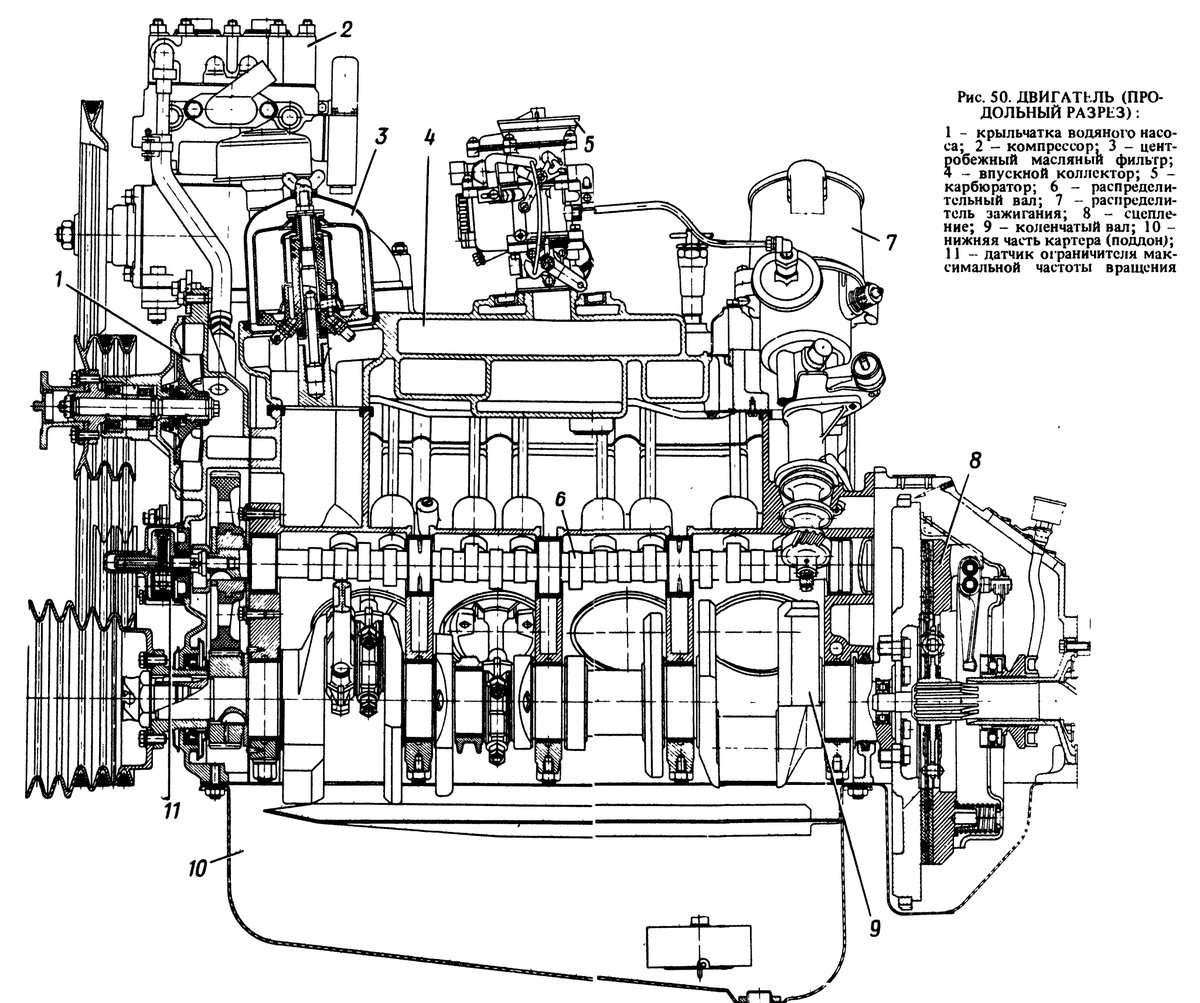
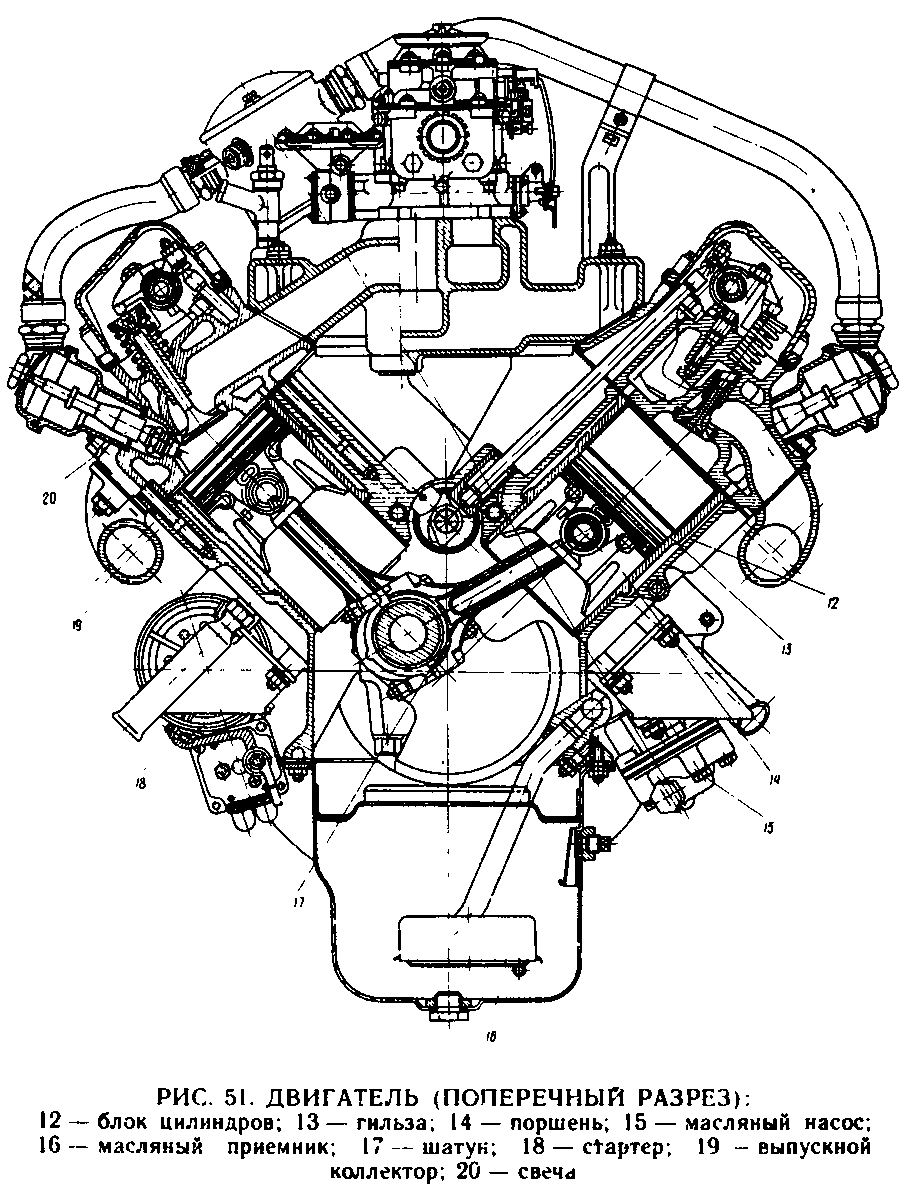
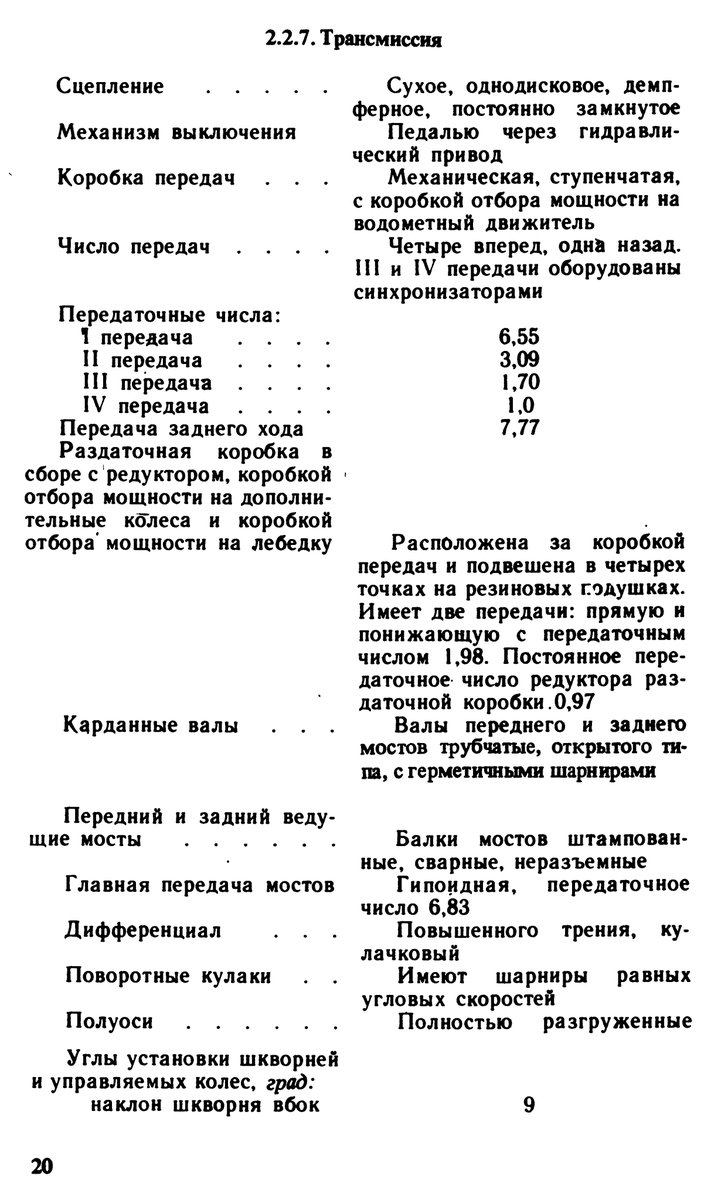
(10/25) The transmission has 4+1 gears. The BRDM-2 is capable of ~100 km/h on roads. Reverse speed is not given in the manual. Here are the gear ratios if you want to calculate the speeds. Knock yourself out.

(11/25) The BRDM-2 and its derivatives are amphibious with minimal preparation. Here you can see the 9P148 Konkurs ATGM carrier based on the BRDM-2 crossing a river. The maximum speed in water is ~10 km/h.

(12/25) If you want some idea of the BRDM-2's cross-country capabilities, I recommend this video, featuring the NBC recon BRDM-2RKhb variant.
youtube.com
youtube.com
(13/25) The main armament of the BRDM-2 is the 14.5 mm KPVT heavy machine gun. This is backed up by a 7.62 mm PKT coaxial machine gun. The turret is manually operated by the gunner using 2 flywheels (8, 13 on Fig. 19)
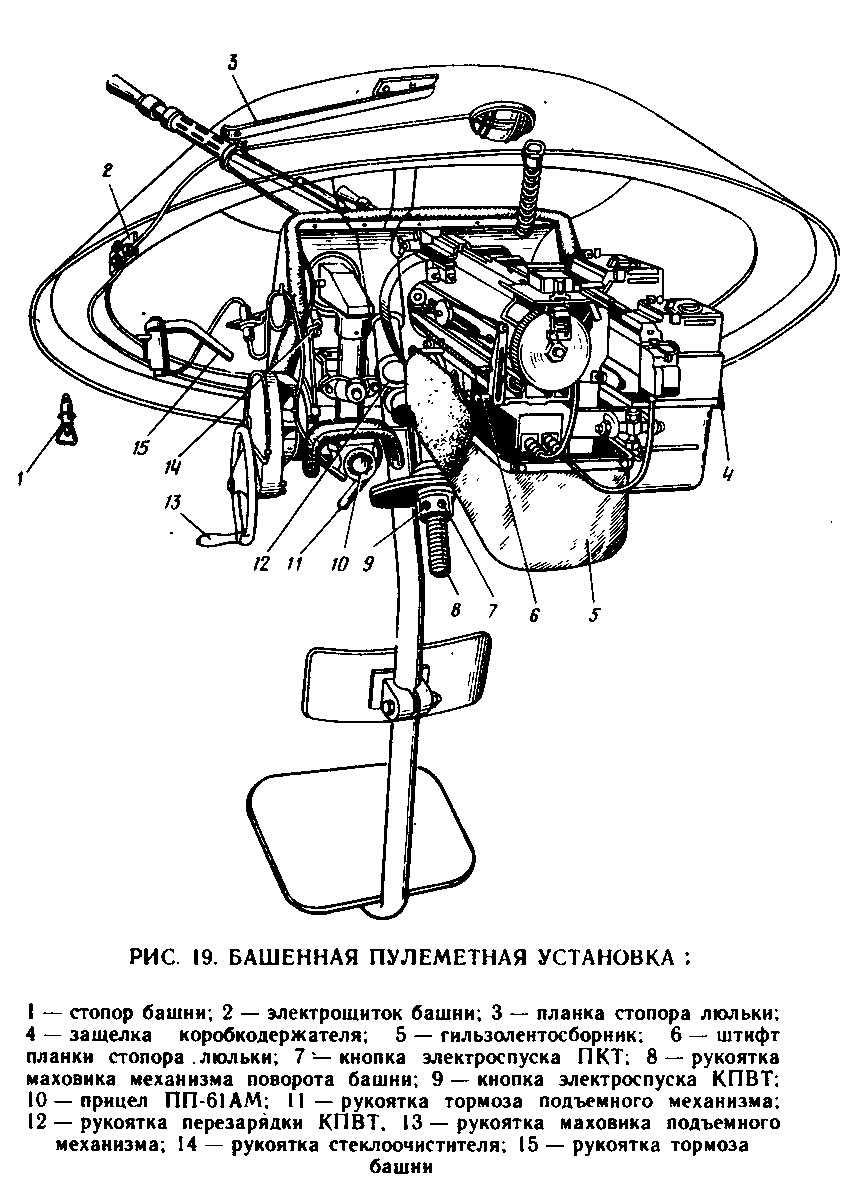
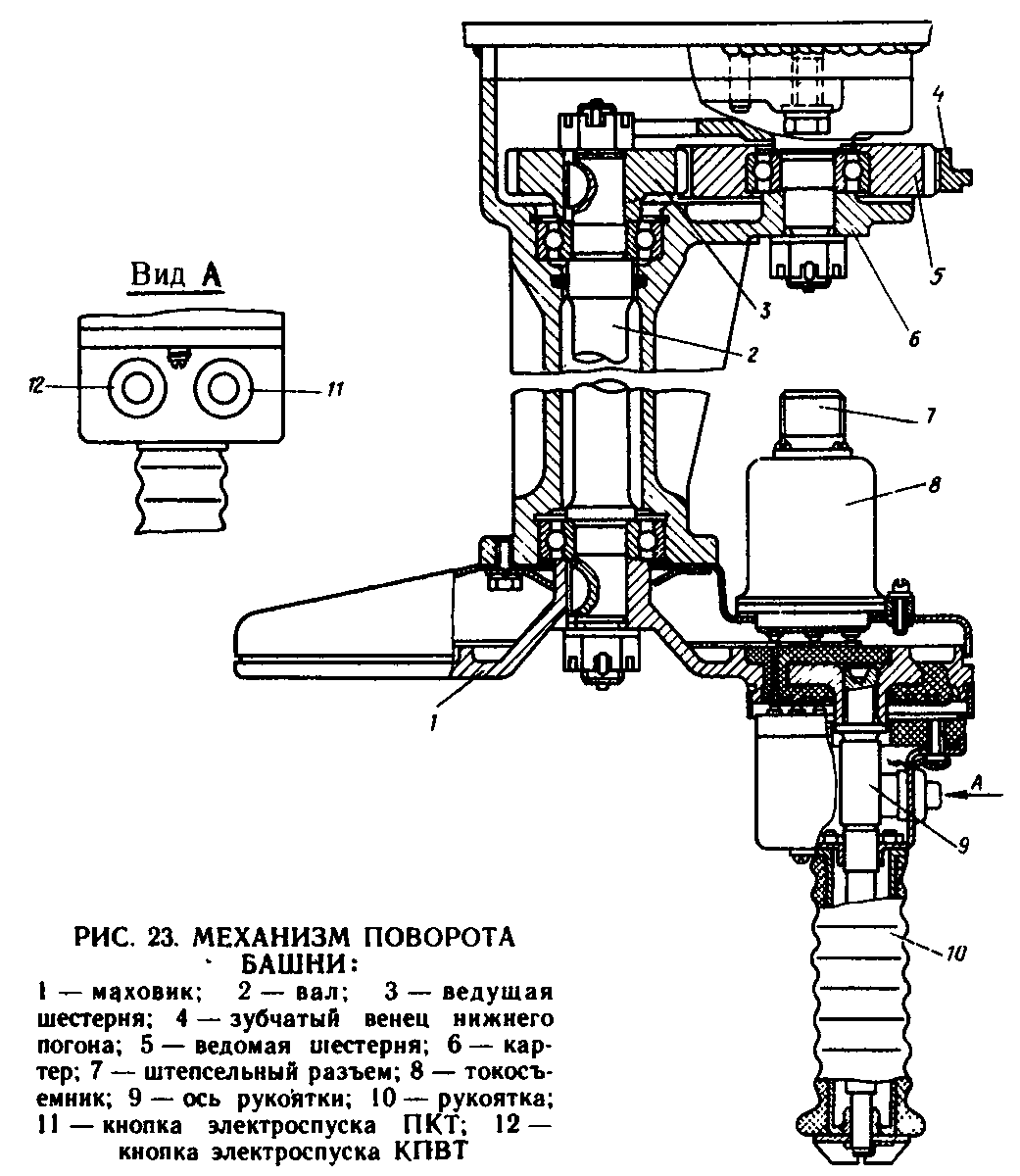
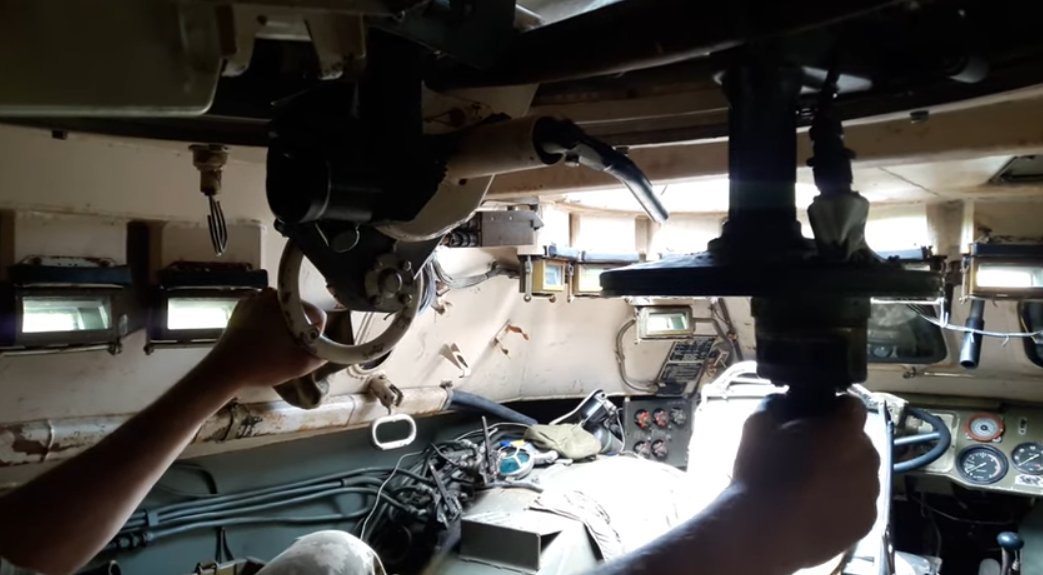
(14/25) The KPVT is a powerful weapon, capable of penetrating about 30 mm of RHA at 500 m with regular API bullets. This was sufficient against most contemporary light and recon vehicles. The cyclic ROF is 600 rounds/min. The coaxial PKT provides backup.
youtube.com
youtube.com
(15/25) The guns can only be elevated up to 30°, which was found to be a problem in Afghanistan, where high elevation shooting was a necessity against the Mujahideen in the mountains.
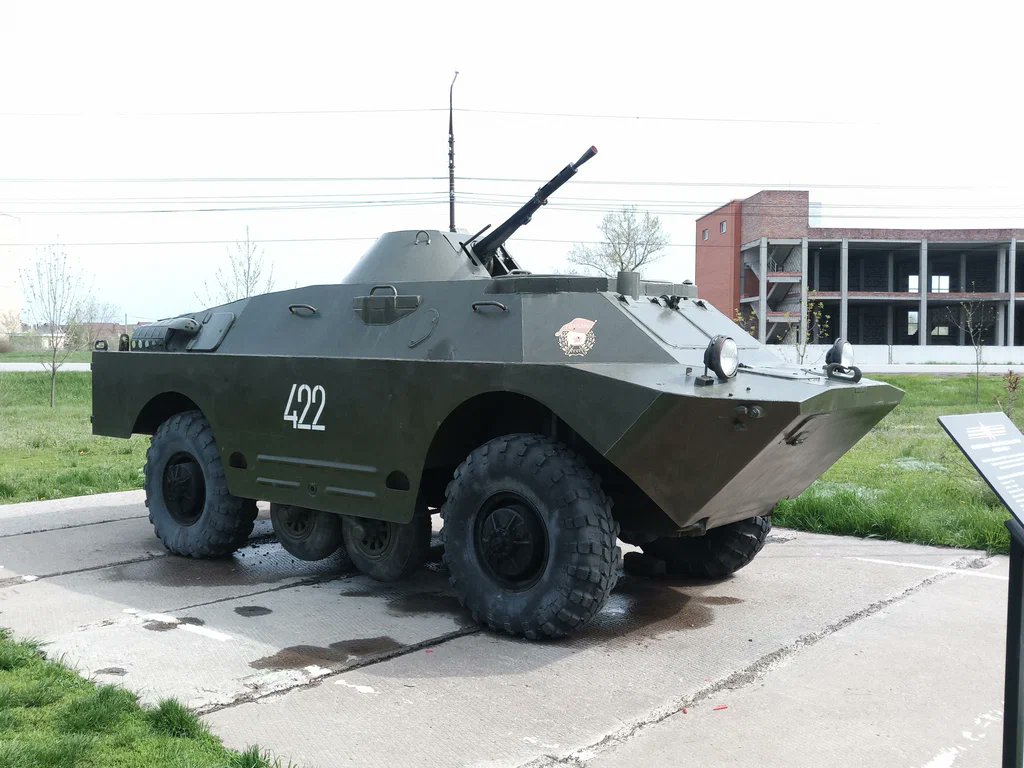
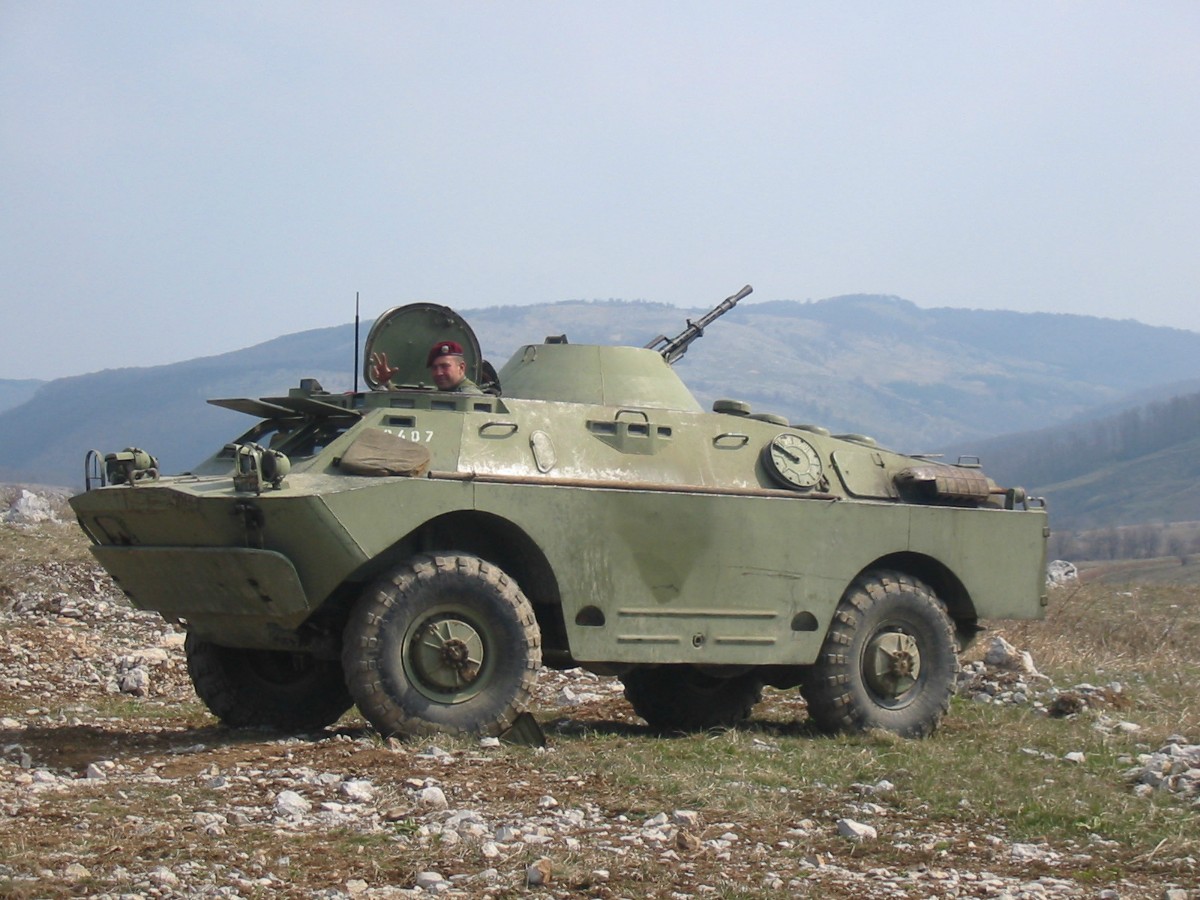
(16/25) The BRDM-2 itself is only very lightly armoured in the base version. The armour ranges from 10-13 mm in front to only 6 mm on the sides/rear: enough against non-AP rifle-calibre bullets, but heavy machine guns will easily tear through it.
youtu.be
youtu.be
(17/25) It's also pretty vulnerable to mines, to say nothing about other weapons like autocannons or ATGMs. The design dates back to before MRAPs or IEDs were a thing, after all.
youtube.com
youtube.com
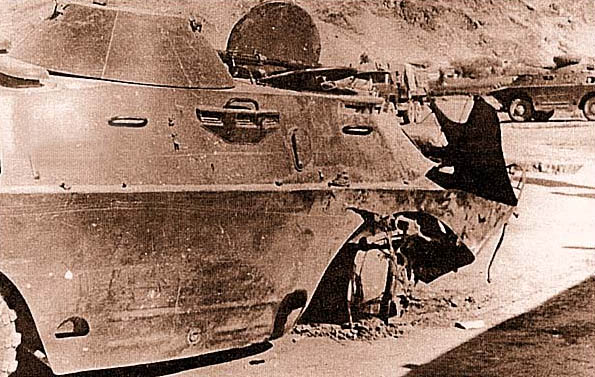
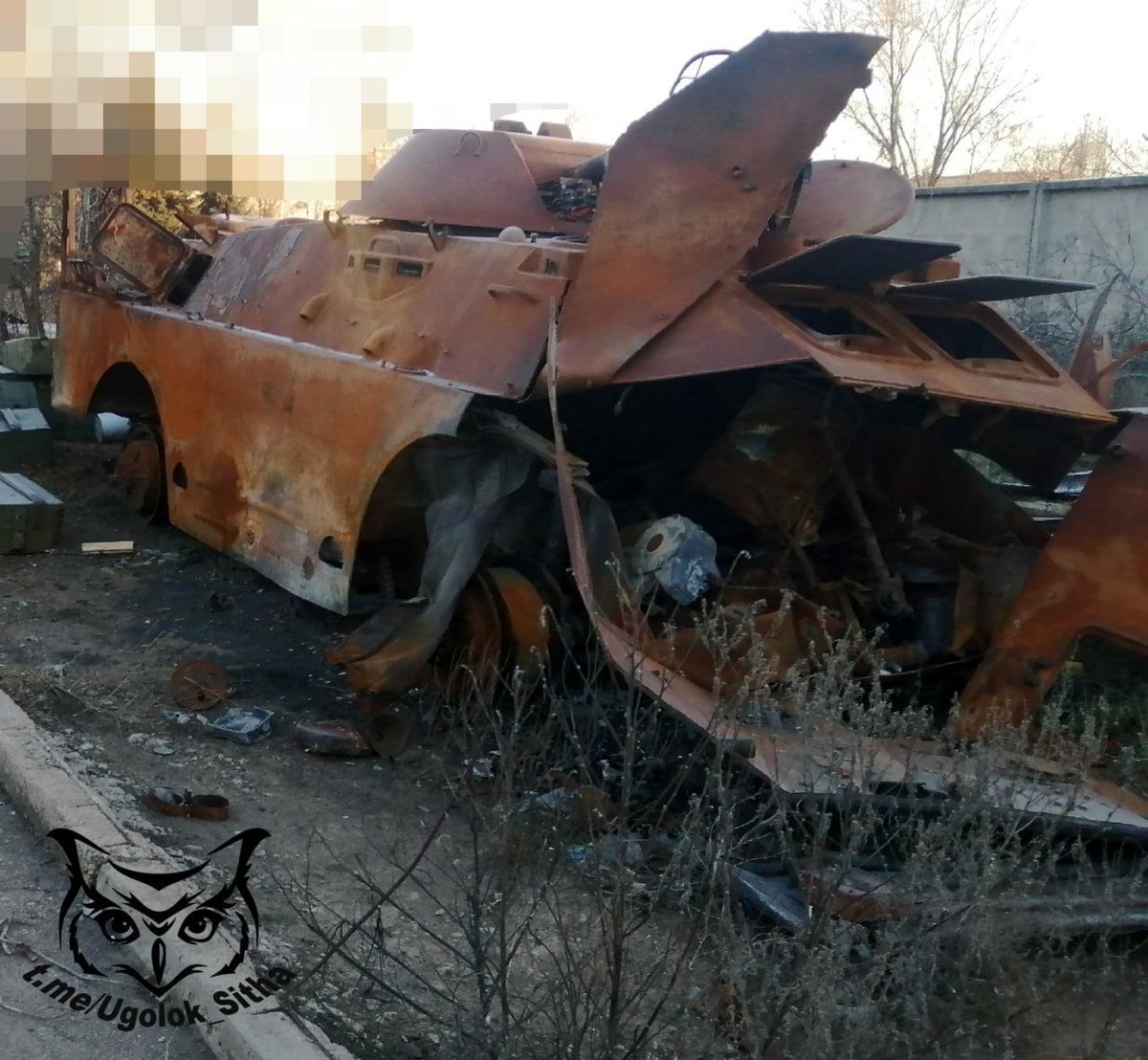
(18/25) The BRDM-2 was built in large numbers and widely exported to the Warsaw Pact and beyond as the standard Soviet recon vehicle. As a result, both Russia and Ukraine still have large numbers, but Ukraine appears to be the most prolific user in this war, based on losses.
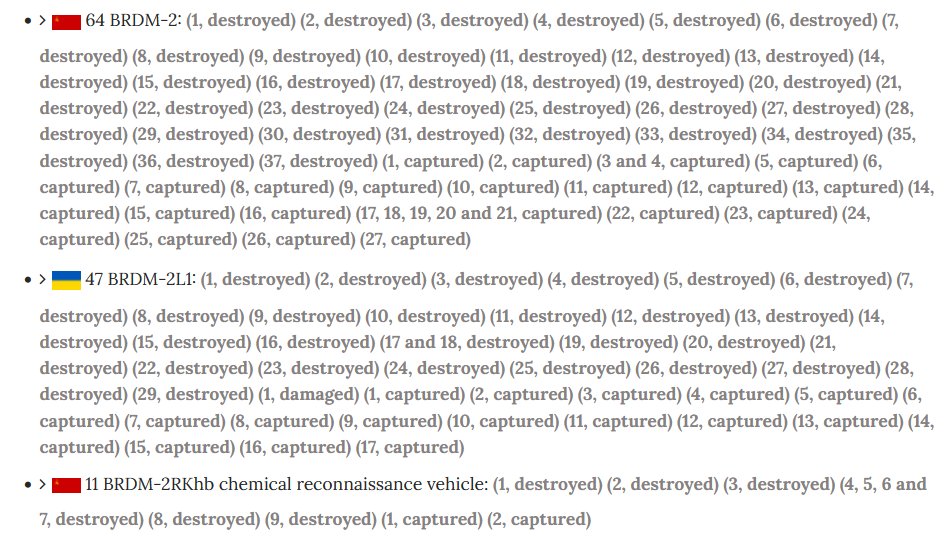

(19/25) For lack of anything better, the BRDM-2 was and is a mainstay of ZSU. It is widely used as both a scout and transporter. There have been a few modernisation attempts, of which the most recent and prolific is the BRDM-2L1.

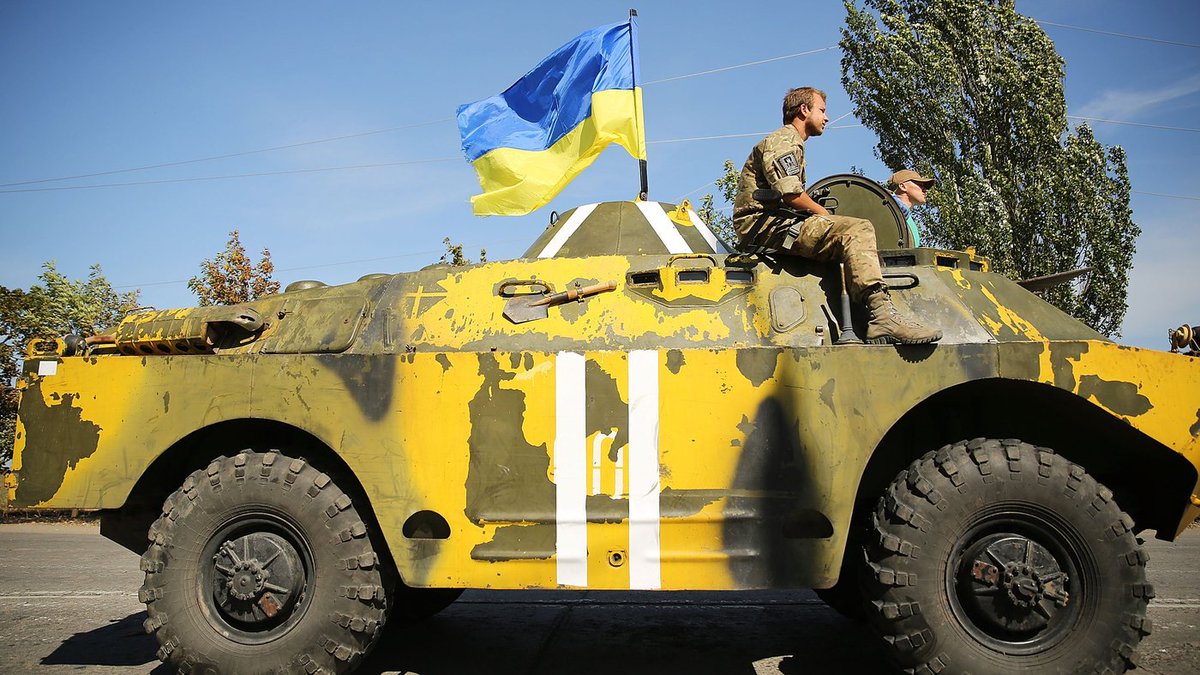
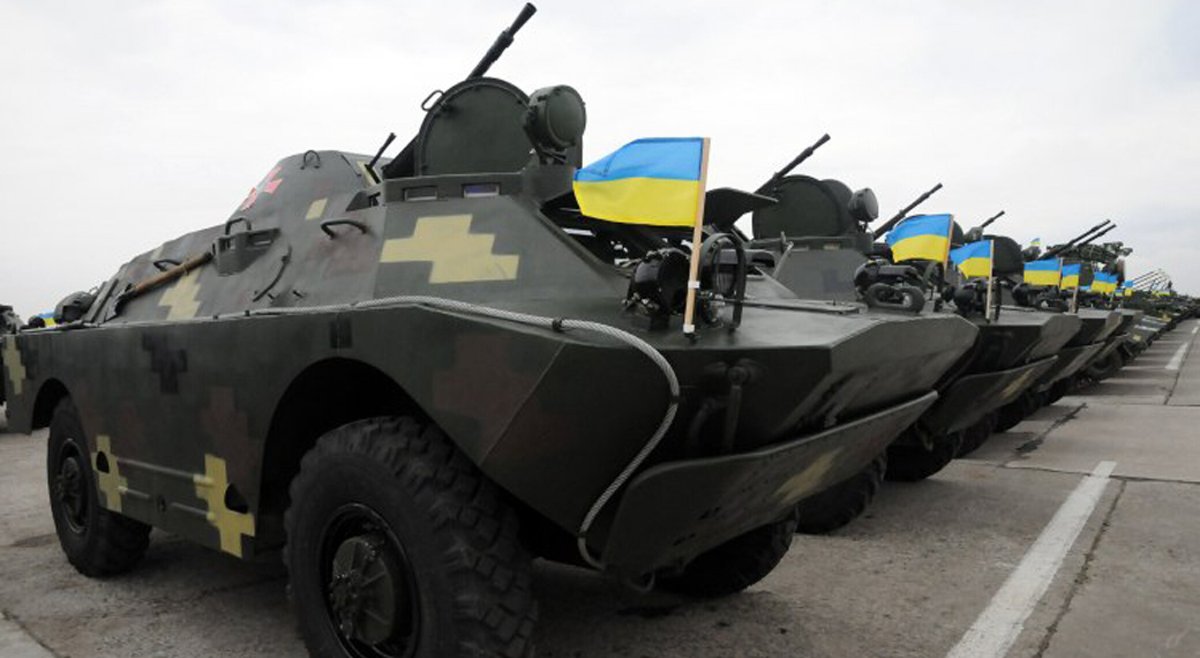
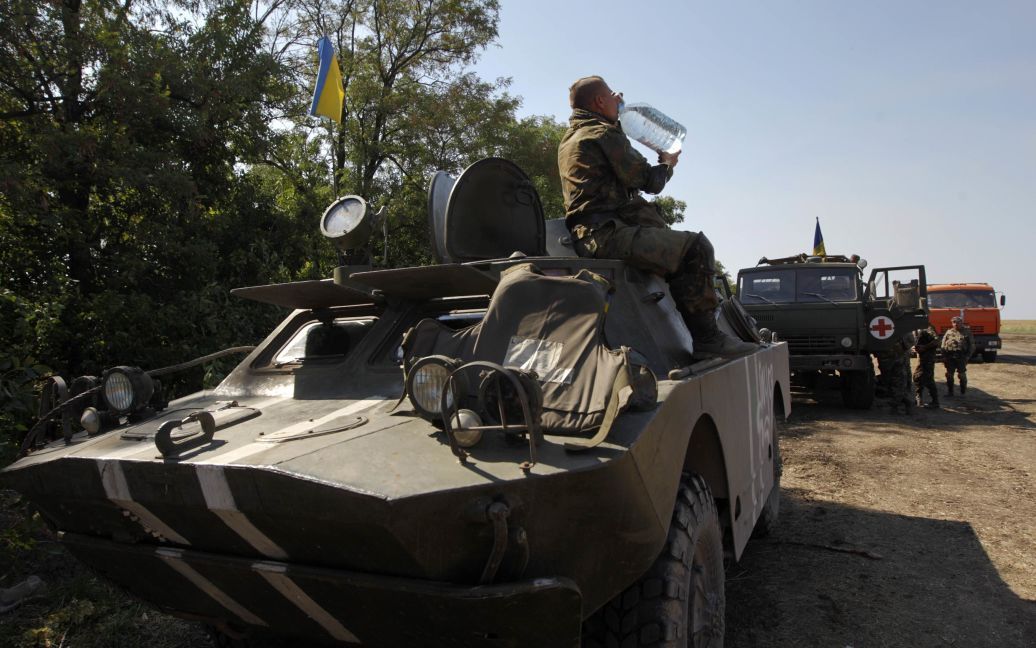
(20/25) The BRDM-2L1 is a relatively modest modernisation implemented by the Mykolayiv AFV Factory (MBTZ), responsible for BRDM-2s and BTR-70s. It is somewhat akin to the modernised T-64BV in features. The most obvious is the new side hatches to ease entry/exit.
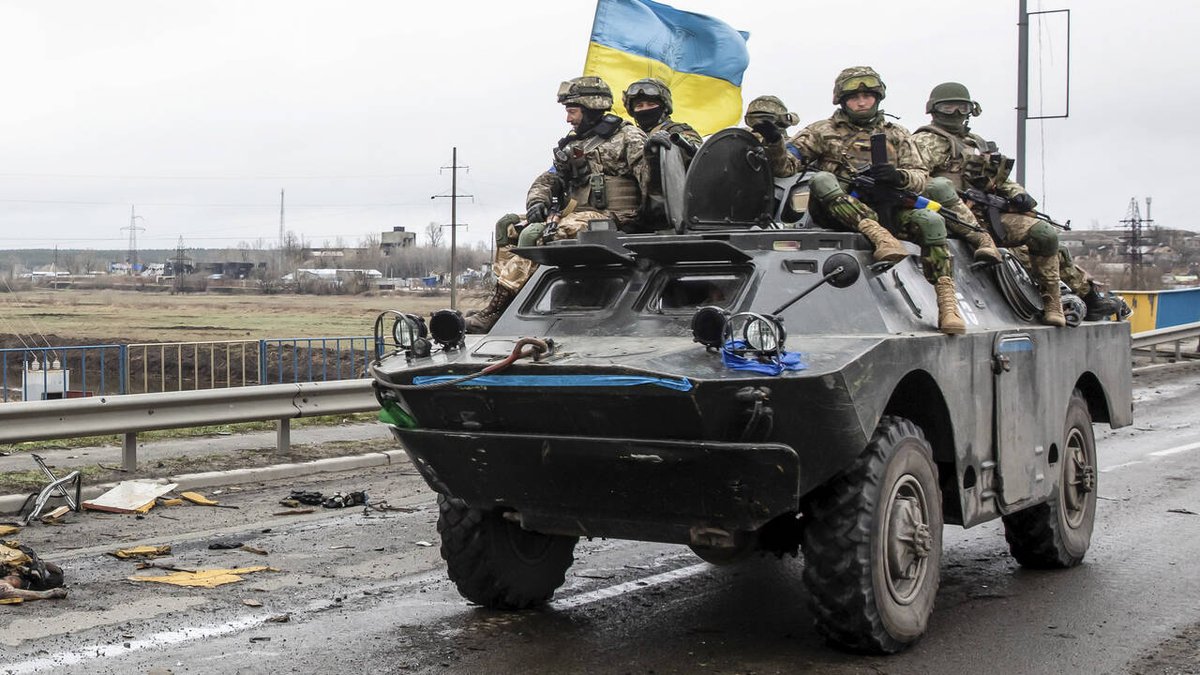
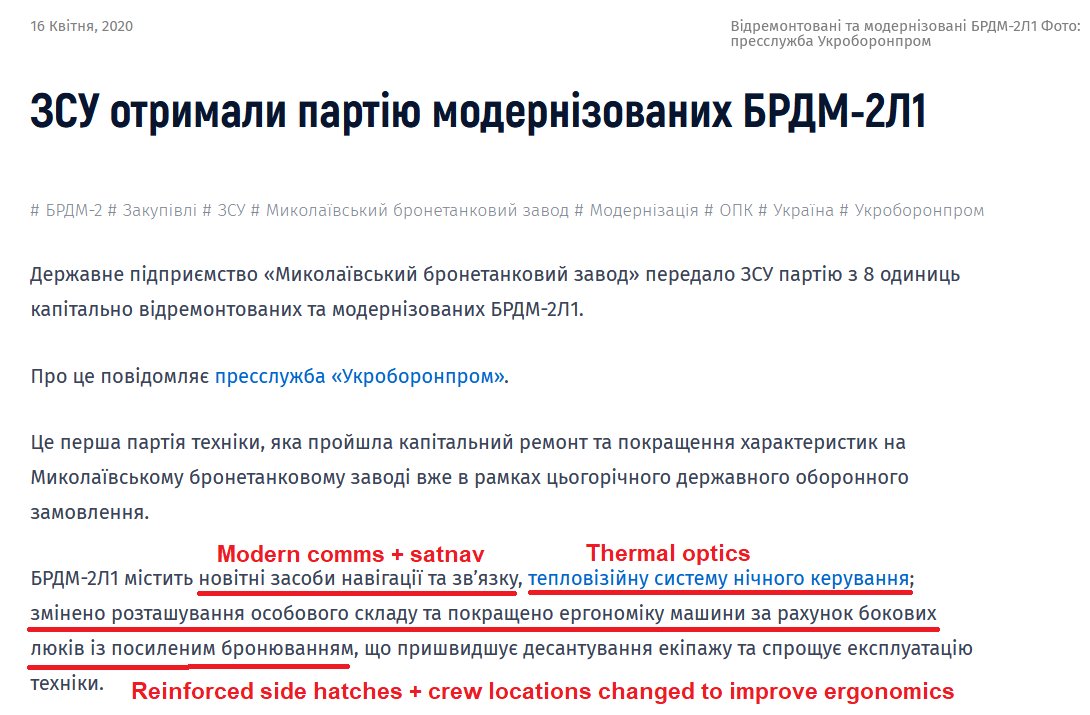
(21/25) At least 50 of these were delivered in 2020. Possibly more in later years. I do not have that information currently or know whether production is continuing. They have suffered heavy losses.
defence-ua.com
defence-ua.com
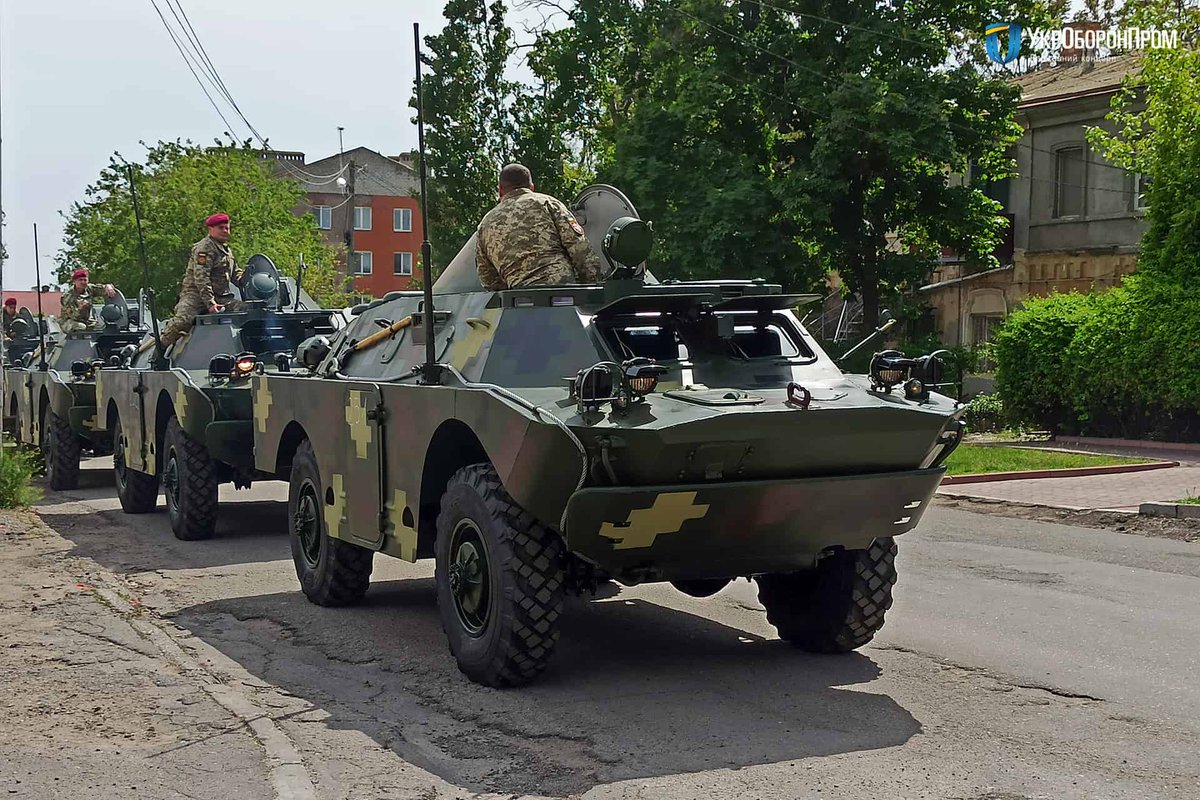

(22/25) Ukraine has also contracted Slovakian company Konstrukta Defence to refurbish and modernise more BRDM-2s. This was back in May 2022, I do not know about more recent contracts if they exist or what the details are.
mil.in.ua
mil.in.ua
(23/25) The Russians have generally replaced the BRDM-2 in frontline service using a combination of BTR-80/82s and MRAP/IMVs like the Tigr. However, they do still use the BRDM-2, and recently the modernised BRDM-2MS (which was originally meant for Serbia) has been seen.
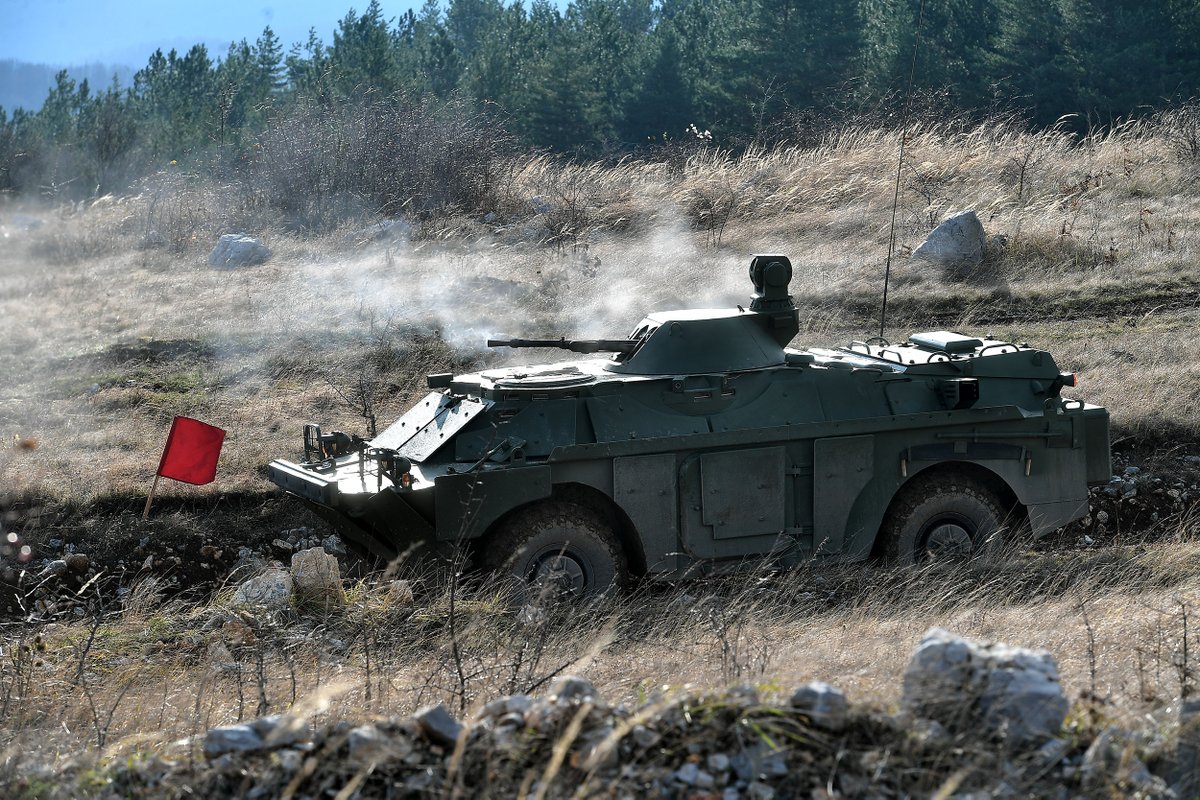
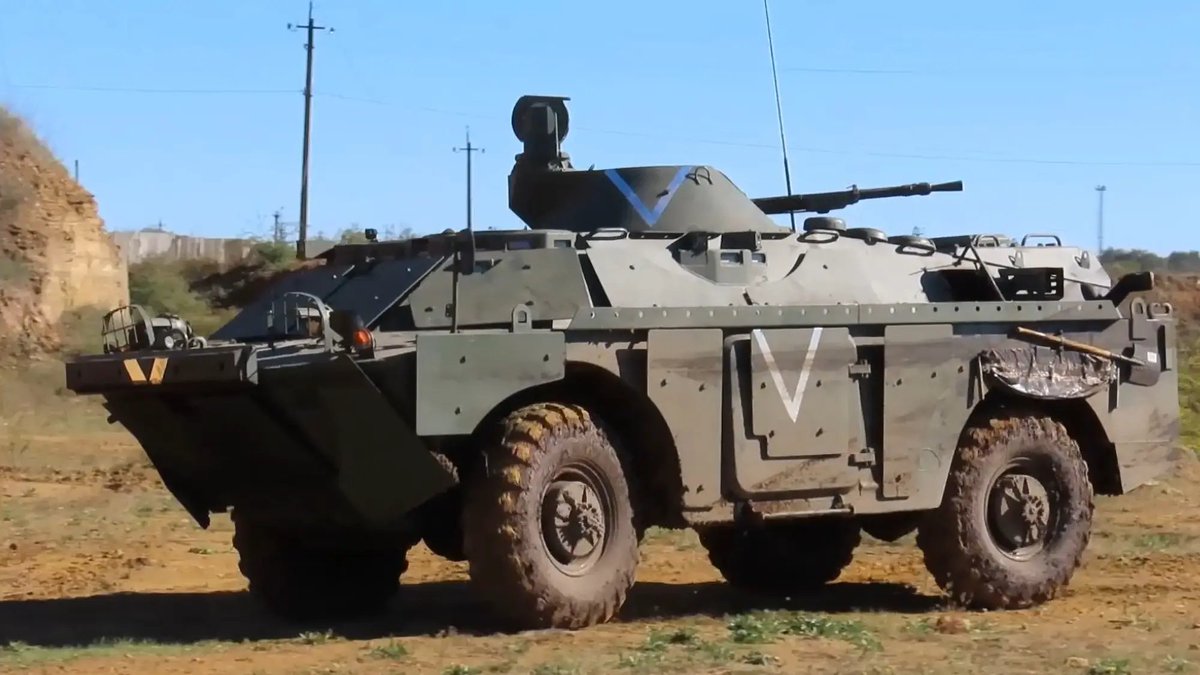
(24/25) The BRDM-2MS has additional armour plating, intended to protect against 14.5 mm AP bullets from 300 m. It also features new side hatches and a turret roof-mounted sighting system. It was meant for export, but is now also in Russian service.
en.defence-ua.com
en.defence-ua.com
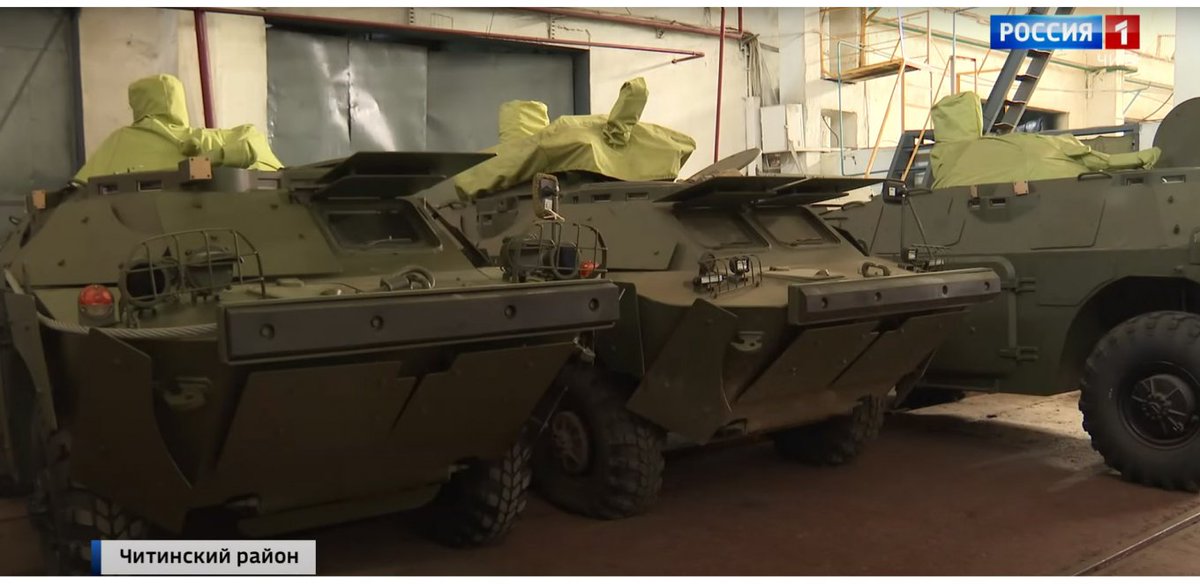
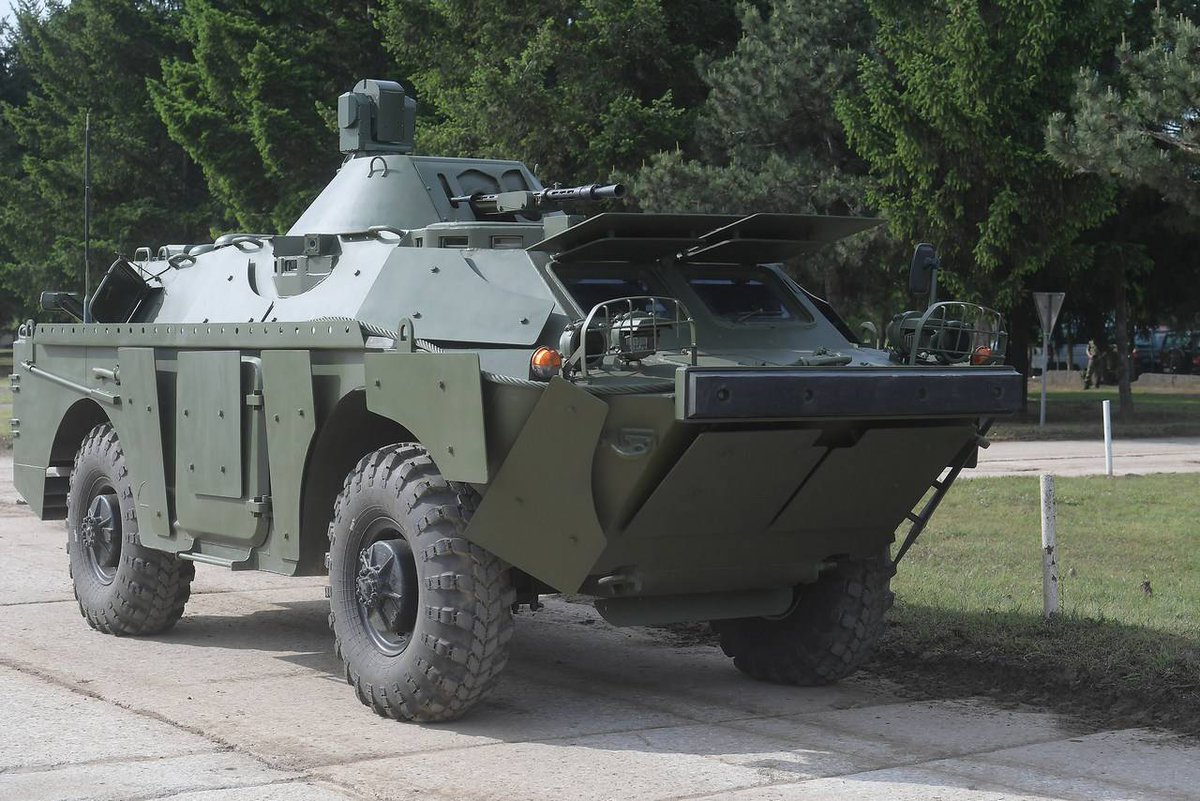

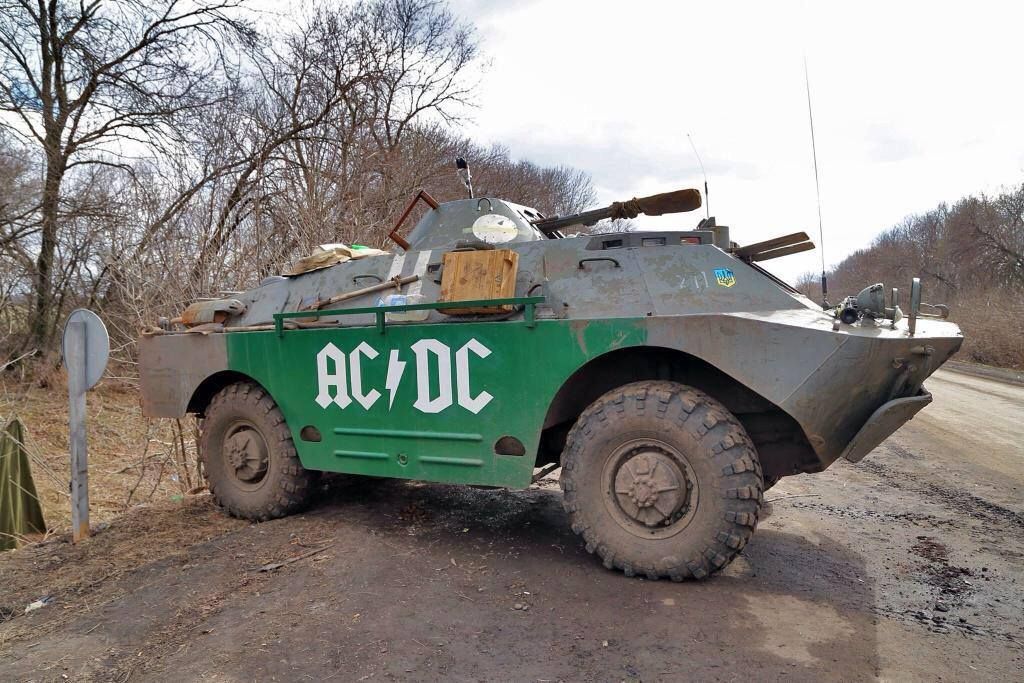
(25/25) Old and vulnerable though it may be, the BRDM-2 is still a reasonably mobile and versatile platform. Both sides still have large numbers of them, so I doubt they'll be going away anytime soon. It also makes a great art platform.
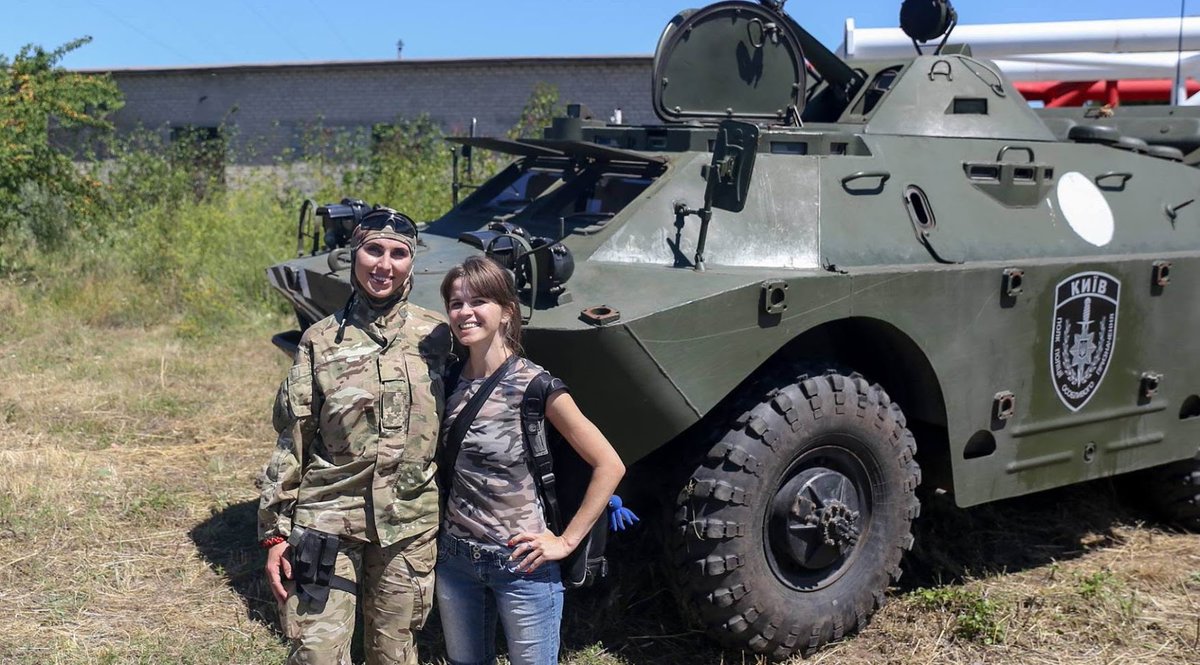
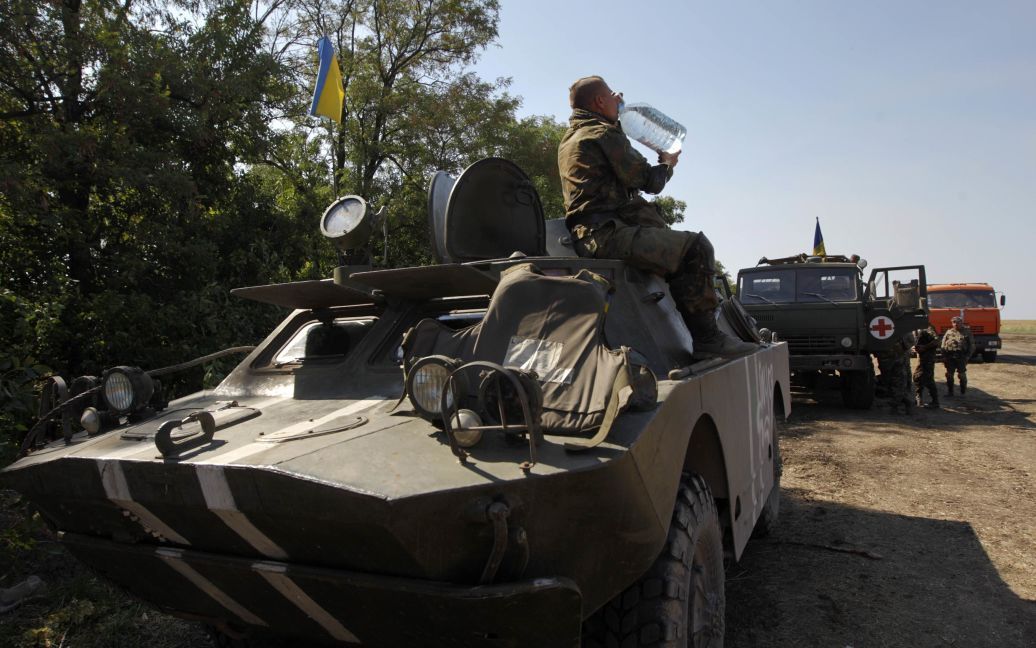
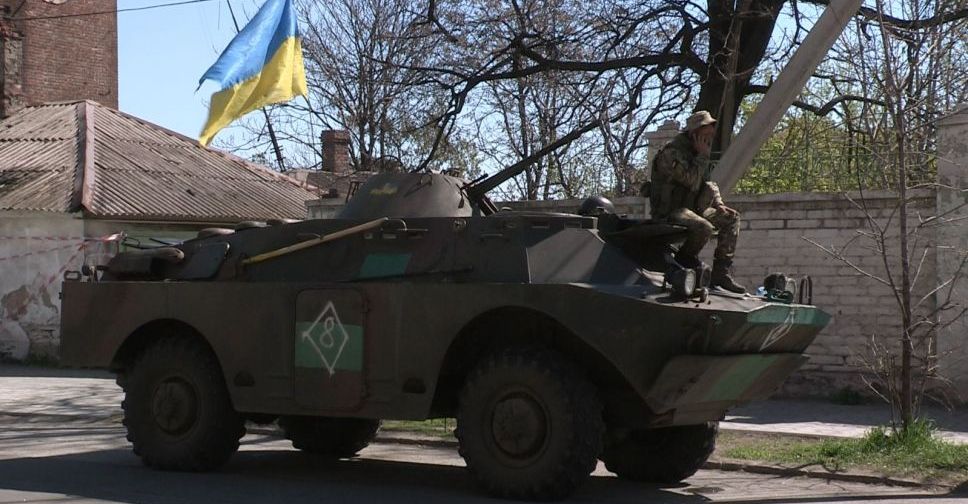
(26/25) I didn't go through all the different variants of the BRDM and modernisations, otherwise this thread would be 100 posts long, but at some point I will talk about the 9P148 Konkurs separately.

If you would like your own BRDM-2, you can buy one for 35,000 euros.
mortarinvestments.eu
mortarinvestments.eu

Incidentally, the lady with the hijab in the first picture I believe is Amina Okueva.
en.wikipedia.org
en.wikipedia.org

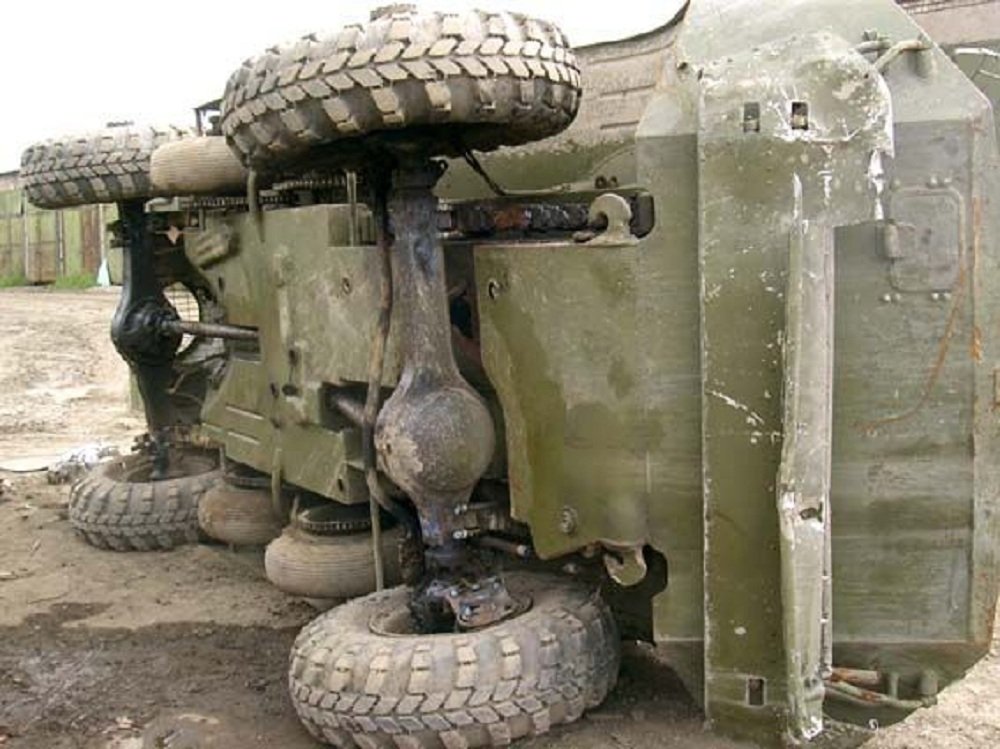
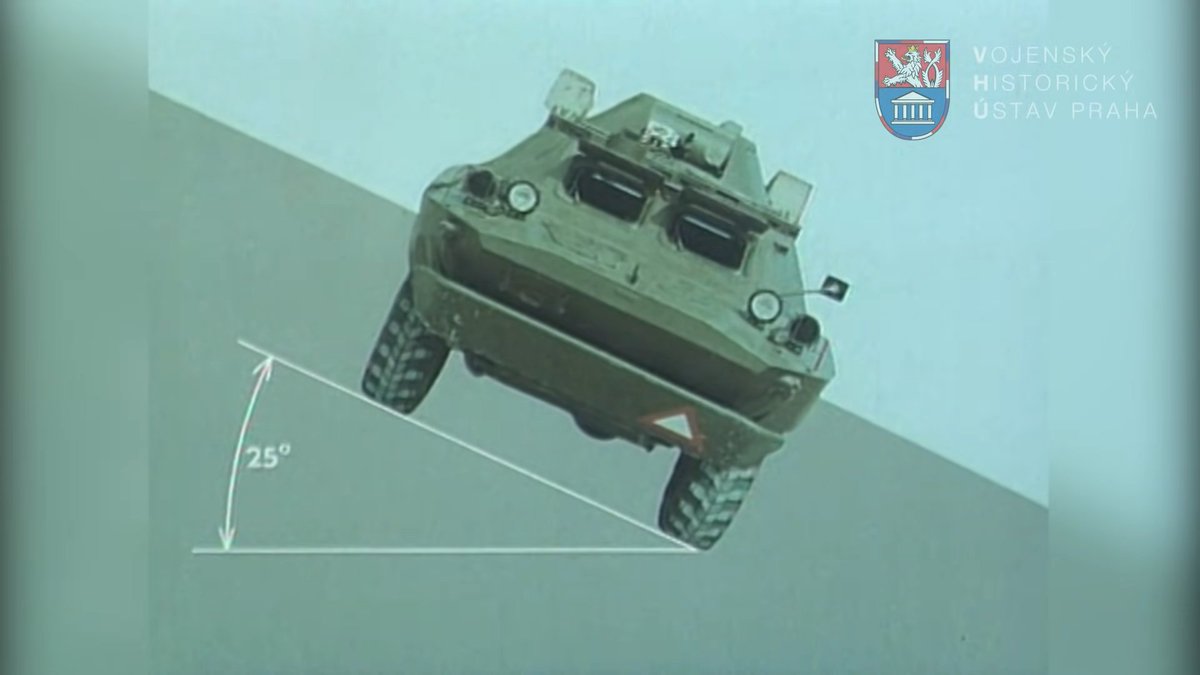
(27/25) I forgot to mention that the basic BRDM-2 is somewhat top heavy and has a propensity to roll over. This is why it is limited to 25° side inclines, although even that can be risky.
youtu.be
youtu.be
Loading suggestions...