

Sino-French War
The Sino-French War, spanning 1884-1885, wasn't just another colonial skirmish. It was a power play between an ambitious French Third Republic and a Qing Dynasty struggling to maintain its power in Asia.
🧵/10
The Sino-French War, spanning 1884-1885, wasn't just another colonial skirmish. It was a power play between an ambitious French Third Republic and a Qing Dynasty struggling to maintain its power in Asia.
🧵/10
2/10
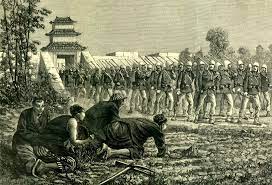
With Cochinchina (southern Vietnam) firmly in hand, France's colonial vision expanded. Tonkin and Annam, rich in resources and strategically located, were the next targets in their Indochinese ambitions.
With Cochinchina (southern Vietnam) firmly in hand, France's colonial vision expanded. Tonkin and Annam, rich in resources and strategically located, were the next targets in their Indochinese ambitions.
3/10
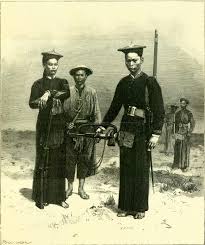
The Qing Dynasty had historical ties to Vietnam. Tonkin, especially, was seen as a buffer and an informal vassal. Qing China wasn't about to let it slip into Western hands without a fight.
The Qing Dynasty had historical ties to Vietnam. Tonkin, especially, was seen as a buffer and an informal vassal. Qing China wasn't about to let it slip into Western hands without a fight.
4/10
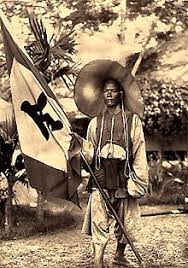
The Black Flag Army, a blend of Chinese and Vietnamese fighters led by Liu Yongfu, became the frontline defense against French incursions in Tonkin. Their resistance was fierce, rooted in both nationalism and regional loyalty.
The Black Flag Army, a blend of Chinese and Vietnamese fighters led by Liu Yongfu, became the frontline defense against French incursions in Tonkin. Their resistance was fierce, rooted in both nationalism and regional loyalty.
5/10
In June 1884, a seemingly minor clash at Bắc Lệ between French and Chinese troops set the stage for a larger conflict. Casualties on both sides stoked nationalistic fervor and demands for retaliation.
In June 1884, a seemingly minor clash at Bắc Lệ between French and Chinese troops set the stage for a larger conflict. Casualties on both sides stoked nationalistic fervor and demands for retaliation.
6/10
The French capture of Lạng Sơn in February 1885 was more than a military victory. Located near the Chinese border, its seizure threatened China's territorial integrity and highlighted Qing's weakening grip.
The French capture of Lạng Sơn in February 1885 was more than a military victory. Located near the Chinese border, its seizure threatened China's territorial integrity and highlighted Qing's weakening grip.
7/10
March 1885 witnessed intense combat at Hòa Mộc. French colonial troops, facing both the Black Flag Army and Qing soldiers, encountered fierce resistance but eventually emerged victorious.
March 1885 witnessed intense combat at Hòa Mộc. French colonial troops, facing both the Black Flag Army and Qing soldiers, encountered fierce resistance but eventually emerged victorious.
8/10
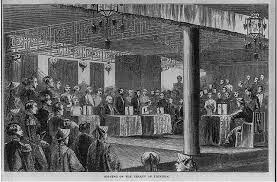
Signed in June 1885, the Treaty of Tiên-Tsin marked China's reluctant acknowledgment of French control over Tonkin. In exchange, France committed to respecting China's territorial sovereignty, effectively sidelining any direct annexation plans.
Signed in June 1885, the Treaty of Tiên-Tsin marked China's reluctant acknowledgment of French control over Tonkin. In exchange, France committed to respecting China's territorial sovereignty, effectively sidelining any direct annexation plans.
9/10
The war's conclusion saw France's grip solidify over Southeast Asia. Vietnam, Laos, and Cambodia were woven into the fabric of French Indochina, setting the stage for decades of colonial rule.
The war's conclusion saw France's grip solidify over Southeast Asia. Vietnam, Laos, and Cambodia were woven into the fabric of French Indochina, setting the stage for decades of colonial rule.
10/10
Beyond the French territorial gains, the Sino-French War exposed the Qing Dynasty's frailties and the juggernaut of Western imperialism. It reshaped regional geopolitics, sowing seeds of resistance that would sprout in the 20th century's decolonization movements in Asia.
Beyond the French territorial gains, the Sino-French War exposed the Qing Dynasty's frailties and the juggernaut of Western imperialism. It reshaped regional geopolitics, sowing seeds of resistance that would sprout in the 20th century's decolonization movements in Asia.
Loading suggestions...