

Millions of women are being POISONED and LIED to…
Countless women are given exogenous hormones for birth control, menopausal hormone replacement therapy and obstetrical practice, but the hormones they are given are more than meets the eye.
The truth behind the abominations known as synthetic progestins, and the progesterone epidemic it has caused:
Countless women are given exogenous hormones for birth control, menopausal hormone replacement therapy and obstetrical practice, but the hormones they are given are more than meets the eye.
The truth behind the abominations known as synthetic progestins, and the progesterone epidemic it has caused:
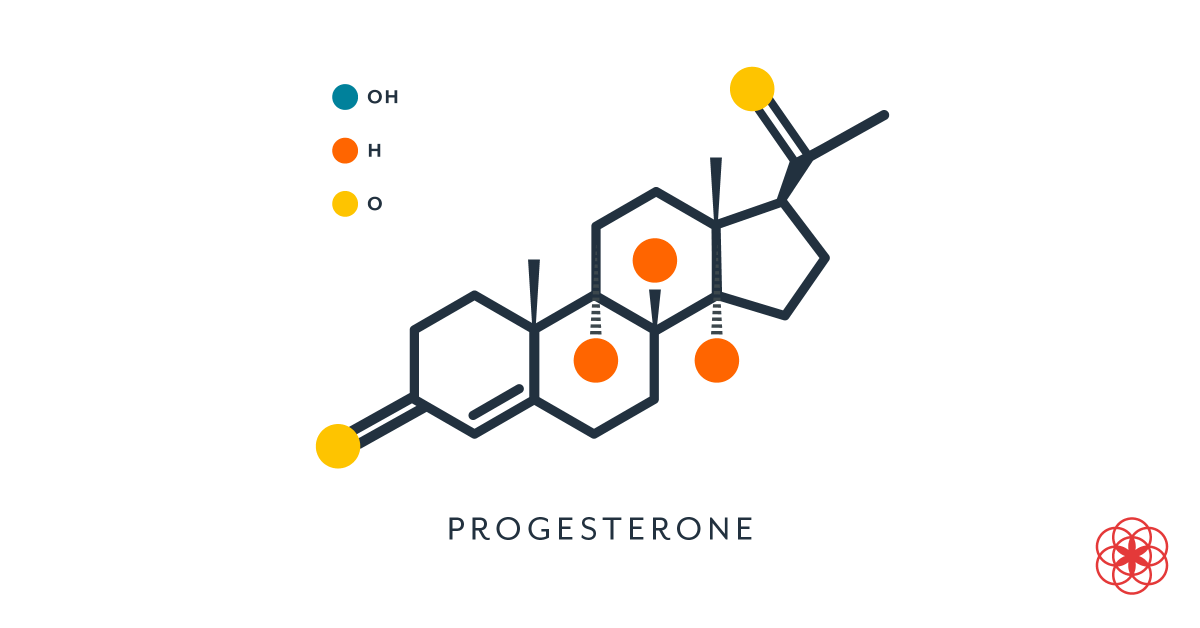
We just released our documentary on birth control, which dives deep into the story of the synthetic progestins, so be sure to check that out: youtu.be
In the 40s and 50s there was high demand for developing a drug that would prevent pregnancy.
Progesterone was considered, as it was known as nature's contraceptive, signaling that the body is pregnant and thus preventing further fertilization.
Critically, progesterone is also our body’s endogenous anti-estrogen.
Progesterone was considered, as it was known as nature's contraceptive, signaling that the body is pregnant and thus preventing further fertilization.
Critically, progesterone is also our body’s endogenous anti-estrogen.
However, for pharmaceutical companies, the endogenous progesterone was not ideal.
It was not orally very bioavailable, so large quantities of it needed to be ingested to see an effect, which would of course cut into profit.
More importantly, they couldn’t patent and have exclusivity on a bioidentical hormone, a huge no-no if you’re trying to hit the pharma jackpot.
It was not orally very bioavailable, so large quantities of it needed to be ingested to see an effect, which would of course cut into profit.
More importantly, they couldn’t patent and have exclusivity on a bioidentical hormone, a huge no-no if you’re trying to hit the pharma jackpot.
Instead, pharmaceutical companies set out to create unique molecules that could replace progesterone.
They succeeded in synthesizing compounds that fit the bill: norethindrone, norethynodrel, and medroxyprogesterone acetate, all of which are still commonly used in birth control and hormone replacement “therapy.”
They succeeded in synthesizing compounds that fit the bill: norethindrone, norethynodrel, and medroxyprogesterone acetate, all of which are still commonly used in birth control and hormone replacement “therapy.”
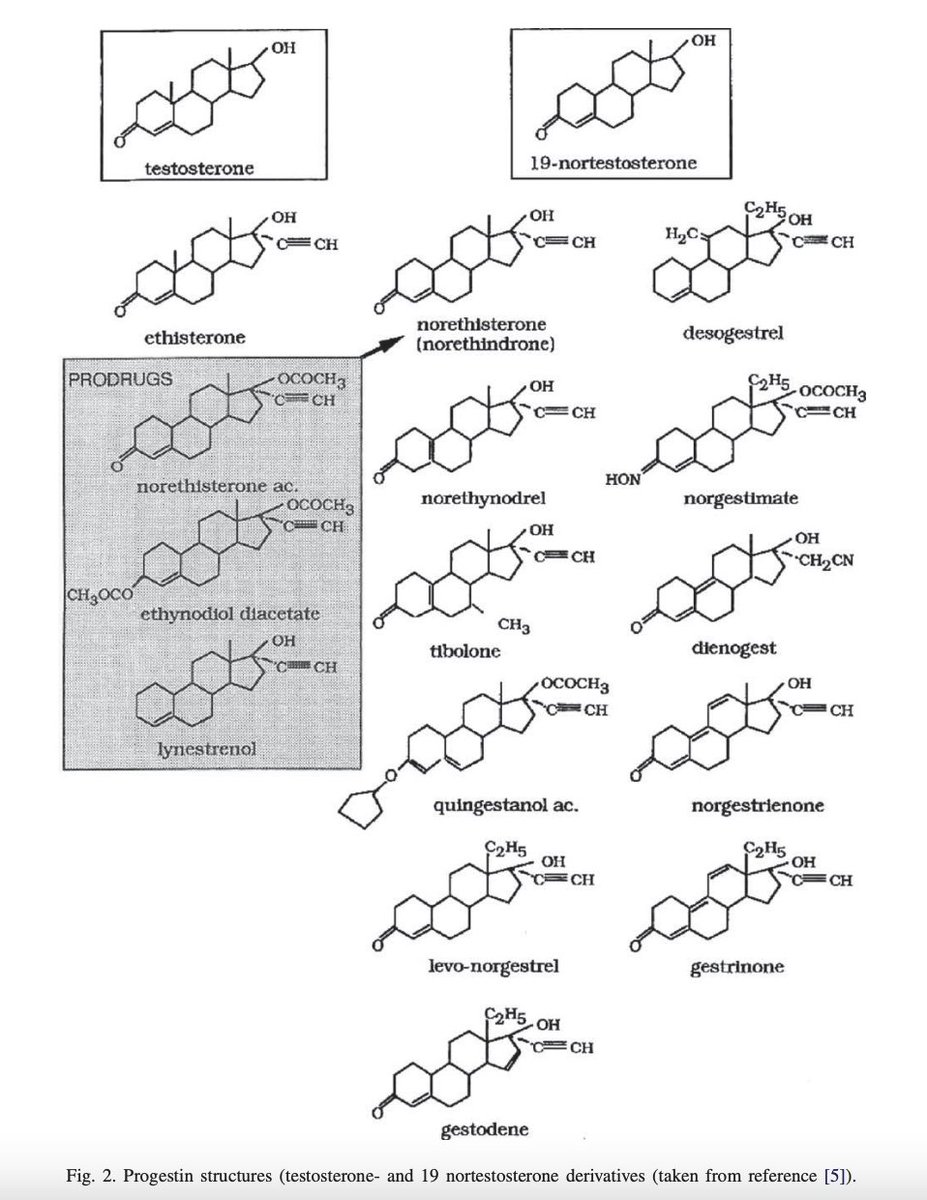
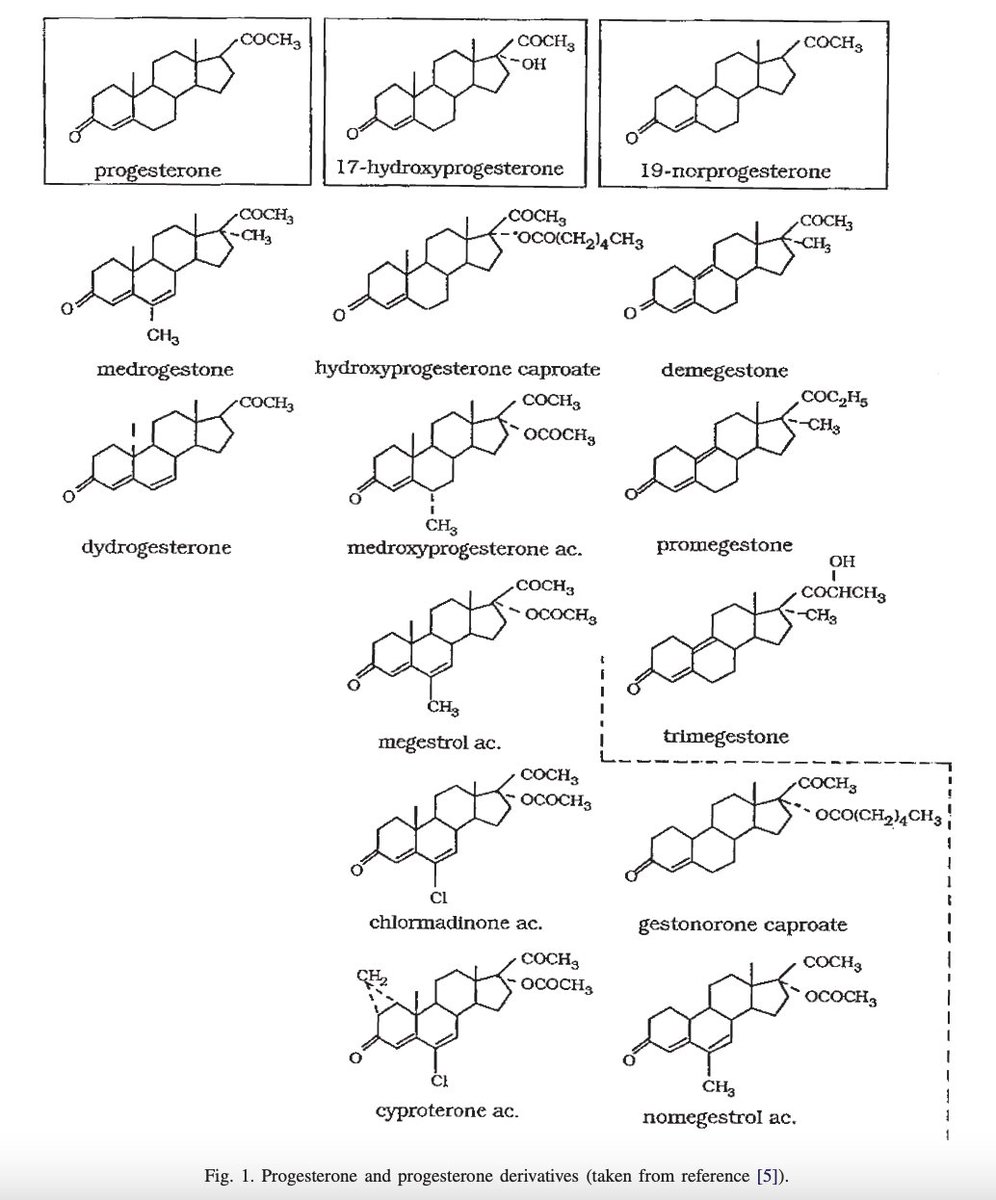
Of course, these molecules, called “progestins” or synthetic progesterone mimickers, were NOT the same as progesterone, despite pharma’s marketing.
This has led to confusion, and even among researchers and academic institutions often use the terms “progestin” and “progesterone” interchangeably!
This has led to confusion, and even among researchers and academic institutions often use the terms “progestin” and “progesterone” interchangeably!
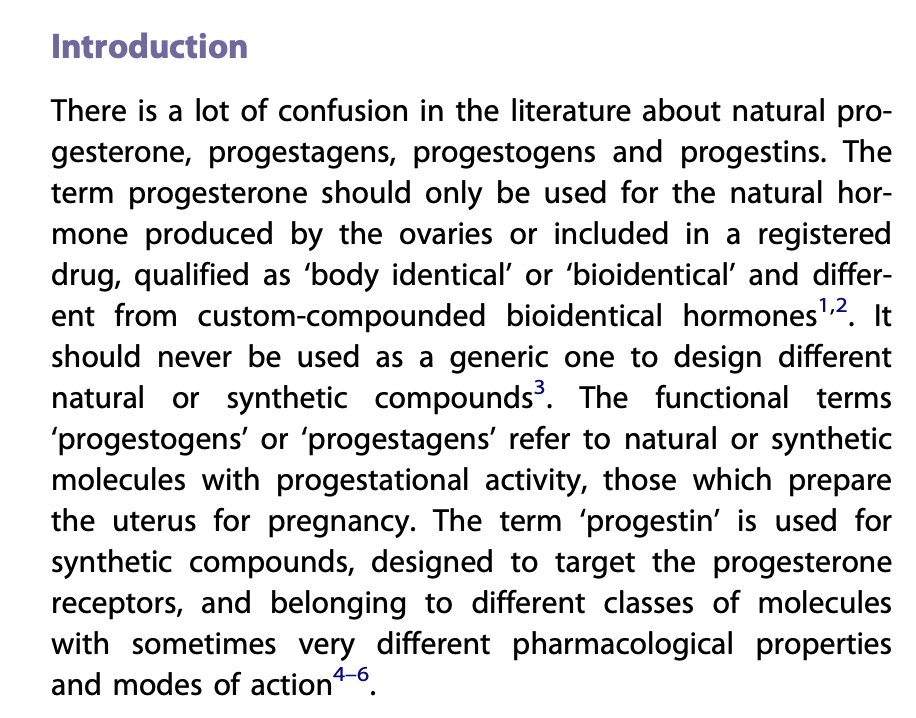
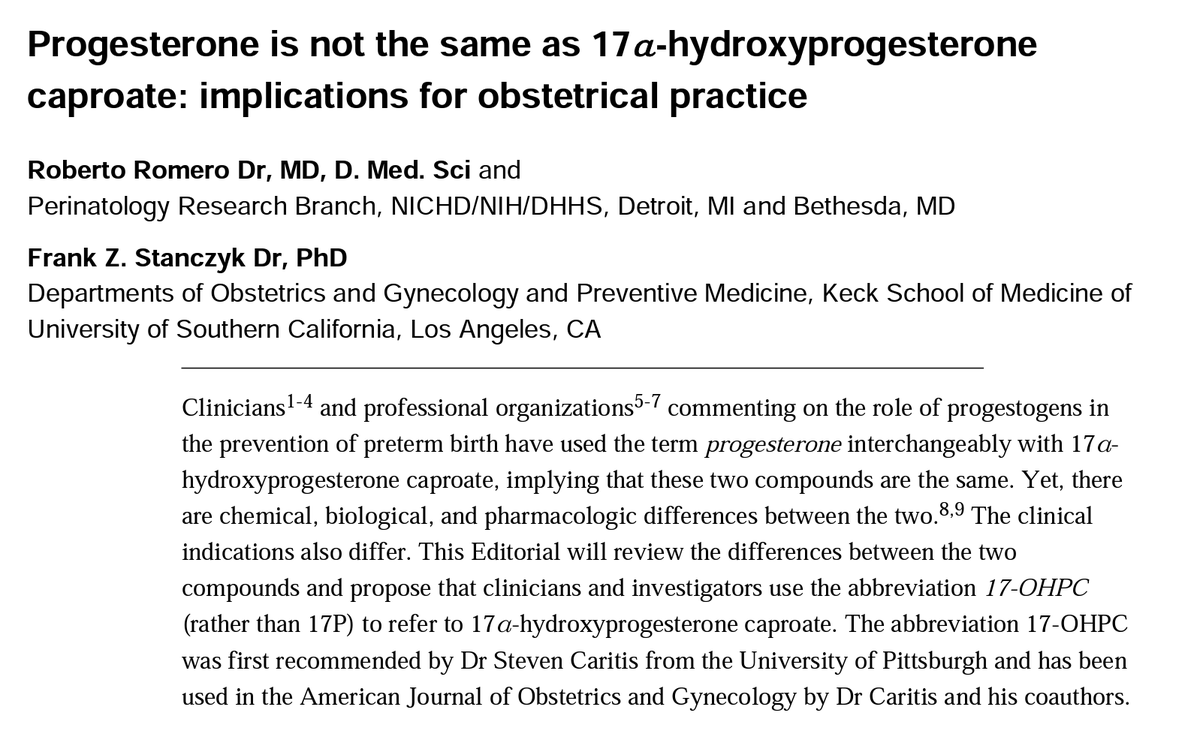
“Much of the medical literature on progesterone or progesterone-like compounds is contradictory, with progesterone sometimes implicated as a cause of breast cancer. Theese contradictory results are the result of researchers confusing the effects of synthetic progestins with those of natural progesterone"
The prevailing dogma in receptor biology, coupled with the overlapping functions of progestins and progesterone, has perpetuated the misconception that they are the same.
This confusion is significant because synthetic progestins actually LOWER endogenous progesterone production.
This confusion is significant because synthetic progestins actually LOWER endogenous progesterone production.
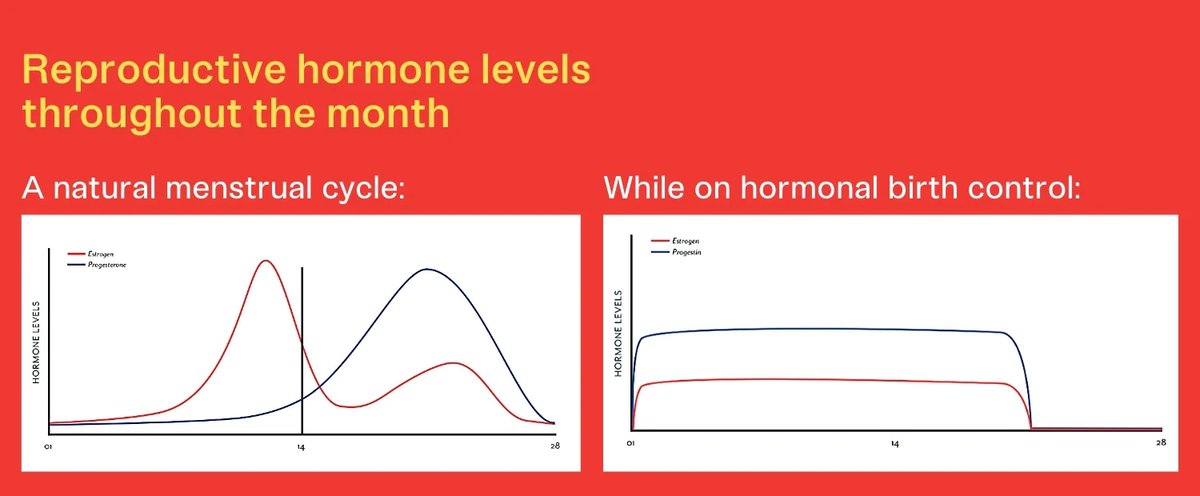
Each of these synthetic progestins has distinct actions on various receptors that differ from those of natural progesterone.
Several exhibit significant androgenic properties, meaning they partially mimic testosterone.
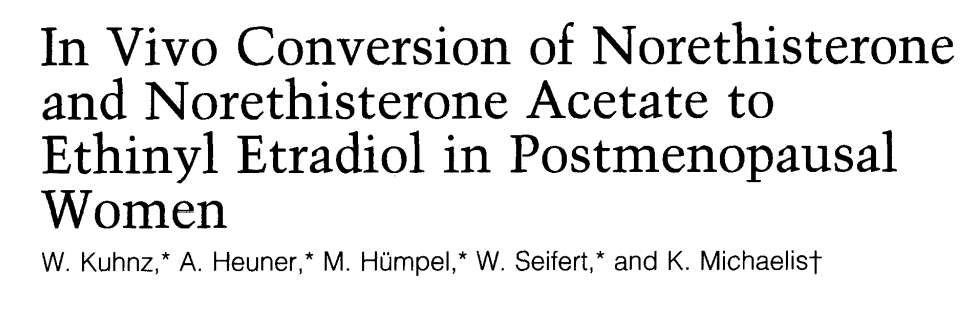
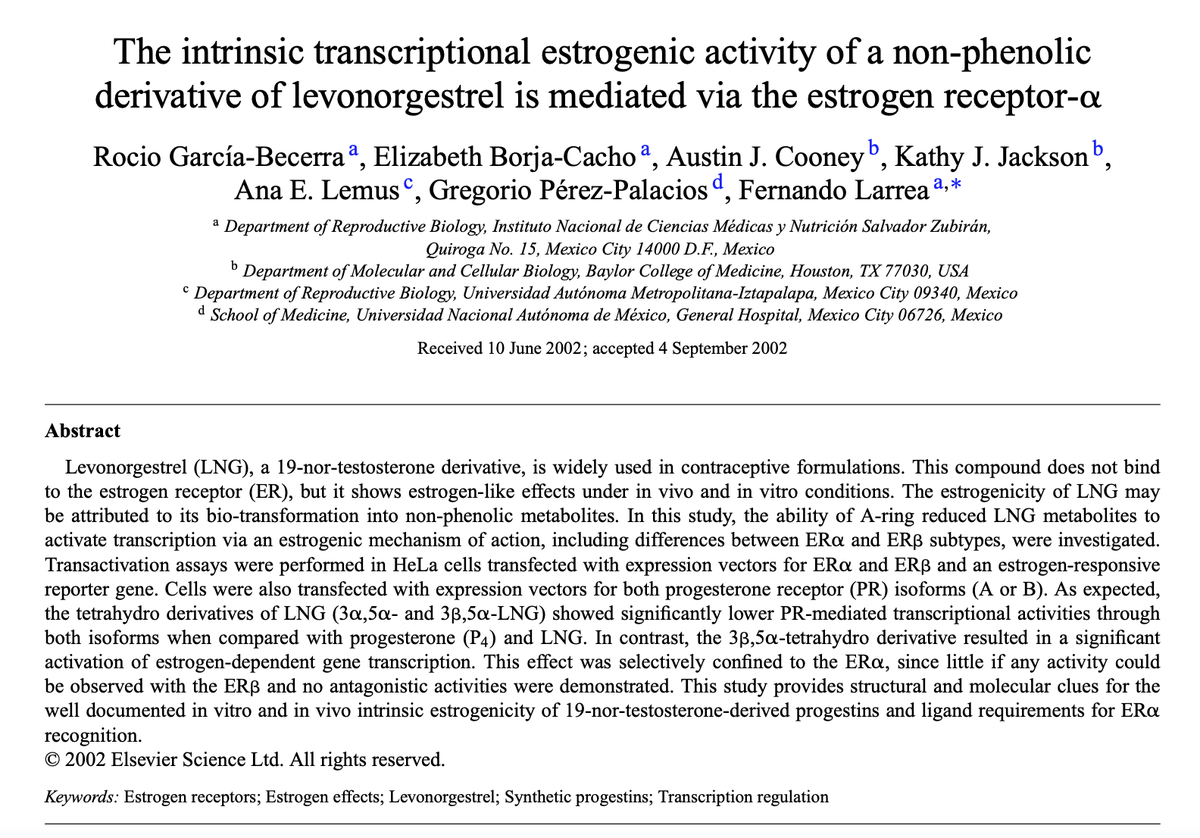
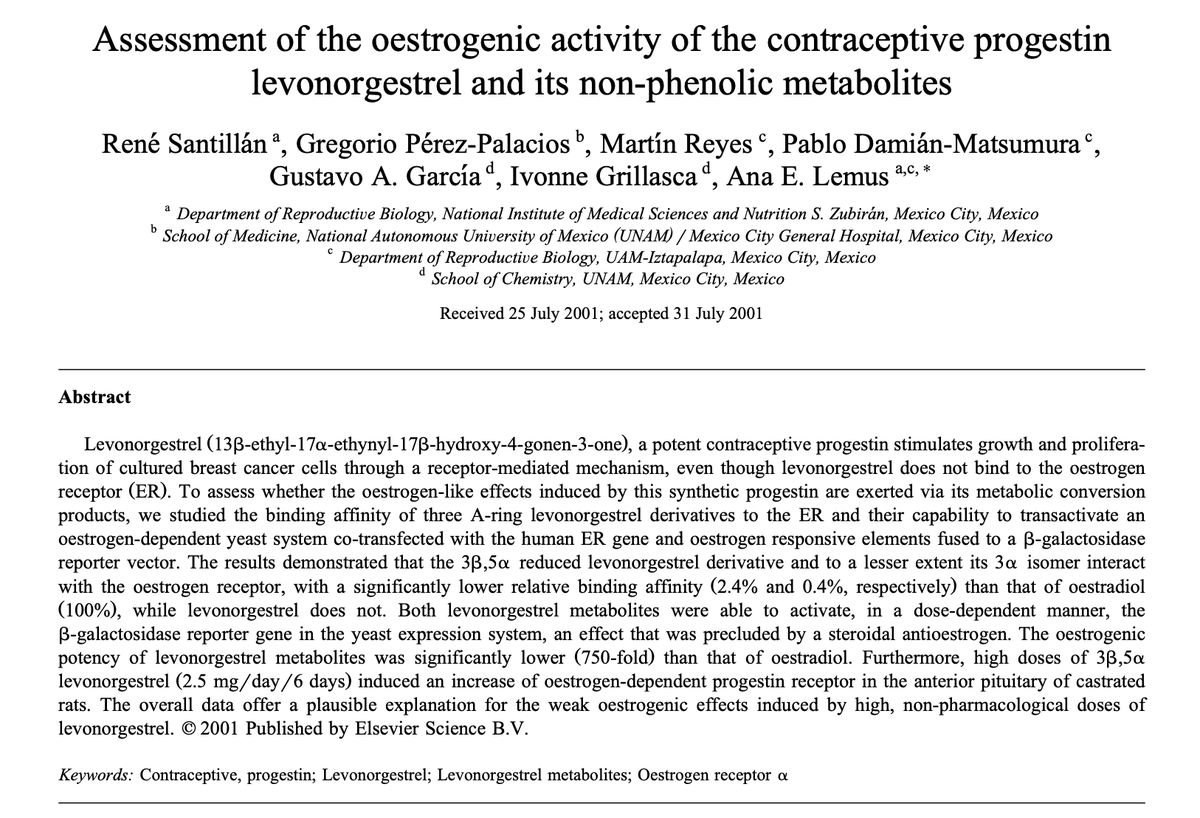
Some synthetic progestins, including norethynodrel and norethindrone, can even bind to and activate the estrogen receptor!
Several exhibit significant androgenic properties, meaning they partially mimic testosterone.
Some synthetic progestins, including norethynodrel and norethindrone, can even bind to and activate the estrogen receptor!
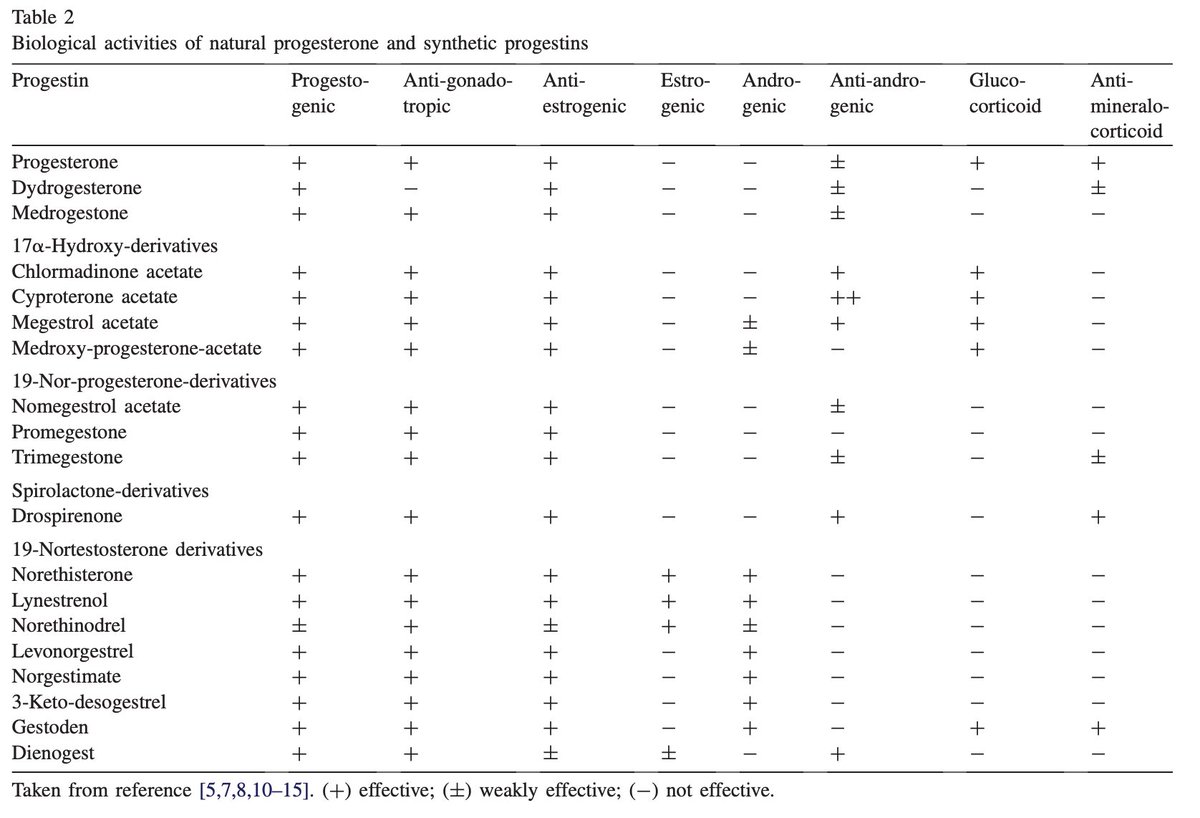
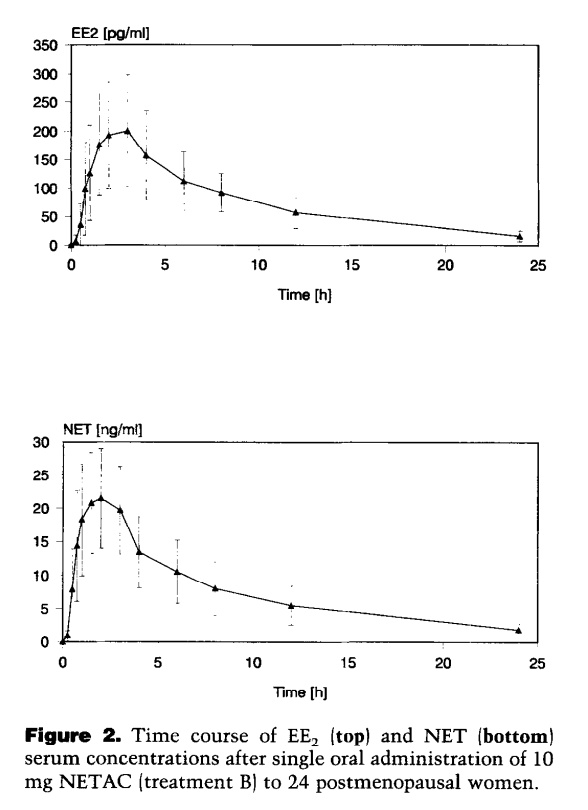
If that wasn’t enough, many of them are actually endogenously converted into estrogens!
By having direct estrogenic activities, and by depleting the body of its endogenous anti-estrogen (progesterone), the synthetic progestins can actually exert a net estrogenic effect.
By having direct estrogenic activities, and by depleting the body of its endogenous anti-estrogen (progesterone), the synthetic progestins can actually exert a net estrogenic effect.
Natural progesterone possesses a range of health-promoting and anti-stress effects that are absent from the synthetic progestins.
While estrogens and progestins tend to promote the HPA axis (cortisol), progesterone normally circumvents this.
Some progestins are even direct activators of the cortisol receptors!
While estrogens and progestins tend to promote the HPA axis (cortisol), progesterone normally circumvents this.
Some progestins are even direct activators of the cortisol receptors!
In the brain, progesterone, but not the progestins, can be converted into another steroid called allopregnanolone.
Allopregnanolone is known for its stress reducing properties through the GABA system, producing relaxation and a clearer state of mind.
Allopregnanolone is known for its stress reducing properties through the GABA system, producing relaxation and a clearer state of mind.
These mechanisms can explain the links to poor mental health outcomes with hormonal birth control.
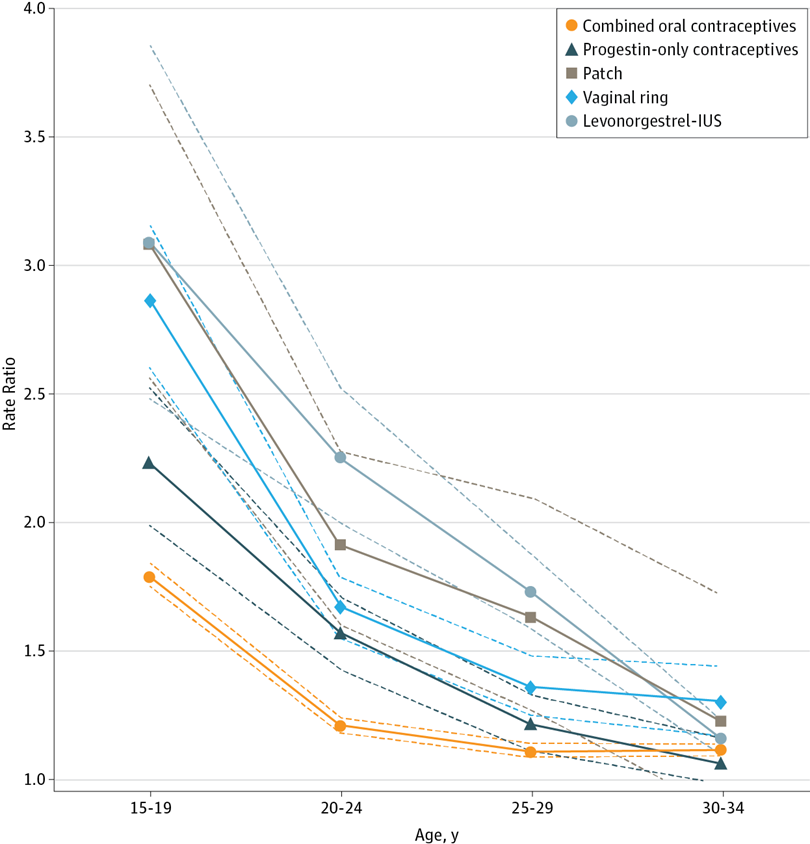
One shocking analysis found that women on birth control were at up to triple the risk of attempting suicide as those who didn’t.
Meanwhile pharma has been quietly pushing patented versions of allopregnanolone to treat postpartum depression!
One shocking analysis found that women on birth control were at up to triple the risk of attempting suicide as those who didn’t.
Meanwhile pharma has been quietly pushing patented versions of allopregnanolone to treat postpartum depression!

“Rat studies have shown that the neuroprotective effects seen with natural progesterone are not seen with synthetic progestins. Natural progesterone was shown to stimulate rat neural-cell proliferation, whereas [progestin] inhibited proliferation.”
pubmed.ncbi.nlm.nih.gov
pubmed.ncbi.nlm.nih.gov
Synthetic progestins have also been related to poorer outcomes for both pregnant mothers and children, further corroborating the fact that they are not like progesterone.
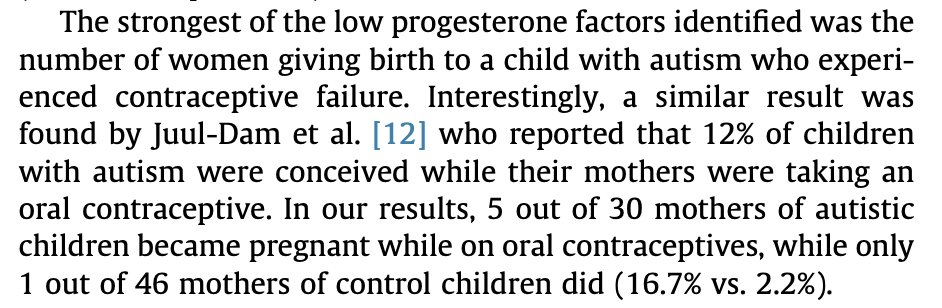
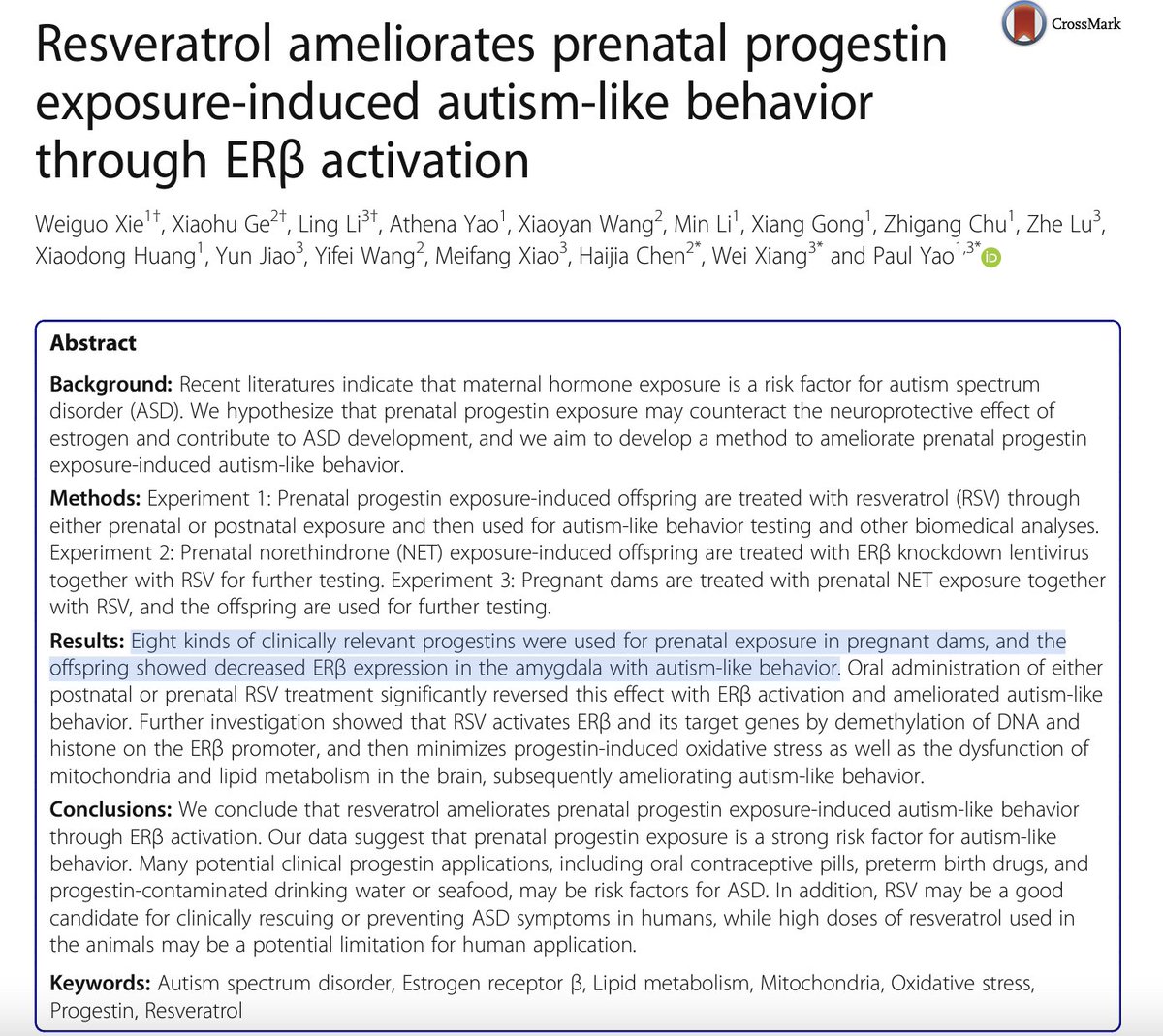
One such case is that of autism, where low progesterone has been an associated risk factor, and animal studies show autistic like behaviors when mothers are given synthetic progestins, but not progesterone.
One such case is that of autism, where low progesterone has been an associated risk factor, and animal studies show autistic like behaviors when mothers are given synthetic progestins, but not progesterone.
The differences between progesterone and synthetic progestin are apparent when looking at cancer.
Estrogen is known to be a proliferative agent that is highly implicated in various cancers, particularly breast cancer.
Several studies have shown that while progesterone inhibits this process, progestins actually potentiate it!
Estrogen is known to be a proliferative agent that is highly implicated in various cancers, particularly breast cancer.
Several studies have shown that while progesterone inhibits this process, progestins actually potentiate it!
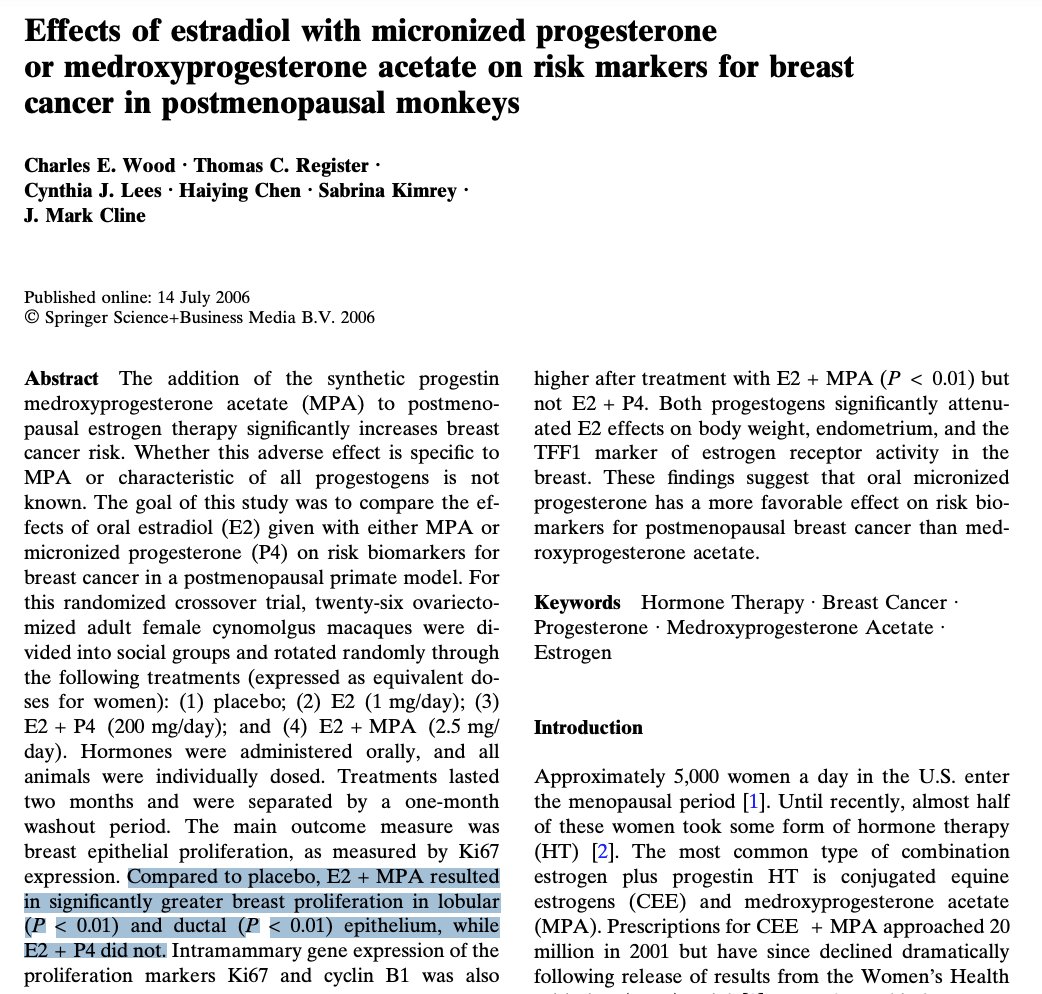
“the addition of synthetic progestins to estrogen in hormone replacement therapy INCREASES the breast cancer risk compared to estrogen alone… the addition of natural progesterone in cyclic regimens does not affect BC risk… the progestins … can potentiate the proliferative action of estrogens.”
In other words, progestins cause cancer, progesterone protects against it.
“A meta-analysis of 3 studies involving 86 881 postmenopausal women reported that the use of natural progesterone was associated with a significantly lower risk of breast cancer compared with synthetic progestins.”
“A meta-analysis of 3 studies involving 86 881 postmenopausal women reported that the use of natural progesterone was associated with a significantly lower risk of breast cancer compared with synthetic progestins.”
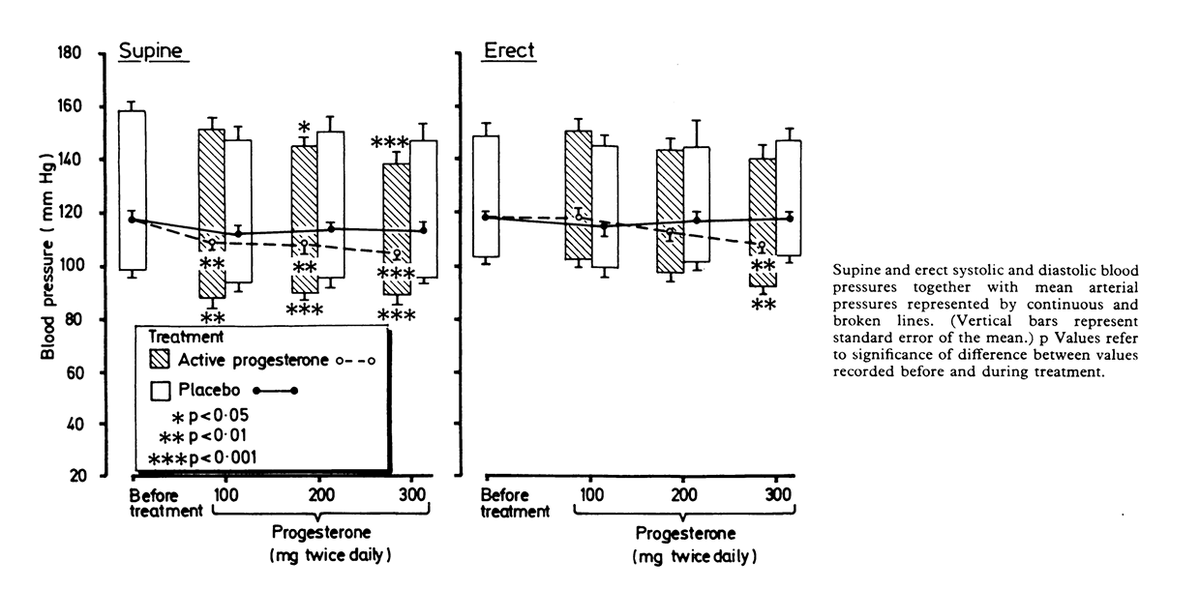
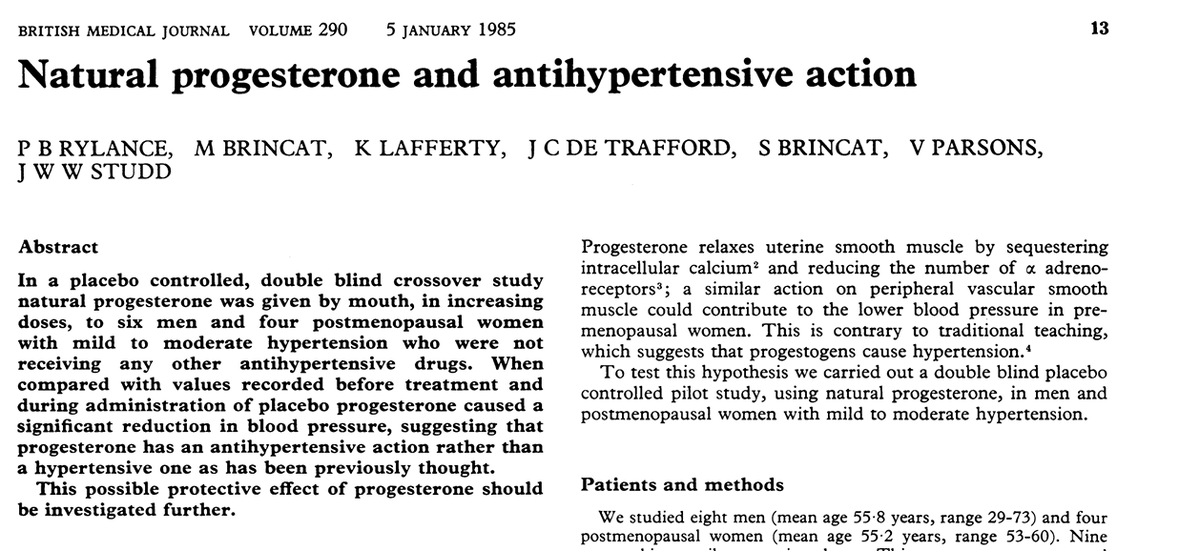
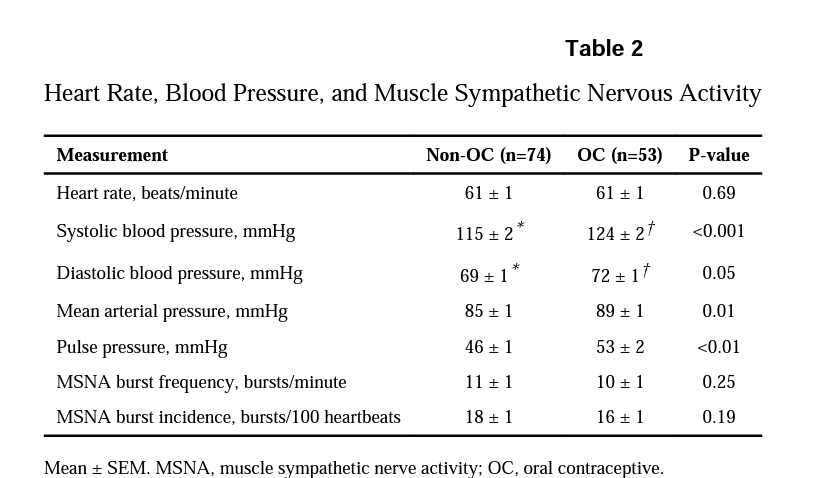
Due to their opposing effects on the stress systems, progesterone has been shown to have an anti-hypertensive effect, while synthetic progestins can increase blood pressure.
Stress is a primary contributor to insulin resistance, probably why glucose metabolism issues and weight gain are associated with hormonal birth control.
Stress is a primary contributor to insulin resistance, probably why glucose metabolism issues and weight gain are associated with hormonal birth control.
“Synthetic progestins caused endothelial disruption, accumulation of monocytes in the vessel wall, platelet activation and clot formation, which are early events in atherosclerosis, inflammation and thrombosis. Natural progesterone or estrogens did not show such toxicity.”
pubmed.ncbi.nlm.nih.gov
pubmed.ncbi.nlm.nih.gov
“Natural progesterone therapy also offers significant benefits compared with the use of synthetic progestins, including a better cardiovascular profile and less risk of venous thromboembolism—and neuroprotection—reduced damage from strokes and traumatic brain injury and stimulation of regeneration of nerve cells and myelin”
I've written at length about the health promoting and stress protective effects of pregnenolone, which is closely related to progesterone, and they overlap in several aspects:
It is clear that the synthetic progestins we are told are just like progesterone are anything but, despite those in the field routinely referring to them as equivalents. KNOW what you are putting in your body.
If you’ve been on a synthetic progestin, replenishing your bioidentical progesterone is going to be crucial to return to health: healthnatura.com
If you’ve been on a synthetic progestin, replenishing your bioidentical progesterone is going to be crucial to return to health: healthnatura.com
Loading suggestions...