

Let's talk about nuclear rockets!
They may be instrumental in colonising other worlds, but what are they, what are their challenges and are they safe?
Read on...
They may be instrumental in colonising other worlds, but what are they, what are their challenges and are they safe?
Read on...
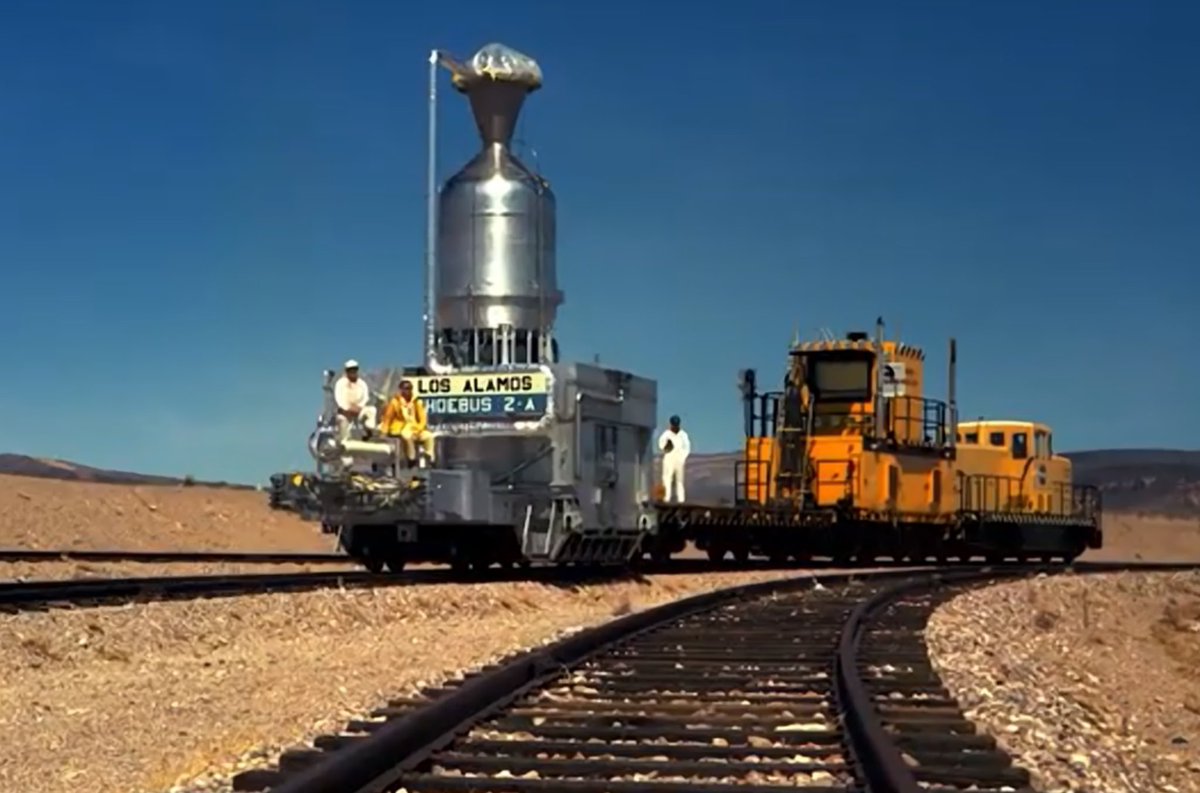
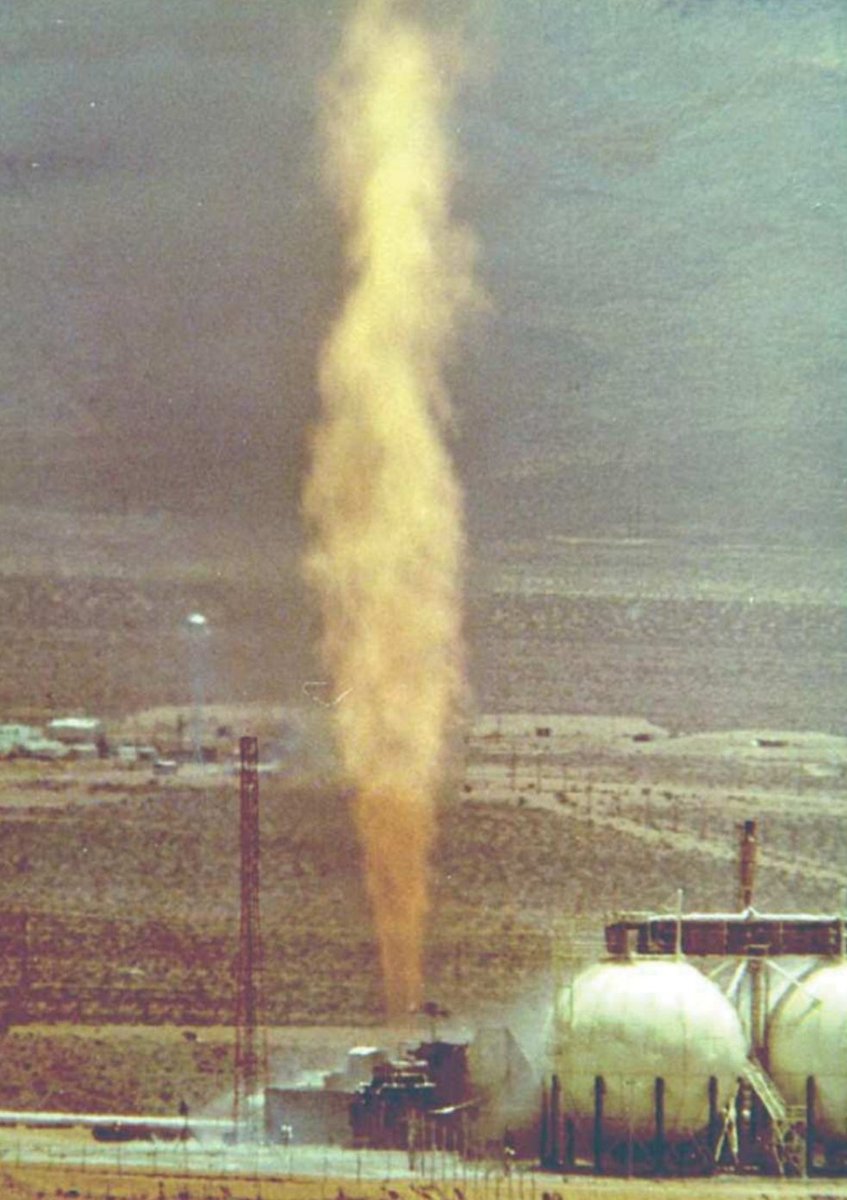
A towering flame hundreds of metres tall marked the test of Phoebus 2A, a 4GWth nuclear rocket in 1968.
Unlike a chemical rocket, which burns fuel & oxidiser, a nuclear thermal rocket superheats light molecule reaction mass (hydrogen/helium) with it's reactor directly.
Unlike a chemical rocket, which burns fuel & oxidiser, a nuclear thermal rocket superheats light molecule reaction mass (hydrogen/helium) with it's reactor directly.
Why?
Chemical rockets burning H2/O2 primarily produce water as reaction mass. Nuclear rockets use lighter hydrogen directly.
At a given temp, all gases have the same average kinetic energy, so low density small molecule gases like H2 sustain higher exhaust velocities.
Chemical rockets burning H2/O2 primarily produce water as reaction mass. Nuclear rockets use lighter hydrogen directly.
At a given temp, all gases have the same average kinetic energy, so low density small molecule gases like H2 sustain higher exhaust velocities.
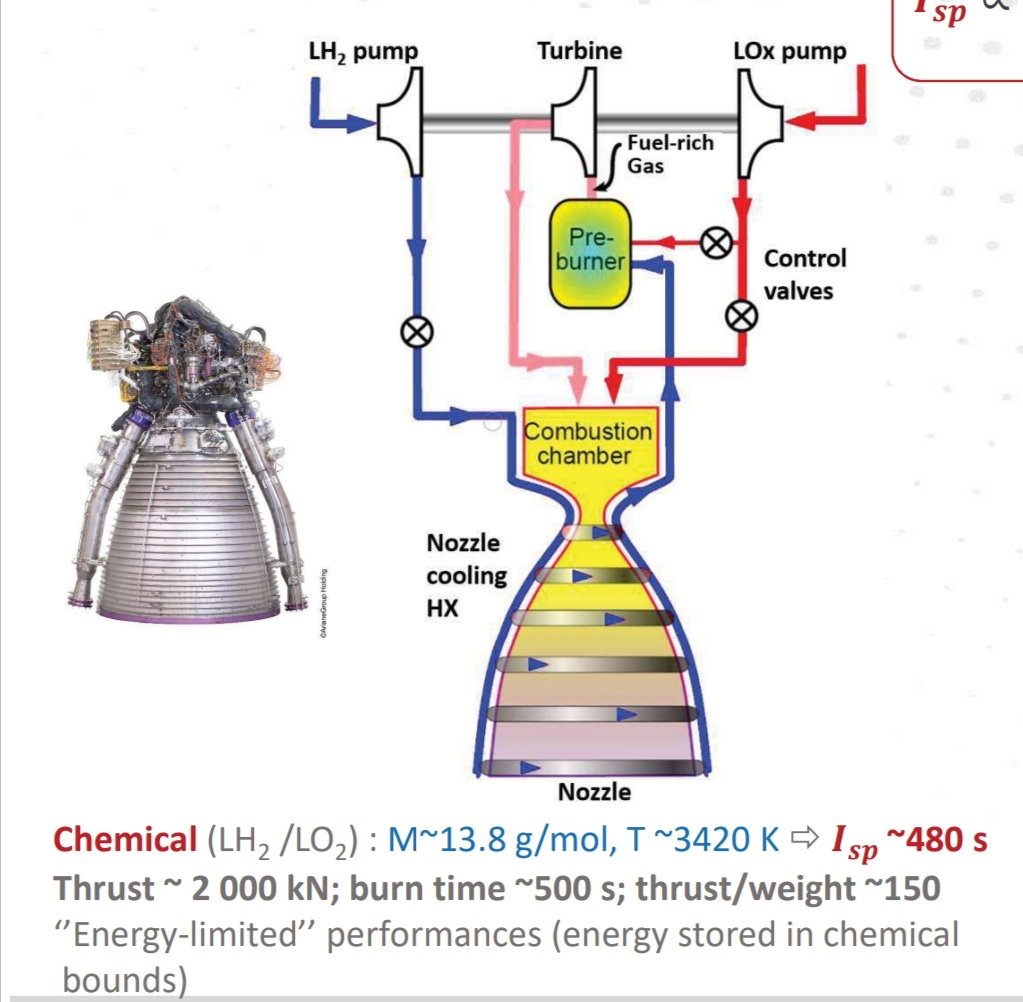
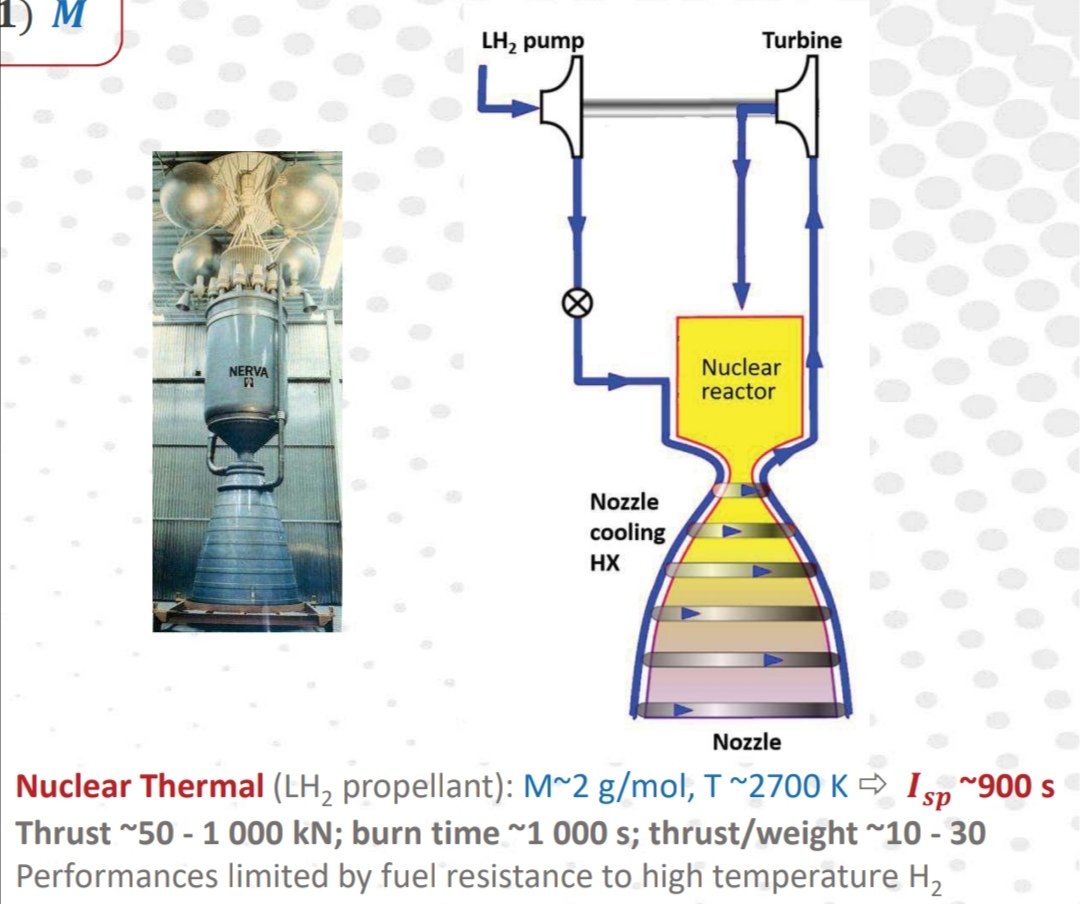
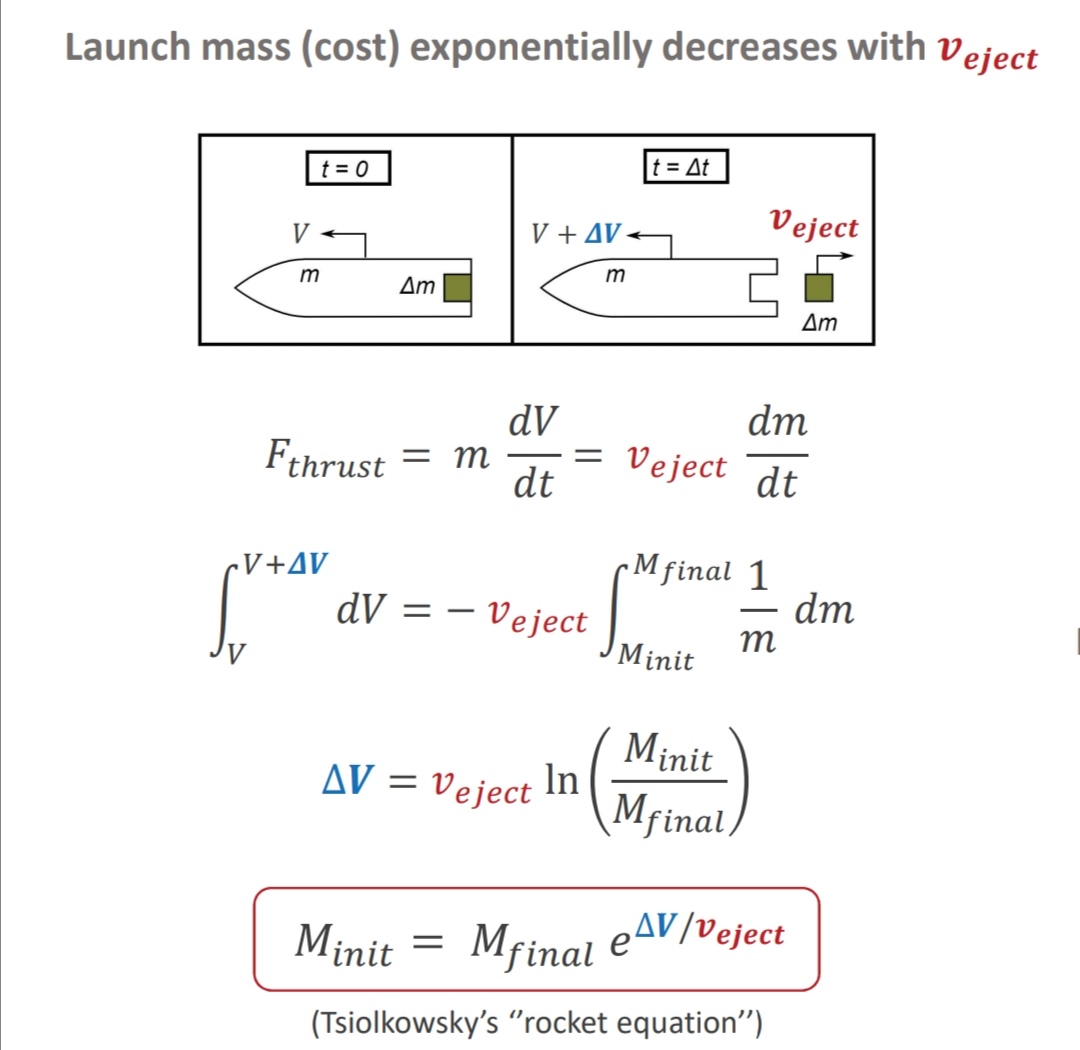
Higher exhaust velocities give higher specific impulse, which means less reaction mass to achieve a change in velocity for the rocket: The infamous Tsiolkowsky 'rocket equation'.
And this effect is logarithmic! This matters hugely when you need something big, like a trip to Mars
And this effect is logarithmic! This matters hugely when you need something big, like a trip to Mars
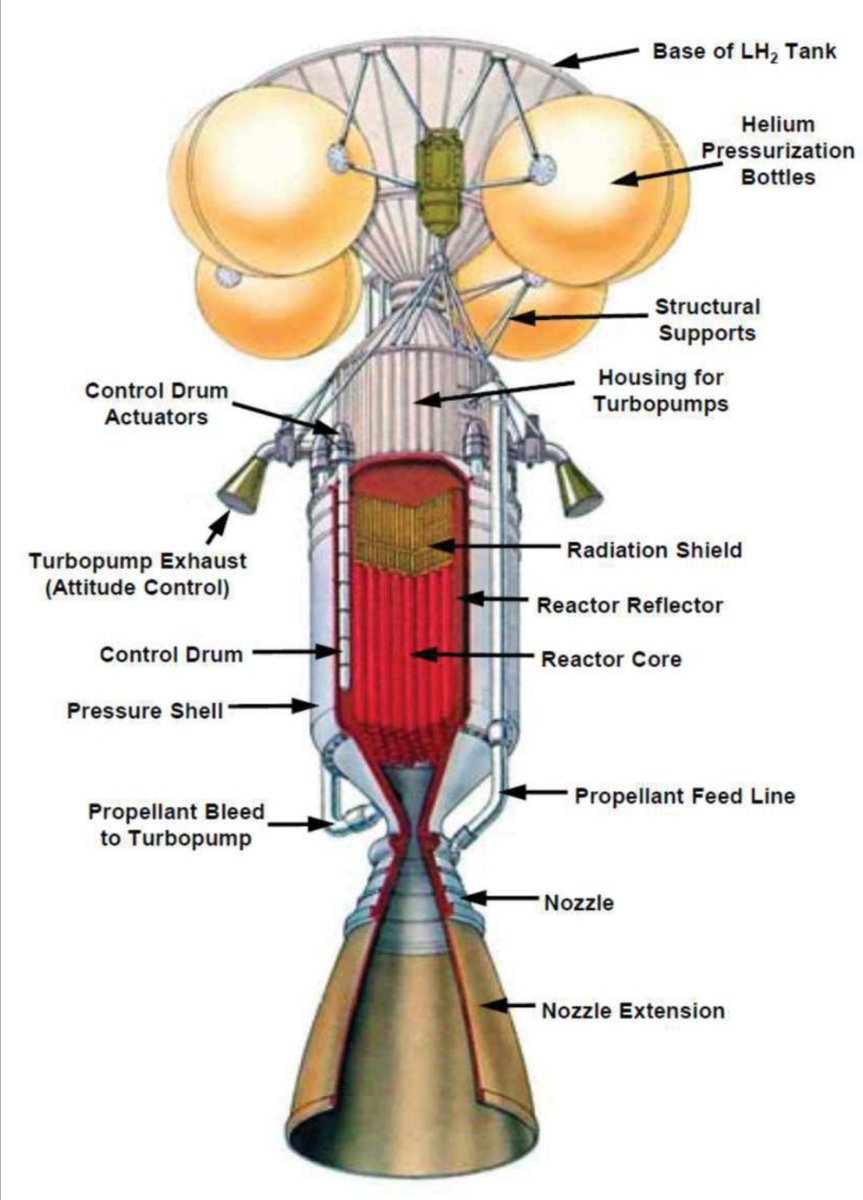
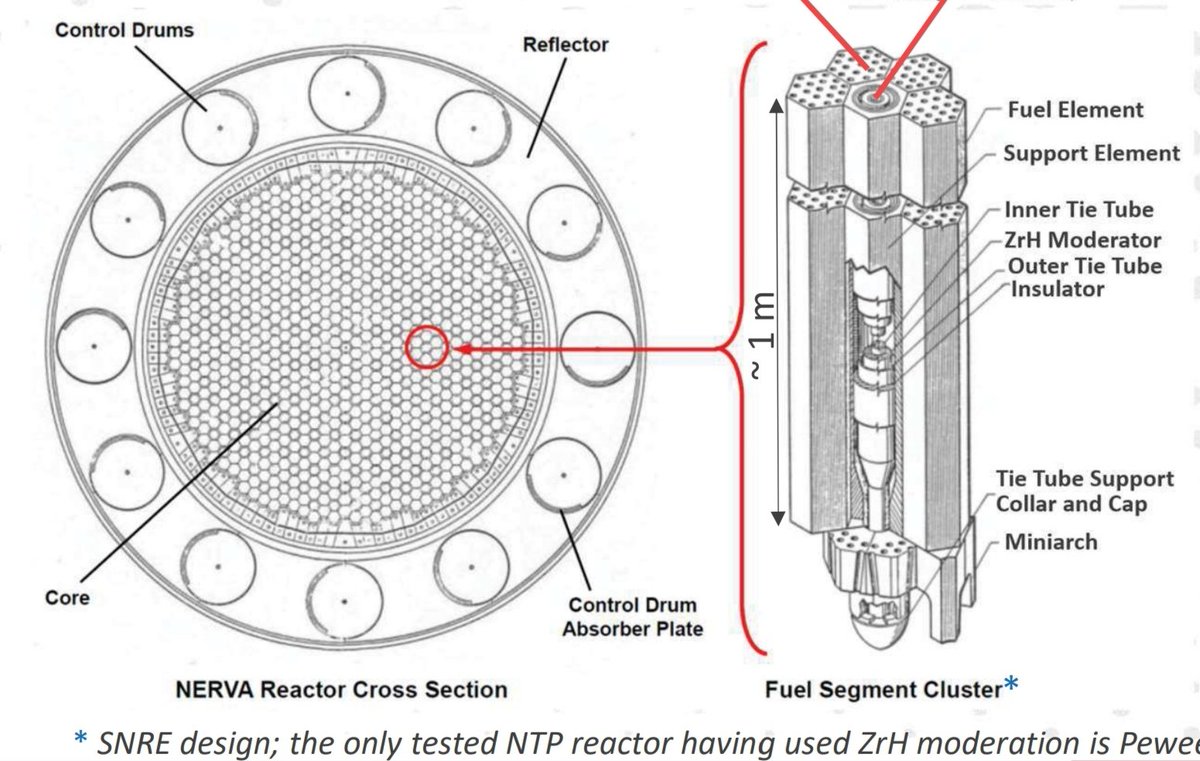
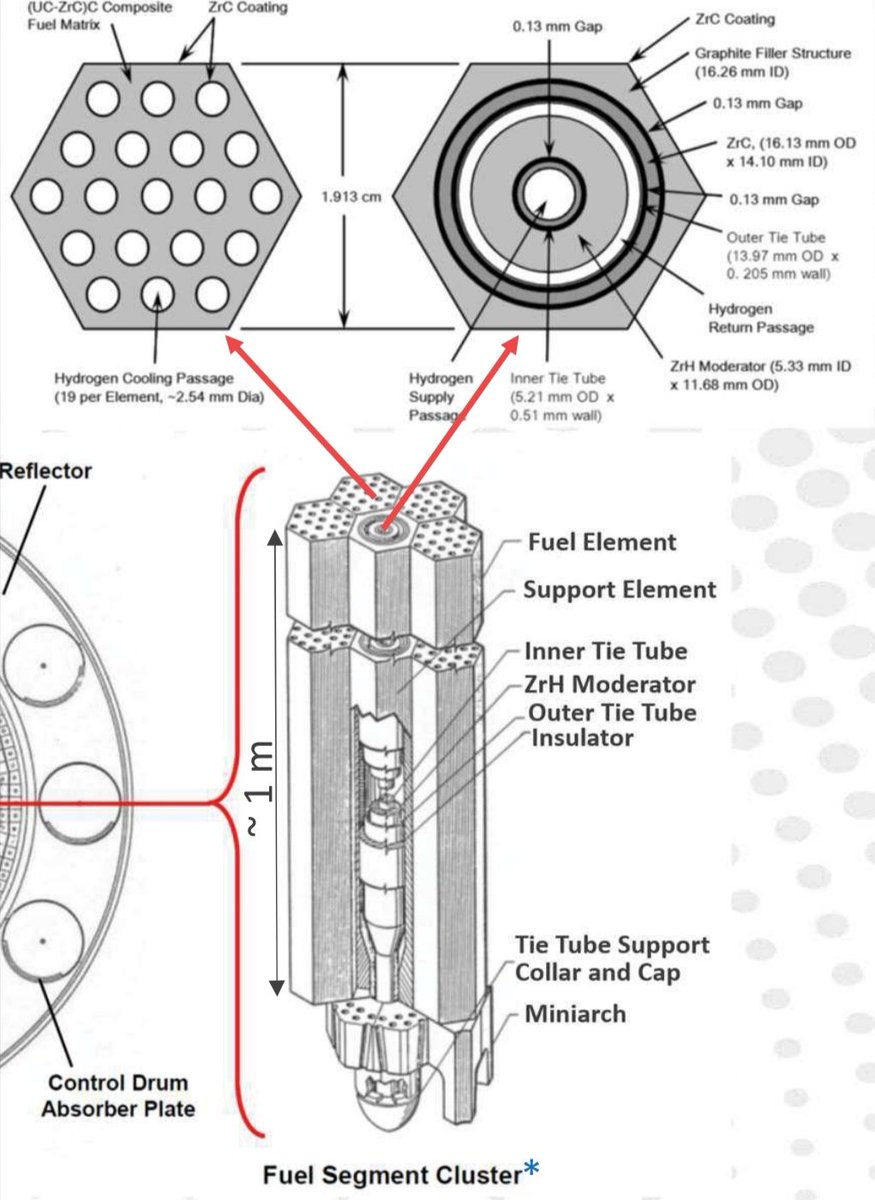
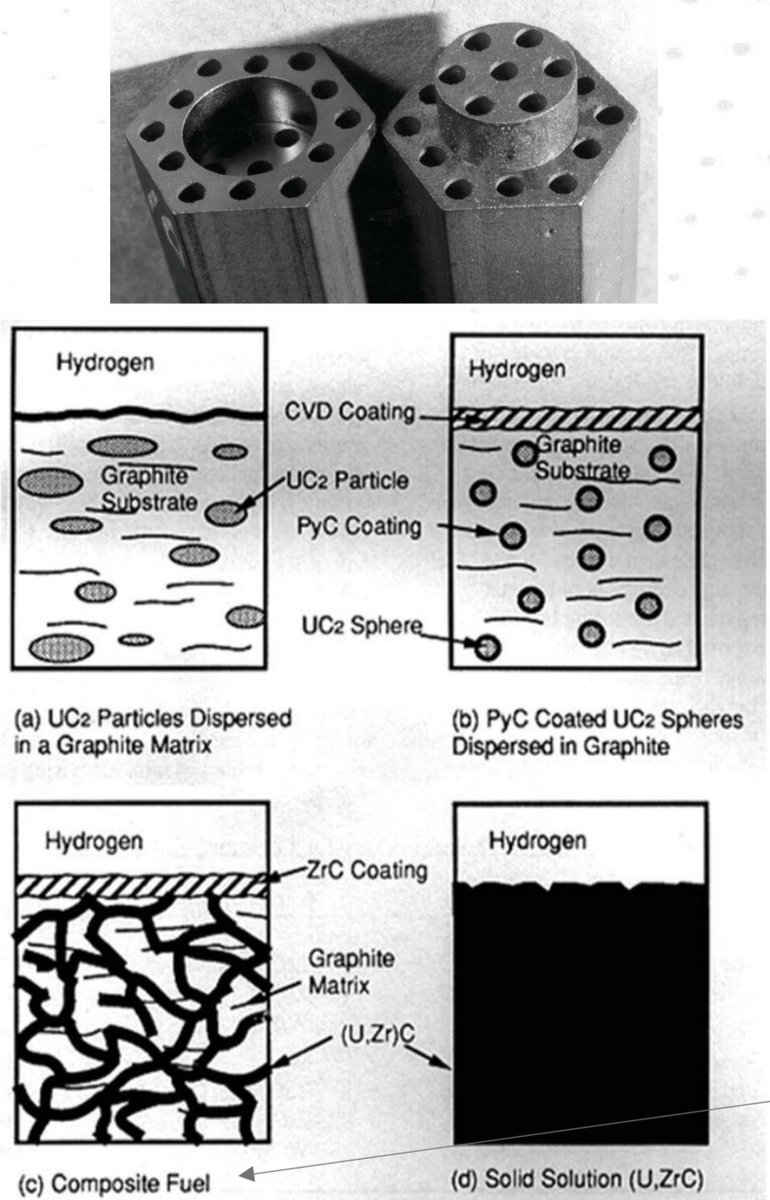
The US NERVA program used a hexagonal grid of ducted fuel & support elements: Hydrogen fed through the support element, cooled the nozzle, returned and made a final pass through the fuel elements, heating to 2550K.
Specific impulse of 838s was achieved: Twice chemical rockets!
Specific impulse of 838s was achieved: Twice chemical rockets!
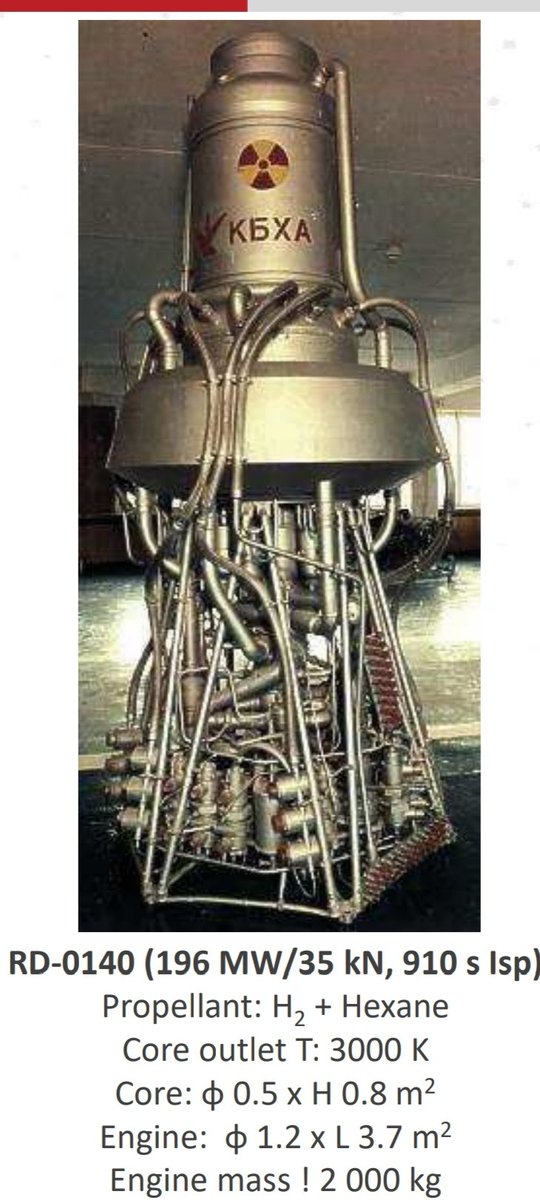
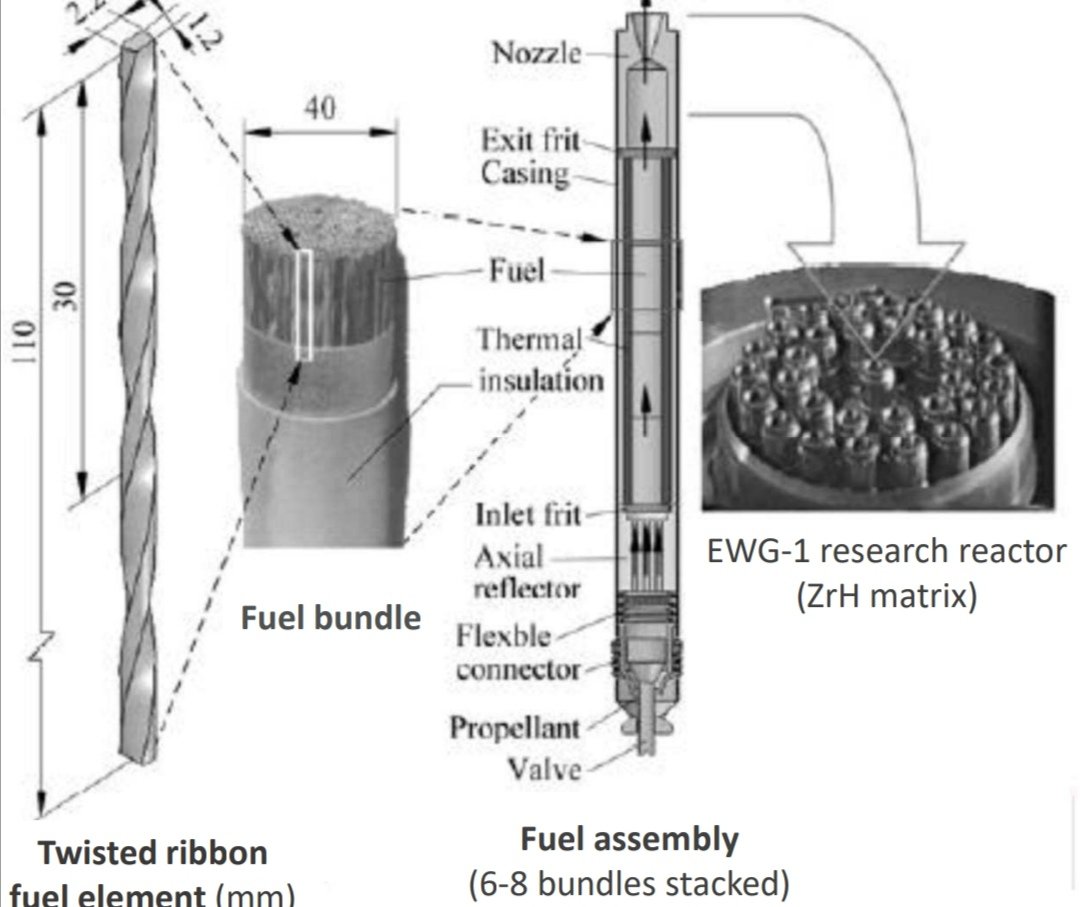
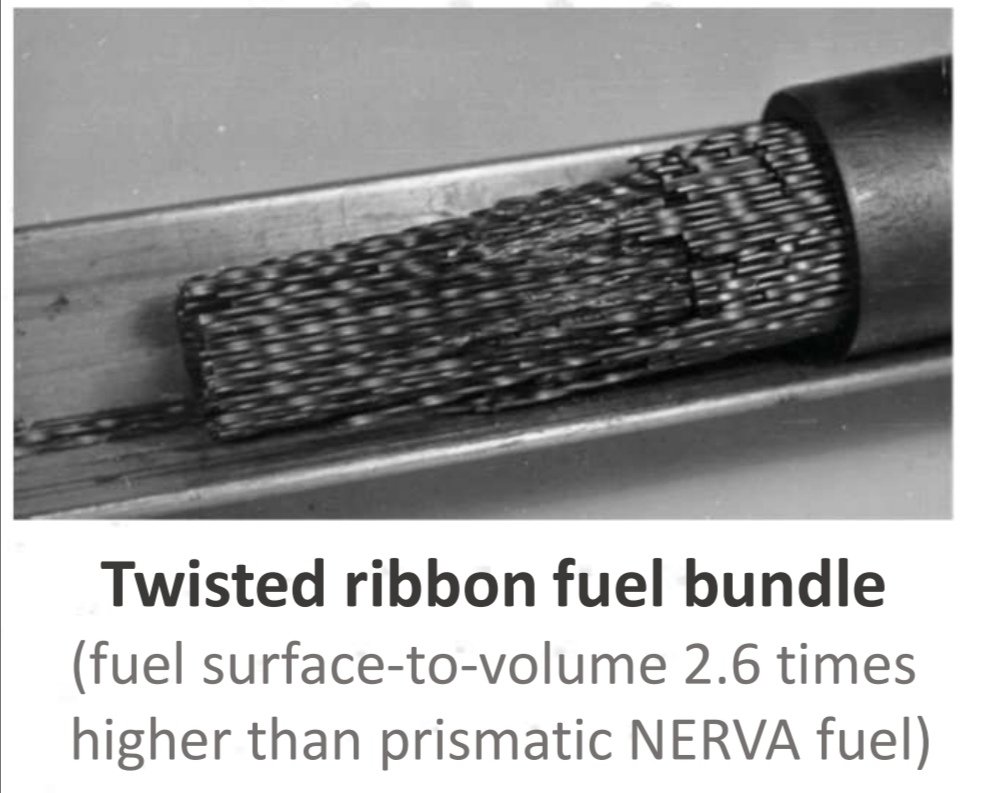
The Soviet equivalent was even stranger: Twisted ribbon fuel bundles gave more efficient heat transfer while axial fuel stacking allowed for fuel variation along the core length. Localisation of high temperatures in the fuel bundles allowed the rest of the core to run cooler.

With such rockets, many things become possible: For example, an Earth-Mars round trip transfer stage that's half the size of it's chemical rocket equivalent, due to lower fuel requirements.
If you're hauling something big, like a colony, that difference gets very large indeed.
If you're hauling something big, like a colony, that difference gets very large indeed.
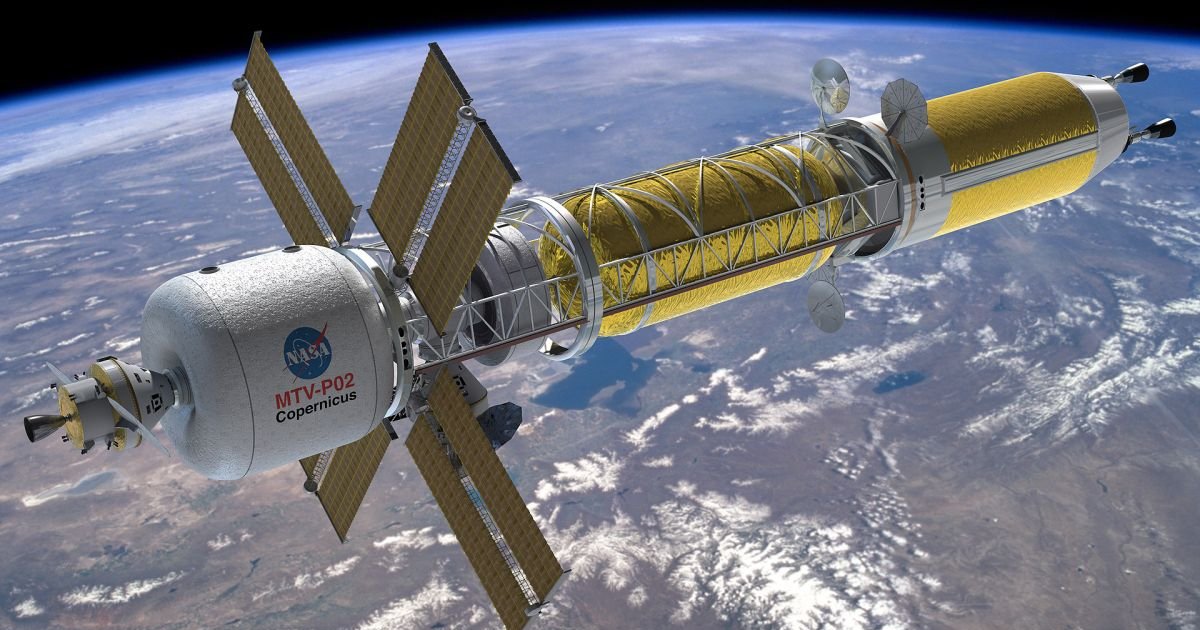
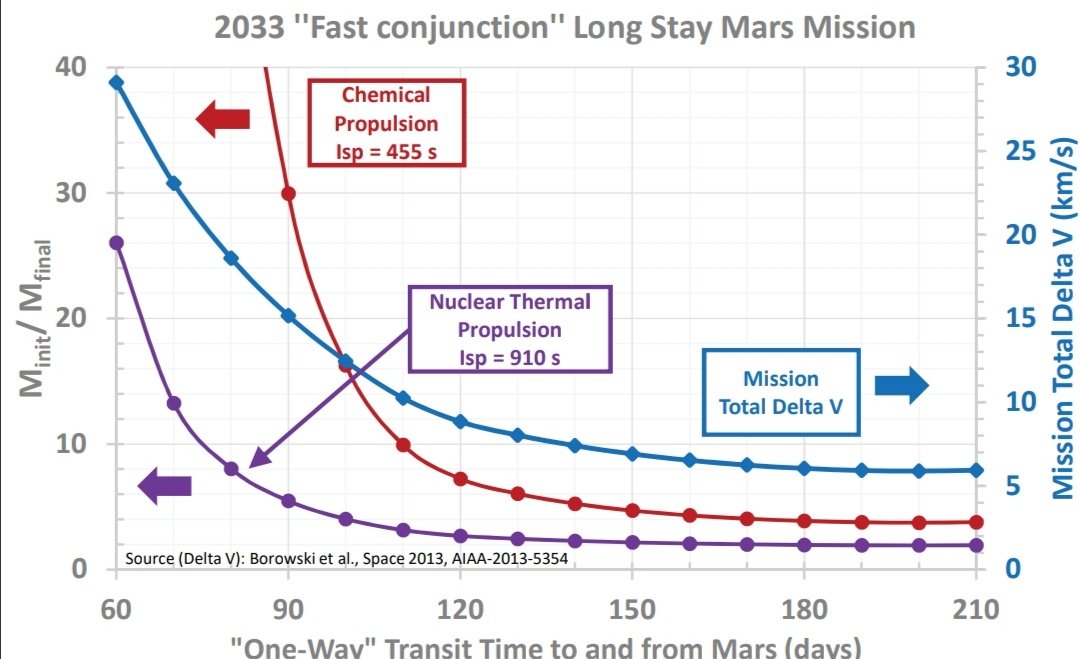
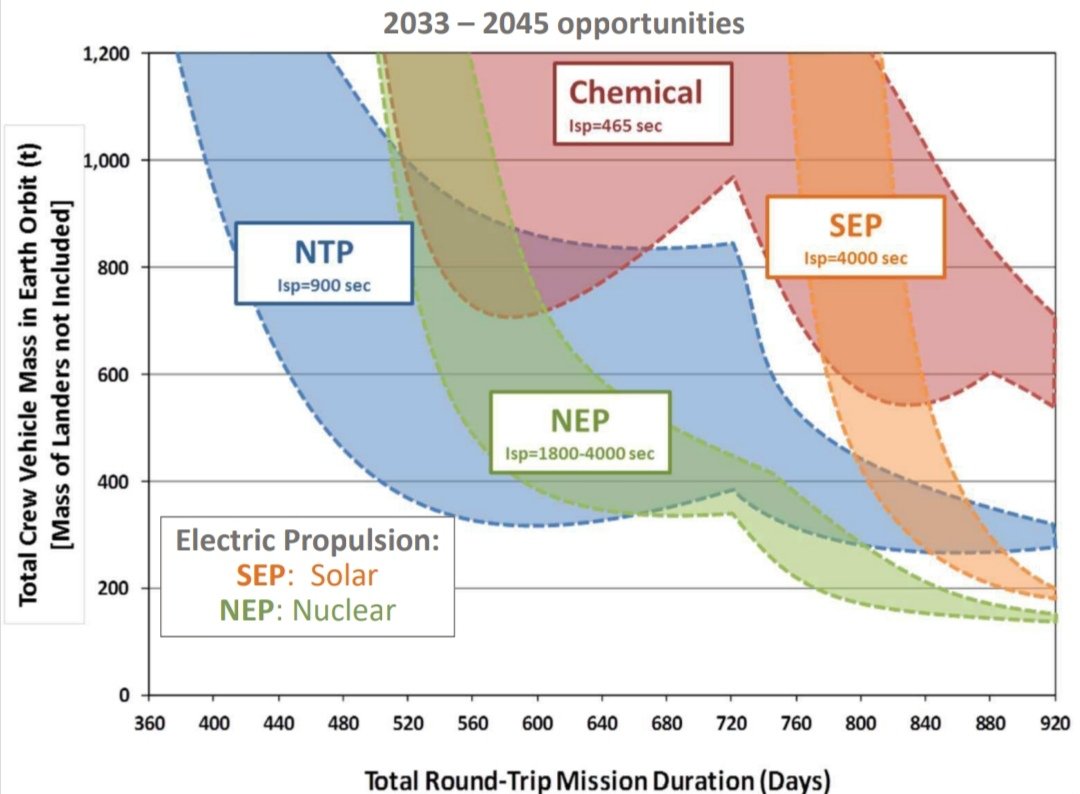
Or you could do the trip faster, and minimise the time in a high radiation microgravity environment. Charts are shown comparing nuclear thermal rockets (NTP) to chemical. Two ion thruster electric options are shown in a mission weight comparison chart as well.
But if they're so good, why aren't they everywhere?
For one, difficulties in testing: Things were different in the 60s, but today ground tests would involve capturing all exhaust and meeting all possible containment scenarios. Qualifying this may be harder than the NTR itself!
For one, difficulties in testing: Things were different in the 60s, but today ground tests would involve capturing all exhaust and meeting all possible containment scenarios. Qualifying this may be harder than the NTR itself!

Secondly, safety: NTRs are mature tested designs but still involve running a gas cooled reactor very close to meltdown temperature. Proving this is safe for long periods is a challenge: Remember a NERVA design can produce 1K/s of heating from product decay an hour after shutdown!
Thirdly, temperature: Chemical combustion reaches max temperatures away from the walls of the combustor (see aerospace combustion thread below) so it can run hotter. In an NTR, the fuel bundle itself is the hottest bit.
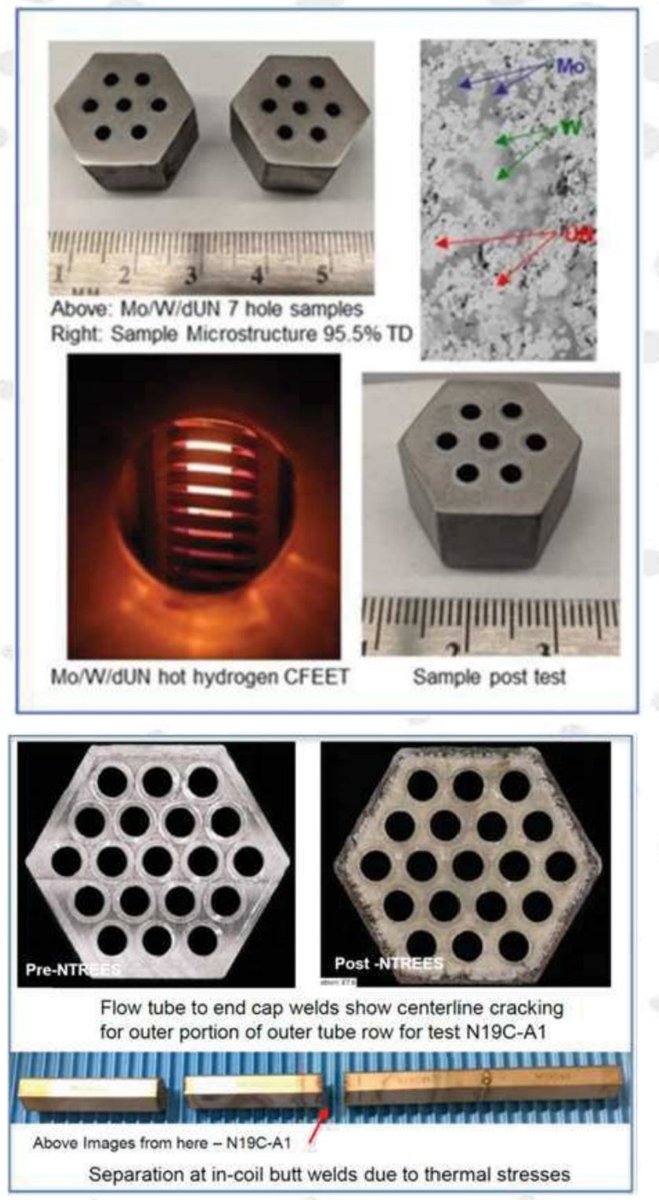
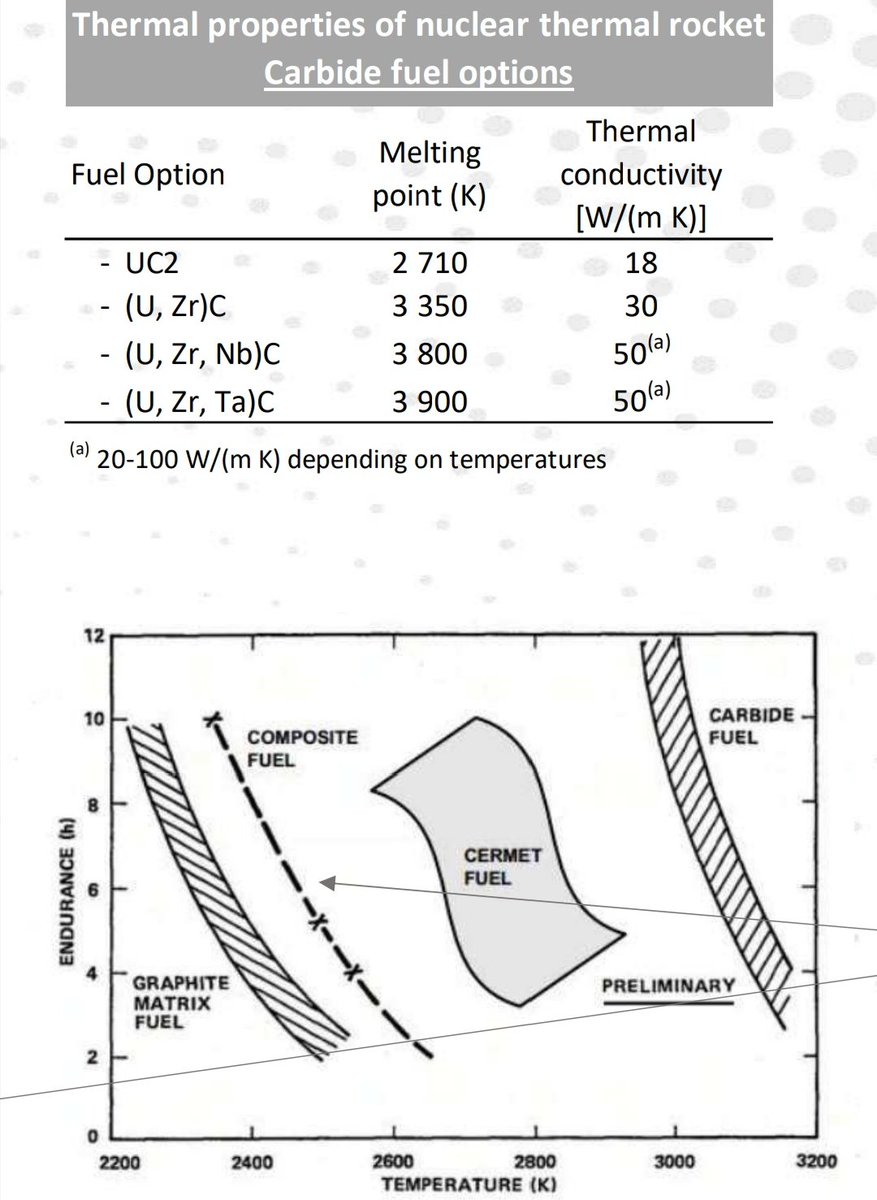
Fourth, materials: This has been well tested, but while carbide fuels can take higher temperatures, only some Cermet fuels have proven resistant to high temperature hydrogen corrosion/ embrittlement.
Fuel enrichment is a factor too: Low enrichment is safer at launch.
Fuel enrichment is a factor too: Low enrichment is safer at launch.
Finally, we may not need it: If Mars colony scenarios assume fuel refining on the planet, then the spectacular specific impulse advantages of NTRs may be unnecessary.
Perhaps when we mine the asteroids or fly to Jupiter, then?
Perhaps when we mine the asteroids or fly to Jupiter, then?
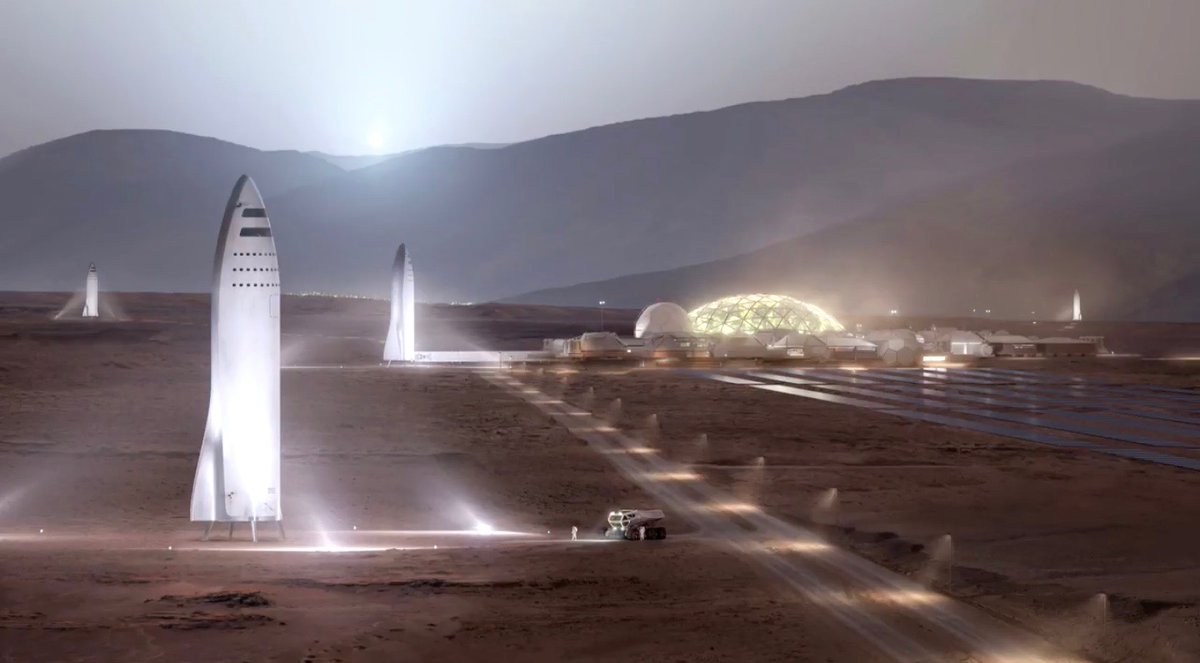
This topic can go on for a long time, and we still haven't discussed advanced concepts: Gas reactors, dusty plasma reactors and pulse engines. Another time, another thread.
The image shows the free downloadable lecture series on HAL. I hope you enjoyed this!
The image shows the free downloadable lecture series on HAL. I hope you enjoyed this!

Loading suggestions...