

"Hybrid Formations: Blending Tactics for Versatile Play."
Ever wondered how top teams seamlessly switch between styles during a match? Hybrid formations hold the key.
These tactical hybrids combine the best of different strategies,creating a versatile playbook for any situation
Ever wondered how top teams seamlessly switch between styles during a match? Hybrid formations hold the key.
These tactical hybrids combine the best of different strategies,creating a versatile playbook for any situation
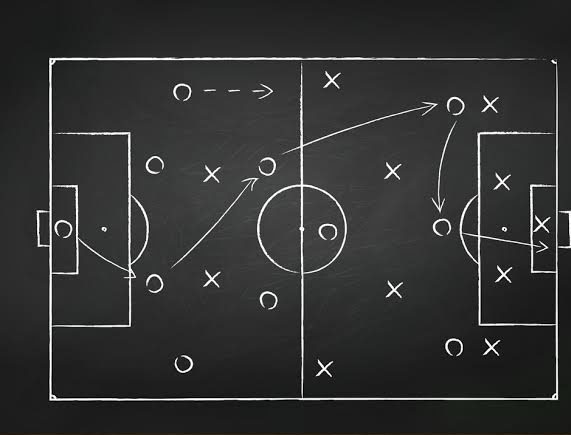
Adapting on the Fly 🔄
One moment, it's a compact defense; the next, it's a fluid attacking force.
Hybrid formations enable teams to adapt swiftly, catching opponents off guard.
Whether it's possession from 4-3-3 or pressing from 4-2-3-1, the fusion offers tactical surprises.
One moment, it's a compact defense; the next, it's a fluid attacking force.
Hybrid formations enable teams to adapt swiftly, catching opponents off guard.
Whether it's possession from 4-3-3 or pressing from 4-2-3-1, the fusion offers tactical surprises.
Player Versatility 🔄
In hybrid formations, player roles shift dynamically. Midfielders become playmakers, wingers transform into wide forwards.
Versatility is key; players must excel in multiple positions, enhancing the team's adaptability and tactical depth.
In hybrid formations, player roles shift dynamically. Midfielders become playmakers, wingers transform into wide forwards.
Versatility is key; players must excel in multiple positions, enhancing the team's adaptability and tactical depth.
Cohesion and Communication 🔄
Smooth transitions require seamless communication. Players must understand when to press, when to hold, and when to attack.
Cohesion breeds unpredictability, making it challenging for opponents to decipher the team's game plan.
Smooth transitions require seamless communication. Players must understand when to press, when to hold, and when to attack.
Cohesion breeds unpredictability, making it challenging for opponents to decipher the team's game plan.
Strategic Edge 🔄
Why settle for one tactic when you can have many?
Hybrid formations provide a strategic edge, confounding opponents and maximizing a team's strengths.
Embracing the fusion of styles, teams craft a unique identity, ready to face any challenge.
Why settle for one tactic when you can have many?
Hybrid formations provide a strategic edge, confounding opponents and maximizing a team's strengths.
Embracing the fusion of styles, teams craft a unique identity, ready to face any challenge.
Loading suggestions...