
Containers are (just) Linux processes.
A helpful approximation to "get it." But at some point it might start limiting one’s understanding of the tech, hence the abilities.

Another good approximation. Helps to see the problem from a slightly different angle. But the thing is that some containers are actually VMs (Kata Containers, for example).

Not quite. Containers (via images) solved app packaging and distribution problems. Containers also improved portability - running a container is (almost) the same on Linux, Windows, and macOS now. But an app is bigger than a container.
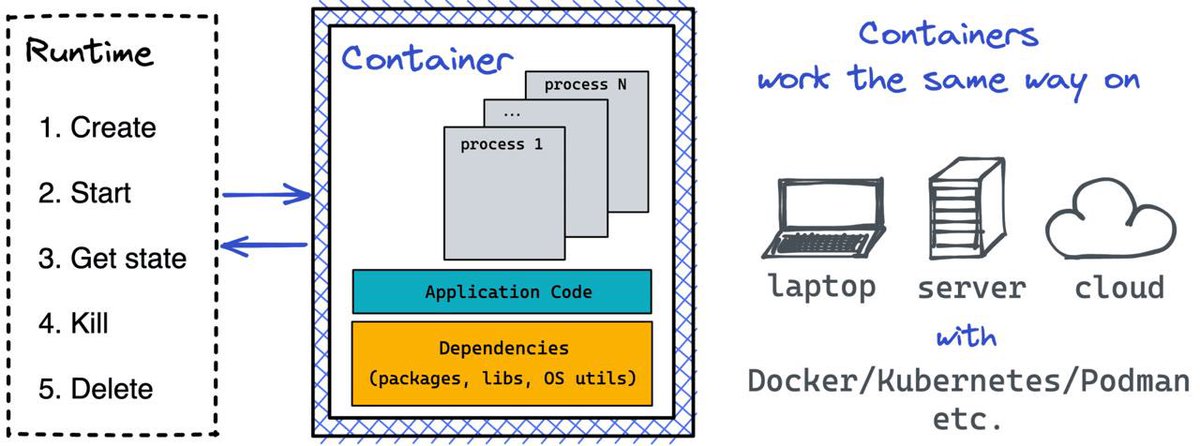

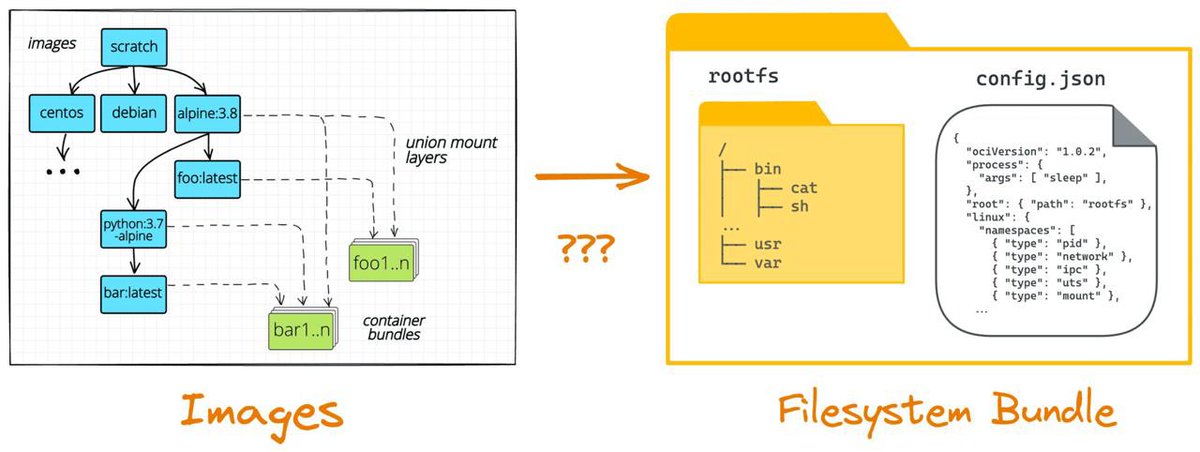
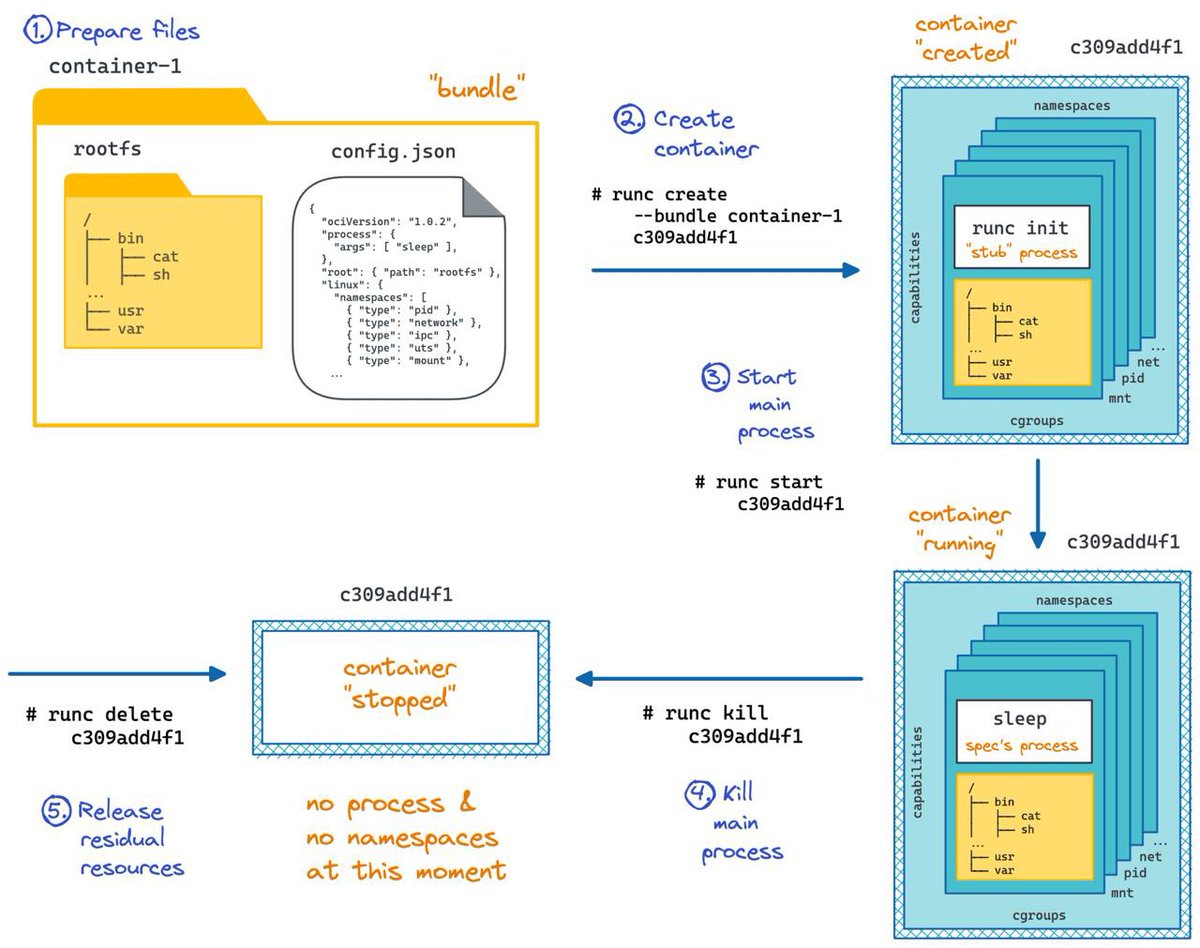
For some reason, it didn’t become the industry standard (unlike the Docker-shaped) containers. The standard multi-server runtime is Kubernetes now.
A (typical) Pod is a group of semi-fuzed Linux containers.
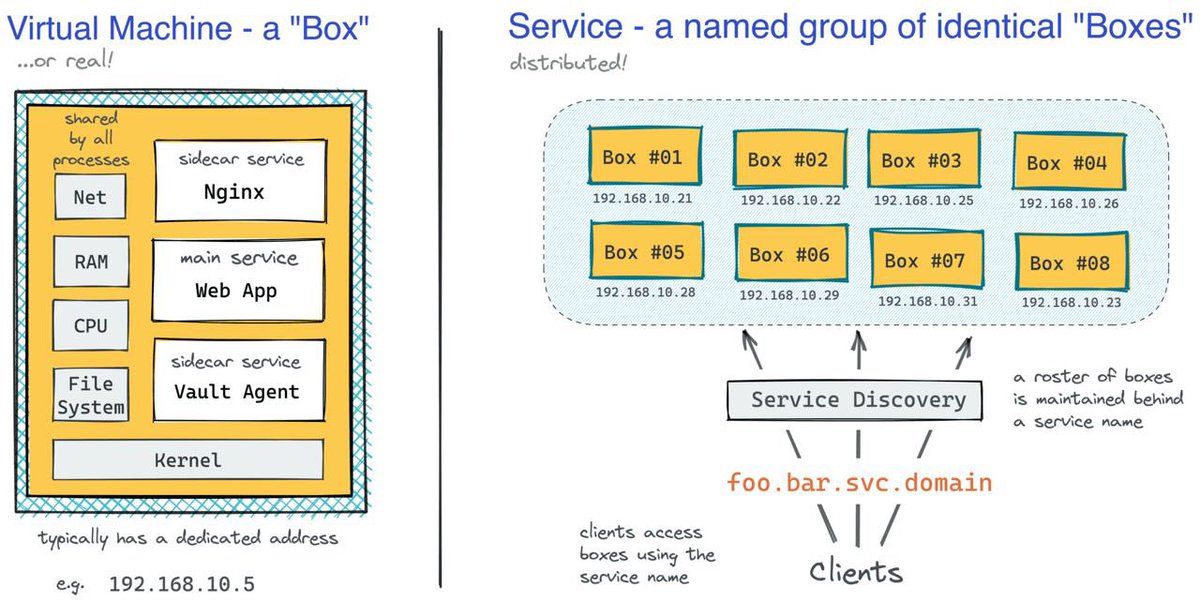
A Pod is a much closer abstraction to a VM than a single container. But again, the implementation of Pods can vary between container runtimes.

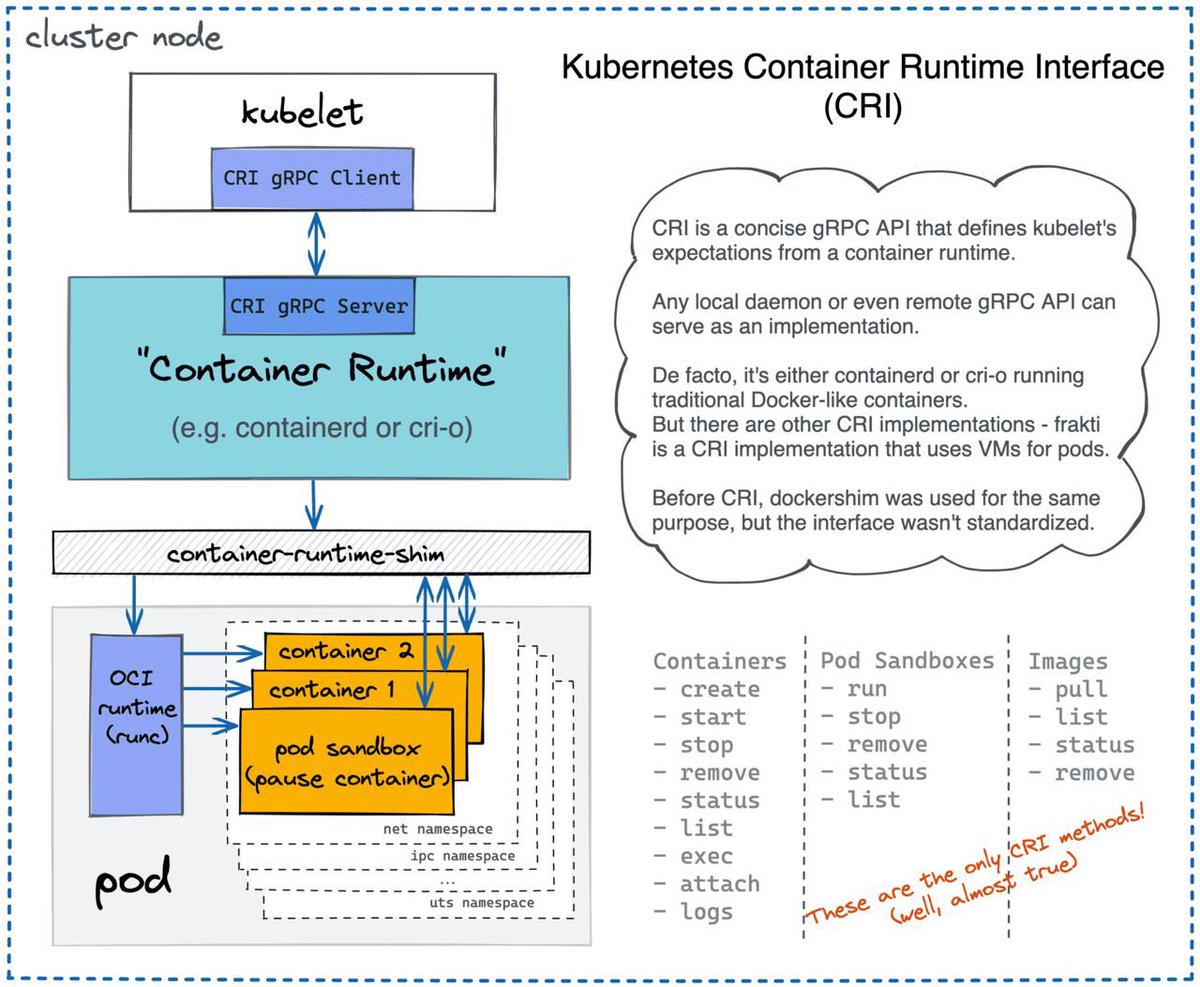
A group of Nodes is called a Cluster.
From the app developer’s standpoint, Kubernetes is serverless.
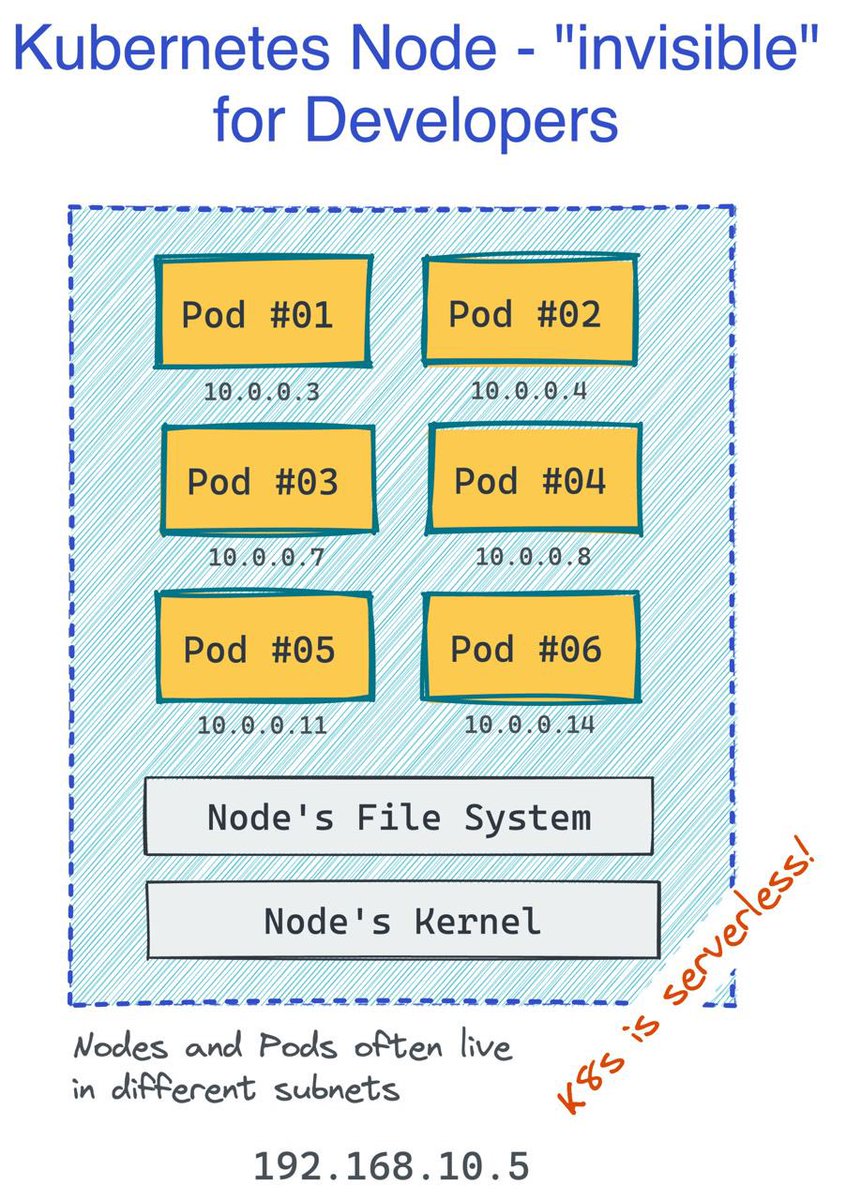
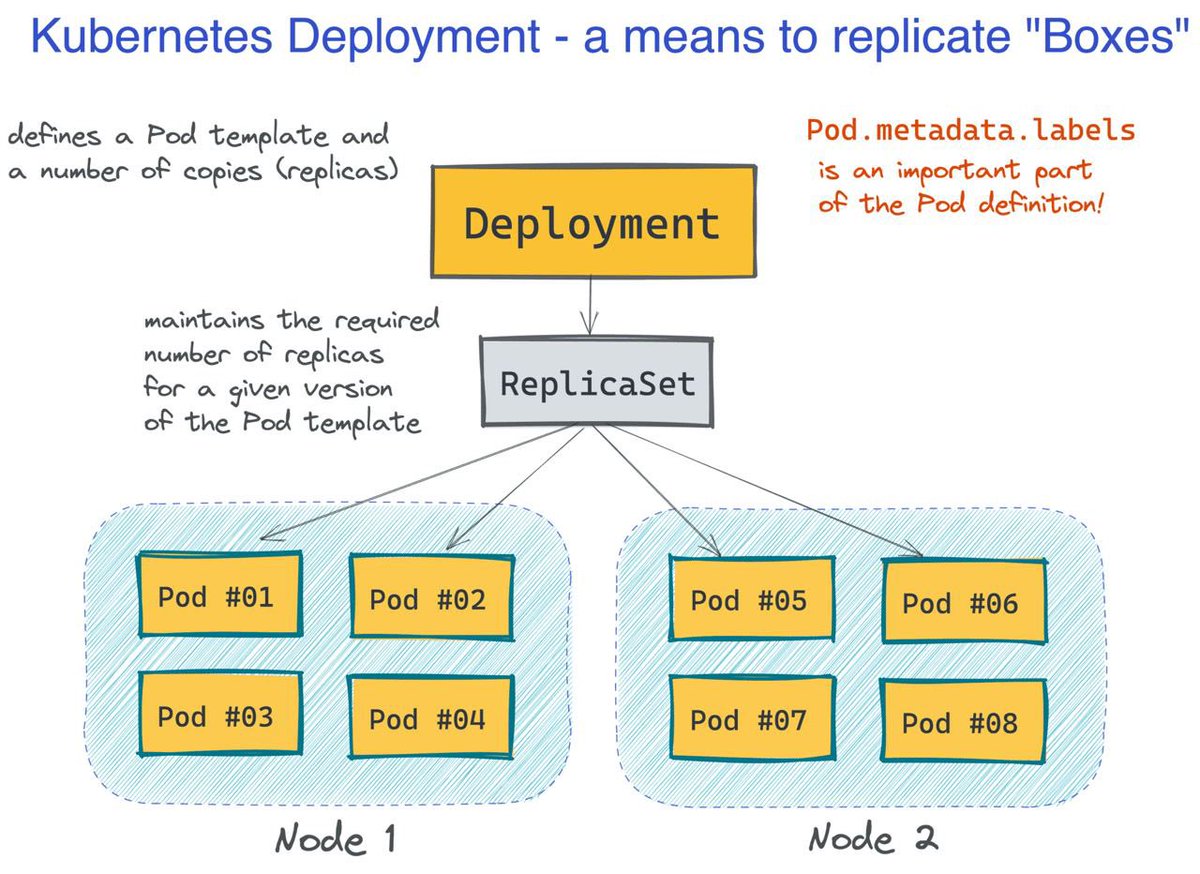
Pods are replicated and distributed over the Nodes via Deployments.
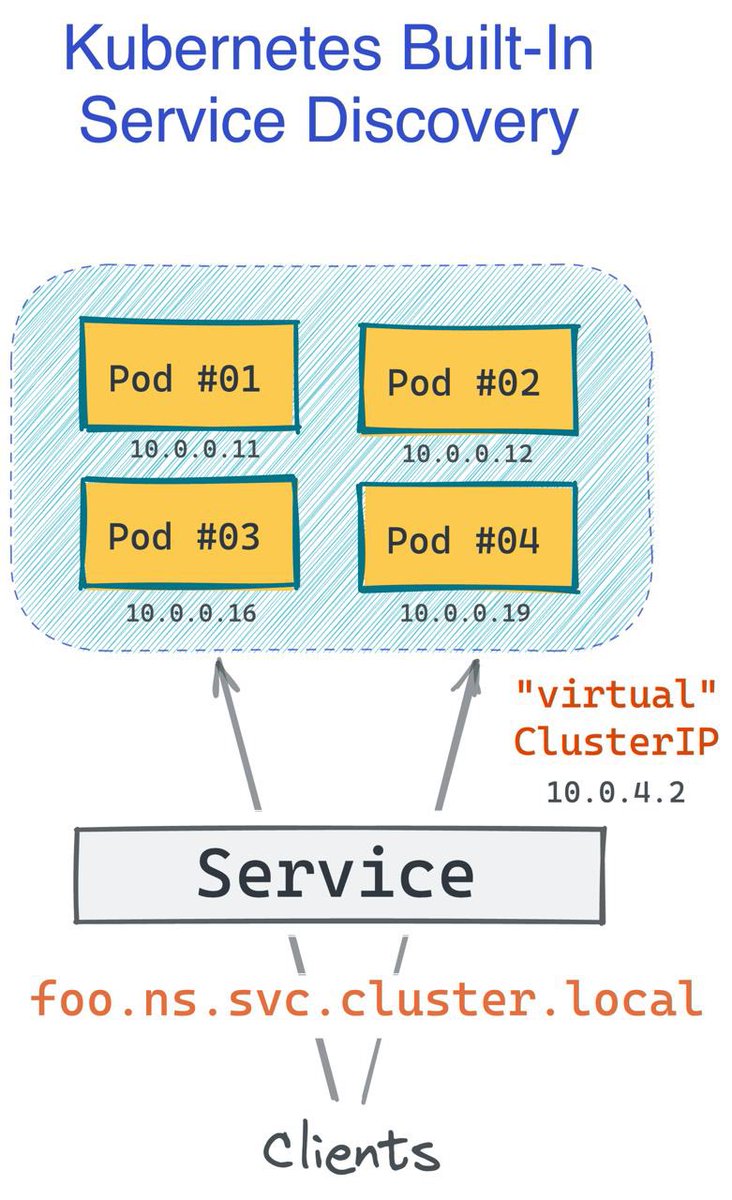
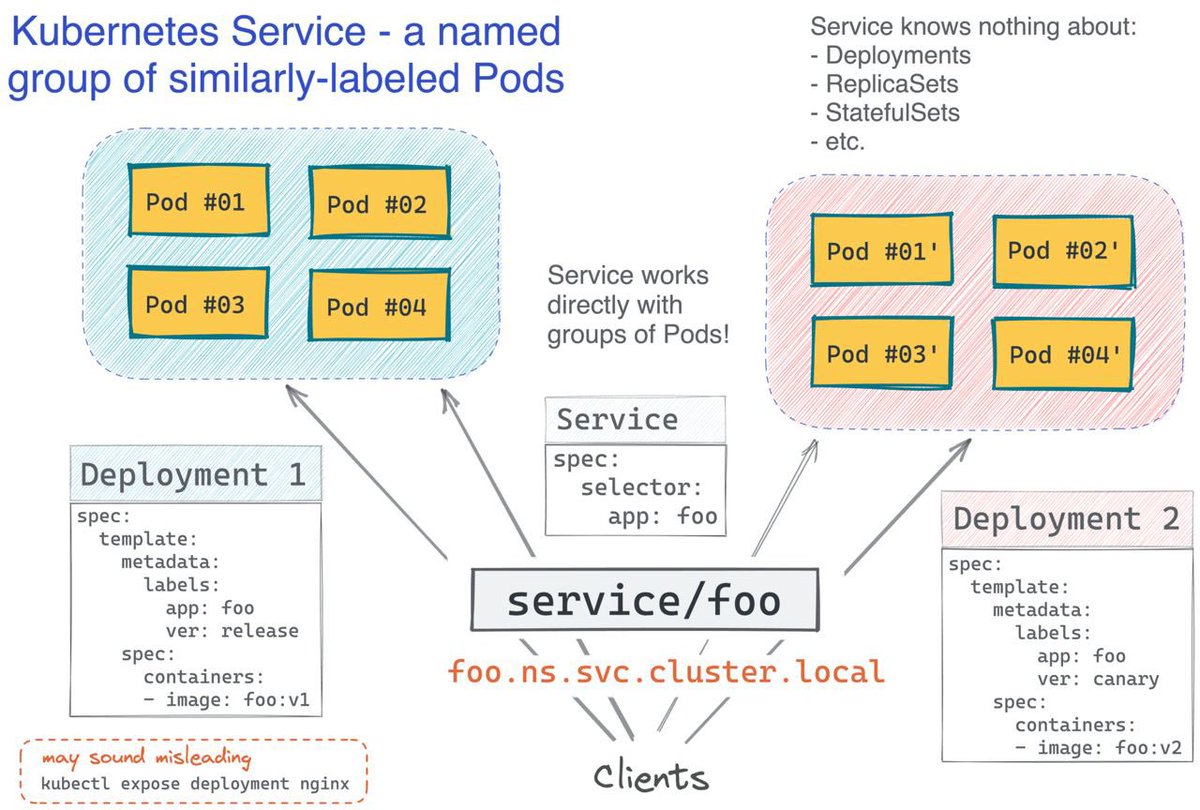
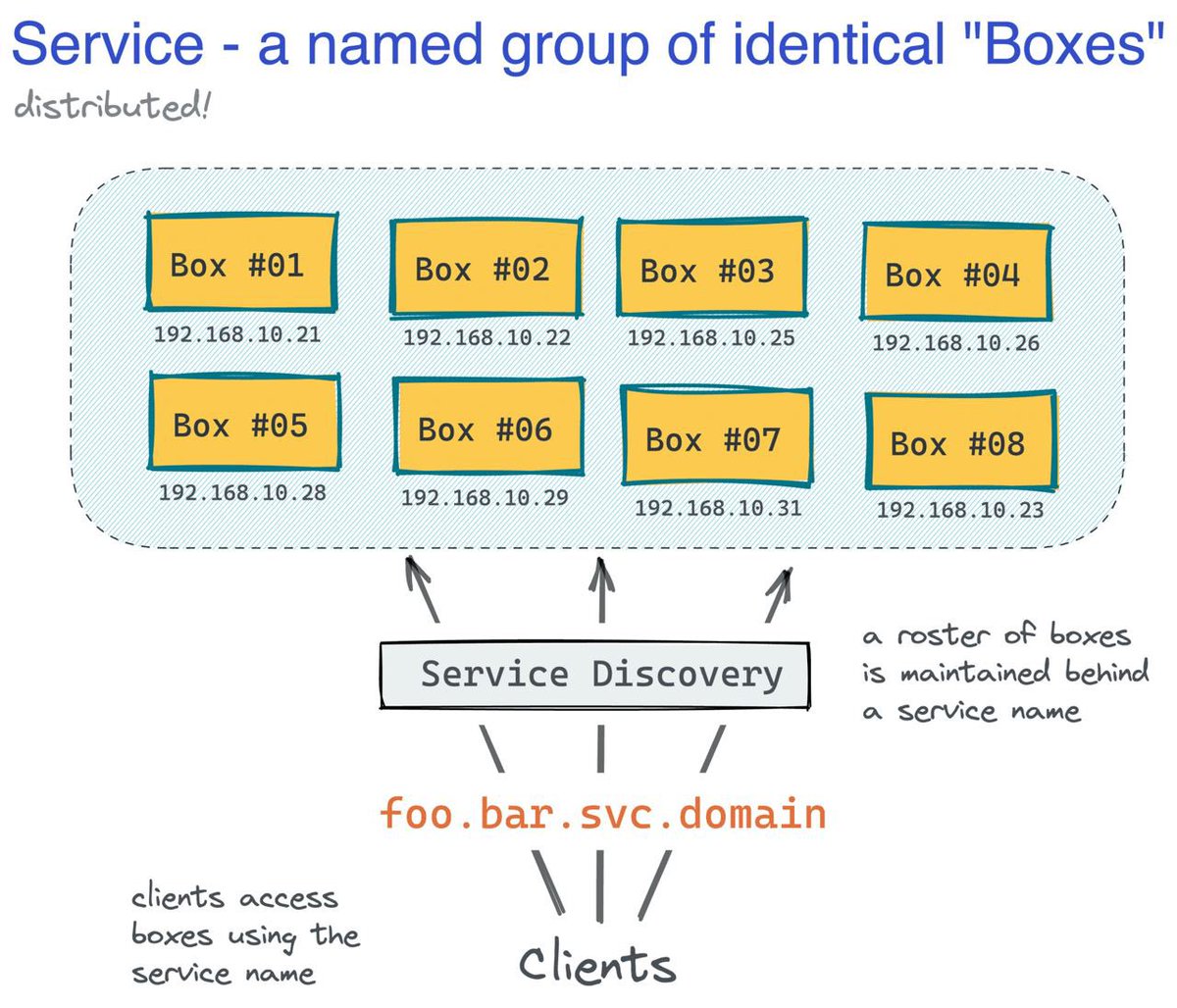
It’s still a bunch of IP-addressable instances, each running the main app and potentially a few helper processes (sidecars).
More from this author
Grasping Kubernetes Networking (Mega Thread) - What is Kubernetes Service? - When to use ClusterIP, NodePort, or LoadBalancer? - How does multi-clust...
Computer Networking in Layman's Terms (thread) L2 - Ethernet L3 - IP L4 - TCP L7 - HTTP Lots of server-side folks are fluent with L4/L7 concepts. Bu...
iptables - a userspace program to configure IP packets filtration and modification rules. It's a dated but still widely used tool: - Linux firewall...
Debunking Container Myths 🧵 A (never-ending) series of articles that I started writing a couple of years ago to fix my own misconceptions about conta...
Recent Threads
SA DULO, MAGTATAGPO. — a filo #taekookau a taekook au wherein taehyung is a famous vlogger who offered a stranger to do the 24 hours jowa challenge w...

I’m not allowed in social situations without supervision anymore https://t.co/qRXclKZQAi

yejisu au | fundamentals of me and you. where yeji was forced to face her past after yuna got her hired as a secretary to a CEO. the CEO? the same...

🚨Rollercoaster NIGHTMARE 8 students dangling 100ft on a stuck Galveston TX roller coaster! … Vertical track failure left them hanging for hours. Fi...

Green flags in friendships that are highly underrated:

otts 617 https://t.co/XpYfeE08YM

Popular Threads
DON'T ARGUE WITH DONKEYS (Fable) The donkey said to the tiger: - "The grass is blue". The tiger replied: - "No, the grass is green." The discussion...

Top-40 Footballers with Most Goal Contributions (Goals + Assists) in history. [ A MEGA THREAD ] https://t.co/gAb3QcqdYQ

ICT’s 2022 Mentorship Summarized: https://t.co/zFJCgIfDAR

Top 20 Players with the most goals + assists in football history, only players with assists available (following the Opta criteria for assists) Seaso...

Here's 40 TikTok hooks that could make you go viral. (Not in any particular order) //THREAD//

Winning the Chevening Scholarship + 12 Strong Samples of the Chevening Essay There are four important Essays on the Chevening Scholarship application...