

Defensive Overloads: The Art of Stifling Opponents 🔒
Defensive overloads are the tactical weapon of organized teams. By concentrating defenders in specific areas, teams can suffocate opponents' attacks and regain possession swiftly.
A quick overview of its strategies;
Defensive overloads are the tactical weapon of organized teams. By concentrating defenders in specific areas, teams can suffocate opponents' attacks and regain possession swiftly.
A quick overview of its strategies;
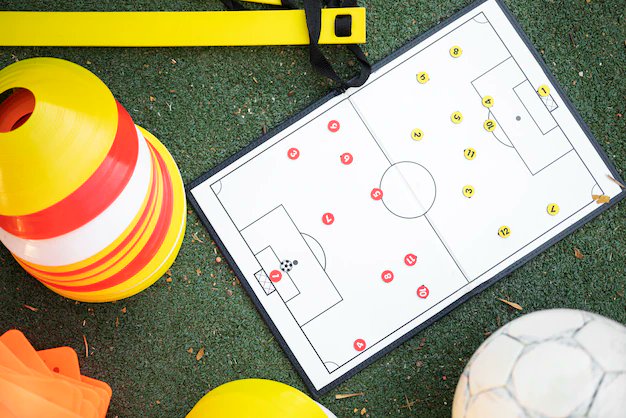
- Numbers Game: Defensive Density 🛡️
Overloading a specific area with defenders creates a numerical advantage.
By crowding spaces, opponents find it hard to find passing lanes or make successful dribbles. Defensive density forces errors, leading to interceptions and turnovers
Overloading a specific area with defenders creates a numerical advantage.
By crowding spaces, opponents find it hard to find passing lanes or make successful dribbles. Defensive density forces errors, leading to interceptions and turnovers
- Pressing Triggers and Timing ⏱️
Knowing when to trigger a defensive overload is crucial.
Teams often overload when the opponent's attacking options are limited, forcing them towards the sidelines or congested areas.
Timing the overload right can lead to quick counterattacks.
Knowing when to trigger a defensive overload is crucial.
Teams often overload when the opponent's attacking options are limited, forcing them towards the sidelines or congested areas.
Timing the overload right can lead to quick counterattacks.
Choking the Play: Cutting Passing Routes🛑
Overloaded areas disrupt passing lanes, forcing opponents to play riskier balls or make hurried decisions.
By anticipating passes and closing down options, defenders limit attackers' choices, increasing the likelihood of interceptions
Overloaded areas disrupt passing lanes, forcing opponents to play riskier balls or make hurried decisions.
By anticipating passes and closing down options, defenders limit attackers' choices, increasing the likelihood of interceptions
- Physical and Mental Fatigue 💭
Constant pressure from defensive overloads not only tires opponents physically but also challenges their decision-making abilities.
Mental fatigue leads to rushed decisions, enabling defenders to capitalize on errors and regain possession.
Constant pressure from defensive overloads not only tires opponents physically but also challenges their decision-making abilities.
Mental fatigue leads to rushed decisions, enabling defenders to capitalize on errors and regain possession.
- Solidarity and Communication 🗣️
Defensive overloads demand unity among defenders.
Communication is key to coordinate movements and ensure everyone knows their role.Solidarity in defending spaces ensures there are no gaps for opponents to exploit.
Defensive overloads demand unity among defenders.
Communication is key to coordinate movements and ensure everyone knows their role.Solidarity in defending spaces ensures there are no gaps for opponents to exploit.
By stifling opponents effectively, teams can turn defensive situations into opportunities to launch deadly counterattacks.
Loading suggestions...