
Presenting my second etymology thread on various localities of Hyderabad. Thread #2
26. Gachibowli: After a 200-year-old limestone plastered well, gachi-baoli. Located on the then Bombay-Golconda trade route, this used to be a vital water resource for drinking and irrigation.
26. Gachibowli: After a 200-year-old limestone plastered well, gachi-baoli. Located on the then Bombay-Golconda trade route, this used to be a vital water resource for drinking and irrigation.


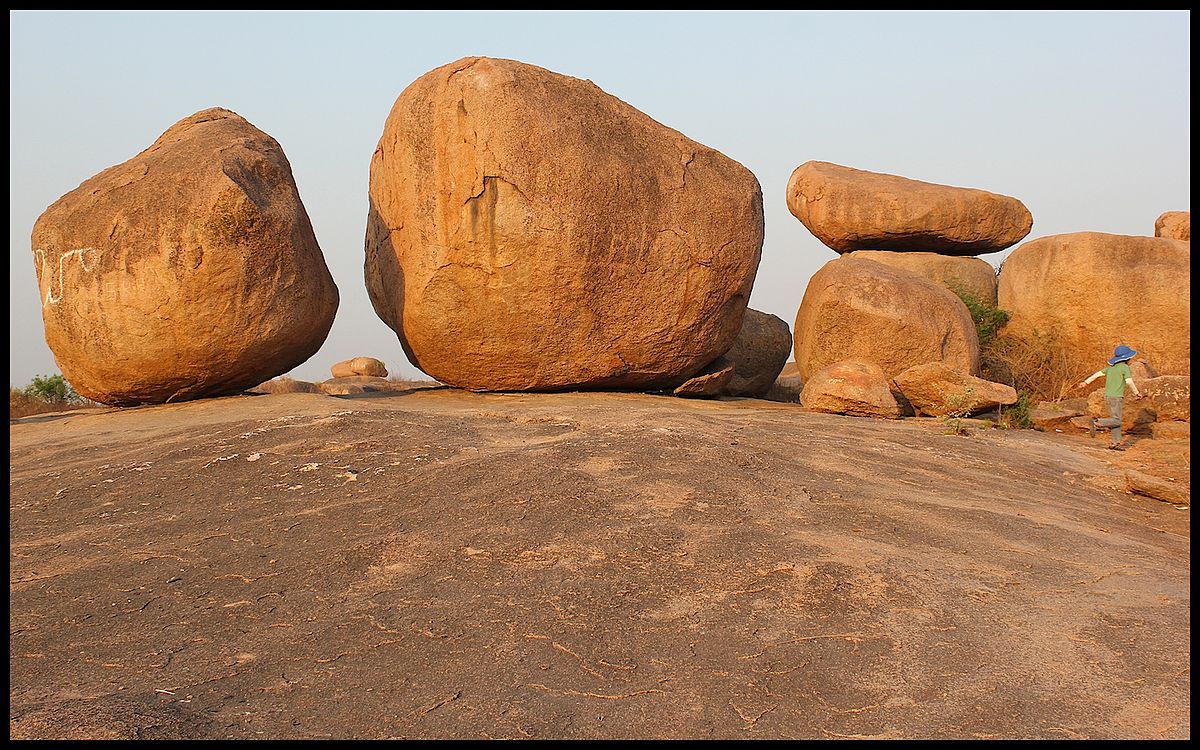
27. Durgam Cheruvu: Literally 'inaccessible lake' in local language. It's also known as 'Secret Lake' because it was hidden amid the boulders of Madhapur and Jubilee Hills for a long time till the area became a thriving IT hub.

28. Nanakramguda: According to a popular account, Banwar Lal Diddi and Heera Lal Diddi named it after their beloved grandfather, Nanakram. Locals recount that this piece of land was acquired from the Nizam by the descendants of Nanakram.

29. Madhapur: From ‘Madhava Puram,’ meaning Krishna’s Village. It’s said in the days bygone, people in this area used to be ardent worshippers of Madhava, another name for Lord Krishna. Over the years, Madhava Puram became Madhapur. (Pic: A K Mishra)
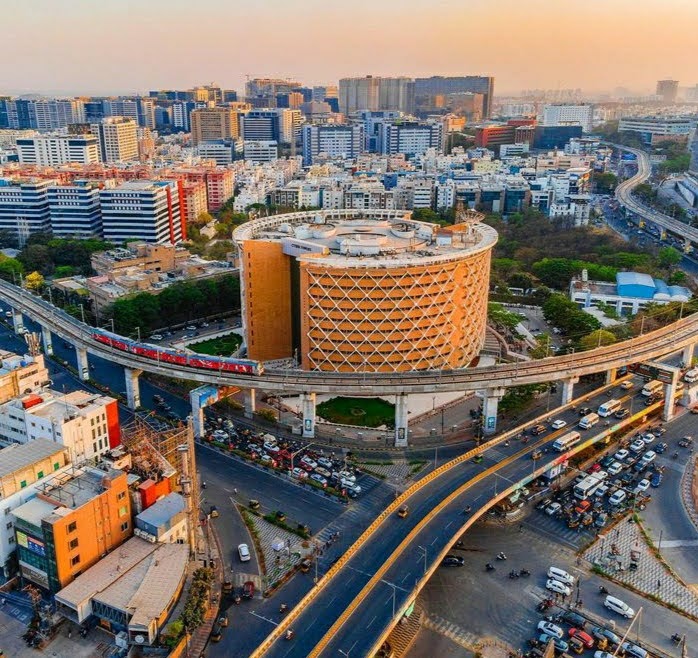
30. Khajaguda: From the title Khwaja and Guda, meaning ‘Master / Lord’s village.’ During the Qutb Shahi times, a saint by the name Shaikh Fakhruddin used to stay on a hillock (Fakruddin Gutta) here, and the area around it came to be known as Khajaguda. (Pic: Khajaguda lake)
31. Tolichowki: From Urdu Toli & Chowki, meaning ‘Troop Post.’ Being very close to the Golconda Fort, traders once paid a Toli or damri tax here, shaping the place’s name to Tolichowki. Another account says during the siege of Golconda, Aurangzeb set up a military troop here.
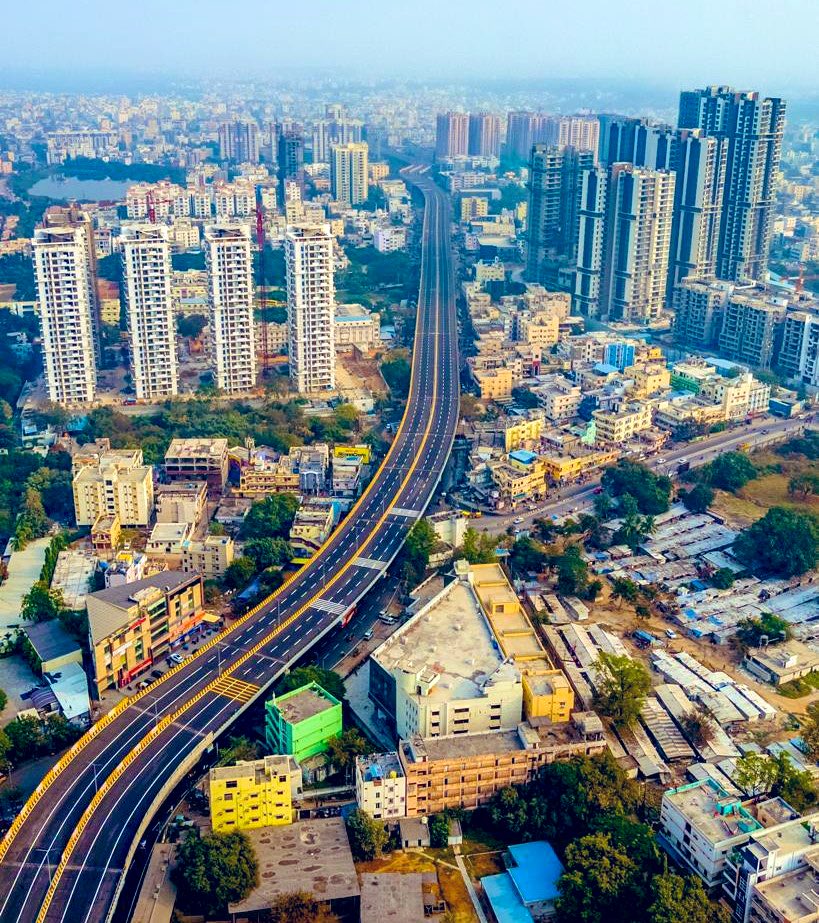
32. Langar Houz: From Langar, ‘public kitchen’ and Houz, ‘tank.’ There’s a historic tank ‘Langar Houz Talab’ in the area. It was named as such since it was site of a large public kitchen that served food to the poor and needy during the Qutb Shahi reign.
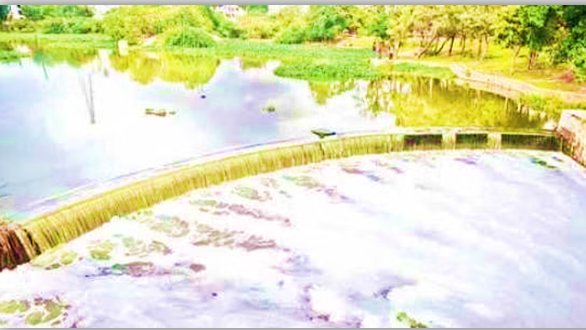
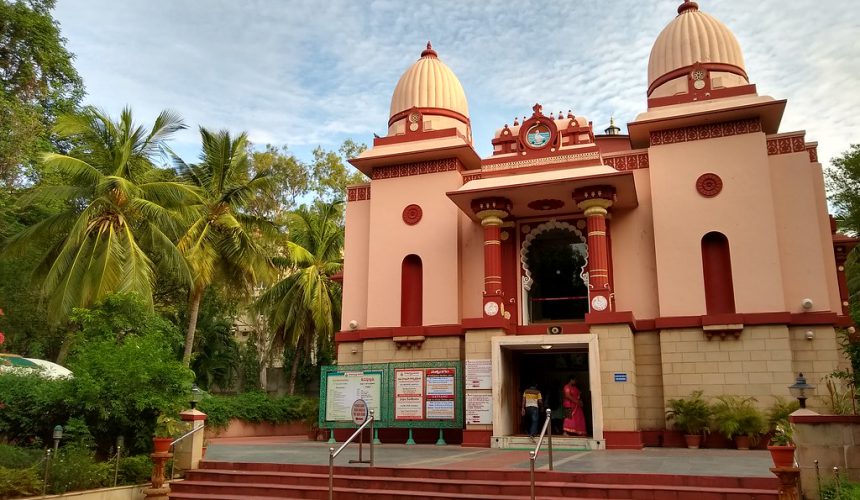
33. Domalguda: From Do-Malla-Guda, the place of two wrestlers. It’s said two well-known wrestlers used to live in this area. In the course of time, Domallaguda got corrupted and became Domalguda.
BTW, 'domalu' is the Telugu for mosquitoes.
(Pic: RK Mutt, Domalguda)
BTW, 'domalu' is the Telugu for mosquitoes.
(Pic: RK Mutt, Domalguda)
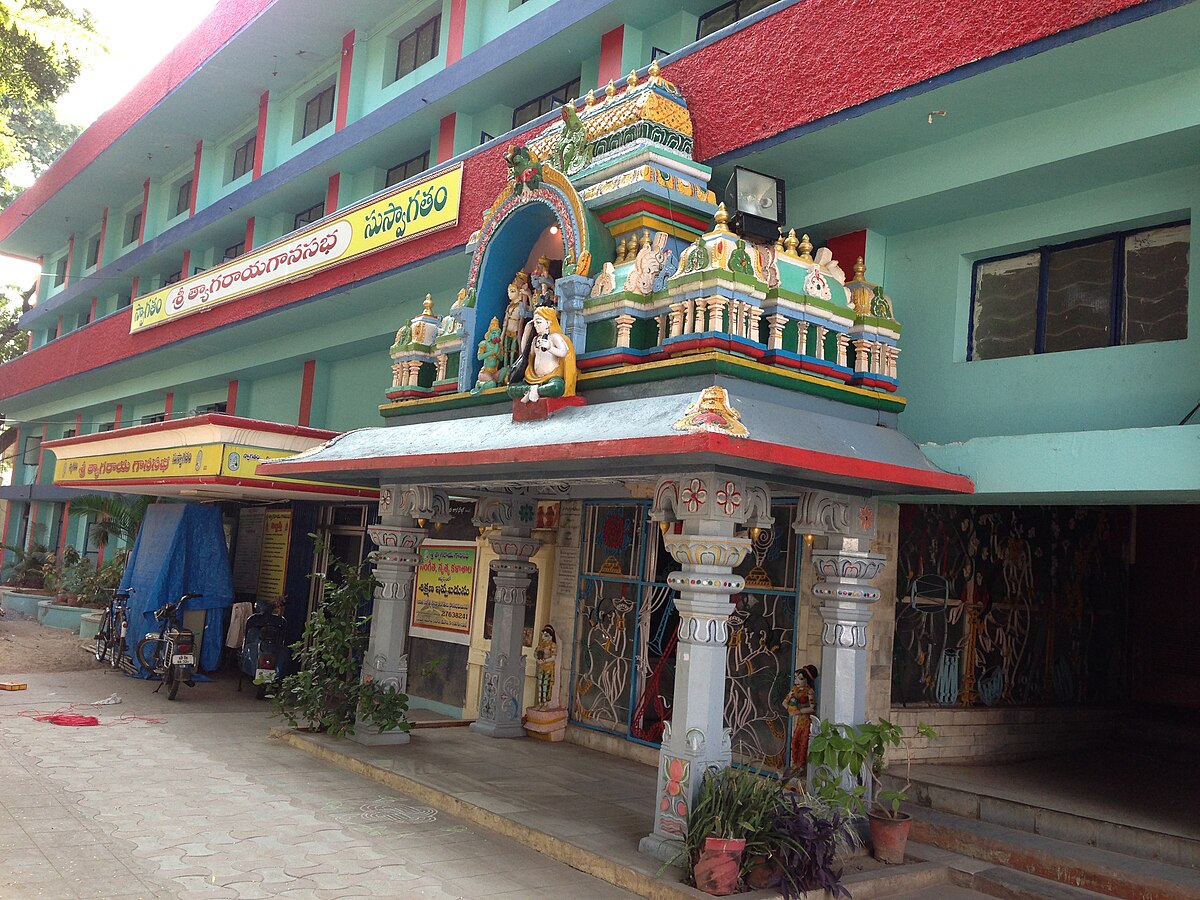
34. Chikkadpalli: Derives its name from the local words 'chikkad-palli,’ translating to 'mud village.’ This low-lying area often grapples with 'chikkad' or mud during the rainy season.
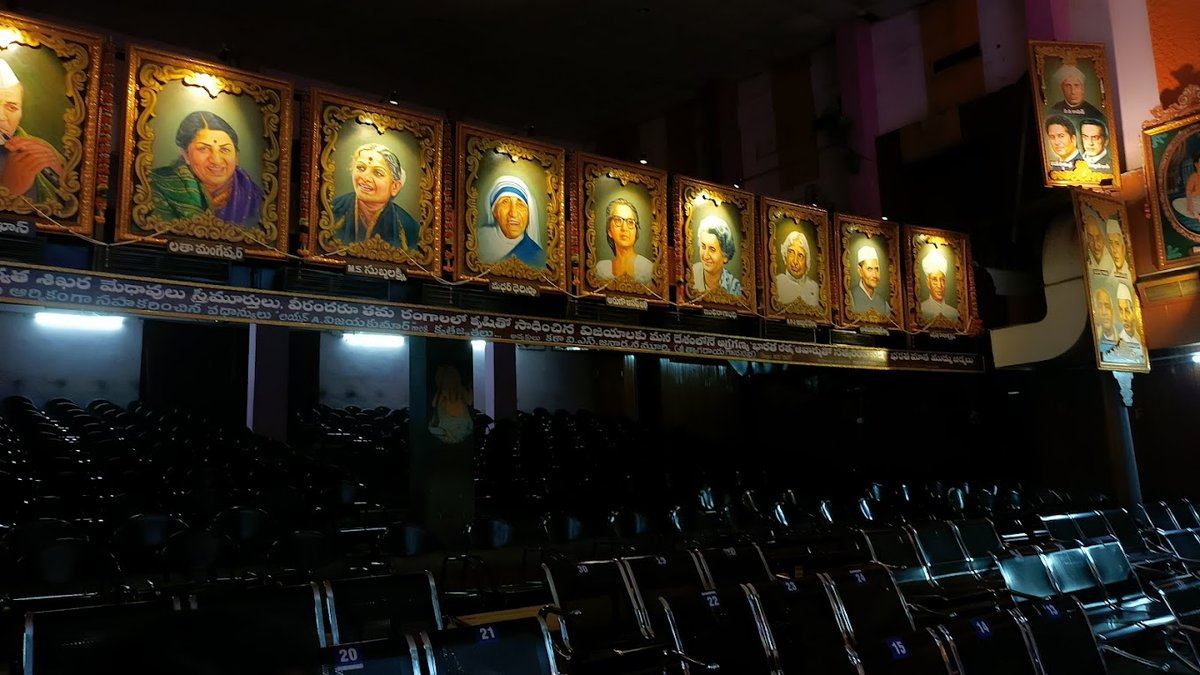
Pic: Sri Thyagaraya Gana Sabha, Chikkadpalli
Pic: Sri Thyagaraya Gana Sabha, Chikkadpalli
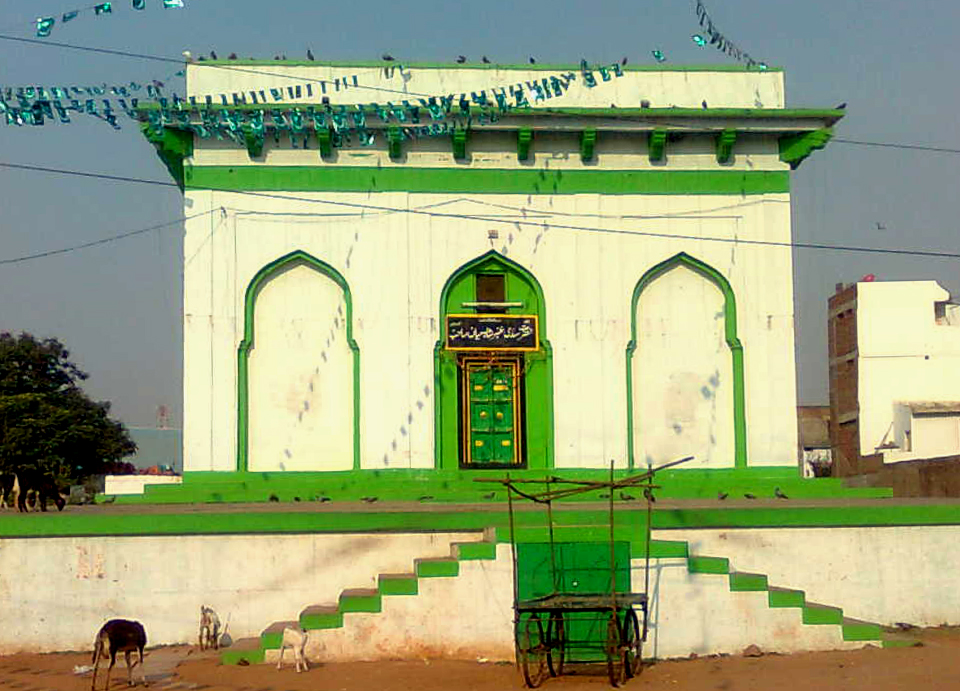
35. Amberpet: From the dargah of the Sufi saint Hazrat Amber Shah Baba, located here. According to a popular belief, his presence is said to have transformed this once barren land into a lush forest when he made it his final destination. (Pic: Dargah of Amber Shah Baba)
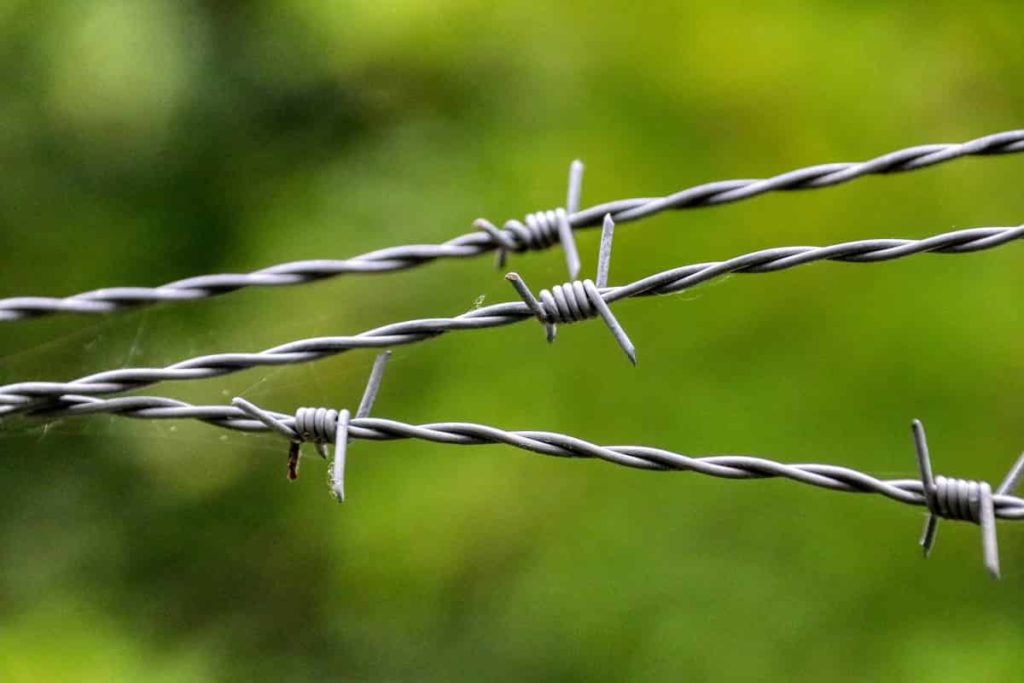
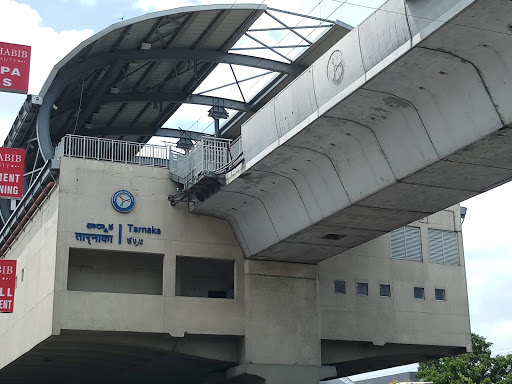
36. Tarnaka: Literally ‘barbed fence with a security post.’ During the Nizam era, this area had a mango orchard owned by a Nawab. To safeguard his fruit, he fenced off the farm with a barbed fence (“tar”) and had a security post (“naka”) to monitor the travelers and passersby.
37. Habsiguda: From Habshi-guda, village of Habshis. Habshi is the Arabic for Abyssian, known today as Ethiopian. Revered for their integrity and stamina, this locality once boasted a good number of African immigrants who served as personal guards and laborers for the Nizam.
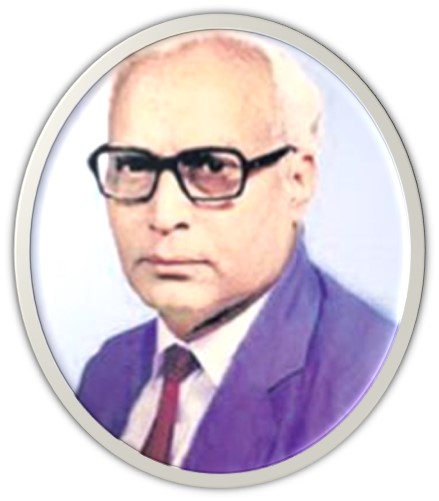
38. A S Rao Nagar: After Dr Ayyagari Sambasiva Rao, an eminent scientist and the visionary behind the ECIL. A man of immense intellect and legendary character, Dr. Rao's humility shone through as he continued to travel on crowded city buses even past 80, never seeking a seat.
To be contd...
Loading suggestions...