

🎨RECURSIVE ALGORITHMS🎨
BASE PROMPT :
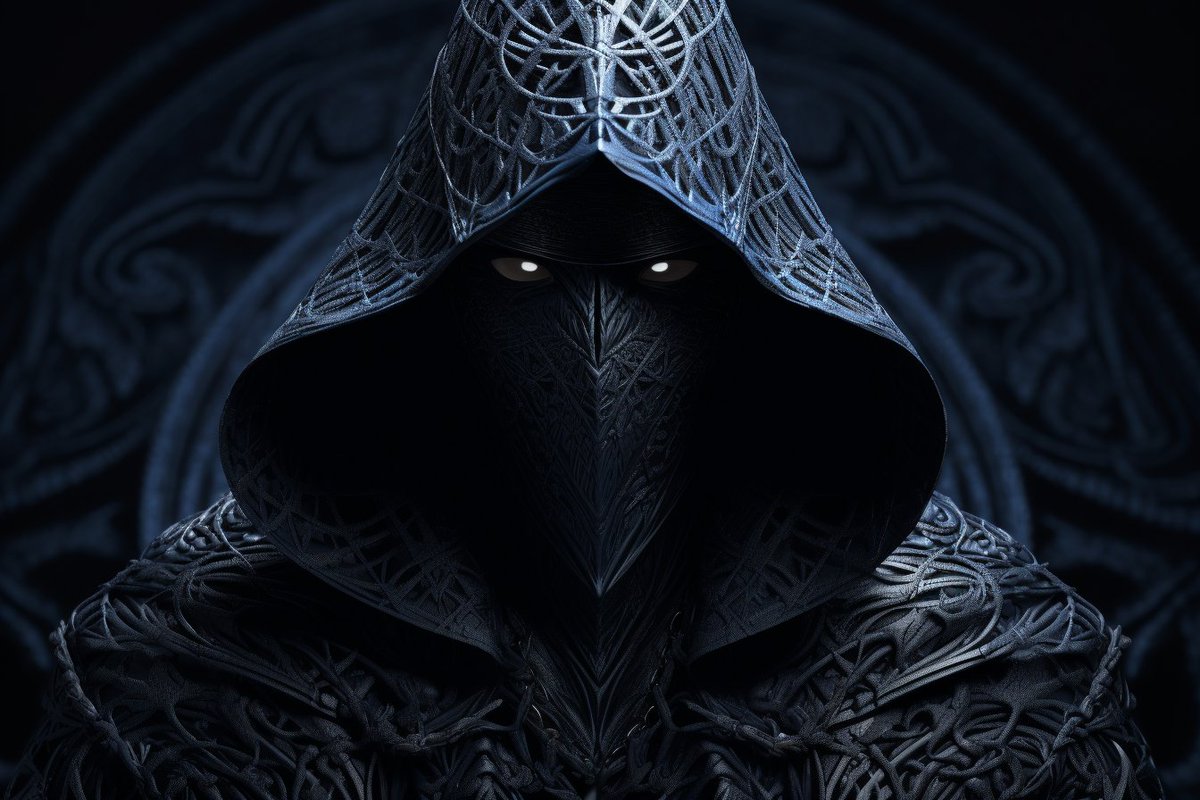
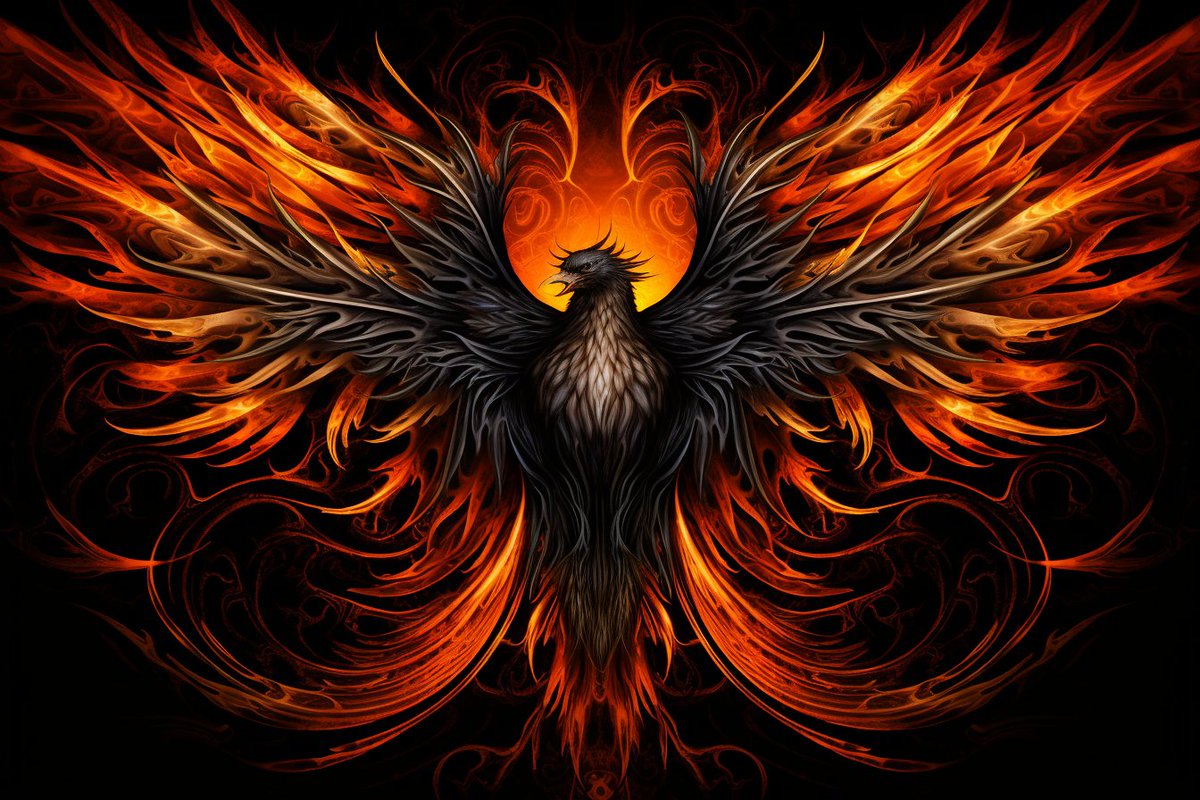
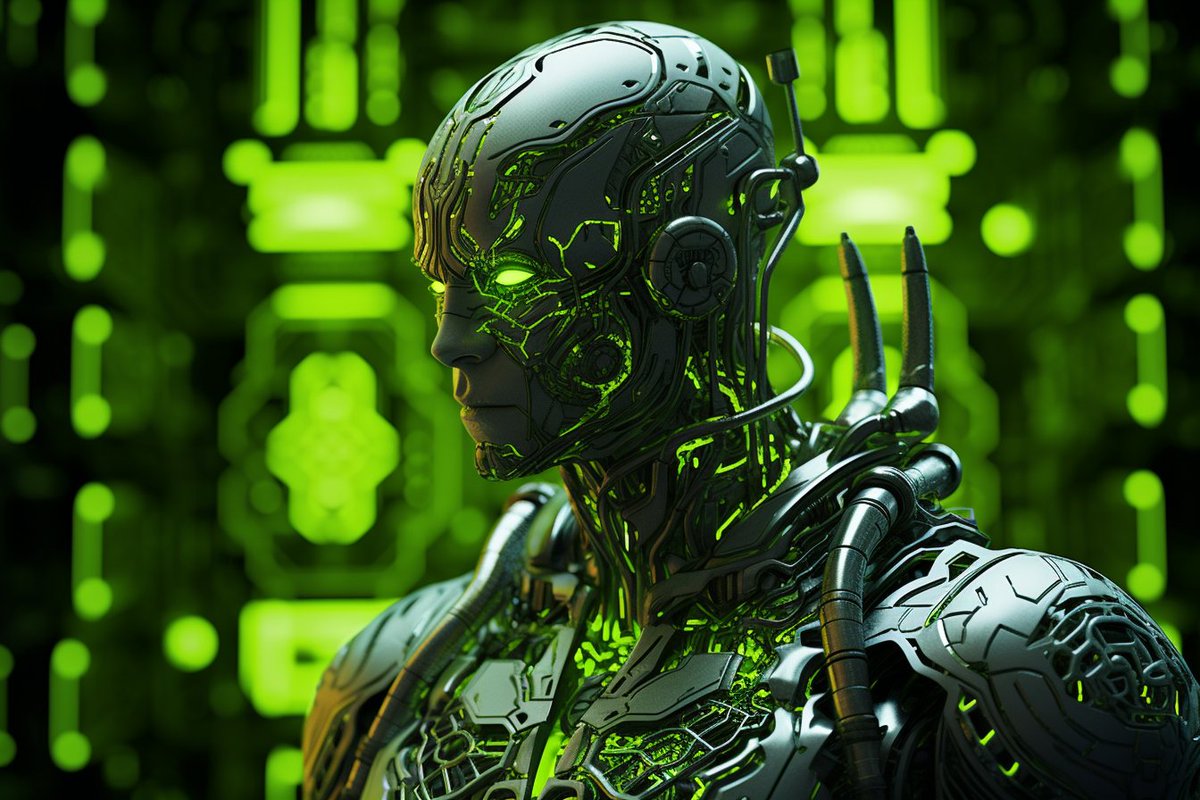
Cool (COLOR 1] and [COLOR 2] fractal patterns of [SUBJECT] formed by recursive algorithms , illustrating self-similarity across scale
WARNING : This prompt reacts differently the subject the colors..Play with the stylize, style raw or not but cna gives great renders..Exemples here and in first comment
A recursive algorithm is a method where the solution to a problem depends on solutions to smaller instances of the same problem. This approach can be applied to many types of problems in computer science, and it’s one of the central ideas of computer science.
The recursive algorithm involves a function calling itself directly or indirectly to solve a smaller version of the problem. The recursion continues until it reaches a base case, which is a condition for which the solution is known and can be directly given. Once the base case is reached, the stack of function calls unwinds, returning the result back up the chain. This process is similar to solving a complex problem by breaking it down into a set of simpler problems and building the solution from the solutions of these simpler problems.
Recursive algorithms can be particularly useful in AI generative art, which often involves creating complex patterns and structures that have self-similarity or fractal characteristics. Here’s how recursion might play a role in generative art:
Fractal Generation: Fractals are self-similar patterns that are created by repeating a simple process over and over in an ongoing feedback loop. Recursive algorithms are natural for generating fractals since each step of the process can be defined in terms of a smaller instance of the same pattern.
Procedural Generation: In procedural generation, objects or scenes are created algorithmically rather than manually. Recursive procedures can be used to create complex structures like trees, where each branch can spawn smaller branches, which in turn can spawn even smaller branches, and so on.
Pattern Creation: Recursive algorithms can be used to create intricate patterns and textures. For instance, the subdivision of a surface into smaller parts can be done recursively, with each subdivision adding detail to the art.
Algorithmic Composition: In music and visual art, recursive structures can create patterns that are aesthetically pleasing due to their structured yet complex nature. For example, a melody or rhythm could be generated recursively by applying transformation rules at different scales.
Interactive Art: Recursive algorithms can allow generative art pieces to change over time or in response to user interaction. Each interaction could trigger a recursive process that generates new elements within the artwork.
Natural Simulations: Recursive algorithms are excellent for simulating natural phenomena such as the growth patterns of plants or the structure of natural objects. This can lead to art that closely mimics or abstracts from nature.
In the context of AI, recursive algorithms can be combined with machine learning techniques. For example, a neural network might learn patterns or styles from existing artworks, and a recursive algorithm could then use this knowledge to generate new art pieces that have similar characteristics. This allows for the creation of art that can be both ordered and complex, blending human creativity with computational precision.
BASE PROMPT :
Cool (COLOR 1] and [COLOR 2] fractal patterns of [SUBJECT] formed by recursive algorithms , illustrating self-similarity across scale
WARNING : This prompt reacts differently the subject the colors..Play with the stylize, style raw or not but cna gives great renders..Exemples here and in first comment
A recursive algorithm is a method where the solution to a problem depends on solutions to smaller instances of the same problem. This approach can be applied to many types of problems in computer science, and it’s one of the central ideas of computer science.
The recursive algorithm involves a function calling itself directly or indirectly to solve a smaller version of the problem. The recursion continues until it reaches a base case, which is a condition for which the solution is known and can be directly given. Once the base case is reached, the stack of function calls unwinds, returning the result back up the chain. This process is similar to solving a complex problem by breaking it down into a set of simpler problems and building the solution from the solutions of these simpler problems.
Recursive algorithms can be particularly useful in AI generative art, which often involves creating complex patterns and structures that have self-similarity or fractal characteristics. Here’s how recursion might play a role in generative art:
Fractal Generation: Fractals are self-similar patterns that are created by repeating a simple process over and over in an ongoing feedback loop. Recursive algorithms are natural for generating fractals since each step of the process can be defined in terms of a smaller instance of the same pattern.
Procedural Generation: In procedural generation, objects or scenes are created algorithmically rather than manually. Recursive procedures can be used to create complex structures like trees, where each branch can spawn smaller branches, which in turn can spawn even smaller branches, and so on.
Pattern Creation: Recursive algorithms can be used to create intricate patterns and textures. For instance, the subdivision of a surface into smaller parts can be done recursively, with each subdivision adding detail to the art.
Algorithmic Composition: In music and visual art, recursive structures can create patterns that are aesthetically pleasing due to their structured yet complex nature. For example, a melody or rhythm could be generated recursively by applying transformation rules at different scales.
Interactive Art: Recursive algorithms can allow generative art pieces to change over time or in response to user interaction. Each interaction could trigger a recursive process that generates new elements within the artwork.
Natural Simulations: Recursive algorithms are excellent for simulating natural phenomena such as the growth patterns of plants or the structure of natural objects. This can lead to art that closely mimics or abstracts from nature.
In the context of AI, recursive algorithms can be combined with machine learning techniques. For example, a neural network might learn patterns or styles from existing artworks, and a recursive algorithm could then use this knowledge to generate new art pieces that have similar characteristics. This allows for the creation of art that can be both ordered and complex, blending human creativity with computational precision.



Loading suggestions...