
History
Education
Politics
International Relations
Ethics
Humanitarian crisis
World History
Humanitarian Issues
Internal Security

💣 Humanitarian Crisis all across the globe🌐
🟢 Relevance with respect to UPSC Exam:
This topic can be made very interesting for not just upsc aspirants for
GS1 World History
GS2 IR
GS3 Internal Security
GS4 Ethics, ethics of international relations
Essay
INTERVIEW
So Bookmark this tweet 🔖
👉 It is also very informative for those who love History or Global Politics.
🟢 Question :
Analyse the multifaceted challenges posed by ongoing conflicts in different regions of the world, and suggest effective diplomatic and humanitarian strategies for their resolution. How can the role of international organizations and alliances be optimized in this regard?
🟢 Answer :
👉 Multifaceted challenges posed by ongoing conflicts in different regions of the world today (11th November 2023):
1/5
🟢 Relevance with respect to UPSC Exam:
This topic can be made very interesting for not just upsc aspirants for
GS1 World History
GS2 IR
GS3 Internal Security
GS4 Ethics, ethics of international relations
Essay
INTERVIEW
So Bookmark this tweet 🔖
👉 It is also very informative for those who love History or Global Politics.
🟢 Question :
Analyse the multifaceted challenges posed by ongoing conflicts in different regions of the world, and suggest effective diplomatic and humanitarian strategies for their resolution. How can the role of international organizations and alliances be optimized in this regard?
🟢 Answer :
👉 Multifaceted challenges posed by ongoing conflicts in different regions of the world today (11th November 2023):
1/5

🟢 Multifaceted challenges posed by ongoing conflicts in different regions of the world today (9th November 2023):
1. Humanitarian crisis: Ongoing conflicts can lead to a humanitarian crisis, with millions of people displaced from their homes, lacking access to food, water, and shelter. This can lead to malnutrition, disease, and death.
2. Political instability: Conflicts can lead to political instability, as governments struggle to maintain control and provide basic services to their citizens. This can create a breeding ground for extremism and terrorism.
1. Humanitarian crisis: Ongoing conflicts can lead to a humanitarian crisis, with millions of people displaced from their homes, lacking access to food, water, and shelter. This can lead to malnutrition, disease, and death.
2. Political instability: Conflicts can lead to political instability, as governments struggle to maintain control and provide basic services to their citizens. This can create a breeding ground for extremism and terrorism.
3. Economic devastation: Conflicts can cause widespread economic devastation, as infrastructure is destroyed and businesses are forced to close. This can lead to poverty and unemployment, which can further exacerbate the conflict.
4. Environmental damage: Conflicts can also cause significant environmental damage, as land is polluted and natural resources are exploited. This can have a long-term impact on the environment and the livelihoods of people who depend on it.
4. Environmental damage: Conflicts can also cause significant environmental damage, as land is polluted and natural resources are exploited. This can have a long-term impact on the environment and the livelihoods of people who depend on it.
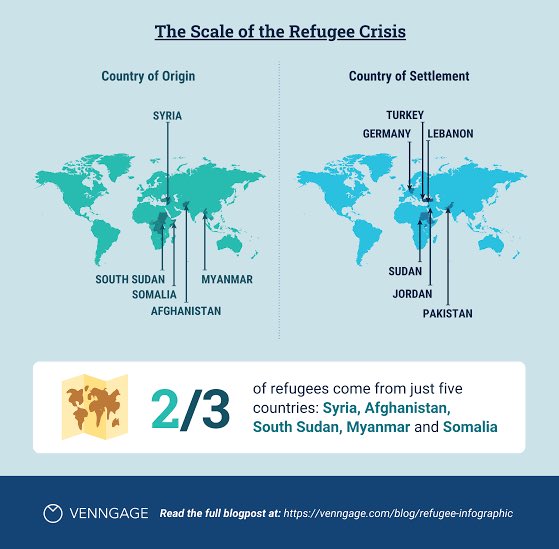
🟢 Which part of the world is affected by this?
Examples from different continents:
1. Africa Continent :
Africa: The ongoing conflict in Ethiopia has led to a humanitarian crisis, with millions of people displaced and facing severe food shortages. The conflict has also destabilized the region, increasing the risk of further conflict and violence.
Examples from different continents:
1. Africa Continent :
Africa: The ongoing conflict in Ethiopia has led to a humanitarian crisis, with millions of people displaced and facing severe food shortages. The conflict has also destabilized the region, increasing the risk of further conflict and violence.
2. Asian Continent :
Asia: The war in Ukraine has caused a humanitarian crisis in Europe, with millions of people displaced and fleeing the country. The war has also destabilized the global economy and caused energy prices to soar.
Asia: The war in Ukraine has caused a humanitarian crisis in Europe, with millions of people displaced and fleeing the country. The war has also destabilized the global economy and caused energy prices to soar.
3. European Continent :
Europe: The ongoing conflict in Yemen has caused a humanitarian crisis, with millions of people facing food shortages and disease outbreaks. The conflict has also destabilized the region, increasing the risk of further conflict and violence.
Europe: The ongoing conflict in Yemen has caused a humanitarian crisis, with millions of people facing food shortages and disease outbreaks. The conflict has also destabilized the region, increasing the risk of further conflict and violence.
4. North American Continent:
North America: The ongoing conflict in Mexico has caused a humanitarian crisis, with millions of people displaced and facing violence from drug cartels. The conflict has also destabilized the region, increasing the risk of further violence and crime.
North America: The ongoing conflict in Mexico has caused a humanitarian crisis, with millions of people displaced and facing violence from drug cartels. The conflict has also destabilized the region, increasing the risk of further violence and crime.
5. South American Continent :
South America: The ongoing conflict in Colombia has caused a humanitarian crisis, with millions of people displaced and facing violence from armed groups. The conflict has also destabilized the region, increasing the risk of further violence and crime.
South America: The ongoing conflict in Colombia has caused a humanitarian crisis, with millions of people displaced and facing violence from armed groups. The conflict has also destabilized the region, increasing the risk of further violence and crime.
🟢 Effective diplomatic and humanitarian strategies for resolving ongoing conflicts:
1. Diplomacy: Diplomacy is the most important tool for resolving conflicts peacefully. This can involve direct negotiations between the warring parties, as well as mediation and facilitation by third parties.
2. Humanitarian assistance: Humanitarian assistance is essential for providing life-saving aid to people affected by conflict. This includes food, water, shelter, medical care, and protection.
3. Peacekeeping and peacebuilding: Peacekeeping and peacebuilding missions can help to maintain peace and security in conflict-affected countries. This can involve deploying troops and police, as well as providing support for government institutions and civil society.
1. Diplomacy: Diplomacy is the most important tool for resolving conflicts peacefully. This can involve direct negotiations between the warring parties, as well as mediation and facilitation by third parties.
2. Humanitarian assistance: Humanitarian assistance is essential for providing life-saving aid to people affected by conflict. This includes food, water, shelter, medical care, and protection.
3. Peacekeeping and peacebuilding: Peacekeeping and peacebuilding missions can help to maintain peace and security in conflict-affected countries. This can involve deploying troops and police, as well as providing support for government institutions and civil society.
🟢 How to optimize the role of international organizations and alliances in resolving ongoing conflicts:
1. Coordinated response:
International organizations and alliances need to work together to provide a coordinated response to ongoing conflicts. This includes sharing information, coordinating resources, and avoiding duplication of effort.
2. Capacity building:
International organizations and alliances can help to build the capacity of national governments to prevent and resolve conflicts. This can involve providing training and support for government institutions, as well as civil society organizations.
3. Long-term commitment:
International organizations and alliances need to be committed to supporting conflict-affected countries over the long term. This is essential for building peace and preventing conflict from recurring.
1. Coordinated response:
International organizations and alliances need to work together to provide a coordinated response to ongoing conflicts. This includes sharing information, coordinating resources, and avoiding duplication of effort.
2. Capacity building:
International organizations and alliances can help to build the capacity of national governments to prevent and resolve conflicts. This can involve providing training and support for government institutions, as well as civil society organizations.
3. Long-term commitment:
International organizations and alliances need to be committed to supporting conflict-affected countries over the long term. This is essential for building peace and preventing conflict from recurring.
🟢 Conclusion:
👉 Ongoing conflicts pose a multifaceted challenge to the international community.
👉 These conflicts can lead to humanitarian crises, political instability, economic devastation, and environmental damage. It is important to address the root causes of these conflicts through diplomacy, humanitarian assistance, peacekeeping and peacebuilding.
👉 International organizations and alliances play a vital role in this effort by providing a coordinated response, building capacity, and making a long-term commitment to supporting conflict-affected countries.
👉 Ongoing conflicts pose a multifaceted challenge to the international community.
👉 These conflicts can lead to humanitarian crises, political instability, economic devastation, and environmental damage. It is important to address the root causes of these conflicts through diplomacy, humanitarian assistance, peacekeeping and peacebuilding.
👉 International organizations and alliances play a vital role in this effort by providing a coordinated response, building capacity, and making a long-term commitment to supporting conflict-affected countries.
Loading suggestions...