

FAKE REAL ALCHEMICAL PROPHET BAIT and EXPLODING TOYOTAS AT THE MALL
(an american religion case study)
in the 1980s, a document surfaced that could rewrite mormon history forever. a letter, with a new version of mormonism's genesis: joseph smith finding the gold plates.
[...]
(an american religion case study)
in the 1980s, a document surfaced that could rewrite mormon history forever. a letter, with a new version of mormonism's genesis: joseph smith finding the gold plates.
[...]
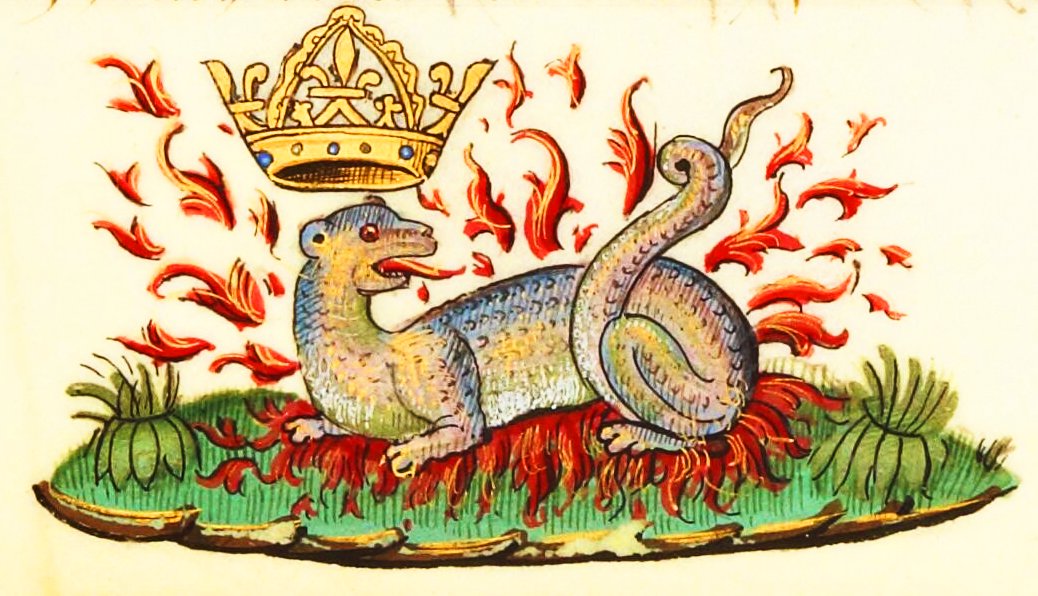
enter: a man named martin harris. he was there when joseph smith translated the gold tablets he found in the ground, writing the book of mormon. he helped finance its original publishing, and more. its hard to get more original mormon than him
well, his name was on this letter
well, his name was on this letter
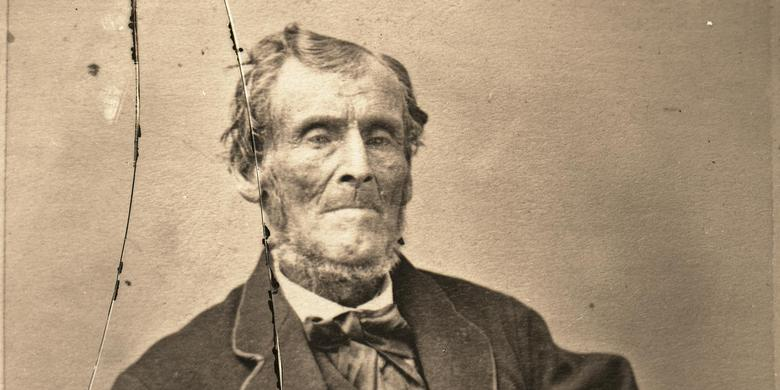
this letter said that when joseph smith went to dig up the plates, a white salamander appeared. this creature transformed into a spirit, that refused to give up the plates unless joseph returned with his brother alvin.
unfortunately, alvin had died very recently. what now?
unfortunately, alvin had died very recently. what now?
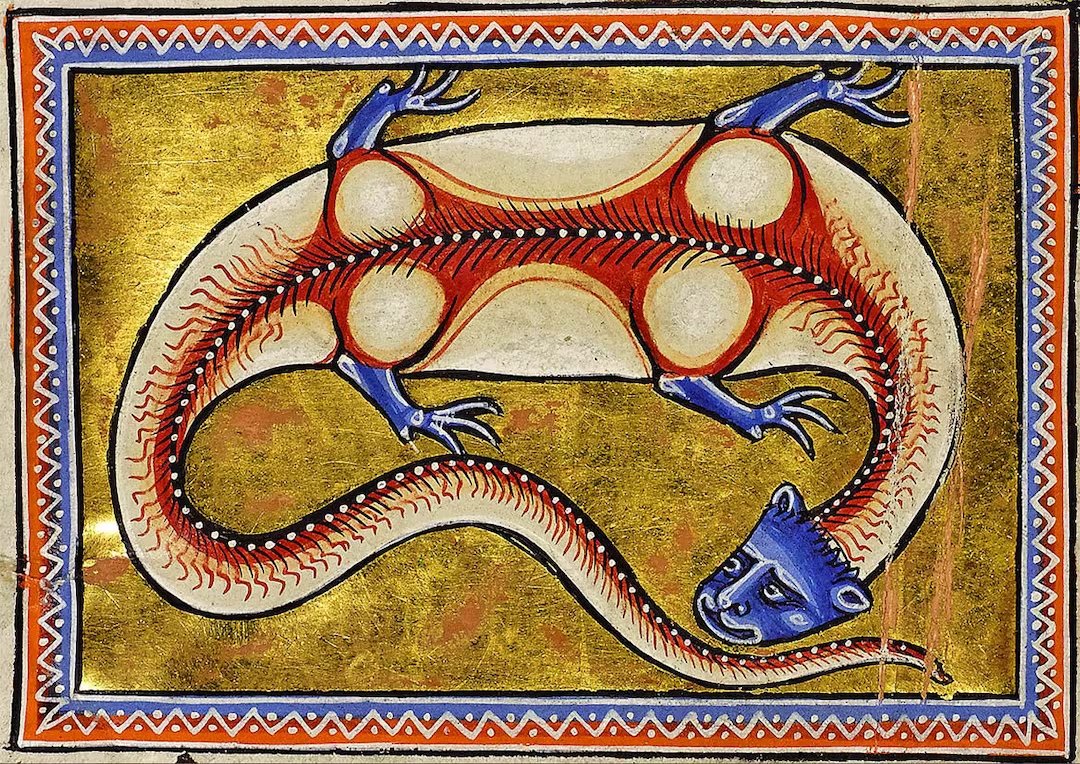
this is a nice window into a forgotten piece of magical history, real anglo american folk magic - that of treasure digging. i believe this started in england. the idea was that when men buried treasure, they would entrust its protection to a spirit, who would guard the space.
elaborate rituals developed to propitiate these spirits, who supposedly dotted the english countryside. eventually it was posited that they could just be contacted directly, to locate ancient buried items. england is an old place. then, this practice came to america.
was this one of those treasure guarding spirits?
was the spirit's demanding of joseph's brother one of those impossible tasks common in folkloric tales?
was the author of this letter aware of a salamander's alchemical symbolism?
well, i dont know, because the letter was fake.
was the spirit's demanding of joseph's brother one of those impossible tasks common in folkloric tales?
was the author of this letter aware of a salamander's alchemical symbolism?
well, i dont know, because the letter was fake.
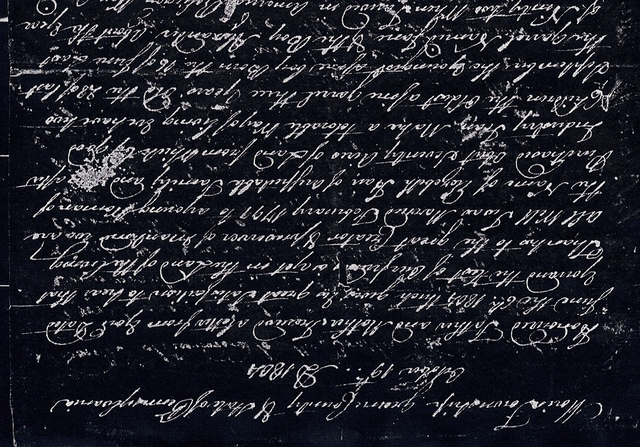
enter: a man named mark hoffman.
mark hoffman grew up in the LDS church but eventually became an athiest.
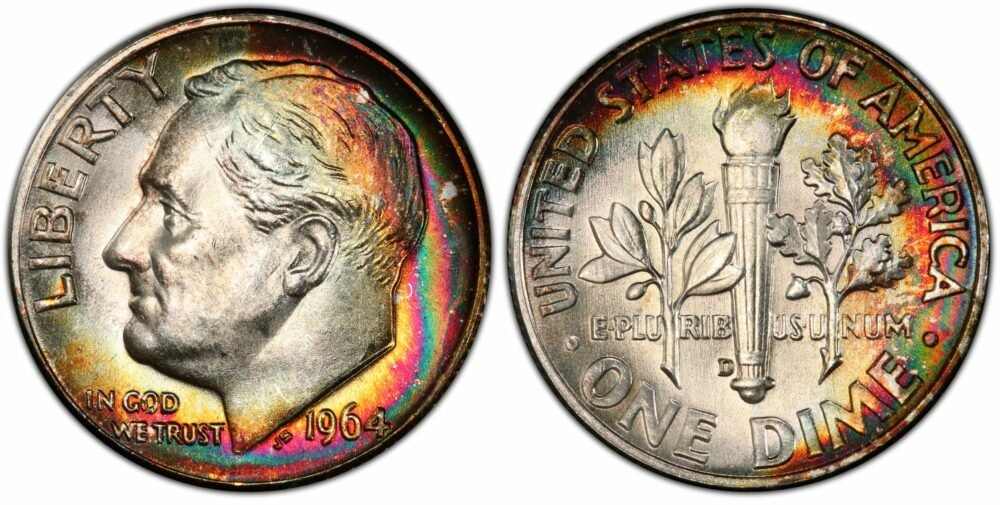
as a teenager, he forged a rare mint mark onto a coin. he passed this off as real to some coin collectors.
sometimes, things start small, before getting out of control.
mark hoffman grew up in the LDS church but eventually became an athiest.
as a teenager, he forged a rare mint mark onto a coin. he passed this off as real to some coin collectors.
sometimes, things start small, before getting out of control.
mark hoffman became one of the most prolific forgers in history. between signatures and documents, his breadth is just impressive: washington, lincoln, daniel boone, andrew jackson, mark twain, paul revere, and many more.
he even forged an unknown poem by emily dickinson (lol)
he even forged an unknown poem by emily dickinson (lol)
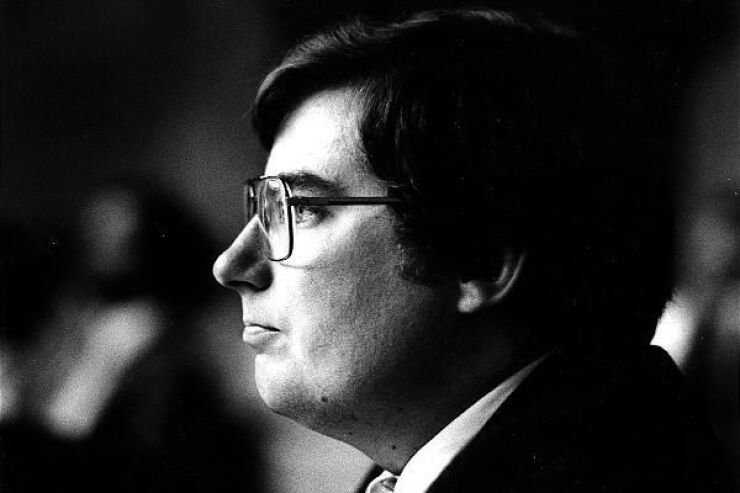
outside of mormonism, his ultimate goal was to forge a document called "the oath of a freeman", one of the earliest documents from massachusetts - which i believe has no existent copies. to create the only copy, and sell it for millions.
but that was not his specialty.
but that was not his specialty.
his specialty was early mormonism.
one thing you notice if you look at mormonism for a while is that (imo), essentially 99% of the time mormonism is handled, by anyone, they're dealing with its historical claims.
this means a man making historical documents can do a lot.
one thing you notice if you look at mormonism for a while is that (imo), essentially 99% of the time mormonism is handled, by anyone, they're dealing with its historical claims.
this means a man making historical documents can do a lot.
hoffman's goal was to damage the church he was born into. he would forge a document, often an inconvenient one, sell it to the church or someone affiliated with mormonism in general, and then "leak" its existence to the press - essentially doing double damage.
quite a maneuver.
quite a maneuver.
so someone would buy it for a hefty sum, and then he'd get a major publication to write about its existence anyway (still as if it were real).
lets circle back quickly to martin harris. while translating the book of mormon, 116 pages of the manuscript were lost - forever.
lets circle back quickly to martin harris. while translating the book of mormon, 116 pages of the manuscript were lost - forever.
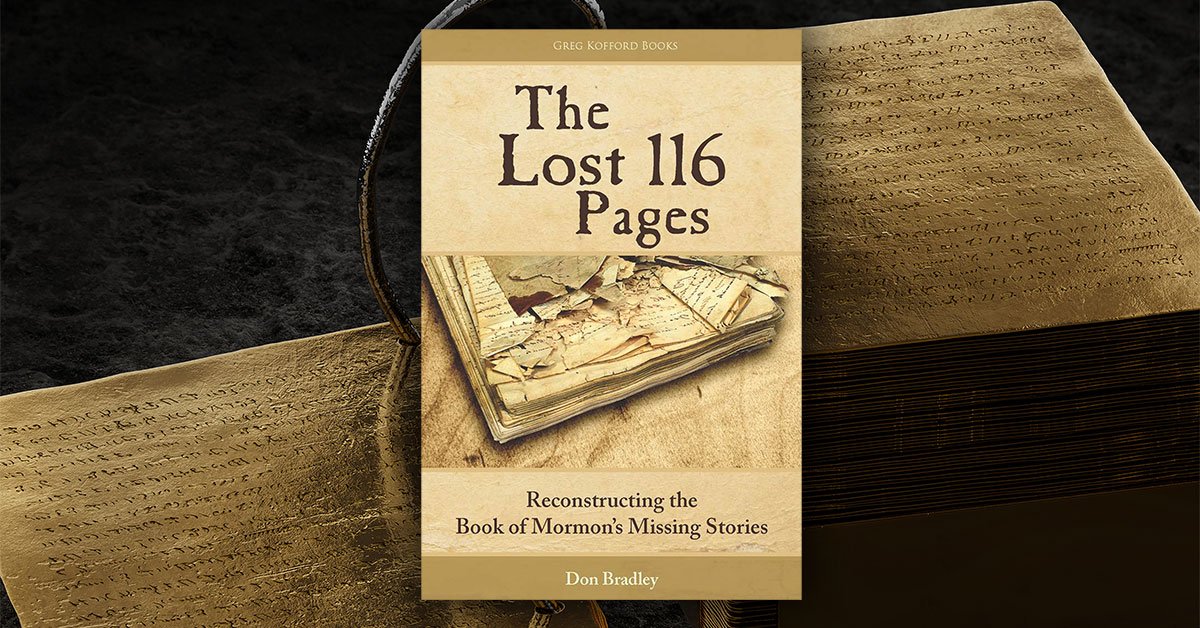
hoffman's ultimate goal was to forge these 116 pages. this would give him total control over a document that would be forced directly into mormonism's literal founding. what would it say? he could make scripture. with that kind of power, he could unleash ... whatever he wanted.
but he would never realize this strange dream
fittingly for a man dealing with things that do not actually exist, the career that started with a single coin had become characterized by the absence of coins. he accumulated a lot of debt, and attention. two things you don't want.
fittingly for a man dealing with things that do not actually exist, the career that started with a single coin had become characterized by the absence of coins. he accumulated a lot of debt, and attention. two things you don't want.
he started negotiating the sale of documents he didn't create yet. the stakes kept getting higher. more people trying to collect debts. more people interested in his findings.
if he could forge the oath of a freeman, he could... well, he could be free. but he needed some time.
if he could forge the oath of a freeman, he could... well, he could be free. but he needed some time.
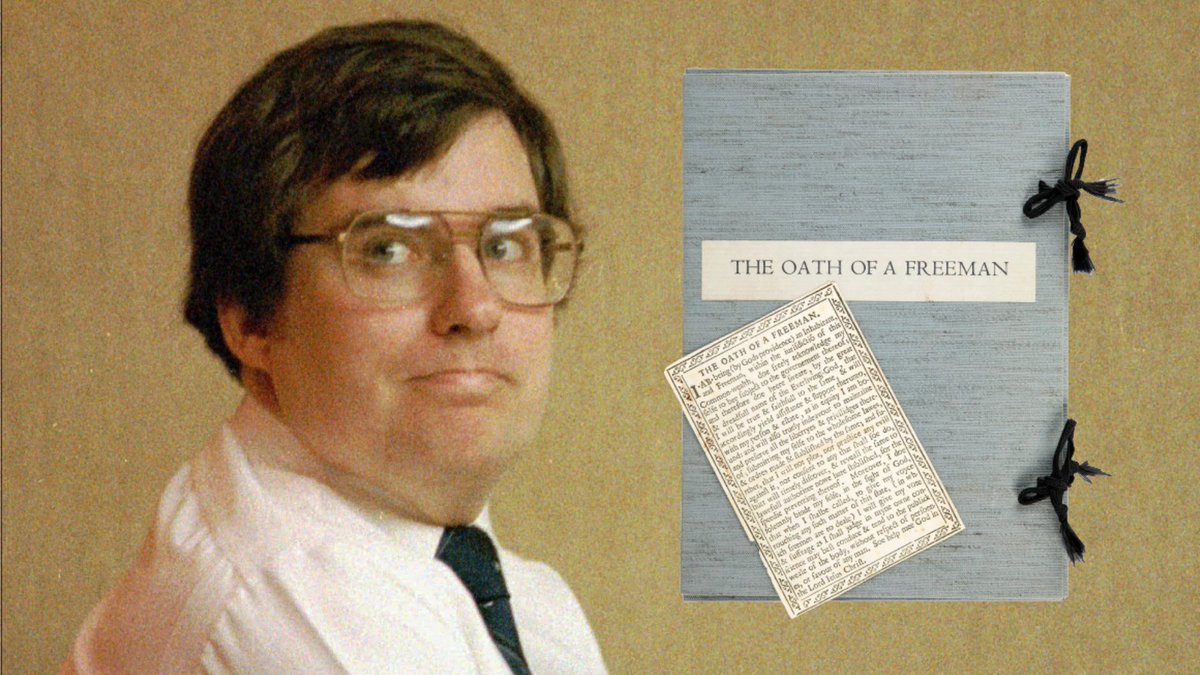
he created three explosive devices. first, he successfully planted one and killed a document collector named steven christensen
this was a little too obvious, it would lead right back to him. now he was forging reality itself: he would forge a connection, with the second device
this was a little too obvious, it would lead right back to him. now he was forging reality itself: he would forge a connection, with the second device
the same day he planted the second device and killed a woman - the wife of a man who used to employ the first guy he killed. his idea was that the police would see this, and infer that the murders were related to a situation between the two of them, a collapsing business deal.
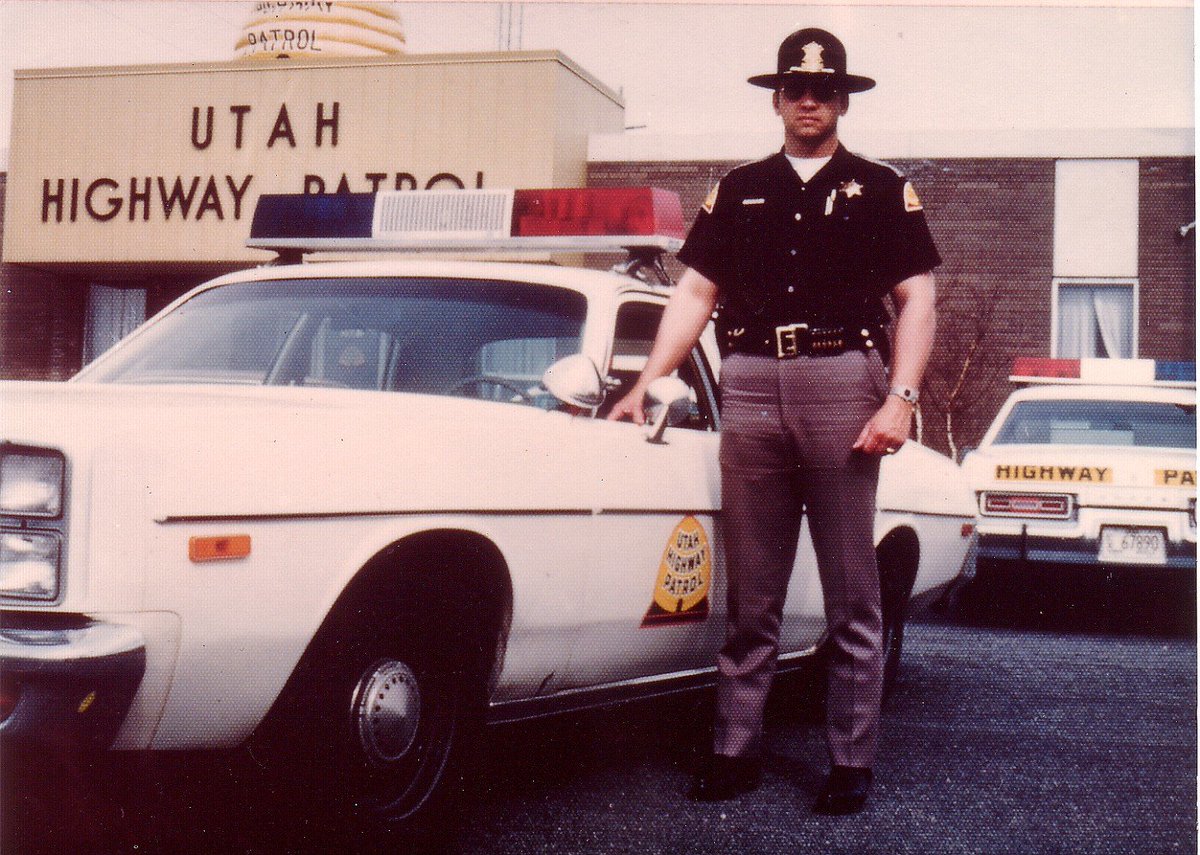
maybe it would work. it looked like the police might go with that.
this last part is speculation, because all we have to go on is his story, and he is not exactly a reliable narrator. but we do know he went to the mall. this is an american tale in america, after all.
this last part is speculation, because all we have to go on is his story, and he is not exactly a reliable narrator. but we do know he went to the mall. this is an american tale in america, after all.
when you're juggling so many pieces on so many timelines, something is bound to slip through your radar. in our case, it was not the way emily dickinson writes her T's, or the date of a letter sent just before the civil war, it was height. the height of the seat in a toyota:

i heard that the devices hoffman was using functioned on a type of level tilting system. it is one theory that after failing to find the man in the mall, hoffman went back to his car. the device was armed, and due to the low seats, it set off the tilt sensor:
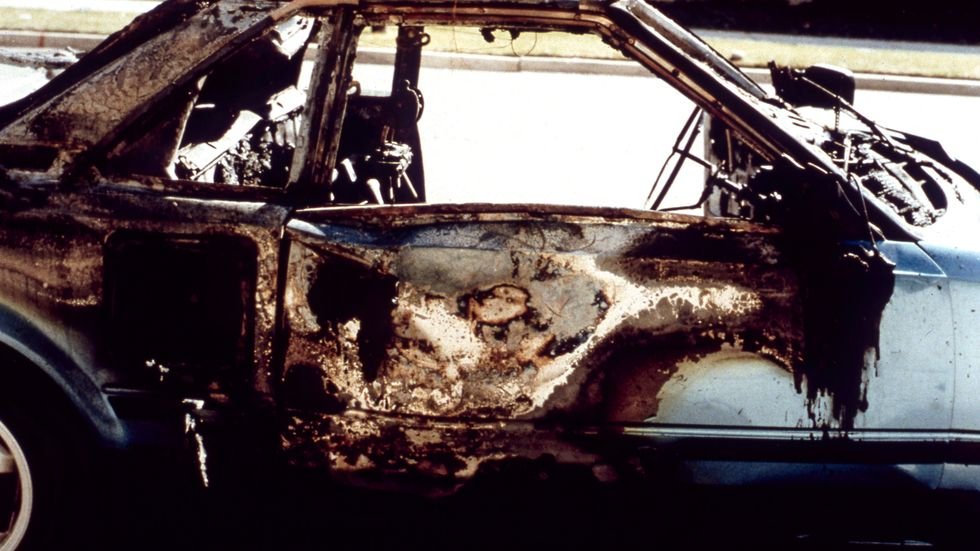
hoffman was only injured, but this explosion occurring only the day after the first explosions led to him being caught, and the tools he used for forgery were discovered
a strange, exciting tale. but what does it have to do with our project here?
a strange, exciting tale. but what does it have to do with our project here?
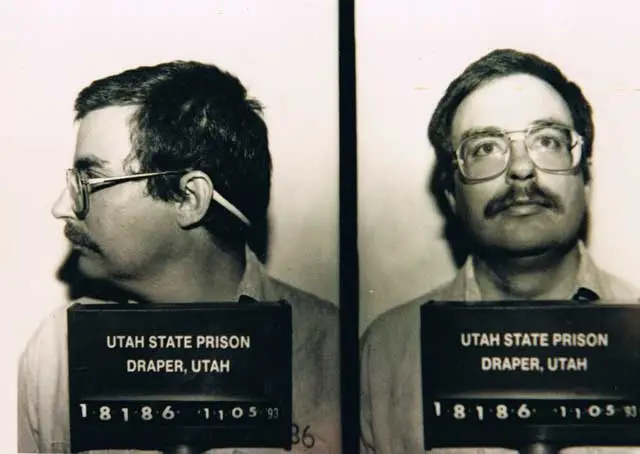
the boundary between real and fake often found in mysticism, history, esoterica, and art is well illustrated in this tale. suddenly a lot of documents that had been in circulation and had been accepted by serious scholars for years were no longer real.
but its not that simple.
but its not that simple.
fake things can have real effects. here's a book called "an insider view of mormon origins". if you're into early mormonism, its very well known. well, the author said his work was influenced by the original acceptance of that salamander letter (which was actually fake).
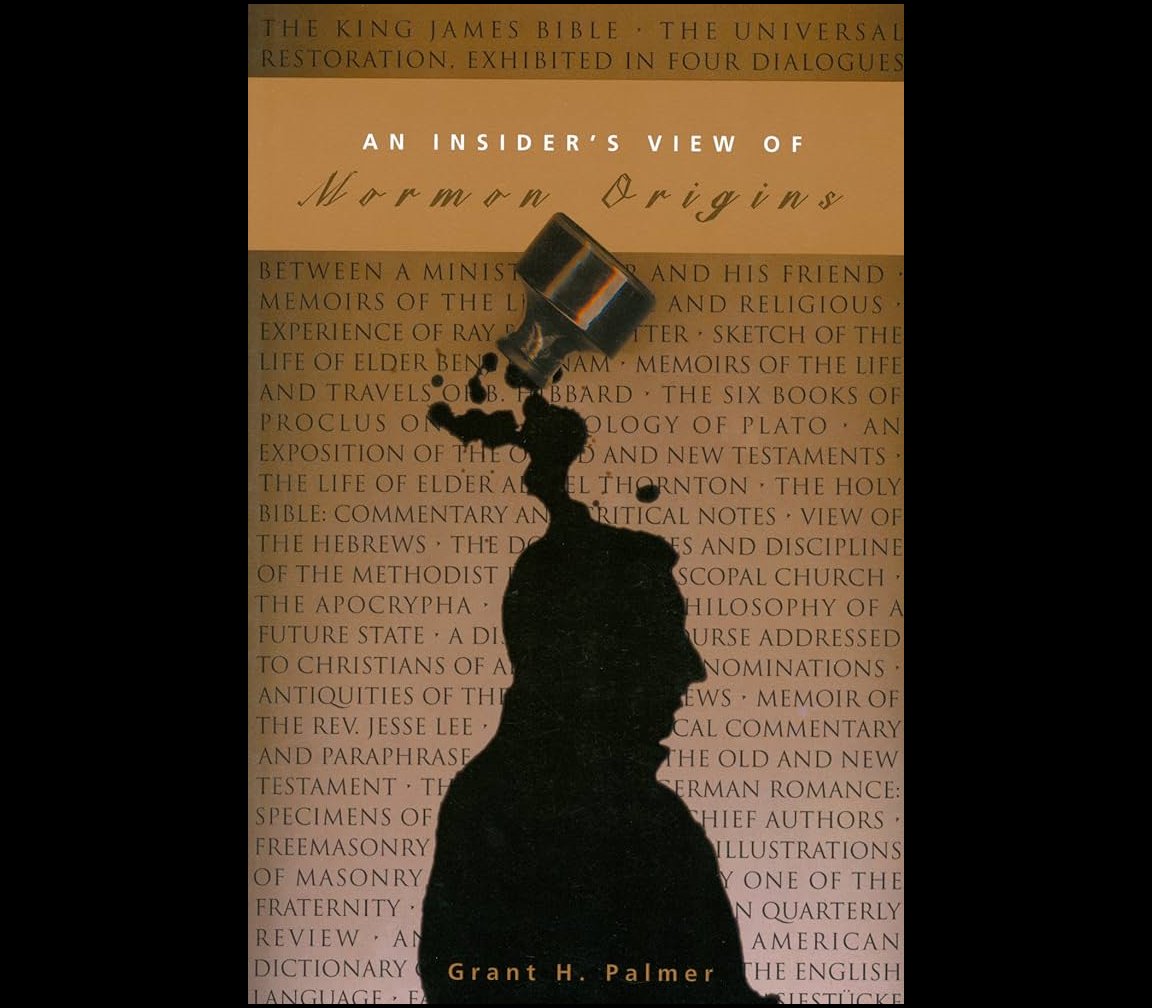
the book doesnt rely on the letter, but the author said that the acceptance and verification of it sparked his interest in the early days of joseph smith and his mystical mindset - so, he wrote a book about real history, sparked by a piece of fake history.
thats interesting.
thats interesting.
so fake history can make real history.
weird.
you also may have seen this cartoon called 'the god makers' posted on here. its (objectively, this is just its obvious viewpoint and purpose) anti-mormon. the second one (god makers 2) probably draws from the salamander letter.
weird.
you also may have seen this cartoon called 'the god makers' posted on here. its (objectively, this is just its obvious viewpoint and purpose) anti-mormon. the second one (god makers 2) probably draws from the salamander letter.
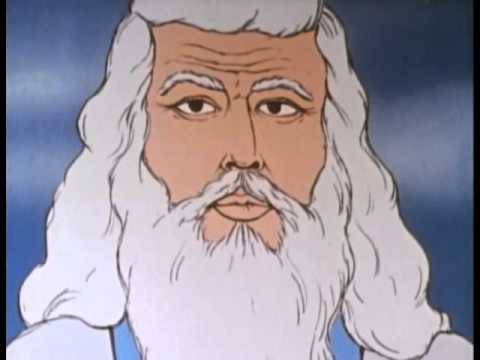
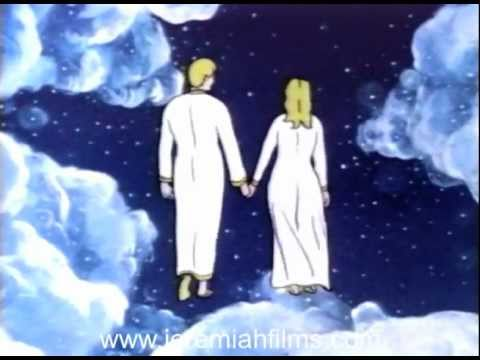
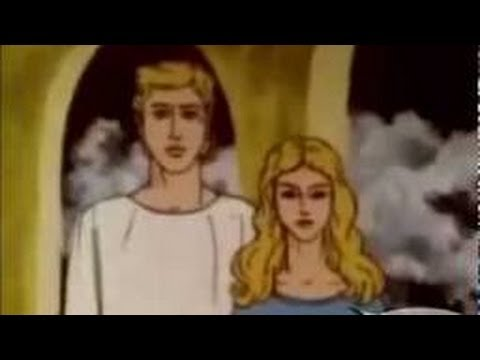
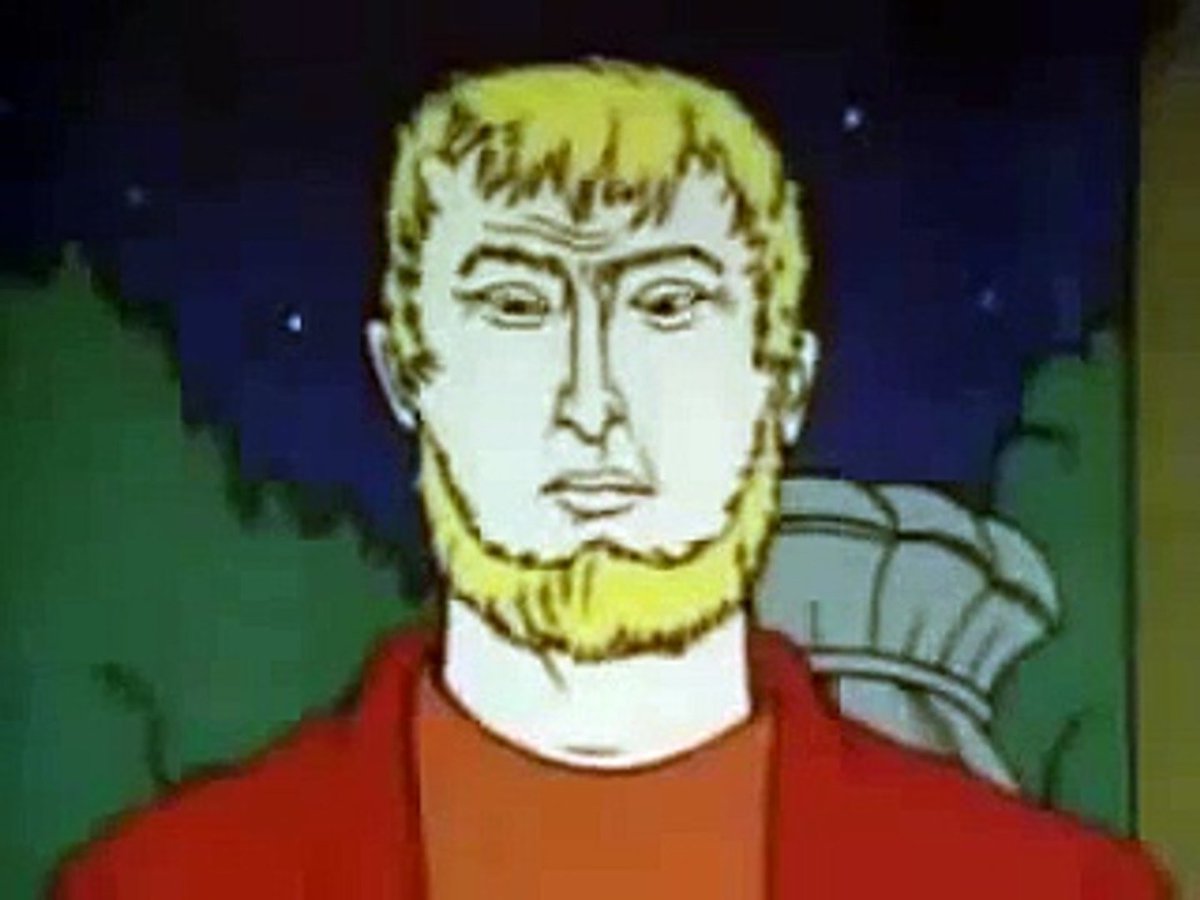
(if we came this far - for anyone super into this, the tanners said that in an article they wrote about these cartoons. way too much to segue into here but if youre into it and you google that it'll come up).
(anyway)
(anyway)
here's a book called the refiner's fire. this book is really incredible. not to sound pretentious, but, i wouldn't recommend it unless you already have some knowledge of mormonism and mormon theology and early mormonism.
but its a totally unique book. nothing else like it.
but its a totally unique book. nothing else like it.
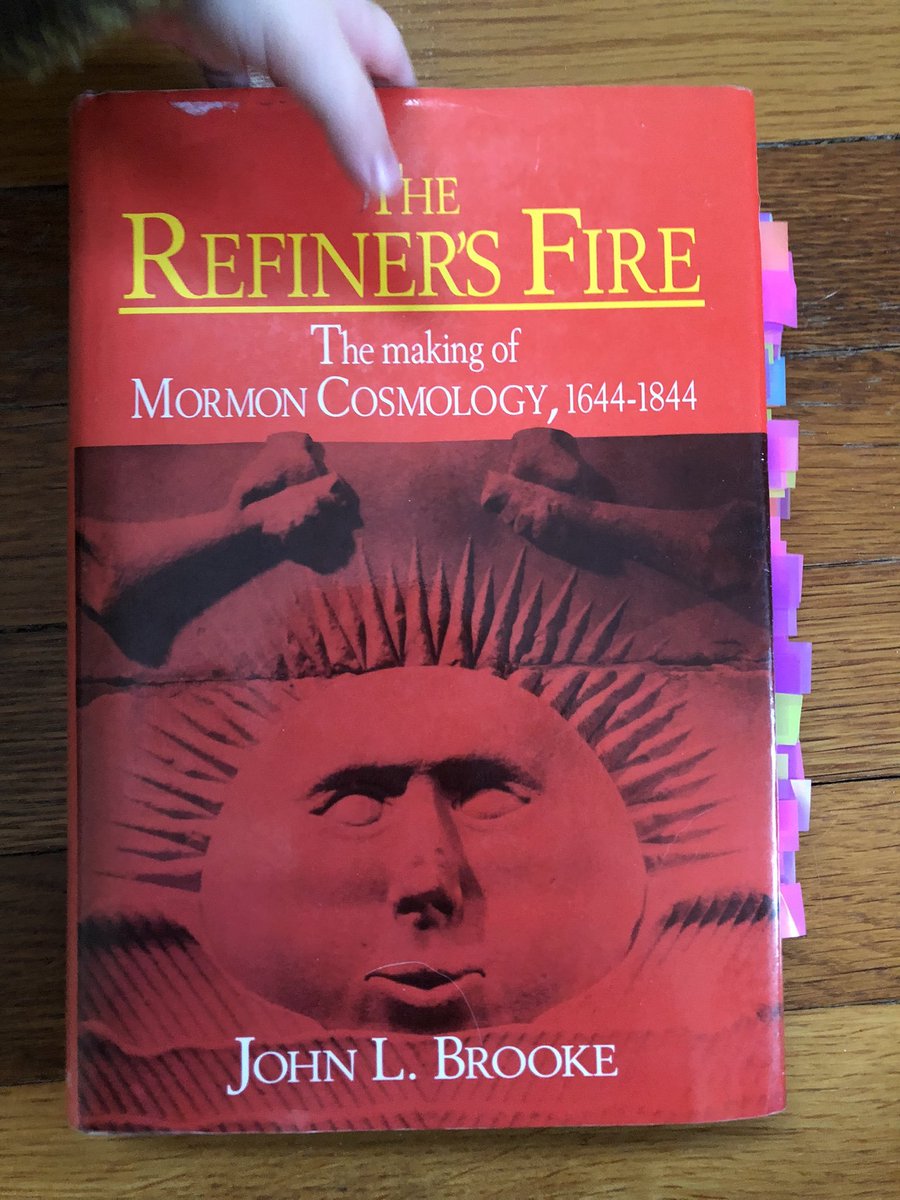
well, lets see what prompted this guy to start the study that became this book
oh, cool
oh, cool
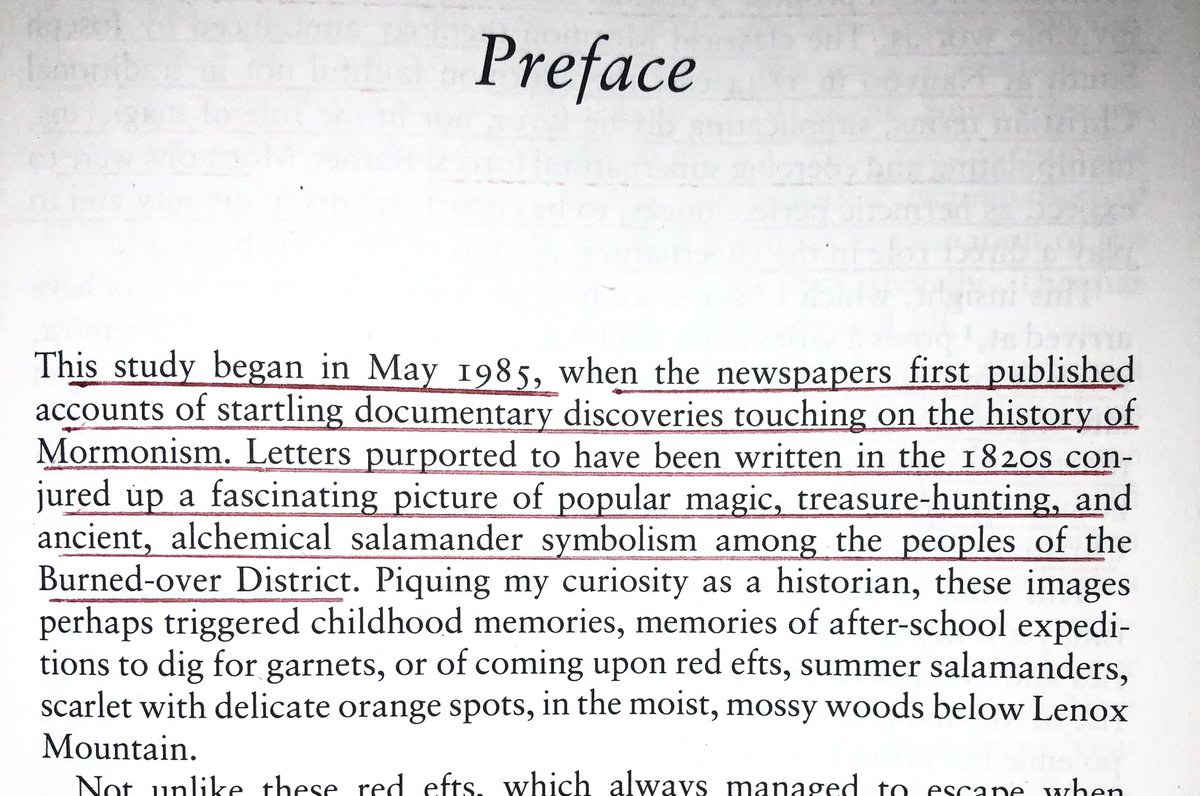
it would be naive to assume that all of mark hoffman's forgeries were detected. some are probably still out there. they are still out there "being real".
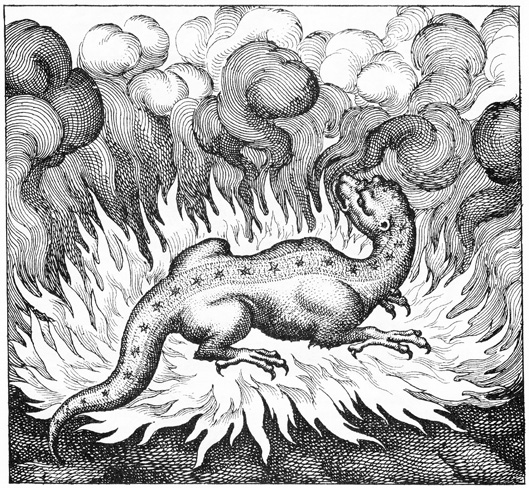
long ago, when people lit logs for fires, once the flames really got going, they would see salamanders run out of them.
long ago, when people lit logs for fires, once the flames really got going, they would see salamanders run out of them.
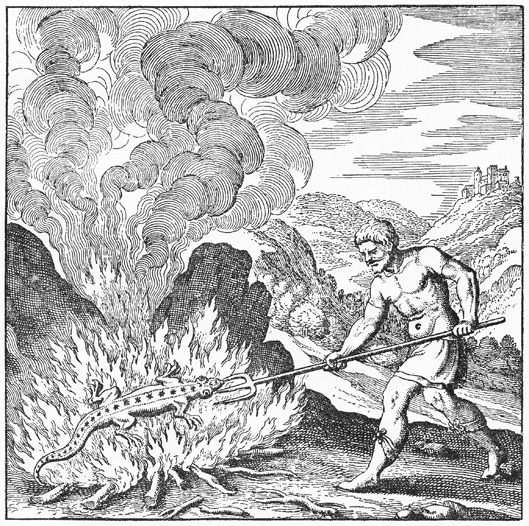
the salamanders live in the logs. they dont like to come out unless they're forced to.
ancient and medieval people saw this and thought the salamanders were actually coming from the fire. that the fire created them. this led to the association of the salamander with fire.
ancient and medieval people saw this and thought the salamanders were actually coming from the fire. that the fire created them. this led to the association of the salamander with fire.
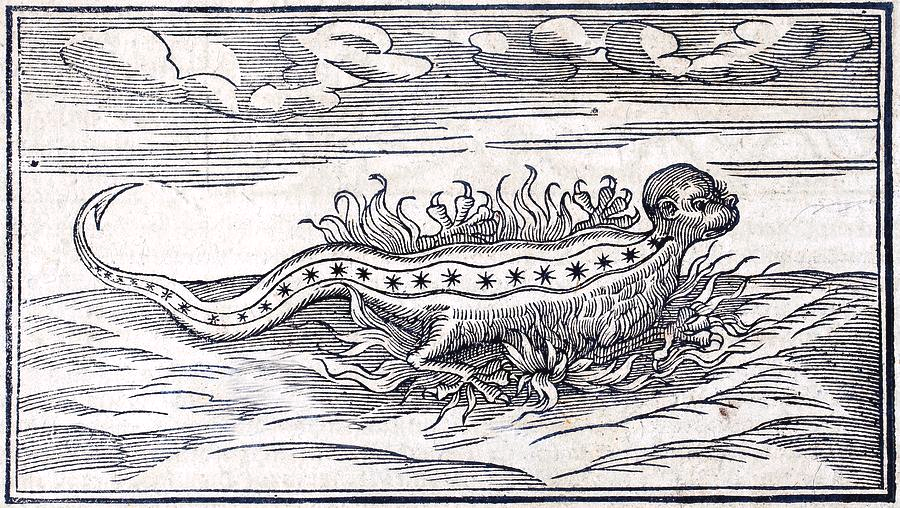
this idea that the salamander was born from fire tied the two together in alchemy, western esoterica, medieval art, literature - in fact, in some books, the name for a fire spirit is "salamander".
they're permanently linked, because of that concept.
but now, thats not real.
they're permanently linked, because of that concept.
but now, thats not real.
Loading suggestions...