

"Urban Density" is a concept which completely changes how cities feel.
Low Density is more peaceful and has more space and privacy, but High Density is livelier, walkable, and creates stronger communities.
Where would you rather live?
Low Density is more peaceful and has more space and privacy, but High Density is livelier, walkable, and creates stronger communities.
Where would you rather live?
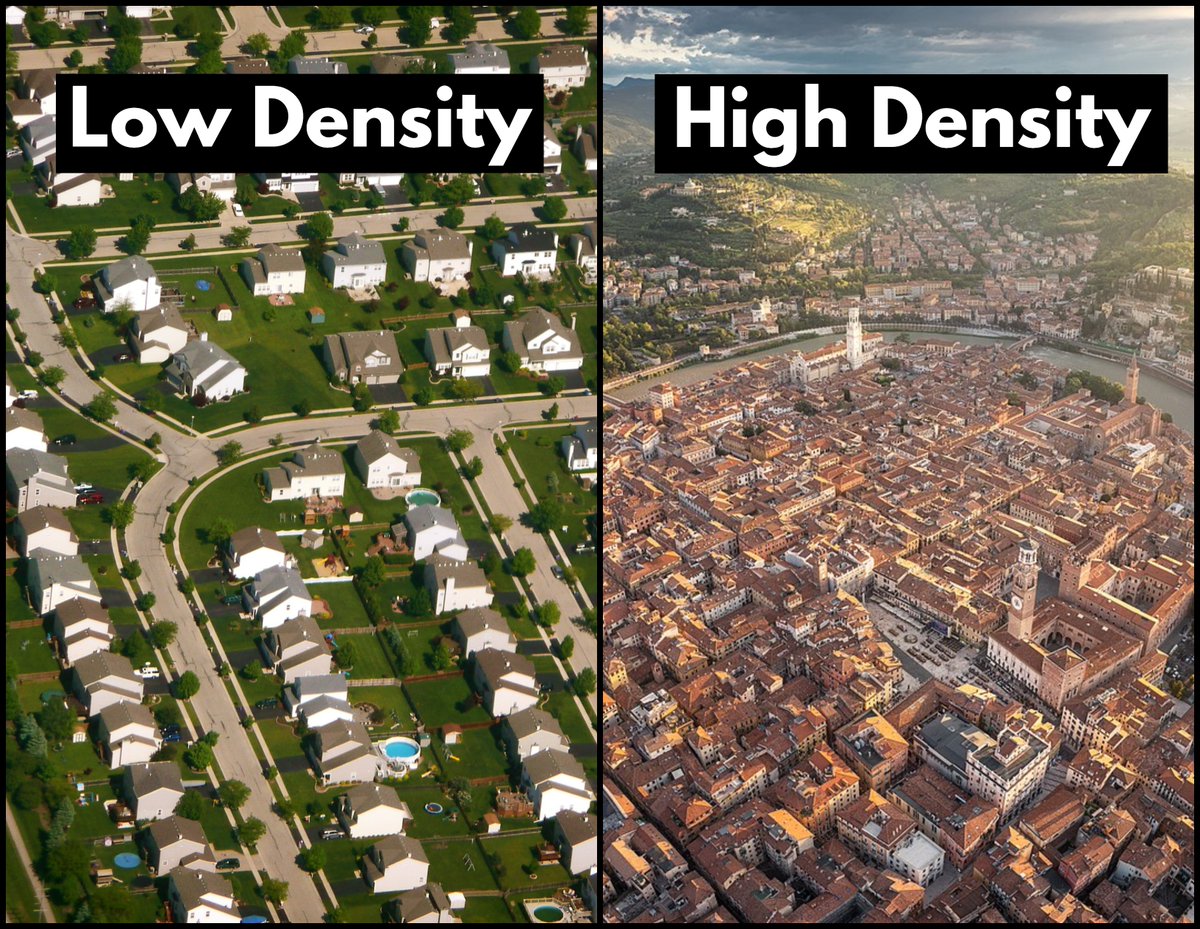
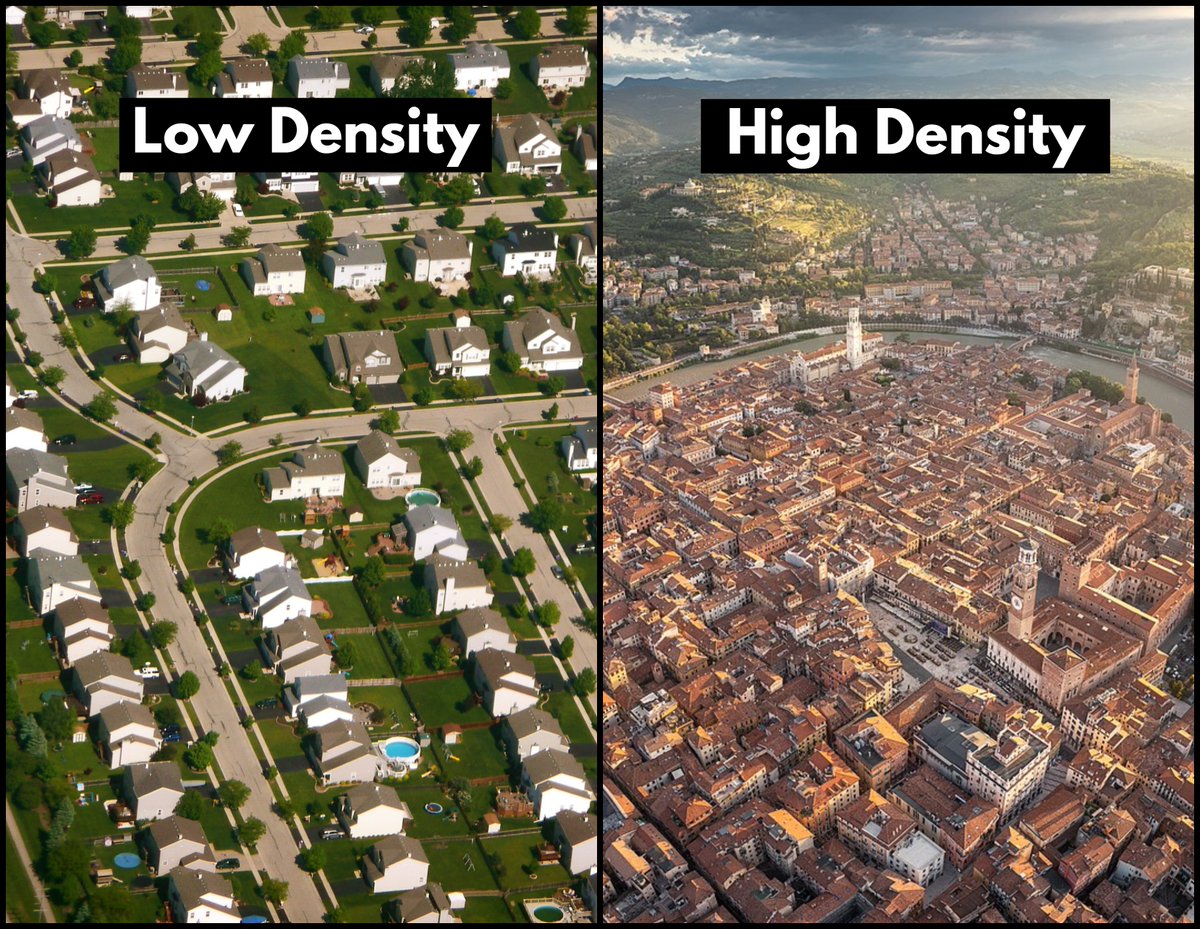
Low Density is when you have single family homes, often with gardens, driveways, and garages, spread out over a large area of land.
Low Density is also usually single use — there are houses and nothing else, perhaps with a city centre, high street, or mall somewhere nearby.
Low Density is also usually single use — there are houses and nothing else, perhaps with a city centre, high street, or mall somewhere nearby.
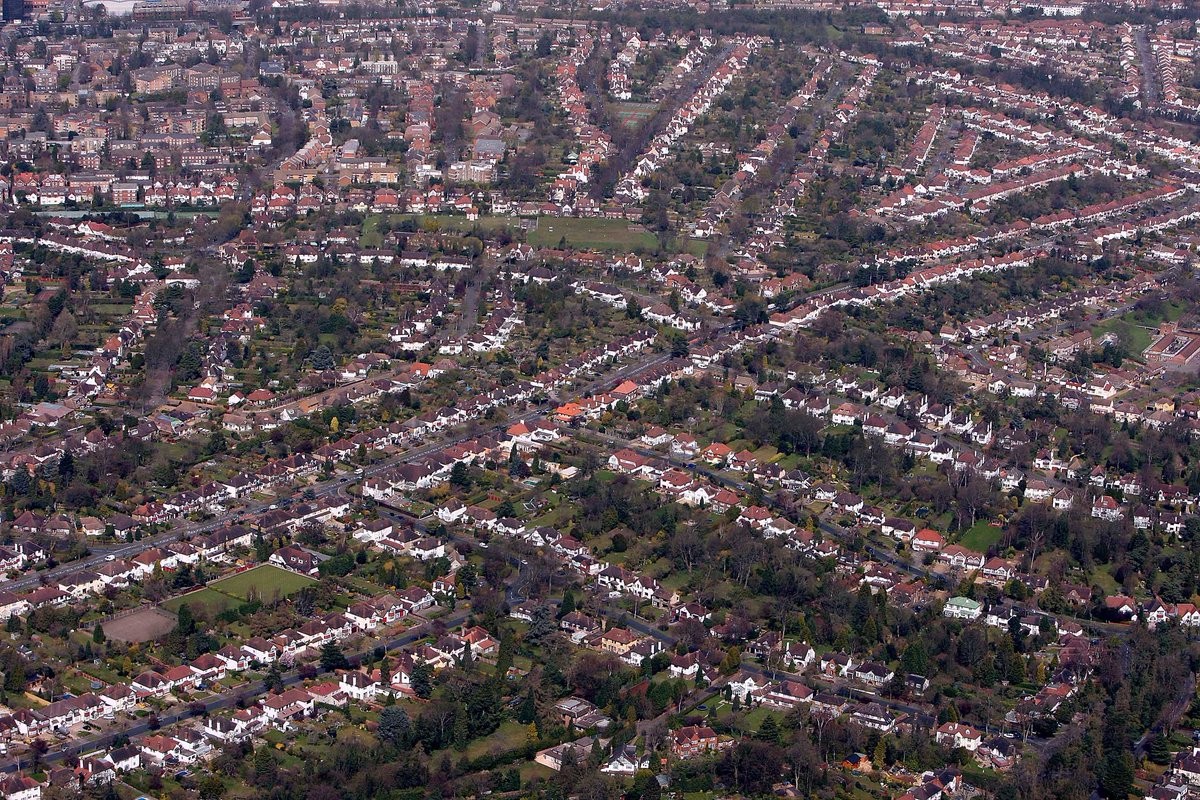
High Density Housing, meanwhile, is when you have large blocks of apartments clustered together.
High Density is also usually mixed use — there are shops, schools, commercial, industrial, civic, cultural, and entertainment places mixed in with the housing.
High Density is also usually mixed use — there are shops, schools, commercial, industrial, civic, cultural, and entertainment places mixed in with the housing.
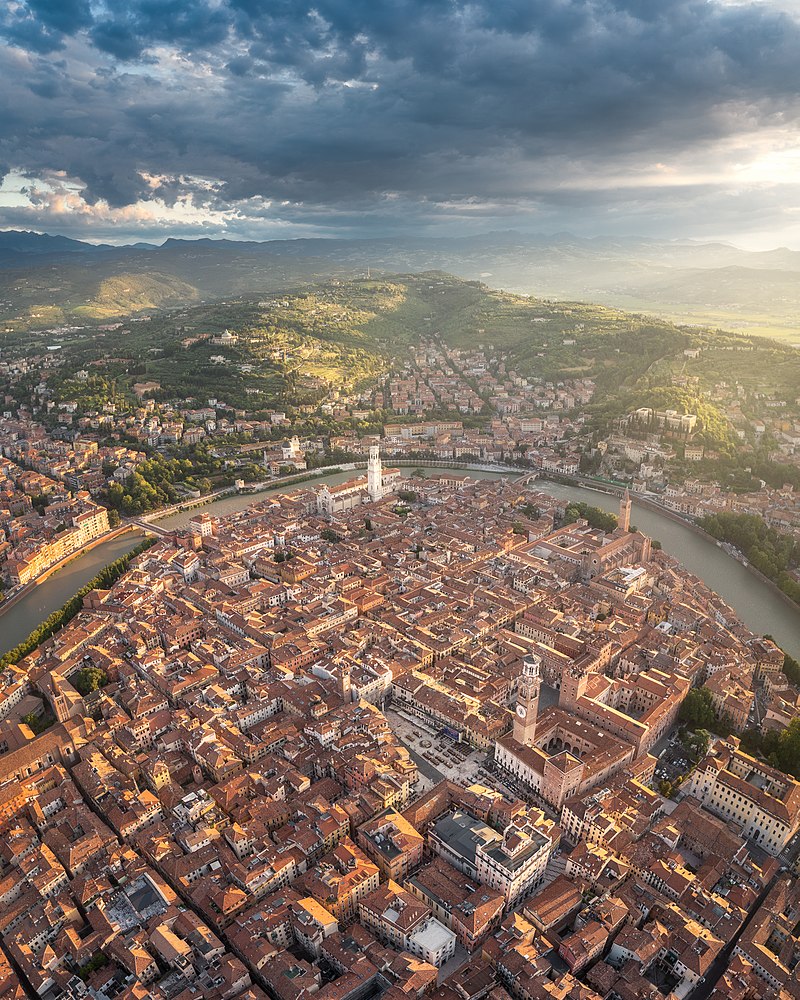
Density — and the differences between and relative advantages and disadvantages of Low and High Density Housing — is one of the most important concepts in urban design.
Because it can totally change the economics, community, and culture of a city.
Because it can totally change the economics, community, and culture of a city.
While Low Density Housing has more space, and is greener and more peaceful, it also tends to produce atomised communities and an overreliance on cars.
High Density, meanwhile, has less space and is busier, but is consequently much livelier, walkable, and convenient.
High Density, meanwhile, has less space and is busier, but is consequently much livelier, walkable, and convenient.
But the most interesting thing of all is that, at different times, one of the two has seemed like a more appropriate way to design cities.
So the question is not simply, "which is better?"
Rather, we should be asking, "what do we need right now?"
So the question is not simply, "which is better?"
Rather, we should be asking, "what do we need right now?"
Most medium-sized European cities are now regarded as ideal.
People want to live there and tourists flock to them.
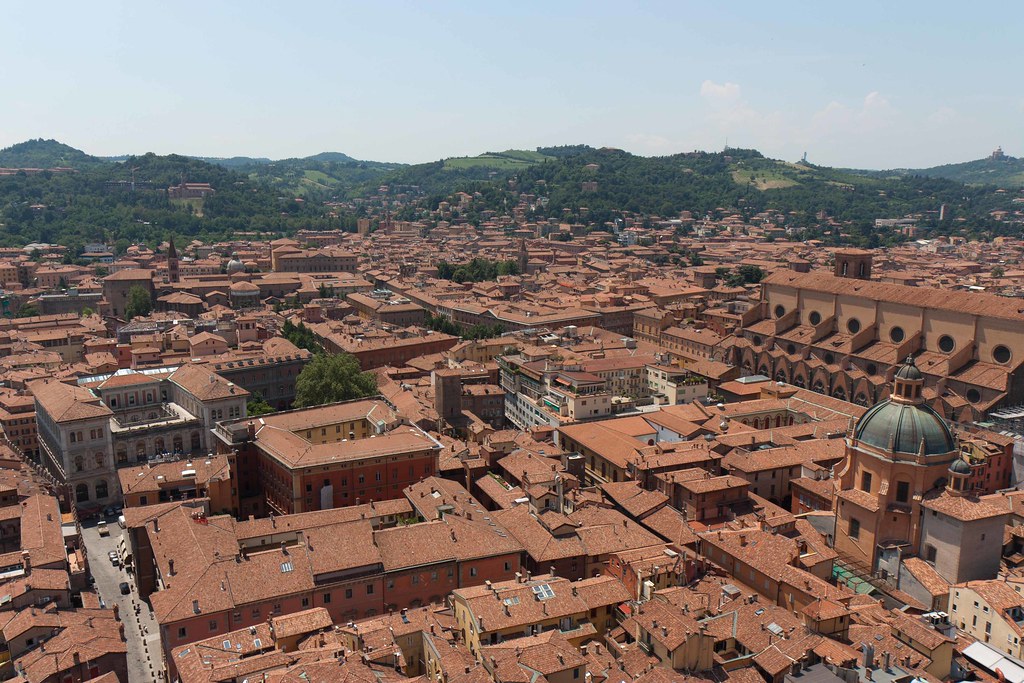
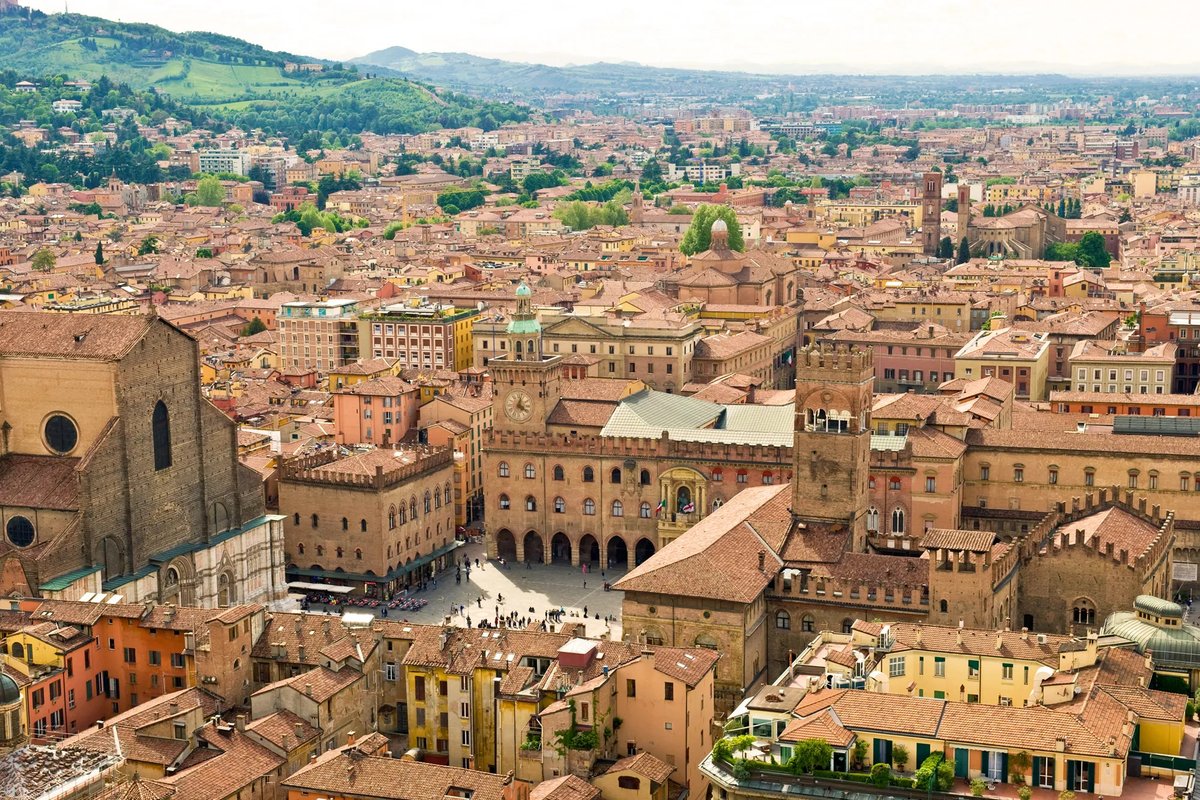
Think of a city like Bologna in Italy, which receives nearly three million visitors per year despite having a population of just 300,000.
People want to live there and tourists flock to them.
Think of a city like Bologna in Italy, which receives nearly three million visitors per year despite having a population of just 300,000.
And that makes sense.
Cities like Bologna have wonderful architecture, they are completely walkable, and they are lively: you'll find cafes, bars, restaurants, bookshops, museums, galleries, history, and much else going on.
The quality of life here is very high indeed.
Cities like Bologna have wonderful architecture, they are completely walkable, and they are lively: you'll find cafes, bars, restaurants, bookshops, museums, galleries, history, and much else going on.
The quality of life here is very high indeed.
But, to people living one or two hundred years ago, this would be a big surprise.
Because, once upon a time, most of those "charming" cities — and all city centres, big or small — were places of industry, squalor, overpopulation, and disease.
Because, once upon a time, most of those "charming" cities — and all city centres, big or small — were places of industry, squalor, overpopulation, and disease.
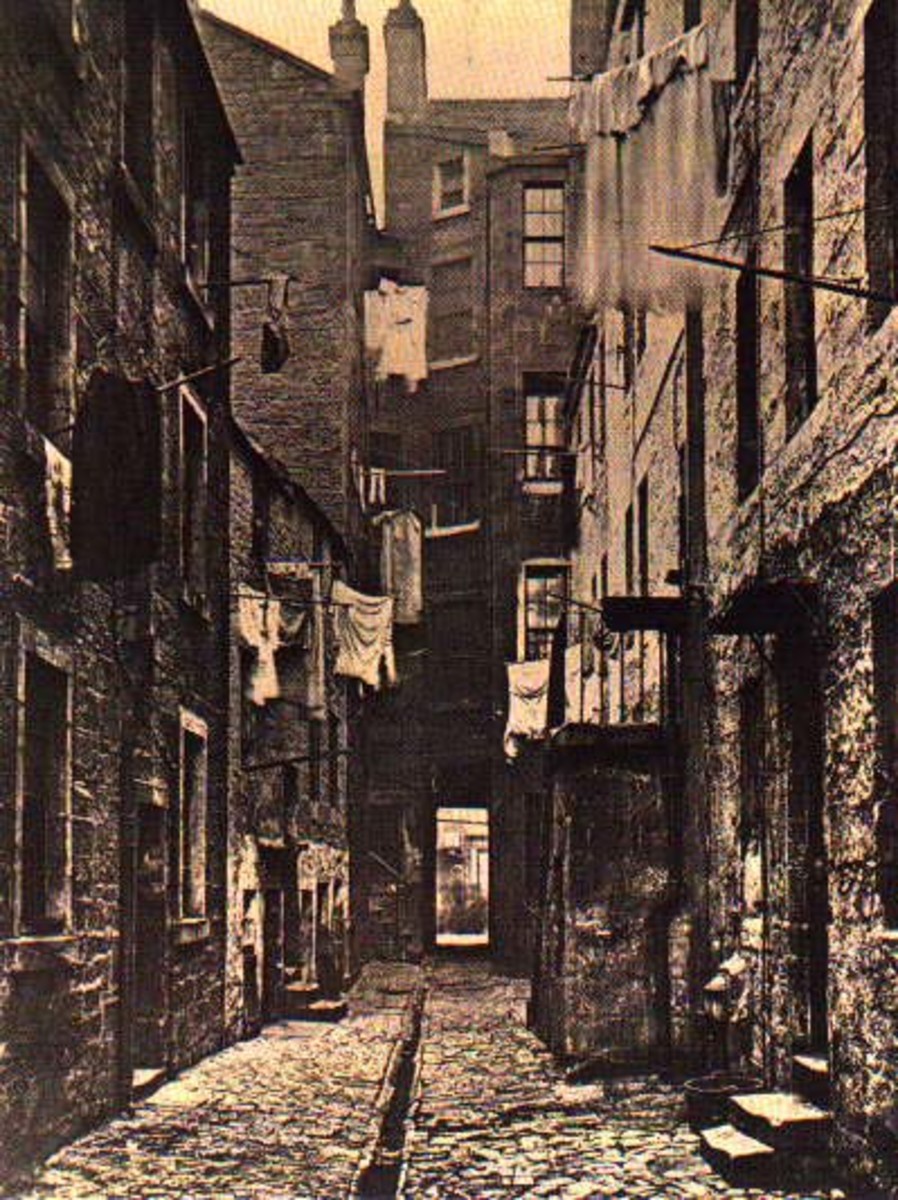
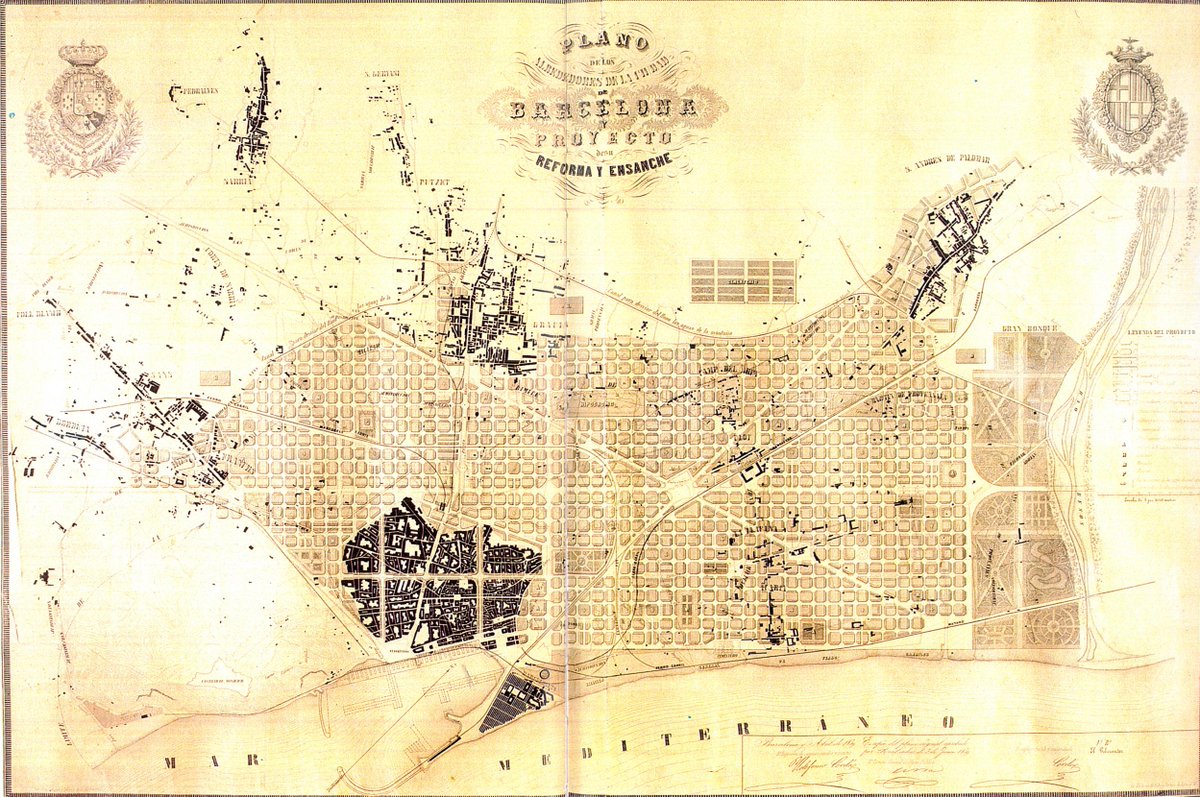
The reason Paris looks like it does today is because, during the 19th century, they demolished most of the old Medieval city and replaced it with broad boulevards and brand new apartments to improve public health and the general quality of life.
The same happened in Barcelona:
The same happened in Barcelona:
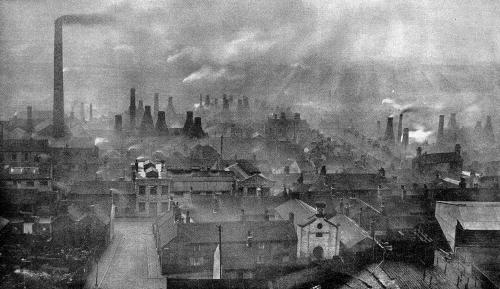
During the Industrial Revolution urban populations skyrocketed; everybody moved for work.
Thus, even as the factories were being built, the chimneystacks going up, and the streets shrouded in smog, tens of thousands of people were cramming into inadequate, unsanitary housing.
Thus, even as the factories were being built, the chimneystacks going up, and the streets shrouded in smog, tens of thousands of people were cramming into inadequate, unsanitary housing.
But rebuilding old city centres was expensive, complicated, and time-consuming.
Thus, as cities became overcrowded, those who could afford it moved to something called... "the suburbs".
Away from the industry, disease, and crowds of the city centre — life was better there.
Thus, as cities became overcrowded, those who could afford it moved to something called... "the suburbs".
Away from the industry, disease, and crowds of the city centre — life was better there.
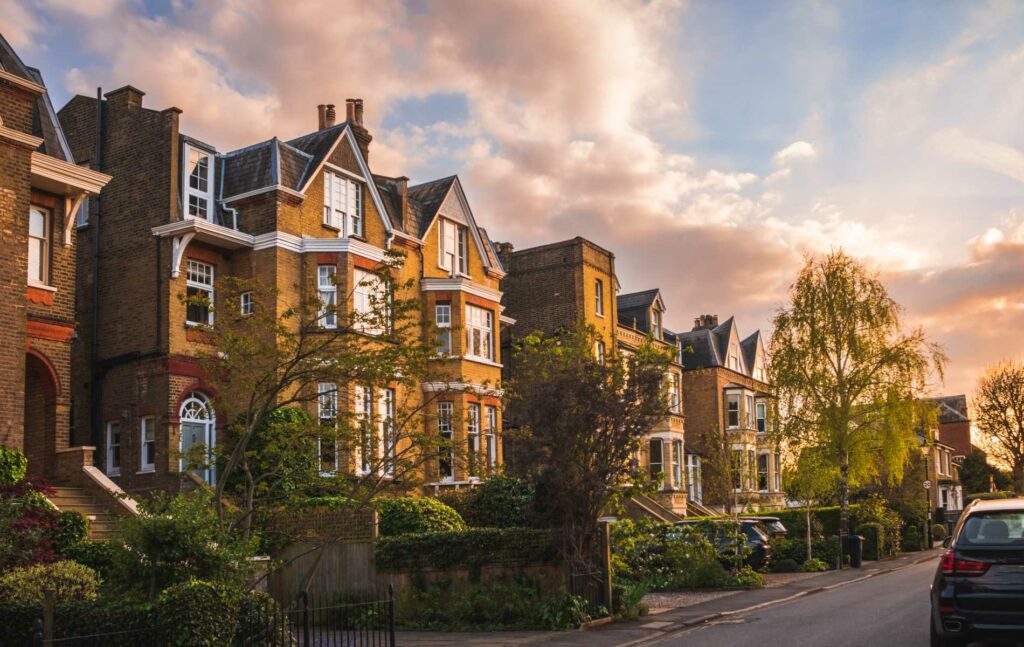
This process was accelerated by the rise of railways, trams, and metros; when the London Underground opened in 1863 it forever revolutionised how cities would be designed.
So the suburbs spread, because people could travel from ever further away, and this was welcomed.
So the suburbs spread, because people could travel from ever further away, and this was welcomed.
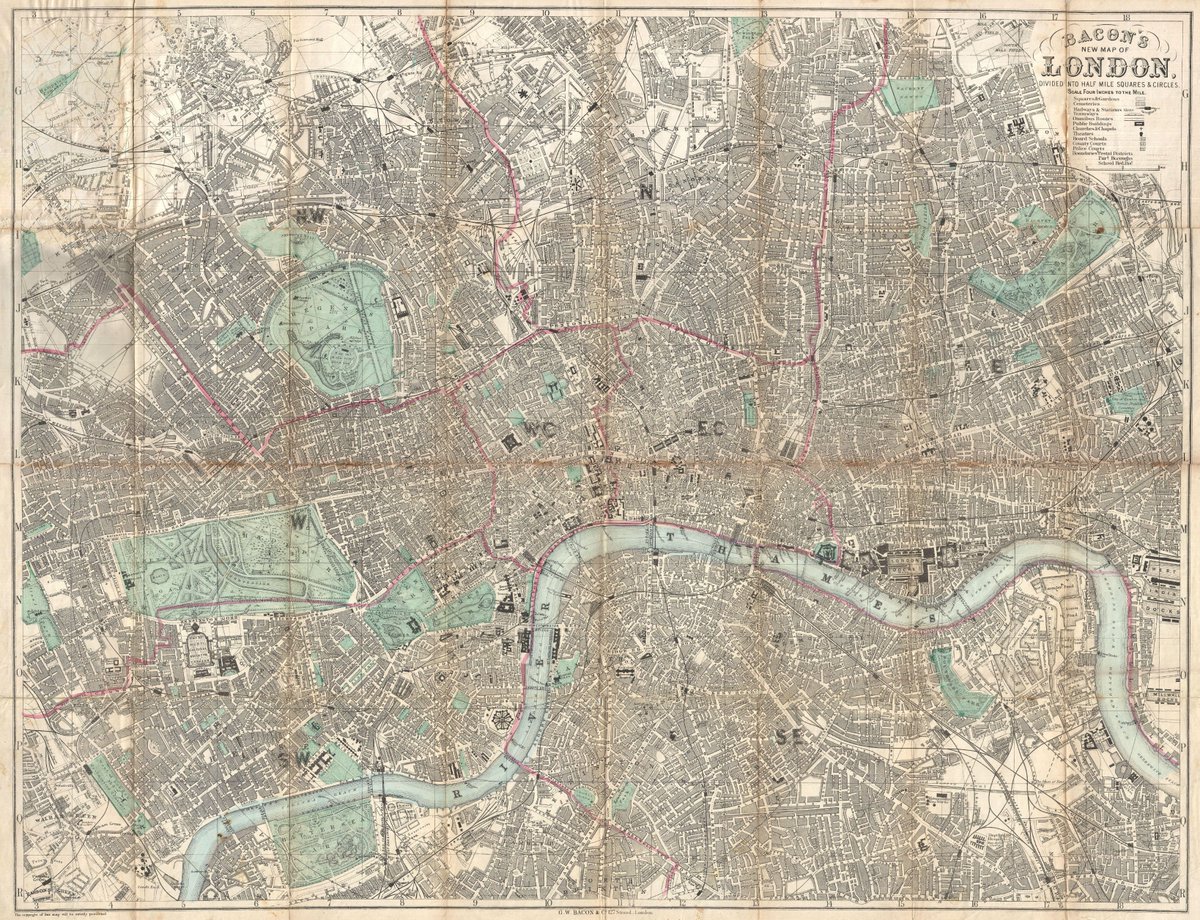
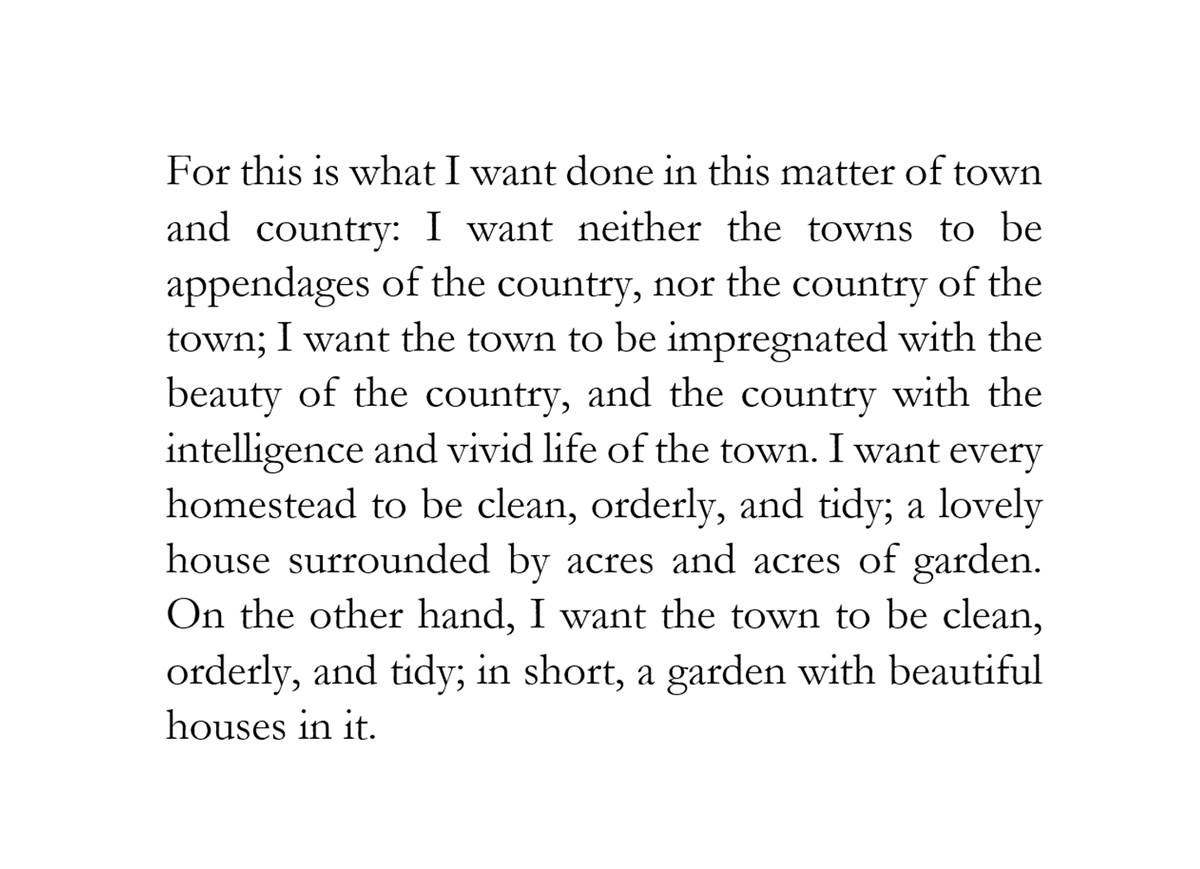
In the late 19th century public intellectuals like William Morris dreamed of "garden cities" where people might live in spacious houses, amid broad streets, good schools, and clean air.
Once upon a time Low Density Housing was a dream that sounded too good to be true.
Once upon a time Low Density Housing was a dream that sounded too good to be true.
And what trains had started, cars took to its logical conclusion.
They made it possible for suburbs to be even larger, and ever more distant from city centres. And with the rise of cars there came malls and shopping outlets.
Suburbs became Low Density Cities of their own.
They made it possible for suburbs to be even larger, and ever more distant from city centres. And with the rise of cars there came malls and shopping outlets.
Suburbs became Low Density Cities of their own.
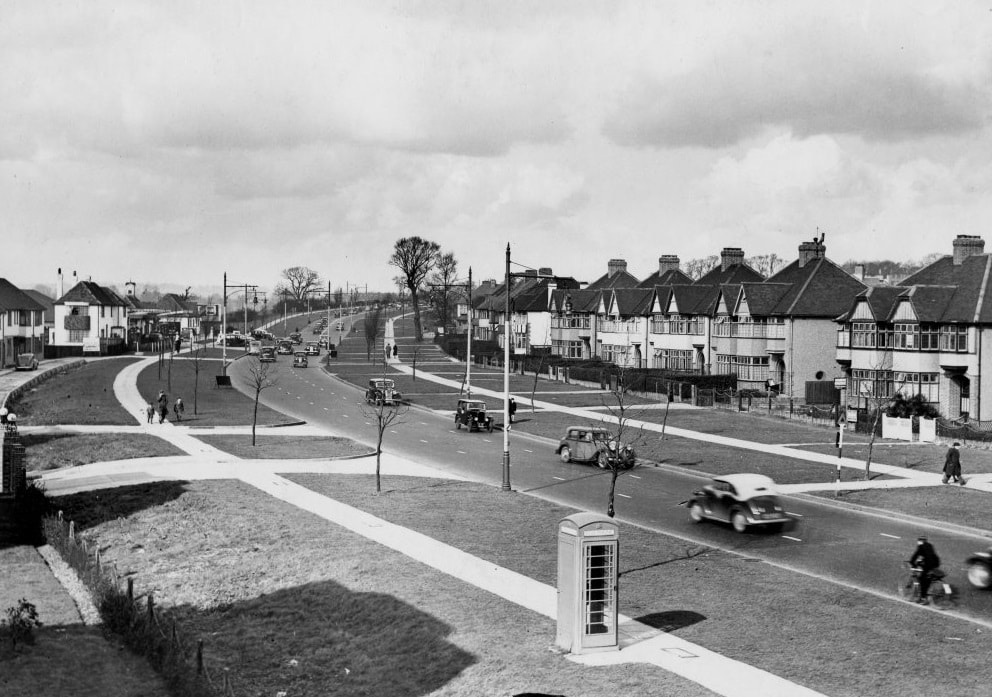
This Low Density dream was finally and fully realised in the decades after WWII, as countries all around the world started to rebuild and, with growing populations, expand.
Tower blocks were built in city centres, but the majority of expansion was in the ever-vaster suburbs.
Tower blocks were built in city centres, but the majority of expansion was in the ever-vaster suburbs.
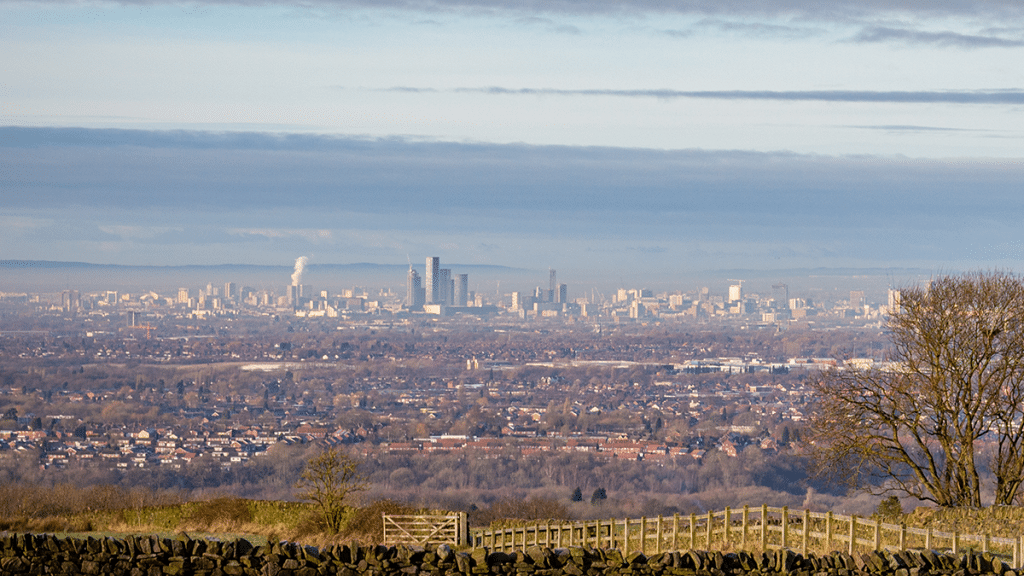
But now the situation has changed.
That surburban dream has been inverted; it is the High Density city centre which has — not everywhere, but in many places — become the location where people want to live.
Those once-plagued streets have become miniature urban paradises.
That surburban dream has been inverted; it is the High Density city centre which has — not everywhere, but in many places — become the location where people want to live.
Those once-plagued streets have become miniature urban paradises.
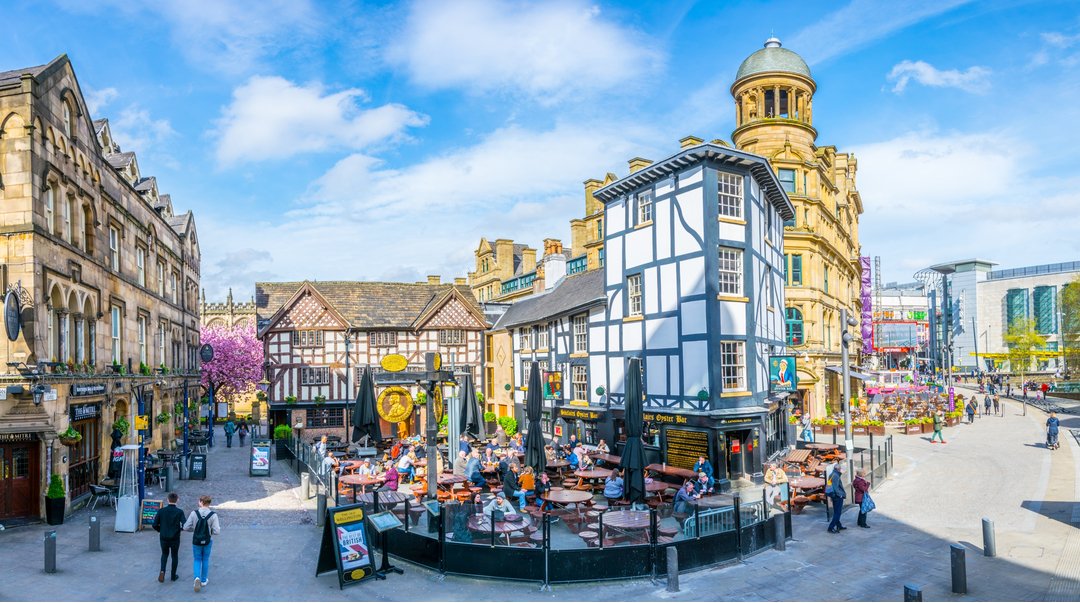
Why?
It's partly because of major economic changes. Deindustrialisation meant cities were no longer dominated by factories, power stations, and mills.
Those factories and docklands have become shopping centres, galleries, and apartments — a sign of changing times.
It's partly because of major economic changes. Deindustrialisation meant cities were no longer dominated by factories, power stations, and mills.
Those factories and docklands have become shopping centres, galleries, and apartments — a sign of changing times.
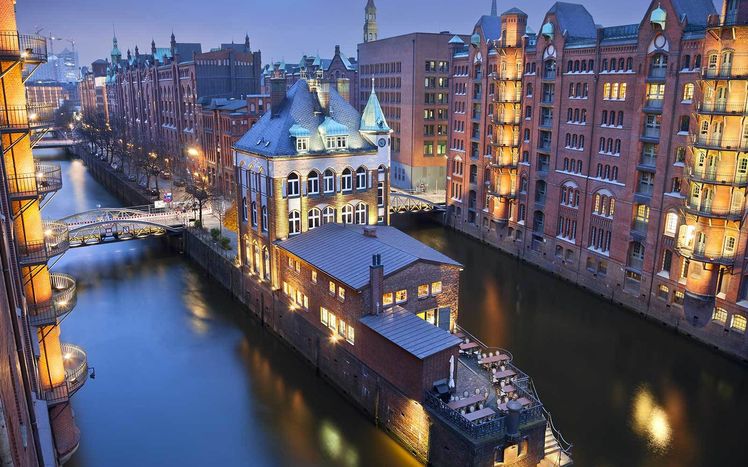
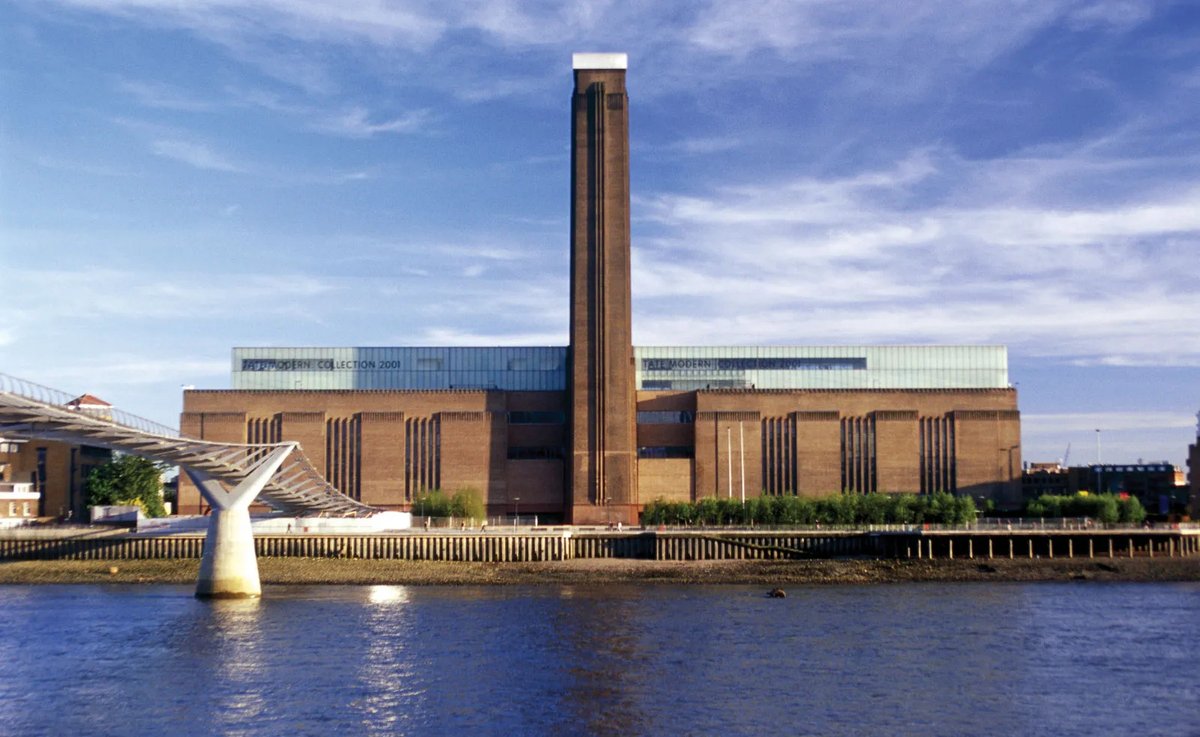
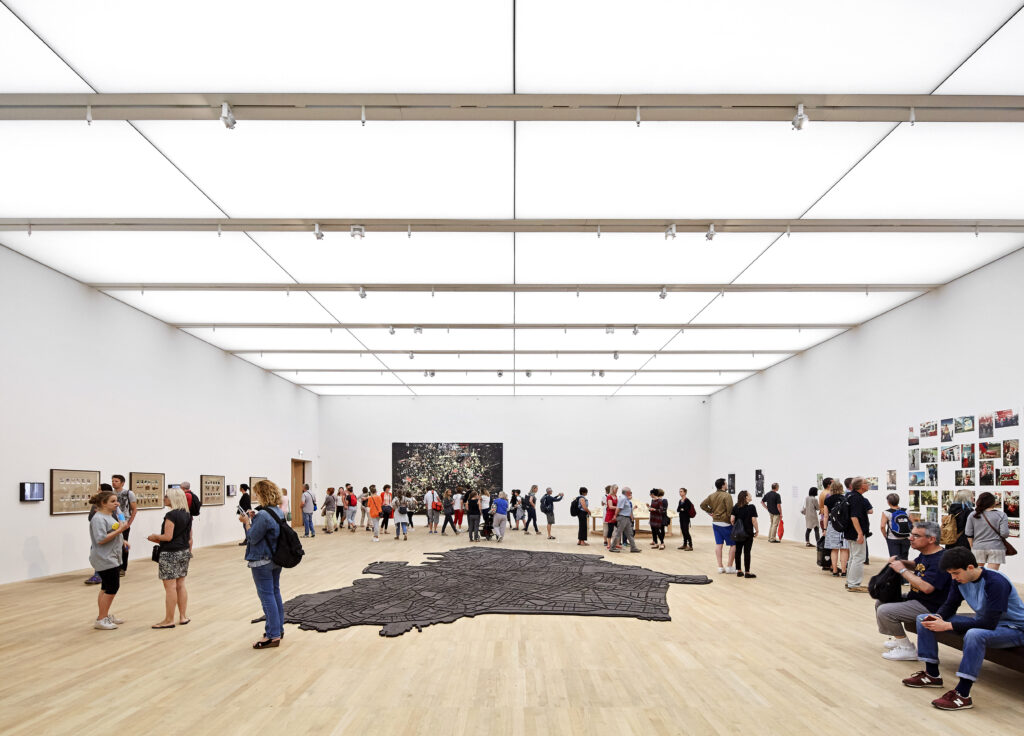
Add to deindustrialisation the general improvements in infrastructure and technology, from heating to plumbing to electrics, and those formerly squalid city centres have been transformed into altogether pleasant places to live.
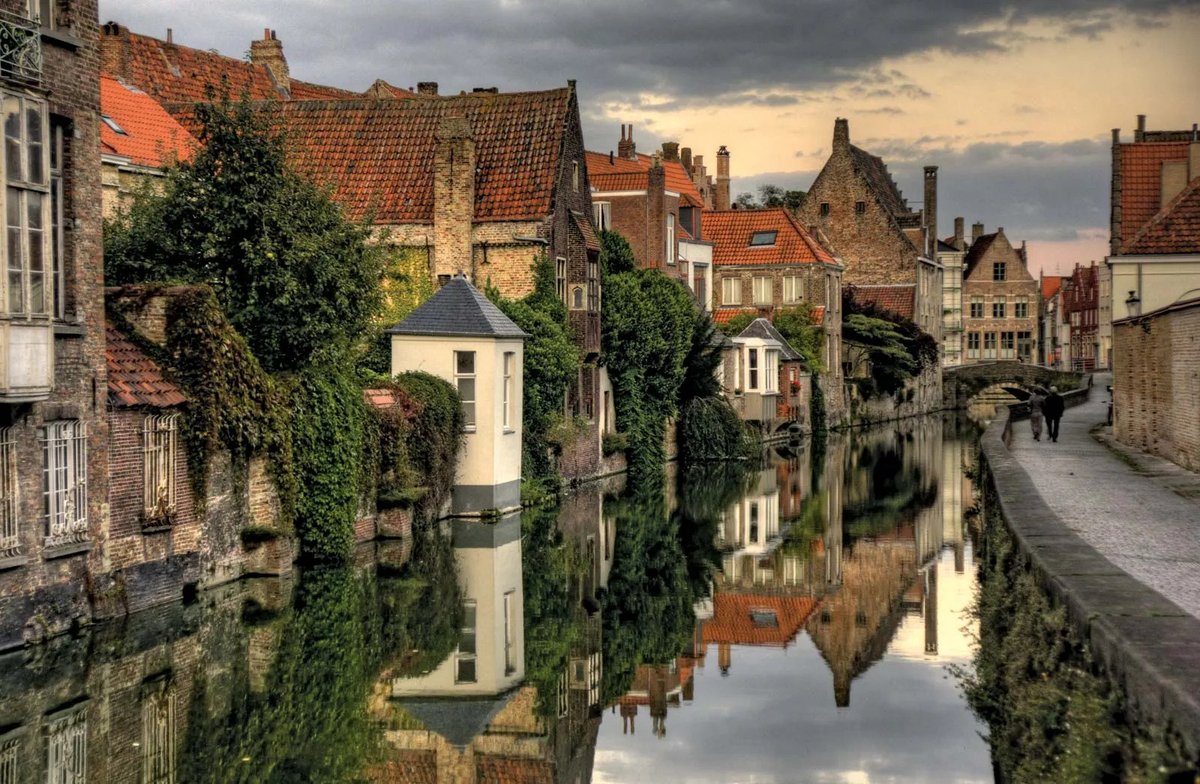
And, finally, in the Age of the Internet, it may be the case that people are now craving the sense of community and identity and liveliness that High Density urban centres provide.
People see walkable streets as an antidote to the atomisation caused by social media.
People see walkable streets as an antidote to the atomisation caused by social media.
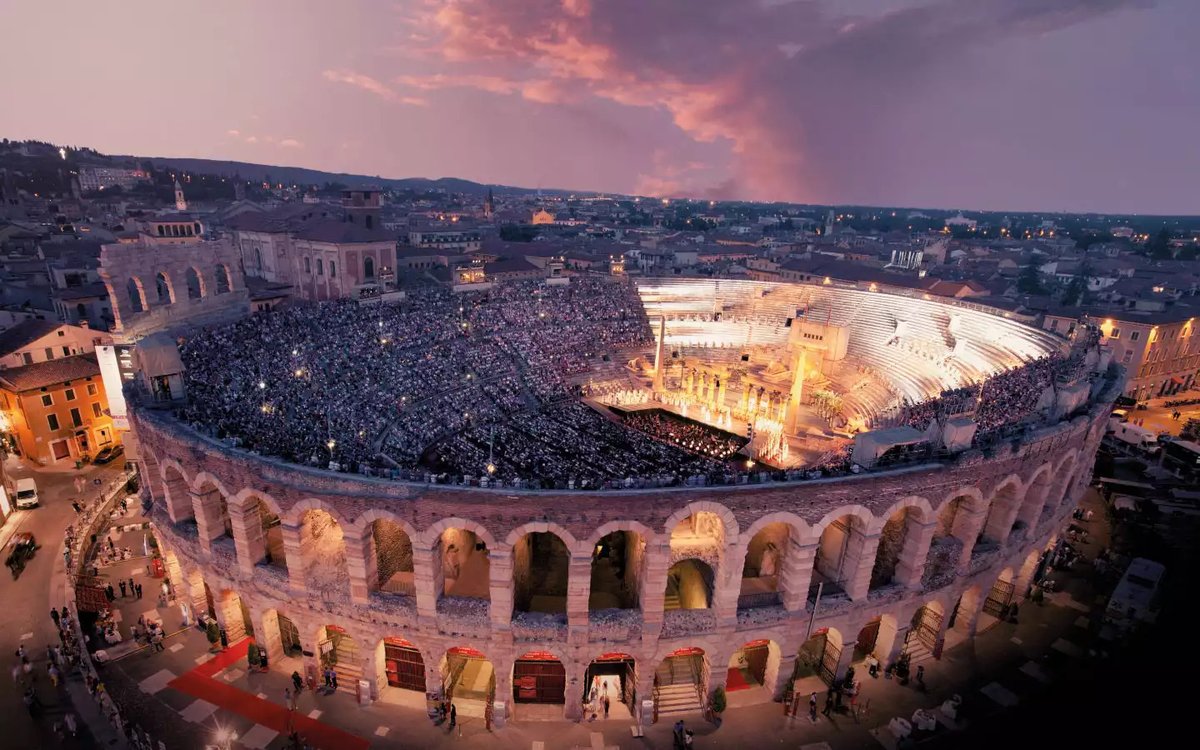
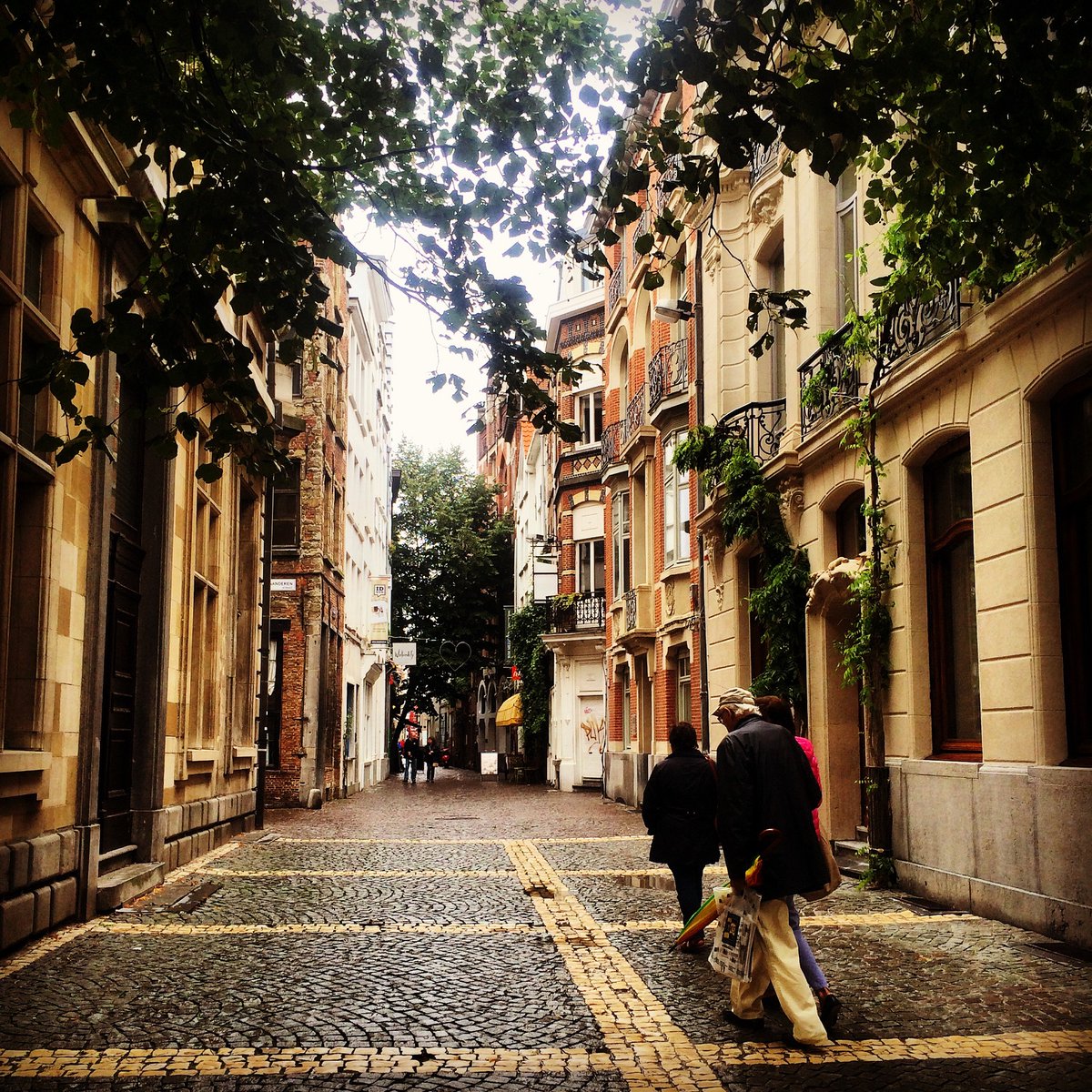
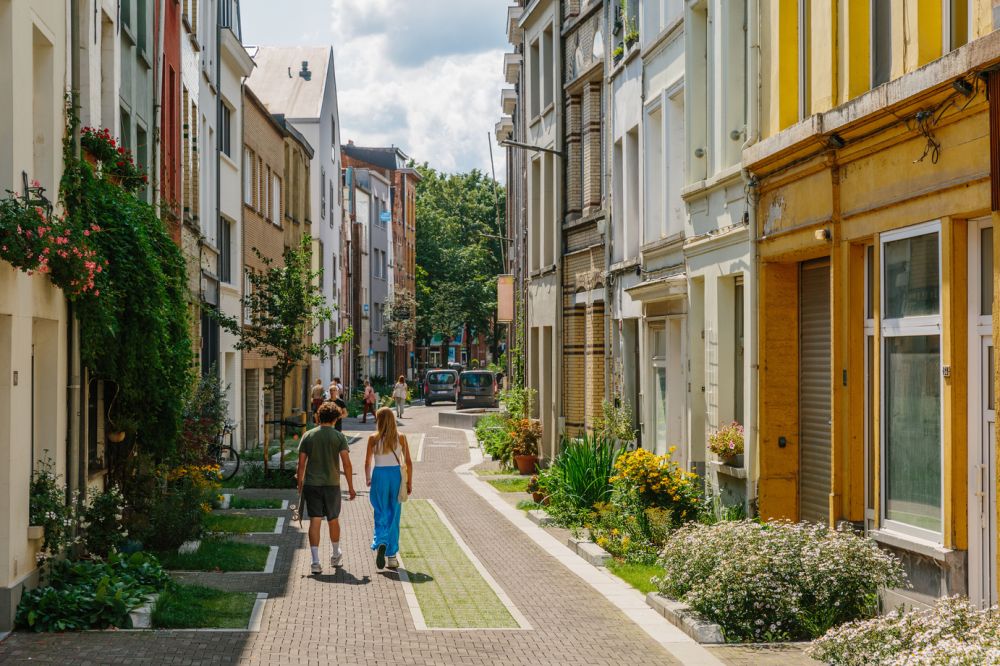
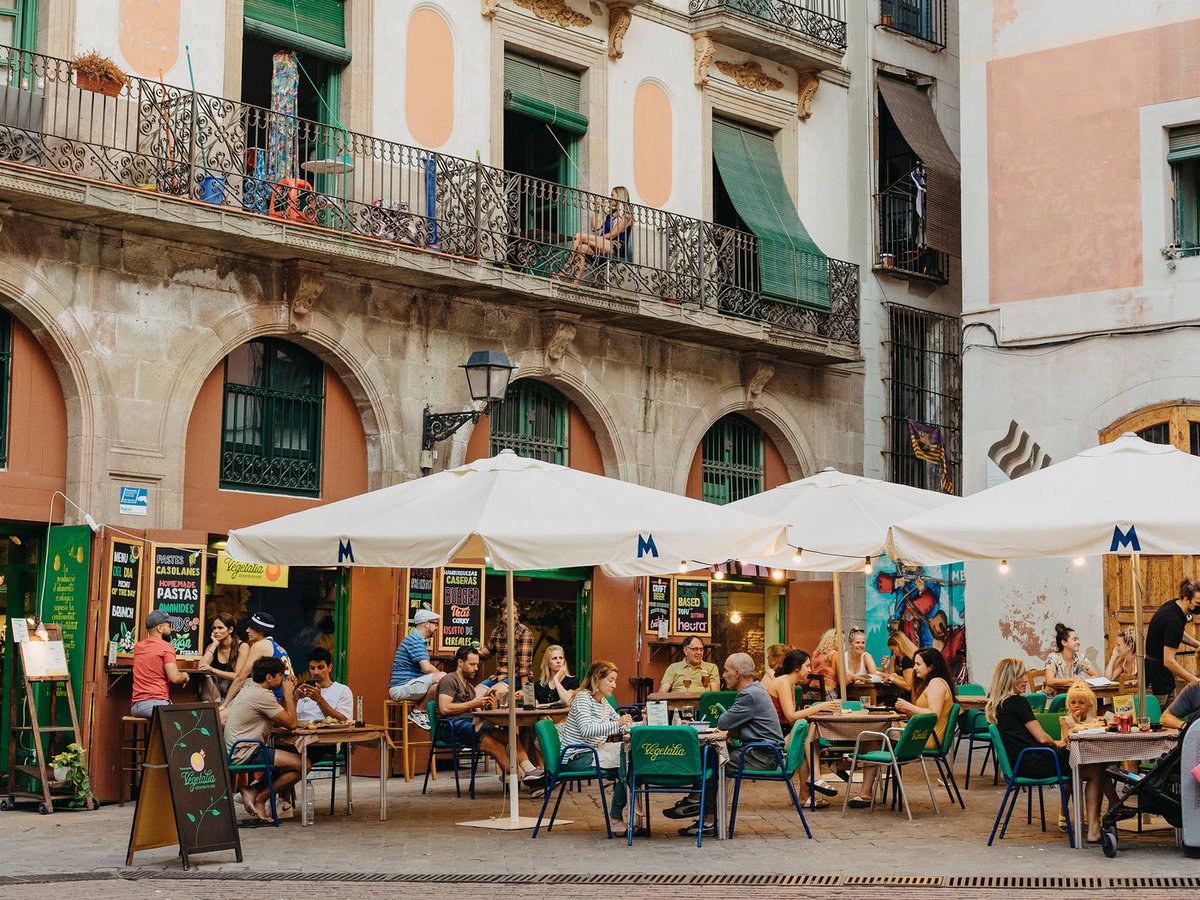
These are not the only options and we don't have to choose only one of them when we design our cities, but the question of *how* we should build is eternal.
So what do we need in the 21st century — more Low Density or more High Density?
So what do we need in the 21st century — more Low Density or more High Density?
Loading suggestions...