

Tibetan Art-Beyond the Basics Many people's first encounter with Tibetan Buddhism involves being captivated by the art, usually wrathful deities.
This thread is about appreciating it beyond the religious symbolism, focusing on the skill and range of styles of Tibetan artists
This thread is about appreciating it beyond the religious symbolism, focusing on the skill and range of styles of Tibetan artists
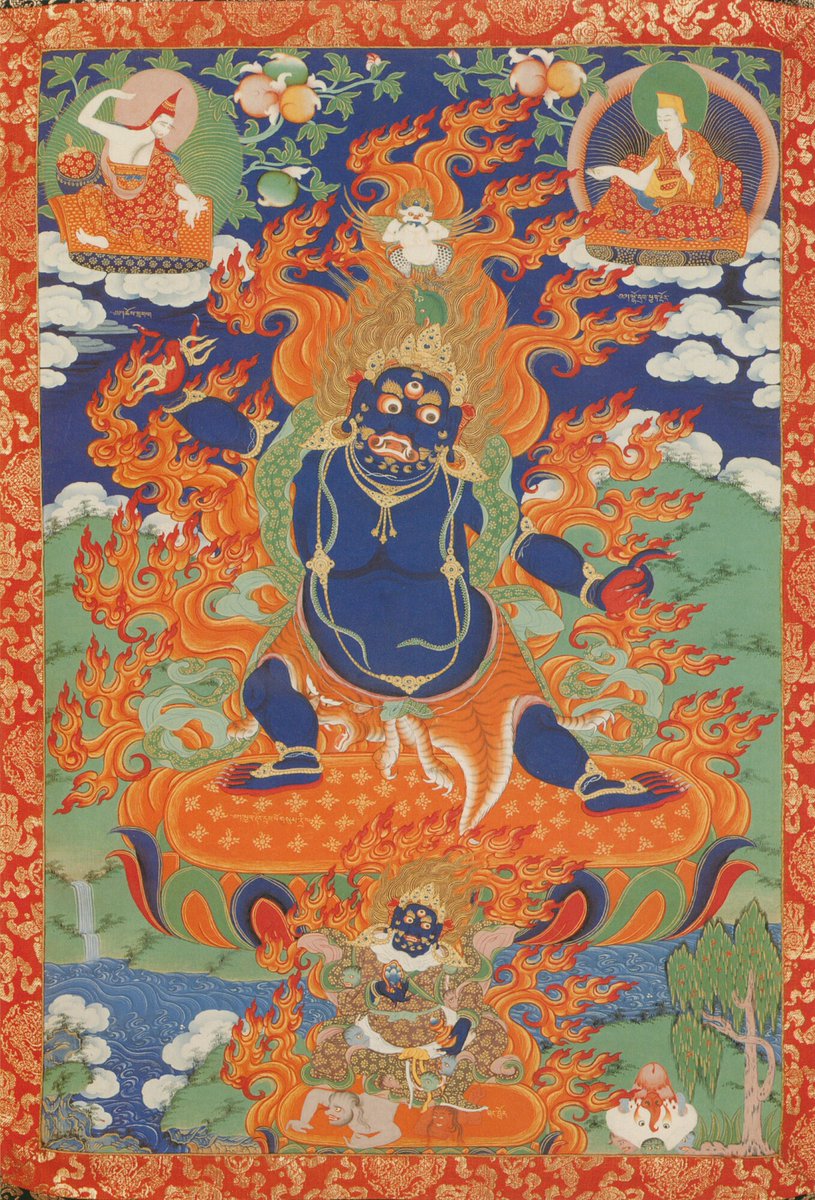
The Basics
The main subject of any thangka is a deity or historical figure. Above this are higher deities and venerated monks. Below are protector deities who guard Buddhism.
If its a narrative thangka, the composition has biographical scenes depicted around the subject instead
The main subject of any thangka is a deity or historical figure. Above this are higher deities and venerated monks. Below are protector deities who guard Buddhism.
If its a narrative thangka, the composition has biographical scenes depicted around the subject instead
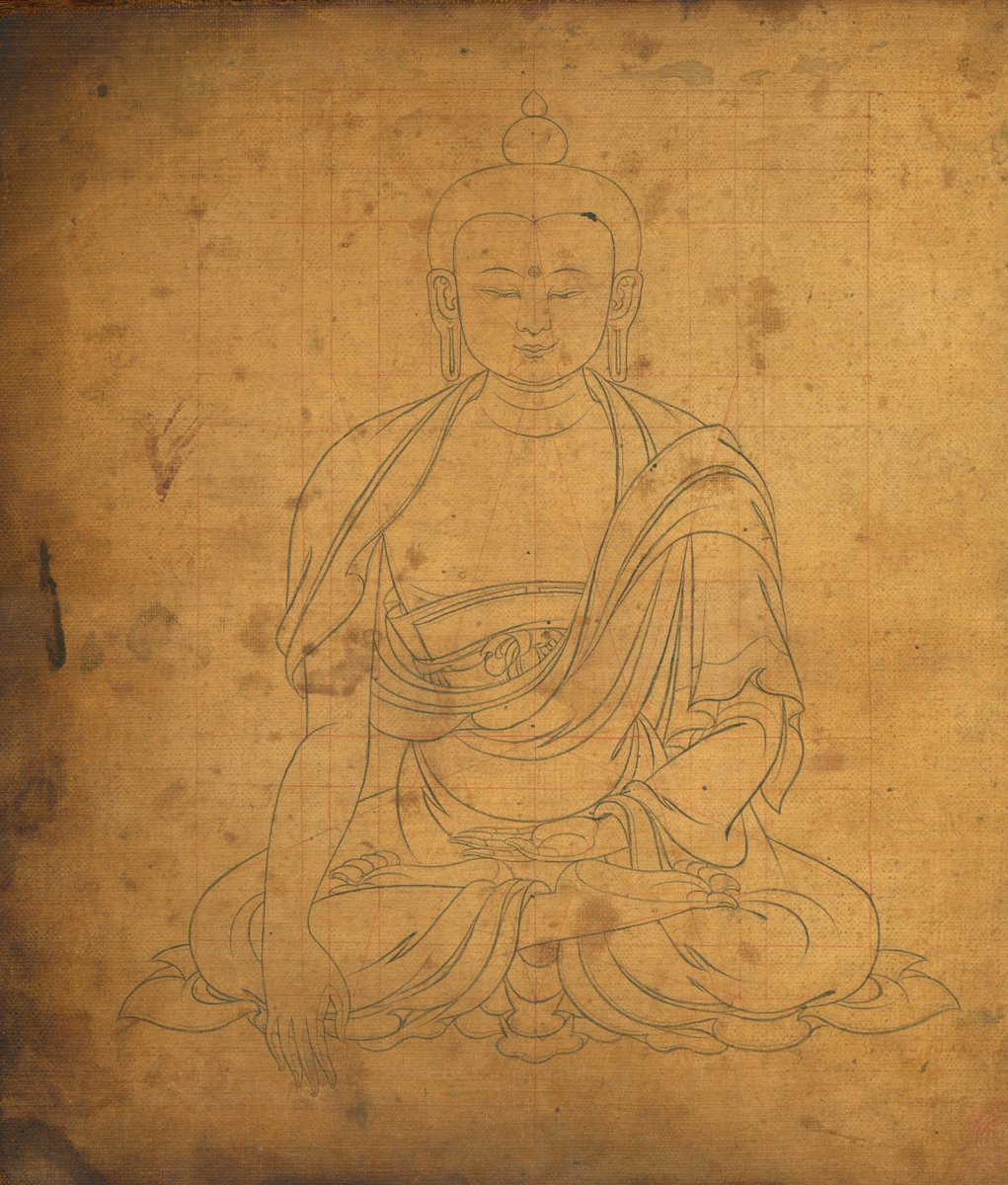
Most figures in Tibetan art have set proportions called iconometry, and novices learn how to draw them by using grids. But master artists have mastered dozens of different deities' forms so they don't need to use grids, which makes their composition free and expressive.
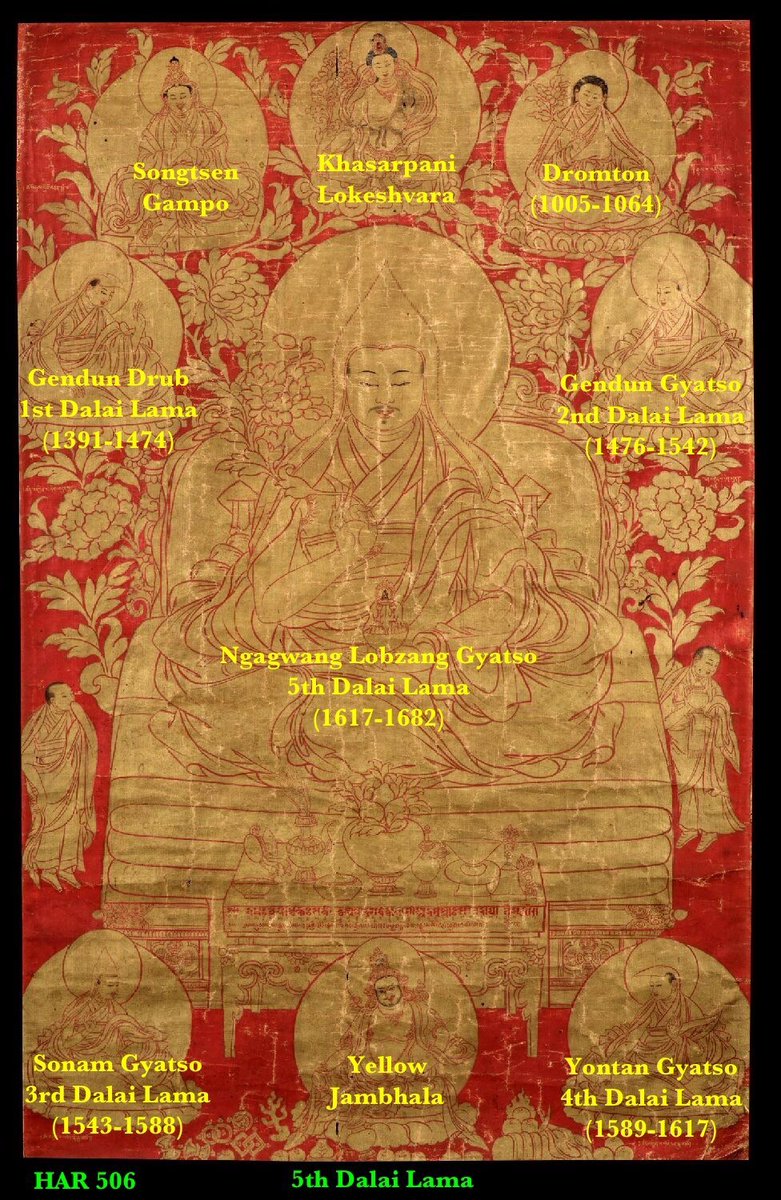
Traditionally, all thangkas were commissioned by monks or donors to monks, and so the specific figures the artist painted were determined by the different Buddhist sect, teaching lineage and practices of the recipient/commissioner. E.g Dalai lama for Gelug
As monasteries developed in Tibet, regional styles evolved to cater to the tastes of the local monastery. While Western Tibet was influenced earlier on by Indian and Nepali art, Eastern and later Tibetan art was influenced by the Chinese.
The stylistic difference between these two thangkas is so obvious because it is analogous to comparing medieval and Renaissance European art. (13th century West Tibetan vs 17th century Central Tibetan)
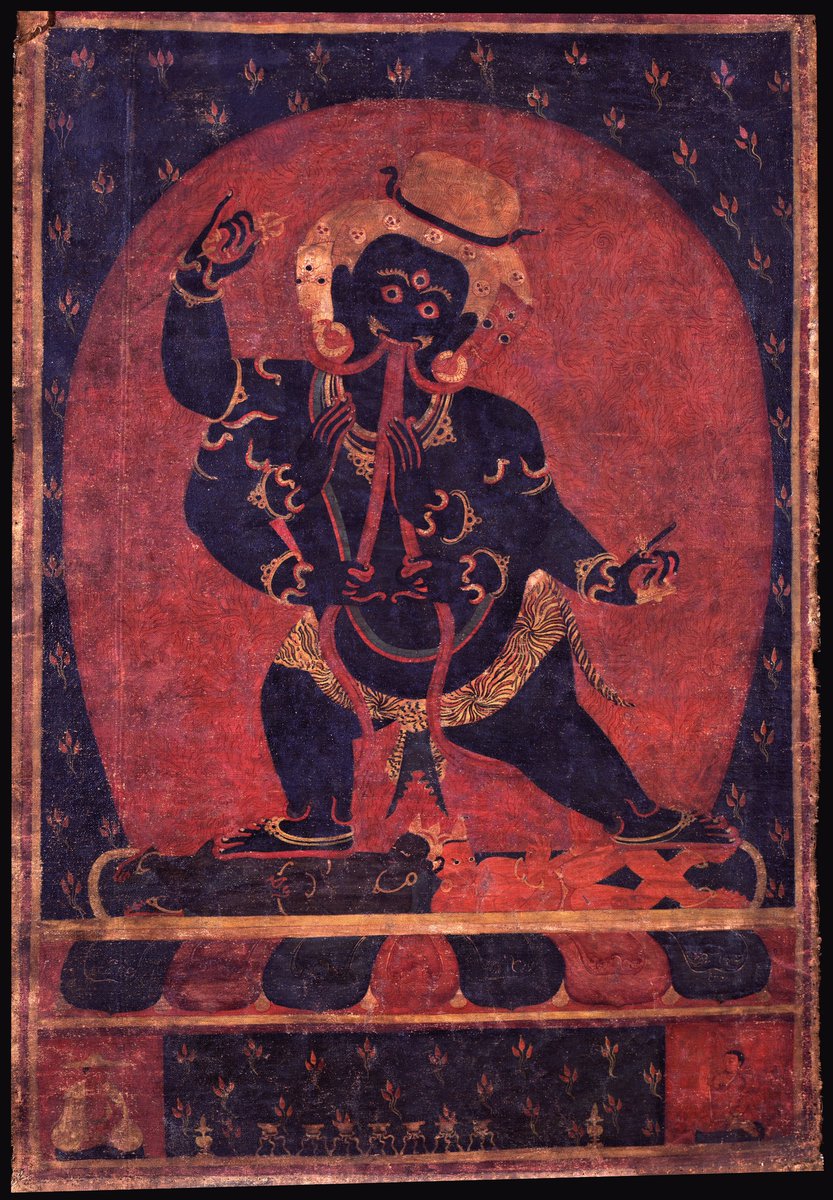
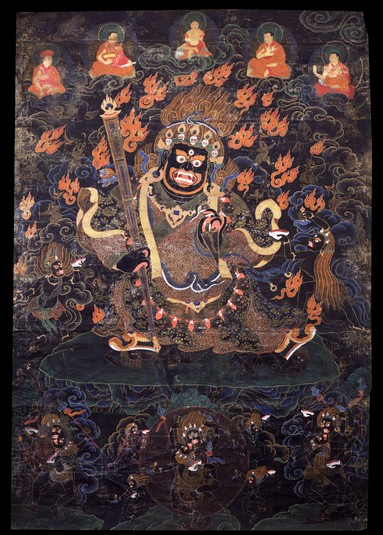
As for individuals, two of the most influential Tibetan artists were Mentangpa and Khyentse Chenmo, who both lived late 15th early 16th c. They were actually classmates in the same art school, yet they invented two different styles that replaced the dominance of Nepali influence
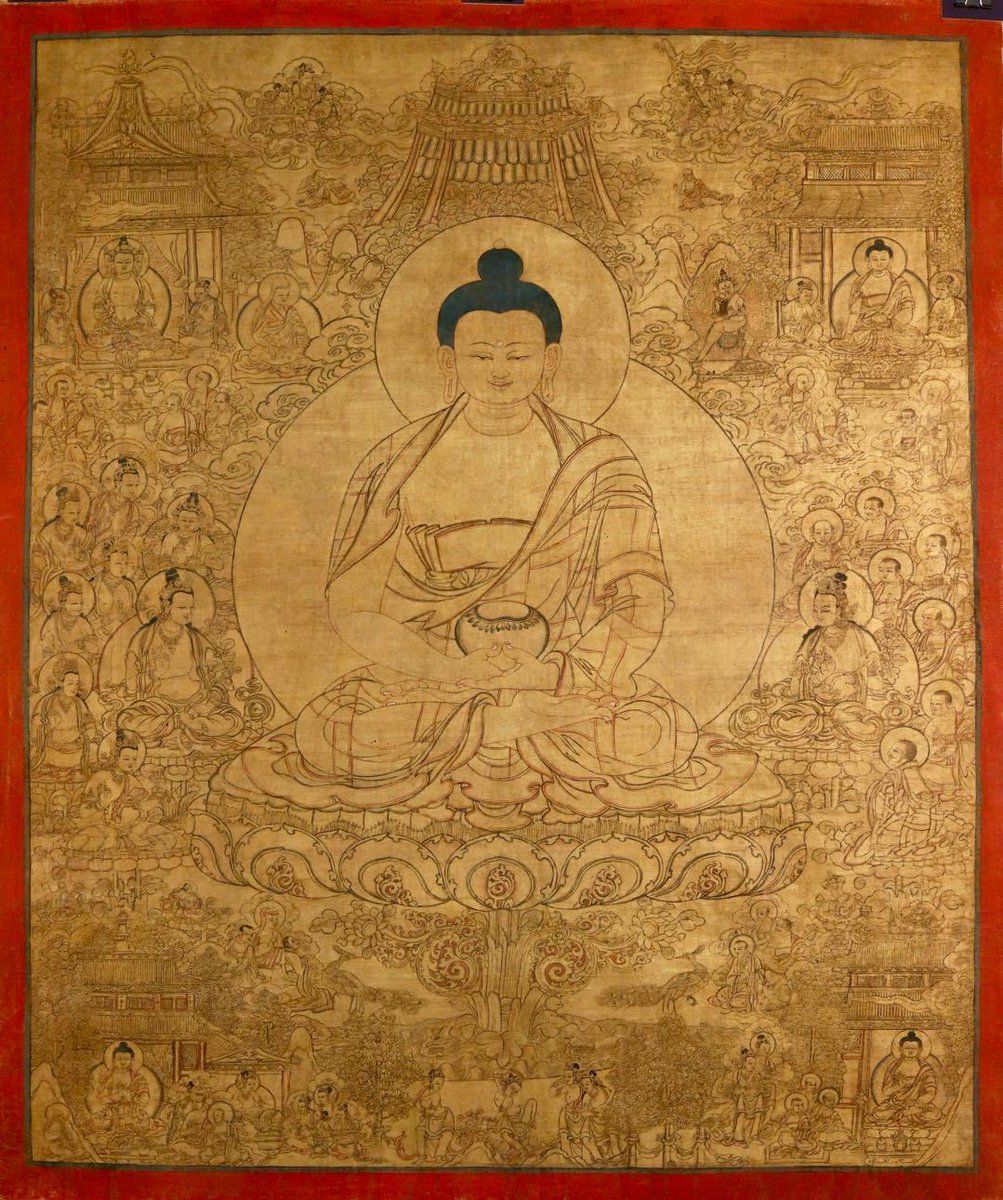
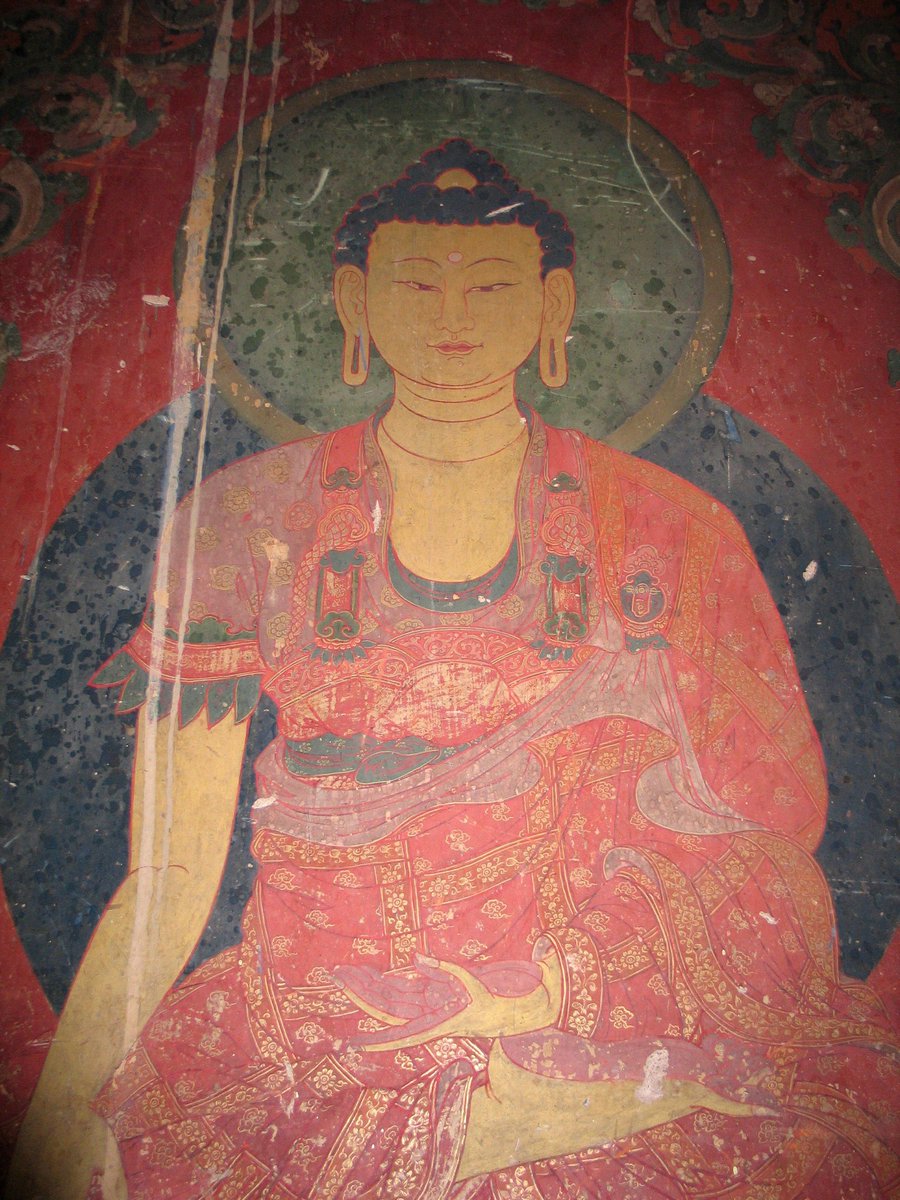
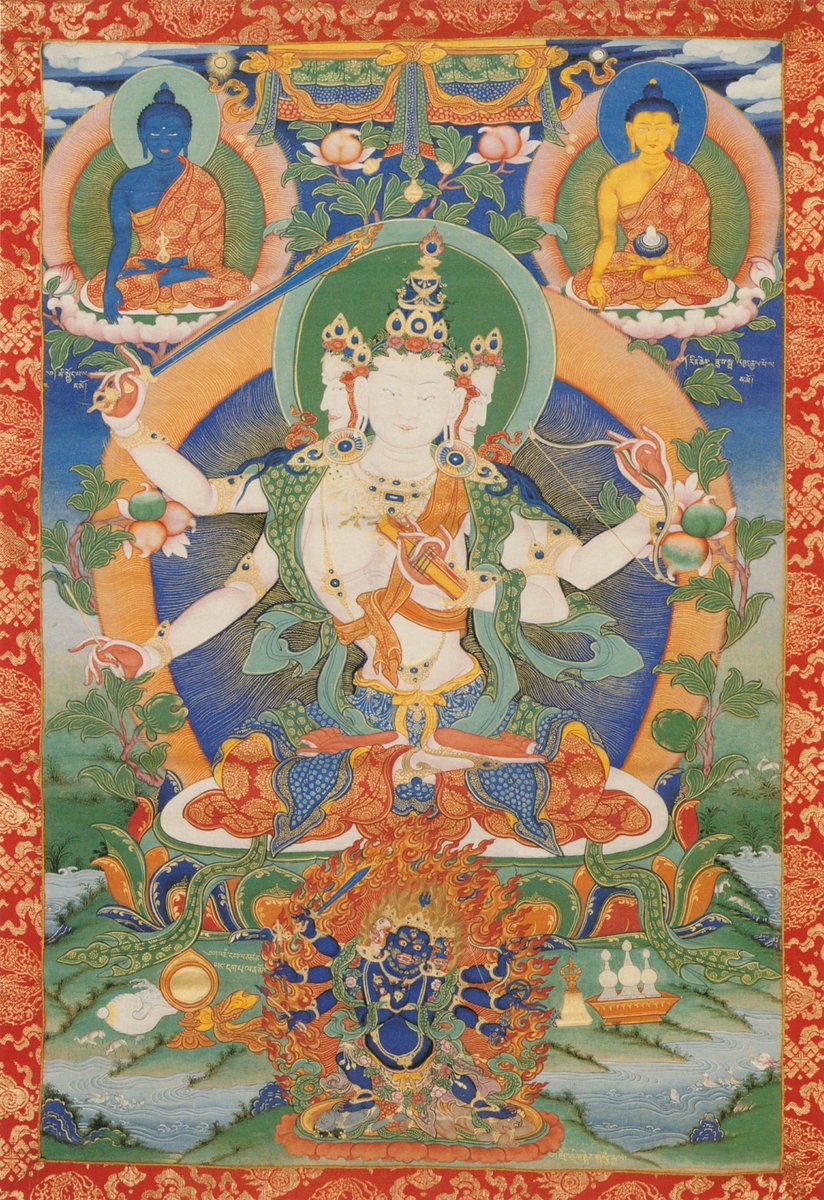
Now take a closer look at the stylistic features of a Khyenri style painting. The elegant limbs, sharply featured faces. Details people often ignore like the clouds, leaves, tongues of flame and miscellaneous animals are how experts identify his style.
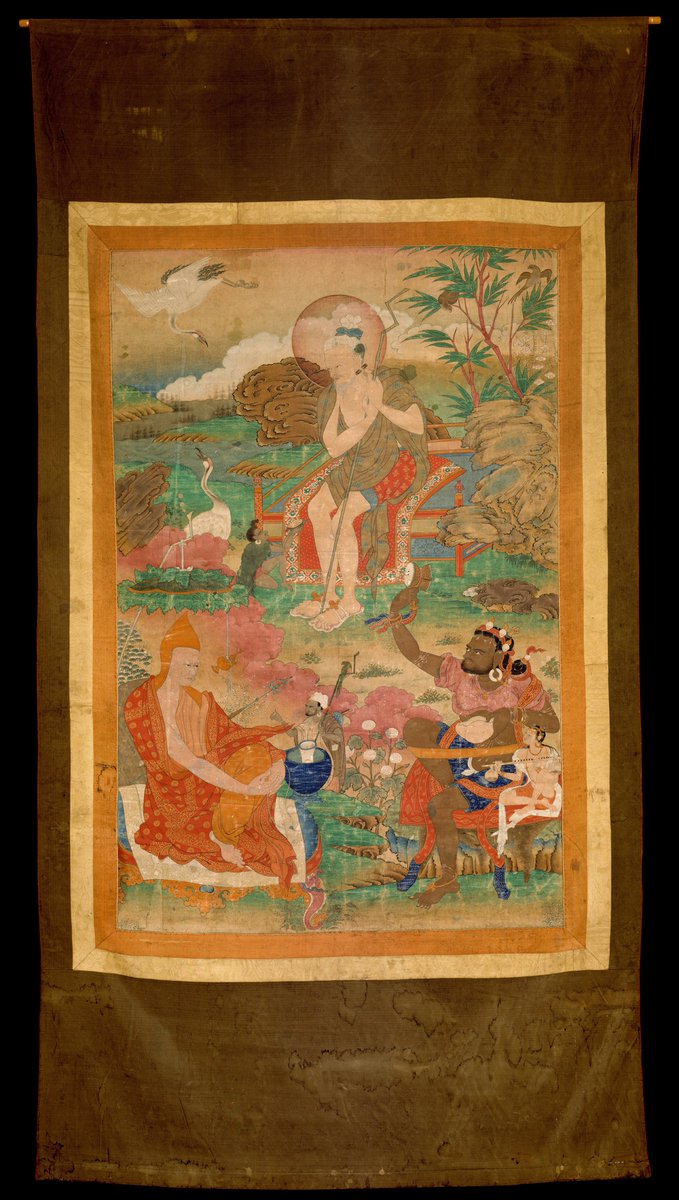
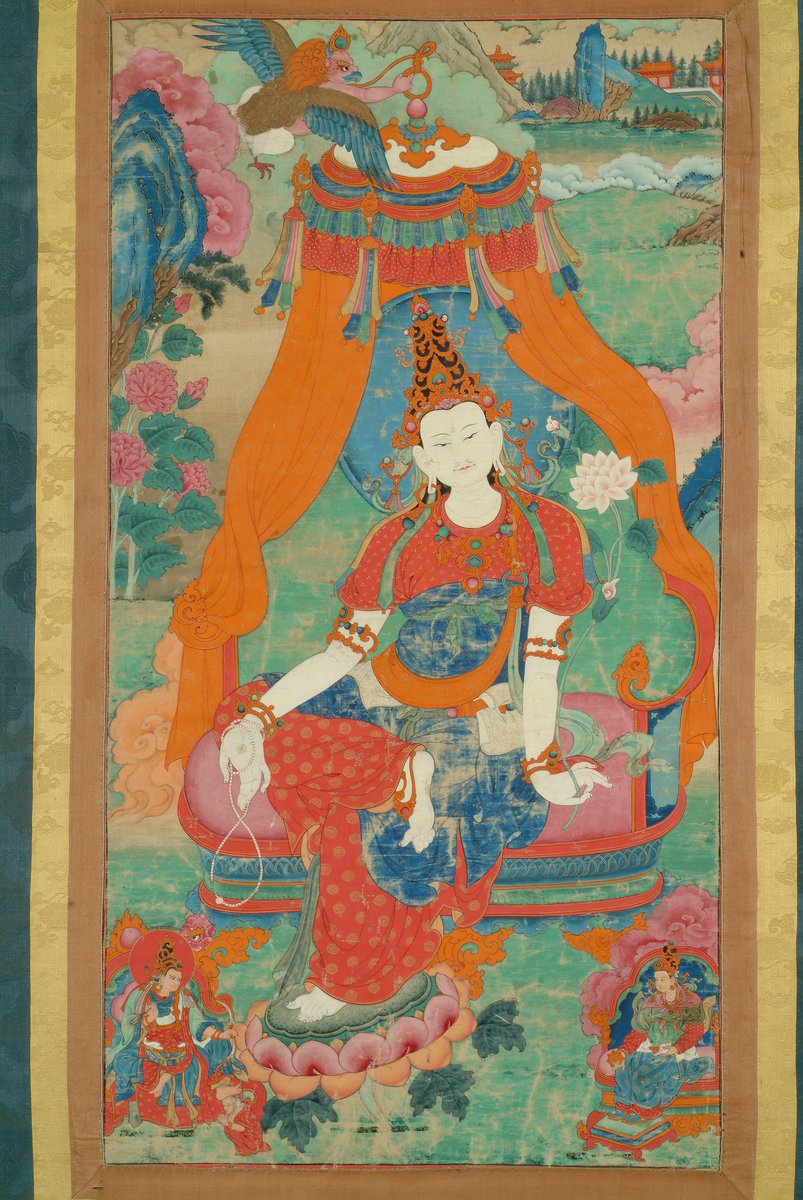
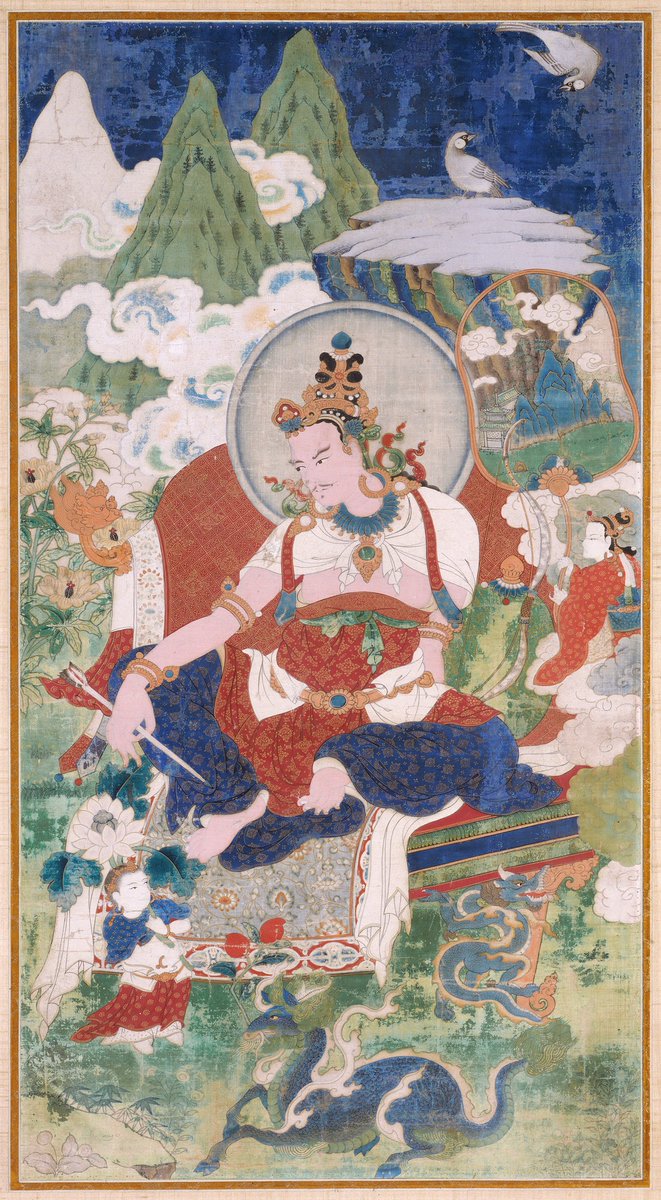
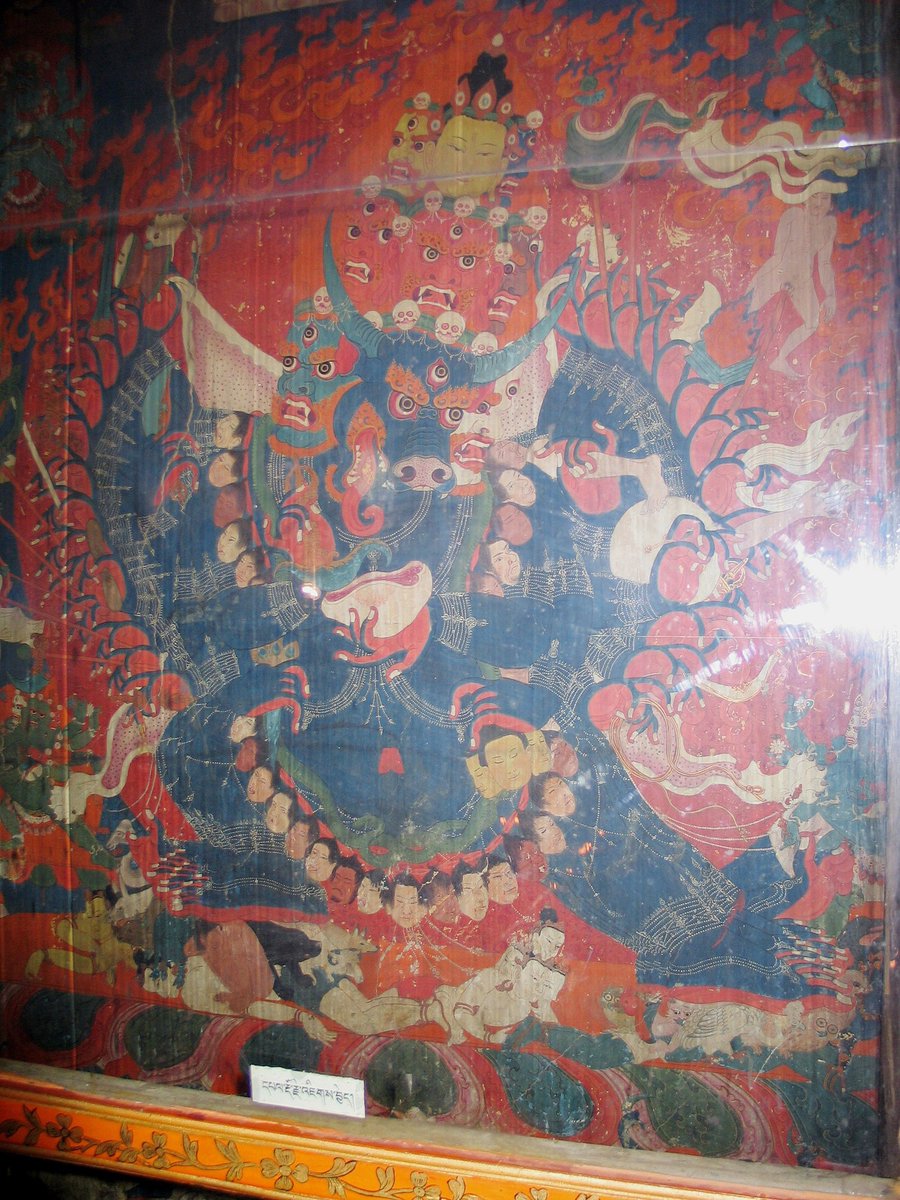
In something as deceptively simple as the face of a Buddha, the khyenri and menri styles are completely different. It can be more interesting to look at the hands of a minor figure than the many arms of a wrathful deity.
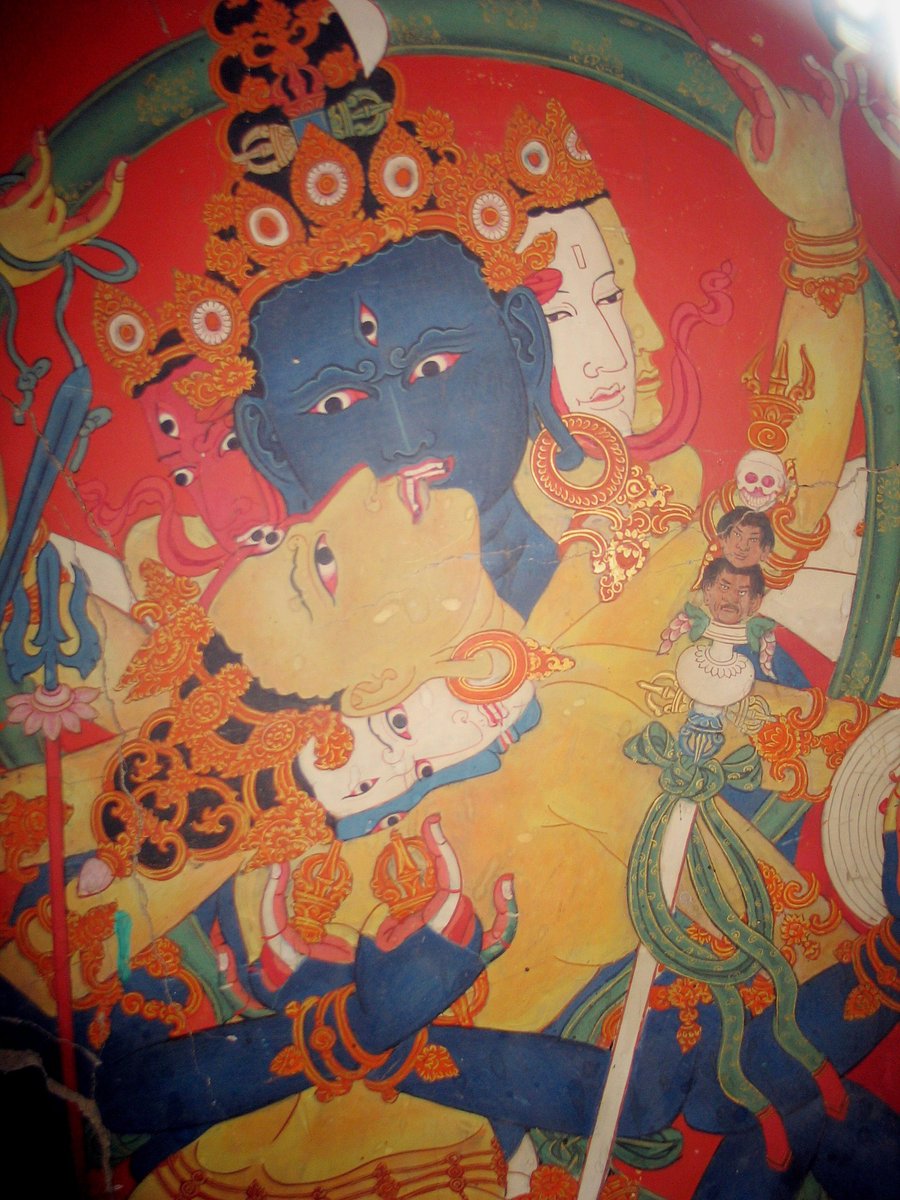
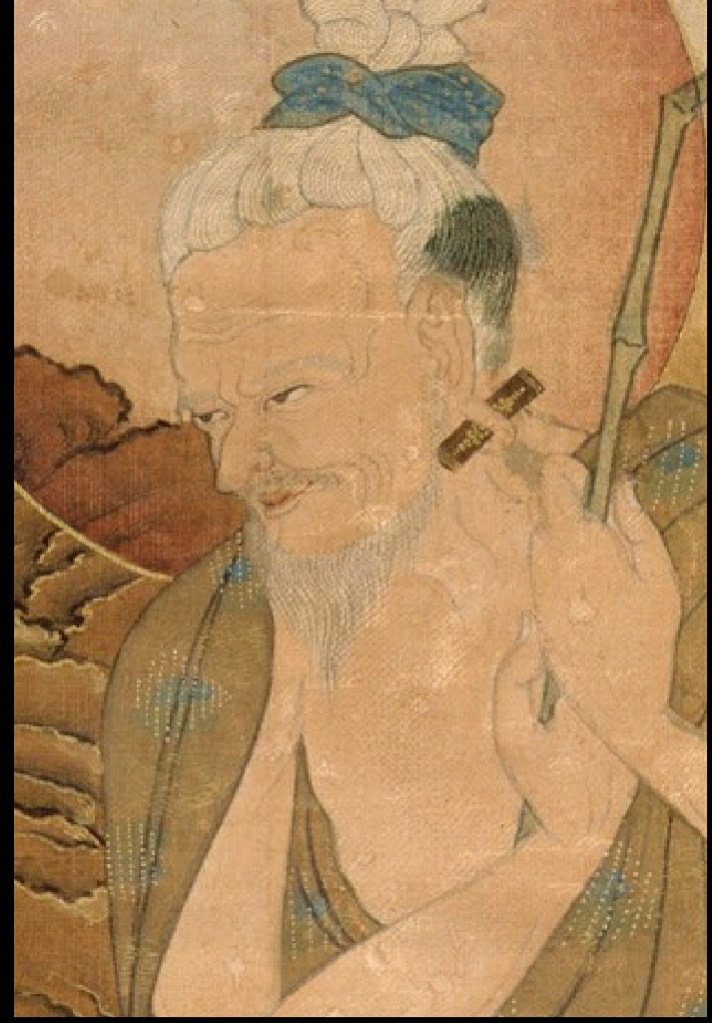
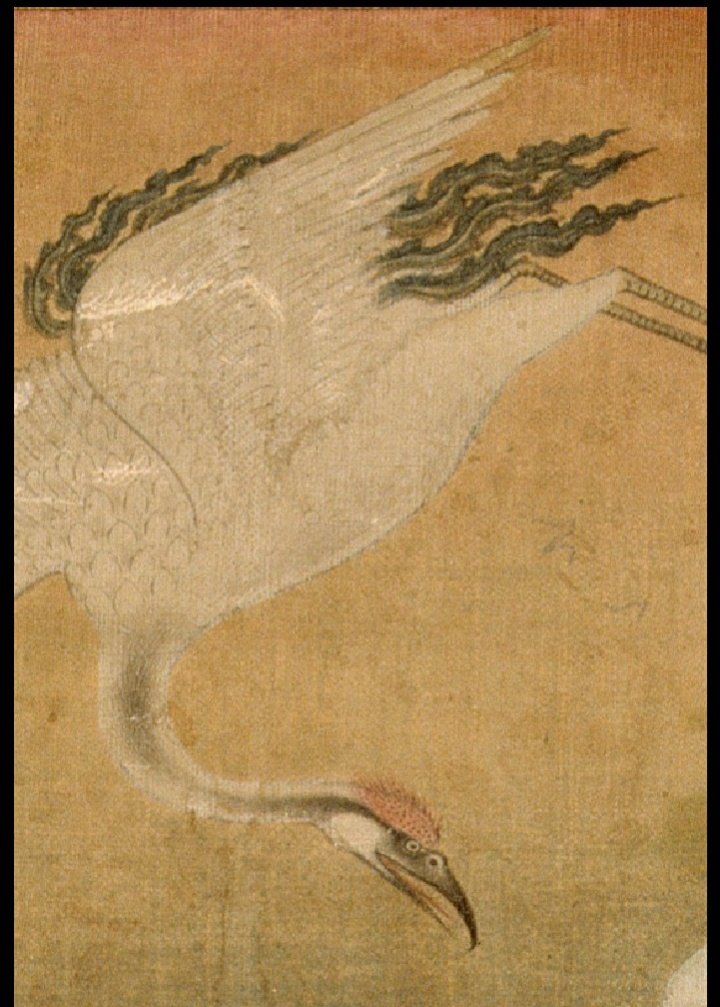
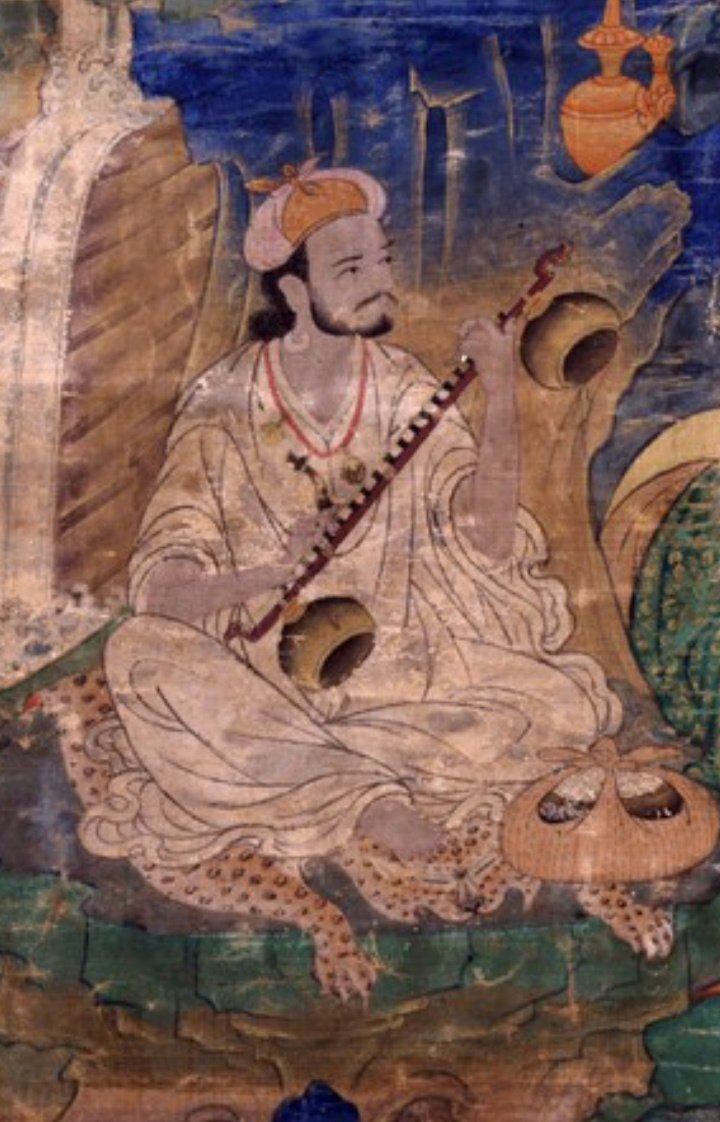
Other masterpieces include the baroque detail of Choying Gyatso, the founder of the Mensar style in the 1700s. He was based around Tashilhunpo monastery. The composition is dynamic and completely filled with ornamentation.
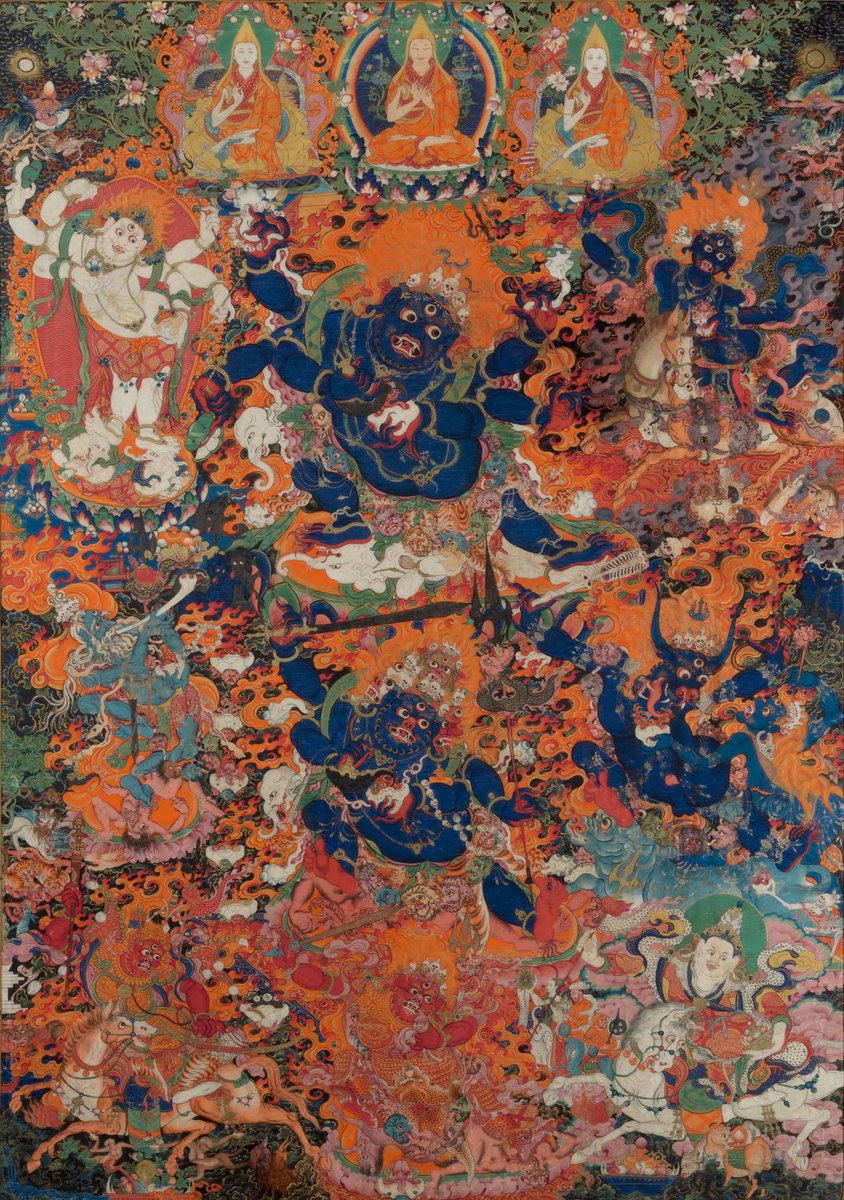
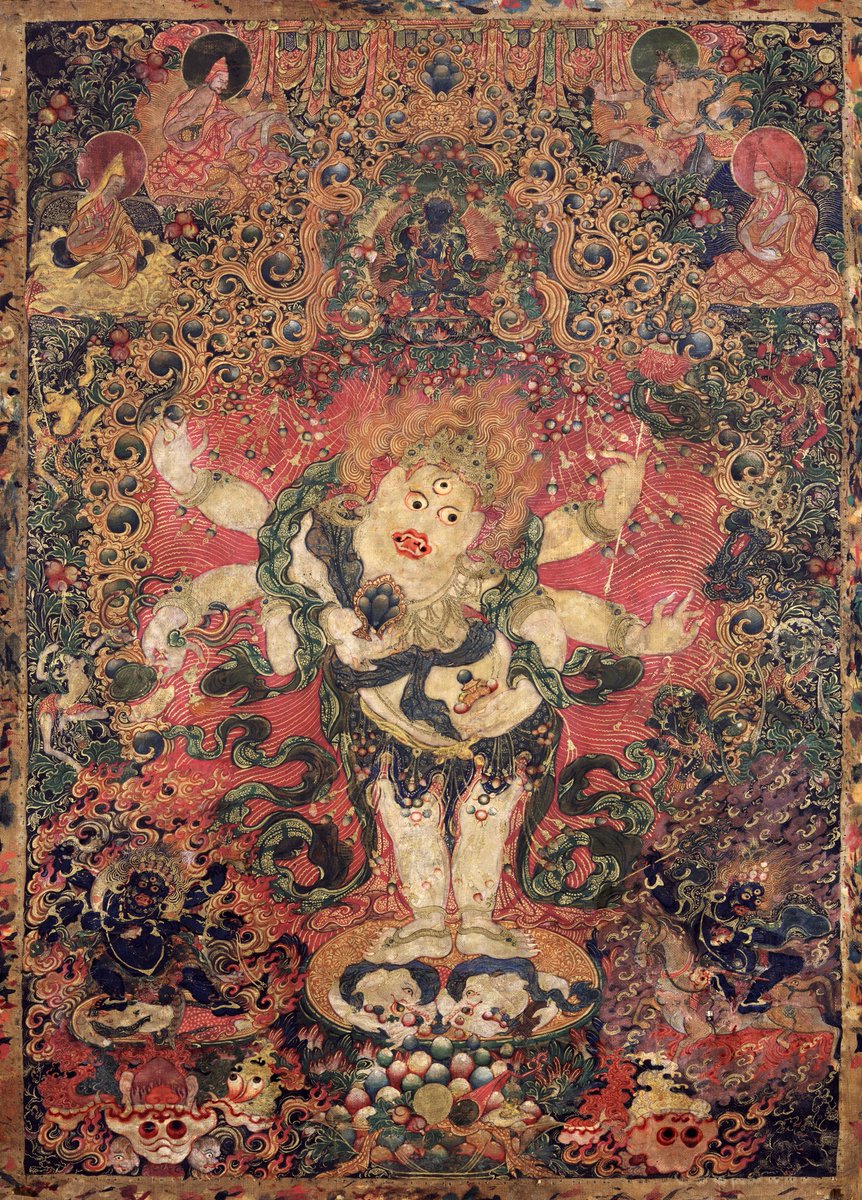
At the other end of the spectrum is the minimalist Eastern style of the Kham region. The emphasis is on landscapes and horizons
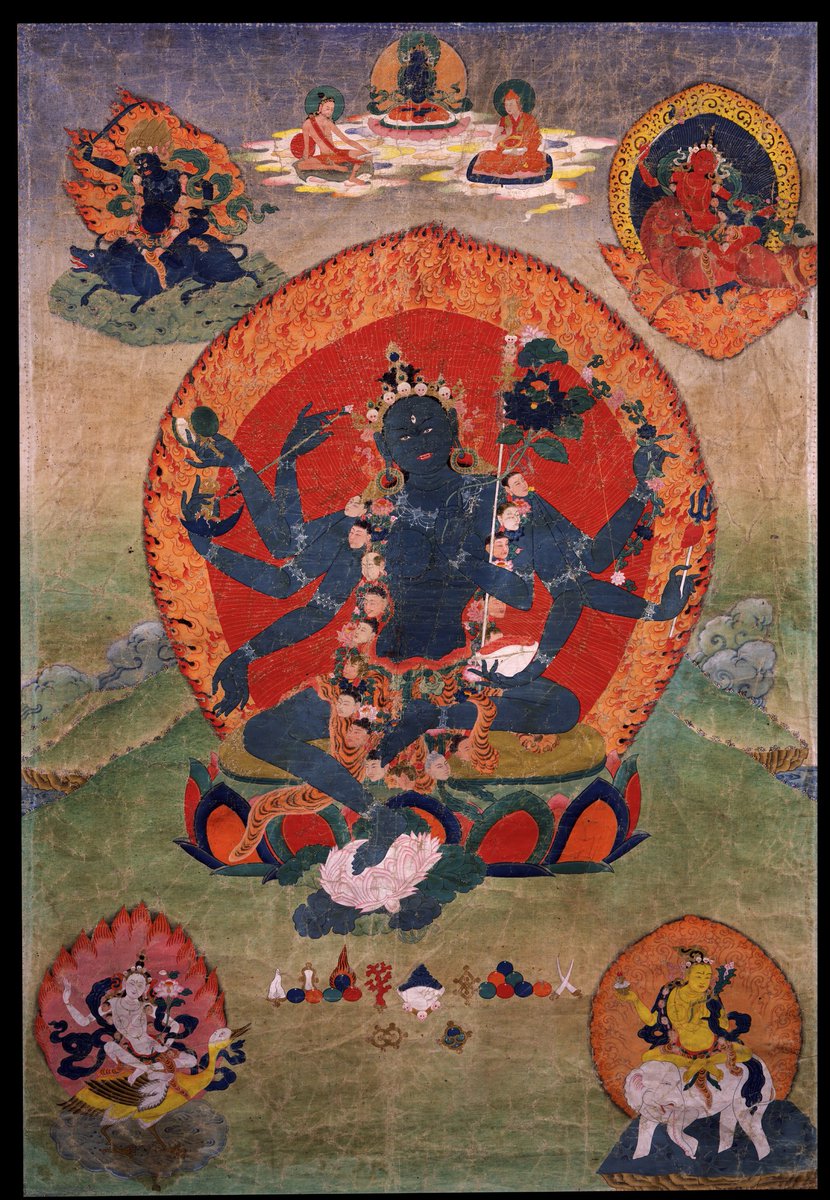
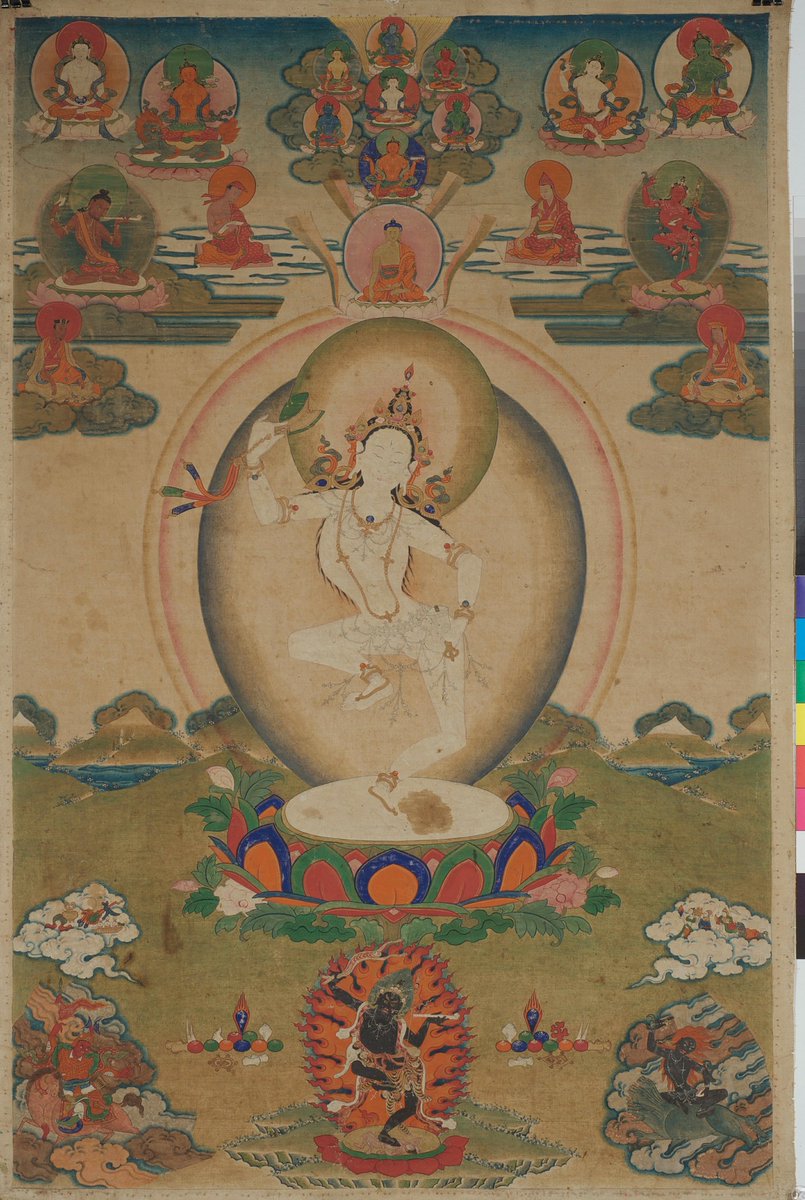
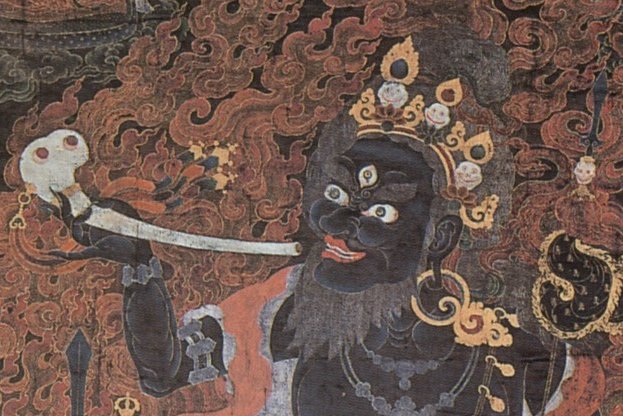
Around the 18th century, black ground paintings started becoming popular as well. This was only for wrathful deities which are mostly black or dark blue color, allowing the linework of gold ink to show through.
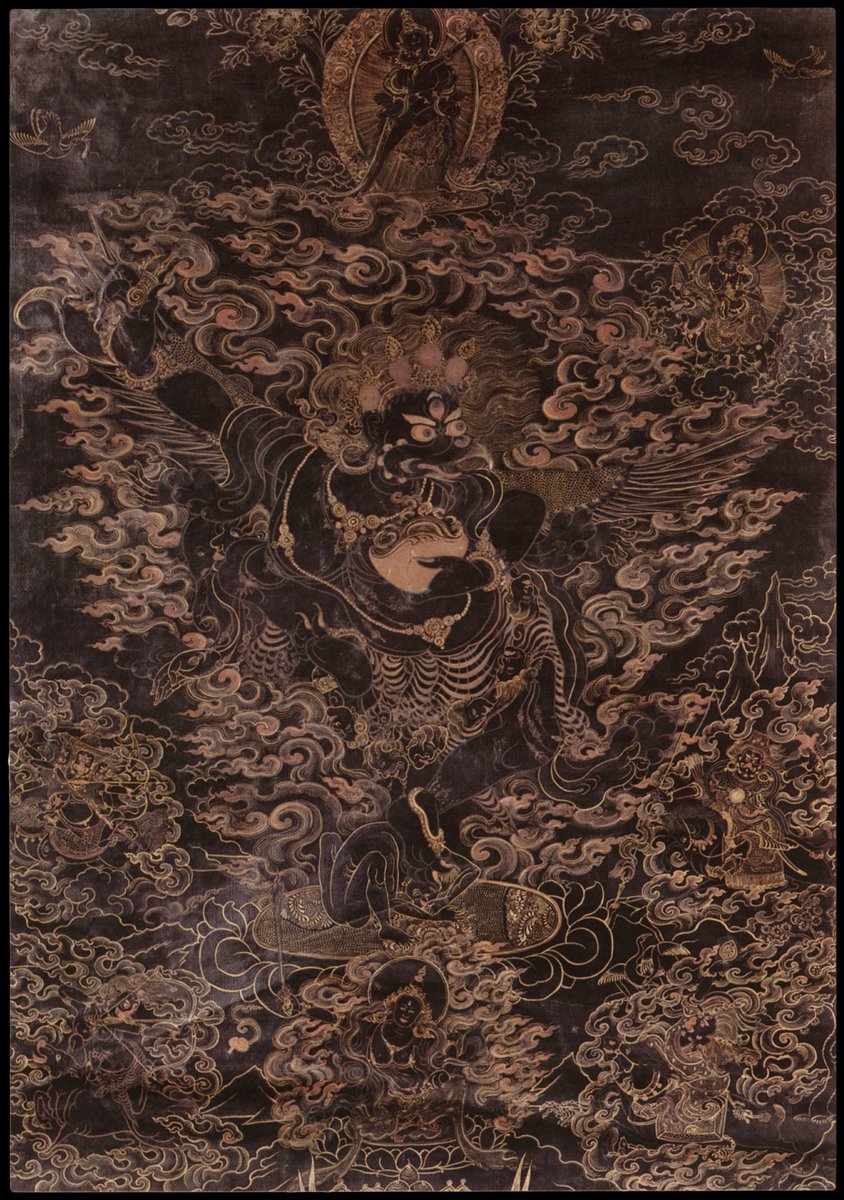
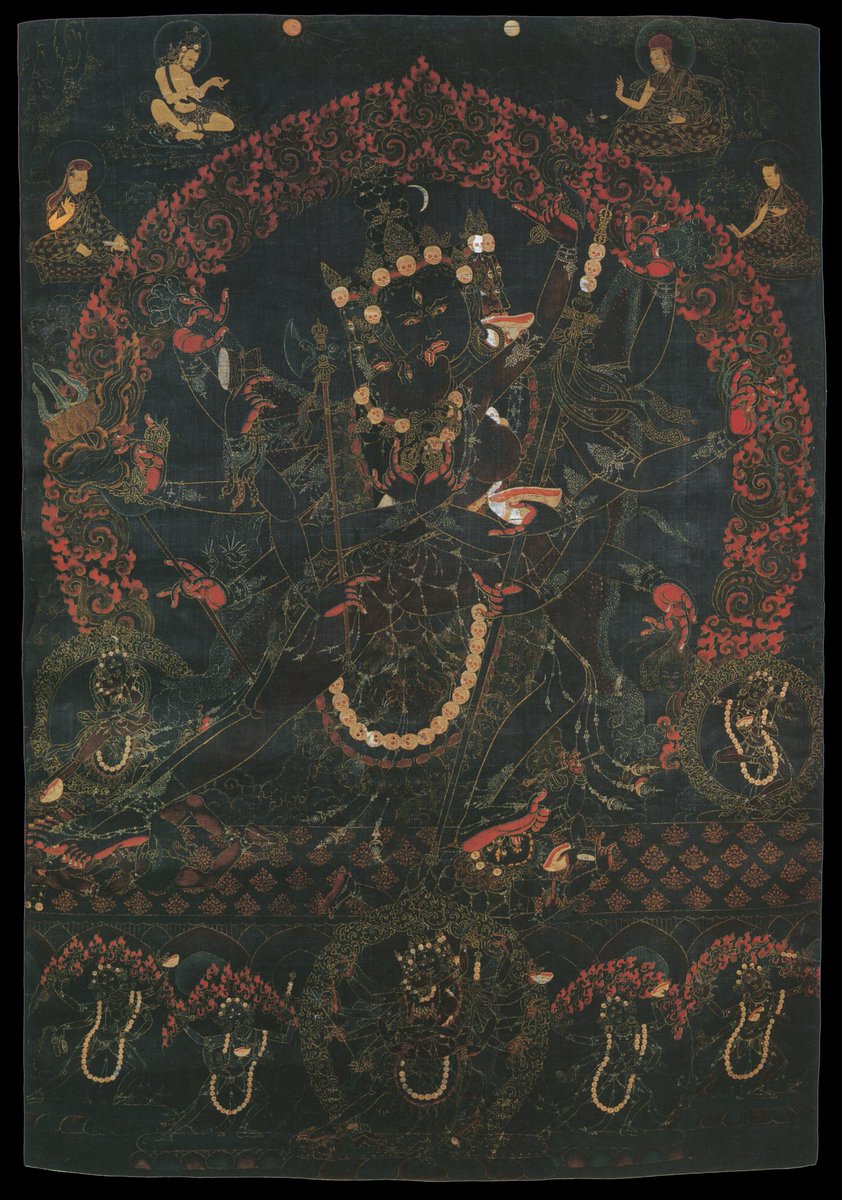
Another style I think is underrated was influenced by Mensar, Khyenri and Karma gadri. The Lhatog style founded by the artist Cho Tashi and associated with the Drukpa Kagyu sub-sect.
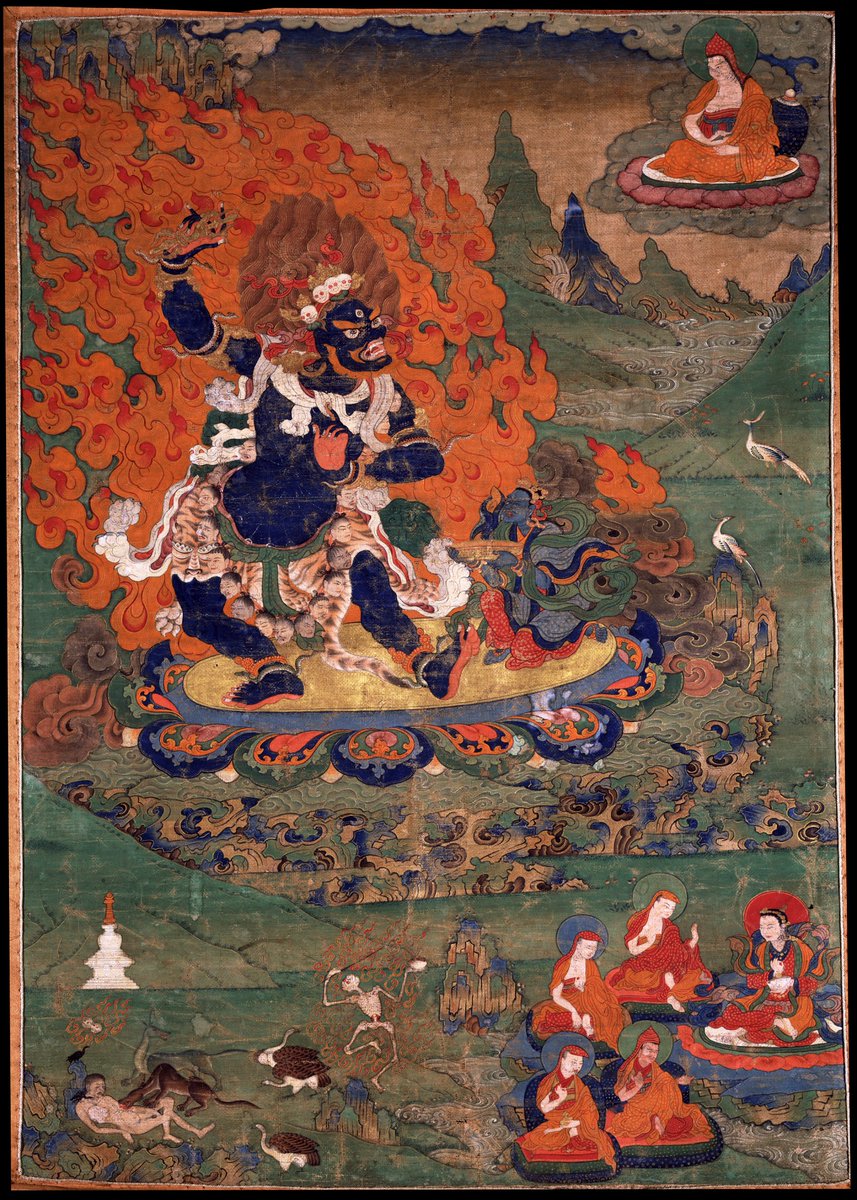
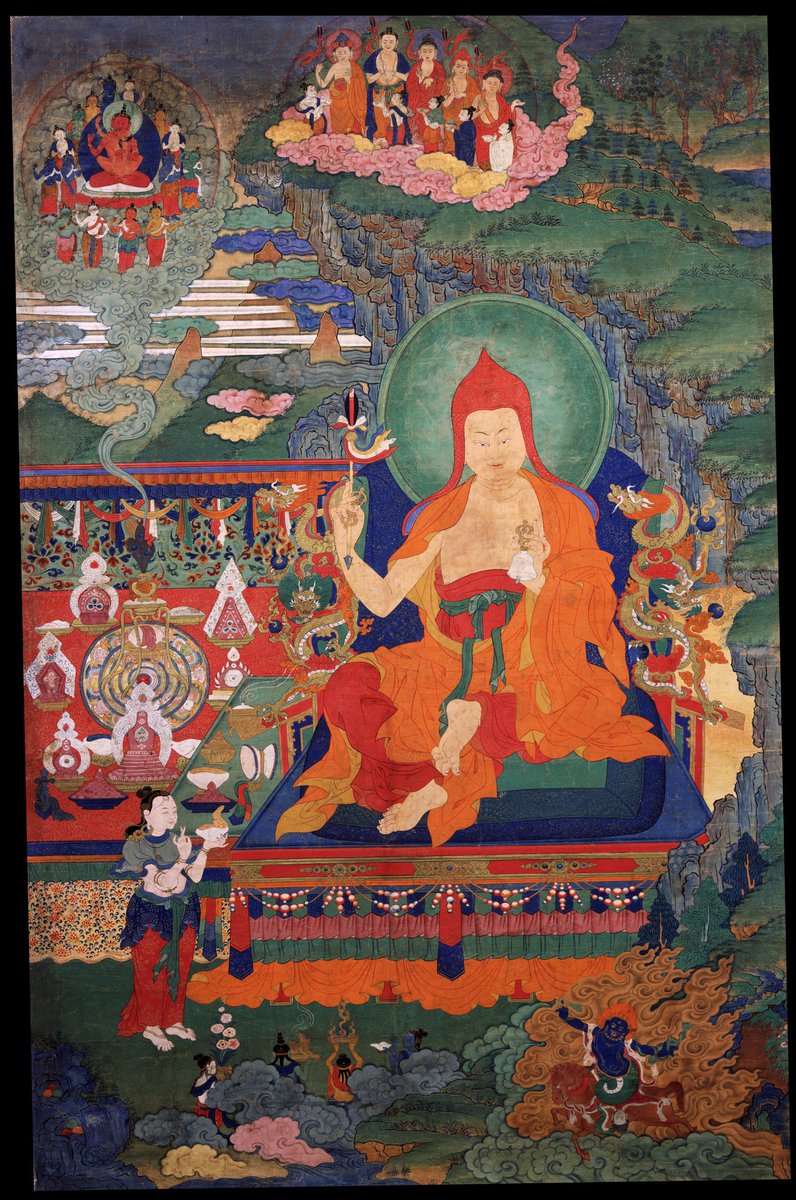
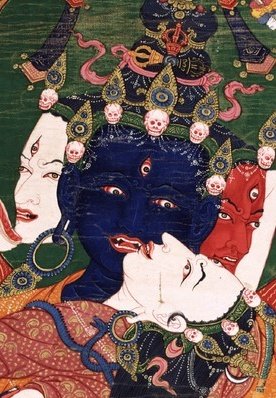
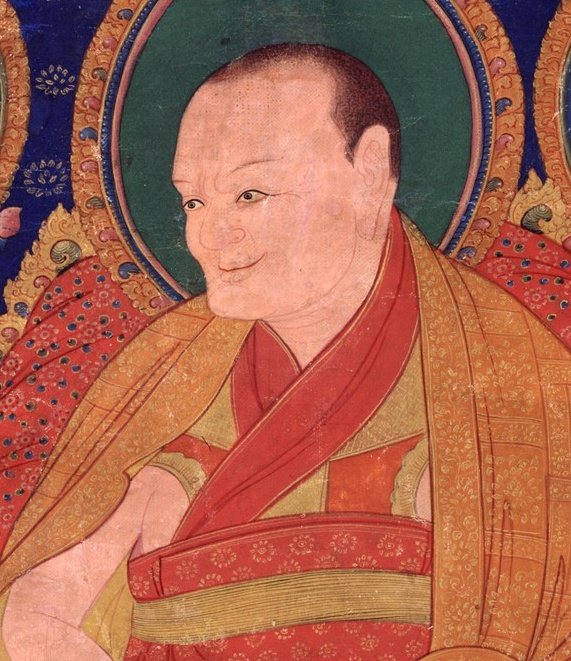
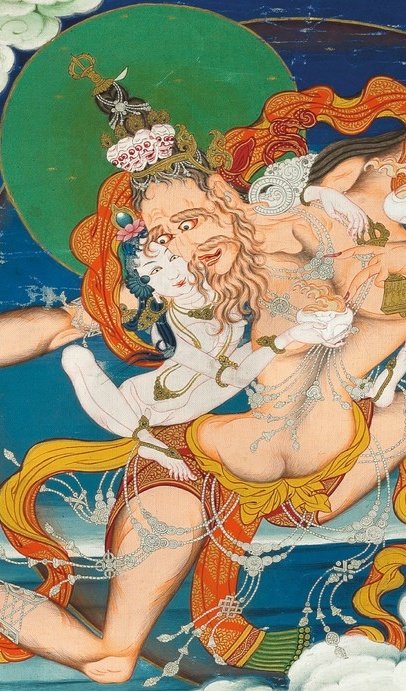
One could do an extended study of just portraiture in Tibetan art about how the limitations of 2 dimensions allowed for subtle expressions to emerge in how artists depicted faces or attempted realism, like deities in union looking into each others eyes
Loading suggestions...