

In 16th Century, During Mughal Period in India, Tulsidas wrote a divine poem.
A “40” line devotional literature representing the beauty of Hinduism; a mantra to fight all evil
Written to worship the Strongest God in Indian Mythology, this “Chalisa” can give you superpowers...
A “40” line devotional literature representing the beauty of Hinduism; a mantra to fight all evil
Written to worship the Strongest God in Indian Mythology, this “Chalisa” can give you superpowers...

Hanuman.
Mahavir. Chiranjeevi. Ramadoot.
Sankatmochan. Pavanputra.
Vanara Deva.
Bajrang Bali.
The symbol of trend influences to destroy any evil spirit in the modern world. No darkness has ever survived in Lord Hanuman’s presence
The “Hanuman Chalisa” is this superpower...
Mahavir. Chiranjeevi. Ramadoot.
Sankatmochan. Pavanputra.
Vanara Deva.
Bajrang Bali.
The symbol of trend influences to destroy any evil spirit in the modern world. No darkness has ever survived in Lord Hanuman’s presence
The “Hanuman Chalisa” is this superpower...

Goswami Tulsidas, a renowned poet and sage, composed a devotional hymn dedicated to Lord Hanuman in the Awadhi language. Tulsidas is best known for his epic Ramcharitmanas, a retelling of the Ramayana in the vernacular Awadhi.
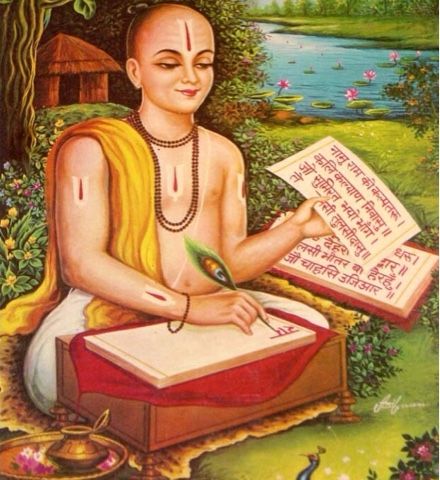

It is a revered epic text in Hinduism, known for its poetic beauty and spiritual depth. The Chalisa, written in Awadhi, a dialect of Hindi, consists of 40 verses (Chalisa in Hindi means 'forty'), along with opening and closing couplets.
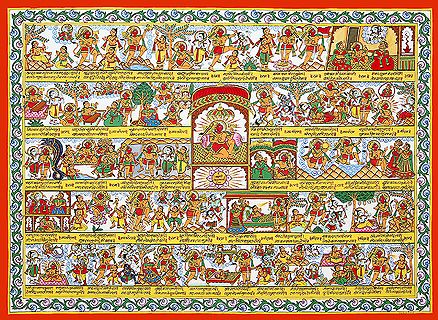
To suppress Akbar's era, India's Bhakti movement flourished, a devotional trend in Hinduism that emphasized personal devotion to God. Tulsidas was deeply influenced, which advocated a direct connection with the divine, bypassing ritualistic practices and caste barriers.
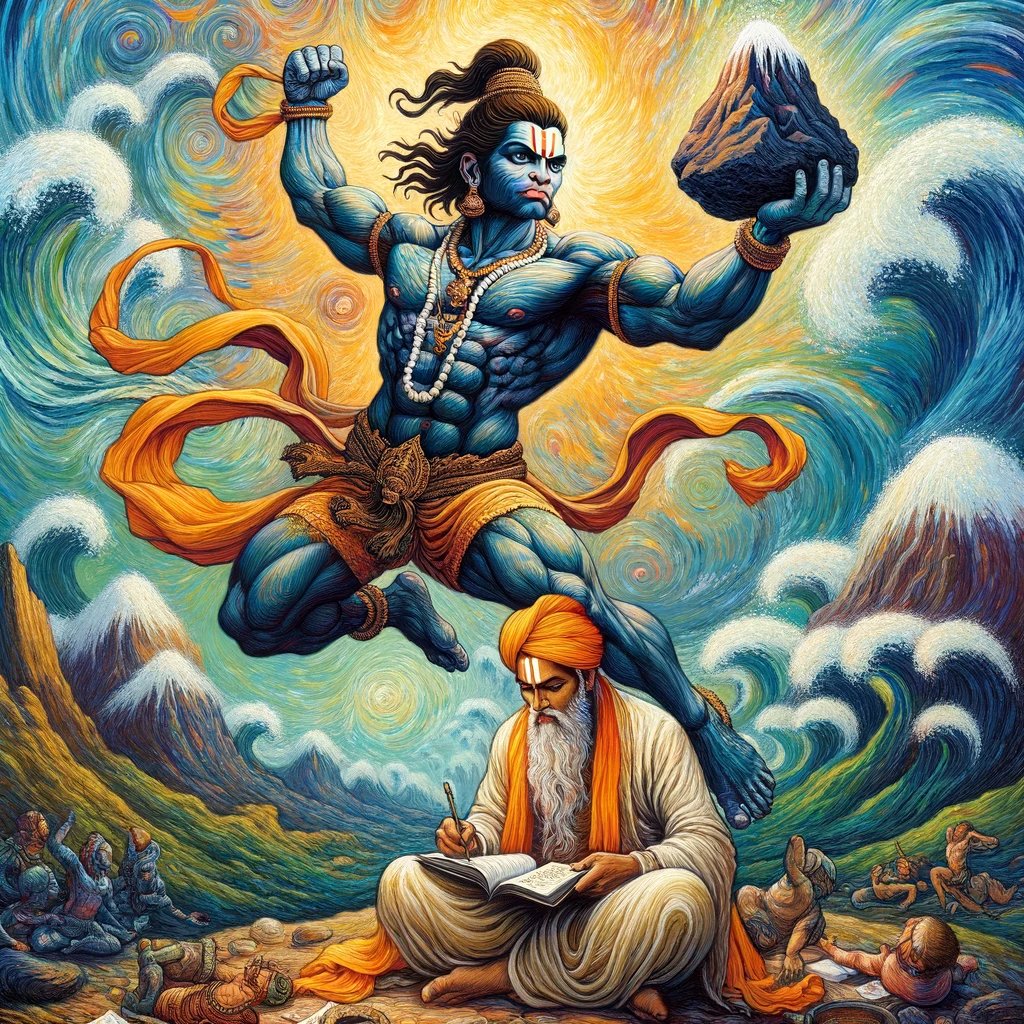

Tulsidas was an ardent devotee of Lord Rama. His encounter with Lord Hanuman is said to have inspired him to compose the Hanuman Chalisa.
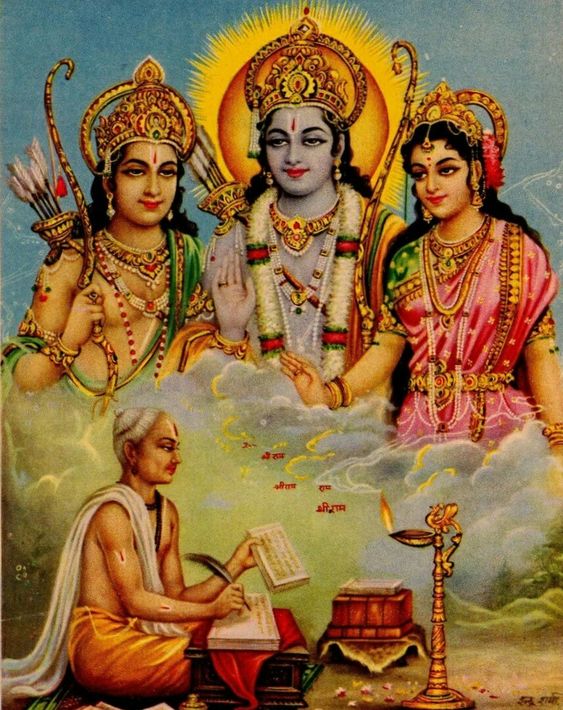
According to legend, Hanuman appeared to Tulsidas in the guise of an old man and questioned the poet's devotion to Rama, prompting Tulsidas to compose the Chalisa in praise of Hanuman.
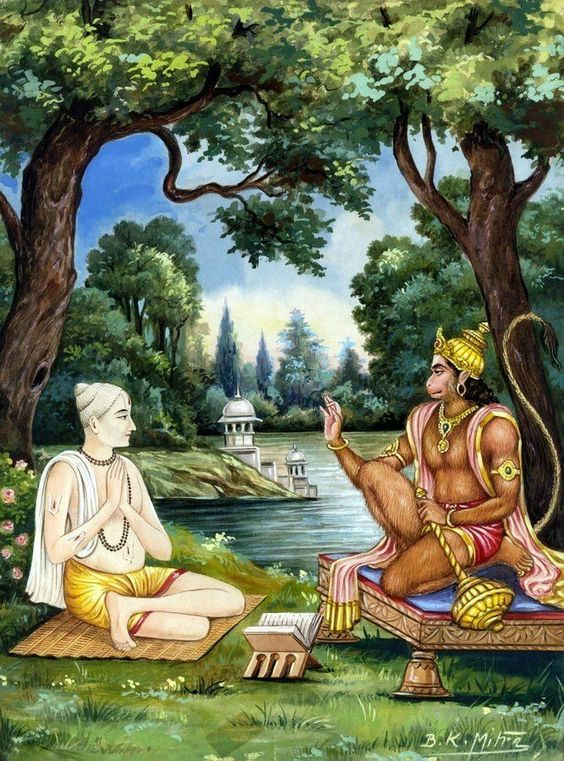
The legend is set in Varanasi (also known as Kashi), one of the holiest cities in Hinduism, where Tulsidas spent a significant part of his life.
According to the legend, Tulsidas used to sit by the banks of the Ganges River and offer his daily prayers.
According to the legend, Tulsidas used to sit by the banks of the Ganges River and offer his daily prayers.
One day, an old man appeared and asked Tulsidas why he worshipped Rama so devotedly without ever seeking a direct vision of him. Tulsidas replied that he would be content with a glimpse of Rama's loyal devotee, Hanuman.

The old man revealed that Hanuman regularly visited the city to hear recitations of the Ramayana. He advised Tulsidas to look for the one person in the assembly who would not leave even after the recitation ended. That person, the old man said, would be Hanuman.

Following the advice, Tulsidas spotted an old man, who lingered after the Ramayana recitation. Approaching him, Tulsidas fell at his feet, realizing that this was Hanuman in disguise. Overwhelmed with emotion, Tulsidas composed a verse in praise of Hanuman on the spot.
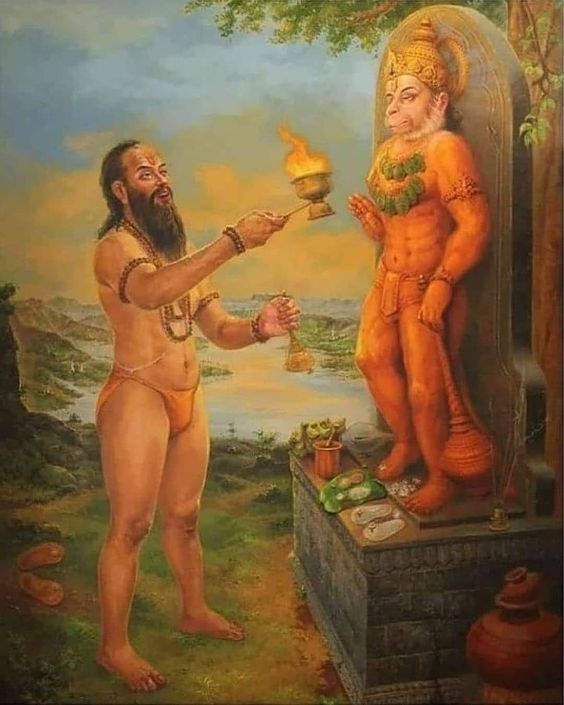
Moved by this divine encounter and inspired by Hanuman's devotion to Rama, Tulsidas composed the Hanuman Chalisa.
Tulsidas chose to write in Awadhi, a vernacular language of North India, making his works accessible to a broader audience.
Tulsidas chose to write in Awadhi, a vernacular language of North India, making his works accessible to a broader audience.
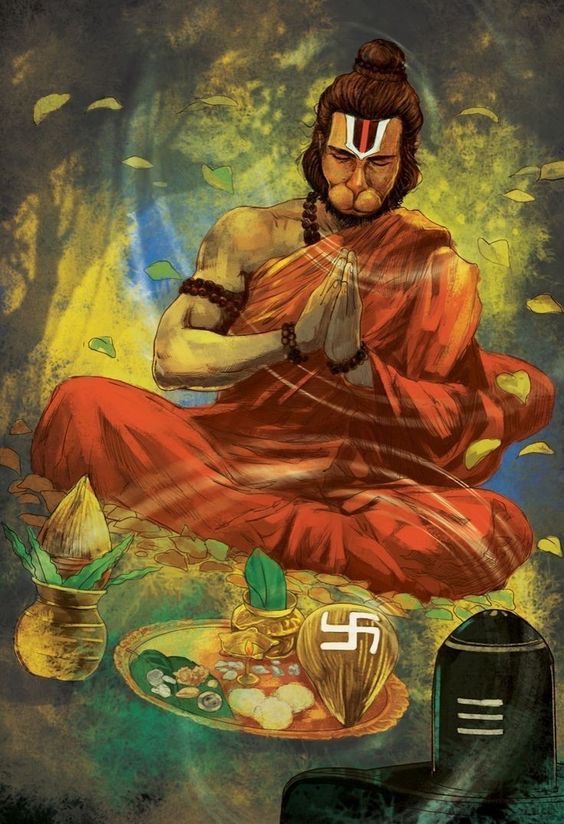
Each verse of the Hanuman Chalisa is a tribute to Lord Hanuman’s strength, virtues, and unwavering devotion to Lord Rama. The hymn narrates Hanuman's extraordinary feats, wisdom, courage, and selfless service.
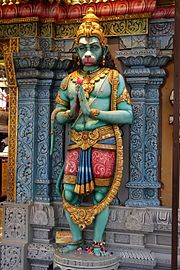

Devotees believe reciting the Hanuman Chalisa can invoke Hanuman’s divine intervention and protection. The hymn is often recited to overcome fear, gain courage, and alleviate suffering. Reciting Hanuman Chalisa can ward off negative energies and spirits.


It is also believed to have healing properties, providing mental peace and strength. The Hanuman Chalisa is a staple in daily prayers and rituals for many devotees. Its recitation is especially powerful on Tuesdays and Saturdays, days traditionally associated with Hanuman.
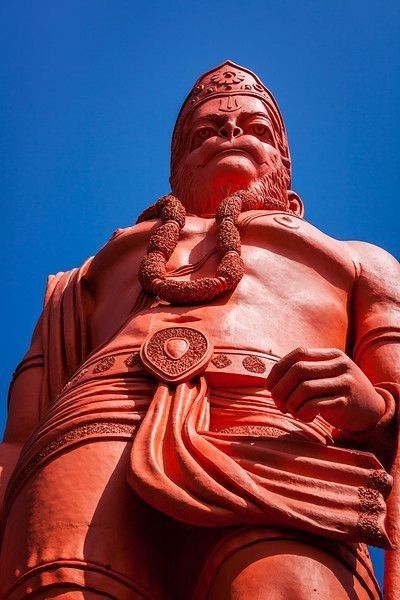
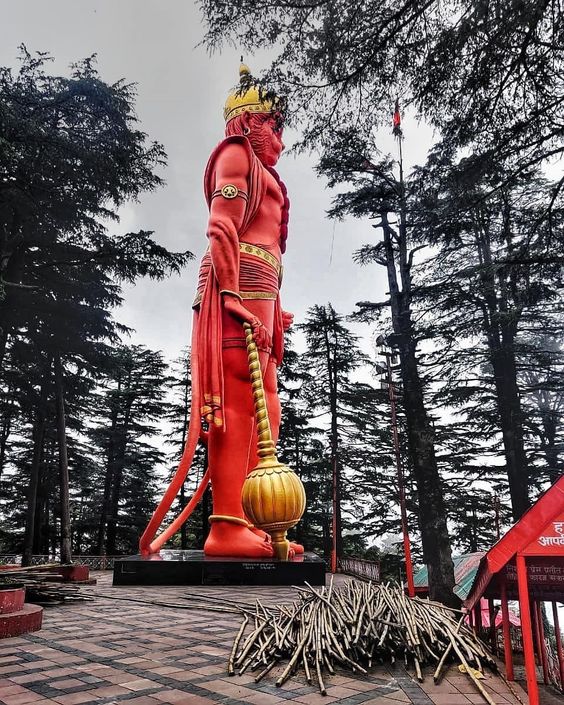
Hanuman Chalisa is sacred; the divine force of Hanuman Chalisa can make you fight any evil spirit.
“JAI BAJRANG BALI”
Let’s understand these divine verses:
“JAI BAJRANG BALI”
Let’s understand these divine verses:
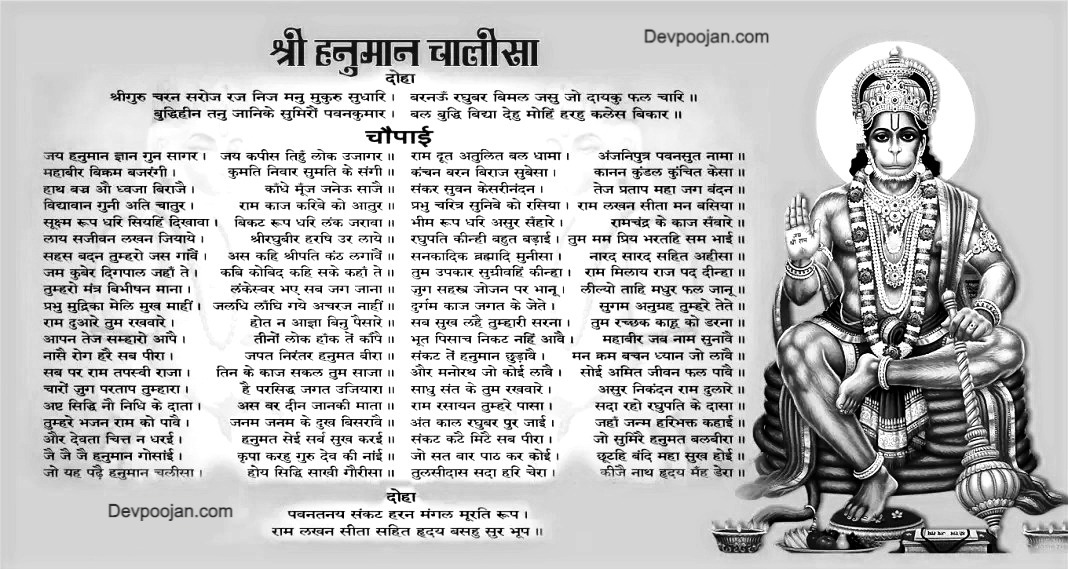
The Chalisa begins with two couplets invoking the Gurus for blessings. Tulsidas pays homage to his spiritual mentors and Lord Rama before beginning the praise of Hanuman. The opening of Doha is a request to Hanuman to reside in the heart to provide strength, wisdom, and knowledge

Hanuman Chalisa comprises 40 verses, Chaupais. Each Chaupai is a quatrain that describes various aspects of Hanuman’s life & qualities. Hanuman is described as the remover of obstacles (Sankat Mochan) and one who instils fear in the demons (Asuras).
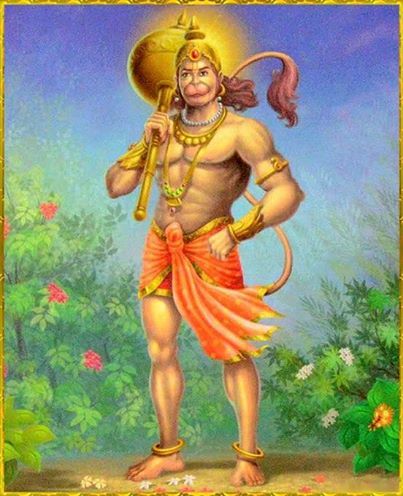

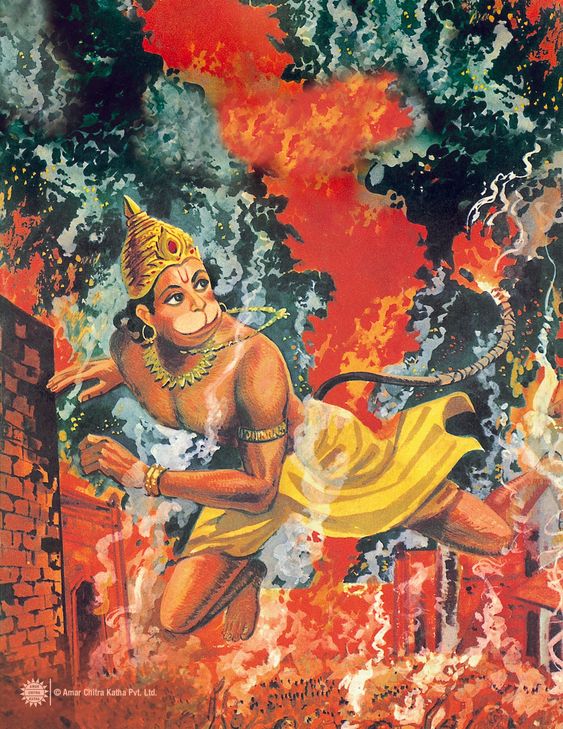
The Chalisa recounts Hanuman's major feats, including his role in the Ramayana; his flight to Lanka, burning of Lanka, and his carrying of the Sanjeevani mountain to save Lakshmana. Hanuman's ability to change his form at will, his power to fly, and his extraordinary strength.
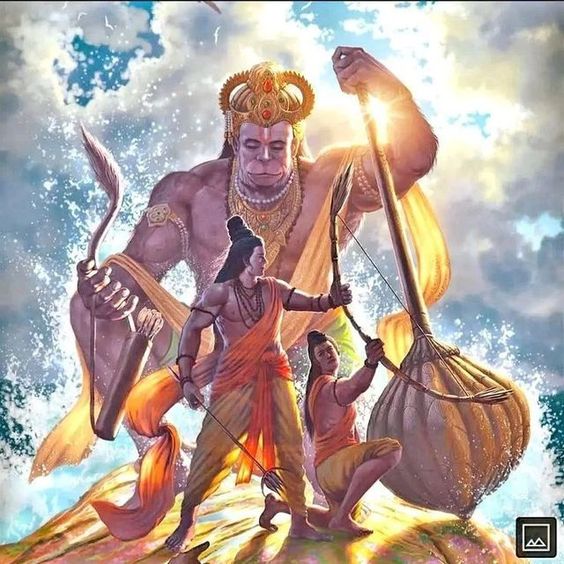
Hanuman's devotion to Lord Rama is a recurring theme. He is praised as the perfect devotee, whose life is a testament to the power of true devotion and selfless service.
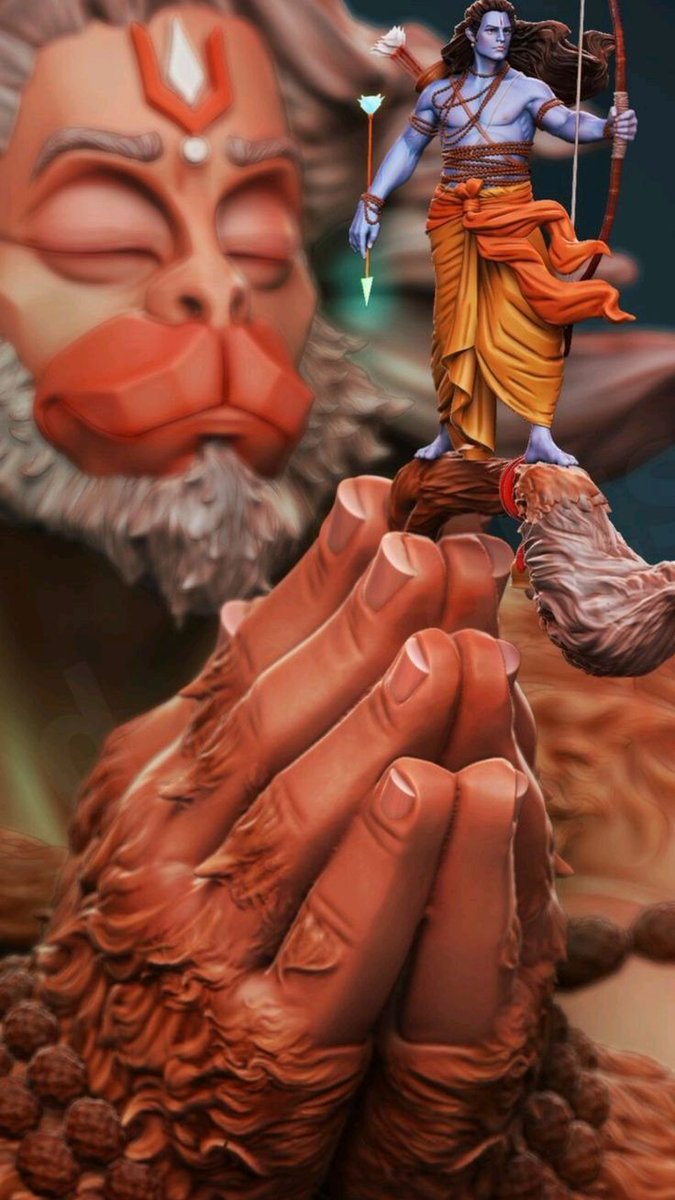
The closing verses of the Chalisa include a request to Hanuman for protection, blessings, and freedom from fear and sorrow. The final Doha reiterates the belief that those who recite the Hanuman Chalisa will gain the favour of Hanuman and the blessings of Lord Rama.


The Hanuman Chalisa, more than just a religious hymn, is a cultural phenomenon in India. Its enduring popularity is a testament to its spiritual depth, poetic beauty, and the profound devotion it inspires.
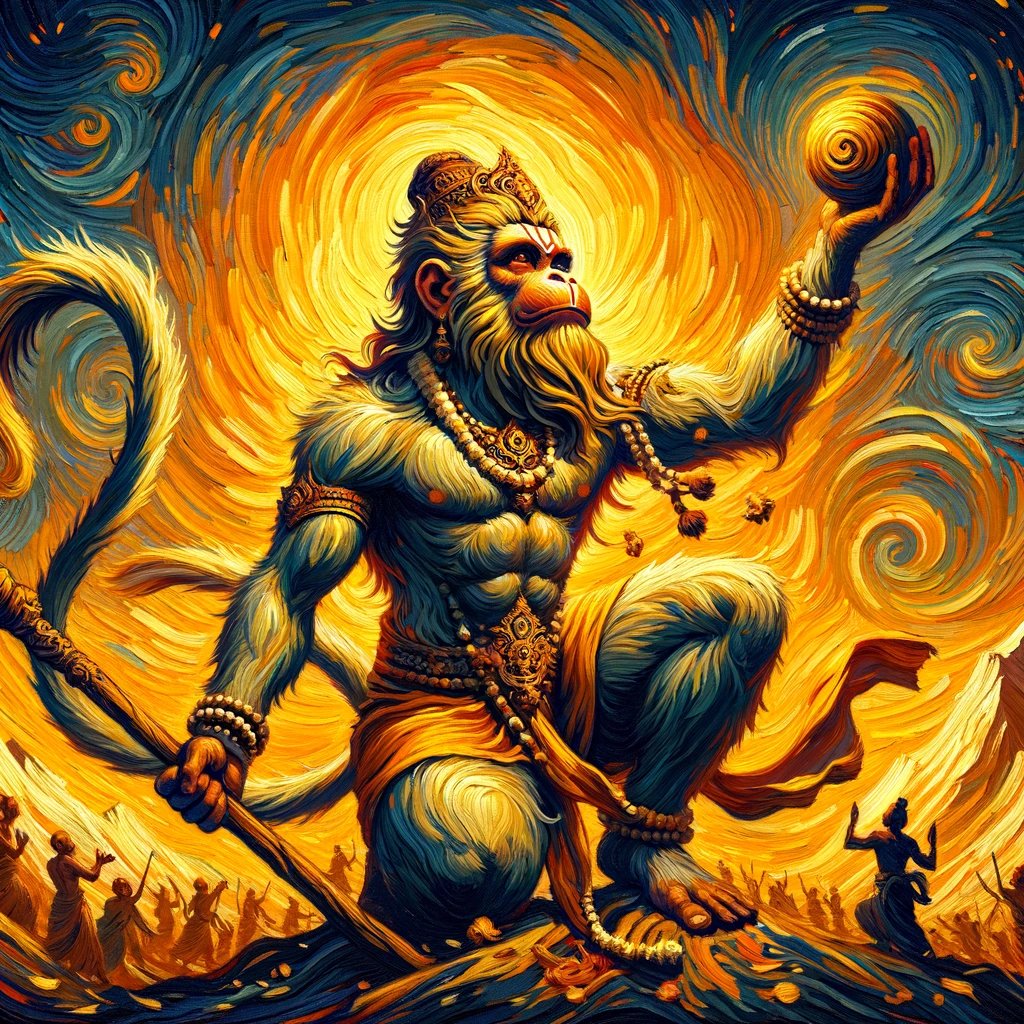
For centuries, it has been a source of strength for devotees, embodying the timeless essence of devotion and the unshakeable faith in the divine.
The Hanuman Chalisa continues to resonate across generations, symbolizing the eternal presence and protection of Lord Hanuman.
The Hanuman Chalisa continues to resonate across generations, symbolizing the eternal presence and protection of Lord Hanuman.


Loading suggestions...