
The Problem with Galleries:
(and why they're bad for art)
(and why they're bad for art)

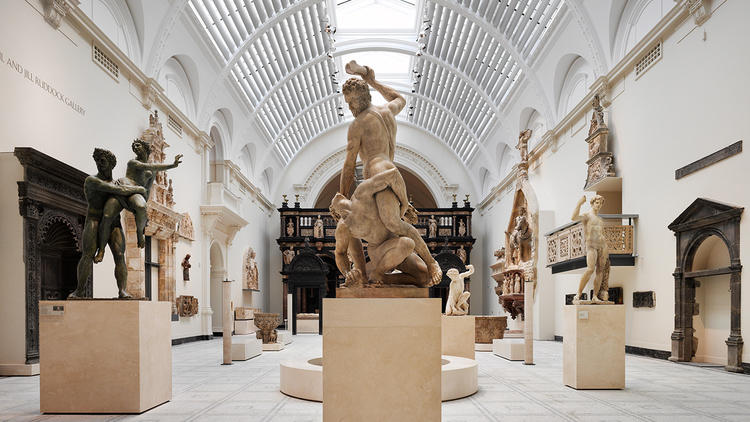
Galleries and Museums of Art are wonderful places.
Room after room of art. Hundred or even thousands of varied, interesting, and beautiful paintings and statues from across the centuries and the world.
And all of this in some neoclassical palace or modernist masterpiece.
Room after room of art. Hundred or even thousands of varied, interesting, and beautiful paintings and statues from across the centuries and the world.
And all of this in some neoclassical palace or modernist masterpiece.


But walking through these galleries and looking at all this "art" can be deceptive.
It makes us think that we have found the answer to the question, "what is art?"
Paintings and sculptures in a gallery to be perused and consumed — pure art to be viewed as nothing but art.
It makes us think that we have found the answer to the question, "what is art?"
Paintings and sculptures in a gallery to be perused and consumed — pure art to be viewed as nothing but art.
Yet nothing could be further from the truth.
Art has never been "pure art", either for those making it or those seeing it.
Think of it this way. Where is Leonardo da Vinci's Last Supper? Not in a gallery — it is painted on the refectory wall of a convent in Milan.
Art has never been "pure art", either for those making it or those seeing it.
Think of it this way. Where is Leonardo da Vinci's Last Supper? Not in a gallery — it is painted on the refectory wall of a convent in Milan.
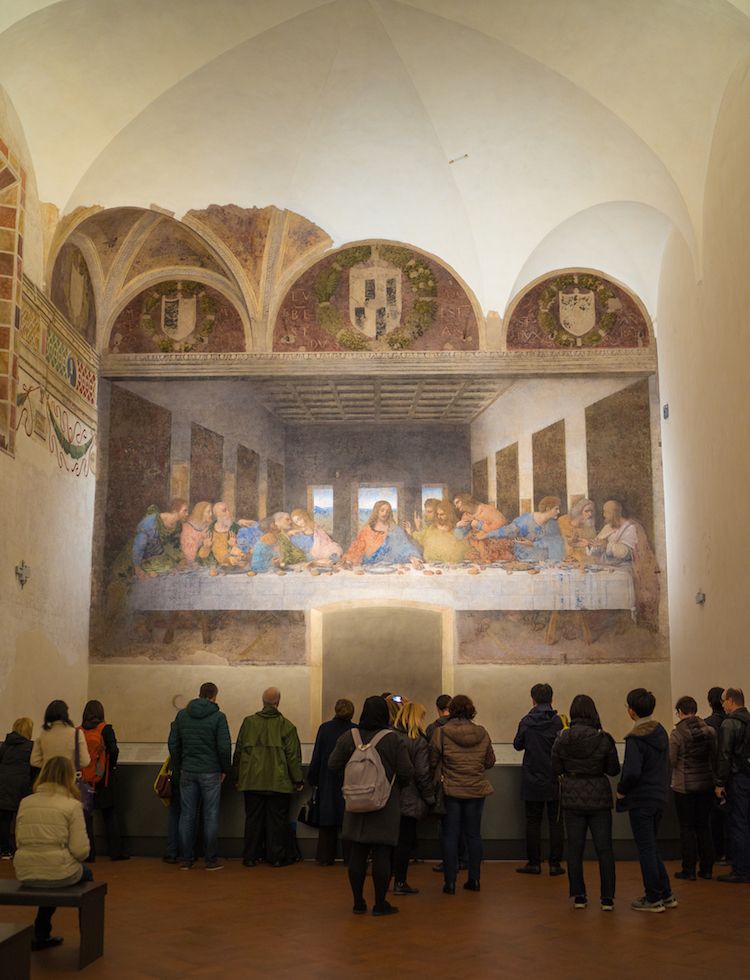
Leonardo's second most famous painting, one of the world's most iconic images, was painted onto the wall of a dining room where monks ate their breakfast, lunch, and dinner.
Thus they could imagine themselves dining with Christ and the Apostles.
Thus they could imagine themselves dining with Christ and the Apostles.

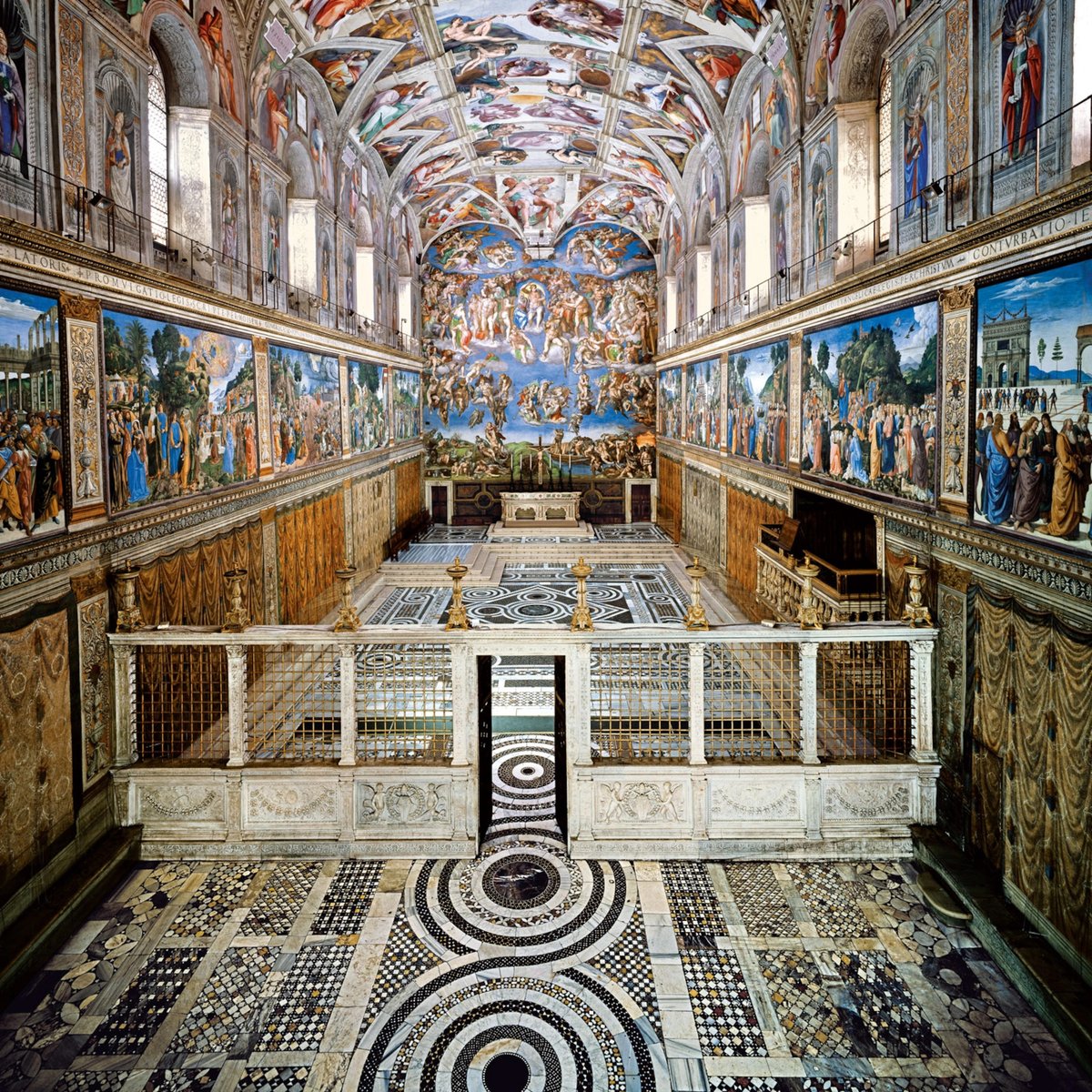
Where is the Creation of Adam? It is part of Michelangelo's frescos on the ceiling of the Sistine Chapel — the private chapel of the Pope in the Vatican City.
The Last Supper, like the Creation of Adam, was religious art; it had a context, a place, and a purpose.
The Last Supper, like the Creation of Adam, was religious art; it had a context, a place, and a purpose.
And so galleries remove art from its context — they lead us to believe it never had any.
Altarpieces were once in churches; people held services, worshipped, and prayed with them.
Removed from that context, such art is almost impossible to fully understand and appreciate.
Altarpieces were once in churches; people held services, worshipped, and prayed with them.
Removed from that context, such art is almost impossible to fully understand and appreciate.
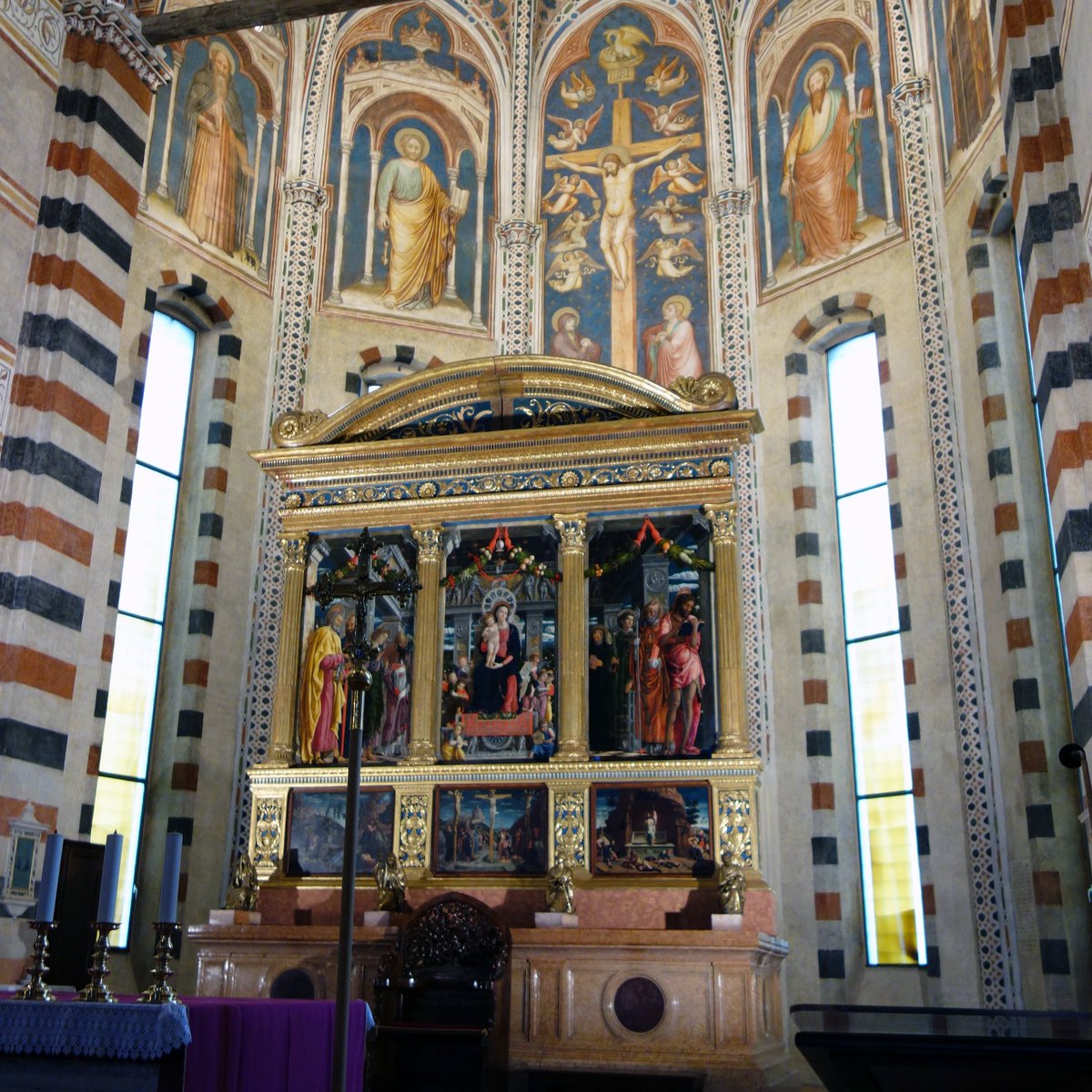

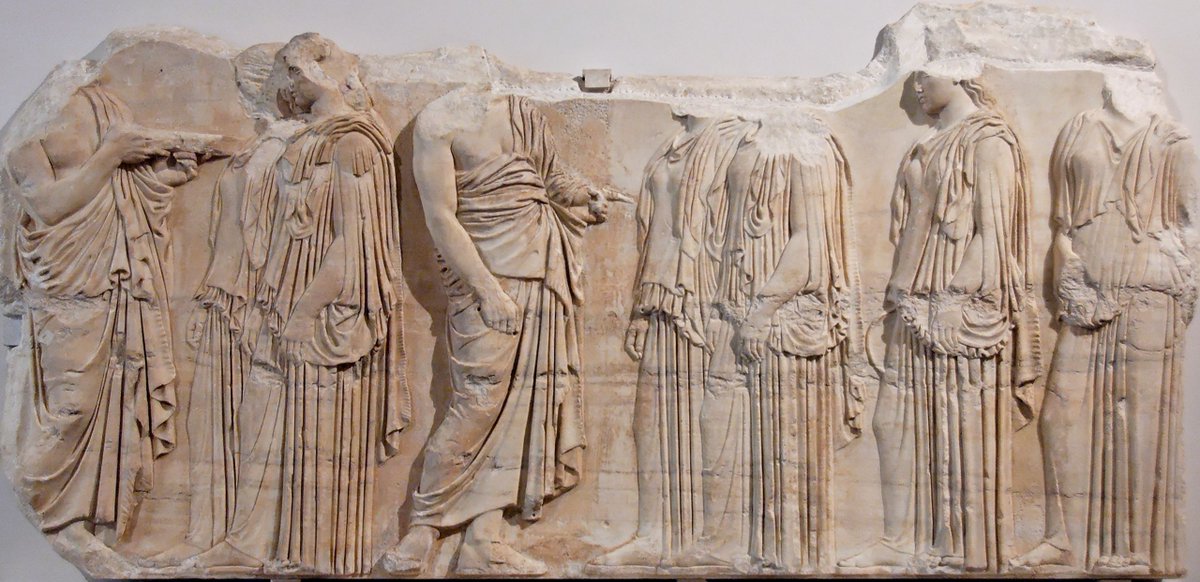
And this is true all over the world. From the Parthenon Friezes to the Buddhist murals at the Ajanta Caves; from the mosaics in the Great Mosque of Damascus to the mosaics of St Mark's Basilica in Venice.
This was not "simply art" — it was the art of a living religion.
This was not "simply art" — it was the art of a living religion.



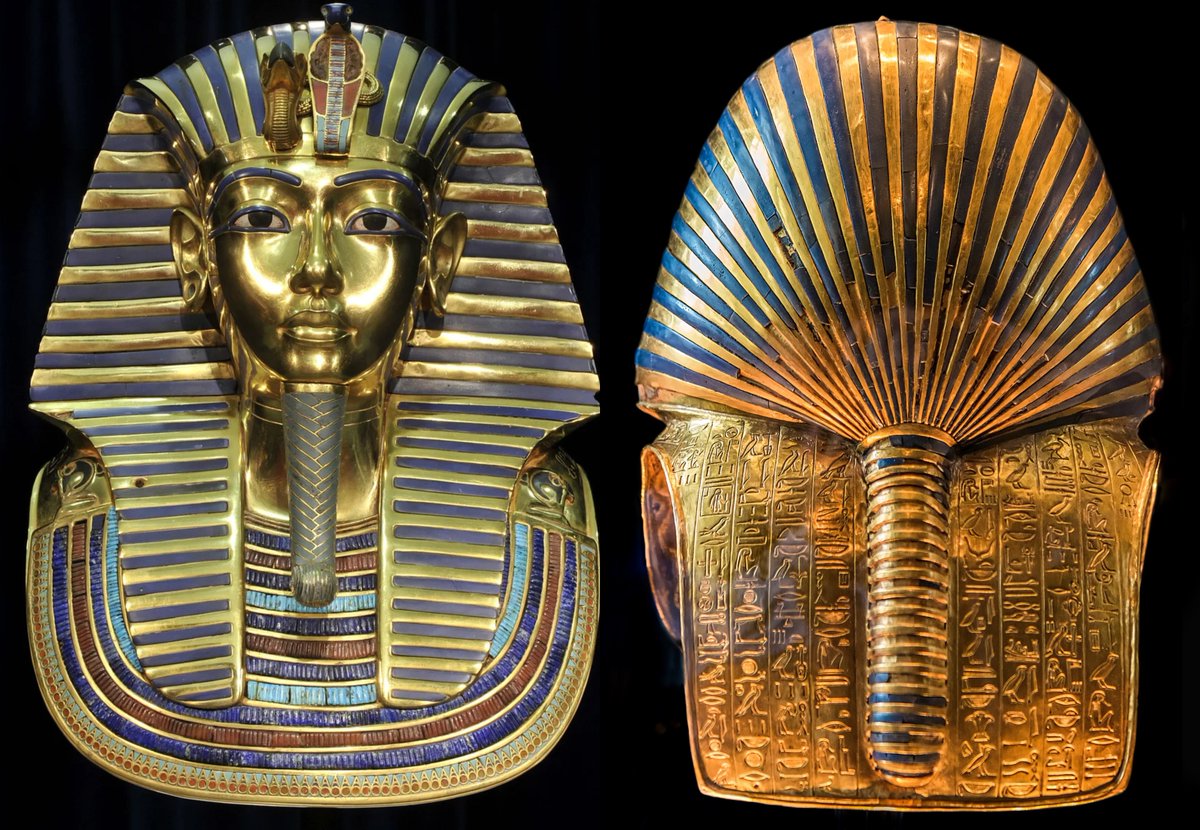
There was also, say, funerary art.
The mask of King Tutankhamun, the sarcophagus of King Pacal of Palenque, the tomb of Pope Alexander VII, the terracotta army of Qin Shi Huang.
This was art to glorify and commemorate a dead ruler— it was, again, art with a purpose and a place.
The mask of King Tutankhamun, the sarcophagus of King Pacal of Palenque, the tomb of Pope Alexander VII, the terracotta army of Qin Shi Huang.
This was art to glorify and commemorate a dead ruler— it was, again, art with a purpose and a place.
But religion or the glorification of kings was not the only purpose or context of art.
Michelangelo's statue of David, upon completion in 1504, was placed outside the Palazzo Vecchio in Florence.
This was a piece of public art intended to embody the city of Florence itself.
Michelangelo's statue of David, upon completion in 1504, was placed outside the Palazzo Vecchio in Florence.
This was a piece of public art intended to embody the city of Florence itself.


And not all art was such grand and singular works of marble sculpture, altarpieces, or fresco.
Only recently a terracotta relief of the Madonna that had adorned the corner of a street in Florence for six centuries was identified as a work of the Renaissance master Donatello!
Only recently a terracotta relief of the Madonna that had adorned the corner of a street in Florence for six centuries was identified as a work of the Renaissance master Donatello!

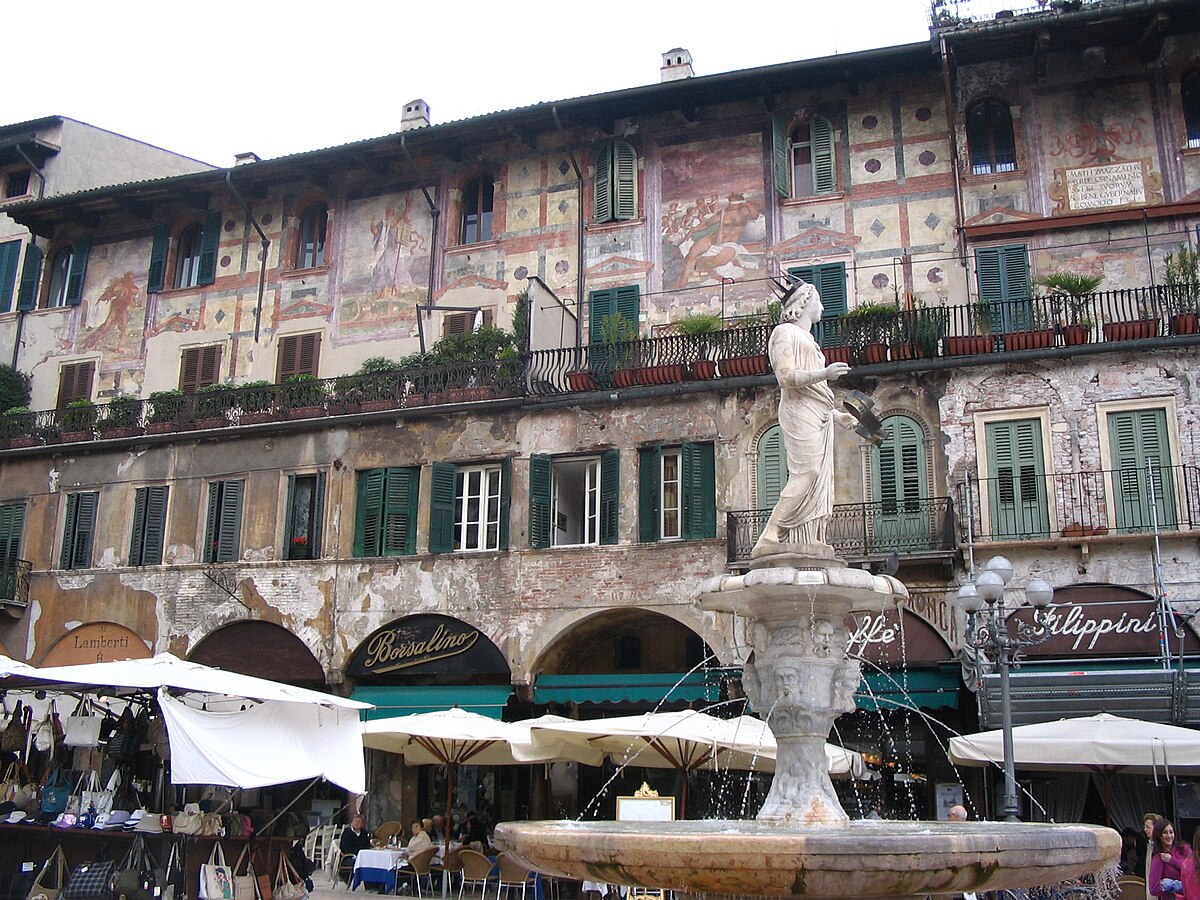
And so art wasn't a contextless creation for a gallery, separated from society and boxed off as this thing called "Art".
It was simply the expression of religious reverence, of civic pride, of humour, of delight, of beauty, of memory — and every street was filled with such art.
It was simply the expression of religious reverence, of civic pride, of humour, of delight, of beauty, of memory — and every street was filled with such art.
And it goes beyond the streets and into the houses.
Brueghel the Elder produced drawings for Hieronymus Cock's printing house to be sold to the public in Antwerp, much like the prints of the great Japanese ukiyo-e artists Hiroshige and Hokusai.
This was art for the home.
Brueghel the Elder produced drawings for Hieronymus Cock's printing house to be sold to the public in Antwerp, much like the prints of the great Japanese ukiyo-e artists Hiroshige and Hokusai.
This was art for the home.

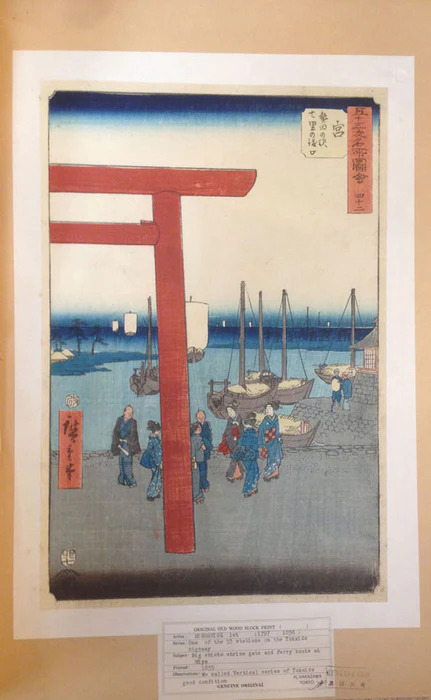
So it wasn't only the aristocracy who could afford art.
No doubt they did commission much of it and thus their houses were filled with art. Like the family villa of Cardinal Sciopione Borghese, who paid Gianlorenzo Bernini to make his marble masterpieces in the 17th century.
No doubt they did commission much of it and thus their houses were filled with art. Like the family villa of Cardinal Sciopione Borghese, who paid Gianlorenzo Bernini to make his marble masterpieces in the 17th century.
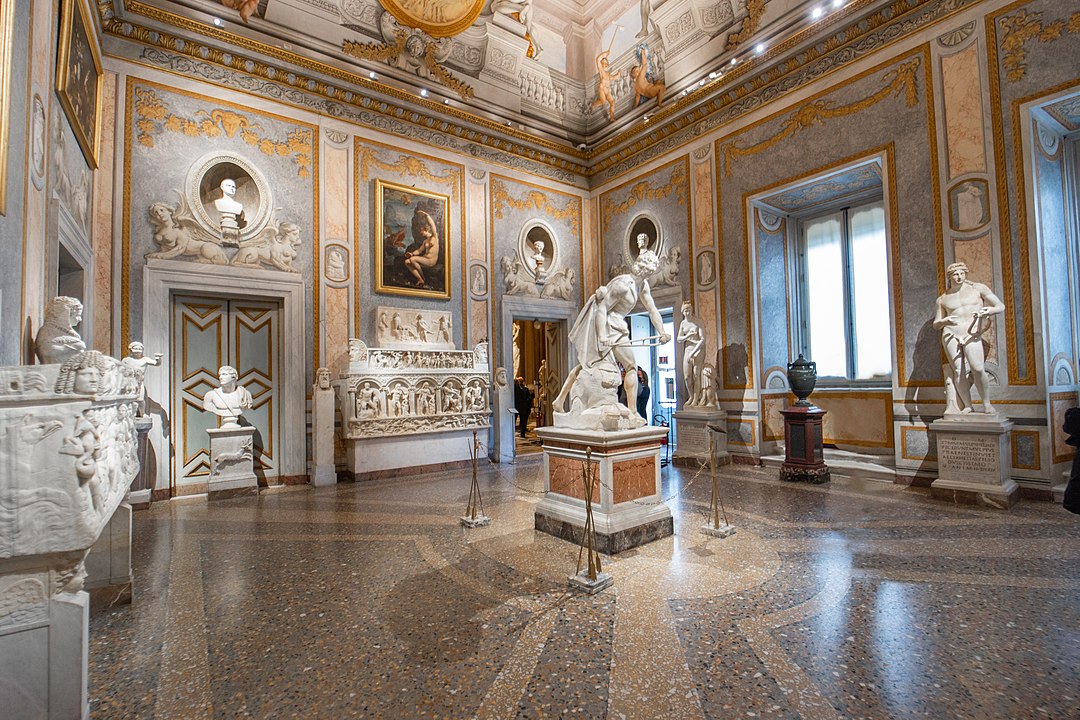
But the middle classes also bought art and decorated their homes with it.
Not only Brueghel and Hiroshige, but what else were Monet and van Gogh doing when they made their paintings?
They hoped to find a buyer who liked their pictures and would hang them in their houses.
Not only Brueghel and Hiroshige, but what else were Monet and van Gogh doing when they made their paintings?
They hoped to find a buyer who liked their pictures and would hang them in their houses.

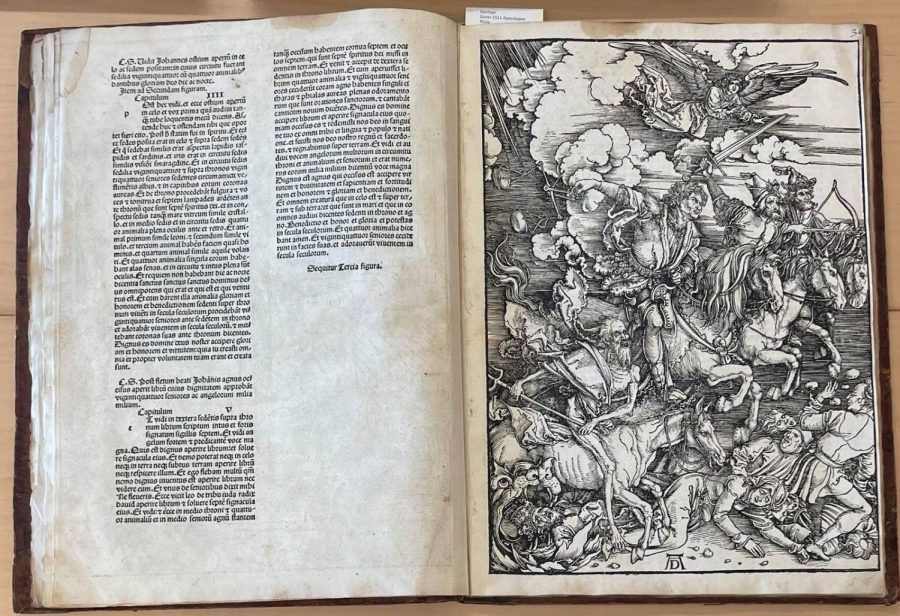
Albrecht Dürer and Gustave Doré, both of them master engravers in the 16th and 19th centuries respectively, created illustrations for books.
Those illustrations are now in galleries and museums — once they were in books that people absent-mindedly flicked through in the evening!
Those illustrations are now in galleries and museums — once they were in books that people absent-mindedly flicked through in the evening!
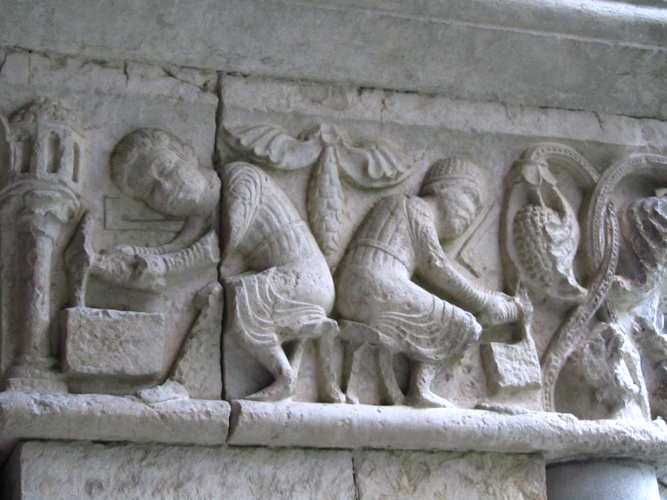
And beyond paintings or sculptures, almost *everything* before the Industrial Revolution was art.
Whenever humans make anything by hand we are inclined to decorate it in some way.
Thus museums are now filled with "art" that is, in fact, nothing more than everyday objects.
Whenever humans make anything by hand we are inclined to decorate it in some way.
Thus museums are now filled with "art" that is, in fact, nothing more than everyday objects.

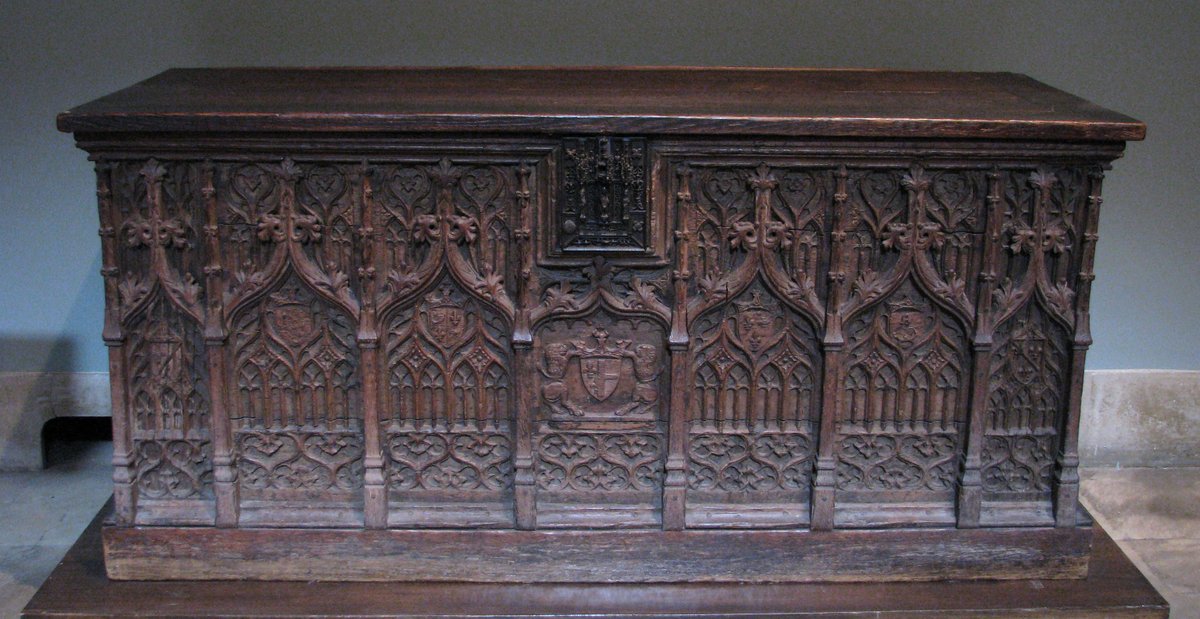
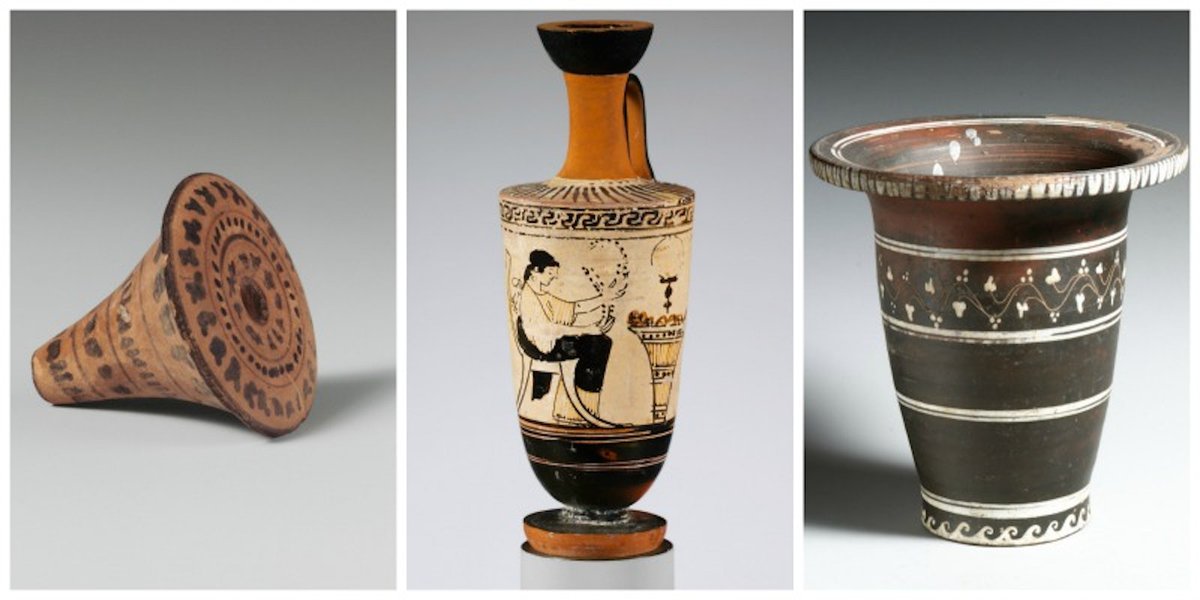
Incense burners, candlesticks, chairs, cutlery, crockery, wine jugs, tables, cupboards, fences, gates, carpets, lampshades, even ships!
All of these were what we now call "art" — at the time there was no need to call them that because it was obvious that that is what they were.
All of these were what we now call "art" — at the time there was no need to call them that because it was obvious that that is what they were.
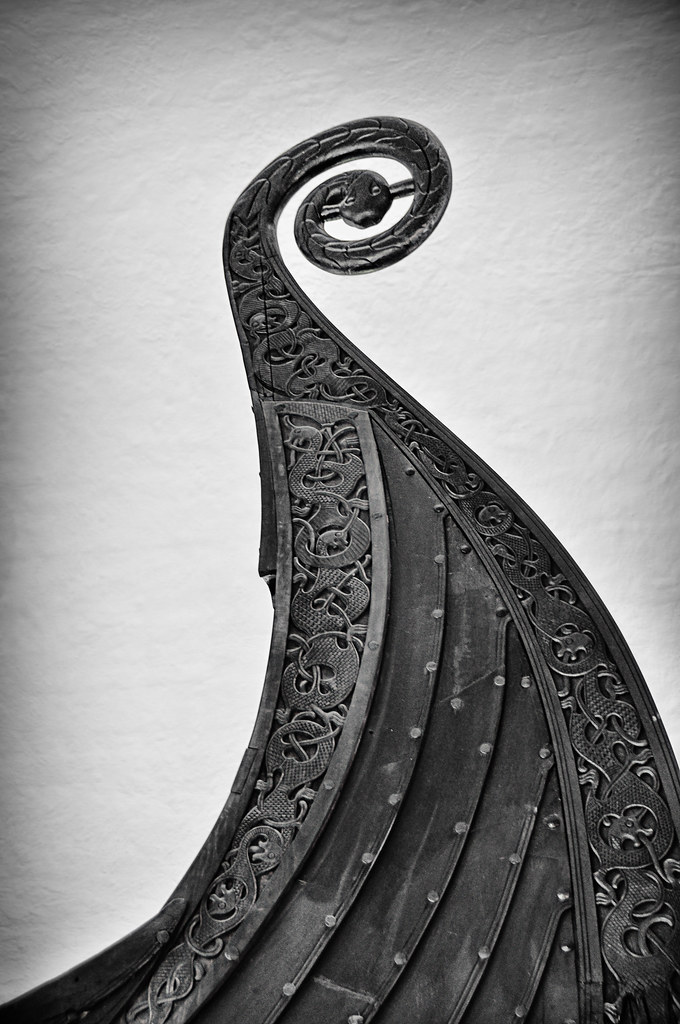
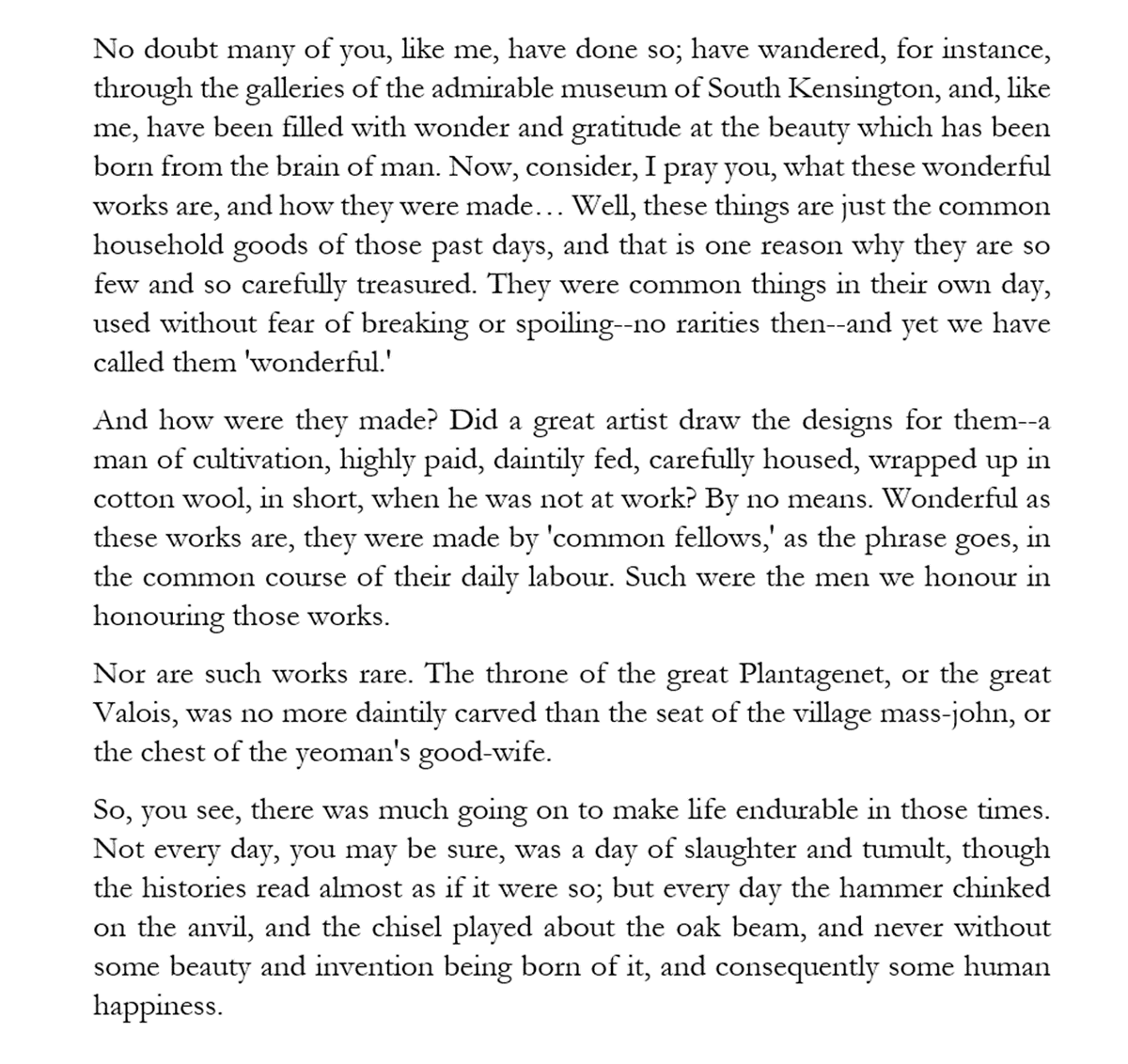
The great William Morris explained all this best in the late 19th century, as he tried to fight against the rising tide of industrial mass manufacture and the slow retreat of the arts into their galleried confines.
We can go back even further, beyond even the dawn of human civilisation.
The oldest art we have ever found is cave paintings — of bison, pigs, deer, abstract patterns, and handprints.
We have been decorating our homes with art pretty much since "we" first started to exist.
The oldest art we have ever found is cave paintings — of bison, pigs, deer, abstract patterns, and handprints.
We have been decorating our homes with art pretty much since "we" first started to exist.

Galleries are wonderful — but they risk making us believe that "art" is a thing separate from the rest of society.
It is not and never has been. Art was a universal feature of life, from the castles of kings to the churches and temples to the street corner and the lowliest home.
It is not and never has been. Art was a universal feature of life, from the castles of kings to the churches and temples to the street corner and the lowliest home.

What's the alternative? Well, all these paintings and sculptures need to be somewhere, and it's better that they are in places where the public can see them.
That being said, perhaps some of these artworks could be — like David — placed in the streets, as they once were?
That being said, perhaps some of these artworks could be — like David — placed in the streets, as they once were?
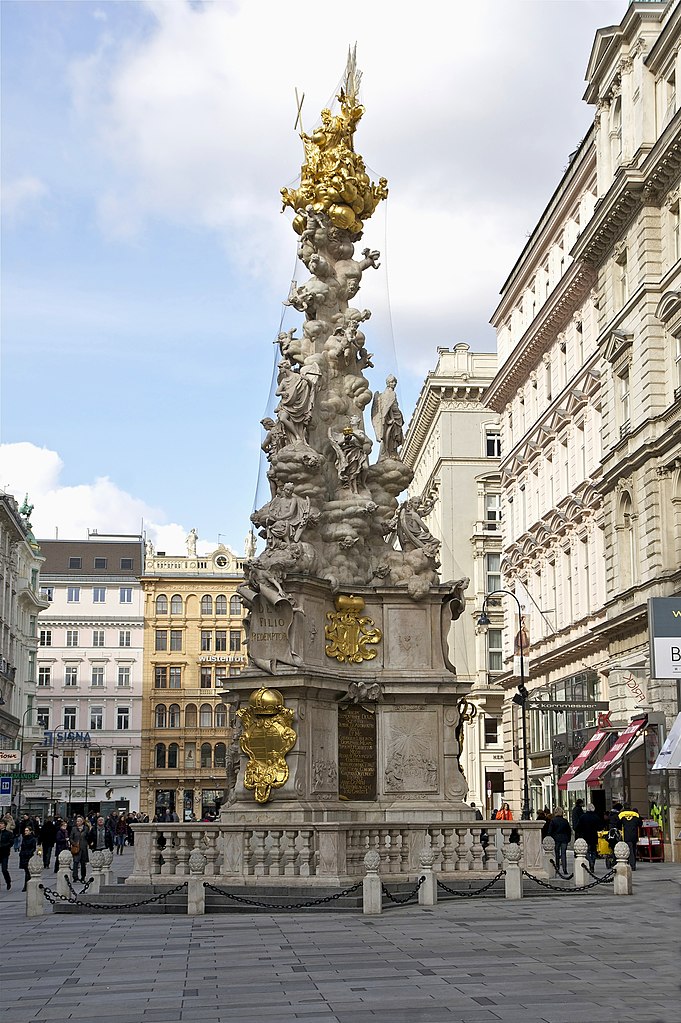
Alas, the point here isn't that galleries should be empty or closed down; many of these older artworks would deteriorate and it is surely our duty to preserve them for future generations.
Simply — we must remember that galleries conceal the real nature of art.
Simply — we must remember that galleries conceal the real nature of art.

Once upon a time people didn't need to go to galleries to "see art", because art was everywhere around them.
Perhaps the rise of industrial mass production has made such a world impossible... perhaps! But, lest we forget, art is not what galleries seem to say it is.
Perhaps the rise of industrial mass production has made such a world impossible... perhaps! But, lest we forget, art is not what galleries seem to say it is.
None of this is to say that we no longer make art — it's just that we may have been looking in the wrong place!
What is cinema if not the definitive modern art form? In which case, recent decades have seen some of the greatest art ever produced.
But that's another story...
What is cinema if not the definitive modern art form? In which case, recent decades have seen some of the greatest art ever produced.
But that's another story...
Loading suggestions...