
It's always interesting how people who talk about "grey morality" in fiction/storytelling almost never seem to actually know what this means.
A Song of Ice and Fire, Memory, Sorrow & Thorn, The First Law - these are not stories with grey morality! They are black and white.
A Song of Ice and Fire, Memory, Sorrow & Thorn, The First Law - these are not stories with grey morality! They are black and white.
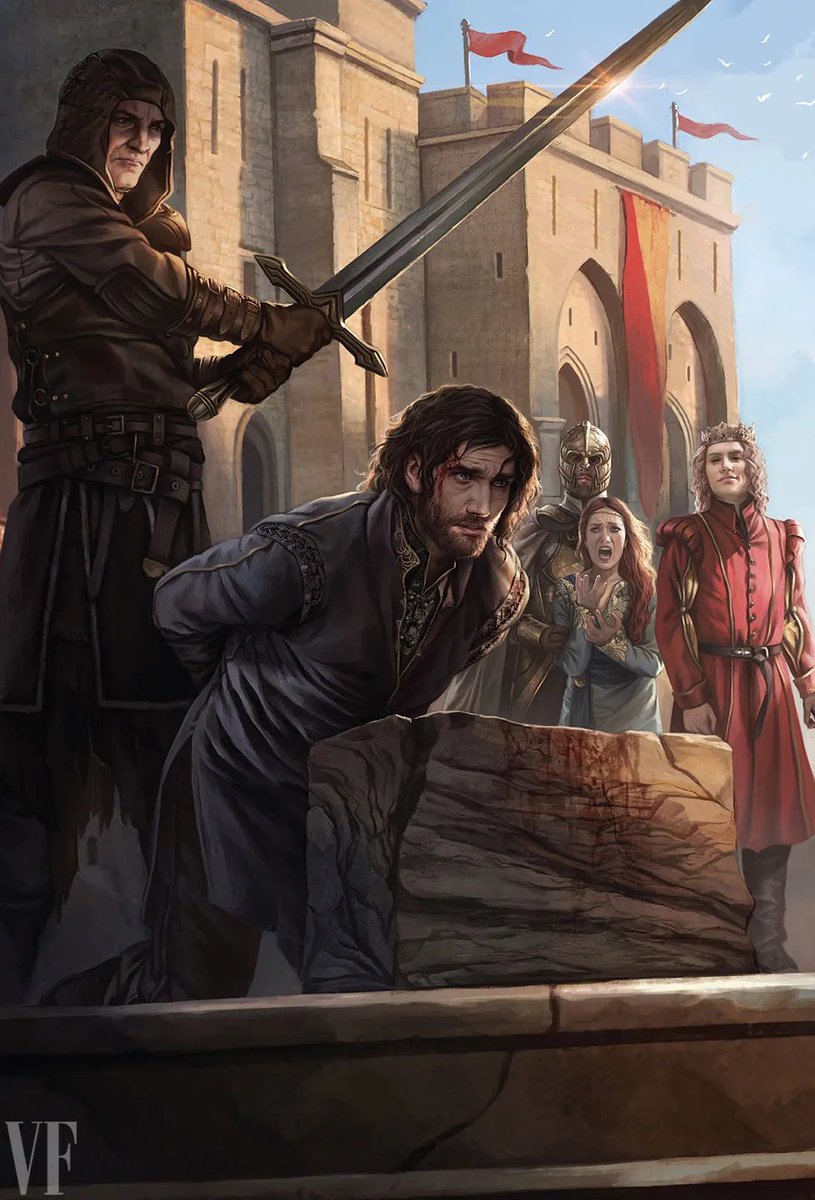
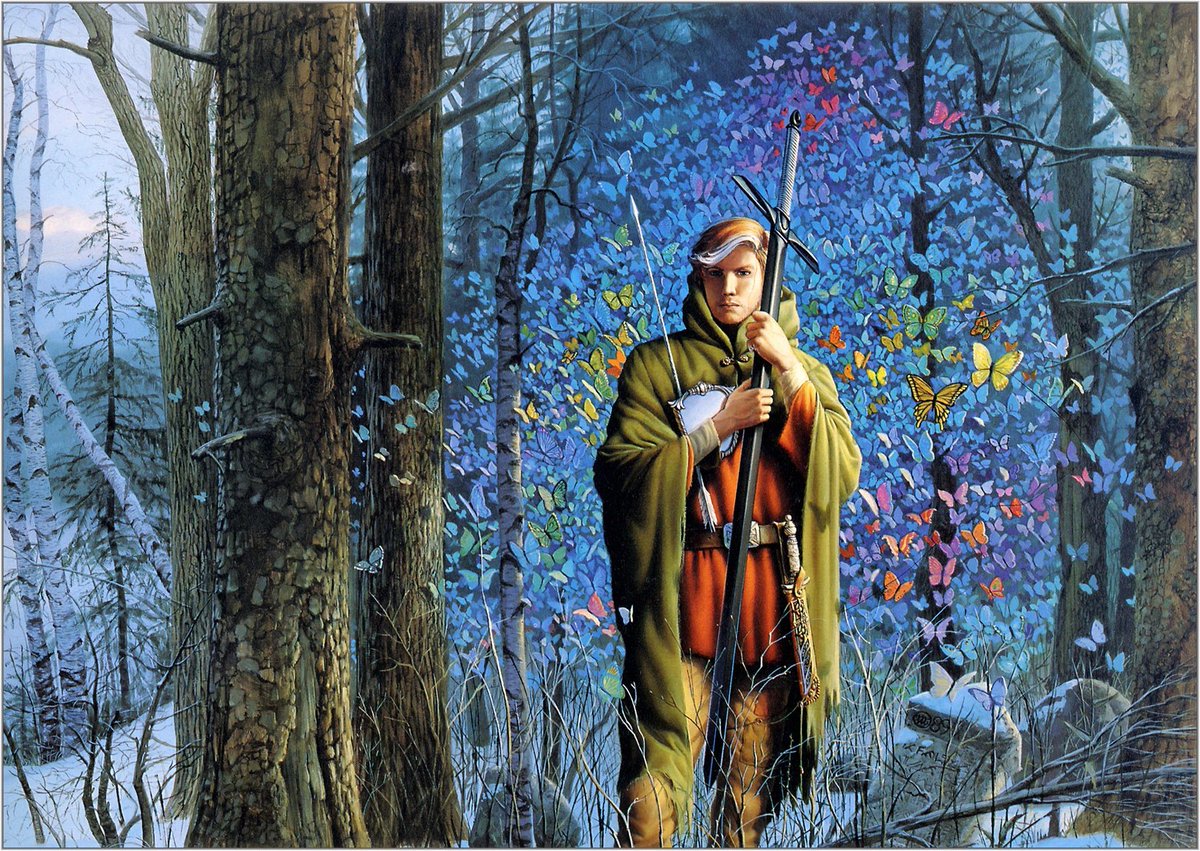
This becomes clear enough if we ask the simple question "what do we mean when we say a story 'isn't black and white?'"
What ppl usually say they mean is that the story doesn't divide everything into a moral binary. But, well, don't they?
What ppl usually say they mean is that the story doesn't divide everything into a moral binary. But, well, don't they?
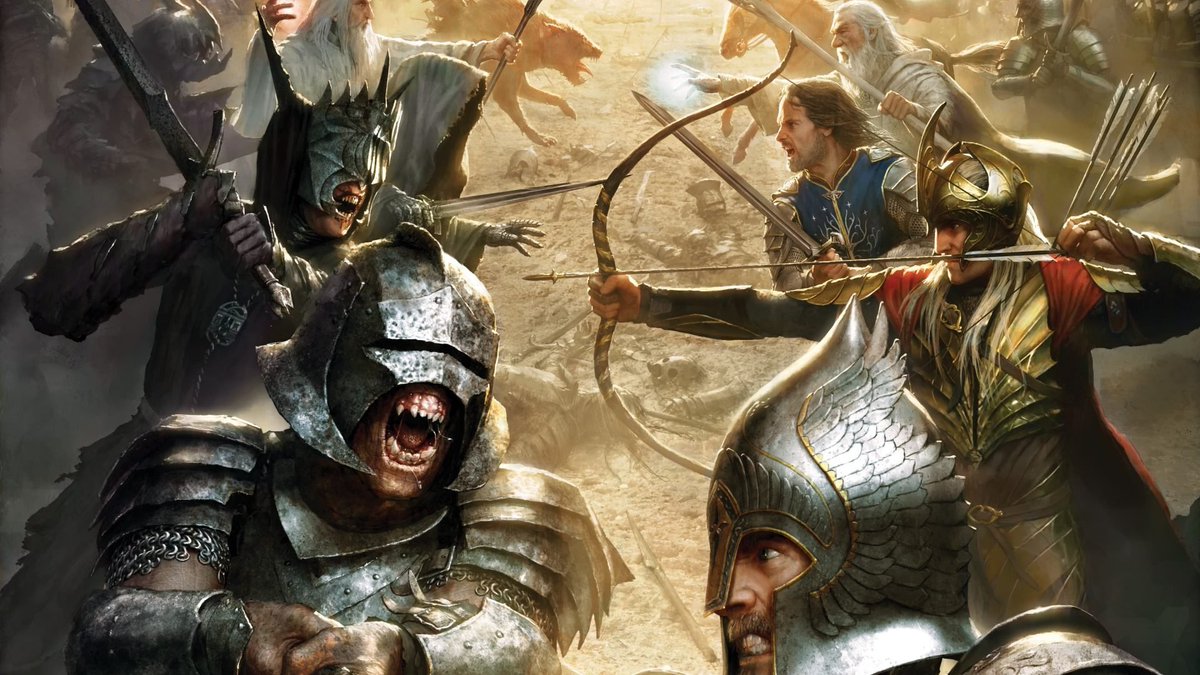
If everyone fails a math-test, that doesn't mean the test "no longer exists within a right-wrong binary". It simply means that no right answers exist. Likewise, just because a story, in the event, is full of wicked people, doesn't mean we aren't applying a moral binary.
Taking Westeros as an example, what is generally meant by "grey" here is "nearly everyone is some shade of a bastard". But what constitutes "a bastard" is still operating entirely on our own moral terms. The setting is not truly amoral, it hasn't escaped the binary at all!
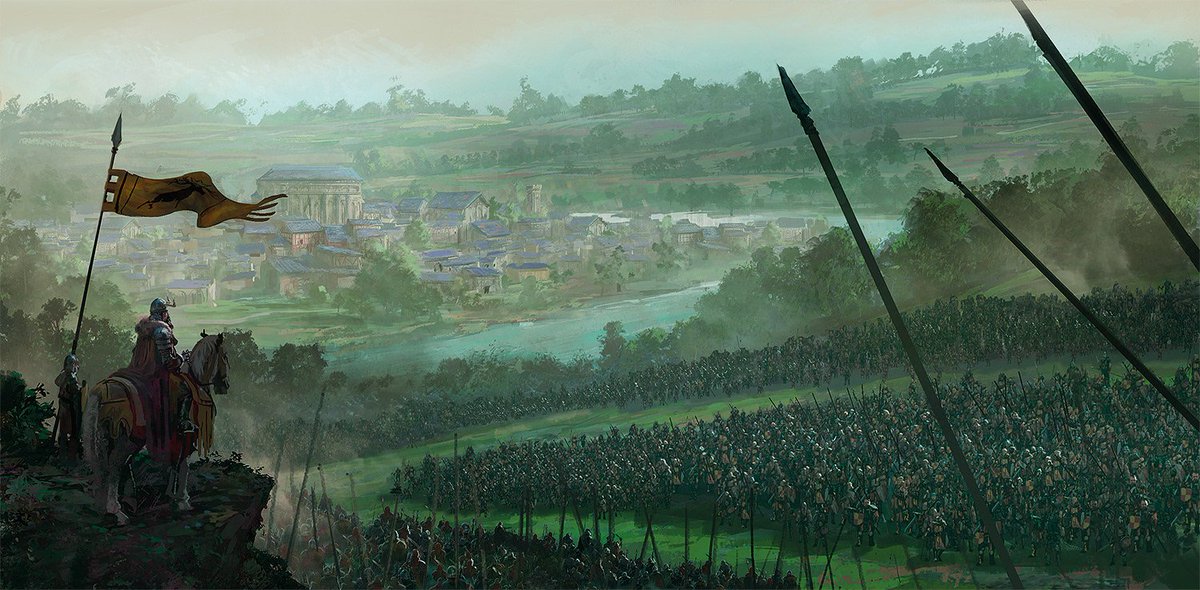
If you want to see what morality truly outside a Western moral binary looks like, take a look at Nietzsche. He (famously) invented a philosophy "beyond good & evil", and he meant this genuinely. His point wasn't "nobody is truly good", but "'good' is not a meaningful concept"
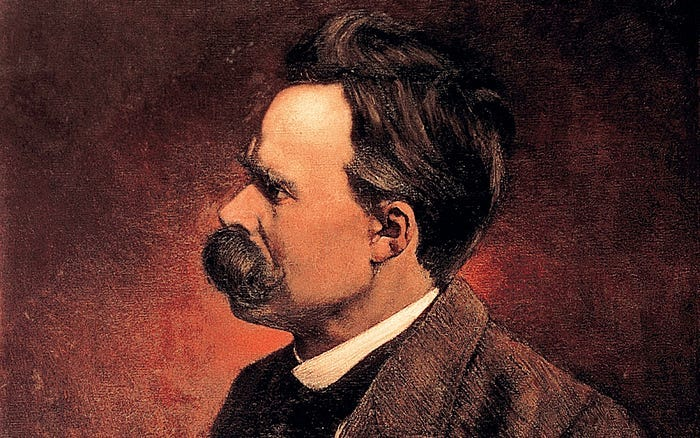
Alternatively, you can read the Aeneid, or Homer, or The Northman. As I have explained in detail before, it is not that these stories are truly "amoral", but the ethical systems they map on to are utterly alien from ours. They truly escape our binary.
Bluntly - in Westeros, though everyone may be a prick, they are still a prick - and the story very clearly judges them as such - by our conventional, modern Western standards. This is not a story that has "escaped" our usual moral criteria. Its only distinction is its cynicism.
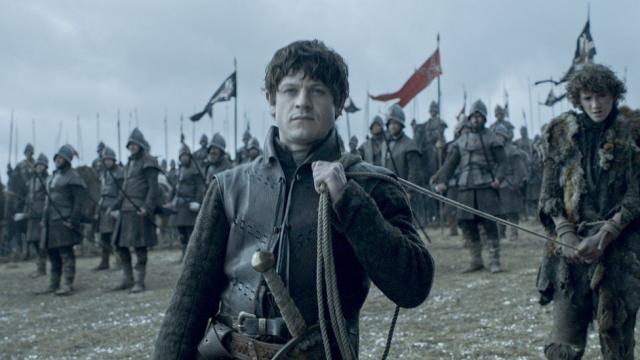
In case anyone should ask "so what?" - the answer is that this completely demolishes most of the claims to distinction of the Grimdark genre. Even in Tolkien, the archetypal "good vs evil" author, characters like Boromir are "grey" in this sense. This isn't special.
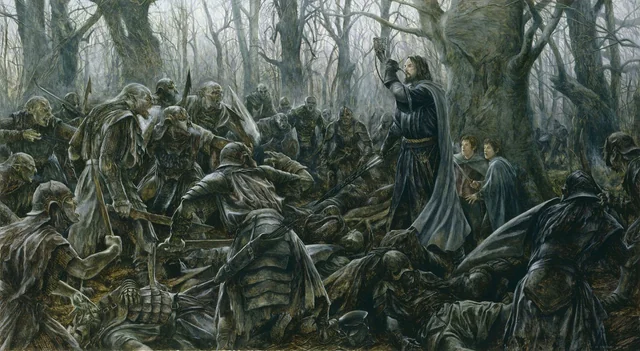
Tolkien's morality is coherent - he believes in the existence of a polarity of objective good and evil, but also that basically every individual, in the event, will fall somewhere in between.
GRRM also believes this, but is in denial about it. Consequently, he is incoherent.
GRRM also believes this, but is in denial about it. Consequently, he is incoherent.
Loading suggestions...