

METROPOLIS was released 97 years ago this week. One of the most influential films ever made – and one of the world’s first feature-length science fiction movies – the story behind the scenes is as big as the city’s Tower of Babel…
1/34
1/34

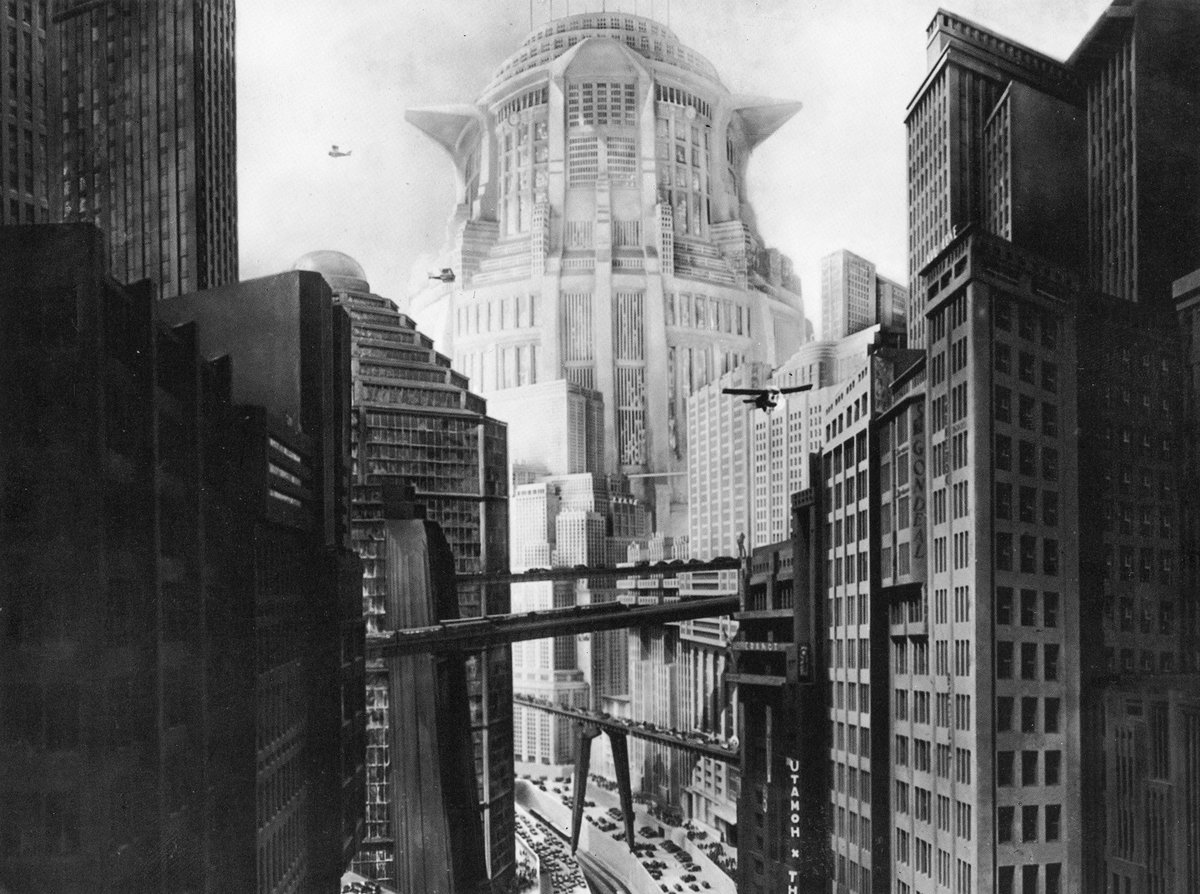

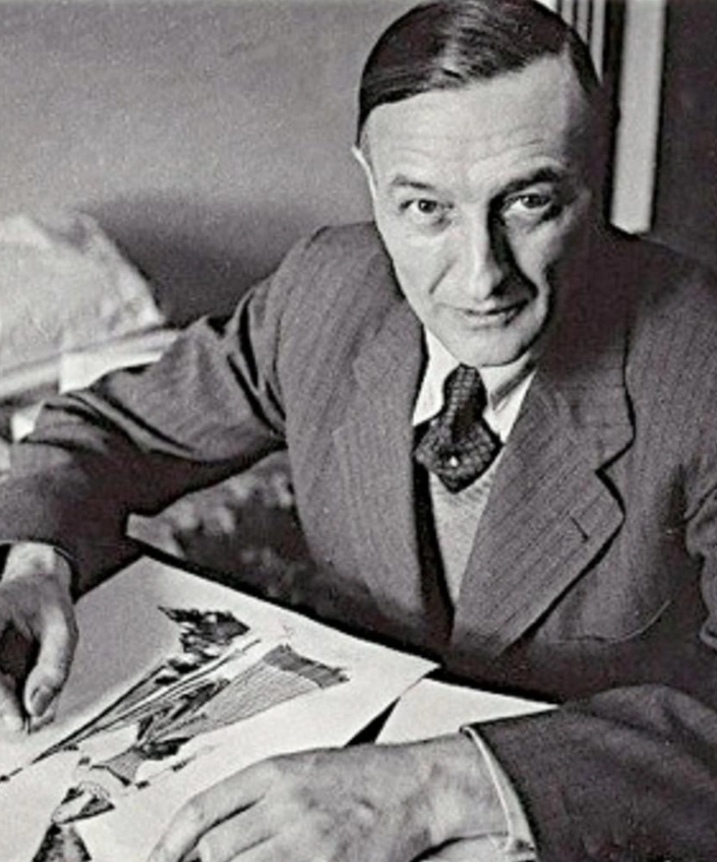
In 1924, Austrian filmmaker Fritz Lang visited New York City for the premiere of his film Die Nibelungen and, struck by the Art Deco architecture, began developing ideas of a tale set in a futuristic city. He pitched it to German production company UFA, and they loved it.
2/34
2/34


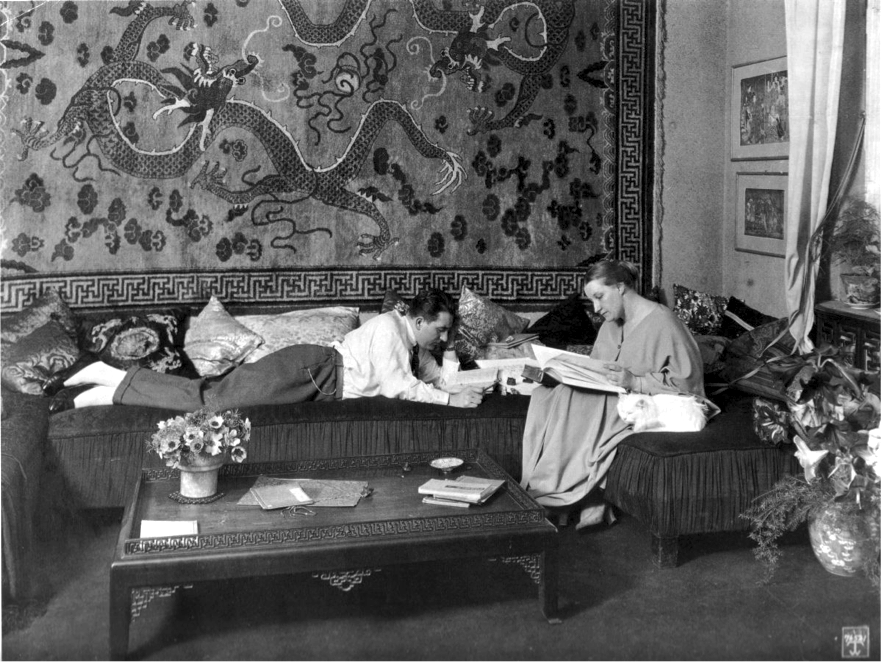
Lang fleshed the idea out with his wife, Thea von Harbou. She then wrote the novel of Metropolis in 1925, drawing drew inspiration from writers such as H.G. Wells and Villiers d'Isle Adam.
3/34
3/34


Von Harbou wrote the book with the express intention of her husband turning it into a movie and the husband-wife team worked together on the screenplay adaptation. (The book ended up being released at the same time as the film, an early example of cross-marketing).
4/34
4/34
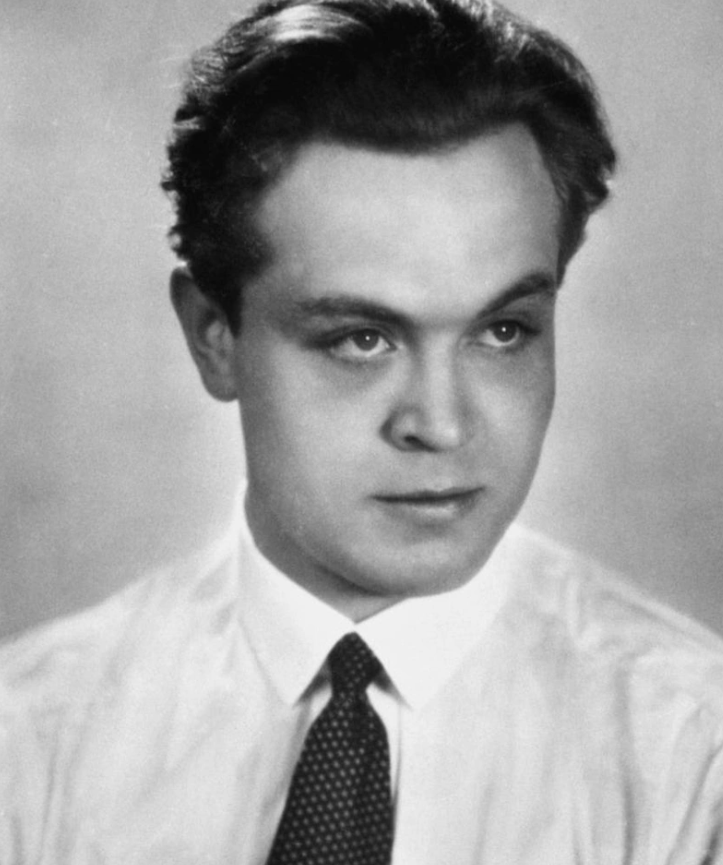
Gustav Fröhlich (Freder) had worked in vaudeville and was originally hired as an extra on Metropolis. However, Thea von Harbou noticed the good-looking Fröhlich on set and, when the first rushes were poor, she urged Lang to let the original actor go and cast Frohlich.
5/34
5/34

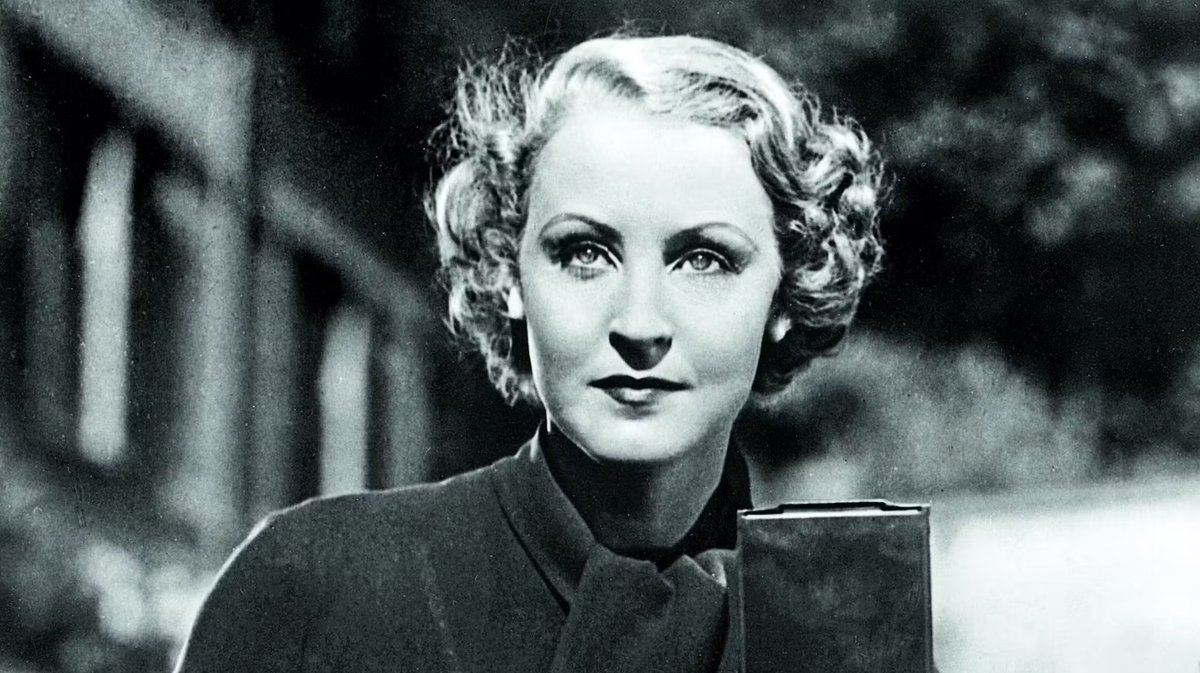
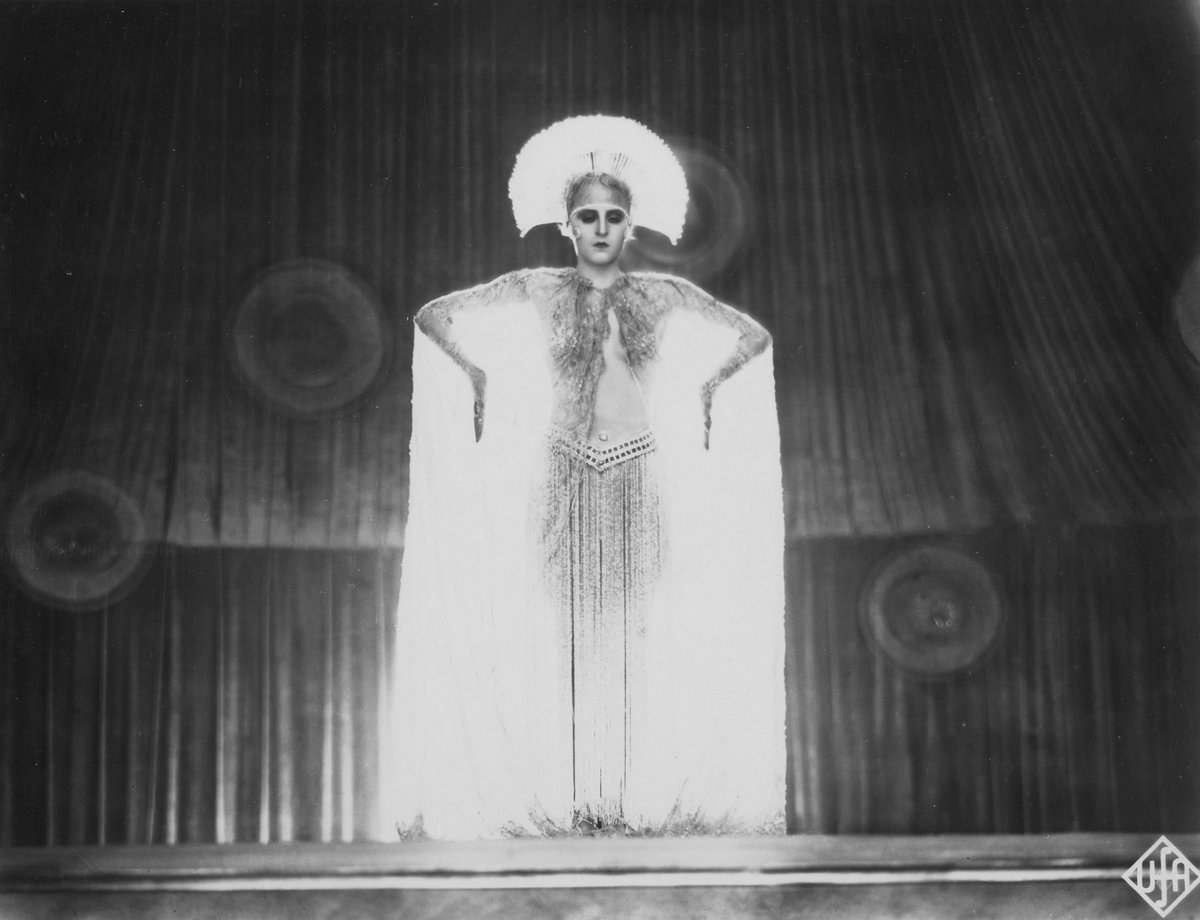
19 year-old Brigitte Helm had only acted in school plays experience when her mother sent her photo to Fritz Lang, hoping he might cast her in a film. Lang gave Helm a screen test (which she later described as below) and cast her as Maria in the film.
6/34
6/34
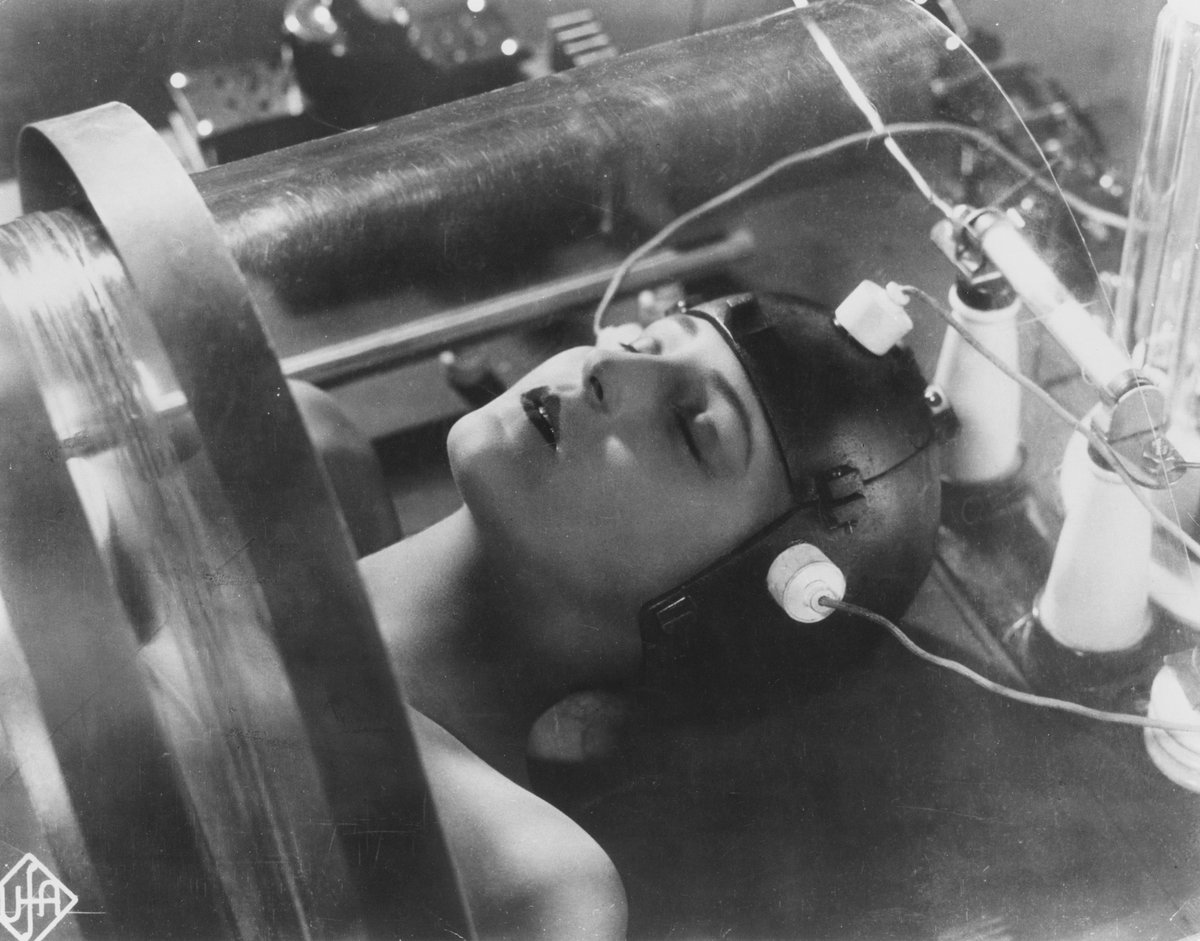
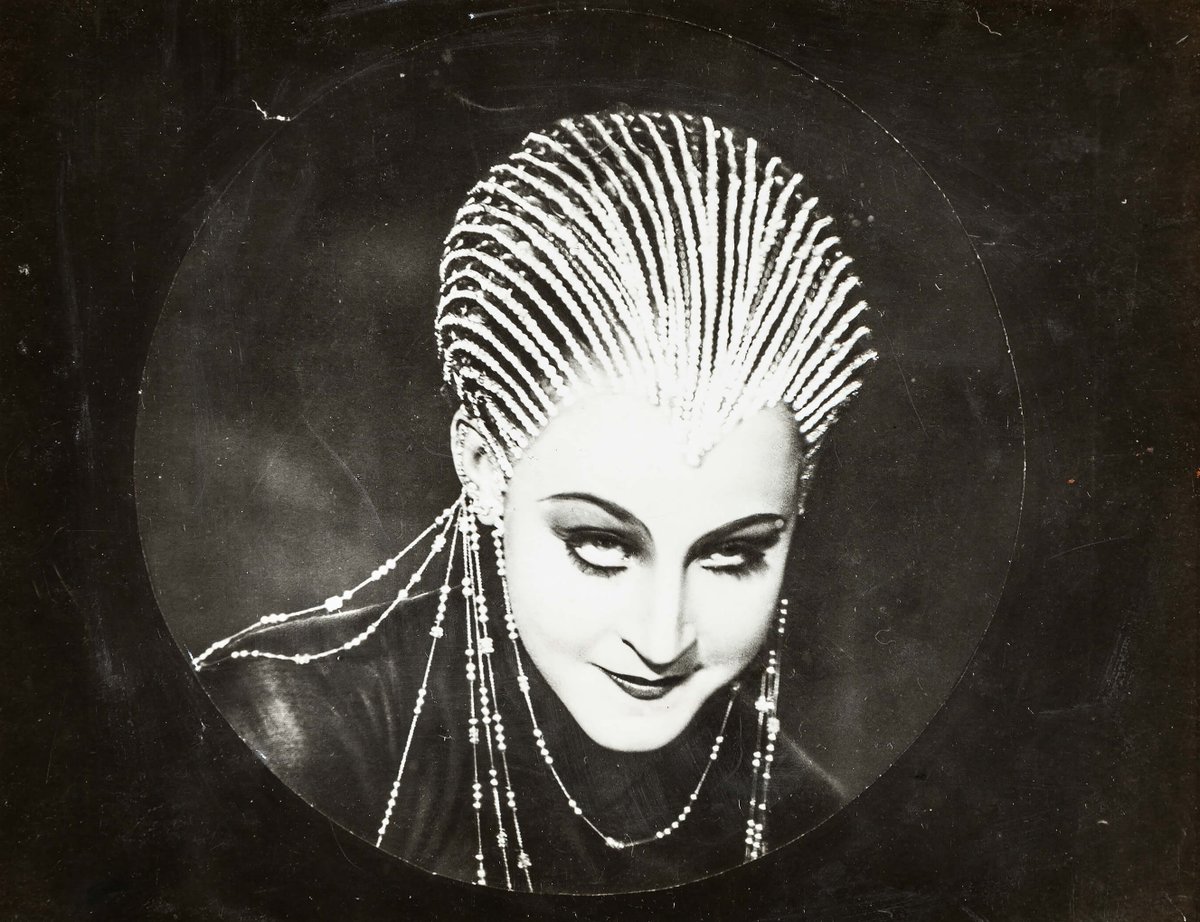
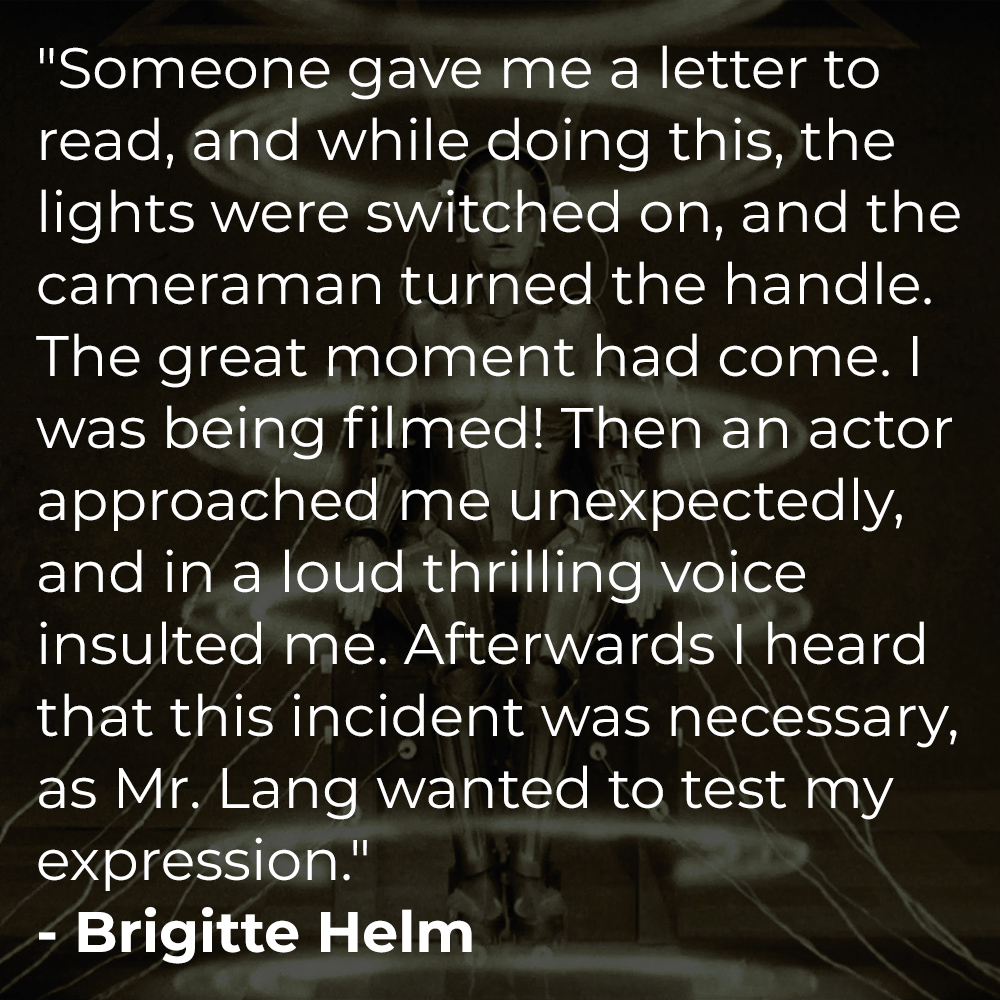
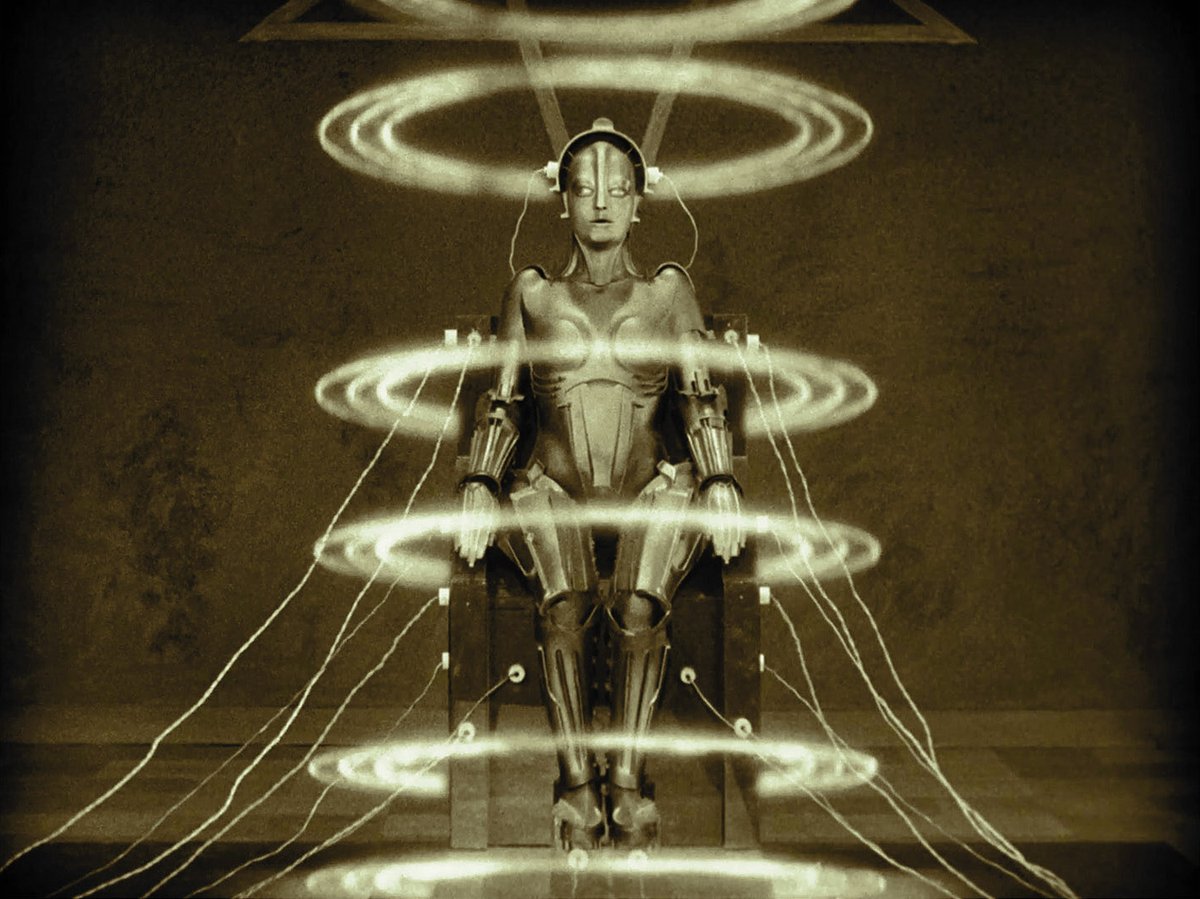
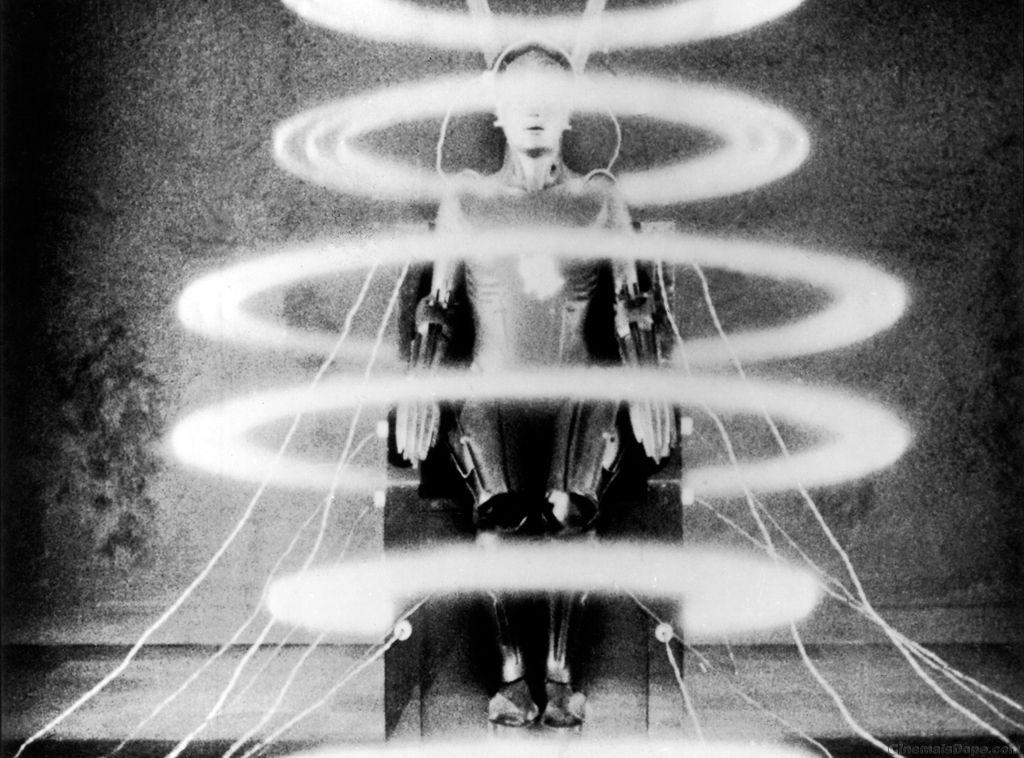
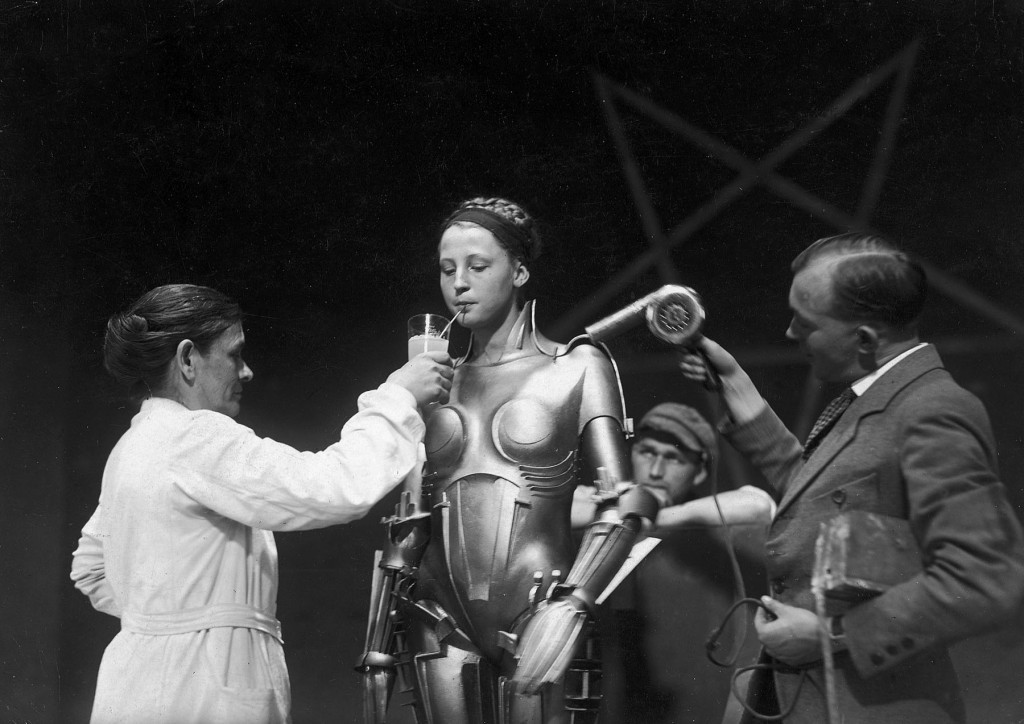
Fritz Lang insisted that Helm should wear the robot outfit instead of a stunt double, which was very uncomfortable and painful. During the transformation scene, Helm fainted, as the shot took so long and she couldn't get enough air in the costume.
7/34
7/34
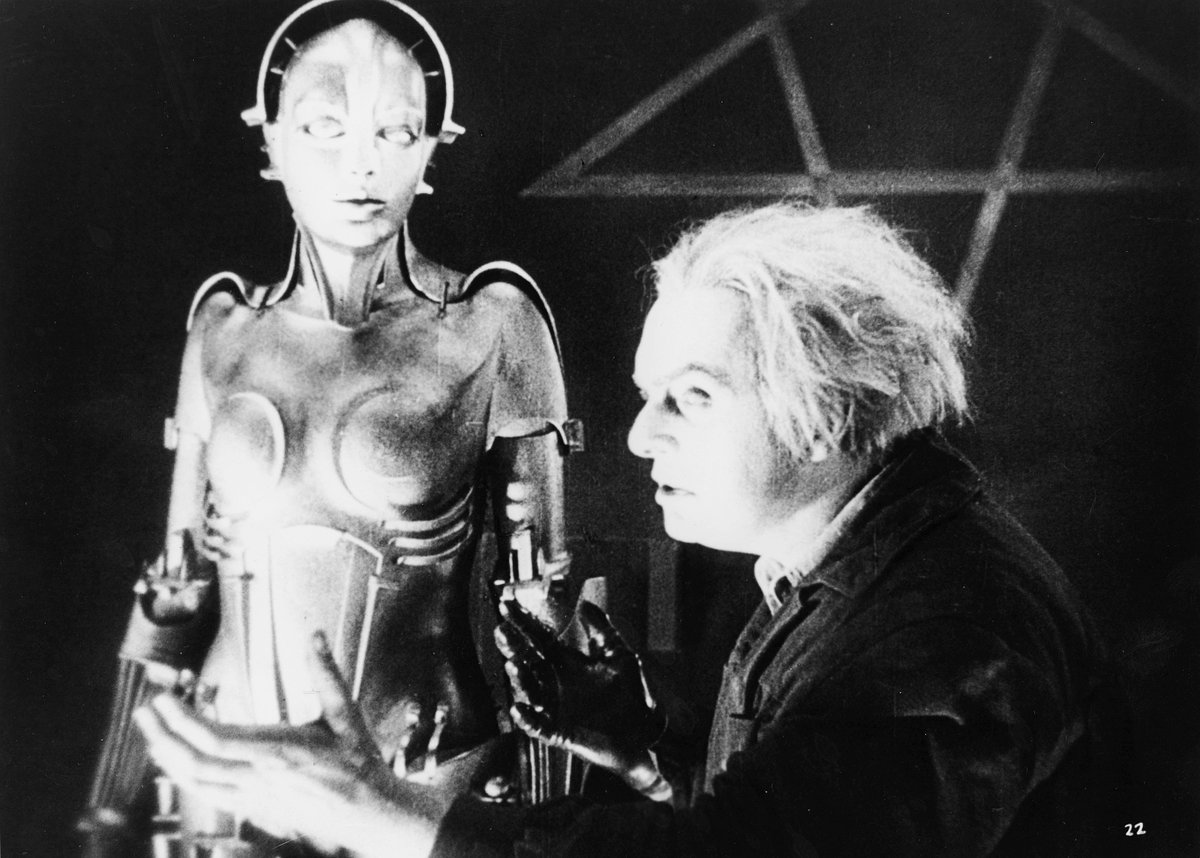
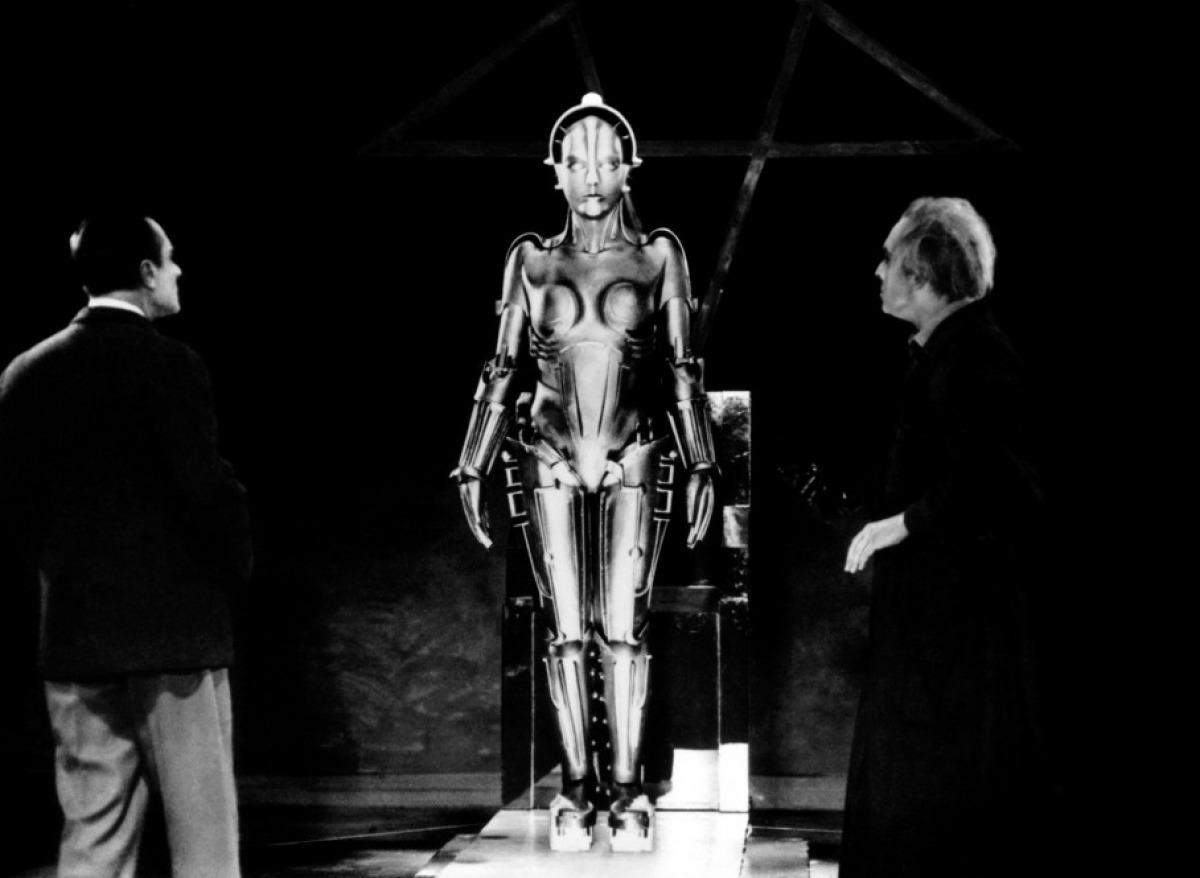
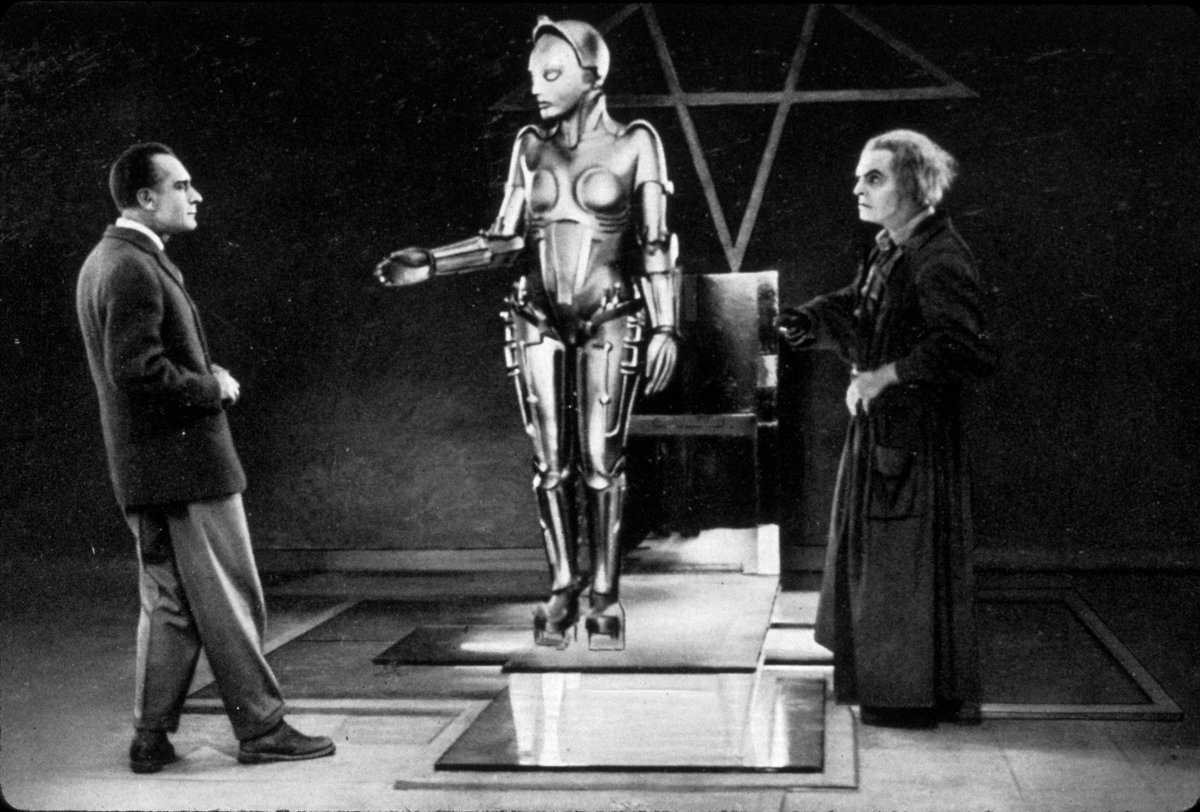
In the other roles, Lang cast the familiar. Alfred Abel (Joh Fredersen), had worked with Lang on Dr. Mabuse the Gambler. And Rudolph Klein-Rogge (Rotwang). Had worked with Lang three times before, on Destiny, Dr. Mabuse the Gambler, and Die Nibelungen.
8/34
8/34
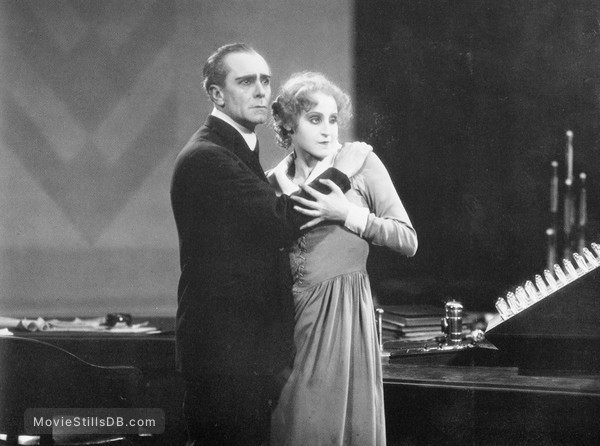
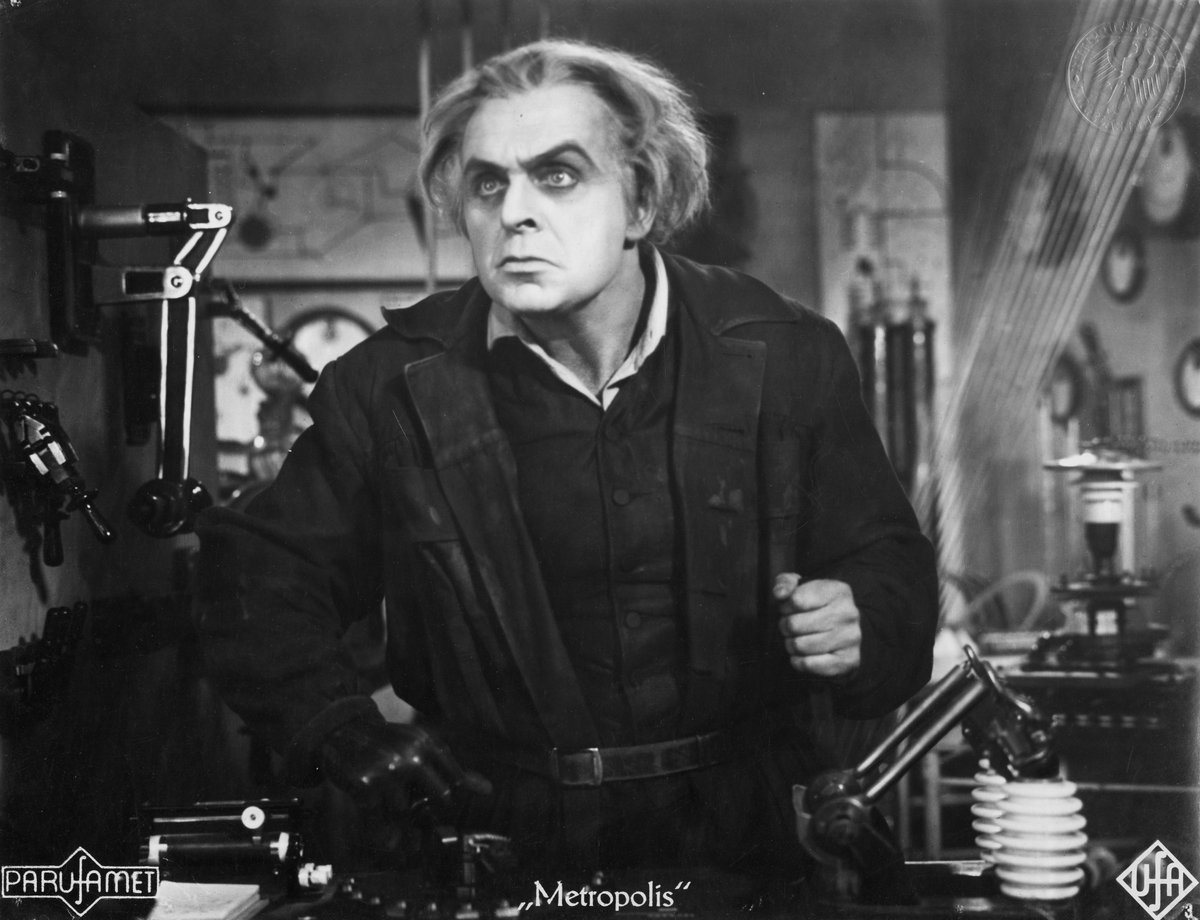
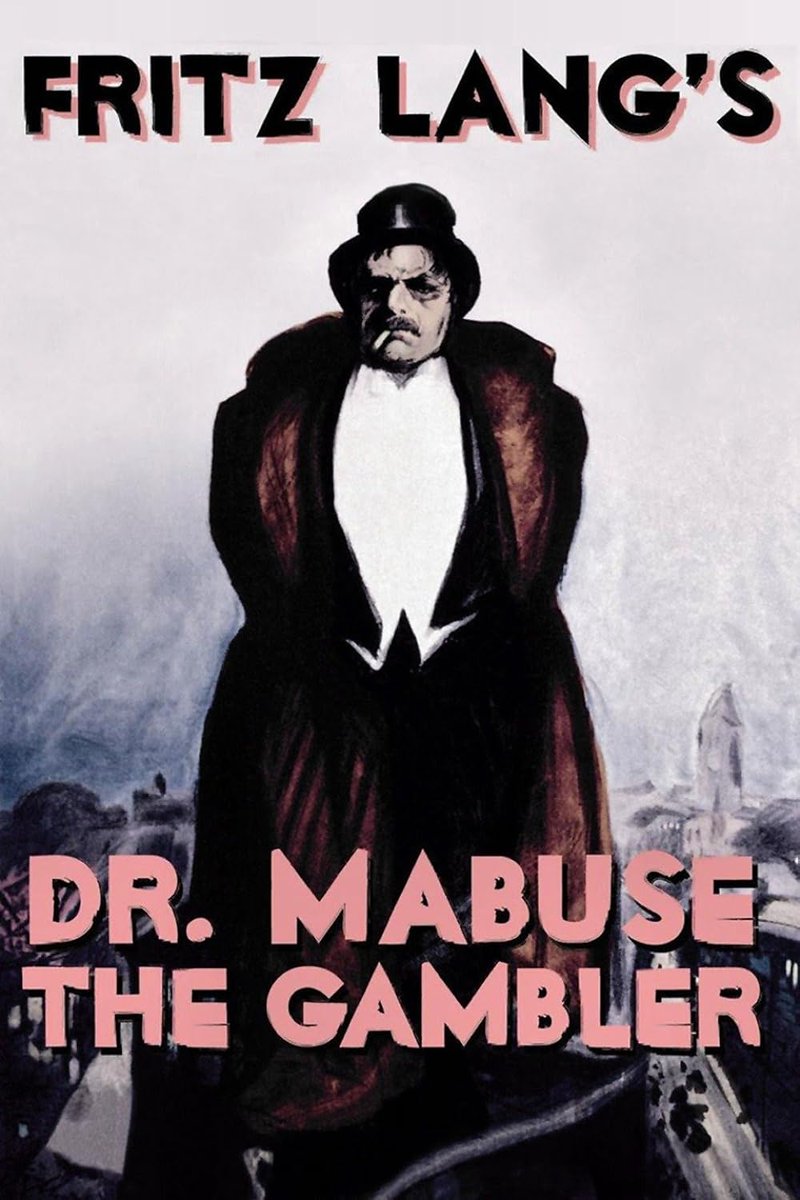
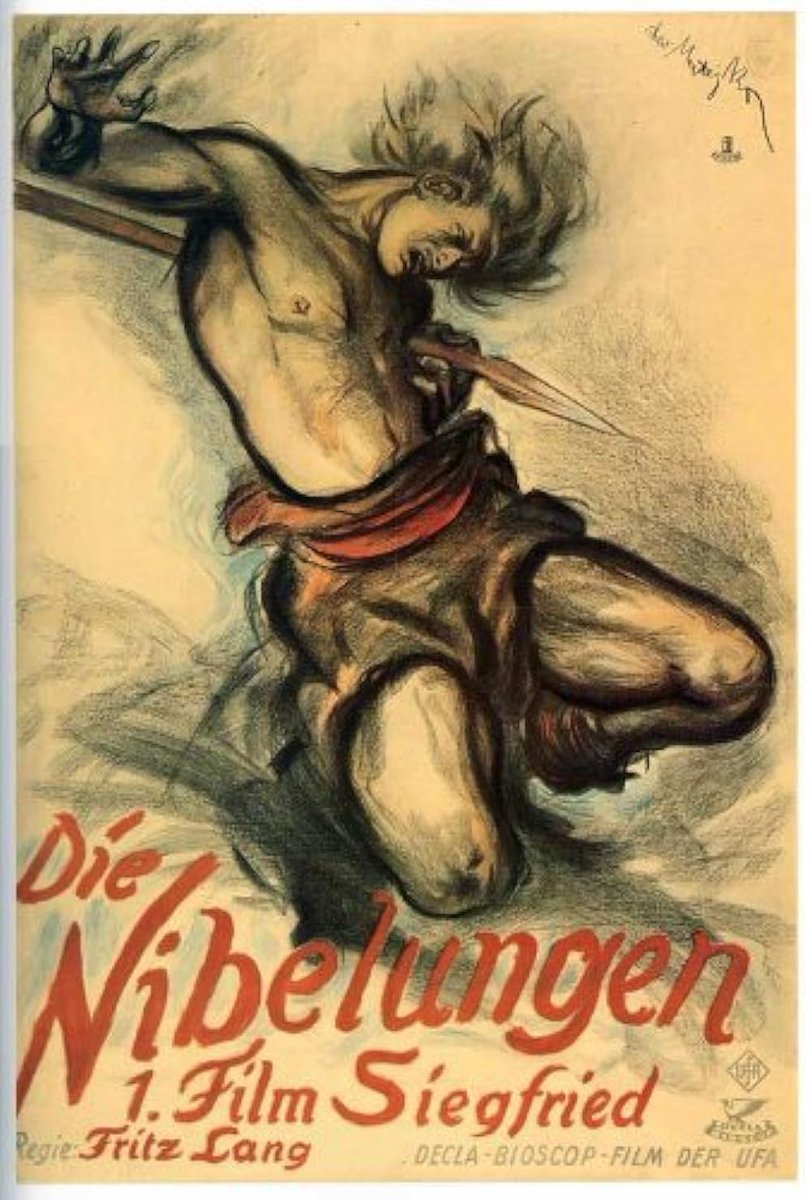
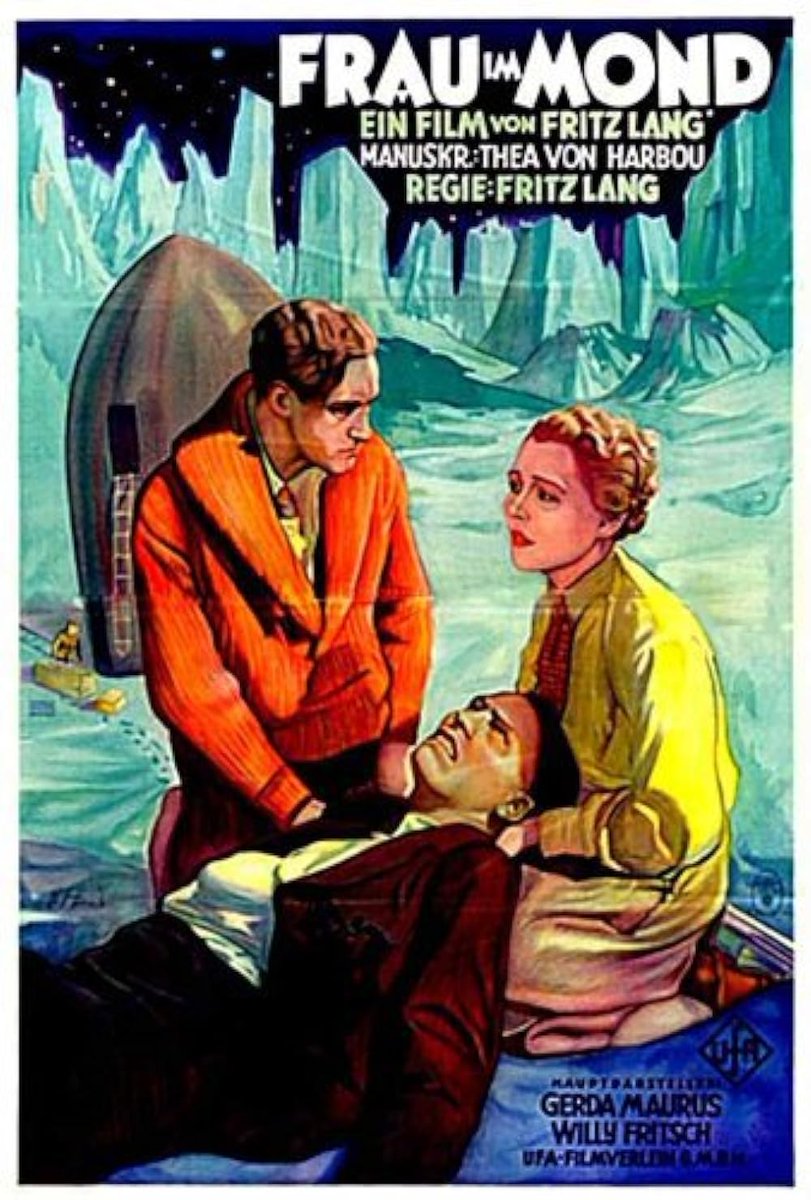
The screenplay went through many re-writes and drafts. At one point it featured an ending where Freder would have flown to the stars. This idea element later became the basis for Lang's Girl in the Moon in 1929.
9/34
9/34
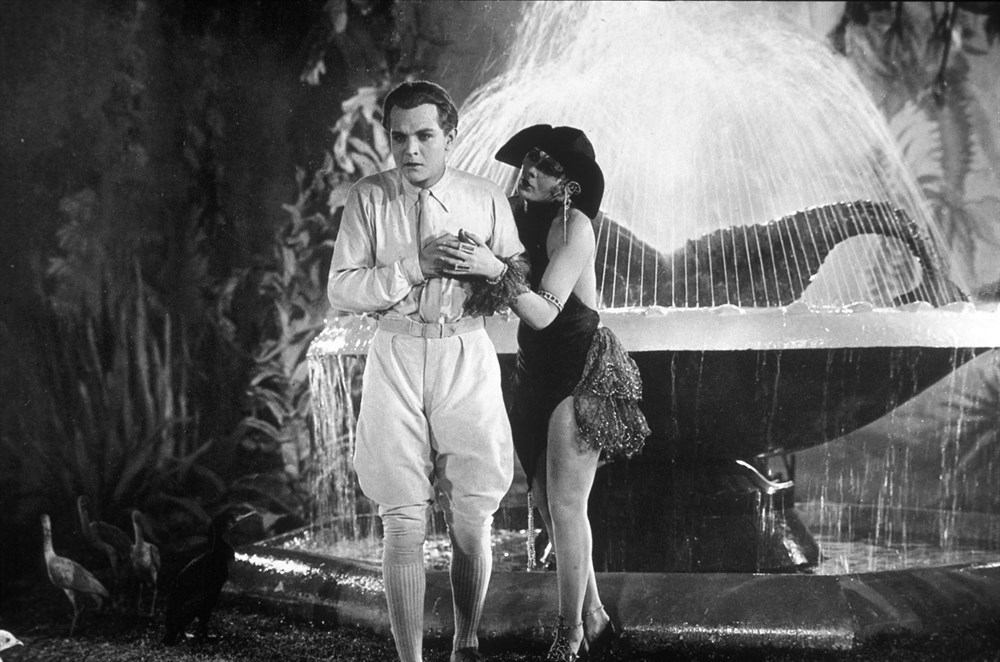
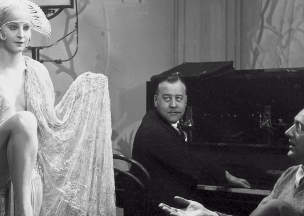
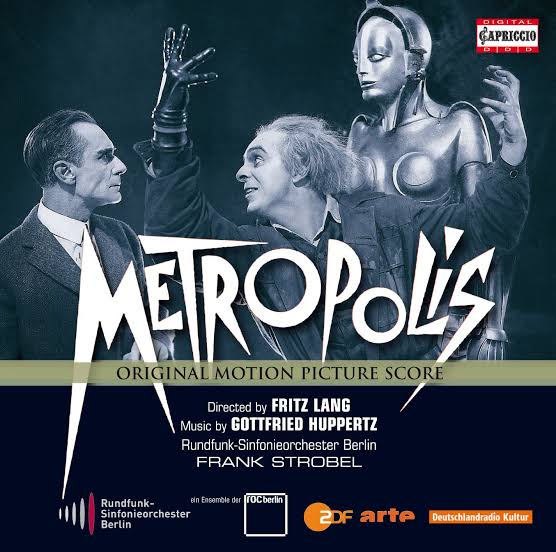
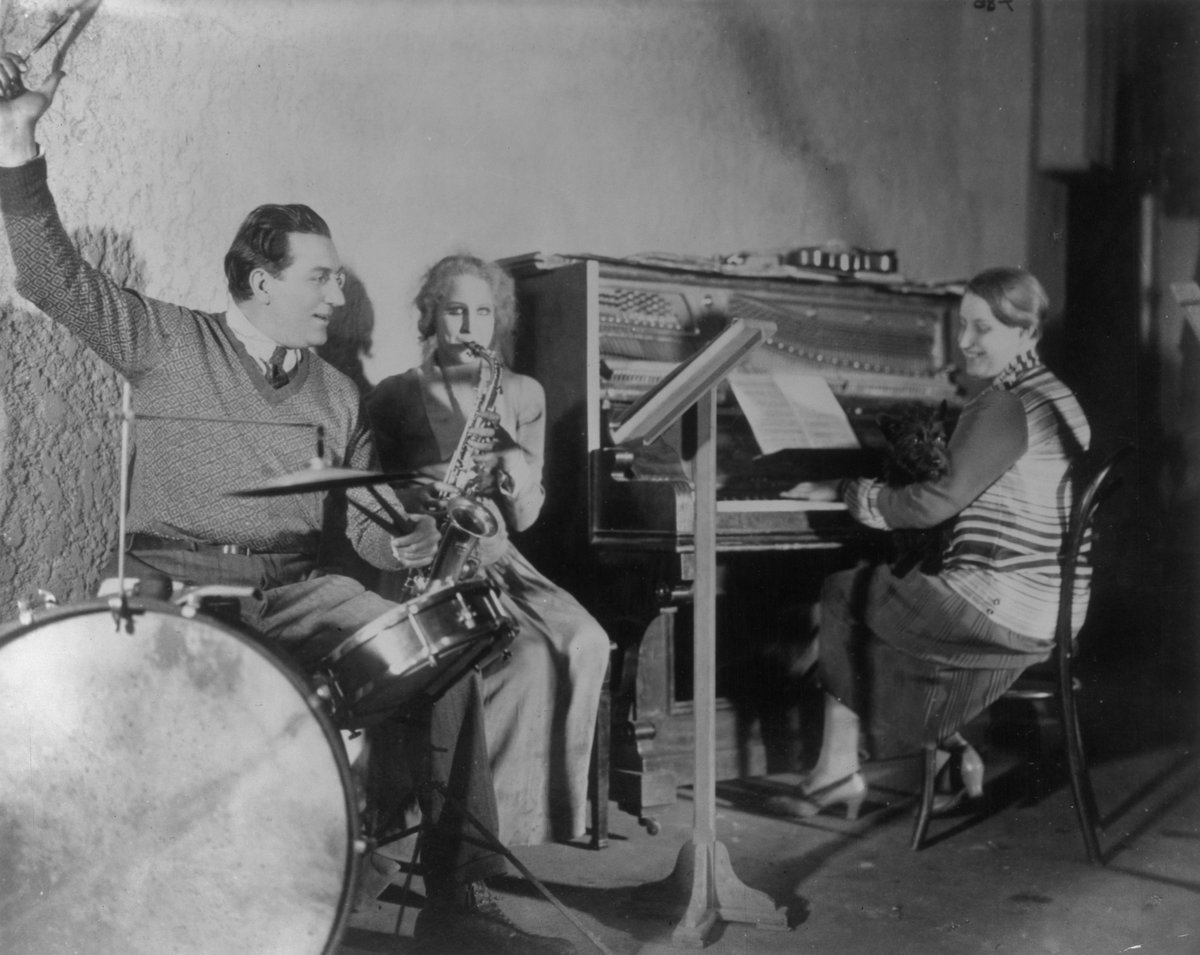
The composer was Gottfried Huppertz who had written the score for Die Nibelungen. Huppertz was on set and would play piano live during takes to inform the actors' performances.
10/34
10/34
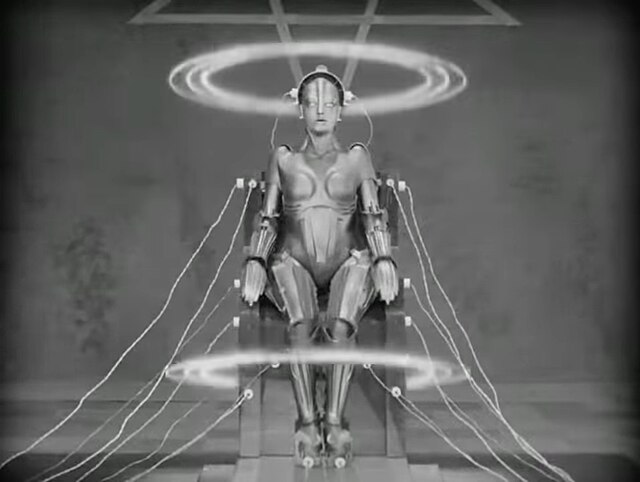
The multiple-exposed sequences were not created in post-production but on the set while filming. To create the effect, the film was rewound in the camera and then exposed immediately. This was then repeated up to 30 times.
11/34
11/34
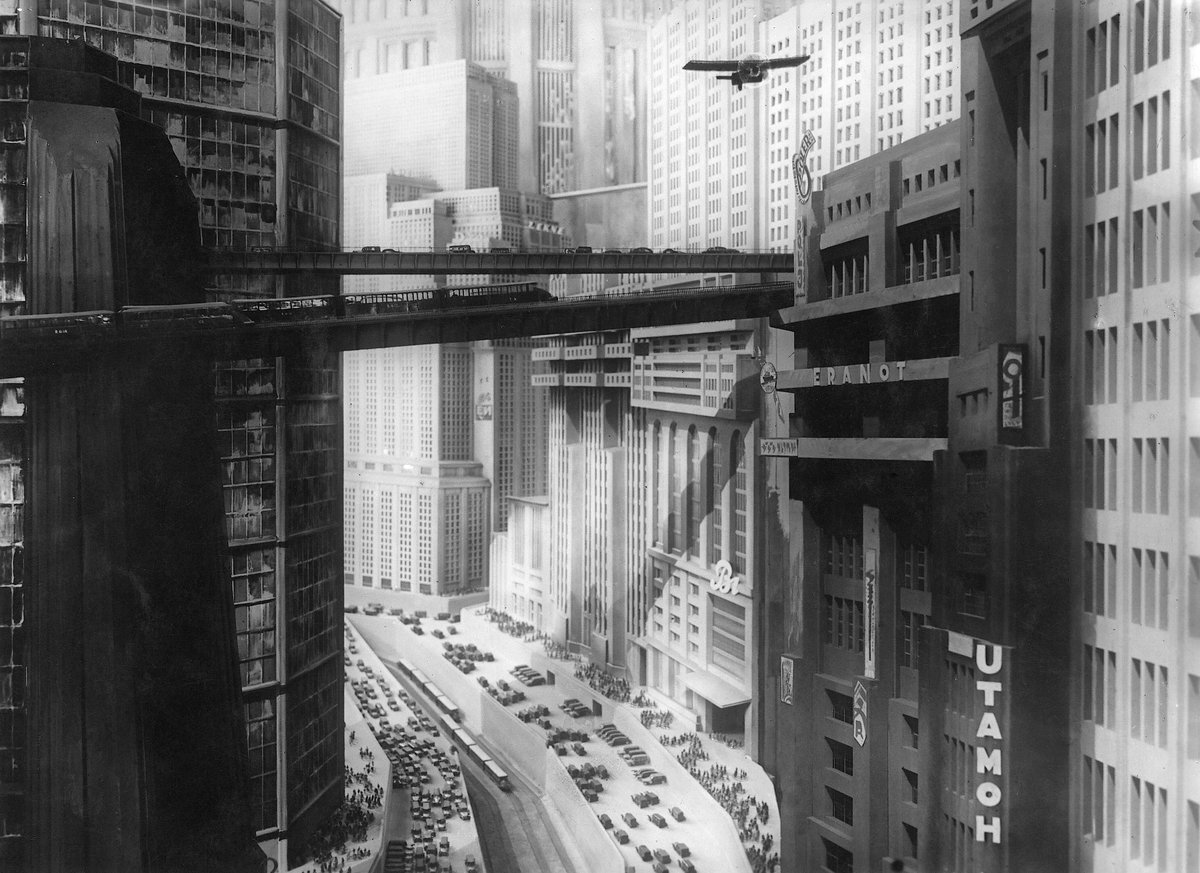
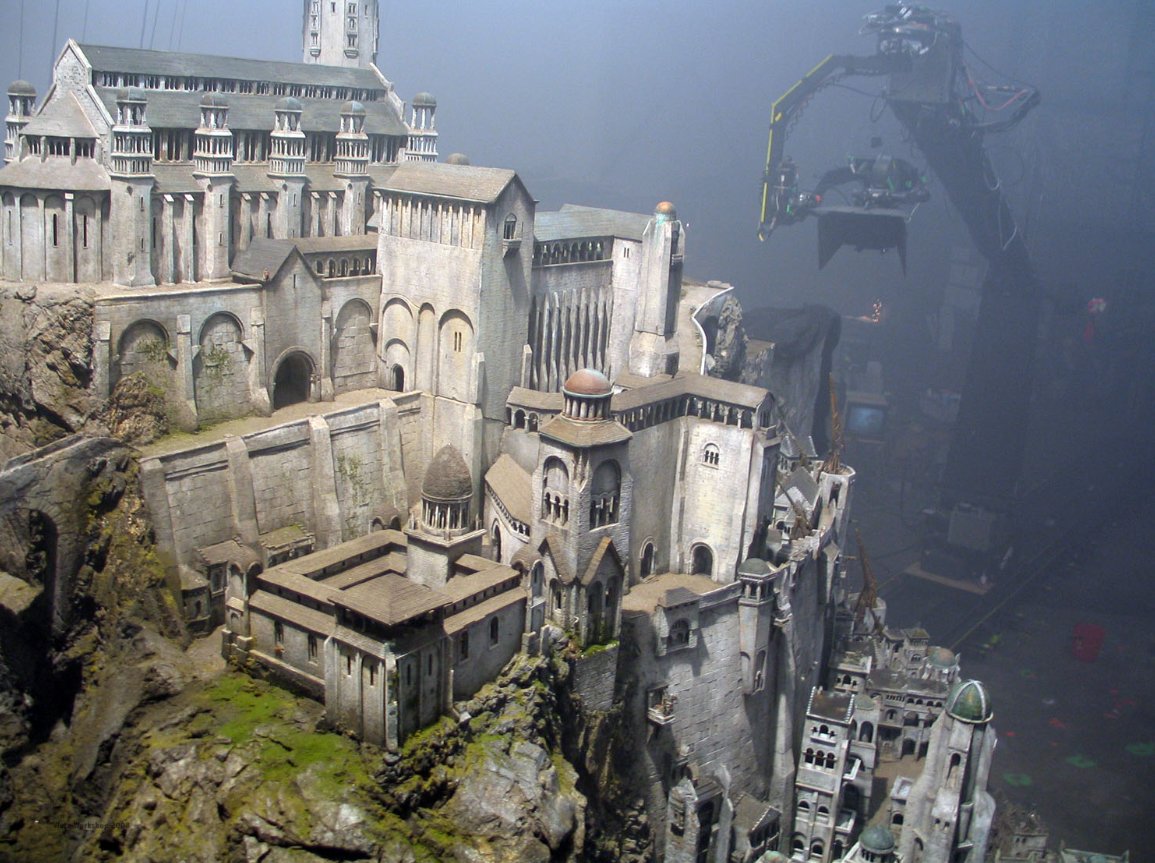
Optical printers weren’t a thing in 1927 so to create a matte effect (as if actors inhabit the miniature of the city), a mirror reflected a piece of art while footage was projected onto the reverse. This was developed by cinematographer Eugen Schüfftan and is known as The Schufftan Process.
12/34
12/34
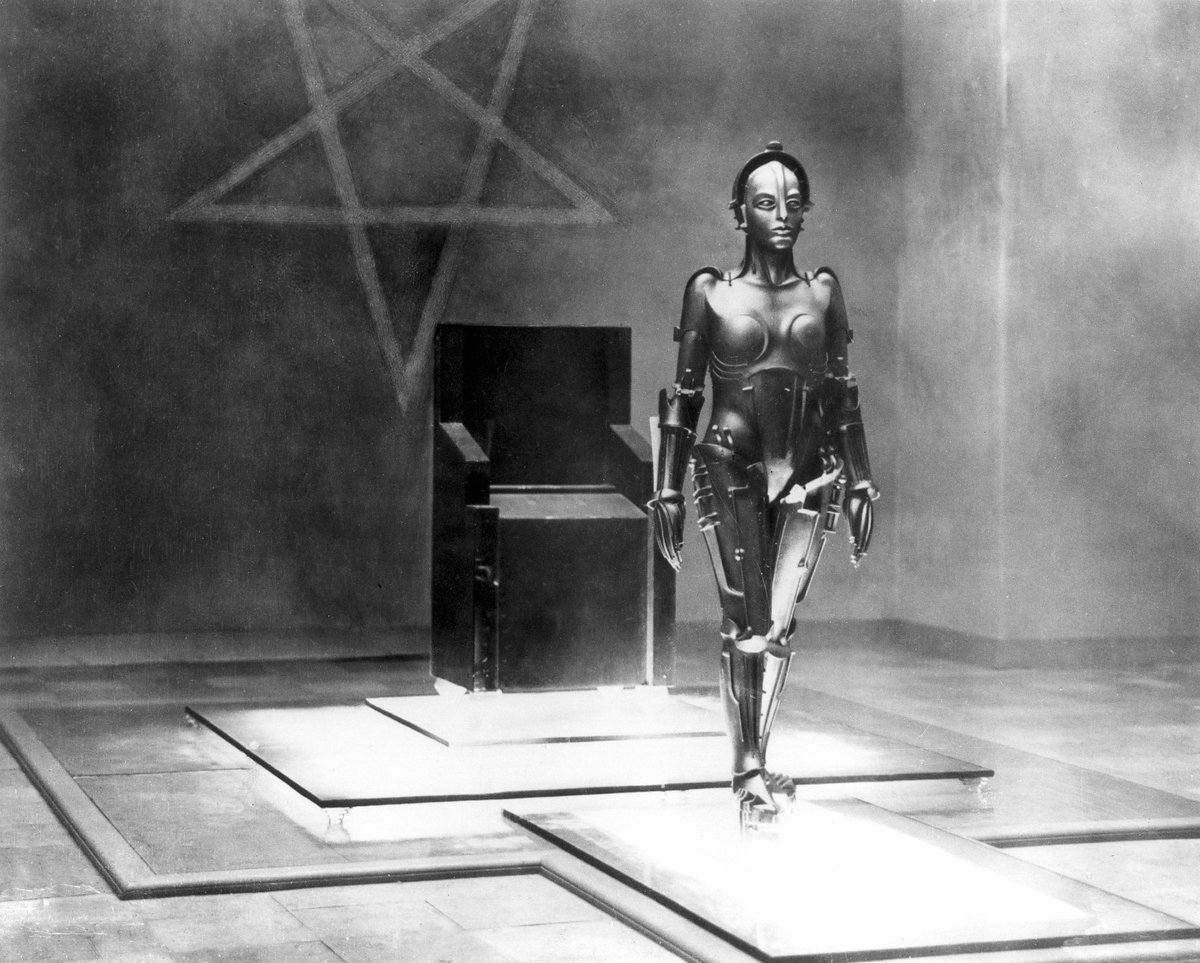
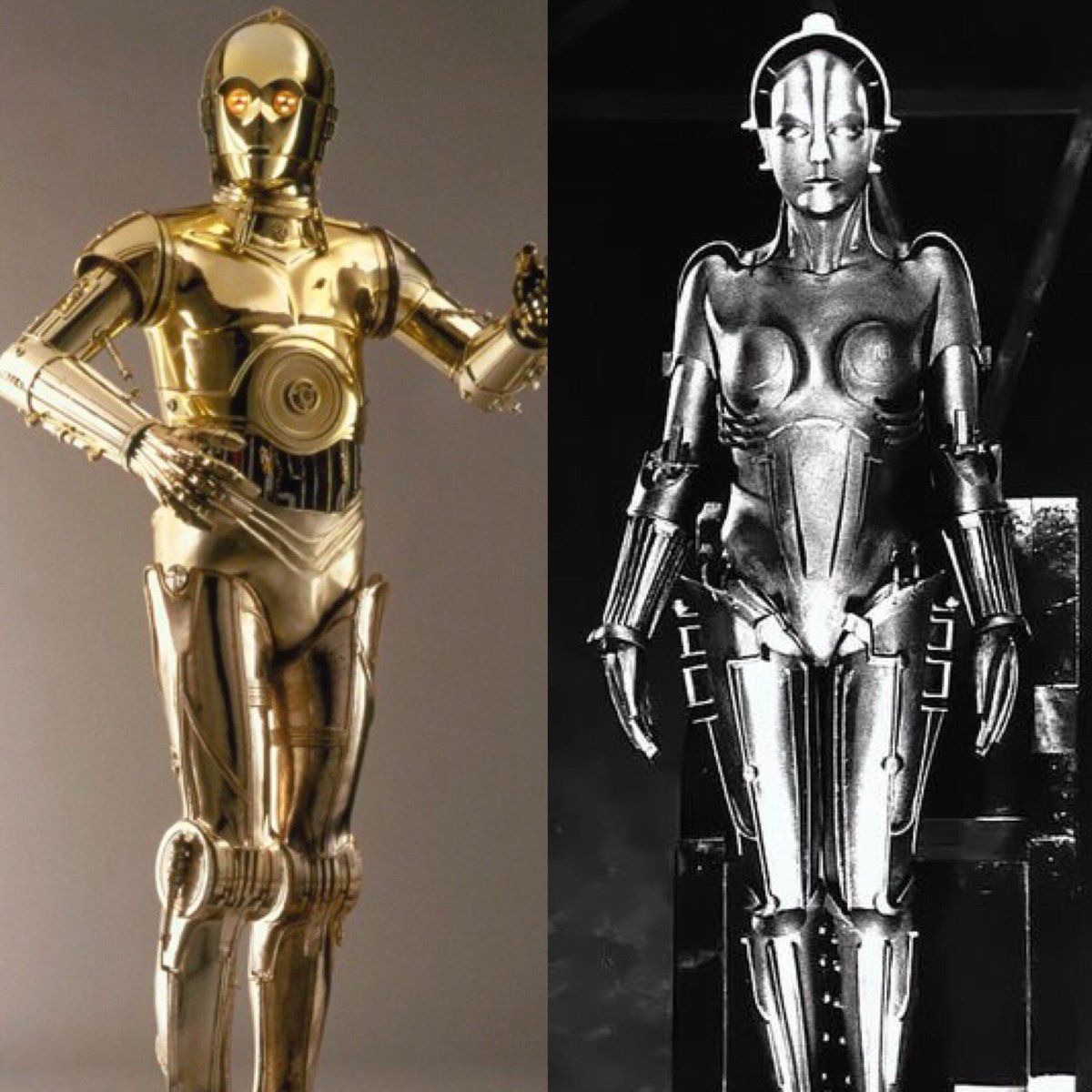
The Maschinenmensch was created by sculptor Walter Schulze-Mittendorff. A whole-body cast was taken of Brigitte Helm, and the costume then built around it. Schulze-Mittendorff used plastic wood to build a costume that would looked metallic and allowed some free movement.
13/34
13/34
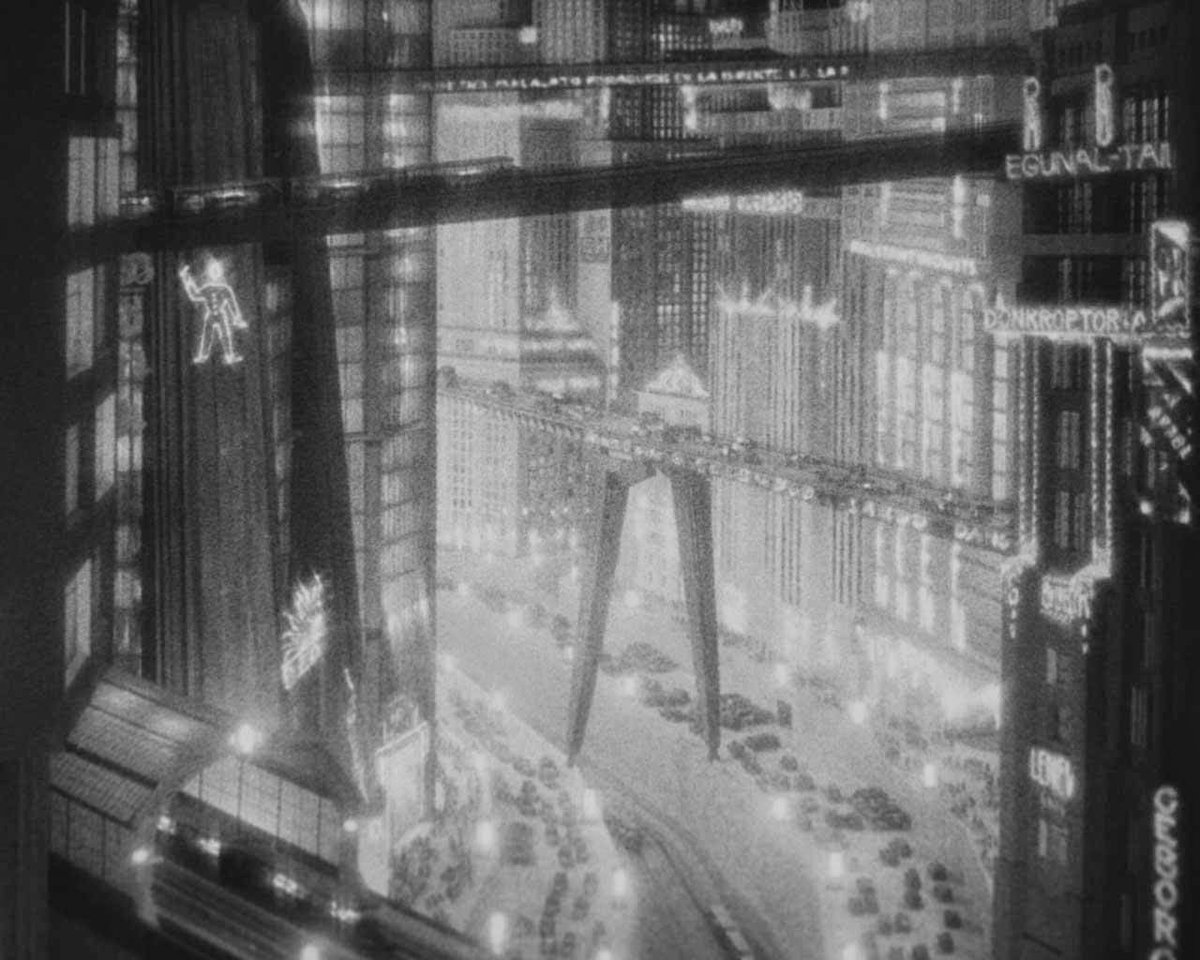
The establishing shots of the city were filmed using stop-motion photography. The cars were based on modern Berlin taxicabs. It took months for the design team to build the city model and several days to film the sequences for the film.
14/34
14/34
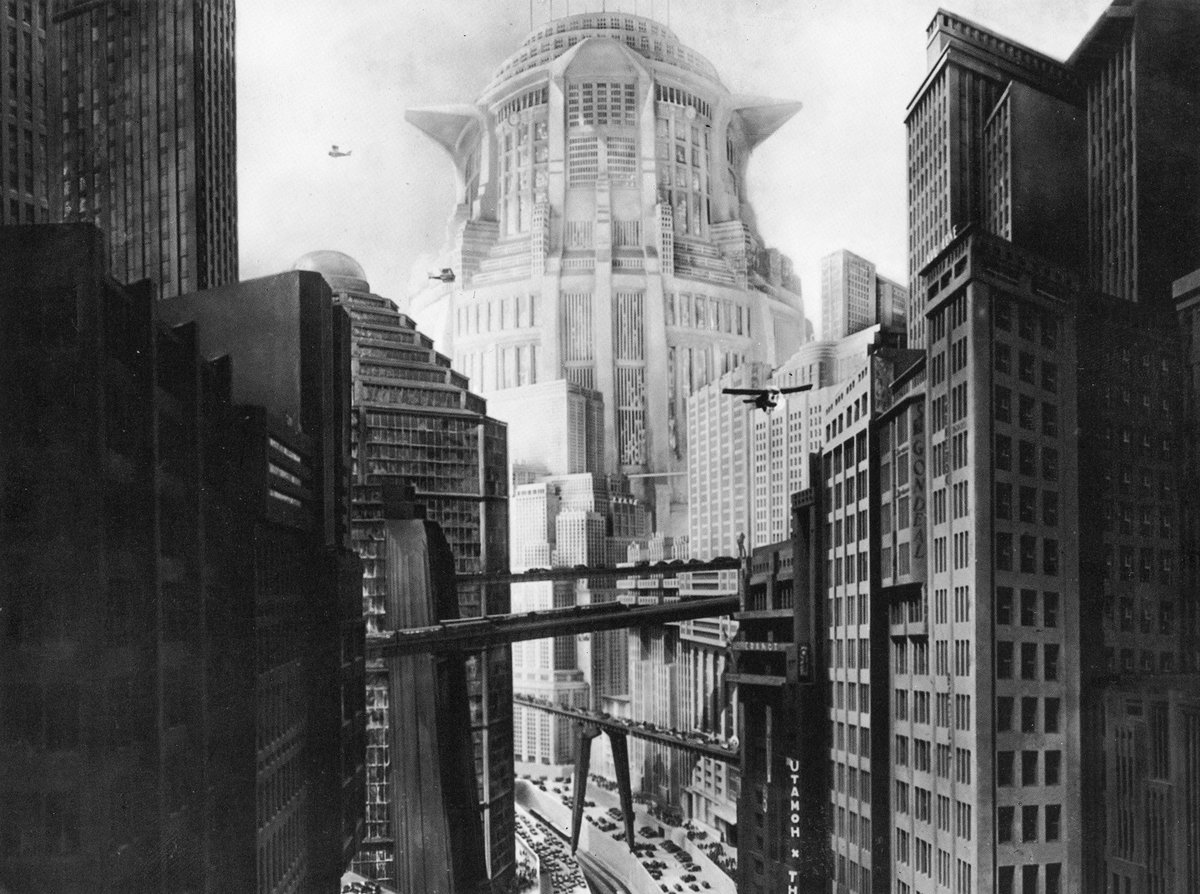
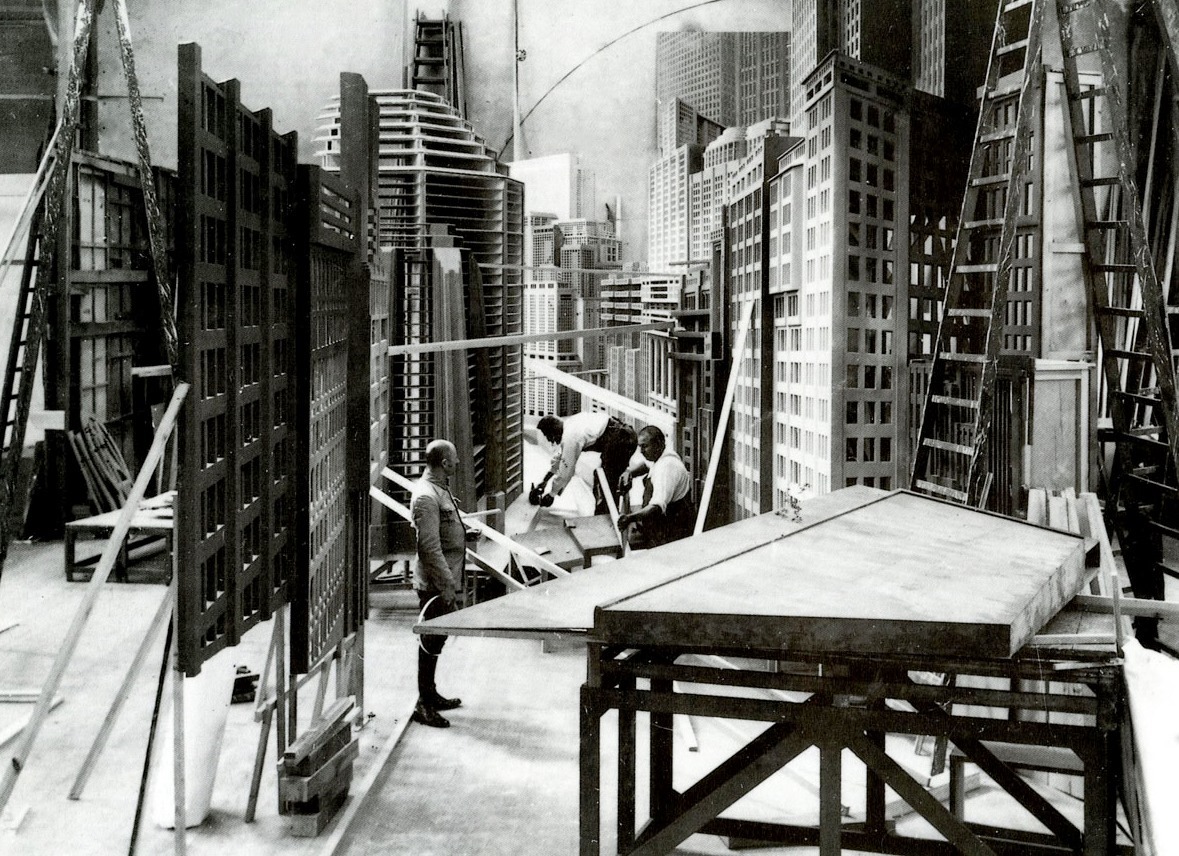
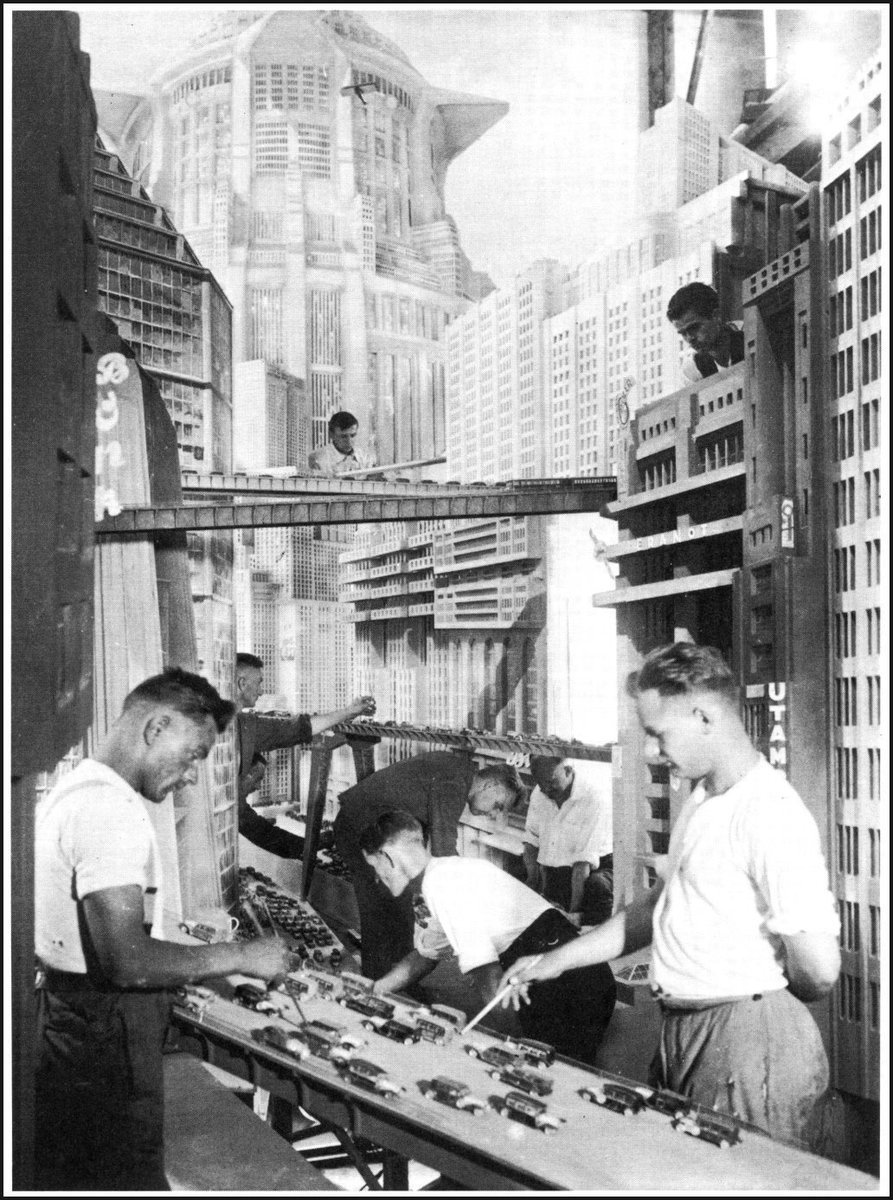
However, the lab ruined the first shots. The backgrounds had been dimly lit to create depth, but the head of the lab, who developed the film alone, decided to lighten the backgrounds. When Lang saw what happened he was furious as it destroyed the sense of forced perspective.
15/34
15/34
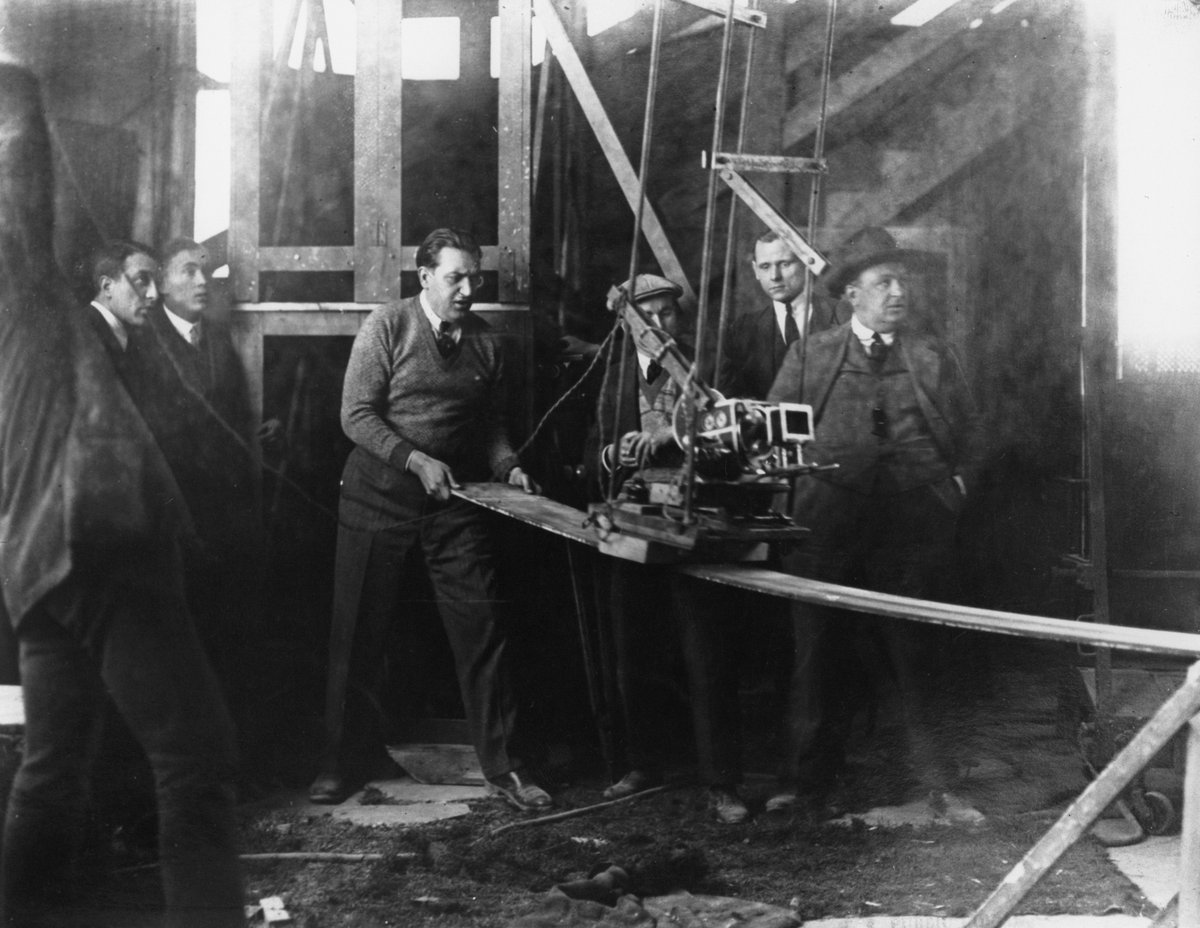
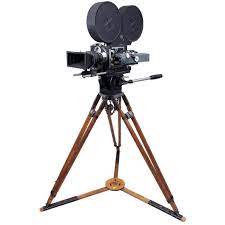
Lang used Mitchell cameras, which would hold each frame steady as it was being exposed, leading to their reputation for producing rock steady images. This became vital to the special effects in Metropolis, and Mitchell cameras became the industry standard.
16/34
16/34
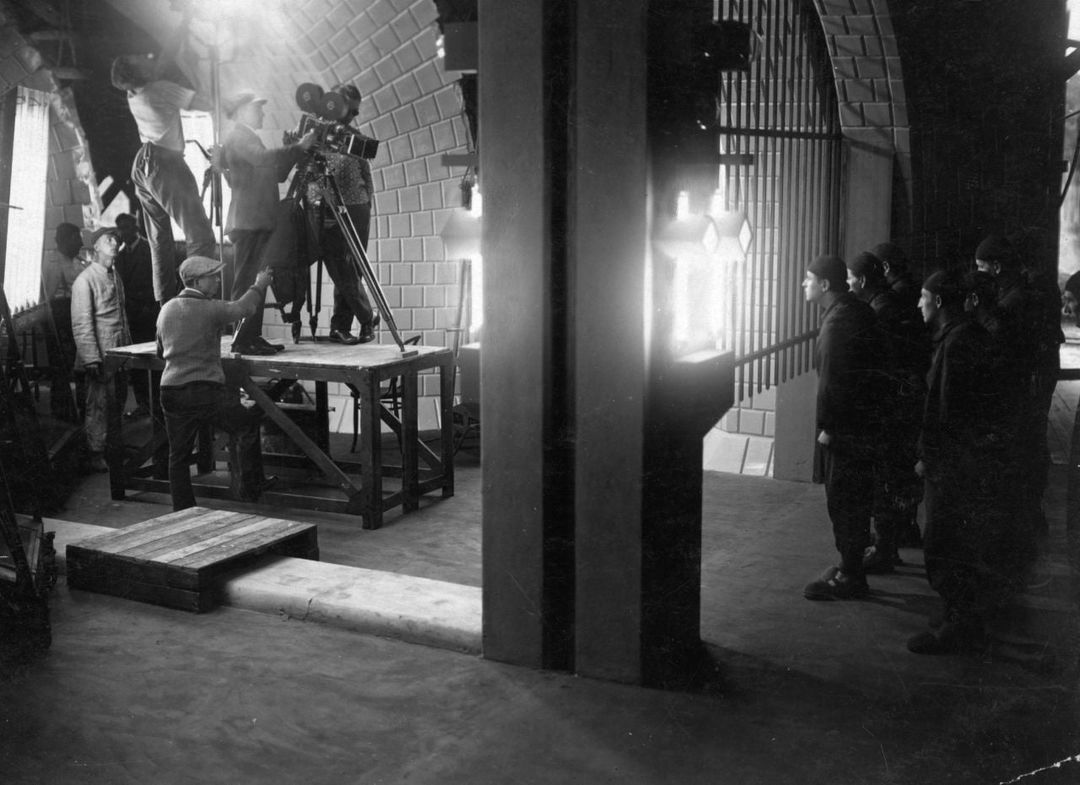
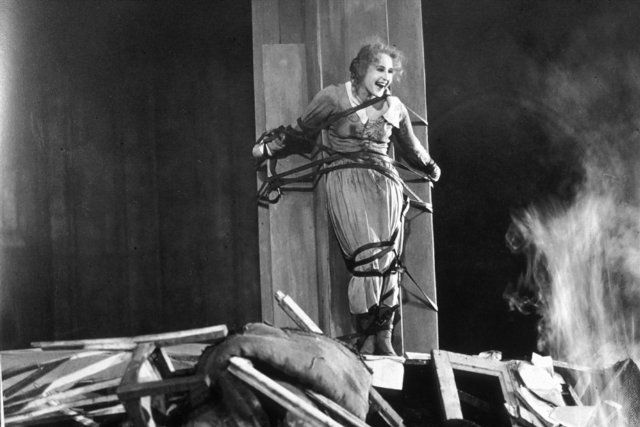
Lang was very demanding of his cast. During the scene when false Maria is burned at the stake, Lang told Heinrich George (Grot) to actually grab and drag Brigitte Helm by the hair, which he does in the film.
17/34
17/34
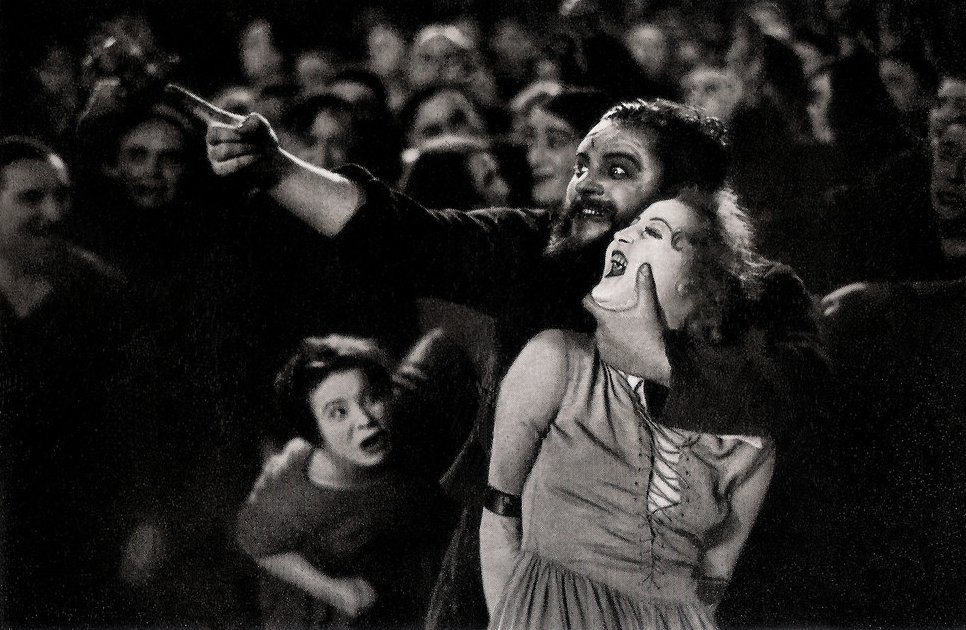
Lang would demand many retakes and took two days to shoot a very simple moment – the scene where Freder collapses at Maria's feet. By the time Lang was satisfied, actor Gustav Fröhlich was exhausted, injured, and could barely stand.
18/34
18/34
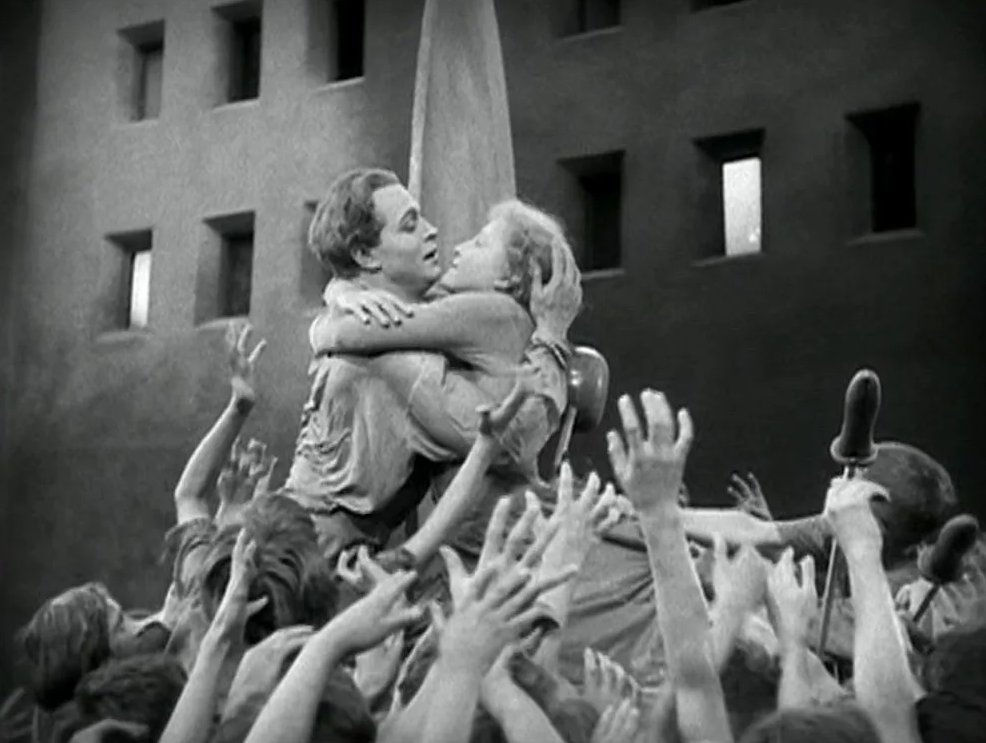
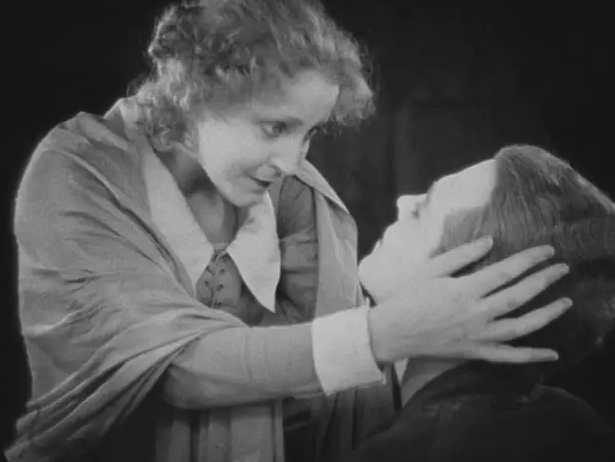
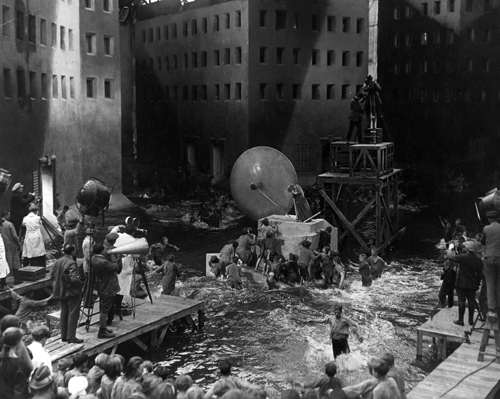
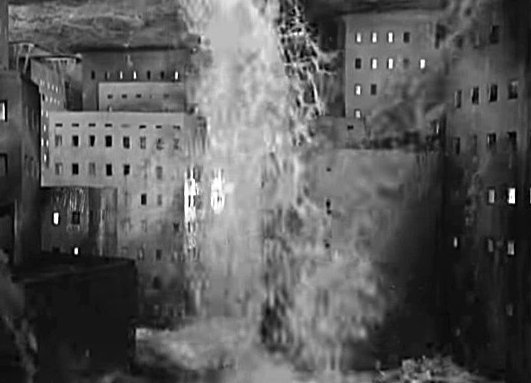
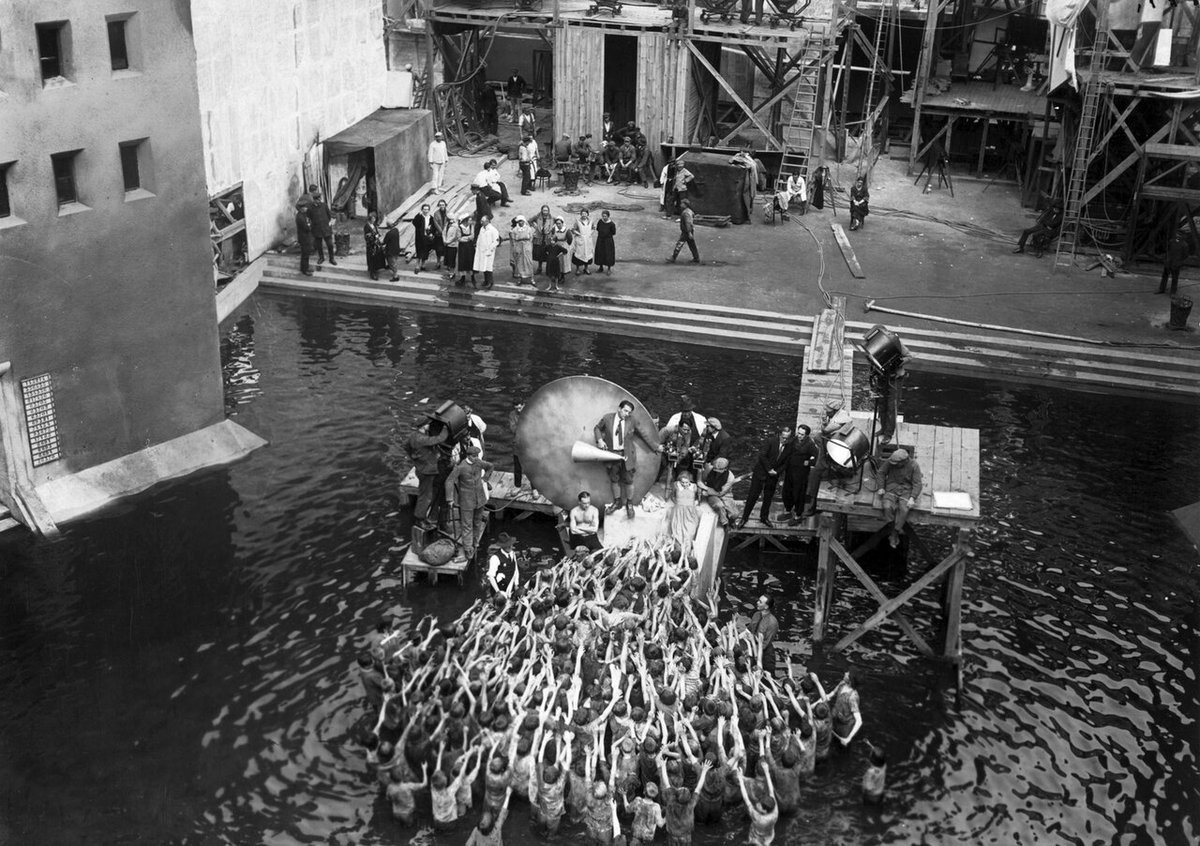
Filming the flooding sequence, Lang demanded that the extras were to throw themselves at the powerful jets of water, which were being shot at them with fire hose force. And he insisted on using real fire for the climactic scene, resulting in Brigitte Helm's dress catching fire.
19/34
19/34
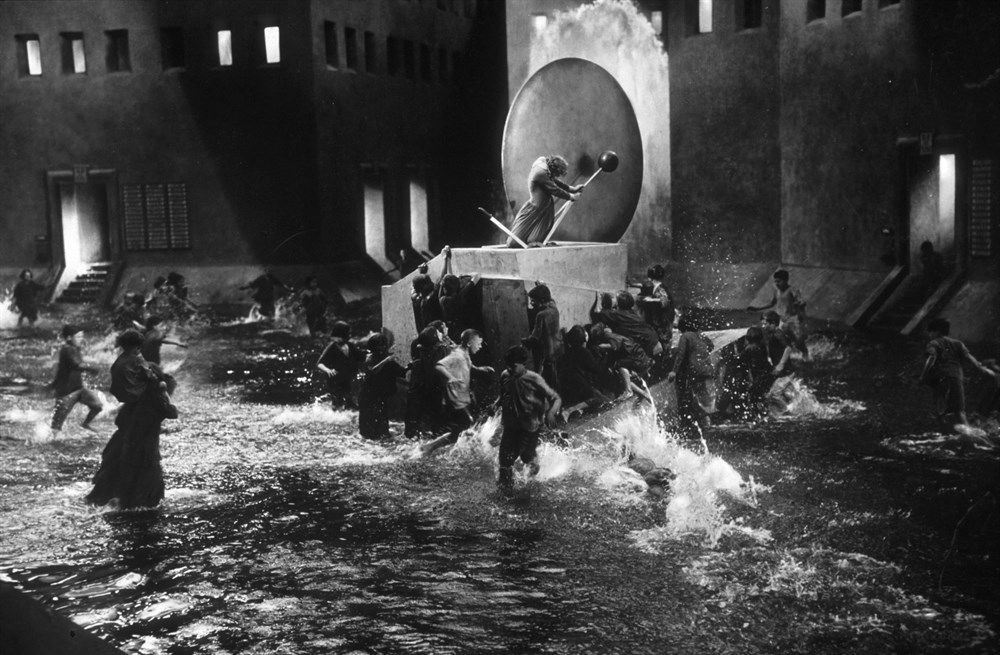
By January 1926, the production costs were spiralling out of control. UFA considered pulling the plug on the film entirely but instead settled on firing the Head of the Studio, Erich Pommer.
20/34
20/34
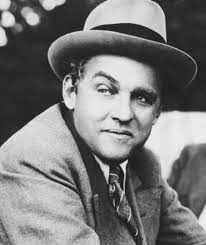
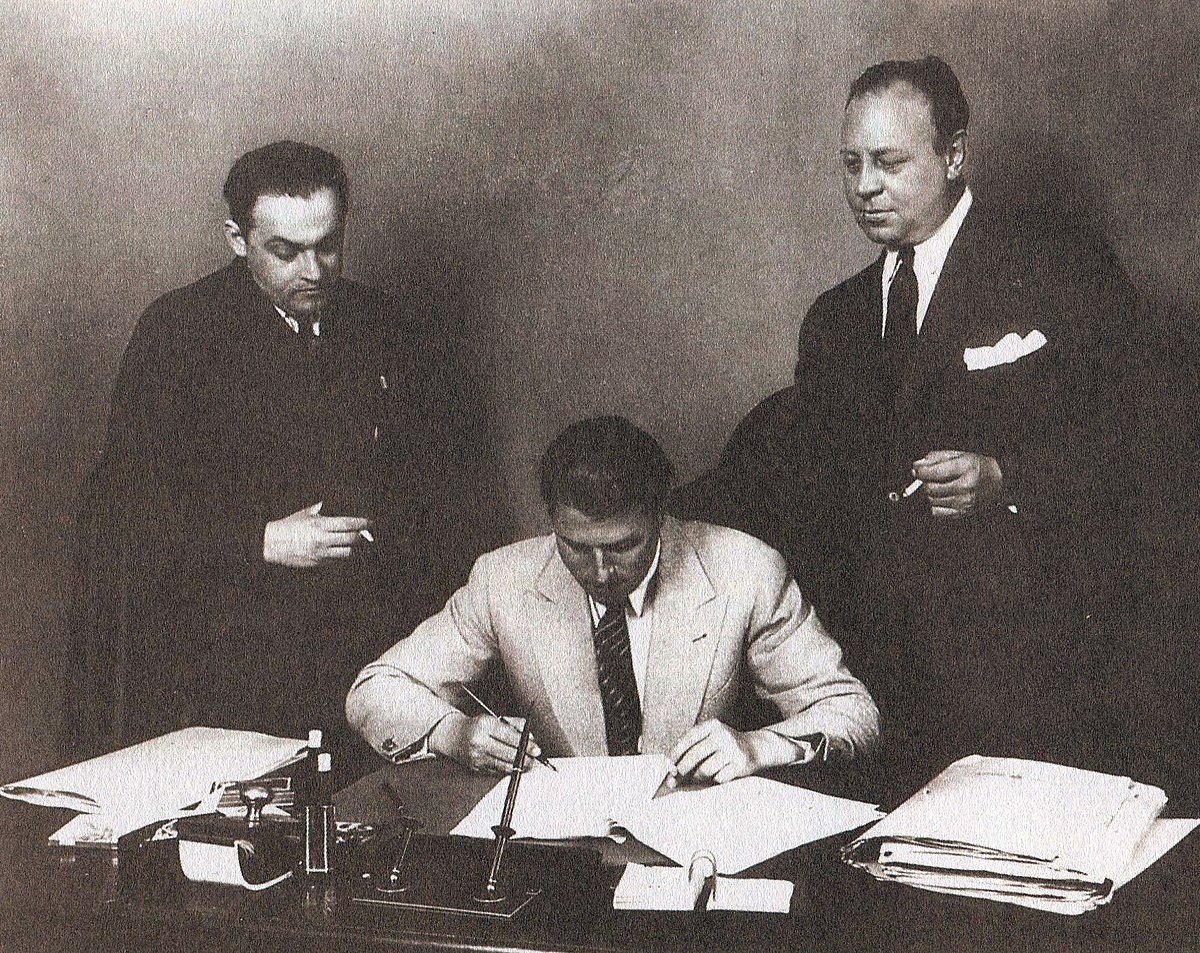
With costs pushing UFA toward bankruptcy, the studio signed a deal with Paramount Pictures and MGM for $4m. The result was a company – Parafumet – which had distribution rights to UFA films. Parafumet cut the run time of Metropolis to about 115 mins.
21/34
21/34
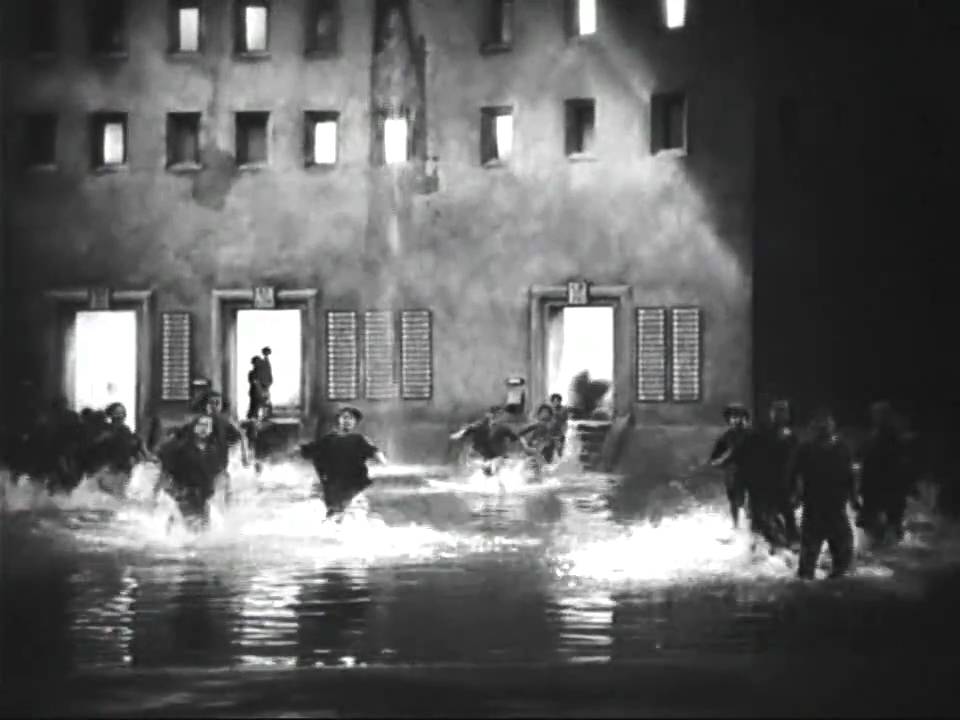
The flooding underground scene took 3 weeks to shoot, as Lang was so meticulous. It impacted the actor’s health as the water was kept at a constant low temperature. The same scene featured a reported 500 children as extras.
22/34
22/34
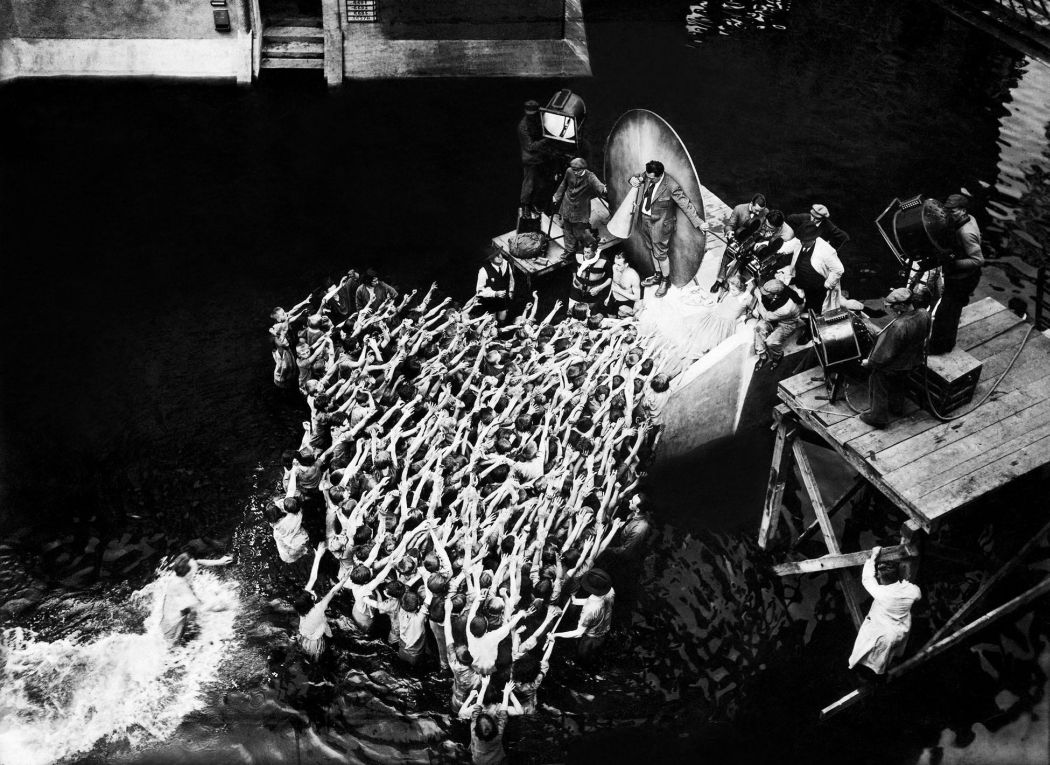
Lang wanted 4000 bald extras for the Tower of Babel sequence, but could only find 1000 willing to shave their heads. The scene was shot in hot conditions and, with Lang filming many takes, some extras got sunburn on their scalps.
23/34
23/34
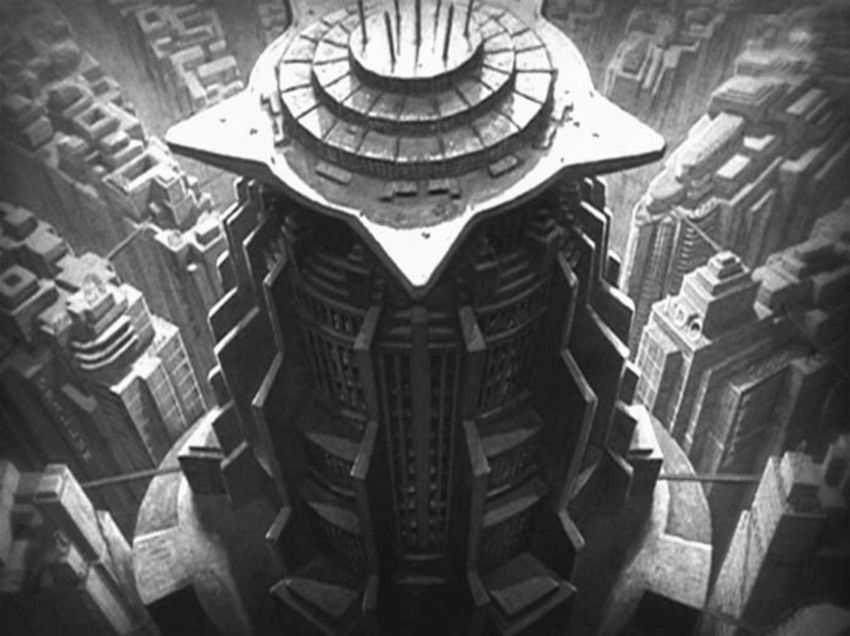
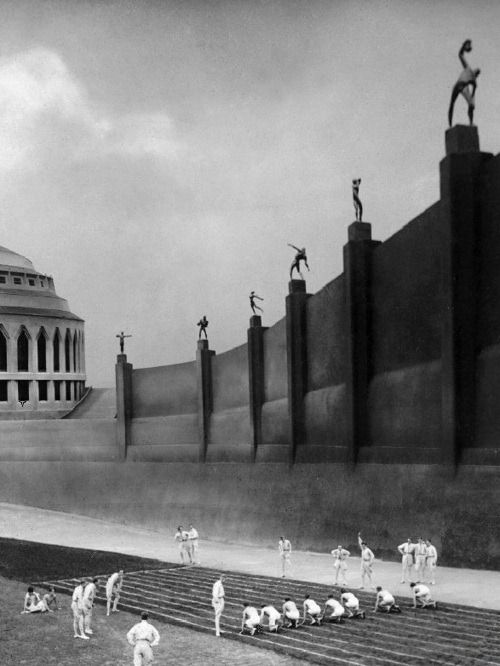
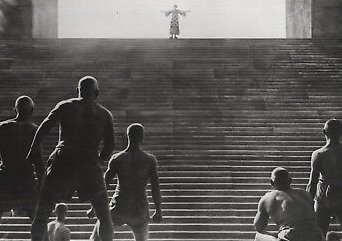
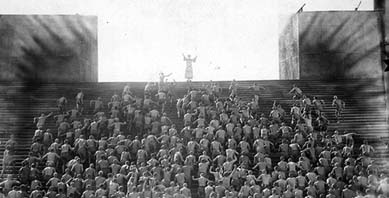
Reports often state that Lang used thousands of extras, with 36,000 being the number declared by the studio at the time. According to Lang, "There were never thousands of extras.” He said they would film a few hundred and then, in post, duplicate the numbers to thousands.
24/34
24/34
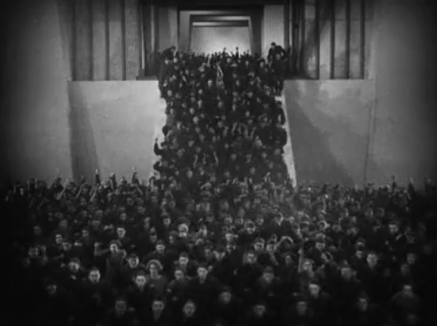
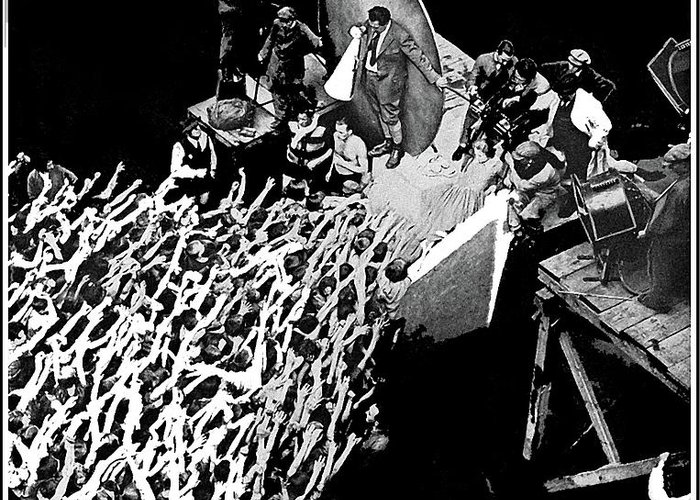
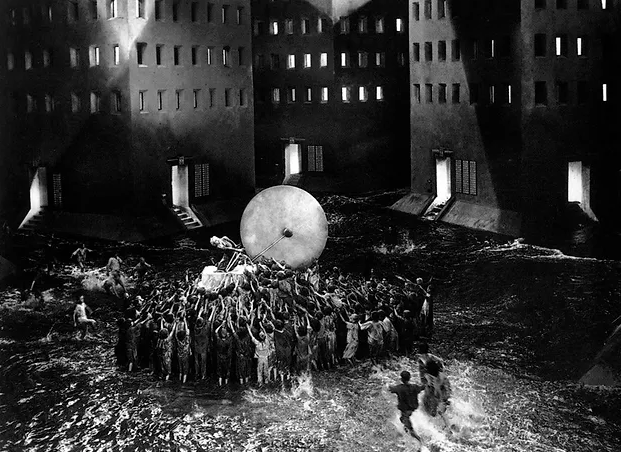
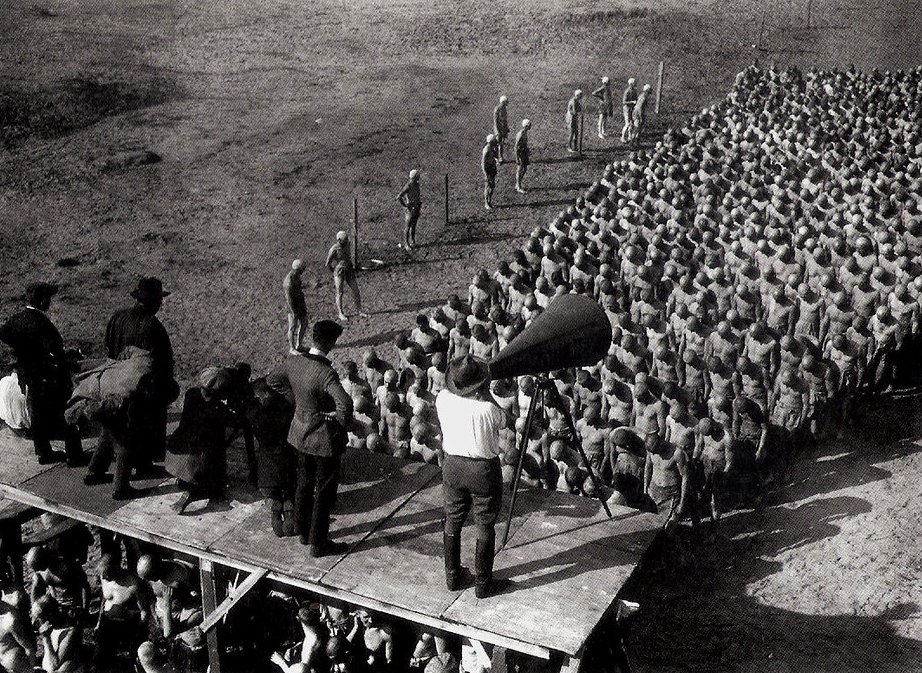
The nightmare scene when workers are fed to Moloch was shot in mid-winter. Lang took so many days filming that his assistants feared the extras (who were naked in the scene) would revolt. Finally, Pommer came to the set and told Lang he had to stop shooting.
25/34
25/34
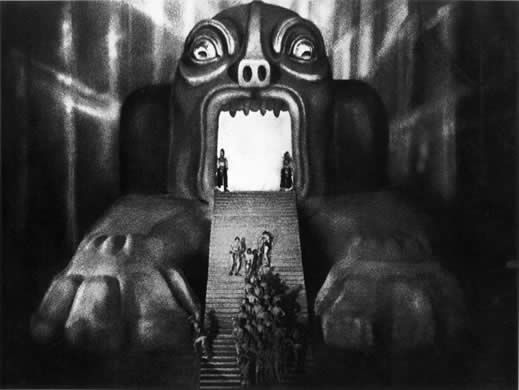
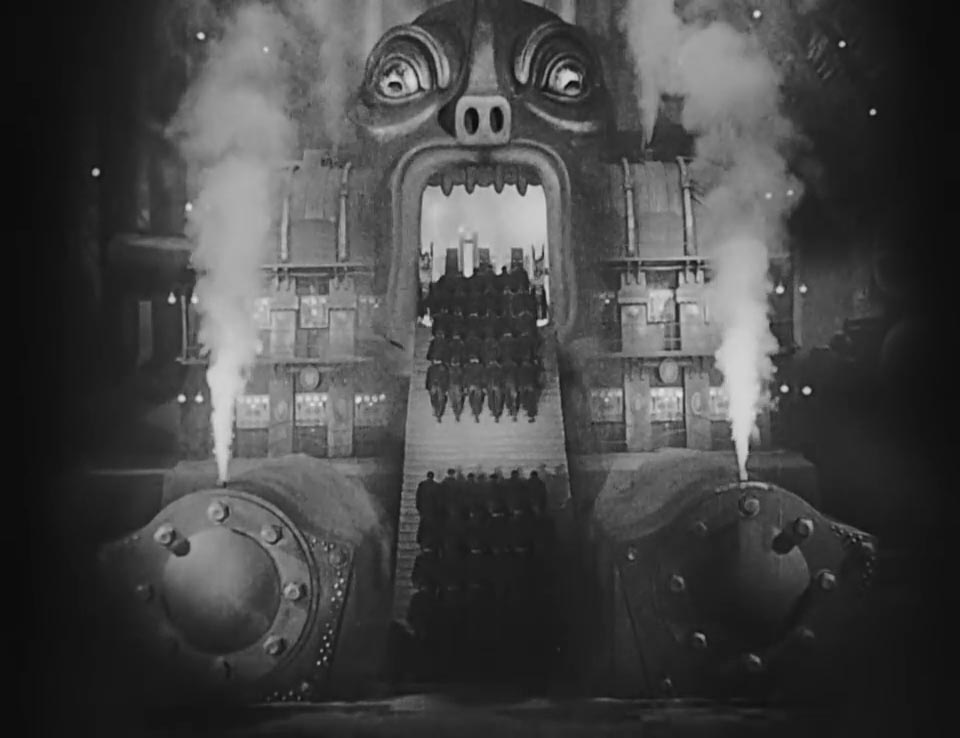
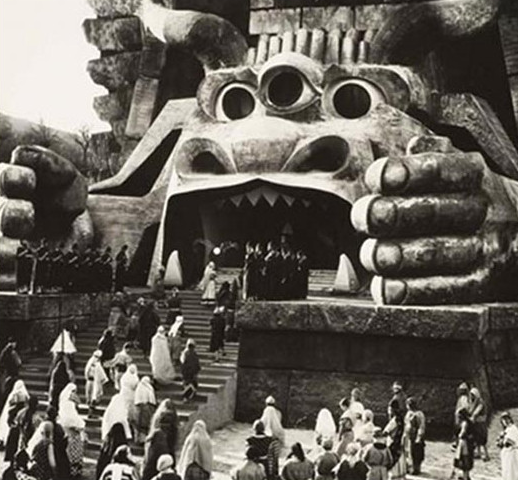
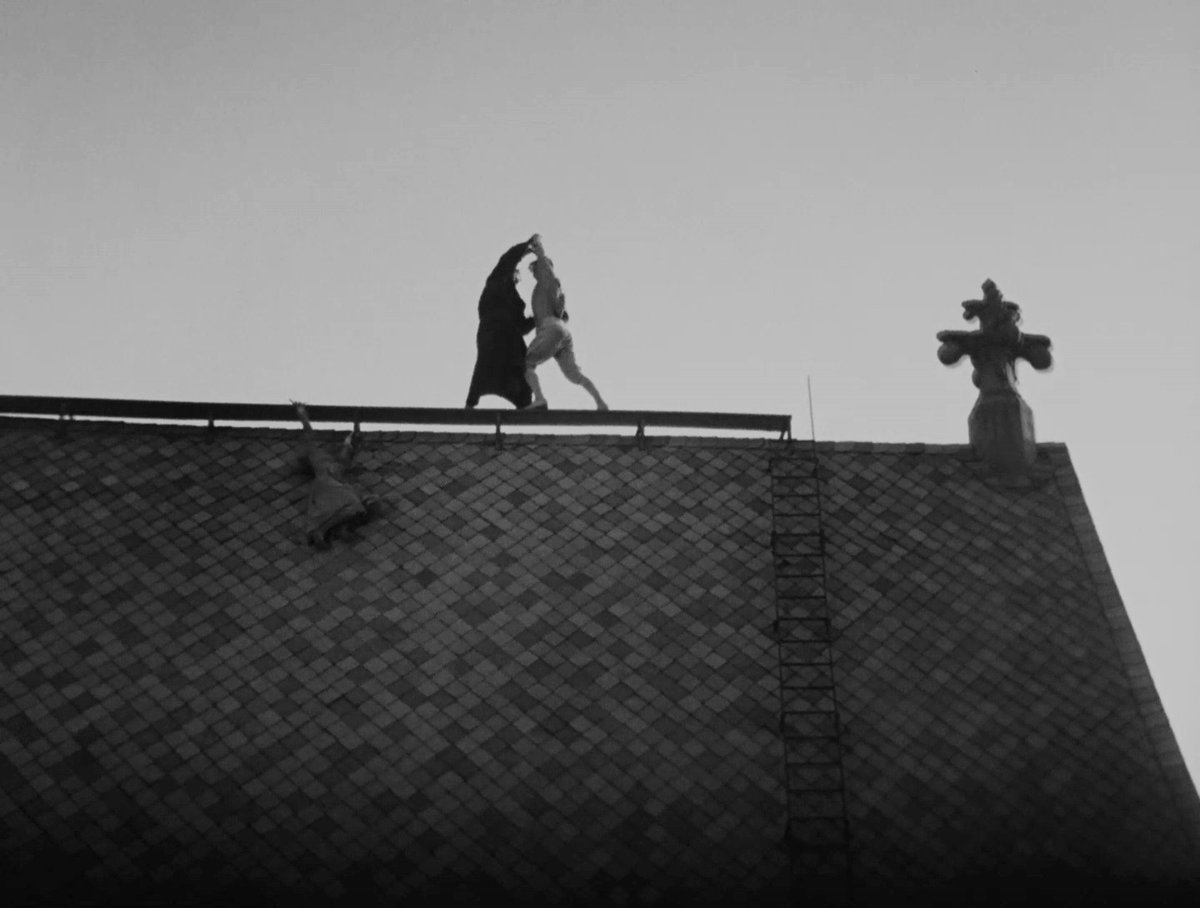
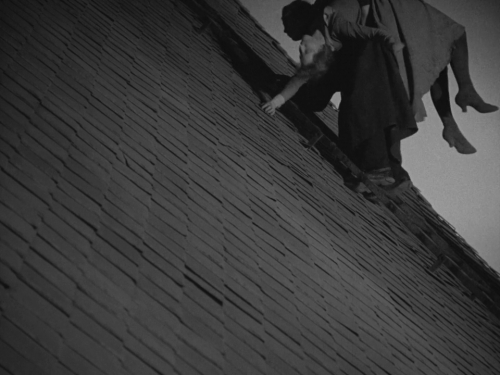
Filming the rooftop chase, Lang had Brigitte Helm climb across the top of the sets 25 feet above the ground. She then had to leap for the rope attached to the cathedral's bells. She caught the rope first try, but the ringing bell sent her into the set's walls. She fled the set in tears.
26/34
26/34
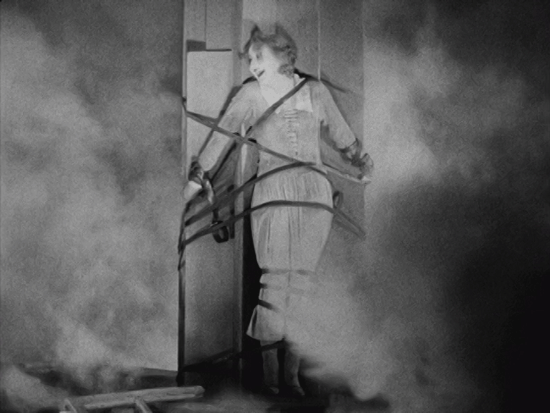
For the explosion of the heart machine, Lang wouldn’t use dummies as stand-ins so extras were strapped to harness belts and thrown through smoke and fire. He said the extras were to show pain, even though there were no close-ups. Luckily for him, they didn’t need to act.
27/34
27/34
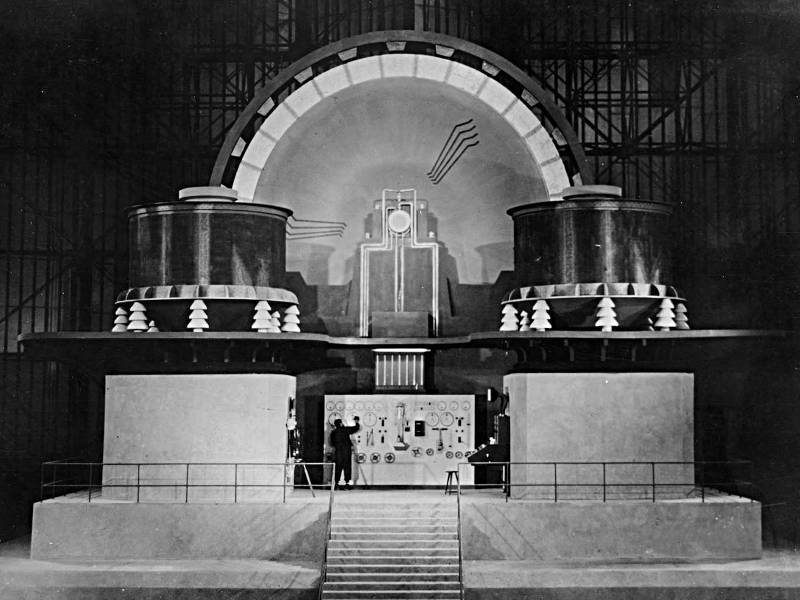
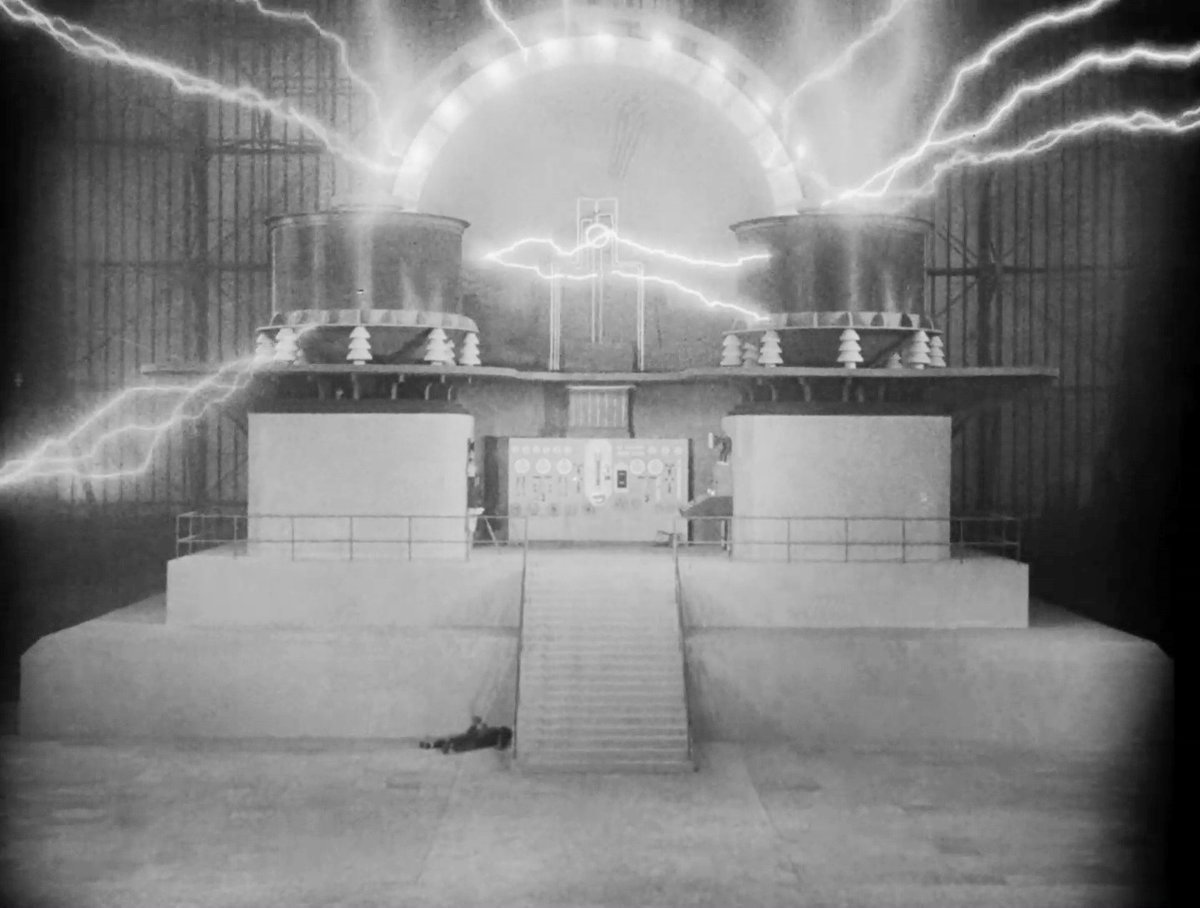
To convince the extras it was perfectly safe, Lang had his Assistant Director, Gustav Puttscher, try out the harness first. Lang had Puttscher yanked to the top of the soundstage and left him there.
28/34
28/34
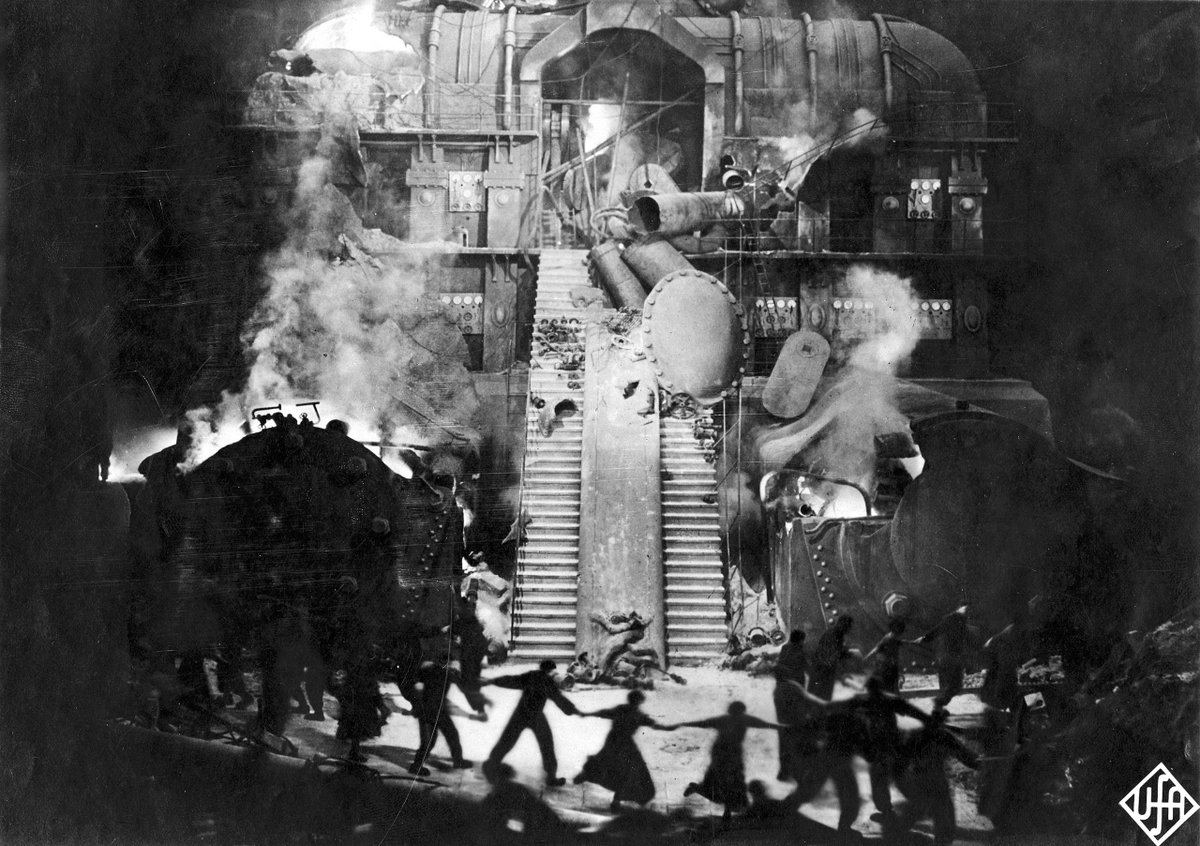
By the time filming wrapped, Lang had been shooting for a year and a half, and the budget had ballooned to 5.3m Reichsmarks. In today’s money, that would be equivalent to over $390m.
29/34
29/34
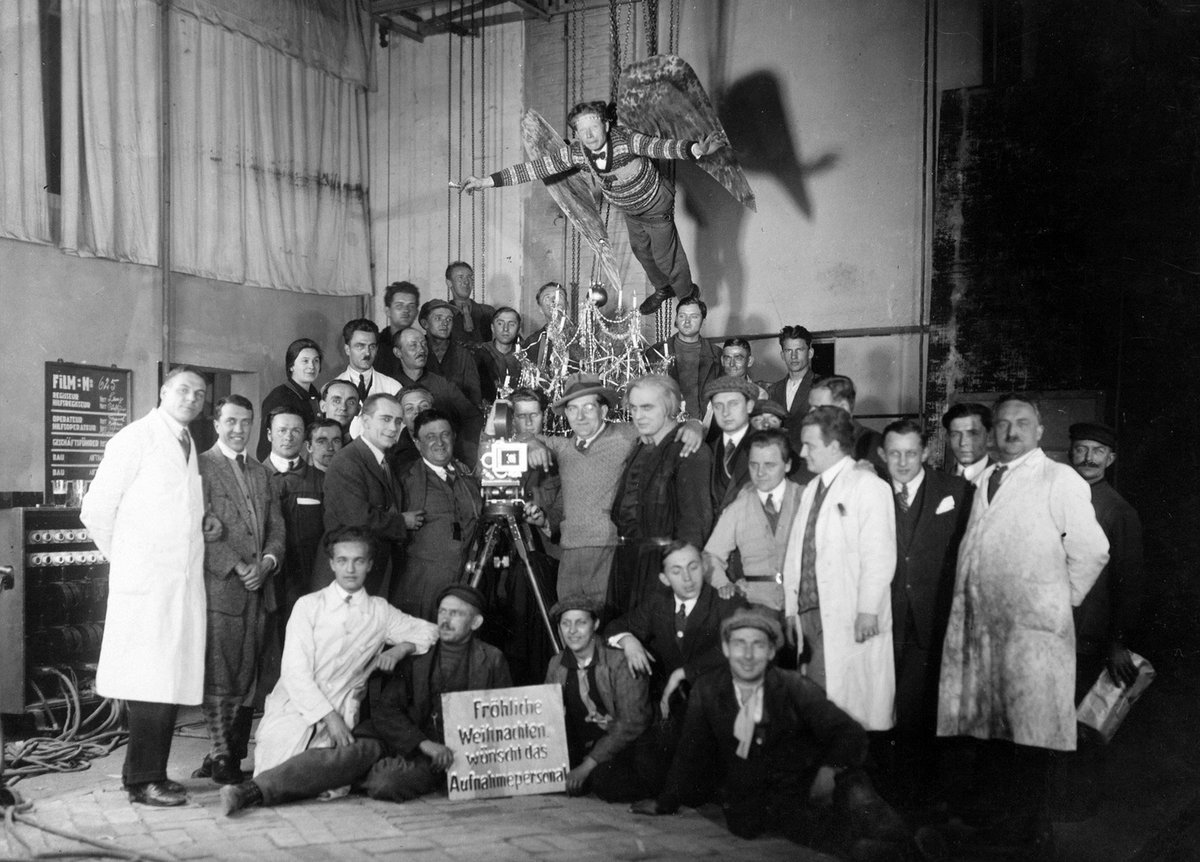
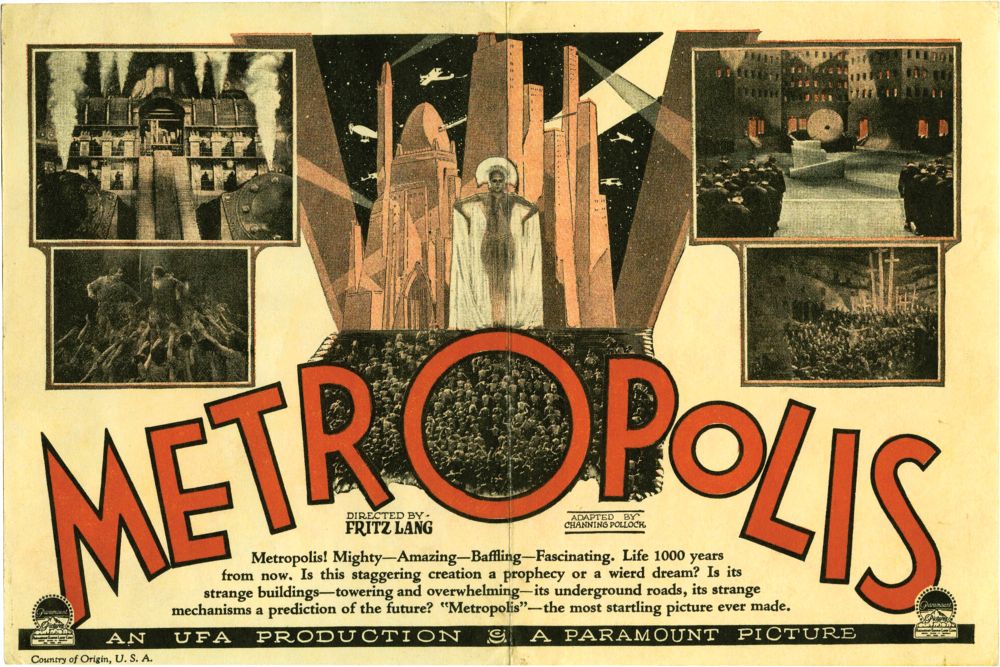
For the US release, Paramount hired playwright Channing Pollock to rewrite the film around Lang's footage. He created a new story that blamed all of the action on a greedy employee and identified many of the revolting workers as soulless robots. Lang refused to see this version.
30/34
30/34
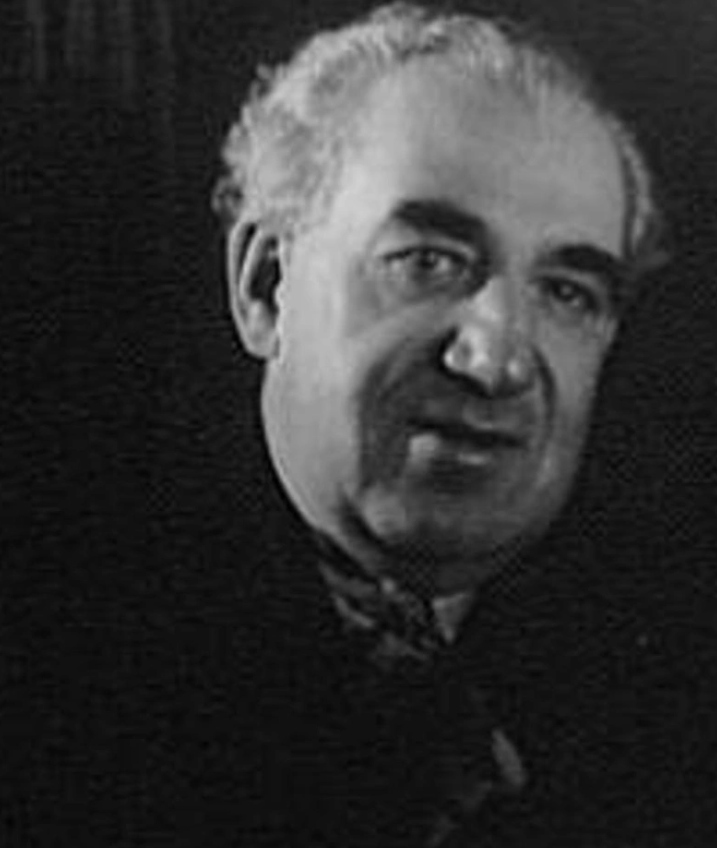
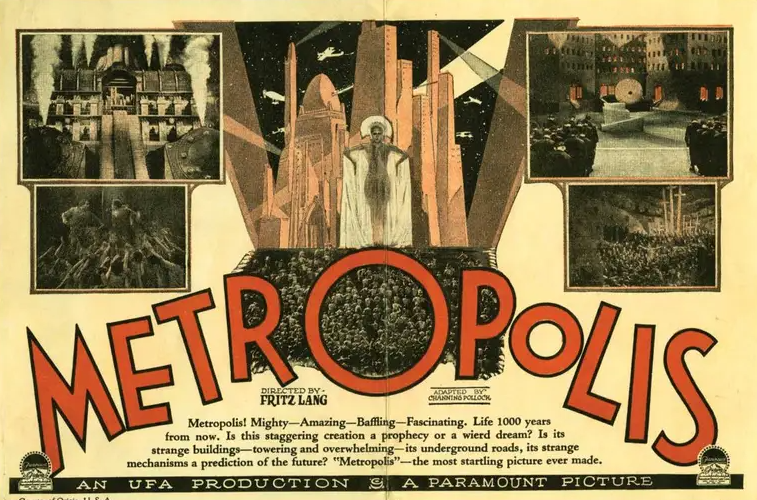
On release of the film, Lang (who was Jewish) was devastated to find out Adolf Hitler and Joseph Goebbels were fans of his movie. Goebbels told Lang he could be made an honorary Aryan, saying "Mr. Lang, we decide who is Jewish and who is not." Lang fled Germany for Paris.
31/34
31/34
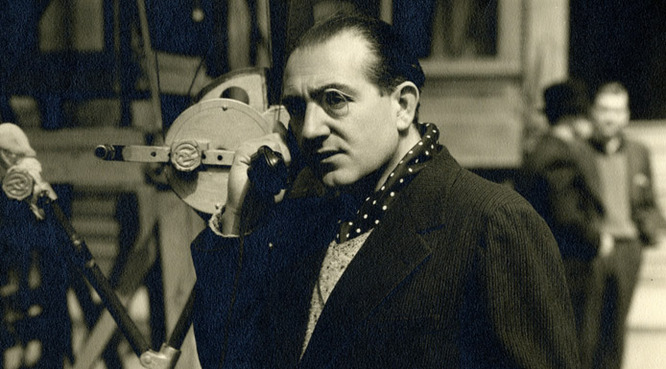
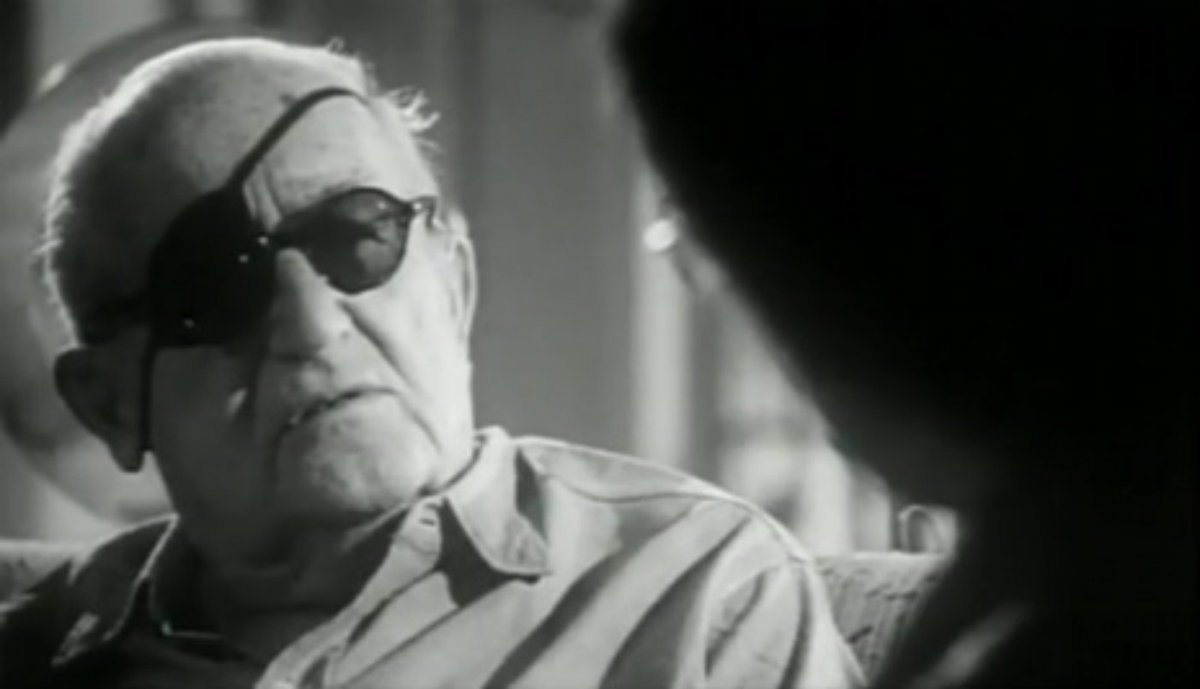
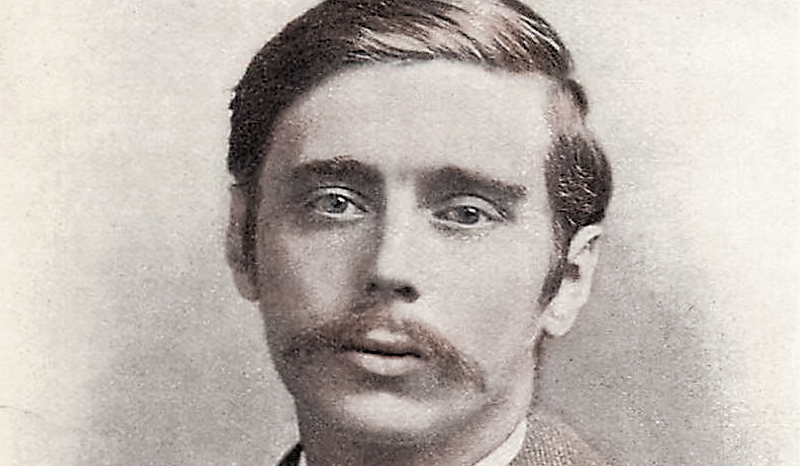
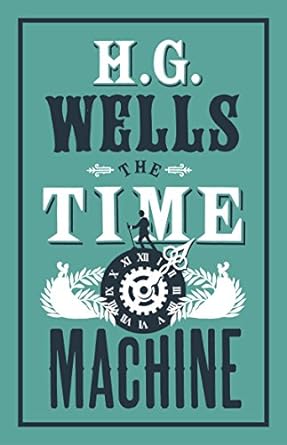
Sci fi writer H.G. Wells though, was not a fan. Despite his own The Time Machine influencing the writing of the movie, Wells called it the "silliest film [I’ve ever seen] with a sort of malignant stupidity. Metropolis… is already… a third of a century out of date."
32/34
32/34
For decades, all that survived of Metropolis was an incomplete negative. Over 25% of the film was lost, until 2008 when a 16mm version was found in Argentina that contained almost all of the missing sequences. After almost 100 years, the film is now practically complete.
33/34
33/34
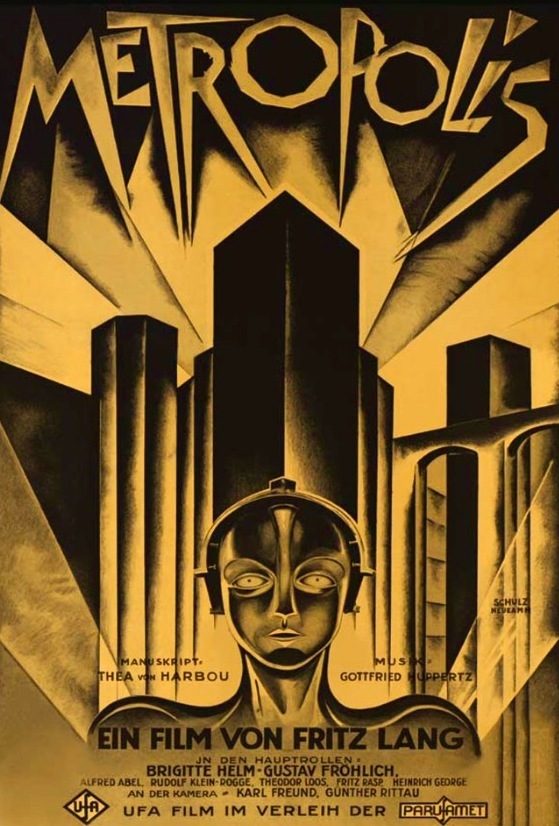
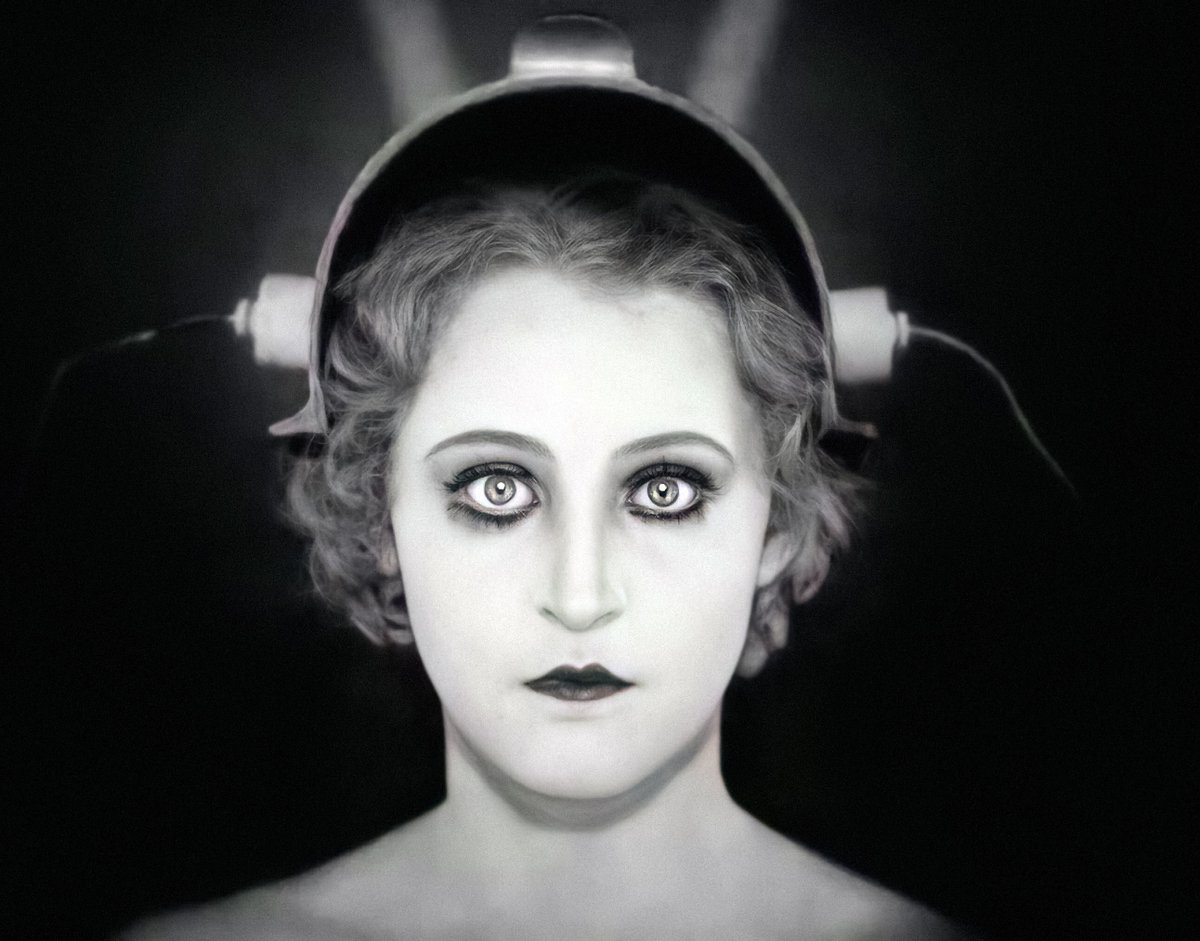
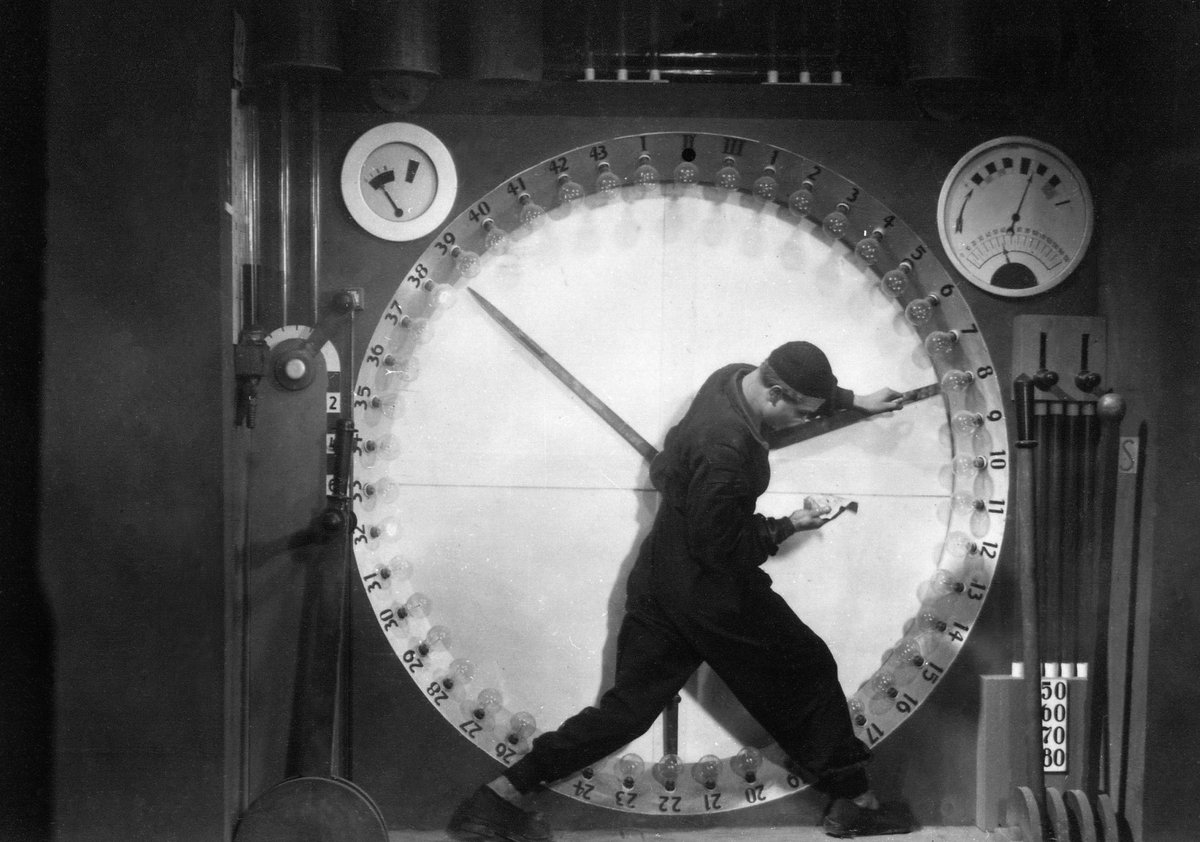
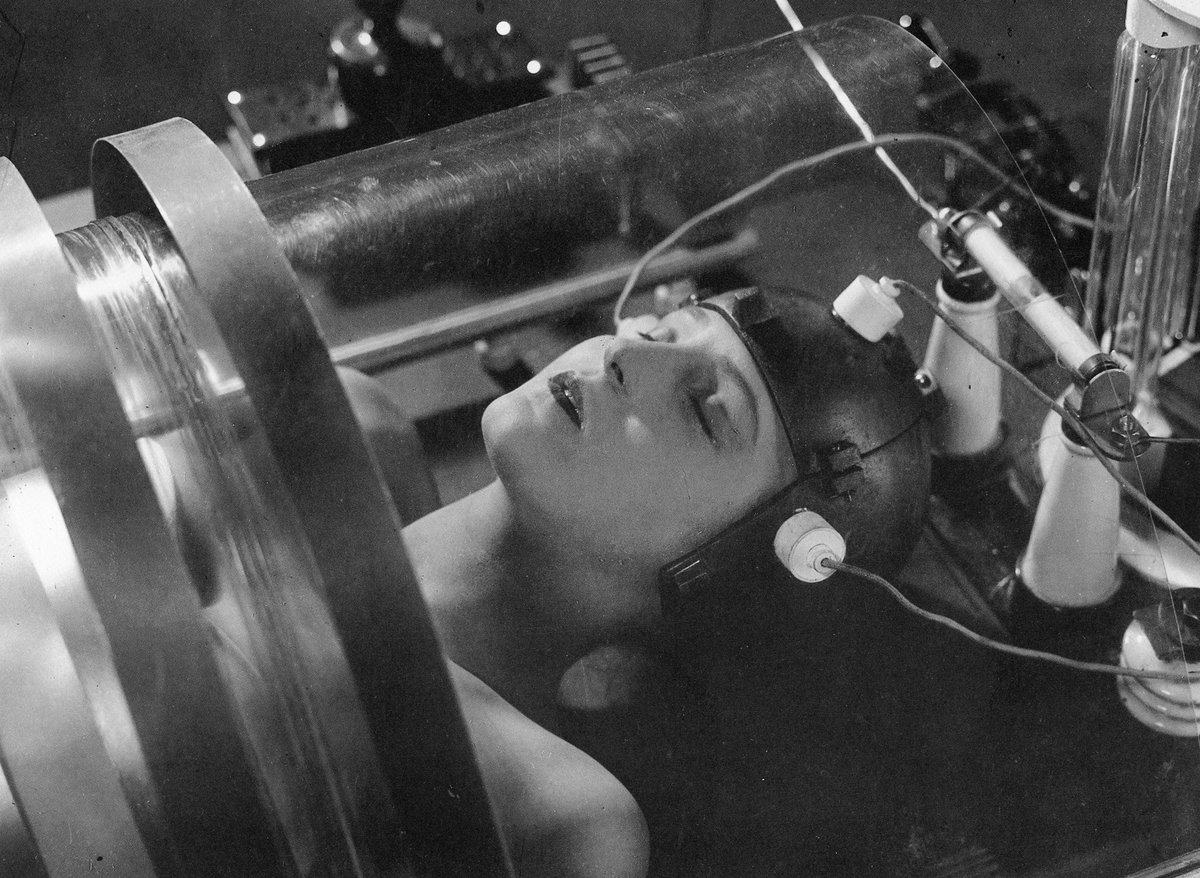
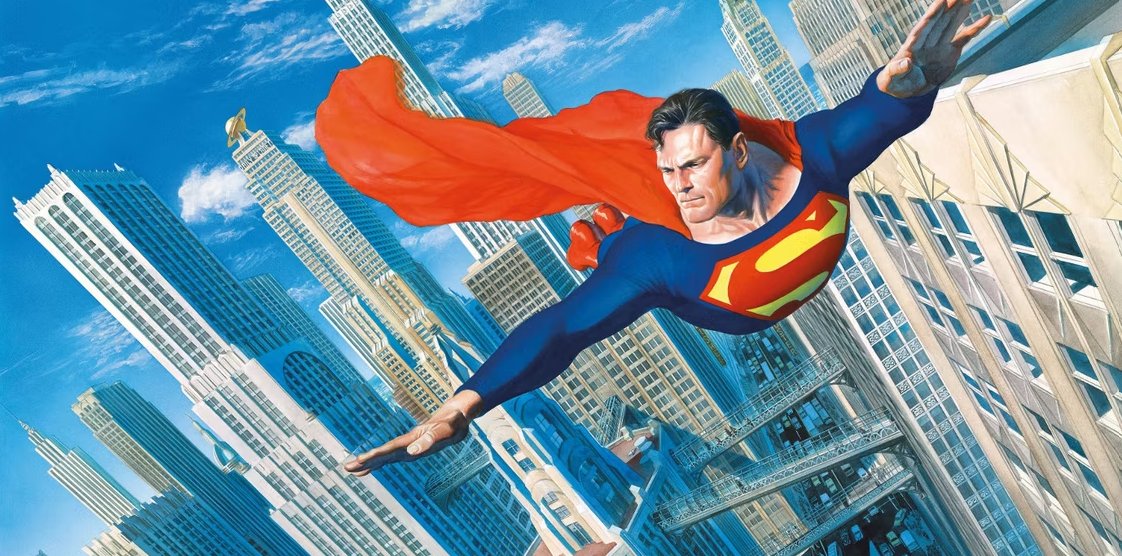
The film’s influence, however, is beyond question and it went on to inspire 20th century cultural landmarks. Superman lives in Metropolis, Star Wars’ C-3PO was based on Maria, and The Lord of the Rings used The Schüfftan Process as a visual effects technique.
34/34
34/34
If you liked our story on the making of METROPOLIS, please share the opening post 😀
x.com
x.com
Loading suggestions...