

For 1000 years, Arabic was the primary international language of commerce, scholarship & politics, much as English is today. Over the centuries, English adopted many words that were borrowed directly from Arabic
Here are 20 words in the English language with Arabic origins…
Here are 20 words in the English language with Arabic origins…
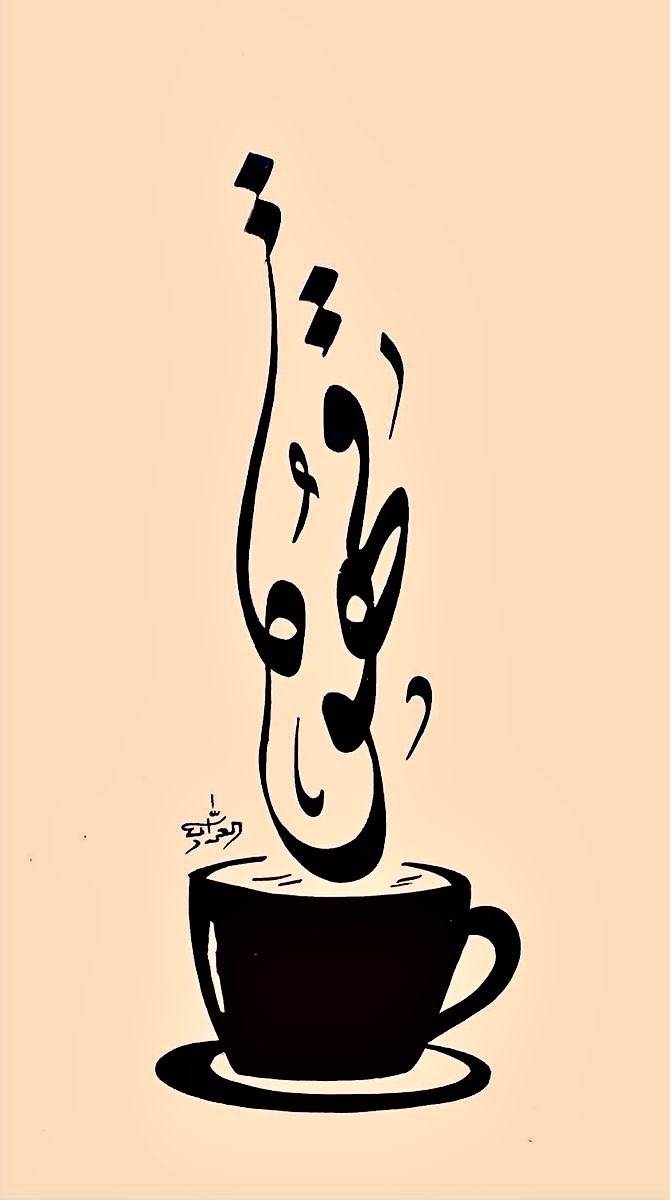
1/ Jumper: jubbah جُبَّة
The Arabic word for overcoat originally entered European languages as "juppah", valuable silk clothing, in southern Italy in the 11th century
The Arabic word for overcoat originally entered European languages as "juppah", valuable silk clothing, in southern Italy in the 11th century
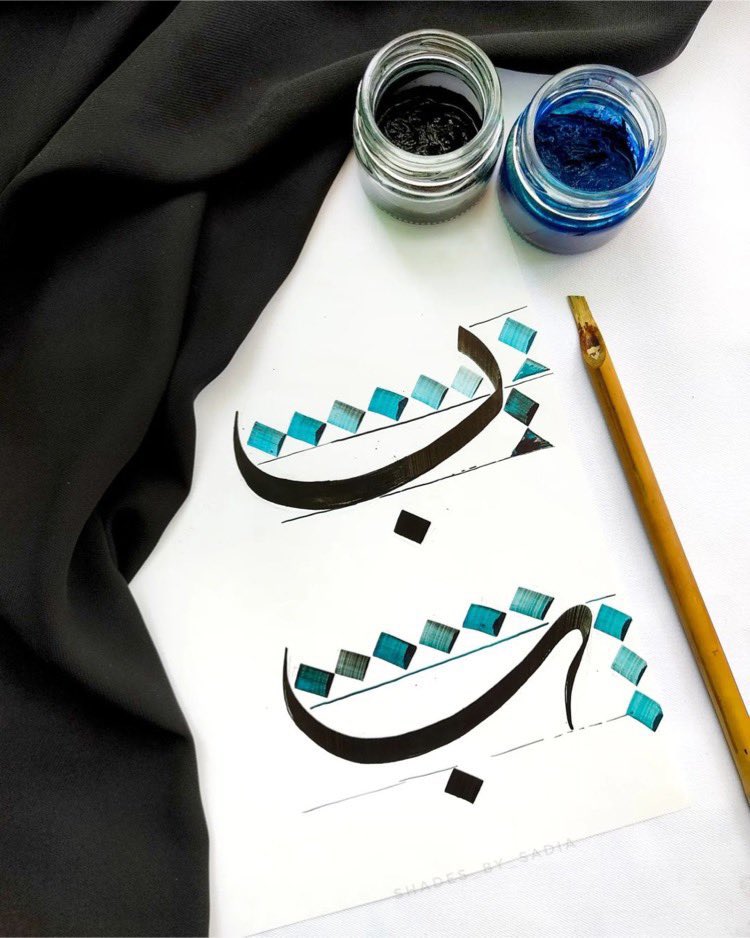
2/ Admiral: amīr أَمير
Admiral is the highest rank in a navy. The term is used internationally by many countries. It derives originally from the Arabic word amīr (= commander), and came to English by way of Old French and Latin
Artwork @ArtofthePen
Admiral is the highest rank in a navy. The term is used internationally by many countries. It derives originally from the Arabic word amīr (= commander), and came to English by way of Old French and Latin
Artwork @ArtofthePen
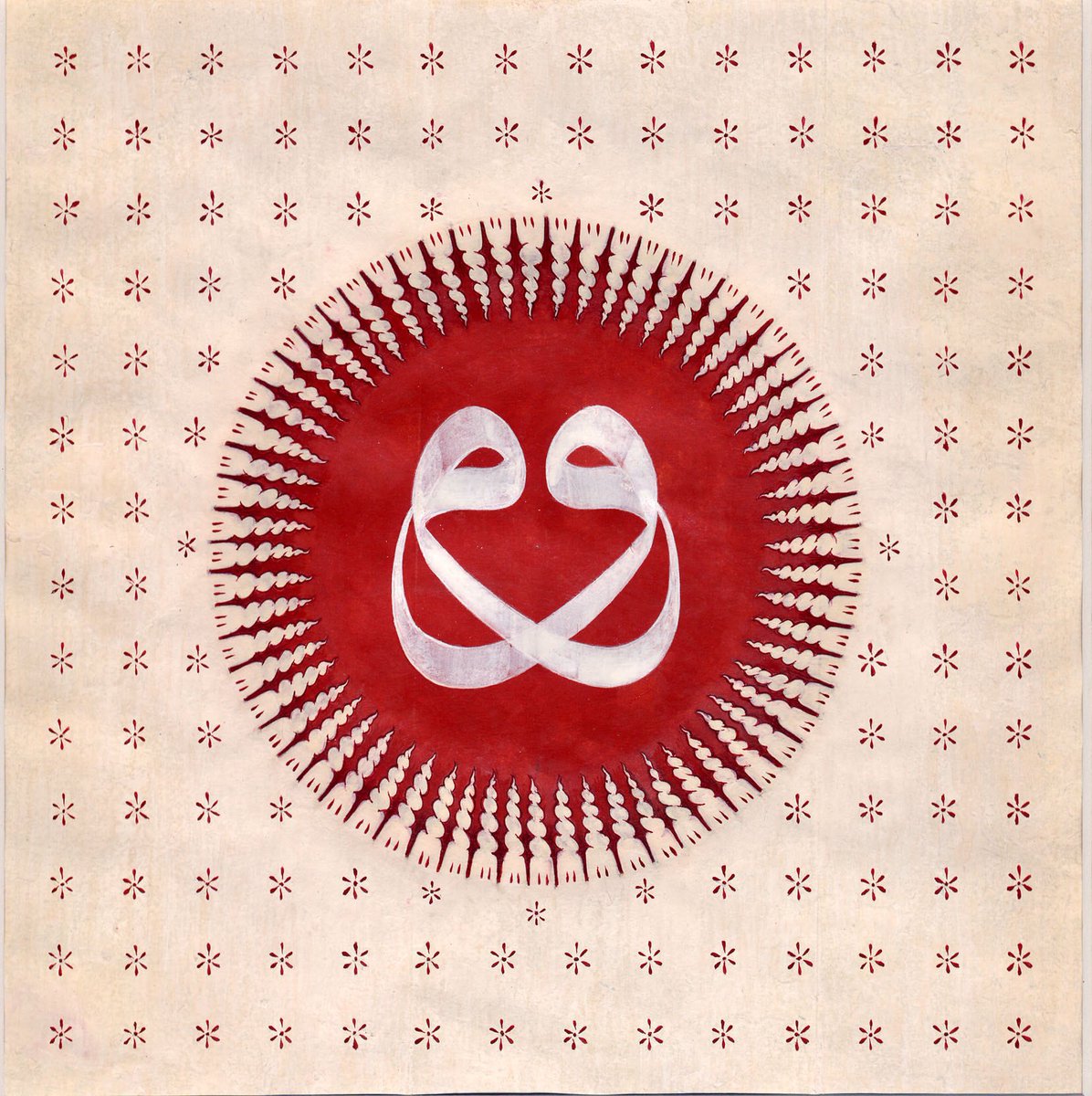
@ArtofthePen 3/ Serendipity: serendib سرنديب
The ancient fairy tale place of Serendib, which appears in 1001 Nights was also the old Arabic name for the island of Sri Lanka. The English word serendipity meaning a fortunate discovery coined by author Horace Walpole in 1754
The ancient fairy tale place of Serendib, which appears in 1001 Nights was also the old Arabic name for the island of Sri Lanka. The English word serendipity meaning a fortunate discovery coined by author Horace Walpole in 1754

@ArtofthePen 4/ Cotton: qutun قطن
Though cotton was known to the ancient Romans, the word and the fabric were imported by Arab merchants to Europe in the late Middle Ages
Artwork Hassan Massoudy
Though cotton was known to the ancient Romans, the word and the fabric were imported by Arab merchants to Europe in the late Middle Ages
Artwork Hassan Massoudy
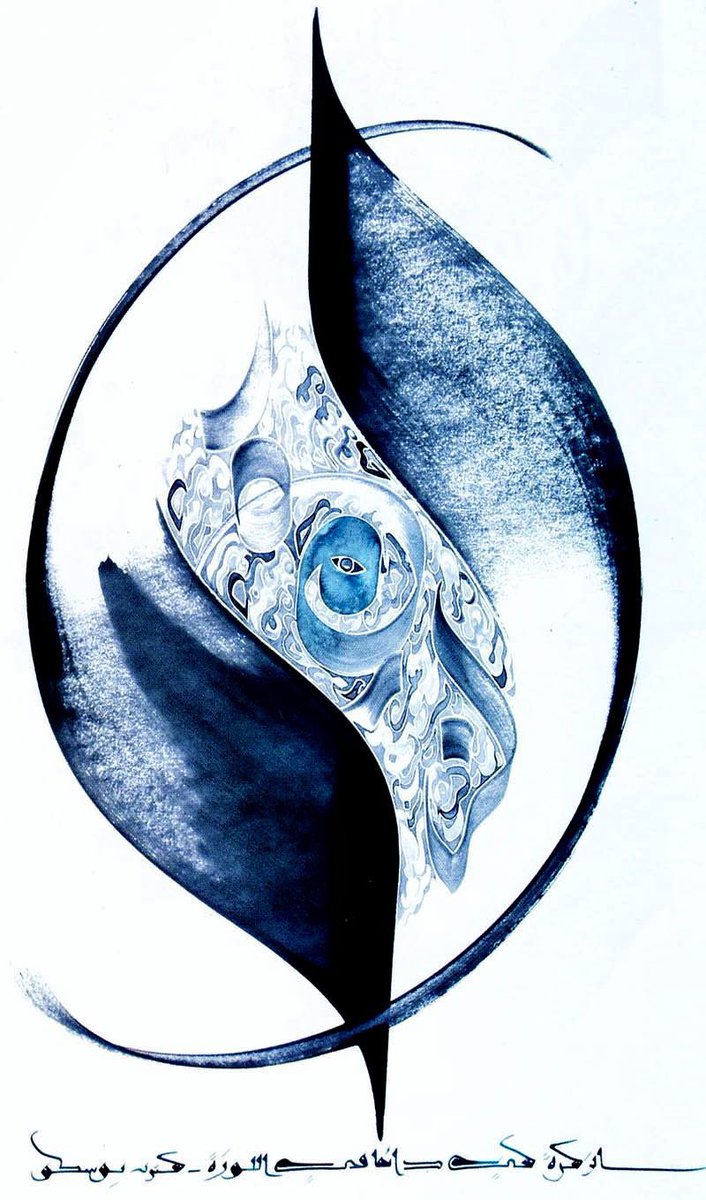
@ArtofthePen 5/ Safari: safar سفر
The English adopted the Swahili word for journey – safari – in the 19th c. for their hunting expeditions in East Africa. The origins of the word are from the Arabic "safar" or journey
Artwork: salamsanctuary
The English adopted the Swahili word for journey – safari – in the 19th c. for their hunting expeditions in East Africa. The origins of the word are from the Arabic "safar" or journey
Artwork: salamsanctuary
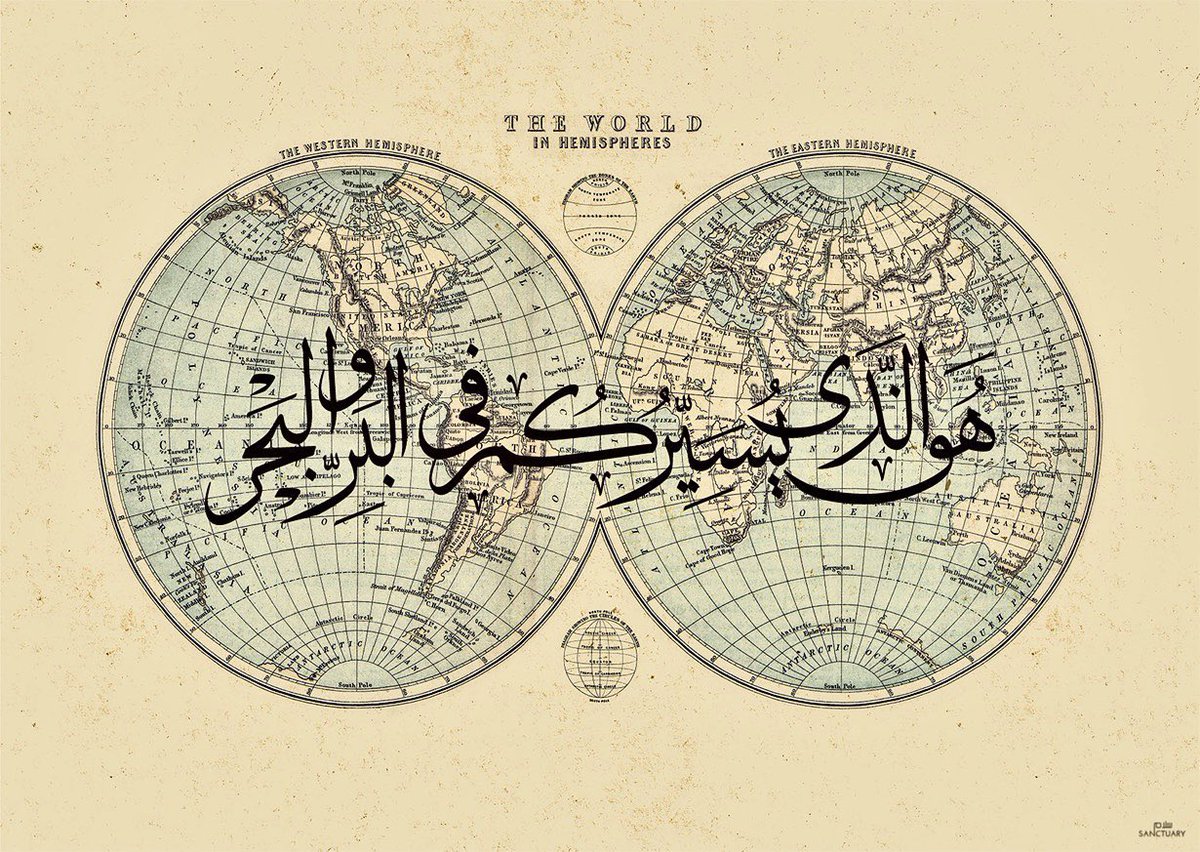
@ArtofthePen 6/ Sugar: sukkar سكّر
Another word to have travelled the Silk Road is sugar, which was originally produced in India. By the sixth century, sugar cane cultivation reached Persia & was brought into the Mediterranean by the Arabs
Artwork @zahragulraizart
Another word to have travelled the Silk Road is sugar, which was originally produced in India. By the sixth century, sugar cane cultivation reached Persia & was brought into the Mediterranean by the Arabs
Artwork @zahragulraizart
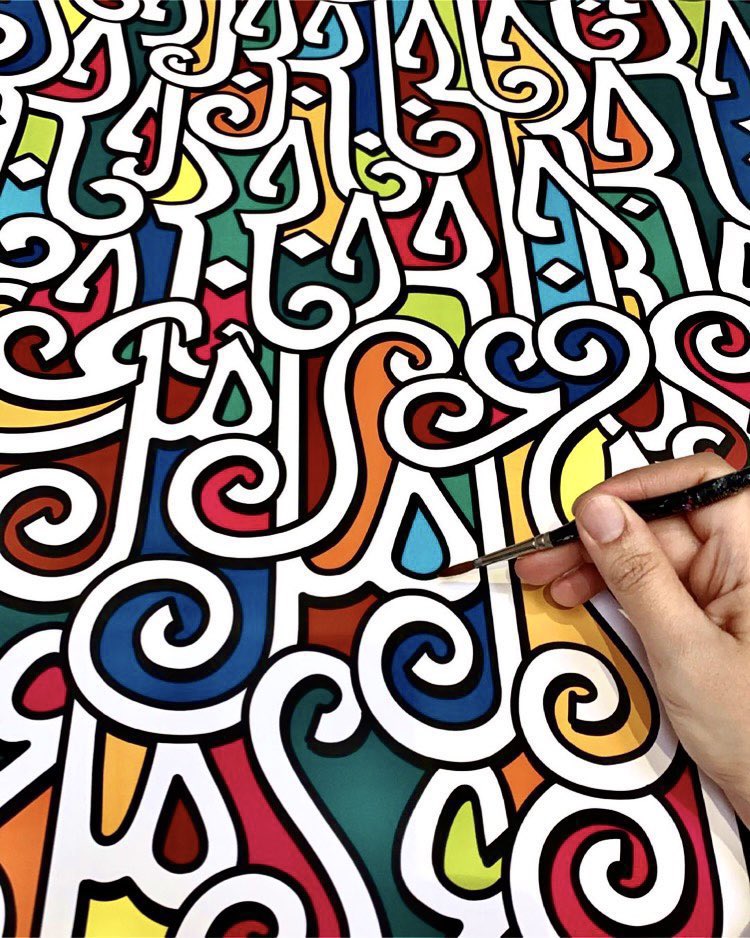
@ArtofthePen @zahragulraizart 7/ Coffee: Qahwa قهوة
Originating from Qahwa (قهوة), the Arab world has not only given us the most common drink, but the name has also been derived from Arabic
Originating from Qahwa (قهوة), the Arab world has not only given us the most common drink, but the name has also been derived from Arabic
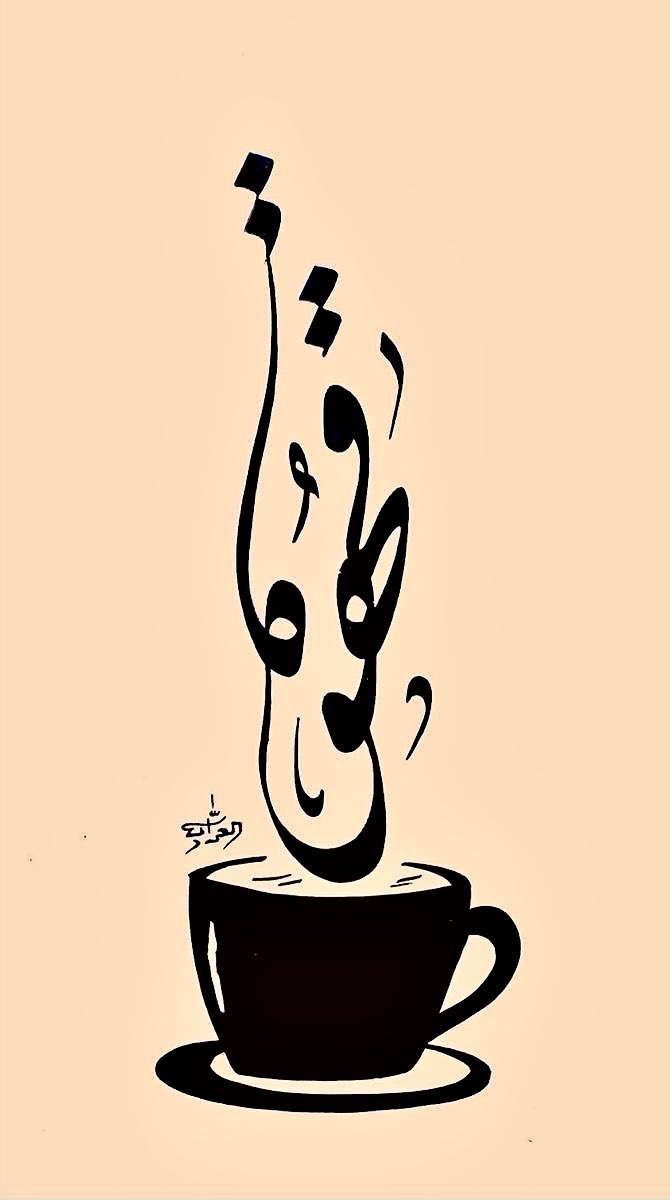
@ArtofthePen @zahragulraizart 8/ Monsoon: mawsim موسم
Early Arab sea merchants on the Indian Ocean rim used the word mawsim or seasons to refer to the seasonal sailing winds. Later, the word was adopted by English sailors as they navigated extreme weather conditions
Artwork @Hatem_Arafa_
Early Arab sea merchants on the Indian Ocean rim used the word mawsim or seasons to refer to the seasonal sailing winds. Later, the word was adopted by English sailors as they navigated extreme weather conditions
Artwork @Hatem_Arafa_
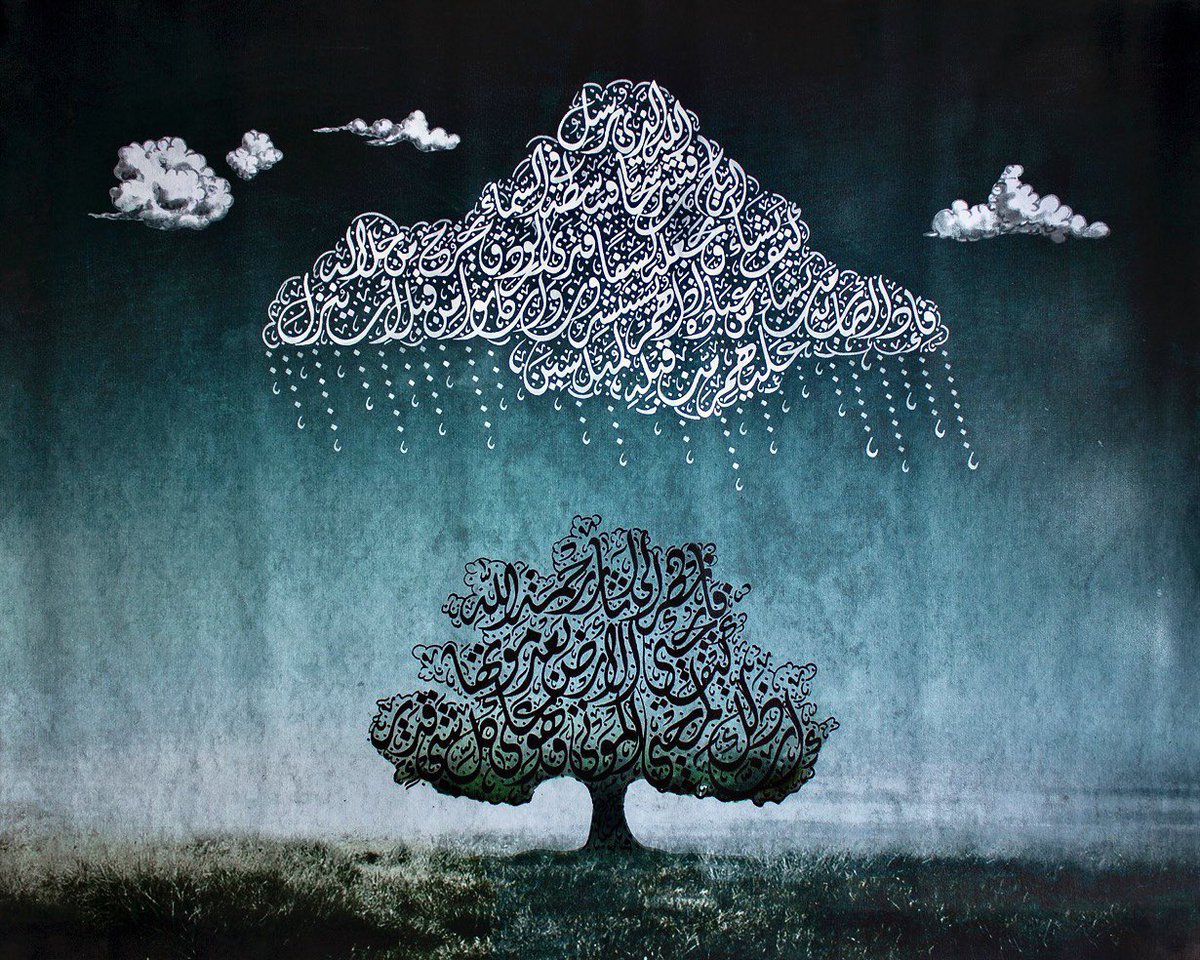
@ArtofthePen @zahragulraizart @Hatem_Arafa_ 9/ Lemon: Laymoon ليمون
The Arabic word Laymoon (ليمون) has taken the shape of lemon
Artwork @snasernia
The Arabic word Laymoon (ليمون) has taken the shape of lemon
Artwork @snasernia
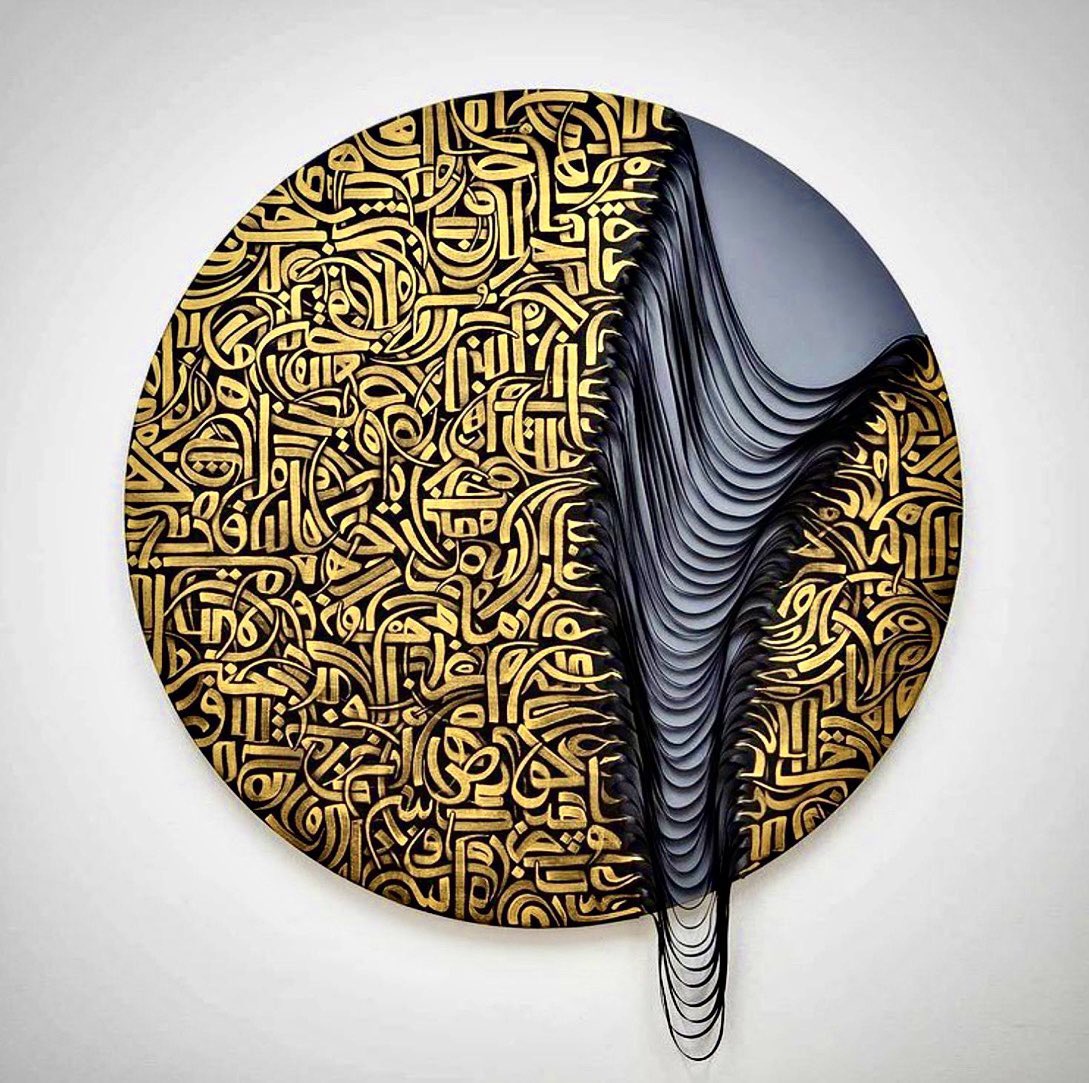
@ArtofthePen @zahragulraizart @Hatem_Arafa_ @snasernia 10/ Elixir: al-iksir الإكسير
Today, an elixir is a liquid remedy with healing powers. In Arabic, it originally referred to a dry powder for treating wounds. It was later adopted by alchemists who referred to an elixir as the elusive mineral powder that turns metals into gold
Today, an elixir is a liquid remedy with healing powers. In Arabic, it originally referred to a dry powder for treating wounds. It was later adopted by alchemists who referred to an elixir as the elusive mineral powder that turns metals into gold

@ArtofthePen @zahragulraizart @Hatem_Arafa_ @snasernia 11/ Algebra: Aljabr الجَبْر
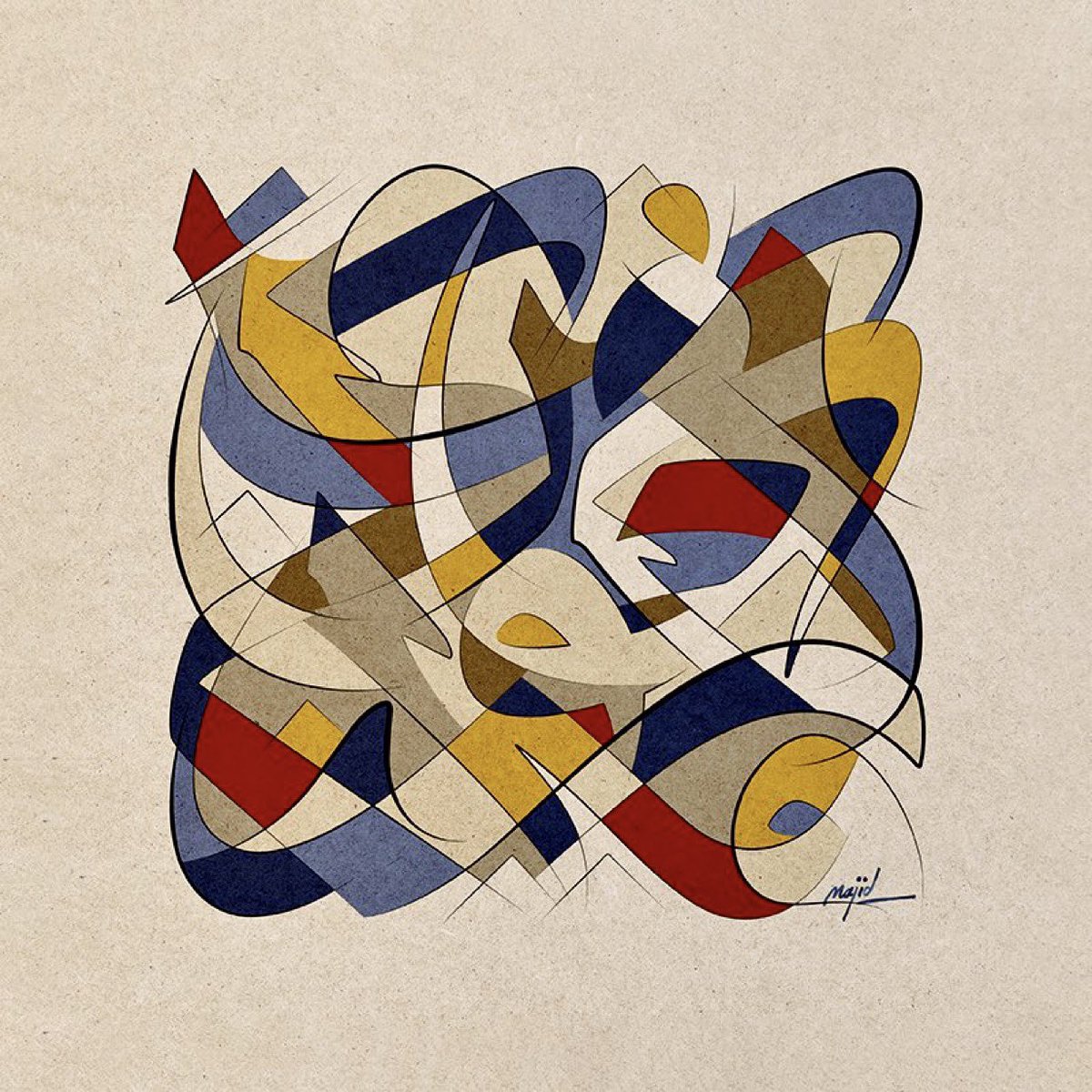
Founded by Jaber bin Heyan, the field of Algebra or Aljabr (الجَبْر) as it was originally named is one of the most important branch of mathematics in which letters & symbols are used to represent unknown numbers
Art @MajidAlyousef
Founded by Jaber bin Heyan, the field of Algebra or Aljabr (الجَبْر) as it was originally named is one of the most important branch of mathematics in which letters & symbols are used to represent unknown numbers
Art @MajidAlyousef
@ArtofthePen @zahragulraizart @Hatem_Arafa_ @snasernia @MajidAlyousef 12/ Mattress: Matrah مطرح
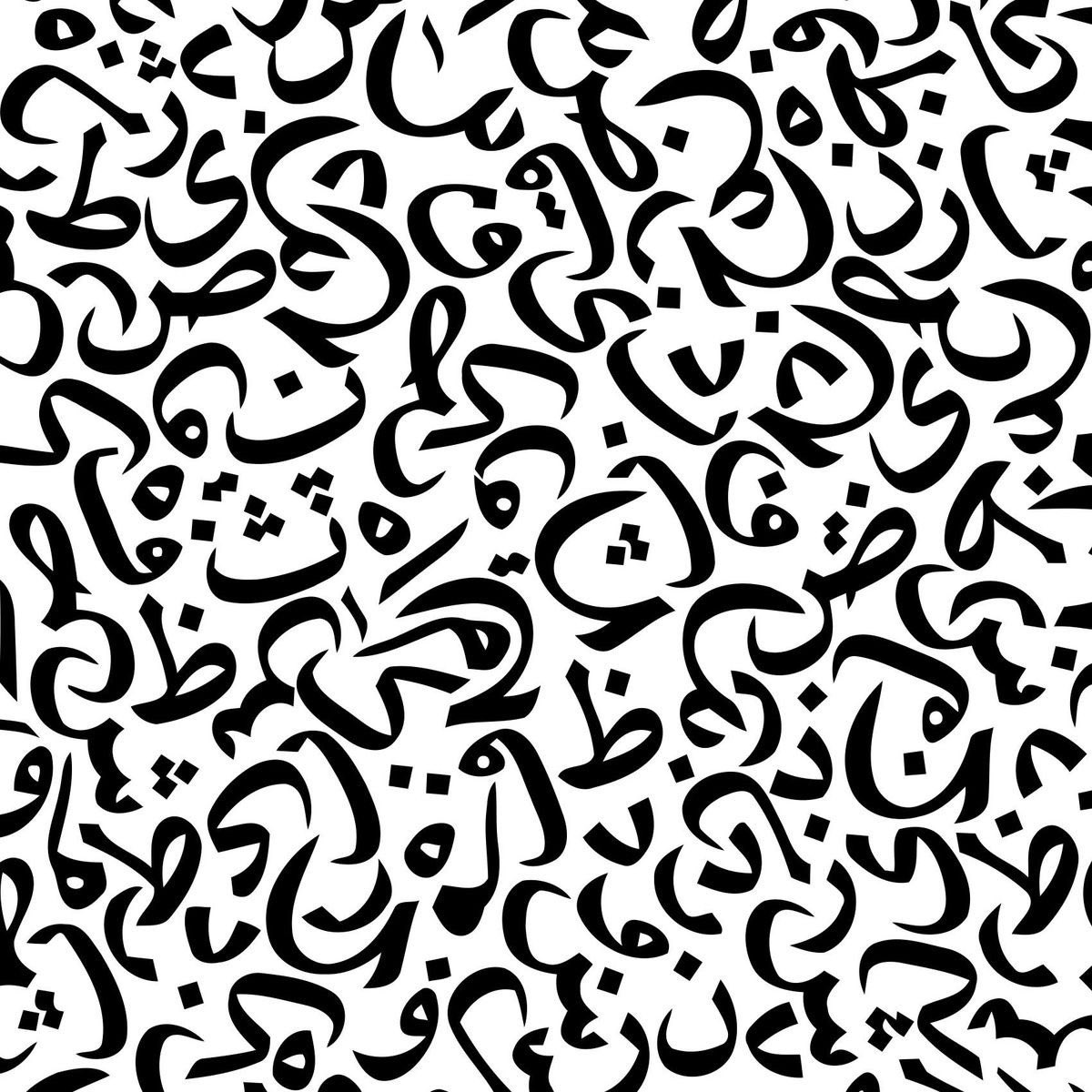
Sleeping on cushions was actually an Arabic invention. Were it not for Arabic matrah, a place where the cushions were thrown down, the Europeans would never have adopted materacium/materatium (Latin) which passed through Italian into English as mattress
Sleeping on cushions was actually an Arabic invention. Were it not for Arabic matrah, a place where the cushions were thrown down, the Europeans would never have adopted materacium/materatium (Latin) which passed through Italian into English as mattress
@ArtofthePen @zahragulraizart @Hatem_Arafa_ @snasernia @MajidAlyousef 13/ Castle: Qasr قصر
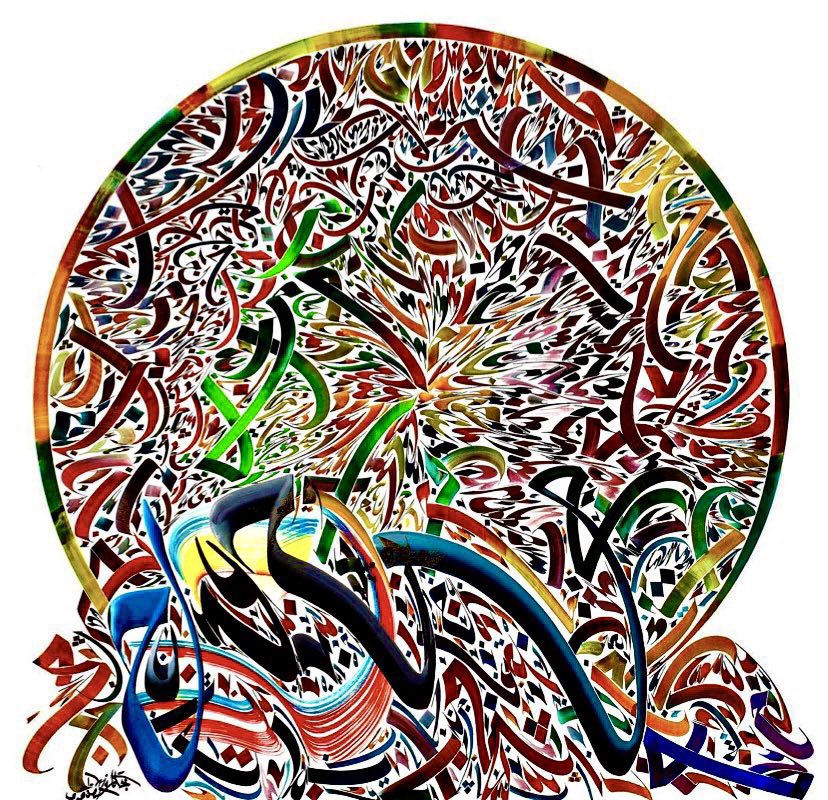
The word “castle” comes from the Arabic term “Qasr” with the same meaning; a great construction
Artwork Nja Mahdaoui
The word “castle” comes from the Arabic term “Qasr” with the same meaning; a great construction
Artwork Nja Mahdaoui
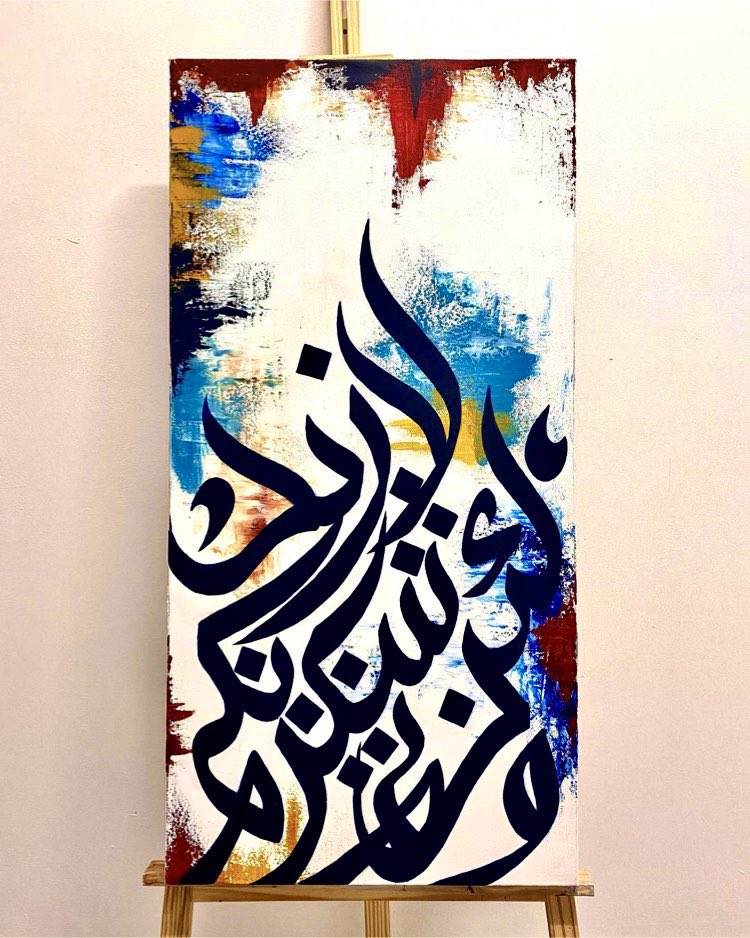
@ArtofthePen @zahragulraizart @Hatem_Arafa_ @snasernia @MajidAlyousef 14/ Syrup: sharab شَراب
Of course if Arabic gave us sugar and candy, it also gave us syrup. In this case, the original is sharab, which refers to a beverage: wine, fruit juice, or something sweeter
Artwork @handofayesha
Of course if Arabic gave us sugar and candy, it also gave us syrup. In this case, the original is sharab, which refers to a beverage: wine, fruit juice, or something sweeter
Artwork @handofayesha
@ArtofthePen @zahragulraizart @Hatem_Arafa_ @snasernia @MajidAlyousef @handofayesha 15/ Ghoul: ghuul غول
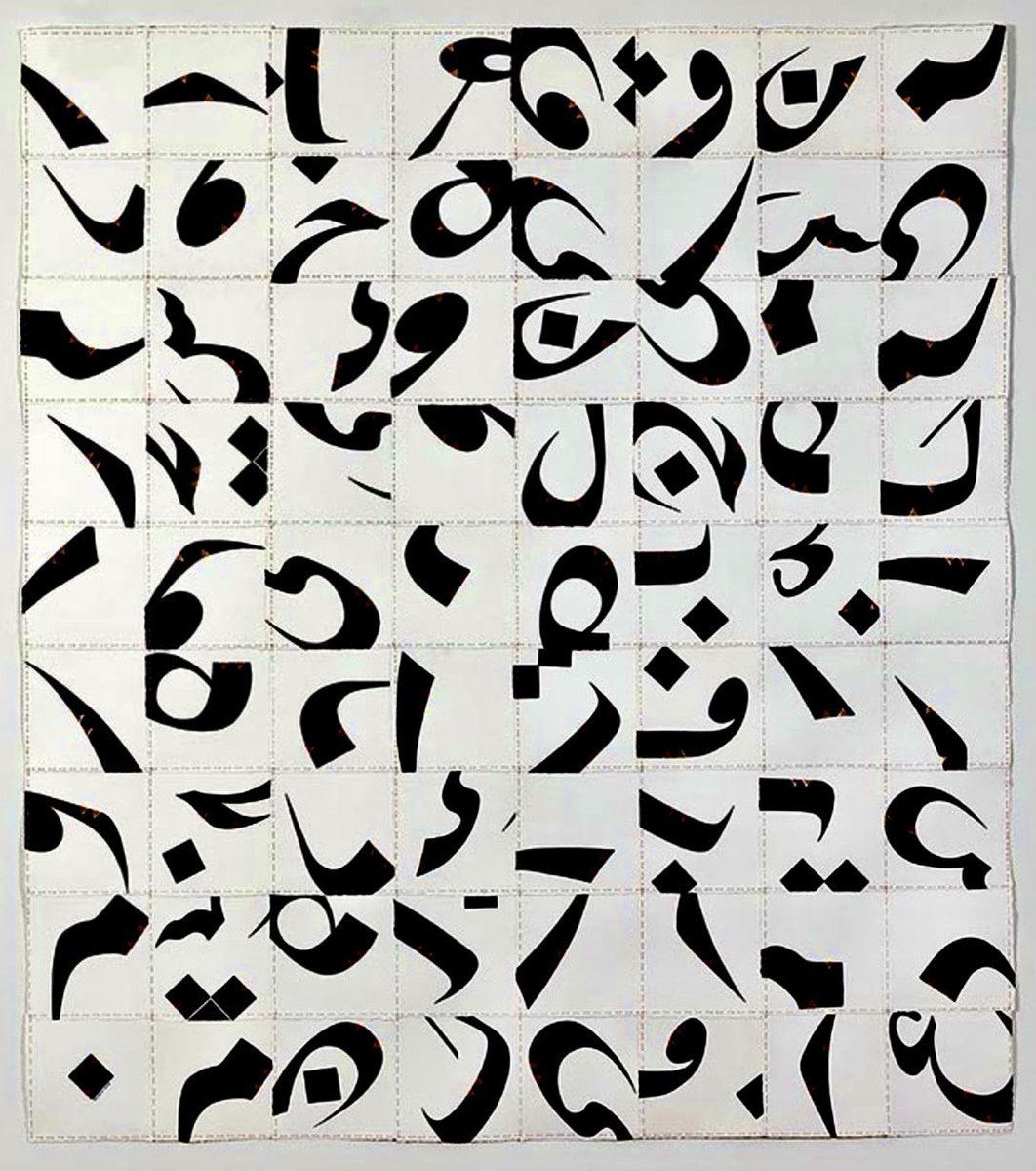
This word used to describe an evil being that feeds on the bodies of the deceased comes from the Arabic word ghūl, which is in turn rooted in the verb ghāla-“to seize.”
Artwork Pouran Jinchi
This word used to describe an evil being that feeds on the bodies of the deceased comes from the Arabic word ghūl, which is in turn rooted in the verb ghāla-“to seize.”
Artwork Pouran Jinchi
@ArtofthePen @zahragulraizart @Hatem_Arafa_ @snasernia @MajidAlyousef @handofayesha 16/ Carat: qirat قيراط
In English, we use the term to measure every 200 mg of gemstones and pearls and the Arabic word, pronounced "qi:ra:t", means "small weight"
In English, we use the term to measure every 200 mg of gemstones and pearls and the Arabic word, pronounced "qi:ra:t", means "small weight"

@ArtofthePen @zahragulraizart @Hatem_Arafa_ @snasernia @MajidAlyousef @handofayesha 17/ Kohl: kohul كحل
It's been used since ancient times to darken the eyelids & in modern times, the charcoal product is embraced across the world for use in makeup products. Pronounced kohul, it comes from the Arabic word "kah'ala" for stain or paint
It's been used since ancient times to darken the eyelids & in modern times, the charcoal product is embraced across the world for use in makeup products. Pronounced kohul, it comes from the Arabic word "kah'ala" for stain or paint

@ArtofthePen @zahragulraizart @Hatem_Arafa_ @snasernia @MajidAlyousef @handofayesha 18/ Loofah: lufah ليفة استحمام
The Egyptian Arabic word "lu:fah" comes from the fibrous plant whose pods can be used as sponges
Artwork @ArtofthePen
The Egyptian Arabic word "lu:fah" comes from the fibrous plant whose pods can be used as sponges
Artwork @ArtofthePen

@ArtofthePen @zahragulraizart @Hatem_Arafa_ @snasernia @MajidAlyousef @handofayesha 19/ Alchemy: al-kīmiyāʾ الكيمياء
Derives from the Arabic word kimiya (كيمياء) or al-kīmiyāʾ (الكيمياء). The Arabic term is derived from the Ancient Greek χημία, khēmia, or χημεία, khēmeia, 'art of alloying metals', from χύμα (khúma, “fluid”), from χέω (khéō, “I pour”)
Derives from the Arabic word kimiya (كيمياء) or al-kīmiyāʾ (الكيمياء). The Arabic term is derived from the Ancient Greek χημία, khēmia, or χημεία, khēmeia, 'art of alloying metals', from χύμα (khúma, “fluid”), from χέω (khéō, “I pour”)

@ArtofthePen @zahragulraizart @Hatem_Arafa_ @snasernia @MajidAlyousef @handofayesha 20/ Jar: jarra جرّة
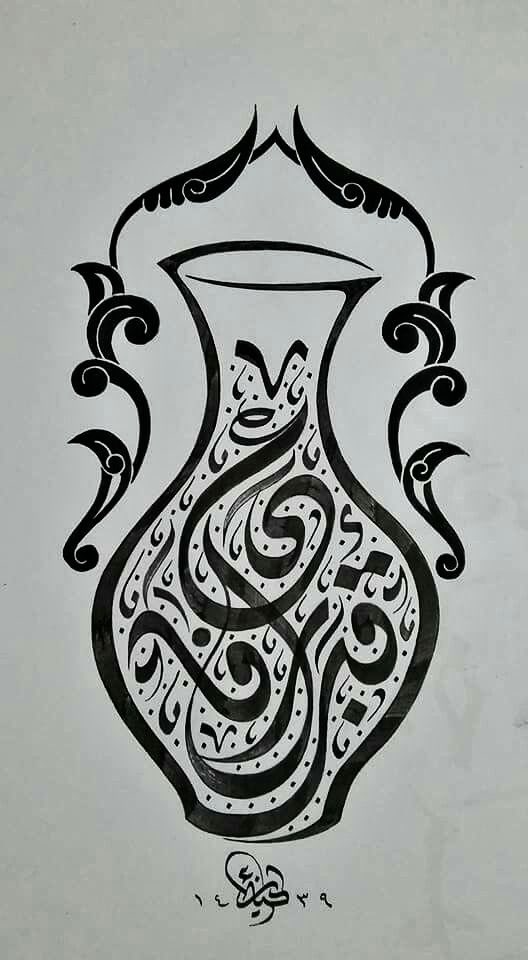
Jarra, is an upright container made of pottery. First records in English are in 1418 & 1421 as a container for olive oil. Arabic jarra was used in earlier centuries
Jarra, is an upright container made of pottery. First records in English are in 1418 & 1421 as a container for olive oil. Arabic jarra was used in earlier centuries
Loading suggestions...