

Most people want to be an investor
But most investors don't know how to read a balance sheet
Here's how to read a balance sheet:
But most investors don't know how to read a balance sheet
Here's how to read a balance sheet:
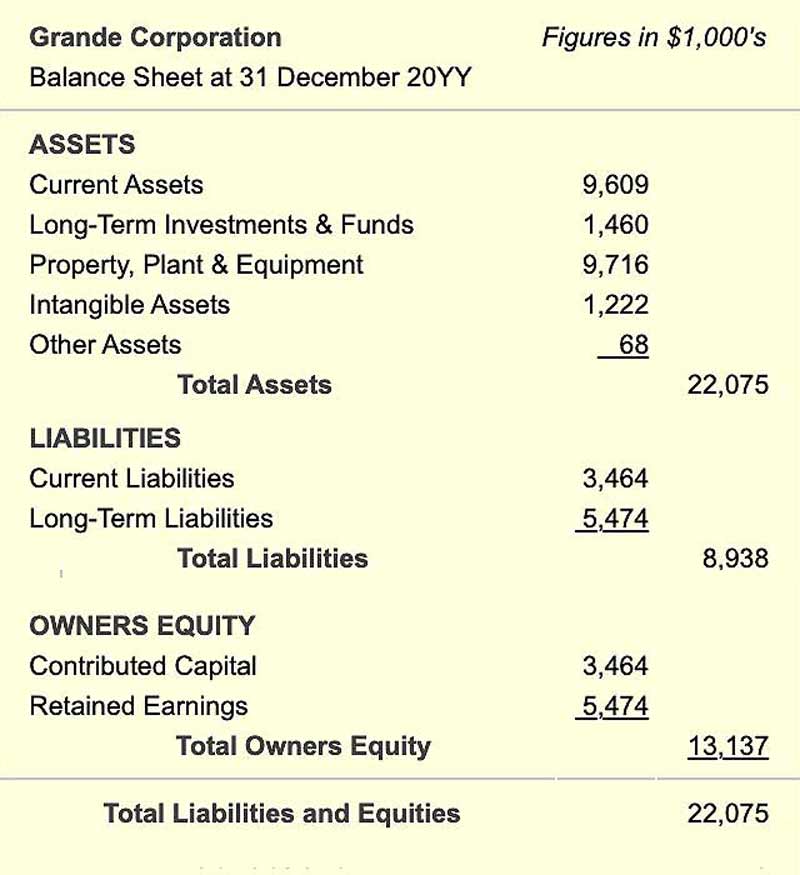
1/ The purpose of the balance sheet is to show much a company is worth at that point of time.
It shows:
-Assets
-Liabilities
-Shareholder Equity
Companies share their balance sheet in their 10-Q and 10-K
It shows:
-Assets
-Liabilities
-Shareholder Equity
Companies share their balance sheet in their 10-Q and 10-K
2/ Accounting is the language of investing.
The balance sheet is 1 of 3 financial statements.
The balance sheet balances the number of assets that a company has against its liabilities and shareholders' equity at that point in time
Assets=Liabilities + Shareholder Equity
The balance sheet is 1 of 3 financial statements.
The balance sheet balances the number of assets that a company has against its liabilities and shareholders' equity at that point in time
Assets=Liabilities + Shareholder Equity
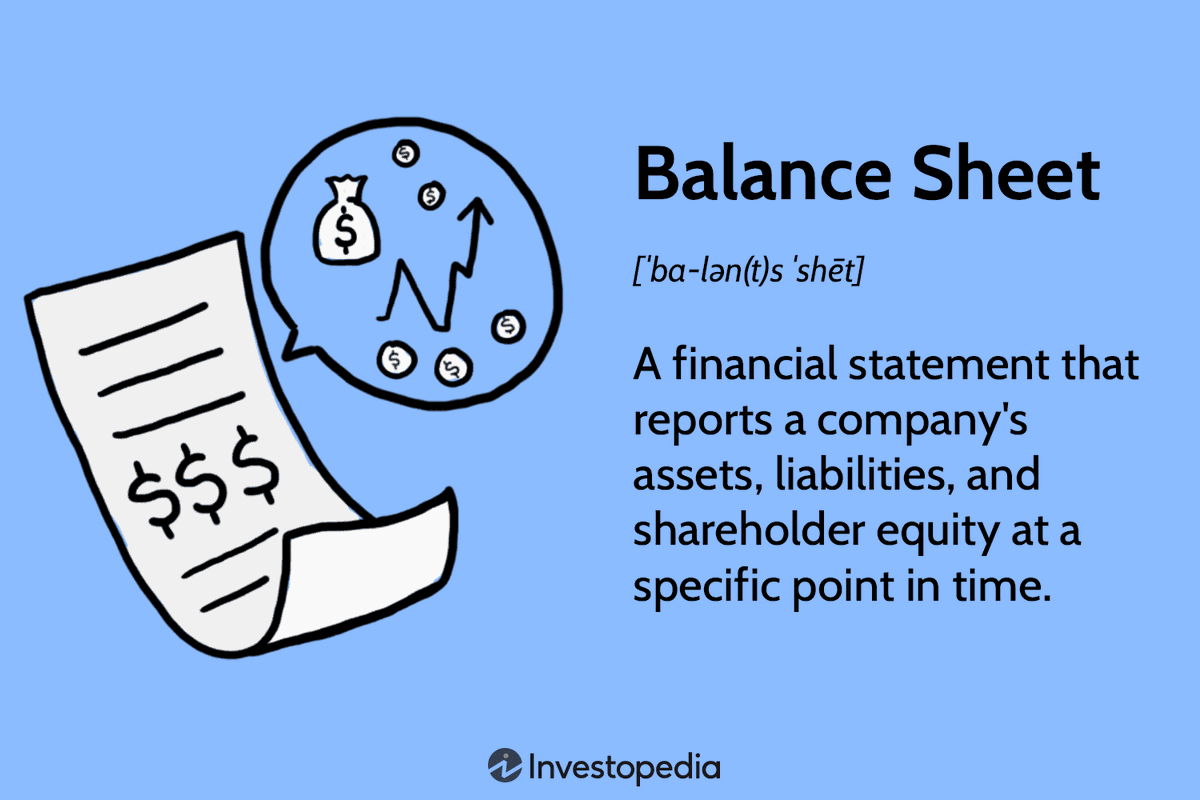
3/ "At that point of time" is key when understanding balance sheets.
A balance sheet is measured at that point of time while an income statement and cash flow statement are measured "over a period of time."
This is a major difference between the 3 financial statements
A balance sheet is measured at that point of time while an income statement and cash flow statement are measured "over a period of time."
This is a major difference between the 3 financial statements
4/ Assets
Assets are resources that a company owns.
They are bought or created with the expectation that they will produce some type of positive economic for the company.
There are two types of assets:
-Current (Short term)
-Non-Current (Long Term)
Assets are resources that a company owns.
They are bought or created with the expectation that they will produce some type of positive economic for the company.
There are two types of assets:
-Current (Short term)
-Non-Current (Long Term)
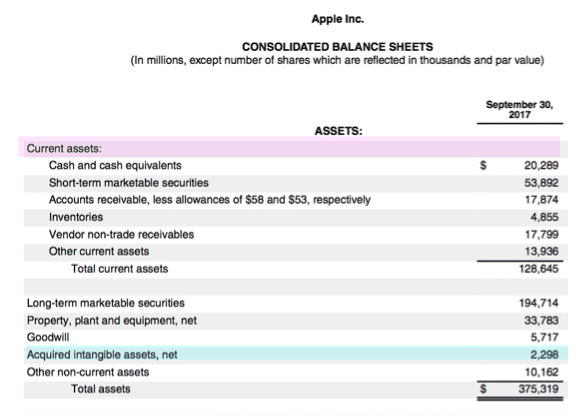
4B/Non-Current Assets
These type of assets will benefit the company for more than a year.
There are two types of non-current assets:
1. Tangible Assets
-Equipment
-Buildings
-Property
2. Intangible Assets
-Trademarks
-Goodwill
-Patents
-Algorithms
-Stocks
These type of assets will benefit the company for more than a year.
There are two types of non-current assets:
1. Tangible Assets
-Equipment
-Buildings
-Property
2. Intangible Assets
-Trademarks
-Goodwill
-Patents
-Algorithms
-Stocks
5/ Liabilities
Liabilities are anything that the company owes, which will be a cost for the company in the future.
Liabilities are broken down into two types:
-Short-Term Liabilities
-Long-Term Liabilities
Liabilities are anything that the company owes, which will be a cost for the company in the future.
Liabilities are broken down into two types:
-Short-Term Liabilities
-Long-Term Liabilities
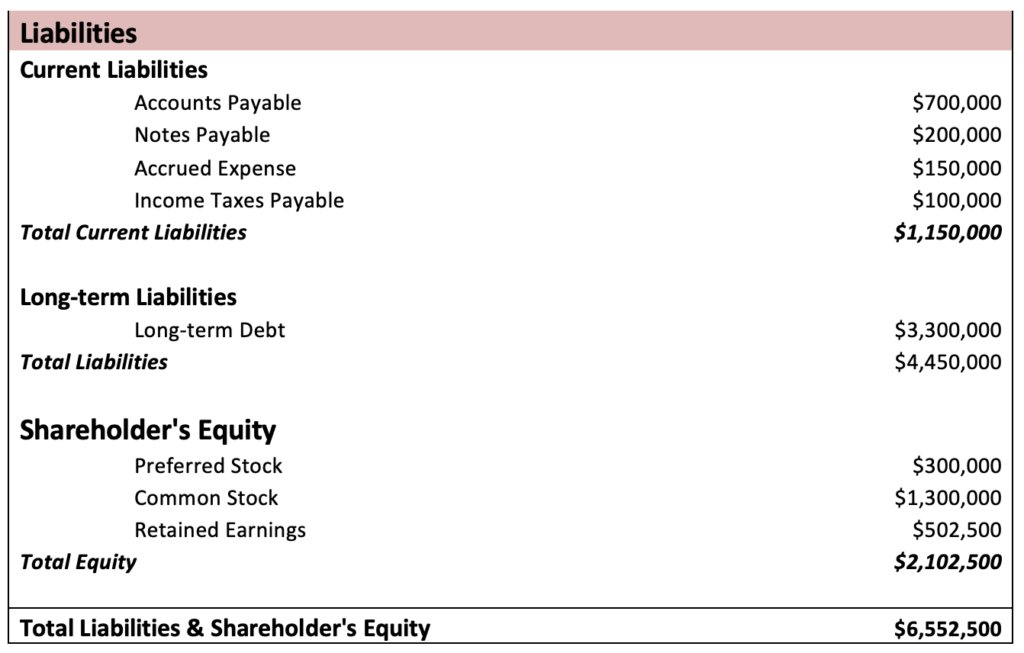
5A/ Short-Term Liabilities
Short-term liabilities are anything a company owes to their debtors over the next 12 months.
Examples of short-term liabilities:
-Interest
-Short Term Debt
-Accounts Payable
-Wages
-Dividends
Short-term liabilities are anything a company owes to their debtors over the next 12 months.
Examples of short-term liabilities:
-Interest
-Short Term Debt
-Accounts Payable
-Wages
-Dividends
5B/Long-Term Liabilities
Long-term liabilities are anything that a company owes their debtors for a period over 1 year.
Examples of long-term liabilities:
-Long-Term Debt
-Taxes
-Pension
-Leases
Long-term liabilities are anything that a company owes their debtors for a period over 1 year.
Examples of long-term liabilities:
-Long-Term Debt
-Taxes
-Pension
-Leases
6/ Shareholders Equity
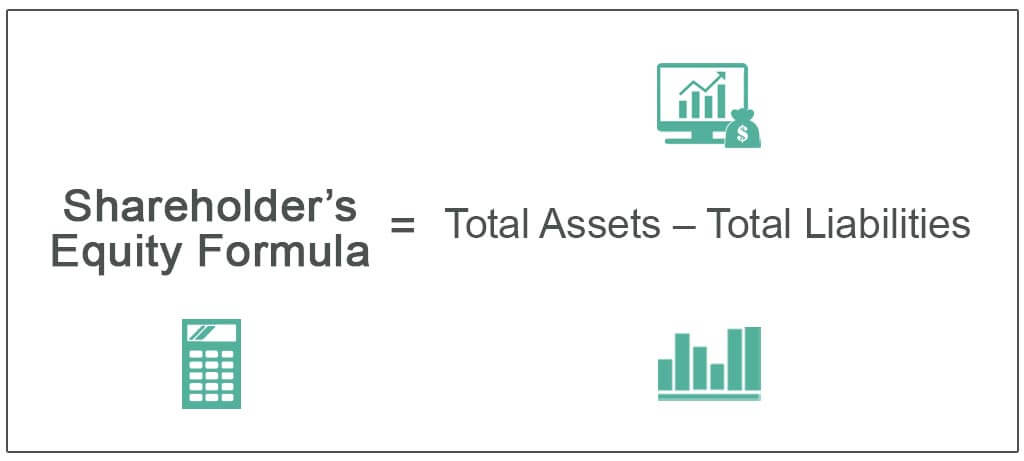
If you were to add up all the assets that a company owns and subtract if from all the liabilities that a company owes that would end up being shareholder equity.
Shareholders equity=Total assets- Total liabilities
If you were to add up all the assets that a company owns and subtract if from all the liabilities that a company owes that would end up being shareholder equity.
Shareholders equity=Total assets- Total liabilities
6A/ Shareholders Equity
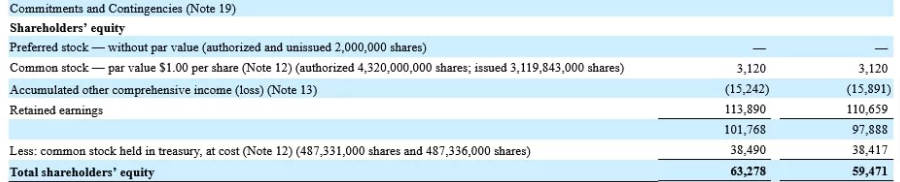
Shareholders equity can be broken down into four categories:
-Common Stock
-Preferred Stock
-Treasury Stock
-Retained Earnings
Shareholders equity can be broken down into four categories:
-Common Stock
-Preferred Stock
-Treasury Stock
-Retained Earnings
7/ Balance Sheet
The things I ask myself:
-Are the cash & equivalents more than the debt? (Yes)
-How much receivables & inventory does a company have? (low)
-How much goodwill is on the balance sheet? (none)
These are 3 simple questions to ask yourself.
The things I ask myself:
-Are the cash & equivalents more than the debt? (Yes)
-How much receivables & inventory does a company have? (low)
-How much goodwill is on the balance sheet? (none)
These are 3 simple questions to ask yourself.
Thank you for reading!
If you enjoyed this twitter thread:
-RT my first tweet
-Follow me @investmattallen
-Subscribe to my newsletter
I tweet things like this every single day to make you a better investor.
If you enjoyed this twitter thread:
-RT my first tweet
-Follow me @investmattallen
-Subscribe to my newsletter
I tweet things like this every single day to make you a better investor.
Loading suggestions...